Produktbeskrivning
Shacman Delong Axle Cross Joint Pto Drive Shaft for Power Transmission DZ9114315147
| DZ9114315147 | L=1470MM |
| DZ9114315126 | L=1260MM |
| DZ9114315128 | L=1280MM |
| DZ9114315156 | L=1560MM |
| DZ9114315160 | L=1600MM |
| DZ9114315164 | L=1640MM |
Product advantages & features
(1) Thickened shaft tube, thickened universal joint, impact toughness and fatigue resistance.
(2) Machining by machining center, standard size and stable quality.
(3) Single inspection out of the warehouse to ensure 100% qualified products out of the warehouse.
(4) Adjust the dynamic balance test when leaving the warehouse to ensure its loading stability.
Our inventory
More Products
| Truck Model | Sinotruk, Shacman, CHINAMFG Auman, CHINAMFG Xihu (West Lake) Dis., Xihu (West Lake) Dis.feng, Xihu (West Lake) Dis.feng Liuqi Balong, North BENZ( BEIBEN), C&C, JAC, etc. | |
| Product catalogue | Axle | Wheel Assembly |
| Differential Assembly | ||
| Main Reducer Assembly | ||
| Inner Ring Gear& Bracket | ||
| Basin Angle Gear/ Bevel Gear | ||
| Axle Shaft/ Half Shaft & Through Shaft | ||
| Axle Housing& Axle Assembly | ||
| Steering knuckle & Front Axle | ||
| Gear | ||
| Brake Drum& Wheel Hub | ||
| Flange | ||
| Bearing | ||
| Main Reducer Housing | ||
| Oil Seal Seat | ||
| Nut& Shim Series | ||
| Brake Backing Plate | ||
| Chassis Support Products | Leaf Spring Bracket | |
| Drop Arm Series | ||
| Bracket Series | ||
| Leaf Spring Shackle Series | ||
| Balanced Suspension Series | Balance Shaft Assembly | |
| Balance Shaft Housing | ||
| Axle Spring Seat | ||
| Thrust Rod | ||
| Balance Shaft Parts | ||
| Shock Absorber Series | Shock Absorber | |
| Shock Absorbing Airbag | ||
| Steering System | Power Steering Pump | |
| Power Steering Gear | ||
| Rubber Products | Oil Seal | |
| Rubber Support | ||
| Thrust Rod Rubber Core | ||
| Truck Belt | ||
| Engine support | ||
| Other | ||
| Clutch Series | Clutch Pressure Plate | |
| Clutch Disc | ||
| Flywheel Assembly | ||
| Flywheel Ring Gear | ||
| Adjusting Arm Series | ||
Förpackning och frakt
Vanliga frågor
Q1. How about price of products?
The price is negotiable.It can be changed according to your quantity or package. When you are making an inquiry, please let us know the quantity you want.
Please provide the exact or approximate quantity, packing details, destination port or special requirements, so we could give you the price accordingly.
Q2. What is the products delivery time?
Generally, it will take 3 to 10 days after receiving your advance payment. The specific delivery time depends on the items and the quantity of your order.
Q3.Do you test all your goods before delivery?
Yes,we have 100% test before delivery.
Q4.What is your terms of payment?
By TT or We’ll show you the photos of the products and packages before you pay the balance.
Q5. Do you accept third party inspection?
Yes,we do.
Q6. Are you a factory or trading company?
We are a factory integrating research, development, production and sales.
Certifieringar
/* 10 mars 2571 17:59:20 */!function(){function s(e,r){var a,o={};try{e&&e.split(“,”).forEach(function(e,t){e&&(a=e.match(/(.*?):(.*)$/))&&1
| Material: | Steel |
|---|---|
| Ladda: | Drivaxel |
| Styvhet och flexibilitet: | Flexibel axel |
| Prover: |
US$ 175/Piece
1 styck (minsta beställning) | Beställ prov |
|---|
| Anpassning: |
Tillgänglig
| Anpassad förfrågan |
|---|
.shipping-cost-tm .tm-status-off{bakgrund: ingen;fyllning: 0;färg: #1470cc}
| Fraktkostnad:
Beräknad frakt per enhet. |
om fraktkostnad och beräknad leveranstid. |
|---|
| Betalningsmetod: |
|
|---|---|
|
Första betalningen Full betalning |
| Valuta: | US$ |
|---|
| Retur och återbetalning: | Du kan ansöka om återbetalning upp till 30 dagar efter att du mottagit produkterna. |
|---|
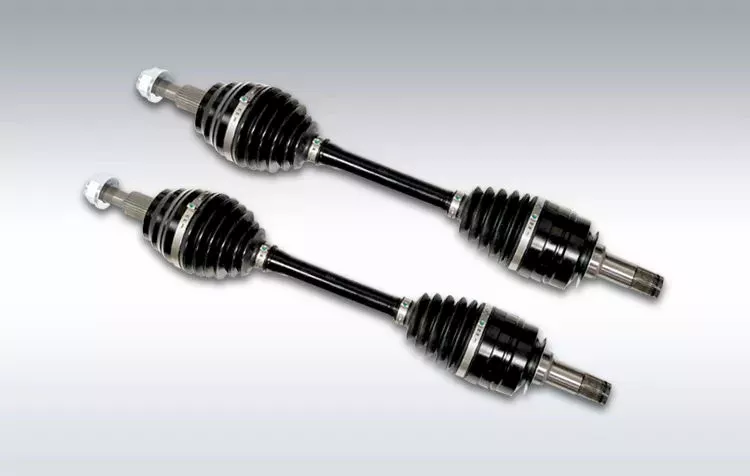
Hur hanterar kraftuttagsaxlar variationer i längd och kopplingsmetoder?
Kraftuttagsaxlar (PTO) är konstruerade för att hantera variationer i längd och kopplingsmetoder för att passa olika utrustningsuppsättningar och säkerställa effektiv kraftöverföring. Kraftuttagsaxlar måste vara justerbara i längd för att överbrygga avståndet mellan kraftkällan och den drivna maskinen. Dessutom måste de erbjuda mångsidiga kopplingsmetoder för att ansluta till en mängd olika utrustningar. Här är en detaljerad förklaring av hur kraftuttagsaxlar hanterar variationer i längd och kopplingsmetoder:
1. Teleskopisk design: Kraftuttagsaxlar har ofta en teleskopisk design, vilket gör att de kan justeras i längd för att passa olika utrustningskonfigurationer. Teleskopfunktionen gör att axeln kan förlängas eller dras in, vilket möjliggör varierande avstånd mellan kraftkällan (t.ex. en traktor eller motor) och den drivna maskinen. Genom att justera längden på kraftuttagsaxeln kan den justeras och anslutas korrekt för att säkerställa optimal kraftöverföring. Teleskopiska kraftuttagsaxlar består vanligtvis av flera rörformiga sektioner som glider in i varandra, vilket ger flexibilitet i längdjusteringen.
2. Splineaxlar: Kraftöverföringsaxlar använder vanligtvis splinesaxlar som den primära anslutningsmetoden mellan kraftkällan och den drivna maskinen. Splines är en serie åsar eller spår längs axeln som sammankopplas med motsvarande spår i den motstående komponenten. Splines-anslutningen möjliggör vridmomentöverföring samtidigt som uppriktningen mellan kraftkällan och den drivna maskinen bibehålls. Splinesaxlar kan hantera variationer i längd genom att förlänga eller dra in de teleskopiska sektionerna samtidigt som en solid anslutning mellan kraftkällan och den drivna utrustningen bibehålls.
3. Justerbara glidande ok: Kraftöverföringsaxlar har vanligtvis justerbara glidande ok i en eller båda ändarna av axeln. Dessa ok möjliggör vinkeljustering, vilket möjliggör variationer i uppriktningen mellan kraftkällan och den drivna maskinen. De glidande oken kan flyttas längs den splinesförsedda axeln för att uppnå önskad vinkel och bibehålla korrekt uppriktning. Denna flexibilitet säkerställer att kraftöverföringsaxeln kan hantera längdvariationer samtidigt som effektiv kraftöverföring säkerställs utan att universalkopplingarna eller andra komponenter utsätts för alltför stor belastning.
4. Universalkopplingar: Universalkopplingar är integrerade komponenter i kraftöverföringsaxlar som möjliggör vinkelförskjutning mellan kraftkällan och den drivna maskinen. De består av ett korsformat ok med lager som överför vridmoment mellan anslutna axlar samtidigt som de kompenserar för feljustering. Universalkopplingar ger flexibilitet vid anslutning av kraftöverföringsaxlar till utrustning som kanske inte är perfekt uppriktad. Eftersom kraftöverföringsaxelns längd varierar kompenserar universalkopplingarna för vinkelförändringarna, vilket möjliggör en smidig kraftöverföring även när det finns variationer i längd eller feljustering mellan kraftkällan och den drivna maskinen.
5. Kopplingsmekanismer: Kraftöverföringsaxlar använder olika kopplingsmekanismer för att säkert ansluta till kraftkällan och drivna maskiner. Dessa mekanismer involverar ofta en kombination av splines, bultar, låsstift eller snabbkopplingsmekanismer. Kopplingsmetoderna kan variera beroende på specifik utrustning och branschkrav. Kraftöverföringsaxlarnas mångsidighet möjliggör användning av olika kopplingsmetoder, vilket säkerställer en tillförlitlig och säker anslutning oavsett längdvariation eller utrustningskonfiguration.
6. Anpassningsalternativ: Kraftöverföringsaxlar kan anpassas för att hantera specifika längdvariationer och kopplingsmetoder. Tillverkare erbjuder alternativ för att välja olika längder på teleskopsektioner för att matcha det specifika avståndet mellan kraftkällan och den drivna maskinen. Dessutom kan kraftöverföringsaxlar skräddarsys för att passa olika kopplingsmetoder genom val av splinesaxlar i olika storlekar, okdesigner och kopplingsmekanismer. Denna anpassning gör det möjligt för kraftöverföringsaxlar att uppfylla de specifika kraven för olika utrustningsuppsättningar, vilket säkerställer optimal kraftöverföring och kompatibilitet.
7. Säkerhetsaspekter: Vid hantering av variationer i längd och kopplingsmetoder är det viktigt att beakta säkerheten. Kraftöverföringsaxlar har skydd och sköldar för att förhindra oavsiktlig kontakt med roterande komponenter. Dessa säkerhetsåtgärder måste justeras och installeras på lämpligt sätt för att ge tillräckligt skydd, oavsett kraftöverföringsaxelns längd eller kopplingskonfiguration. Säkerhetsriktlinjer och föreskrifter bör följas för att säkerställa korrekt installation, justering och användning av kraftöverföringsaxlar för att förhindra olyckor eller skador.
Genom att använda teleskopiska konstruktioner, splinesaxlar, justerbara glidok, universalkopplingar och mångsidiga kopplingsmekanismer kan kraftuttagsaxlar hantera variationer i längd och kopplingsmetoder. Kraftuttagsaxlarnas flexibilitet gör att de kan anpassas till olika utrustningsuppsättningar, vilket säkerställer effektiv kraftöverföring samtidigt som uppriktning och säkerhet bibehålls.
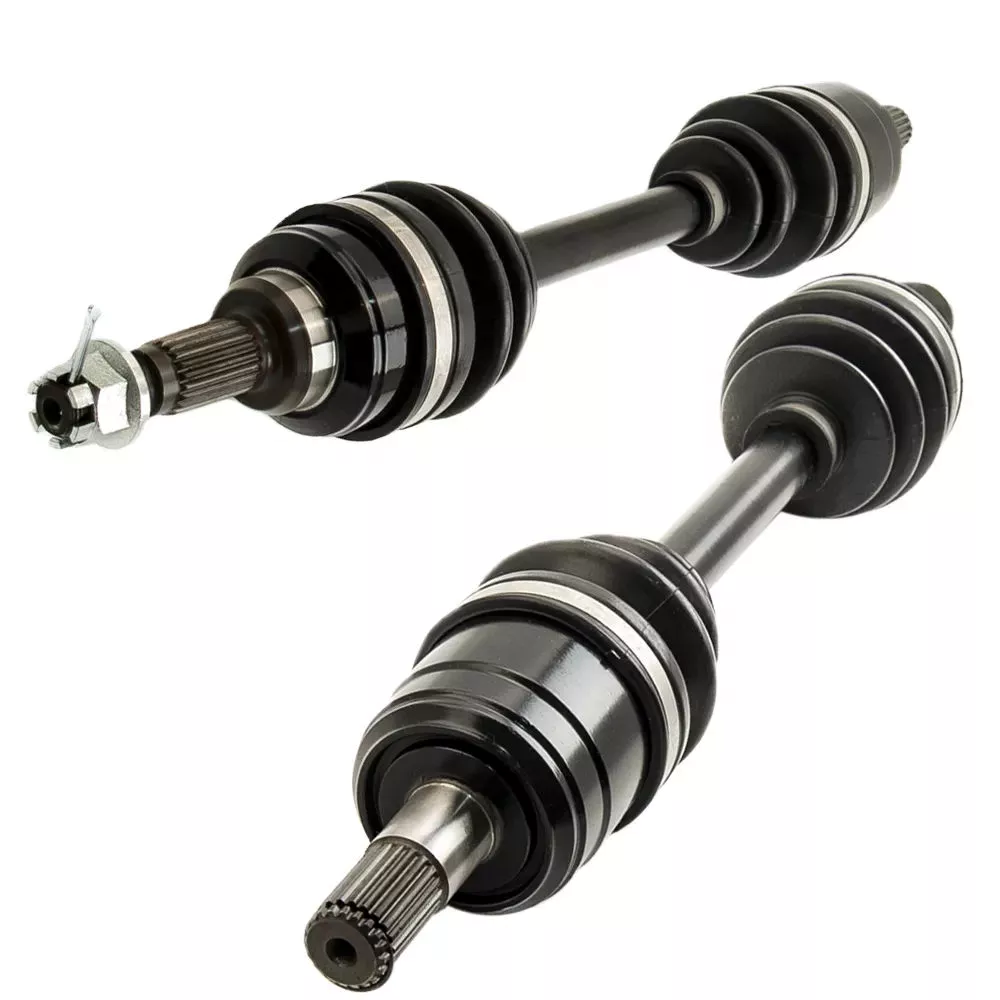
Kan kraftuttagsaxlar anpassas för specifika maskiner och effektbehov?
Ja, kraftuttagsaxlar (PTO) kan anpassas för att möta specifika maskiner och effektkrav för olika tillämpningar. Tillverkare erbjuder anpassningsalternativ för att säkerställa att kraftuttagsaxlar är exakt anpassade till kraftkällan, den drivna maskinen och den avsedda tillämpningen. Här är en detaljerad förklaring av hur kraftuttagsaxlar kan anpassas:
1. Axellängd: Kraftuttagsaxlar kan anpassas i längd för att passa olika utrustningskonfigurationer. Kraftuttagsaxelns längd är avgörande för att säkerställa korrekt uppriktning och anslutning mellan kraftkällan och den drivna maskinen. Tillverkare kan erbjuda kraftuttagsaxlar med justerbara eller fasta längdalternativ, vilket möjliggör flexibilitet för att uppfylla specifika längdkrav. Anpassning av axellängden säkerställer att kraftuttagsaxeln passar korrekt till utrustningen, vilket optimerar kraftöverföringseffektiviteten och minskar risken för feljustering eller överdriven stress.
2. Splinestorlekar: Kraftöverföringsaxlar finns med olika splinestorlekar för att matcha ingångs- och utgående axlar på olika utrustningar. Anpassning av splinestorlek gör att kraftöverföringsaxeln kan anslutas sömlöst till kraftkällan och drivna maskiner. Tillverkare kan erbjuda olika splinekonfigurationer, såsom 1-3/8 tum, 1-3/4 tum eller metriska storlekar, för att tillgodose specifika maskinkrav. Anpassning av splinestorleken säkerställer korrekt passform och säker anslutning, vilket möjliggör effektiv kraftöverföring utan behov av ytterligare adaptrar eller modifieringar.
3. Okdesigner: Kraftuttagsaxlar kan anpassas med olika okdesigner för att matcha anslutningspunkterna på kraftkällan och den drivna maskinen. Oket är den komponent som fästs på axeln och ansluts till utrustningen. Tillverkare kan erbjuda olika okdesigner, såsom runda, triangulära eller splinesförsedda ok, för att säkerställa kompatibilitet med specifika maskiner. Anpassning av okdesignen möjliggör en säker och pålitlig anslutning, som justerar kraftuttagsaxeln med utrustningens ingående/utgående axlar och optimerar kraftöverföringens effektivitet.
4. Momentvärden: Kraftöverföringsaxlar kan anpassas för att hantera specifika vridmomentkrav baserat på applikationens effektbehov. Vridmoment är den rotationskraft som kraftöverföringsaxeln behöver överföra från kraftkällan till den drivna maskinen. Tillverkare kan konstruera kraftöverföringsaxlar med olika vridmomentklassificeringar genom att använda lämpliga material, dimensioner och förstärkningstekniker. Anpassning av vridmomentklassificeringen säkerställer att kraftöverföringsaxeln säkert och tillförlitligt kan hantera de erforderliga effektnivåerna utan för tidigt slitage eller fel.
5. Kopplingsmekanismer: Kraftuttagsaxlar kan anpassas med olika kopplingsmekanismer för att matcha anslutningskraven för specifik utrustning. Kopplingsmekanismer är det sätt på vilket kraftuttagsaxeln ansluts och kopplas bort från kraftkällan och drivna maskiner. Tillverkare kan erbjuda olika kopplingsalternativ, såsom snabbkopplingar, brytstiftskopplingar eller mekaniska låskopplingar, för att passa olika maskindesigner och driftsbehov. Anpassning av kopplingsmekanismen säkerställer enkel användning, säker fastsättning och snabb frikoppling vid behov.
6. Skyddande funktioner: Kraftöverföringsaxlar kan anpassas med ytterligare skyddsfunktioner för att förbättra säkerhet och hållbarhet. Dessa funktioner kan inkludera skyddskåpor, säkerhetskåpor eller slirkopplingar. Skyddskåpor och säkerhetskåpor ger fysiskt skydd genom att omsluta den roterande axeln och förhindra oavsiktlig kontakt, vilket minskar risken för skador. Slirkopplingar erbjuder överbelastningsskydd genom att låta kraftöverföringsaxeln slira eller urkopplas vid för stort vridmoment eller motstånd, vilket förhindrar skador på axeln och tillhörande utrustning. Anpassning av skyddsfunktionerna säkerställer att säkerhetsföreskrifterna följs och uppfyller specifika säkerhetskrav för maskinen eller applikationen.
7. Materialval: Kraftöverföringsaxlar kan anpassas med olika material baserat på tillämpningens krav. Tillverkare kan erbjuda en rad olika materialalternativ, såsom stål, aluminium eller kompositmaterial, med varierande hållfasthet, vikt och korrosionsbeständighetsegenskaper. Anpassning av materialvalet möjliggör optimering av kraftöverföringsaxelns prestanda, med hänsyn till faktorer som driftsförhållanden, miljöexponering och viktbegränsningar.
Genom att erbjuda anpassningsalternativ som axellängd, splinestorlekar, okdesign, vridmomentklassificering, kopplingsmekanismer, skyddsfunktioner och materialval kan tillverkare säkerställa att kraftuttagsaxlar är specifikt anpassade för att möta maskin- och effektkraven i olika applikationer. Anpassade kraftuttagsaxlar underlättar sömlös integration, effektiv kraftöverföring och tillförlitlig drift, vilket förbättrar utrustningens totala prestanda och produktivitet.
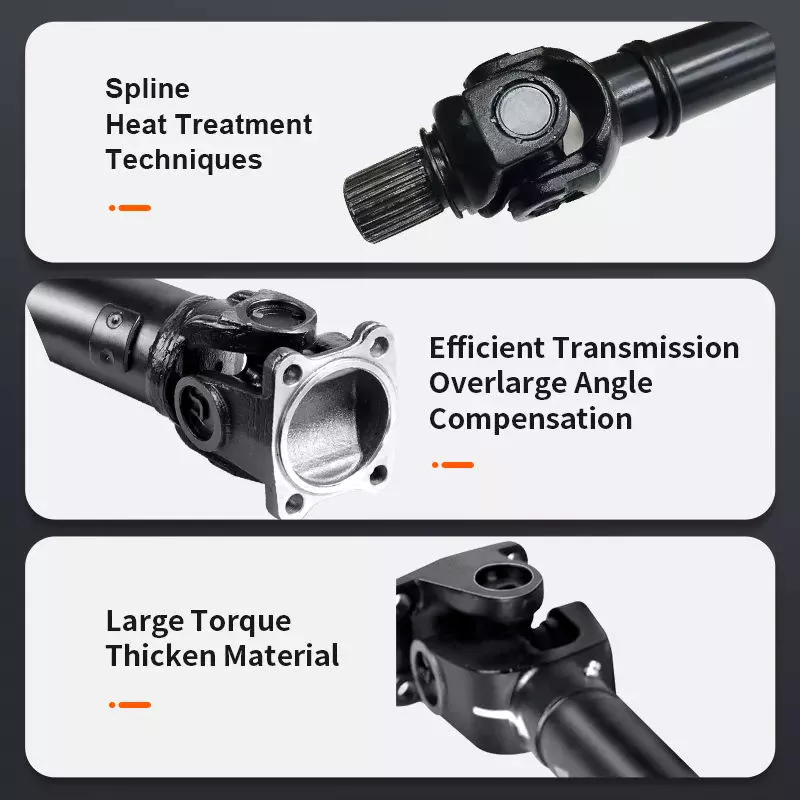
Hur bidrar kraftuttagsaxlar till att överföra kraft från traktorer till redskap?
Kraftuttagsaxlar (Power Take-Off Shafts) spelar en avgörande roll för att överföra kraft från traktorer till redskap inom jordbruks- och industrimiljöer. De ger en tillförlitlig och effektiv kraftöverföring, vilket gör det möjligt för traktorer att driva olika redskap och utföra en mängd olika uppgifter. Här är en detaljerad förklaring av hur kraftuttagsaxlar bidrar till att överföra kraft från traktorer till redskap:
Strömkälla: Traktorer är utrustade med kraftfulla motorer som är konstruerade för att generera betydande mängder mekanisk kraft. Denna kraft utnyttjas för att driva traktorns hjul och hydraulsystem, samt för att ge kraft till redskapskopplingar via kraftuttagsaxeln. Kraftuttagsaxeln är vanligtvis ansluten till traktorns baksida eller sida, där kraftuttagsmekanismen är placerad. Kraftuttaget hämtar kraft direkt från traktorns motor eller transmission, vilket möjliggör effektiv kraftöverföring till kraftuttagsaxeln.
Kraftuttagsaxelns design: Kraftuttagsaxlar är konstruerade som drivlinekomponenter som överför rotationskraft och vridmoment från traktorns kraftuttag till redskapet. De består av ett ihåligt metallrör med universalkopplingar i varje ände. Universalkopplingarna tar upp vinkelfeljusteringar och gör att kraftuttagsaxeln kan överföra kraft även när traktorn och redskapet inte är perfekt uppriktade. Kraftuttagsaxeln är också utrustad med ett säkerhetsskydd för att förhindra oavsiktlig kontakt med den roterande axeln, vilket säkerställer förarens säkerhet under drift.
PTO-engagemang: För att överföra kraft från traktorn till redskapet måste kraftuttagsaxeln vara inkopplad. Traktorer är utrustade med en kraftuttagskopplingsmekanism som gör det möjligt för föraren att koppla in eller ur kraftuttagsaxeln efter behov. När kraftuttagskopplingen är inkopplad flyter kraft från traktorns motor genom kraftuttagsmekanismen och in i kraftuttagsaxeln. Denna rotationskraft överförs sedan via kraftuttagsaxeln till redskapet och driver dess arbetskomponenter.
Rotationskraftöverföring: Rotationskraften som genereras av traktorns motor överförs till kraftuttagsaxeln via kraftuttagsmekanismen. Kraftuttagsaxeln, som är direkt ansluten till kraftuttaget, roterar med samma hastighet som motorn. Denna rotationskraft överförs sedan från kraftuttagsaxeln till redskapets drivlina eller växellåda. Redskapets drivlina fördelar i sin tur kraften till redskapets arbetskomponenter, såsom knivar, skruvborrar eller pumpar, vilket gör att de kan utföra sina respektive funktioner.
Matchande hastighet och kraft: Kraftuttagsaxlar är konstruerade för att matcha rotationshastigheten och effektkraven för olika redskap. Traktorer har ofta flera hastighetsinställningar för kraftuttaget, vilket gör det möjligt för föraren att välja lämplig hastighet för det specifika redskapet som används. Olika redskap kan kräva olika rotationshastigheter för att fungera optimalt, och kraftuttagsaxeln möjliggör enkel justering för att matcha dessa krav. Dessutom överförs kraften som genereras av traktorns motor genom kraftuttagsaxeln, vilket ger det nödvändiga vridmomentet för att driva redskapets arbetskomponenter effektivt.
Mångsidighet och effektivitet: Kraftuttagsaxlar erbjuder betydande mångsidighet och effektivitet inom jordbruks- och industriverksamhet. De gör det möjligt för traktorer att driva ett brett utbud av redskap, inklusive slåttermaskiner, balpressar, jordfräsar, sprutor och spannmålsskruvar, bland annat. Genom att ansluta redskap direkt till traktorns strömkälla kan förare snabbt växla mellan uppgifter utan behov av separata kraftgeneratorer eller motorer. Denna mångsidighet och effektivitet effektiviserar arbetsflödet, minskar kostnaderna och ökar den totala produktiviteten inom jordbruks- och industrimiljöer.
Säkerhetsöverväganden: Även om kraftuttagsaxlar är viktiga för kraftöverföring kan de utgöra säkerhetsrisker om de hanteras felaktigt. Den roterande axeln och universalkopplingarna kan orsaka allvarliga skador om operatörerna kommer i kontakt med dem under drift. Därför är kraftuttagsaxlar utrustade med säkerhetssköldar eller skydd för att förhindra oavsiktlig kontakt. Operatörer bör alltid se till att säkerhetssköldarna är på plats och säkra innan de aktiverar kraftuttagsaxeln. Korrekt utbildning, efterlevnad av säkerhetsriktlinjer och regelbundet underhåll av kraftuttagsaxlar och tillhörande säkerhetsfunktioner är avgörande för att säkerställa säker drift.
Sammanfattningsvis är kraftuttagsaxlar viktiga komponenter som möjliggör kraftöverföring från traktorer till redskap inom jordbruks- och industritillämpningar. De ger en tillförlitlig och effektiv kraftöverföring, vilket gör att traktorer kan driva olika redskap och utföra en mängd olika uppgifter. Genom att aktivera kraftuttagskopplingen och överföra rotationskraft genom kraftuttagsaxeln driver traktorer redskapens arbetskomponenter, vilket ger mångsidighet, effektivitet och produktivitet inom jordbruks- och industriverksamhet.


editor by CX 2024-02-23