Produktbeschreibung
Premium Agricultural Machinery Transmission, Driveline, Pto Shaft
| Product No | Pto Shaft |
| Use For | Agricultual Machinery |
| OEM | Acceptable |
| Tube Types for PTO Shaft | Triangle,Lemon.Star |
| Universal Joint | Series1-8 |
| Colors of PTO Shaft | Base on Customer’s requirement |
| PTO Shaft Series | Series1-8 |
| Jochtyp | Available Options |
| Equipment End Connection Way | CV,Clutch,Yoke |
| Garantie | 1 Year |
Produktspezifikationen
Detailed Photos
Unternehmensprofil
HangZhou Rongwang Industry and Trade Co., Ltd. was established in 2007. The company develops and produces gearboxes, transmission shafts, and related accessories for various types of lawn mowers, rotary tillers, excavators, and other agricultural machinery. The products are sold to various countries in Europe and America. The company currently has processing and testing equipment such as machining centers, CNC machine tools, and coordinate measuring instruments, and has a strong research and development team, as well as complete after-sales support services.
The company is committed to meeting and surpassing customer needs with a rigorous work style, providing high-performance and high-quality products. We warmly welcome domestic and foreign enterprises to come and discuss cooperation. The company is willing to take on a new look and constantly innovate. Sincere and enthusiastic service, as always, close communication and cooperation with colleagues at home and abroad, working hand in hand to create brilliance.
Applicatio
Corporate Purpose
The company always adheres to the business philosophy of “integrity, excellence, innovation, and progress” , striving for survival with quality and development with technology.The employees of Rongwang Industry and Trade have many years of experience in mechanical processing and manufacturing, while also absorbing advanced technology and processes from both domestic and foreign countries.And has passed ISO9001 quality system certification certification.
Rongwang Enterprise Purpose: To create excellent enterprises with excellent products, discounted prices, and excellent services.
Vision:Power the industry, Transmit the world.Rongwang Machinery aims to be the leader in the power transmission industry.Mission: To provide trustworthy and affordable products for our customers.”Trustworthy”means high quality and safe products.We are trying to offer lower cost products without sacrificing quality.
/* 22. Januar 2571 19:08:37 */!function(){function s(e,r){var a,o={};try{e&&e.split(“,”).forEach(function(e,t){e&&(a=e.match(/(.*?):(.*)$/))&&1
| Material: | Legierter Stahl |
|---|---|
| Laden: | Antriebswelle |
| Steifigkeit und Flexibilität: | Flexible Welle |
| Journal Diameter Dimensional Accuracy: | IT6-IT9 |
| Axis Shape: | Straight Shaft |
| Shaft Shape: | Real Axis |
| Proben: |
US$ 20/Piece
1 Stück (Mindestbestellmenge) | |
|---|
| Anpassung: |
Verfügbar
| Kundenspezifische Anfrage |
|---|
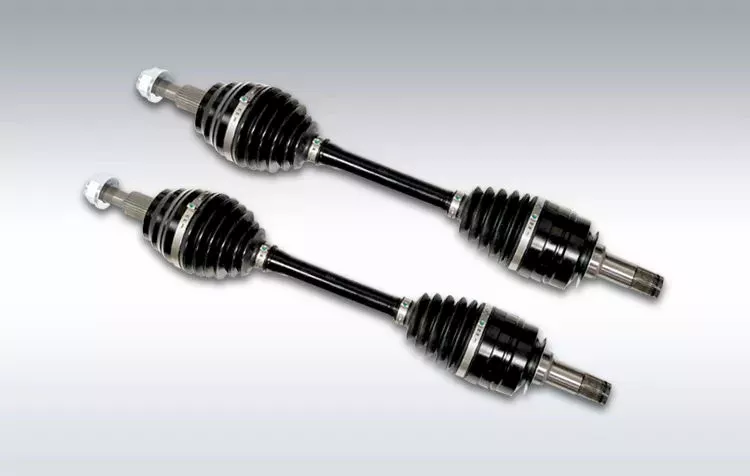
Wie kompensieren Zapfwellen Längenabweichungen und unterschiedliche Verbindungsmethoden?
Zapfwellen (PTO-Wellen) sind so konstruiert, dass sie Längenvariationen und verschiedene Anschlussarten ausgleichen können, um unterschiedliche Gerätekonfigurationen zu ermöglichen und eine effiziente Kraftübertragung zu gewährleisten. Zapfwellen müssen längenverstellbar sein, um die Distanz zwischen Kraftquelle und angetriebener Maschine zu überbrücken. Darüber hinaus müssen sie vielseitige Anschlussmöglichkeiten bieten, um eine breite Palette von Geräten anzuschließen. Im Folgenden finden Sie eine detaillierte Erklärung, wie Zapfwellen Längenvariationen und verschiedene Anschlussarten ausgleichen:
1. Teleskopdesign: Zapfwellen sind häufig teleskopierbar, sodass ihre Länge an verschiedene Maschinenkonfigurationen angepasst werden kann. Durch die Teleskopfunktion lässt sich die Welle aus- oder einfahren und gleicht so unterschiedliche Abstände zwischen der Antriebsquelle (z. B. Traktor oder Motor) und der angetriebenen Maschine aus. Die Längenverstellung der Zapfwelle ermöglicht eine optimale Ausrichtung und Verbindung für eine optimale Kraftübertragung. Teleskopierbare Zapfwellen bestehen typischerweise aus mehreren ineinander schiebbaren Rohrsegmenten und bieten so Flexibilität bei der Längenverstellung.
2. Keilwellen: Zapfwellen verwenden üblicherweise Keilwellen als primäre Verbindung zwischen Antriebsquelle und angetriebener Maschine. Die Keilwellen bestehen aus einer Reihe von Rippen oder Nuten entlang der Welle, die in entsprechende Nuten im Gegenstück greifen. Die Keilwellenverbindung ermöglicht die Drehmomentübertragung und gewährleistet gleichzeitig die Ausrichtung zwischen Antriebsquelle und angetriebener Maschine. Keilwellen können Längenänderungen durch Aus- und Einfahren der Teleskopsegmente ausgleichen und dabei stets eine feste Verbindung zwischen Antriebsquelle und angetriebener Maschine sicherstellen.
3. Verstellbare Gleitjoche: Zapfwellen verfügen typischerweise über verstellbare Gleitstücke an einem oder beiden Enden. Diese Gleitstücke ermöglichen die Winkeleinstellung und gleichen so Abweichungen in der Ausrichtung zwischen Antriebsquelle und angetriebener Maschine aus. Die Gleitstücke lassen sich entlang der Keilwelle verschieben, um den gewünschten Winkel zu erreichen und die korrekte Ausrichtung beizubehalten. Diese Flexibilität gewährleistet, dass die Zapfwelle Längenabweichungen kompensieren kann und gleichzeitig eine effiziente Kraftübertragung ohne übermäßige Belastung der Kreuzgelenke oder anderer Bauteile ermöglicht.
4. Kreuzgelenke: Kreuzgelenke sind integrale Bestandteile von Zapfwellen und gleichen Winkelabweichungen zwischen Antriebsquelle und angetriebener Maschine aus. Sie bestehen aus einem kreuzförmigen Joch mit Lagern, die das Drehmoment zwischen den verbundenen Wellen übertragen und gleichzeitig Fluchtungsfehler ausgleichen. Kreuzgelenke ermöglichen die flexible Verbindung von Zapfwellen mit Geräten, die möglicherweise nicht perfekt ausgerichtet sind. Bei variierender Länge der Zapfwelle gleichen die Kreuzgelenke die Winkeländerungen aus und gewährleisten so eine gleichmäßige Kraftübertragung, selbst bei Längenabweichungen oder Fluchtungsfehlern zwischen Antriebsquelle und angetriebener Maschine.
5. Kopplungsmechanismen: Zapfwellen nutzen verschiedene Kupplungsmechanismen, um eine sichere Verbindung zur Antriebsquelle und zur angetriebenen Maschine herzustellen. Diese Mechanismen umfassen häufig eine Kombination aus Keilwellen, Schrauben, Sicherungsstiften oder Schnellverschlüssen. Die Kupplungsmethoden können je nach spezifischer Ausrüstung und Branchenanforderungen variieren. Die Vielseitigkeit von Zapfwellen ermöglicht den Einsatz unterschiedlicher Kupplungsmethoden und gewährleistet so eine zuverlässige und sichere Verbindung unabhängig von Längenabweichungen oder der Konfiguration der Ausrüstung.
6. Anpassungsoptionen: Zapfwellen lassen sich individuell an unterschiedliche Längen und Anschlussarten anpassen. Hersteller bieten verschiedene Längen für die Teleskopsegmente an, um den jeweiligen Abstand zwischen Antriebsquelle und angetriebener Maschine abzudecken. Darüber hinaus können Zapfwellen durch die Auswahl von Keilwellengrößen, Jochkonstruktionen und Kupplungsmechanismen an verschiedene Anschlussarten angepasst werden. Diese Anpassungsmöglichkeiten gewährleisten, dass Zapfwellen den spezifischen Anforderungen unterschiedlicher Anlagenkonfigurationen gerecht werden und somit eine optimale Kraftübertragung und Kompatibilität sicherstellen.
7. Sicherheitsaspekte: Bei unterschiedlichen Längen und Anschlussarten von Zapfwellen ist die Sicherheit von größter Bedeutung. Zapfwellen sind mit Schutzvorrichtungen und -abdeckungen ausgestattet, um versehentlichen Kontakt mit rotierenden Bauteilen zu verhindern. Diese Sicherheitsvorkehrungen müssen unabhängig von der Länge oder Anschlusskonfiguration der Zapfwelle korrekt eingestellt und installiert werden, um ausreichenden Schutz zu gewährleisten. Die Einhaltung der Sicherheitsrichtlinien und -vorschriften ist unerlässlich, um die ordnungsgemäße Installation, Einstellung und Verwendung von Zapfwellen sicherzustellen und Unfälle oder Verletzungen zu vermeiden.
Durch den Einsatz von Teleskopkonstruktionen, Keilwellen, verstellbaren Gleitgelenken, Kreuzgelenken und vielseitigen Kupplungsmechanismen können Zapfwellen unterschiedliche Längen und Anschlussarten bewältigen. Diese Flexibilität ermöglicht die Anpassung an verschiedene Gerätekonfigurationen und gewährleistet eine effiziente Kraftübertragung bei gleichzeitiger Aufrechterhaltung von Ausrichtung und Sicherheit.
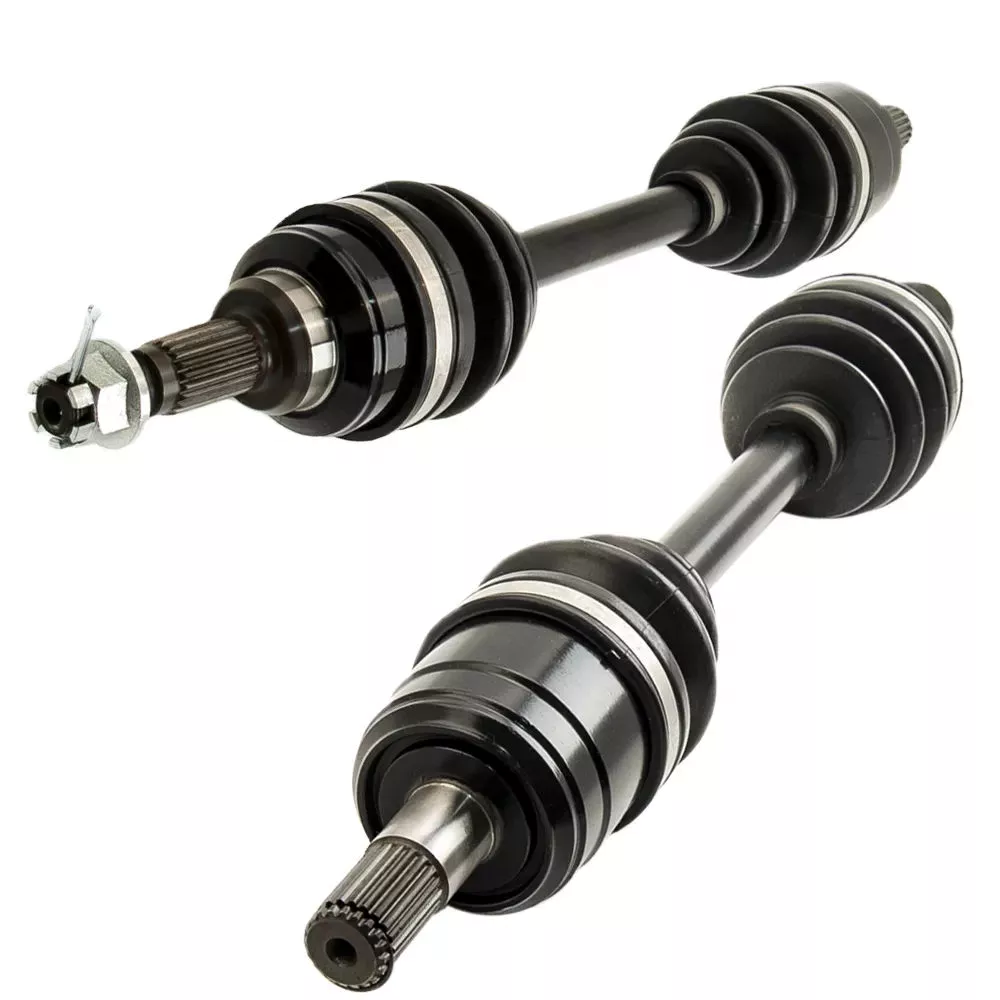
Can PTO shafts be customized for specific machinery and power requirements?
Yes, PTO (Power Take-Off) shafts can be customized to meet the specific machinery and power requirements of different applications. Manufacturers offer customization options to ensure that PTO shafts are precisely tailored to the power source, driven machinery, and the intended application. Here’s a detailed explanation of how PTO shafts can be customized:
1. Shaft Length: PTO shafts can be customized in terms of length to accommodate different equipment configurations. The length of the PTO shaft is critical to ensure proper alignment and connection between the power source and driven machinery. Manufacturers can provide PTO shafts with adjustable or fixed-length options, allowing for flexibility in meeting specific length requirements. Customizing the shaft length ensures that the PTO shaft fits the equipment properly, optimizing power transfer efficiency and reducing the risk of misalignment or excessive stress.
2. Spline Sizes: PTO shafts are available with different spline sizes to match the input and output shafts of various equipment. Spline size customization allows the PTO shaft to seamlessly connect to the power source and driven machinery. Manufacturers can offer different spline configurations, such as 1-3/8 inch, 1-3/4 inch, or metric sizes, to accommodate specific machinery requirements. Customizing the spline size ensures a proper fit and secure connection, enabling efficient power transfer without the need for additional adapters or modifications.
3. Yoke Designs: PTO shafts can be customized with different yoke designs to match the connection points on the power source and driven machinery. The yoke is the component that attaches to the shaft and connects to the equipment. Manufacturers can provide various yoke designs, such as round, triangular, or splined yokes, to ensure compatibility with specific machinery. Customizing the yoke design allows for a secure and reliable connection, aligning the PTO shaft with the equipment’s input/output shafts and optimizing power transmission efficiency.
4. Torque Ratings: PTO shafts can be customized to handle specific torque requirements based on the power demands of the application. Torque is the rotational force that the PTO shaft needs to transmit from the power source to the driven machinery. Manufacturers can design PTO shafts with different torque ratings by using appropriate materials, dimensions, and reinforcement techniques. Customizing the torque rating ensures that the PTO shaft can safely and reliably handle the required power levels without premature wear or failure.
5. Kopplungsmechanismen: PTO shafts can be customized with different coupling mechanisms to match the connection requirements of specific equipment. Coupling mechanisms are the means by which the PTO shaft connects and disconnects from the power source and driven machinery. Manufacturers can provide various coupling options, such as quick-release couplings, shear pin couplings, or mechanical lock couplings, to accommodate different machinery designs and operational needs. Customizing the coupling mechanism ensures ease of use, secure attachment, and quick disengagement when necessary.
6. Protective Features: PTO shafts can be customized with additional protective features to enhance safety and durability. These features may include guard shields, safety covers, or slip clutches. Guard shields and safety covers provide physical protection by enclosing the rotating shaft and preventing accidental contact, reducing the risk of injuries. Slip clutches offer overload protection by allowing the PTO shaft to slip or disengage when excessive torque or resistance is encountered, preventing damage to the shaft and associated equipment. Customizing the protective features ensures compliance with safety regulations and addresses specific safety requirements of the machinery or application.
7. Material Selection: PTO shafts can be customized with different materials based on the application’s demands. Manufacturers can offer a range of material options, such as steel, aluminum, or composite materials, with varying strength, weight, and corrosion resistance properties. Customizing the material selection allows for optimizing the PTO shaft’s performance, considering factors like operating conditions, environmental exposure, and weight restrictions.
By providing customization options such as shaft length, spline sizes, yoke designs, torque ratings, coupling mechanisms, protective features, and material selection, manufacturers can ensure that PTO shafts are specifically tailored to meet the machinery and power requirements of different applications. Customized PTO shafts facilitate seamless integration, efficient power transfer, and reliable operation, enhancing the overall performance and productivity of the equipment.

Können Sie die verschiedenen Arten von Zapfwellen und deren Anwendungsbereiche erläutern?
Zapfwellen (Kraftabnahmewellen) gibt es in verschiedenen Ausführungen, die jeweils für spezifische Anwendungen und Anforderungen entwickelt wurden. Die unterschiedlichen Zapfwellentypen bieten Vielseitigkeit und Kompatibilität mit einer breiten Palette von Maschinen und Anbaugeräten. Im Folgenden finden Sie eine Erklärung der gängigsten Zapfwellentypen und ihrer Anwendungsbereiche:
1. Standard-Zapfwelle: Die Standard-Zapfwelle, auch Keilwellenantrieb genannt, ist der am häufigsten verwendete Typ in Land- und Industriemaschinen. Sie besteht aus einer massiven Stahlwelle mit Keilwellenverzahnung. Die Standard-Zapfwelle hat typischerweise sechs Keilwellen, es gibt aber auch Varianten mit vier oder acht Keilwellen. Dieser Zapfwellentyp wird häufig in Traktoren und verschiedenen Anbaugeräten wie Mähwerken, Ballenpressen, Bodenfräsen und Kreiselmähern eingesetzt. Die Keilwellenverzahnung sorgt für eine sichere Verbindung zwischen Antriebsquelle und angetriebener Maschine und gewährleistet so eine effiziente Kraftübertragung.
2. Scherbolzen-Zapfwelle: Zapfwellen mit Scherbolzen sind mit einer Sicherheitsvorrichtung ausgestattet, die bei Überlastung oder plötzlichem Stoß ein Trennen der Welle ermöglicht und so die Antriebskomponenten schützt. Diese Zapfwellen verfügen über einen Scherbolzenmechanismus, der die Zapfwelle des Traktors mit der angetriebenen Maschine verbindet. Bei Überlastung oder plötzlichem Widerstand bricht der Scherbolzen, trennt die Zapfwelle und verhindert so Schäden am Antriebsstrang. Zapfwellen mit Scherbolzen werden häufig in Geräten eingesetzt, die plötzlichen Hindernissen oder hohen Belastungen ausgesetzt sein können, wie z. B. Holzhäcksler, Stubbenfräsen und Hochleistungs-Rotationsmäher.
3. Reibungskupplung Zapfwelle: Nebenantriebswellen mit Reibkupplung verfügen über einen Kupplungsmechanismus, der ein sanftes Ein- und Auskuppeln der Kraftübertragung ermöglicht. Diese Nebenantriebswellen bestehen typischerweise aus einer Reibscheibe und einer Druckplatte, ähnlich wie ein herkömmliches Kupplungssystem in Fahrzeugen. Die Reibkupplung erlaubt es dem Bediener, die Kraftübertragung stufenlos ein- oder auszukuppeln, wodurch Stoßbelastungen reduziert und der Verschleiß der Antriebskomponenten minimiert werden. Nebenantriebswellen mit Reibkupplung werden häufig in Anwendungen eingesetzt, die eine präzise Steuerung der Kraftübertragung erfordern, beispielsweise in Hydraulikpumpen, Generatoren und Industriemischern.
4. Zapfwelle mit konstanter Drehzahl (CV): Gleichlauf-Zapfwellen (CV-Zapfwellen), auch als homokinetische Wellen bekannt, sind so konstruiert, dass sie große Winkelabweichungen ausgleichen, ohne die Kraftübertragung zu beeinträchtigen. Sie nutzen ein Universalgelenk, das eine gleichmäßige Kraftübertragung ermöglicht, selbst wenn die angetriebene Maschine schräg zur Antriebsquelle steht. CV-Zapfwellen werden häufig in Anwendungen eingesetzt, bei denen die Maschinen einen großen Bewegungsspielraum oder eine hohe Gelenkigkeit erfordern, wie beispielsweise bei Knickladern, Teleskopladern und selbstfahrenden Feldspritzen.
5. Teleskopierbare Zapfwelle: Teleskop-Zapfwellen sind längenverstellbar und ermöglichen so flexible Gerätekonfigurationen sowie unterschiedliche Abstände zwischen Antriebsquelle und angetriebener Maschine. Sie bestehen aus zwei oder mehr konzentrischen Wellen, die ineinander gleiten und so das Aus- und Einfahren der Zapfwelle je nach Bedarf ermöglichen. Teleskop-Zapfwellen kommen häufig dort zum Einsatz, wo der Abstand zwischen Traktor-Zapfwelle und Anbaugerät variiert, beispielsweise bei Frontanbaugeräten, Schneefräsen und selbstladenden Anhängern. Die Teleskopkonstruktion ermöglicht eine einfache Anpassung an verschiedene Gerätekonfigurationen und minimiert das Risiko, dass die Zapfwelle über den Boden schleift.
6. Getriebe-Zapfwelle: Zapfwellen mit Getriebe dienen der Kraftübertragung bei unterschiedlichen Drehzahlen und Drehrichtungen. Sie verfügen über ein Getriebe, das die Drehzahl reduziert oder erhöht sowie die Drehrichtung ändert. Zapfwellen mit Getriebe werden häufig dort eingesetzt, wo die angetriebene Maschine eine andere Drehzahl oder Drehrichtung benötigt als die Zapfwelle des Traktors. Beispiele hierfür sind Getreideförderschnecken, Futtermischwagen und Industrieanlagen, die bestimmte Übersetzungsverhältnisse oder eine Umkehrfunktion erfordern.
Es ist wichtig zu beachten, dass die Verfügbarkeit und die spezifischen Einsatzmöglichkeiten von Zapfwellen je nach regionalen und branchenspezifischen Faktoren variieren können. Darüber hinaus können bestimmte Maschinen oder Anbaugeräte spezielle oder kundenspezifische Zapfwellen erfordern, um spezifische Anforderungen zu erfüllen.
Zusammenfassend bieten die verschiedenen Zapfwellentypen – wie Standard-, Scherbolzen-, Reibkupplungs-, Gleichlauf- (CV-), Teleskop- und Getriebewellen – Vielseitigkeit und Kompatibilität mit unterschiedlichsten Maschinen und Anbaugeräten. Jeder Zapfwellentyp ist für spezifische Anforderungen ausgelegt, beispielsweise hinsichtlich Kraftübertragungseffizienz, Sicherheit, sanftem Eingriff, Toleranz gegenüber Fluchtungsfehlern, Anpassungsfähigkeit und Drehzahl-/Drehrichtungseinstellung. Das Verständnis der verschiedenen Zapfwellentypen und ihrer Anwendungsbereiche ist entscheidend für die Auswahl der passenden Welle für die jeweilige Maschine und gewährleistet optimale Leistung und Zuverlässigkeit.

Bearbeitet von CX am 07.05.2024