Opis produktu
Premium Agricultural Machinery Transmission, Driveline, Pto Shaft
| Numer produktu | Wał odbioru mocy |
| Użyj do | Agricultual Machinery |
| OEM | Do przyjęcia |
| Rodzaje rur do wału odbioru mocy | Triangle,Lemon.Star |
| Przegub uniwersalny | Series1-8 |
| Kolory wału odbioru mocy | Base on Customer’s requirement |
| Seria wałów odbioru mocy | Series1-8 |
| Typ jarzma | Dostępne opcje |
| Equipment End Connection Way | CV,Clutch,Yoke |
| Gwarancja | 1 rok |
Specyfikacja produktu
Szczegółowe zdjęcia
Profil firmy
HangZhou Rongwang Industry and Trade Co., Ltd. was established in 2007. The company develops and produces gearboxes, transmission shafts, and related accessories for various types of lawn mowers, rotary tillers, excavators, and other agricultural machinery. The products are sold to various countries in Europe and America. The company currently has processing and testing equipment such as machining centers, CNC machine tools, and coordinate measuring instruments, and has a strong research and development team, as well as complete after-sales support services.
The company is committed to meeting and surpassing customer needs with a rigorous work style, providing high-performance and high-quality products. We warmly welcome domestic and foreign enterprises to come and discuss cooperation. The company is willing to take on a new look and constantly innovate. Sincere and enthusiastic service, as always, close communication and cooperation with colleagues at home and abroad, working hand in hand to create brilliance.
Applicatio
Cel korporacyjny
The company always adheres to the business philosophy of “integrity, excellence, innovation, and progress” , striving for survival with quality and development with technology.The employees of Rongwang Industry and Trade have many years of experience in mechanical processing and manufacturing, while also absorbing advanced technology and processes from both domestic and foreign countries.And has passed ISO9001 quality system certification certification.
Rongwang Enterprise Purpose: To create excellent enterprises with excellent products, discounted prices, and excellent services.
Vision:Power the industry, Transmit the world.Rongwang Machinery aims to be the leader in the power transmission industry.Mission: To provide trustworthy and affordable products for our customers.”Trustworthy”means high quality and safe products.We are trying to offer lower cost products without sacrificing quality.
/* 22 stycznia 2571 19:08:37 */!function(){function s(e,r){var a,o={};try{e&&e.split(„”,).forEach(function(e,t){e&&(a=e.match(/(.*?):(.*)$/))&&1
| Tworzywo: | Alloy Steel |
|---|---|
| Load: | Drive Shaft |
| Stiffness & Flexibility: | Flexible Shaft |
| Journal Diameter Dimensional Accuracy: | IT6-IT9 |
| Axis Shape: | Straight Shaft |
| Shaft Shape: | Real Axis |
| Próbki: |
US$ 20/sztuka
1 sztuka (minimalne zamówienie) | |
|---|
| Personalizacja: |
Dostępny
| Spersonalizowane żądanie |
|---|
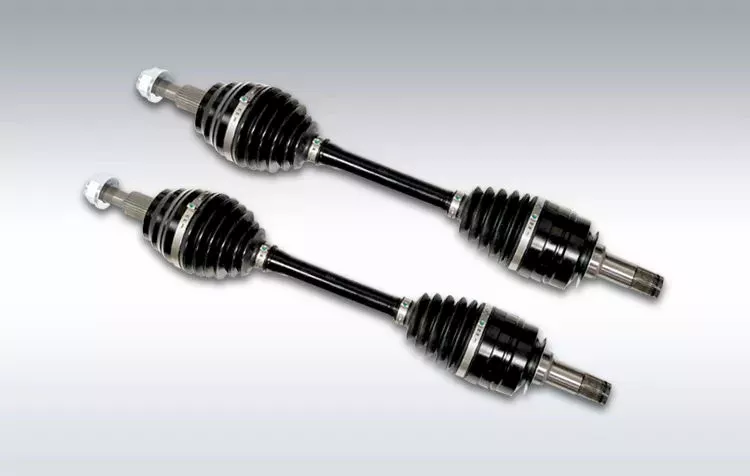
Jak wały odbioru mocy radzą sobie ze zmianami długości i metod łączenia?
Wały odbioru mocy (WOM) są zaprojektowane tak, aby dostosować się do różnych długości i sposobów łączenia, co pozwala na dostosowanie ich do różnych konfiguracji sprzętu i zapewnienie efektywnego przenoszenia mocy. Wały WOM muszą mieć regulowaną długość, aby zniwelować odległość między źródłem zasilania a napędzaną maszyną. Ponadto muszą zapewniać wszechstronne metody łączenia, umożliwiające współpracę z szeroką gamą urządzeń. Poniżej znajduje się szczegółowe wyjaśnienie, jak wały WOM radzą sobie z różnicami długości i metodami łączenia:
1. Konstrukcja teleskopowa: Wały odbioru mocy (WOM) często mają konstrukcję teleskopową, co pozwala na regulację ich długości w celu dopasowania do różnych konfiguracji sprzętu. Funkcja teleskopowa umożliwia wysuwanie lub wsuwanie wału, dostosowując go do różnych odległości między źródłem napędu (np. ciągnikiem lub silnikiem) a napędzaną maszyną. Regulacja długości wału WOM umożliwia jego prawidłowe ustawienie i połączenie, co zapewnia optymalne przenoszenie mocy. Teleskopowe wały WOM zazwyczaj składają się z wielu rurowych odcinków, które wsuwają się jedna w drugą, zapewniając elastyczność regulacji długości.
2. Wały wielowypustowe: Wały odbioru mocy (WOM) zazwyczaj wykorzystują wały wielowypustowe jako główną metodę połączenia między źródłem zasilania a maszyną napędzaną. Wielowypusty to seria grzbietów lub rowków wzdłuż wału, które zazębiają się z odpowiadającymi im rowkami w elemencie współpracującym. Połączenie wielowypustowe umożliwia przenoszenie momentu obrotowego przy jednoczesnym zachowaniu współosiowości między źródłem zasilania a maszyną napędzaną. Wały wielowypustowe mogą kompensować zmiany długości poprzez wysuwanie lub wsuwanie sekcji teleskopowych, zachowując jednocześnie solidne połączenie między źródłem zasilania a maszyną napędzaną.
3. Regulowane jarzma przesuwne: Wały odbioru mocy (WOM) zazwyczaj posiadają regulowane, przesuwne jarzma na jednym lub obu końcach wału. Jarzma te umożliwiają regulację kątową, dostosowując się do zmian w ustawieniu między źródłem napędu a maszyną napędzaną. Jarzma przesuwne można przesuwać wzdłuż wału wielowypustowego, aby uzyskać żądany kąt i utrzymać prawidłowe ustawienie. Ta elastyczność gwarantuje, że wał odbioru mocy może wytrzymać zmiany długości, zapewniając jednocześnie efektywne przenoszenie mocy bez nadmiernego obciążania przegubów krzyżakowych i innych podzespołów.
4. Przeguby uniwersalne: Przeguby krzyżakowe są integralnymi elementami wałów odbioru mocy (WOM), które umożliwiają kompensację niewspółosiowości kątowej między źródłem napędu a maszyną napędzaną. Składają się one z jarzma w kształcie krzyża z łożyskami, które przenoszą moment obrotowy między połączonymi wałami, kompensując jednocześnie niewspółosiowość. Przeguby krzyżakowe zapewniają elastyczność w łączeniu wałów WOM z urządzeniami, które mogą nie być idealnie współosiowe. Wraz ze zmianą długości wału WOM, przeguby krzyżakowe kompensują zmiany kąta, umożliwiając płynne przenoszenie mocy, nawet w przypadku różnic długości lub niewspółosiowości między źródłem napędu a maszyną napędzaną.
5. Mechanizmy sprzęgające: Wały odbioru mocy wykorzystują różne mechanizmy sprzęgające, aby bezpiecznie połączyć się ze źródłem zasilania i napędzaną maszyną. Mechanizmy te często obejmują kombinację wielowypustów, śrub, sworzni blokujących lub mechanizmów szybkozłącznych. Metody sprzęgania mogą się różnić w zależności od konkretnego sprzętu i wymagań branżowych. Wszechstronność wałów odbioru mocy pozwala na stosowanie różnych metod sprzęgania, zapewniając niezawodne i bezpieczne połączenie niezależnie od długości czy konfiguracji sprzętu.
6. Opcje personalizacji: Wały odbioru mocy (WOM) można dostosować do specyficznych wariantów długości i metod łączenia. Producenci oferują możliwość wyboru różnych długości odcinków teleskopowych, aby dopasować je do konkretnej odległości między źródłem zasilania a maszyną napędzaną. Dodatkowo, wały odbioru mocy (WOM) można dostosować do różnych metod łączenia poprzez wybór rozmiarów wałów wielowypustowych, konstrukcji jarzm i mechanizmów sprzęgających. Takie dostosowanie pozwala wałom odbioru mocy spełnić specyficzne wymagania różnych konfiguracji sprzętu, zapewniając optymalne przenoszenie mocy i kompatybilność.
7. Zagadnienia bezpieczeństwa: Podczas pracy z wałami odbioru mocy o różnej długości i sposobie łączenia, należy bezwzględnie wziąć pod uwagę bezpieczeństwo. Wały odbioru mocy są wyposażone w osłony i zabezpieczenia, które zapobiegają przypadkowemu kontaktowi z obracającymi się elementami. Te środki bezpieczeństwa muszą być odpowiednio wyregulowane i zamontowane, aby zapewnić odpowiednią osłonę i ochronę, niezależnie od długości wału odbioru mocy i konfiguracji łączenia. Należy przestrzegać wytycznych i przepisów bezpieczeństwa, aby zapewnić prawidłowy montaż, regulację i użytkowanie wałów odbioru mocy i zapobiec wypadkom lub obrażeniom.
Dzięki zastosowaniu konstrukcji teleskopowych, wałów wielowypustowych, regulowanych jarzm przesuwnych, przegubów krzyżakowych i wszechstronnych mechanizmów sprzęgających, wały WOM mogą być dostosowane do różnych długości i sposobów łączenia. Elastyczność wałów WOM pozwala na ich dostosowanie do różnych konfiguracji sprzętu, zapewniając efektywne przenoszenie mocy przy jednoczesnym zachowaniu osiowości i bezpieczeństwa.
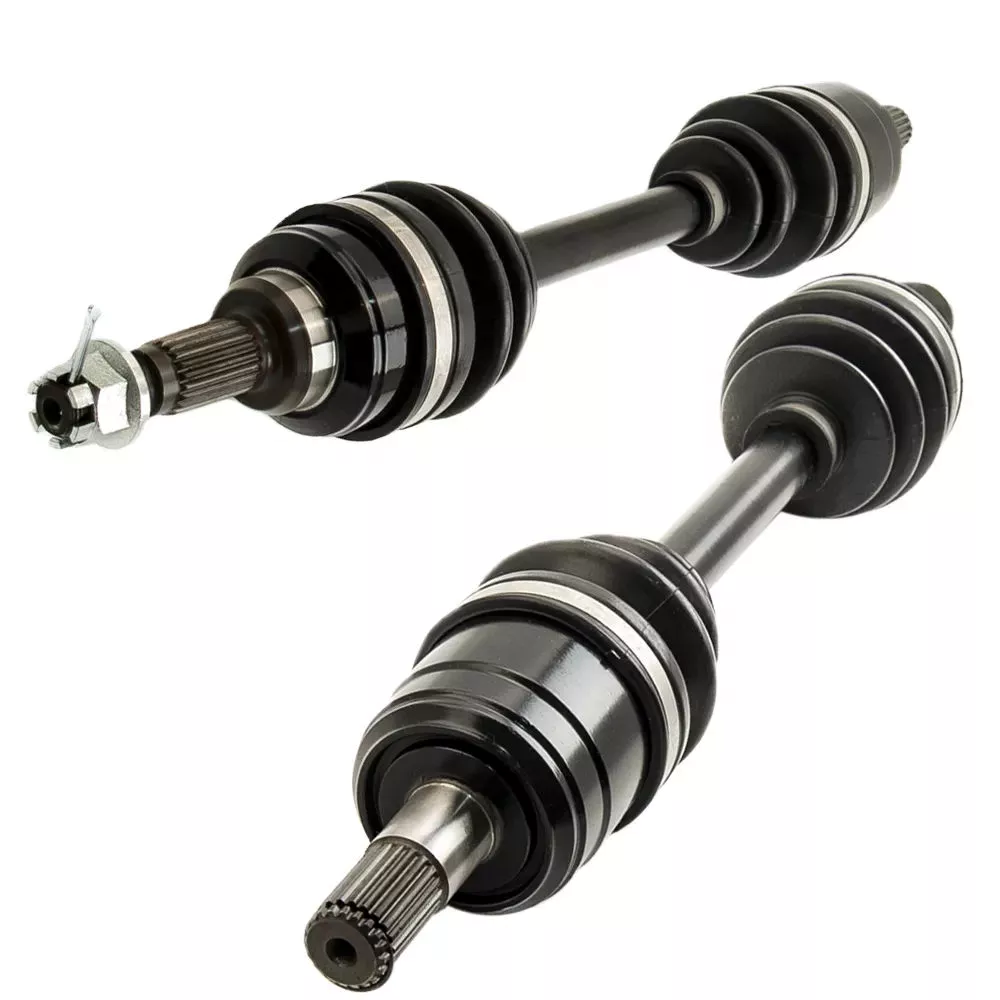
Can PTO shafts be customized for specific machinery and power requirements?
Yes, PTO (Power Take-Off) shafts can be customized to meet the specific machinery and power requirements of different applications. Manufacturers offer customization options to ensure that PTO shafts are precisely tailored to the power source, driven machinery, and the intended application. Here’s a detailed explanation of how PTO shafts can be customized:
1. Shaft Length: PTO shafts can be customized in terms of length to accommodate different equipment configurations. The length of the PTO shaft is critical to ensure proper alignment and connection between the power source and driven machinery. Manufacturers can provide PTO shafts with adjustable or fixed-length options, allowing for flexibility in meeting specific length requirements. Customizing the shaft length ensures that the PTO shaft fits the equipment properly, optimizing power transfer efficiency and reducing the risk of misalignment or excessive stress.
2. Spline Sizes: PTO shafts are available with different spline sizes to match the input and output shafts of various equipment. Spline size customization allows the PTO shaft to seamlessly connect to the power source and driven machinery. Manufacturers can offer different spline configurations, such as 1-3/8 inch, 1-3/4 inch, or metric sizes, to accommodate specific machinery requirements. Customizing the spline size ensures a proper fit and secure connection, enabling efficient power transfer without the need for additional adapters or modifications.
3. Yoke Designs: PTO shafts can be customized with different yoke designs to match the connection points on the power source and driven machinery. The yoke is the component that attaches to the shaft and connects to the equipment. Manufacturers can provide various yoke designs, such as round, triangular, or splined yokes, to ensure compatibility with specific machinery. Customizing the yoke design allows for a secure and reliable connection, aligning the PTO shaft with the equipment’s input/output shafts and optimizing power transmission efficiency.
4. Torque Ratings: PTO shafts can be customized to handle specific torque requirements based on the power demands of the application. Torque is the rotational force that the PTO shaft needs to transmit from the power source to the driven machinery. Manufacturers can design PTO shafts with different torque ratings by using appropriate materials, dimensions, and reinforcement techniques. Customizing the torque rating ensures that the PTO shaft can safely and reliably handle the required power levels without premature wear or failure.
5. Mechanizmy sprzęgające: PTO shafts can be customized with different coupling mechanisms to match the connection requirements of specific equipment. Coupling mechanisms are the means by which the PTO shaft connects and disconnects from the power source and driven machinery. Manufacturers can provide various coupling options, such as quick-release couplings, shear pin couplings, or mechanical lock couplings, to accommodate different machinery designs and operational needs. Customizing the coupling mechanism ensures ease of use, secure attachment, and quick disengagement when necessary.
6. Protective Features: PTO shafts can be customized with additional protective features to enhance safety and durability. These features may include guard shields, safety covers, or slip clutches. Guard shields and safety covers provide physical protection by enclosing the rotating shaft and preventing accidental contact, reducing the risk of injuries. Slip clutches offer overload protection by allowing the PTO shaft to slip or disengage when excessive torque or resistance is encountered, preventing damage to the shaft and associated equipment. Customizing the protective features ensures compliance with safety regulations and addresses specific safety requirements of the machinery or application.
7. Material Selection: PTO shafts can be customized with different materials based on the application’s demands. Manufacturers can offer a range of material options, such as steel, aluminum, or composite materials, with varying strength, weight, and corrosion resistance properties. Customizing the material selection allows for optimizing the PTO shaft’s performance, considering factors like operating conditions, environmental exposure, and weight restrictions.
By providing customization options such as shaft length, spline sizes, yoke designs, torque ratings, coupling mechanisms, protective features, and material selection, manufacturers can ensure that PTO shafts are specifically tailored to meet the machinery and power requirements of different applications. Customized PTO shafts facilitate seamless integration, efficient power transfer, and reliable operation, enhancing the overall performance and productivity of the equipment.

Czy możesz wyjaśnić różne rodzaje wałów odbioru mocy i ich zastosowania?
Wały odbioru mocy (WOM) występują w różnych typach, z których każdy jest przeznaczony do konkretnych zastosowań i wymagań. Różne typy wałów WOM zapewniają wszechstronność i kompatybilność z szeroką gamą maszyn i narzędzi. Poniżej znajduje się wyjaśnienie najpopularniejszych typów wałów WOM i ich zastosowań:
1. Standardowy wałek przekaźnika mocy: Standardowy wałek WOM, znany również jako wał wielowypustowy, jest najczęściej stosowanym typem wałka w maszynach rolniczych i przemysłowych. Składa się on z litego stalowego wału z wielowypustami lub rowkami na całej długości. Standardowy wałek WOM ma zazwyczaj sześć wielowypustów, choć występują również warianty z czterema lub ośmioma wypustami. Ten typ wałka WOM jest szeroko stosowany w ciągnikach i różnego rodzaju maszynach, takich jak kosiarki, prasy, glebogryzarki i kosiarki obrotowe. Wielowypusty zapewniają bezpieczne połączenie między źródłem zasilania a napędzaną maszyną, gwarantując efektywne przenoszenie mocy.
2. Śruba ścinająca wału odbioru mocy: Wały WOM ze śrubą ścinaną są wyposażone w zabezpieczenie, które pozwala na ich rozłączenie w przypadku przeciążenia lub nagłego wstrząsu, chroniąc w ten sposób elementy układu napędowego. Wały WOM wyposażone są w mechanizm śruby ścinanej, który łączy wał odbioru mocy ciągnika z napędzaną maszyną. W przypadku nadmiernego obciążenia lub nagłego oporu, śruba ścinana pęka, rozłączając wał WOM i zapobiegając uszkodzeniu układu napędowego. Wały WOM ze śrubą ścinaną są powszechnie stosowane w urządzeniach narażonych na nagłe przeszkody lub duże obciążenia, takich jak rębaki do drewna, frezarki do pni i ciężkie frezarki obrotowe.
3. Wał odbioru mocy ze sprzęgłem ciernym: Wały odbioru mocy ze sprzęgłem ciernym posiadają mechanizm sprzęgłowy, który umożliwia płynne załączanie i wyłączanie napędu. Te wały odbioru mocy zazwyczaj zawierają tarczę cierną i płytę dociskową, podobnie jak tradycyjne sprzęgła w pojazdach. Sprzęgło cierne pozwala operatorom na stopniowe załączanie i wyłączanie napędu, redukując obciążenia udarowe i minimalizując zużycie elementów układu napędowego. Wały odbioru mocy ze sprzęgłem ciernym są powszechnie stosowane w zastosowaniach wymagających precyzyjnej kontroli załączania napędu, takich jak pompy hydrauliczne, generatory i mieszalniki przemysłowe.
4. Wał odbioru mocy o stałej prędkości (CV): Wały przegubowo-teleskopowe o stałej prędkości (CV), znane również jako wały homokinetyczne, zostały zaprojektowane tak, aby kompensować duże kąty odchylenia bez wpływu na przenoszenie mocy. Wykorzystują one mechanizm przegubu krzyżakowego, który umożliwia płynne przenoszenie mocy, nawet gdy napędzana maszyna znajduje się pod kątem względem źródła napędu. Wały przegubowo-teleskopowe są często stosowane w zastosowaniach, w których maszyny wymagają znacznego zakresu ruchu lub przegubowości, na przykład w ładowarkach przegubowych, ładowarkach teleskopowych i opryskiwaczach samojezdnych.
5. Teleskopowy wałek przekaźnika mocy: Teleskopowe wały WOM mają regulowaną długość, co pozwala na elastyczność konfiguracji sprzętu i zmianę odległości między źródłem napędu a napędzaną maszyną. Składają się one z dwóch lub więcej koncentrycznych wałów, które przesuwają się jeden w drugim, umożliwiając wysuwanie lub wsuwanie wału WOM w zależności od potrzeb. Teleskopowe wały WOM są powszechnie stosowane w zastosowaniach, w których odległość między WOM ciągnika a narzędziem jest zmienna, na przykład w narzędziach montowanych z przodu, odśnieżarkach i przyczepach samozbierających. Teleskopowa konstrukcja umożliwia łatwą adaptację do różnych konfiguracji sprzętu i minimalizuje ryzyko ciągnięcia wału WOM po podłożu.
6. Wał odbioru mocy skrzyni biegów: Wały odbioru mocy przekładni służą do adaptacji przenoszenia mocy między różnymi prędkościami obrotowymi lub kierunkami. Wyposażone są w mechanizm przekładni, który umożliwia redukcję lub zwiększenie prędkości, a także zmianę kierunku obrotów. Wały odbioru mocy przekładni są powszechnie stosowane w zastosowaniach, w których napędzane maszyny wymagają innej prędkości lub kierunku obrotów niż wał odbioru mocy ciągnika. Przykładami są ślimaki zbożowe, mieszalniki pasz i urządzenia przemysłowe wymagające określonych przełożeń lub możliwości cofania.
Należy pamiętać, że dostępność i konkretne zastosowania wałów odbioru mocy mogą się różnić w zależności od czynników regionalnych i branżowych. Ponadto, niektóre maszyny lub narzędzia mogą wymagać specjalistycznych lub niestandardowych wałów odbioru mocy, aby spełnić określone wymagania.
Podsumowując, różne typy wałów odbioru mocy, takie jak standardowy, ze śrubą ścinaną, ze sprzęgłem ciernym, ze stałą prędkością obrotową (CV), teleskopowy i przekładniowy, zapewniają wszechstronność i kompatybilność z różnymi maszynami i narzędziami. Każdy typ wału odbioru mocy został zaprojektowany z myślą o spełnieniu określonych potrzeb, takich jak efektywność przenoszenia mocy, bezpieczeństwo, płynne załączanie, tolerancja na odchylenia, adaptacyjność oraz regulacja prędkości/kierunku. Zrozumienie różnych typów wałów odbioru mocy i ich zastosowań jest kluczowe dla doboru odpowiedniego wału do planowanej maszyny i zapewnienia optymalnej wydajności i niezawodności.

editor by CX 2024-05-07