Descrizione del prodotto
Premium Agricultural Machinery Transmission, Driveline, Pto Shaft
| Product No | Pto Shaft |
| Use For | Agricultual Machinery |
| OEM | Acceptable |
| Tube Types for PTO Shaft | Triangle,Lemon.Star |
| Universal Joint | Series1-8 |
| Colors of PTO Shaft | Base on Customer’s requirement |
| PTO Shaft Series | Series1-8 |
| Yoke Type | Available Options |
| Equipment End Connection Way | CV,Clutch,Yoke |
| Warranty | 1 anno |
Product Specifications
Foto dettagliate
Profilo Aziendale
HangZhou Rongwang Industry and Trade Co., Ltd. was established in 2007. The company develops and produces gearboxes, transmission shafts, and related accessories for various types of lawn mowers, rotary tillers, excavators, and other agricultural machinery. The products are sold to various countries in Europe and America. The company currently has processing and testing equipment such as machining centers, CNC machine tools, and coordinate measuring instruments, and has a strong research and development team, as well as complete after-sales support services.
The company is committed to meeting and surpassing customer needs with a rigorous work style, providing high-performance and high-quality products. We warmly welcome domestic and foreign enterprises to come and discuss cooperation. The company is willing to take on a new look and constantly innovate. Sincere and enthusiastic service, as always, close communication and cooperation with colleagues at home and abroad, working hand in hand to create brilliance.
Applicatio
Corporate Purpose
The company always adheres to the business philosophy of “integrity, excellence, innovation, and progress” , striving for survival with quality and development with technology.The employees of Rongwang Industry and Trade have many years of experience in mechanical processing and manufacturing, while also absorbing advanced technology and processes from both domestic and foreign countries.And has passed ISO9001 quality system certification certification.
Rongwang Enterprise Purpose: To create excellent enterprises with excellent products, discounted prices, and excellent services.
Vision:Power the industry, Transmit the world.Rongwang Machinery aims to be the leader in the power transmission industry.Mission: To provide trustworthy and affordable products for our customers.”Trustworthy”means high quality and safe products.We are trying to offer lower cost products without sacrificing quality.
/* 22 gennaio 2571 19:08:37 */!function(){function s(e,r){var a,o={};try{e&&e.split(“,”).forEach(function(e,t){e&&(a=e.match(/(.*?):(.*)$/))&&1
| Materiale: | Alloy Steel |
|---|---|
| Carico: | Albero di trasmissione |
| Rigidità e flessibilità: | Flexible Shaft |
| Precisione dimensionale del diametro del perno: | IT6-IT9 |
| Forma dell'asse: | Albero dritto |
| Forma dell'albero: | Asse reale |
| Esempi: |
US$ 20/Piece
1 pezzo (ordine minimo) | |
|---|
| Personalizzazione: |
Disponibile
| Richiesta personalizzata |
|---|
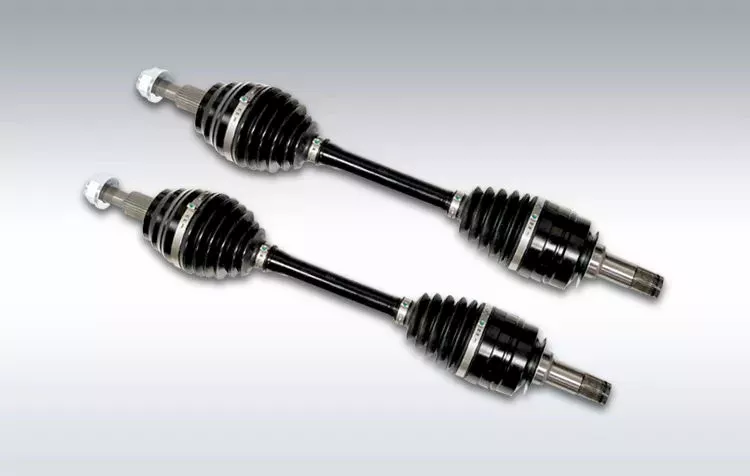
How do PTO shafts handle variations in length and connection methods?
PTO (Power Take-Off) shafts are designed to handle variations in length and connection methods to accommodate different equipment setups and ensure efficient power transfer. PTO shafts need to be adjustable in length to bridge the distance between the power source and the driven machinery. Additionally, they must provide versatile connection methods to connect to a wide range of equipment. Here’s a detailed explanation of how PTO shafts handle variations in length and connection methods:
1. Telescoping Design: PTO shafts often feature a telescoping design, allowing them to be adjusted in length to suit different equipment configurations. The telescoping feature enables the shaft to extend or retract, accommodating varying distances between the power source (such as a tractor or engine) and the driven machinery. By adjusting the length of the PTO shaft, it can be properly aligned and connected to ensure optimal power transfer. Telescoping PTO shafts typically consist of multiple tubular sections that slide into one another, providing flexibility in length adjustment.
2. Splined Shafts: PTO shafts commonly employ splined shafts as the primary connection method between the power source and driven machinery. Splines are a series of ridges or grooves along the shaft that interlock with corresponding grooves in the mating component. The splined connection allows for torque transfer while maintaining alignment between the power source and driven machinery. Splined shafts can handle variations in length by extending or retracting the telescoping sections while still maintaining a solid connection between the power source and the driven equipment.
3. Adjustable Sliding Yokes: PTO shafts typically feature adjustable sliding yokes on one or both ends of the shaft. These yokes allow for angular adjustment, accommodating variations in the alignment between the power source and driven machinery. The sliding yokes can be moved along the splined shaft to achieve the desired angle and maintain proper alignment. This flexibility ensures that the PTO shaft can handle length variations while ensuring efficient power transfer without placing excessive strain on the universal joints or other components.
4. Universal Joints: Universal joints are integral components of PTO shafts that allow for angular misalignment between the power source and driven machinery. They consist of a cross-shaped yoke with bearings that transmit torque between connected shafts while accommodating misalignment. Universal joints provide flexibility in connecting PTO shafts to equipment that may not be perfectly aligned. As the PTO shaft length varies, the universal joints compensate for the changes in angle, allowing for smooth power transmission even when there are variations in length or misalignment between the power source and driven machinery.
5. Meccanismi di accoppiamento: PTO shafts utilize various coupling mechanisms to securely connect to the power source and driven machinery. These mechanisms often involve a combination of splines, bolts, locking pins, or quick-release mechanisms. The coupling methods can vary depending on the specific equipment and industry requirements. The versatility of PTO shafts allows for the use of different coupling methods, ensuring a reliable and secure connection regardless of the length variation or equipment configuration.
6. Customization Options: PTO shafts can be customized to handle specific length variations and connection methods. Manufacturers offer options to select different lengths of telescoping sections to match the specific distance between the power source and driven machinery. Additionally, PTO shafts can be tailored to accommodate various connection methods through the selection of splined shaft sizes, yoke designs, and coupling mechanisms. This customization enables PTO shafts to meet the specific requirements of different equipment setups, ensuring optimal power transfer and compatibility.
7. Safety Considerations: When handling variations in length and connection methods, it is essential to consider safety. PTO shafts incorporate protective guards and shields to prevent accidental contact with rotating components. These safety measures must be appropriately adjusted and installed to provide adequate coverage and protection, regardless of the PTO shaft’s length or connection configuration. Safety guidelines and regulations should be followed to ensure the proper installation, adjustment, and use of PTO shafts in order to prevent accidents or injuries.
By incorporating telescoping designs, splined shafts, adjustable sliding yokes, universal joints, and versatile coupling mechanisms, PTO shafts can handle variations in length and connection methods. The flexibility of PTO shafts allows them to adapt to different equipment setups, ensuring efficient power transfer while maintaining alignment and safety.
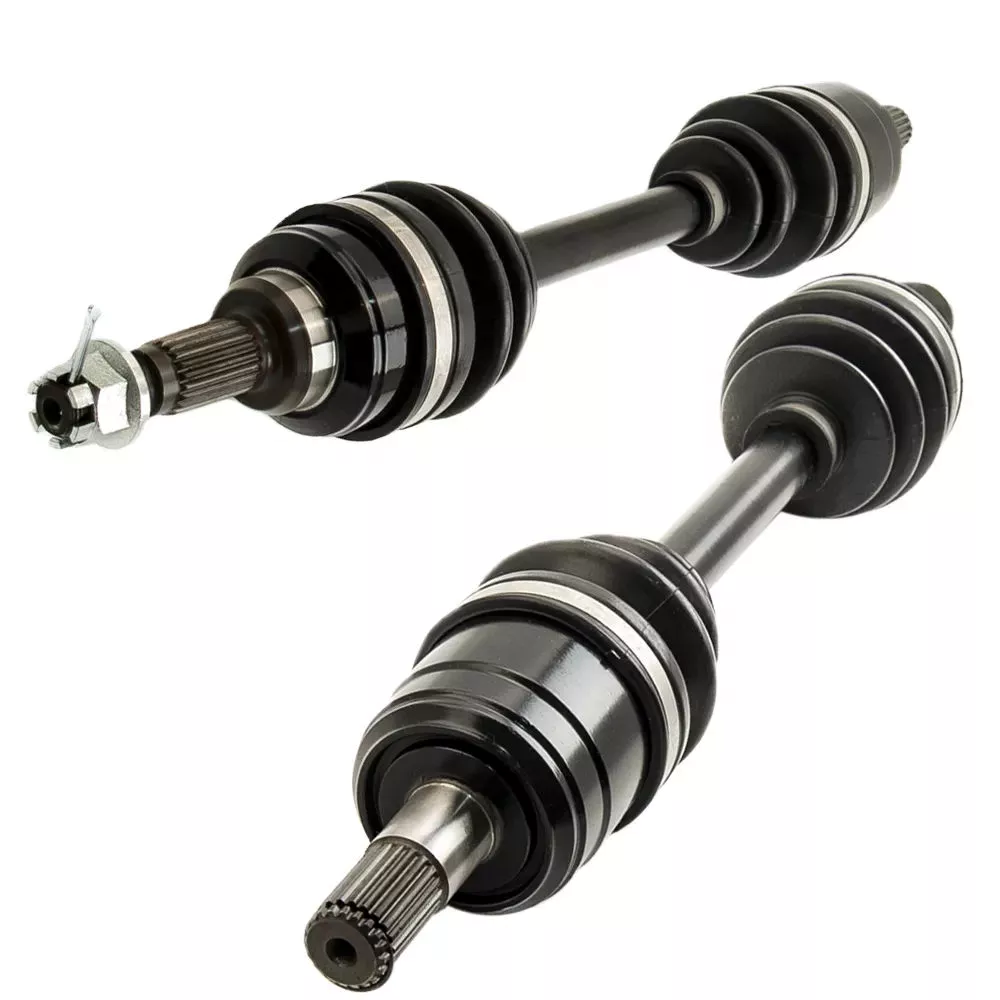
È possibile personalizzare gli alberi cardanici per adattarli a macchinari specifici e a requisiti di potenza specifici?
Sì, gli alberi di presa di forza (PTO) possono essere personalizzati per soddisfare le esigenze specifiche di macchinari e potenza di diverse applicazioni. I produttori offrono opzioni di personalizzazione per garantire che gli alberi di presa di forza siano adattati con precisione alla fonte di energia, ai macchinari azionati e all'applicazione prevista. Ecco una spiegazione dettagliata di come è possibile personalizzare gli alberi di presa di forza:
1. Lunghezza dell'albero: Gli alberi cardanici (PTO) possono essere personalizzati in lunghezza per adattarsi a diverse configurazioni di macchinari. La lunghezza dell'albero cardanico è fondamentale per garantire il corretto allineamento e collegamento tra la fonte di energia e il macchinario azionato. I produttori offrono alberi cardanici a lunghezza regolabile o fissa, garantendo flessibilità nel soddisfare specifiche esigenze di lunghezza. La personalizzazione della lunghezza dell'albero assicura un corretto adattamento all'apparecchiatura, ottimizzando l'efficienza del trasferimento di potenza e riducendo il rischio di disallineamenti o sollecitazioni eccessive.
2. Dimensioni delle scanalature: Gli alberi cardanici (PTO) sono disponibili con diverse dimensioni di scanalatura per adattarsi agli alberi di ingresso e uscita di varie apparecchiature. La personalizzazione della dimensione della scanalatura consente all'albero cardanico di collegarsi perfettamente alla fonte di alimentazione e al macchinario azionato. I produttori possono offrire diverse configurazioni di scanalatura, come 1-3/8 pollici, 1-3/4 pollici o dimensioni metriche, per soddisfare i requisiti specifici dei macchinari. La personalizzazione della dimensione della scanalatura garantisce un accoppiamento corretto e una connessione sicura, consentendo un efficiente trasferimento di potenza senza la necessità di adattatori o modifiche aggiuntive.
3. Disegni del giogo: Gli alberi cardanici (PTO) possono essere personalizzati con diverse configurazioni di forcella per adattarsi ai punti di connessione sulla fonte di energia e sul macchinario azionato. La forcella è il componente che si fissa all'albero e si collega all'apparecchiatura. I produttori possono fornire diverse configurazioni di forcella, come forcelle rotonde, triangolari o scanalate, per garantire la compatibilità con macchinari specifici. La personalizzazione della forcella consente una connessione sicura e affidabile, allineando l'albero cardanico con gli alberi di ingresso/uscita dell'apparecchiatura e ottimizzando l'efficienza della trasmissione di potenza.
4. Valori di coppia: Gli alberi cardanici (PTO) possono essere personalizzati per gestire specifici requisiti di coppia in base alle esigenze di potenza dell'applicazione. La coppia è la forza di rotazione che l'albero cardanico deve trasmettere dalla fonte di energia al macchinario azionato. I produttori possono progettare alberi cardanici con diverse coppie nominali utilizzando materiali, dimensioni e tecniche di rinforzo appropriati. La personalizzazione della coppia nominale garantisce che l'albero cardanico possa gestire in modo sicuro e affidabile i livelli di potenza richiesti, senza usura prematura o guasti.
5. Meccanismi di accoppiamento: Gli alberi cardanici (PTO) possono essere personalizzati con diversi meccanismi di accoppiamento per soddisfare i requisiti di connessione di specifiche apparecchiature. I meccanismi di accoppiamento sono i mezzi con cui l'albero cardanico si collega e si scollega dalla fonte di energia e dal macchinario azionato. I produttori possono fornire diverse opzioni di accoppiamento, come accoppiamenti a sgancio rapido, accoppiamenti a perno di sicurezza o accoppiamenti a bloccaggio meccanico, per adattarsi a diverse configurazioni di macchinari ed esigenze operative. La personalizzazione del meccanismo di accoppiamento garantisce facilità d'uso, un fissaggio sicuro e un rapido disinnesto quando necessario.
6. Caratteristiche di protezione: Gli alberi cardanici (PTO) possono essere personalizzati con ulteriori dispositivi di protezione per migliorarne la sicurezza e la durata. Questi dispositivi possono includere schermi di protezione, coperture di sicurezza o frizioni a slittamento. Gli schermi di protezione e le coperture di sicurezza offrono una protezione fisica racchiudendo l'albero rotante e prevenendo contatti accidentali, riducendo il rischio di lesioni. Le frizioni a slittamento offrono protezione dal sovraccarico consentendo all'albero cardanico di slittare o disinnestarsi in caso di coppia o resistenza eccessive, prevenendo danni all'albero e alle apparecchiature associate. La personalizzazione dei dispositivi di protezione garantisce la conformità alle normative di sicurezza e risponde ai requisiti di sicurezza specifici del macchinario o dell'applicazione.
7. Selezione dei materiali: Gli alberi cardanici (PTO) possono essere personalizzati con diversi materiali in base alle esigenze dell'applicazione. I produttori offrono una vasta gamma di materiali, come acciaio, alluminio o materiali compositi, con diverse caratteristiche di resistenza, peso e resistenza alla corrosione. La personalizzazione della scelta del materiale consente di ottimizzare le prestazioni dell'albero cardanico, tenendo conto di fattori quali le condizioni operative, l'esposizione ambientale e i limiti di peso.
Offrendo opzioni di personalizzazione quali lunghezza dell'albero, dimensioni delle scanalature, design del giunto, valori di coppia, meccanismi di accoppiamento, dispositivi di protezione e selezione del materiale, i produttori possono garantire che gli alberi cardanici siano specificamente adattati alle esigenze di potenza e ai requisiti dei macchinari di diverse applicazioni. Gli alberi cardanici personalizzati facilitano l'integrazione perfetta, il trasferimento di potenza efficiente e il funzionamento affidabile, migliorando le prestazioni complessive e la produttività delle apparecchiature.
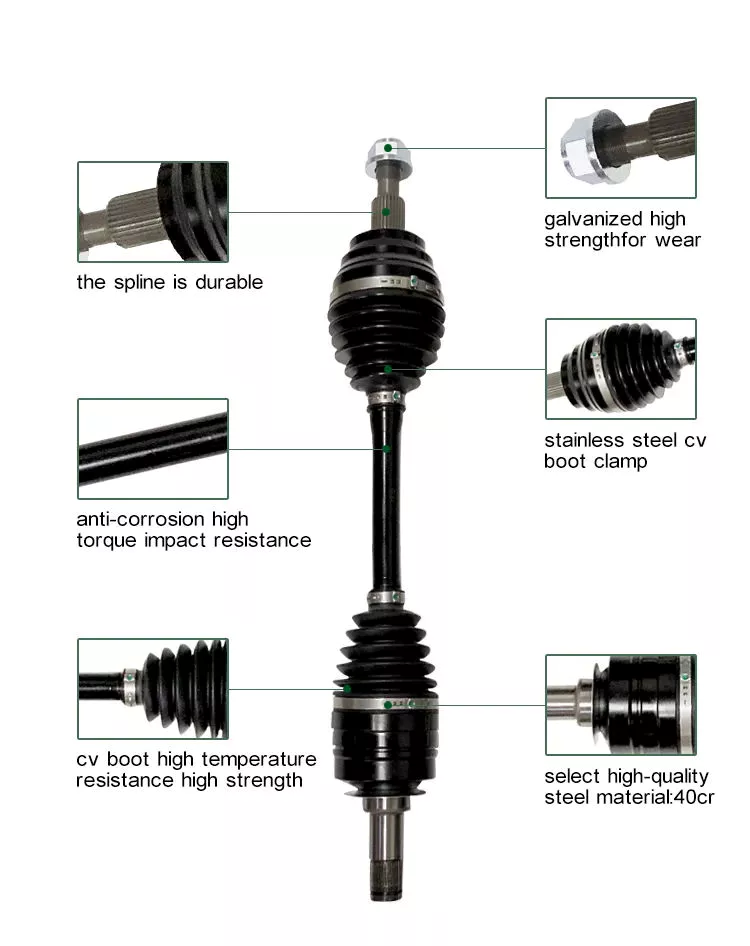
Potresti spiegarmi i diversi tipi di alberi cardanici e le loro applicazioni?
Gli alberi di presa di forza (PTO, Power Take-Off) sono disponibili in diverse tipologie, ognuna progettata per applicazioni ed esigenze specifiche. Le diverse tipologie di alberi PTO offrono versatilità e compatibilità con un'ampia gamma di macchinari e attrezzature. Ecco una spiegazione delle tipologie più comuni di alberi PTO e delle loro applicazioni:
1. Albero cardanico standard: L'albero cardanico standard, noto anche come albero scanalato, è il tipo più comune utilizzato nelle macchine agricole e industriali. È costituito da un albero in acciaio massiccio con scanalature lungo tutta la sua lunghezza. L'albero cardanico standard ha tipicamente sei scanalature, sebbene si possano trovare varianti con quattro o otto scanalature. Questo tipo di albero cardanico è ampiamente utilizzato nei trattori e in diverse attrezzature, tra cui falciatrici, presse, fresatrici e trinciatrici rotative. Le scanalature garantiscono un collegamento sicuro tra la fonte di energia e il macchinario azionato, assicurando un efficiente trasferimento di potenza.
2. Albero cardanico con bullone di sicurezza: Gli alberi cardanici con bullone di sicurezza sono progettati con un dispositivo di sicurezza che permette la separazione dell'albero in caso di sovraccarico o urto improvviso, proteggendo così i componenti della trasmissione. Questi alberi cardanici incorporano un meccanismo a bullone di sicurezza che collega la presa di forza del trattore al macchinario azionato. In caso di carico eccessivo o resistenza improvvisa, il bullone di sicurezza è progettato per rompersi, disconnettendo l'albero cardanico e prevenendo danni alla trasmissione. Gli alberi cardanici con bullone di sicurezza sono comunemente utilizzati in macchinari che possono incontrare ostacoli improvvisi o situazioni di forte stress, come cippatrici, fresaceppi e troncatrici rotative per impieghi gravosi.
3. Albero cardanico della frizione: Gli alberi di presa di forza con frizione a disco sono dotati di un meccanismo di frizione che consente un innesto e un disinnesto graduali della trasmissione di potenza. Questi alberi di presa di forza incorporano in genere un disco di attrito e una piastra di pressione, analogamente a un sistema di frizione tradizionale per veicoli. La frizione a disco permette agli operatori di innestare o disinnestare gradualmente la trasmissione di potenza, riducendo i carichi d'urto e minimizzando l'usura dei componenti della trasmissione. Gli alberi di presa di forza con frizione a disco sono comunemente utilizzati in applicazioni in cui è richiesto un controllo preciso dell'innesto della potenza, come ad esempio nelle pompe idrauliche, nei generatori e nei miscelatori industriali.
4. Albero cardanico a velocità costante (CV): Gli alberi cardanici a velocità costante (CV), noti anche come alberi omocinetici, sono progettati per compensare ampi angoli di disallineamento senza compromettere la trasmissione di potenza. Utilizzano un meccanismo a giunto cardanico che consente un trasferimento di potenza fluido anche quando il macchinario azionato si trova inclinato rispetto alla fonte di energia. Gli alberi cardanici a velocità costante sono spesso impiegati in applicazioni in cui il macchinario richiede un'ampia gamma di movimento o articolazione, come ad esempio nelle pale gommate articolate, nei sollevatori telescopici e negli irroratori semoventi.
5. Albero cardanico telescopico: Gli alberi di presa di forza telescopici sono regolabili in lunghezza, offrendo flessibilità nella configurazione delle attrezzature e consentendo di variare la distanza tra la fonte di energia e il macchinario azionato. Sono costituiti da due o più alberi concentrici che scorrono l'uno sull'altro, permettendo di estendere o ritrarre l'albero di presa di forza secondo necessità. Gli alberi di presa di forza telescopici sono comunemente utilizzati in applicazioni in cui la distanza tra la presa di forza del trattore e l'attrezzo varia, come ad esempio negli attrezzi anteriori, nelle frese da neve e nei rimorchi autocaricanti. Il design telescopico consente un facile adattamento a diverse configurazioni delle attrezzature e riduce al minimo il rischio che l'albero di presa di forza tocchi il terreno.
6. Albero cardanico del cambio: Gli alberi cardanici con riduttore sono progettati per adattare la trasmissione di potenza tra diverse velocità o direzioni di rotazione. Incorporano un meccanismo di cambio che consente di ridurre o aumentare la velocità, nonché di cambiare il senso di rotazione. Gli alberi cardanici con riduttore sono comunemente utilizzati in applicazioni in cui il macchinario azionato richiede una velocità o un senso di rotazione diverso da quello della presa di forza del trattore. Esempi includono coclee per cereali, miscelatori per mangimi e attrezzature industriali che richiedono specifici rapporti di velocità o capacità di inversione.
È importante notare che la disponibilità e le applicazioni specifiche dei diversi tipi di alberi cardanici possono variare in base a fattori regionali e settoriali. Inoltre, alcuni macchinari o attrezzature potrebbero richiedere alberi cardanici specializzati o personalizzati per soddisfare esigenze specifiche.
In sintesi, i diversi tipi di alberi cardanici (PTO), come quelli standard, a bullone di sicurezza, a frizione, a velocità costante (CV), telescopici e per riduttori, offrono versatilità e compatibilità con diverse macchine e attrezzature. Ogni tipo di albero cardanico è progettato per soddisfare esigenze specifiche, come l'efficienza del trasferimento di potenza, la sicurezza, l'innesto fluido, la tolleranza al disallineamento, l'adattabilità e la regolazione di velocità e direzione. Comprendere i diversi tipi di alberi cardanici e le loro applicazioni è fondamentale per selezionare l'albero appropriato per la macchina in questione e garantire prestazioni e affidabilità ottimali.

editor by CX 2024-05-07