Produktbeschreibung
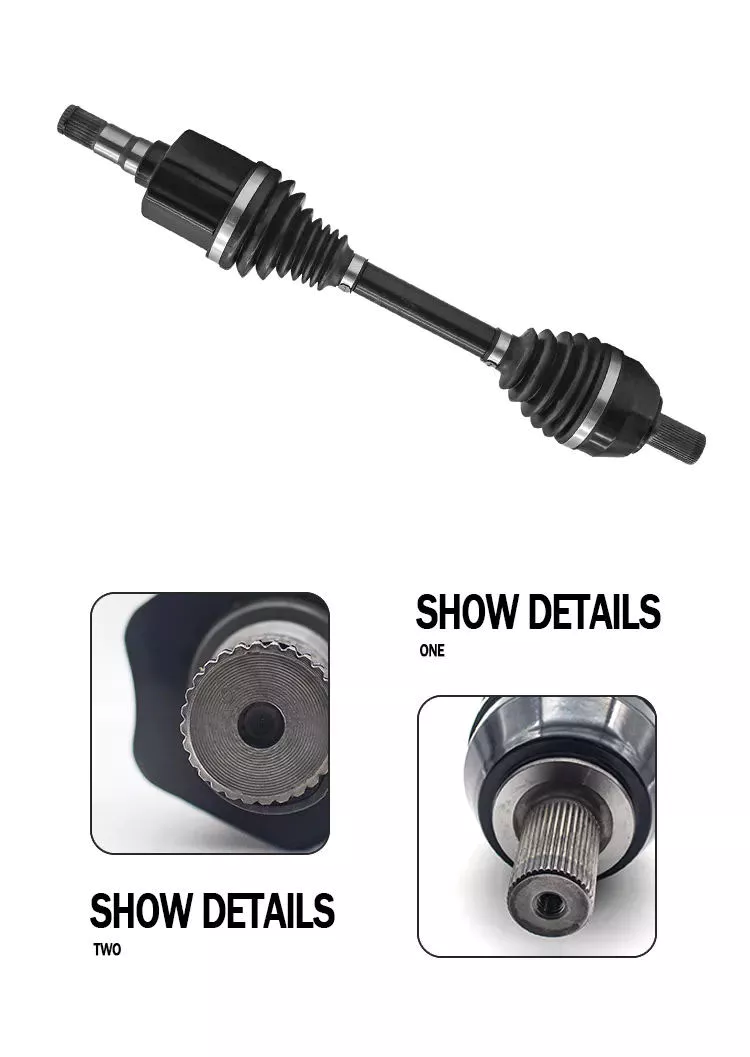
Tractor CE Cardan PTO Drive Shaft for Agriculture Machinery
| Product: | PTO Drive Shaft |
| Model: | T2-800-05B-RA1-YIIIP |
| Size: | φ23.8×61.3 Length 800mm |
| Raw Material: | 45# Steel |
| Härte: | 58-64HRC |
| Delivery Date: | 7-60 Days |
| MOQ: | 100 sets or according to stocks without minimum Qty. |
| Sample: | Acceptable |
| We could produce all kinds of PTO Drive Shaft and Parts according to customers’ requirement. | |
| REF. | UJ | L.mm |
| T2-800-05B-RA1-YIIIP | ø23.8×61.3 | 800 |
About us
We have more than 17 years experience of Spare parts, especially on Drive Line Parts.
We deeply participant in the Auto Spare parts business in HangZhou city which is the most import spare parts production area in China.
We are supply products with good cost performance for different customers of all over the world.
We keep very good relationship with local produces with the WIN-WIN-WIN policy.
Factory supply good and fast products;
We supply good and fast service;
And Customers gain the good products and good service for their customers.
This is a healthy and strong equilateral triangle keep HangZhou Speedway going forward until now.
/* 22. Januar 2571 19:08:37 */!function(){function s(e,r){var a,o={};try{e&&e.split(“,”).forEach(function(e,t){e&&(a=e.match(/(.*?):(.*)$/))&&1
| Typ: | Übertragung |
|---|---|
| Usage: | Tillage, Harvester, Planting and Fertilization |
| Material: | 45# Steel |
| Power Source: | Diesel |
| Weight: | 18kg |
| Kundendienst: | Online Support |
Wie stellen Hersteller die Kompatibilität von Zapfwellen mit unterschiedlichen Geräten sicher?
Hersteller setzen verschiedene Maßnahmen ein, um die Kompatibilität von Zapfwellen mit unterschiedlichen Geräten sicherzustellen. Kompatibilität ist entscheidend, damit Zapfwellen die Kraft effektiv von der Energiequelle auf die angetriebene Maschine übertragen können, ohne Leistung, Sicherheit oder Bedienkomfort zu beeinträchtigen. Im Folgenden finden Sie eine detaillierte Erklärung, wie Hersteller die Kompatibilität gewährleisten:
1. Standardisierung: Zapfwellen werden nach standardisierten Vorgaben konstruiert und gefertigt. Diese Vorgaben definieren die wesentlichen Parameter wie Wellenabmessungen, Verzahnungsgrößen, Drehmomentwerte und Sicherheitsanforderungen. Durch die Einhaltung standardisierter Konstruktionen gewährleisten die Hersteller die Kompatibilität der Zapfwellen mit einer Vielzahl von Geräten, die denselben Standards entsprechen. Die Standardisierung ermöglicht die Austauschbarkeit, sodass Zapfwellen verschiedener Hersteller mit Geräten anderer Hersteller verwendet werden können, sofern diese den gleichen Spezifikationen entsprechen.
2. Zusammenarbeit mit Geräteherstellern: Hersteller von Zapfwellen arbeiten häufig eng mit Maschinenherstellern zusammen, um die Kompatibilität zu gewährleisten. Gemeinsam ermitteln sie die spezifischen Anforderungen der Maschinen und entwickeln Zapfwellen, die sich nahtlos integrieren lassen. Diese Zusammenarbeit umfasst den Austausch technischer Spezifikationen, gemeinsame Tests und Feedback. Durch diese partnerschaftliche Zusammenarbeit können Hersteller Kompatibilitätsprobleme frühzeitig im Entwicklungsprozess erkennen und beheben. So entstehen Zapfwellen, die optimal auf die Bedürfnisse der jeweiligen Maschine zugeschnitten sind.
3. Anpassungsoptionen: Hersteller von Zapfwellen bieten individuelle Anpassungsmöglichkeiten für unterschiedliche Gerätekonfigurationen. Sie gewährleisten Flexibilität hinsichtlich Wellenlänge, Verzahnungsgröße, Jochkonstruktion und Kupplungsmechanismen. Gerätehersteller können die benötigten Parameter festlegen, und die Zapfwellen werden entsprechend angepasst. Dies stellt sicher, dass die Zapfwellen exakt auf die Leistungsaufnahme-/Leistungsaufnahmeanforderungen und Anschlussmethoden des Geräts abgestimmt sind und somit Kompatibilität und effiziente Kraftübertragung gewährleistet werden.
4. Test und Validierung: Hersteller führen strenge Test- und Validierungsverfahren durch, um die Kompatibilität und Leistungsfähigkeit von Nebenabtriebswellen sicherzustellen. Die Wellen werden verschiedenen Tests unterzogen, darunter Drehmoment-, Drehzahl- und Dauerlaufprüfungen. Diese Tests bestätigen, dass die Nebenabtriebswellen die erwarteten Leistungsbelastungen und Betriebsbedingungen ohne Ausfall bewältigen. Durch die Validierung der Leistungsfähigkeit der Nebenabtriebswellen gewährleisten die Hersteller deren Kompatibilität mit einer Vielzahl von Geräten und die zuverlässige Kraftübertragung unter verschiedenen Betriebsbedingungen.
5. Einhaltung von Branchenstandards: Hersteller von Zapfwellen halten sich an Branchenstandards und -vorschriften, um Kompatibilität zu gewährleisten. Organisationen wie die American Society of Agricultural and Biological Engineers (ASABE) legen Sicherheits- und Leistungsstandards für Zapfwellen fest. Hersteller konstruieren und produzieren ihre Wellen gemäß diesen Standards und stellen so sicher, dass ihre Produkte die notwendigen Anforderungen an Kompatibilität und Sicherheit erfüllen. Die Einhaltung der Branchenstandards gibt Geräteherstellern und Endanwendern die Gewissheit, dass die Zapfwellen kompatibel und für den Einsatz mit verschiedenen Geräten geeignet sind.
6. Dokumentation und Richtlinien: Hersteller stellen umfassende Dokumentationen und Richtlinien bereit, um Gerätehersteller und Endanwender bei der Sicherstellung der Kompatibilität zu unterstützen. Diese Dokumentation umfasst technische Spezifikationen, Installationsanleitungen, Wartungsrichtlinien und Sicherheitshinweise. Sie hilft Geräteherstellern bei der Auswahl der passenden Zapfwelle für ihre Geräte und gibt Hinweise zur korrekten Installation und Verwendung. Durch die Einhaltung der Herstellerrichtlinien können Gerätehersteller die Kompatibilität gewährleisten und die Leistung der Zapfwellen optimieren.
7. Laufende Forschung und Entwicklung: Hersteller von Zapfwellen investieren kontinuierlich in Forschung und Entwicklung, um die Kompatibilität mit verschiedenen Geräten zu verbessern. Sie bleiben über Branchentrends, technologische Fortschritte und sich wandelnde Geräteanforderungen informiert. Diese fortlaufende Forschung und Entwicklung ermöglicht es den Herstellern, Design, Materialien und Funktionen von Zapfwellen zu optimieren, die Kompatibilität mit den neuesten Geräteinnovationen sicherzustellen und auftretende Kompatibilitätsprobleme zu lösen.
Durch Standardisierung, Zusammenarbeit mit Geräteherstellern, individuelle Anpassungsmöglichkeiten, gründliche Tests, Einhaltung von Industriestandards, Bereitstellung von Dokumentationen und Richtlinien sowie Investitionen in Forschung und Entwicklung gewährleisten Hersteller die Kompatibilität von Zapfwellen mit verschiedenen Geräten. Diese Kompatibilität ermöglicht eine nahtlose Integration, effiziente Kraftübertragung und optimale Leistung in einer Vielzahl von Maschinen und Anlagen verschiedenster Branchen.
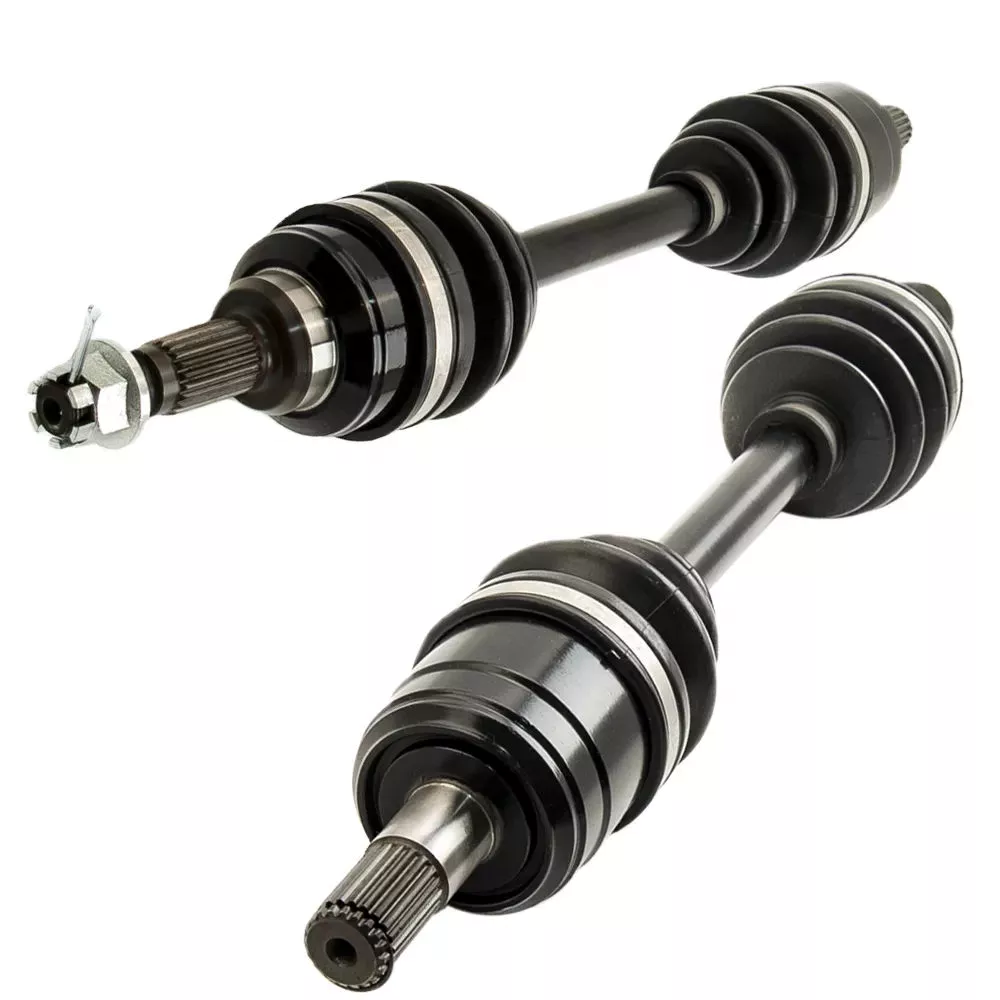
Can PTO shafts be customized for specific machinery and power requirements?
Yes, PTO (Power Take-Off) shafts can be customized to meet the specific machinery and power requirements of different applications. Manufacturers offer customization options to ensure that PTO shafts are precisely tailored to the power source, driven machinery, and the intended application. Here’s a detailed explanation of how PTO shafts can be customized:
1. Shaft Length: PTO shafts can be customized in terms of length to accommodate different equipment configurations. The length of the PTO shaft is critical to ensure proper alignment and connection between the power source and driven machinery. Manufacturers can provide PTO shafts with adjustable or fixed-length options, allowing for flexibility in meeting specific length requirements. Customizing the shaft length ensures that the PTO shaft fits the equipment properly, optimizing power transfer efficiency and reducing the risk of misalignment or excessive stress.
2. Spline Sizes: PTO shafts are available with different spline sizes to match the input and output shafts of various equipment. Spline size customization allows the PTO shaft to seamlessly connect to the power source and driven machinery. Manufacturers can offer different spline configurations, such as 1-3/8 inch, 1-3/4 inch, or metric sizes, to accommodate specific machinery requirements. Customizing the spline size ensures a proper fit and secure connection, enabling efficient power transfer without the need for additional adapters or modifications.
3. Yoke Designs: PTO shafts can be customized with different yoke designs to match the connection points on the power source and driven machinery. The yoke is the component that attaches to the shaft and connects to the equipment. Manufacturers can provide various yoke designs, such as round, triangular, or splined yokes, to ensure compatibility with specific machinery. Customizing the yoke design allows for a secure and reliable connection, aligning the PTO shaft with the equipment’s input/output shafts and optimizing power transmission efficiency.
4. Torque Ratings: PTO shafts can be customized to handle specific torque requirements based on the power demands of the application. Torque is the rotational force that the PTO shaft needs to transmit from the power source to the driven machinery. Manufacturers can design PTO shafts with different torque ratings by using appropriate materials, dimensions, and reinforcement techniques. Customizing the torque rating ensures that the PTO shaft can safely and reliably handle the required power levels without premature wear or failure.
5. Kopplungsmechanismen: PTO shafts can be customized with different coupling mechanisms to match the connection requirements of specific equipment. Coupling mechanisms are the means by which the PTO shaft connects and disconnects from the power source and driven machinery. Manufacturers can provide various coupling options, such as quick-release couplings, shear pin couplings, or mechanical lock couplings, to accommodate different machinery designs and operational needs. Customizing the coupling mechanism ensures ease of use, secure attachment, and quick disengagement when necessary.
6. Protective Features: PTO shafts can be customized with additional protective features to enhance safety and durability. These features may include guard shields, safety covers, or slip clutches. Guard shields and safety covers provide physical protection by enclosing the rotating shaft and preventing accidental contact, reducing the risk of injuries. Slip clutches offer overload protection by allowing the PTO shaft to slip or disengage when excessive torque or resistance is encountered, preventing damage to the shaft and associated equipment. Customizing the protective features ensures compliance with safety regulations and addresses specific safety requirements of the machinery or application.
7. Material Selection: PTO shafts can be customized with different materials based on the application’s demands. Manufacturers can offer a range of material options, such as steel, aluminum, or composite materials, with varying strength, weight, and corrosion resistance properties. Customizing the material selection allows for optimizing the PTO shaft’s performance, considering factors like operating conditions, environmental exposure, and weight restrictions.
By providing customization options such as shaft length, spline sizes, yoke designs, torque ratings, coupling mechanisms, protective features, and material selection, manufacturers can ensure that PTO shafts are specifically tailored to meet the machinery and power requirements of different applications. Customized PTO shafts facilitate seamless integration, efficient power transfer, and reliable operation, enhancing the overall performance and productivity of the equipment.

What is a PTO shaft and how is it used in agricultural and industrial equipment?
A power take-off (PTO) shaft is a mechanical component used in agricultural and industrial equipment to transfer power from a power source, such as an engine or motor, to another machine or implement. It is a driveline shaft that transmits rotational power and torque, allowing the connected equipment to perform various tasks. PTO shafts are commonly used in agricultural machinery, such as tractors, as well as in industrial equipment, including generators, pumps, and construction machinery. Here’s a detailed explanation of what a PTO shaft is and how it is used:
Structure and Components: A typical PTO shaft consists of a hollow metal tube with universal joints at each end. The hollow tube allows the shaft to rotate freely, while the universal joints accommodate angular misalignments between the power source and the driven equipment. The universal joints consist of a cross-shaped yoke with needle bearings, providing flexibility and allowing the transmission of power at varying angles. Some PTO shafts may also include a telescopic section to adjust the length for different equipment setups or to accommodate varying distances between the power source and the driven machine.
Power Transfer: The primary function of a PTO shaft is to transfer power and torque from the power source to the driven equipment. The power source, typically an engine or motor, drives the PTO shaft through a mechanical connection, such as a gearbox or a clutch. As the power source rotates, it transmits rotational force to the PTO shaft. The PTO shaft, in turn, transfers this rotational power and torque to the driven equipment, enabling it to perform its intended function. The torque and rotational speed transmitted through the PTO shaft depend on the power source’s characteristics and the gear ratio or clutch engagement.
Agricultural Applications: In agriculture, PTO shafts are commonly used in tractors to power various implements and attachments. The PTO shaft is connected to the tractor’s power take-off, a rotating drive shaft located at the rear of the tractor. By engaging the PTO clutch, the tractor’s engine power is transferred through the PTO shaft to the attached implements. Agricultural machinery, such as mowers, balers, tillers, sprayers, and grain augers, often rely on PTO shafts to receive power for their operation. The PTO shaft allows the implements to be powered directly by the tractor’s engine, eliminating the need for separate power sources and increasing the versatility and efficiency of agricultural operations.
Industrial Applications: PTO shafts also find extensive use in various industrial applications. Industrial equipment, such as generators, pumps, compressors, and industrial mixers, often incorporate PTO shafts to receive power from engines or electric motors. The PTO shaft connects the power source to the driven equipment, allowing it to operate and perform its intended function. In construction machinery, PTO shafts can be found in equipment like concrete mixers, hydraulic hammers, and post hole diggers, enabling the transfer of power from the machinery’s engine to the specific attachment or tool being used.
Safety Considerations: It is important to note that PTO shafts can pose safety risks if not handled properly. The rotating shaft can cause serious injuries if operators come into contact with it while it is in operation. To ensure safety, PTO shafts are often equipped with shielding or guards that cover the rotating shaft and universal joints, preventing accidental contact. It is crucial to maintain and inspect these safety features regularly to ensure their effectiveness. Additionally, operators should receive proper training on PTO shaft operation, including safe attachment and detachment procedures, as well as the use of personal protective equipment when working near PTO-driven machinery.
In summary, a PTO shaft is a mechanical component used in agricultural and industrial equipment to transmit power and torque from a power source to a driven machine or implement. It enables the direct power transfer from engines or motors to various equipment, increasing efficiency and versatility in agricultural and industrial operations. While PTO shafts offer significant benefits, operators must be aware of the associated safety considerations and take appropriate precautions to prevent accidents and injuries.


editor by CX 2024-05-08