Описание продукта
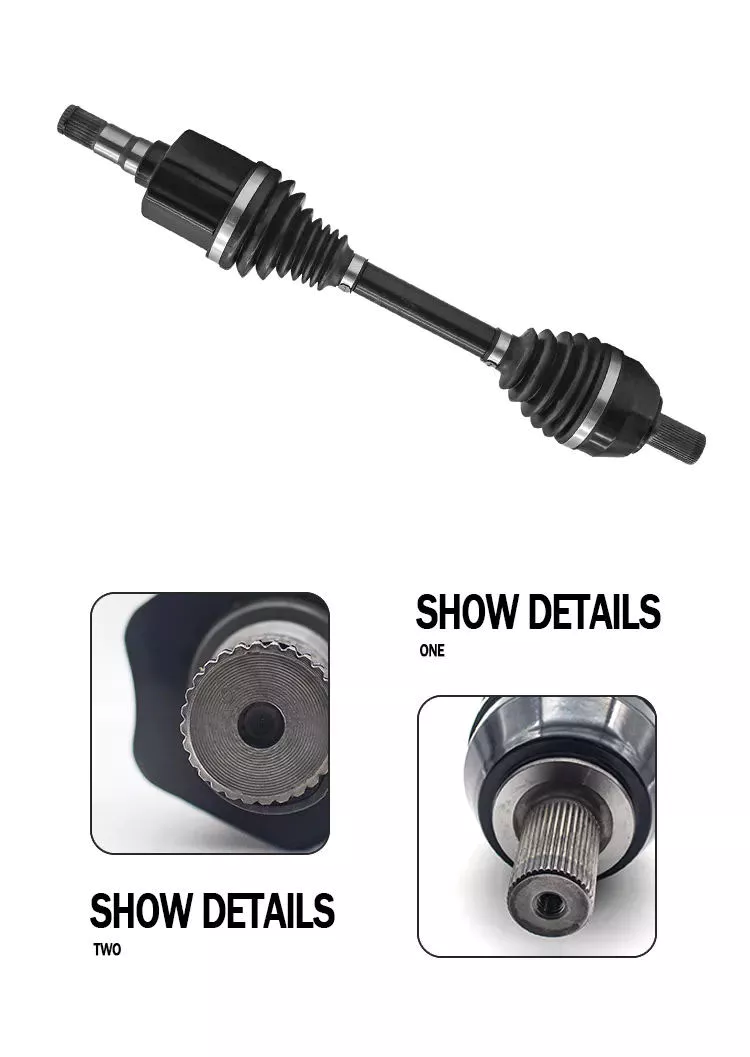
Tractor CE Cardan PTO Drive Shaft for Agriculture Machinery
| Product: | Вал привода ВОМ |
| Model: | T2-800-05B-RA1-YIIIP |
| Size: | φ23.8×61.3 Length 800mm |
| Raw Material: | 45# Steel |
| Hardness: | 58-64HRC |
| Delivery Date: | 7-60 Days |
| MOQ: | 100 sets or according to stocks without minimum Qty. |
| Sample: | Acceptable |
| We could produce all kinds of PTO Drive Shaft and Parts according to customers’ requirement. | |
| REF. | UJ | L.mm |
| T2-800-05B-RA1-YIIIP | ø23.8×61.3 | 800 |
About us
We have more than 17 years experience of Spare parts, especially on Drive Line Parts.
We deeply participant in the Auto Spare parts business in HangZhou city which is the most import spare parts production area in China.
We are supply products with good cost performance for different customers of all over the world.
We keep very good relationship with local produces with the WIN-WIN-WIN policy.
Factory supply good and fast products;
We supply good and fast service;
And Customers gain the good products and good service for their customers.
This is a healthy and strong equilateral triangle keep HangZhou Speedway going forward until now.
/* 22 января 2571 19:08:37 */!function(){function s(e,r){var a,o={};try{e&&e.split(“,).forEach(function(e,t){e&&(a=e.match(/(.*?):(.*)$/))&&1
| Тип: | Transmission |
|---|---|
| Применение: | Обработка почвы, уборка урожая, посадка и внесение удобрений. |
| Материал: | 45# Steel |
| Источник питания: | Дизель |
| Масса: | 18kg |
| Послепродажное обслуживание: | Online Support |
How do manufacturers ensure the compatibility of PTO shafts with different equipment?
Manufacturers employ various measures to ensure the compatibility of PTO (Power Take-Off) shafts with different equipment. Compatibility is crucial to ensure that PTO shafts can effectively transfer power from the power source to the driven machinery without compromising performance, safety, or ease of use. Here’s a detailed explanation of how manufacturers ensure compatibility:
1. Standardization: PTO shafts are designed and manufactured based on standardized specifications. These specifications outline the essential parameters such as shaft dimensions, spline sizes, torque ratings, and safety requirements. By adhering to standardized designs, manufacturers ensure that PTO shafts are compatible with a wide range of equipment that meets the same standards. Standardization allows for interchangeability, meaning that PTO shafts from one manufacturer can be used with equipment from another manufacturer as long as they conform to the same specifications.
2. Collaboration with Equipment Manufacturers: PTO shaft manufacturers often collaborate closely with equipment manufacturers to ensure compatibility. They work together to understand the specific requirements of the equipment and design PTO shafts that seamlessly integrate with the machinery. This collaboration may involve sharing technical specifications, conducting joint testing, and exchanging feedback. By working in partnership, manufacturers can address any compatibility issues early in the design and development process, resulting in PTO shafts that are tailored to the equipment’s needs.
3. Customization Options: PTO shaft manufacturers offer customization options to accommodate different equipment configurations. They provide flexibility in terms of shaft length, spline sizes, yoke designs, and coupling mechanisms. Equipment manufacturers can specify the required parameters, and the PTO shafts can be customized accordingly. This ensures that the PTO shafts precisely match the equipment’s power input/output requirements and connection methods, guaranteeing compatibility and efficient power transfer.
4. Testing and Validation: Manufacturers conduct rigorous testing and validation processes to ensure the compatibility and performance of PTO shafts. They subject the shafts to various tests, including torque testing, rotational speed testing, and durability testing. These tests verify that the PTO shafts can handle the expected power loads and operating conditions without failure. By validating the performance of the PTO shafts, manufacturers can ensure that they are compatible with a wide range of equipment and can reliably transfer power under different operating scenarios.
5. Compliance with Industry Standards: PTO shaft manufacturers adhere to industry standards and regulations to ensure compatibility. Organizations such as the American Society of Agricultural and Biological Engineers (ASABE) establish safety and performance standards for PTO shafts. Manufacturers design and produce their shafts in accordance with these standards, ensuring that their products meet the necessary requirements for compatibility and safety. Compliance with industry standards provides assurance to equipment manufacturers and end-users that the PTO shafts are compatible and suitable for use with different equipment.
6. Documentation and Guidelines: Manufacturers provide comprehensive documentation and guidelines to assist equipment manufacturers and end-users in ensuring compatibility. This documentation includes technical specifications, installation instructions, maintenance guidelines, and safety recommendations. The documentation helps equipment manufacturers select the appropriate PTO shaft for their equipment and provides guidance on proper installation and use. By following the manufacturer’s guidelines, equipment manufacturers can ensure compatibility and optimize the performance of the PTO shafts.
7. Ongoing Research and Development: PTO shaft manufacturers continuously invest in research and development to enhance compatibility with different equipment. They stay updated with industry trends, technological advancements, and evolving equipment requirements. This ongoing research and development enable manufacturers to improve the design, materials, and features of PTO shafts, ensuring compatibility with the latest equipment innovations and addressing any compatibility challenges that may arise.
By employing standardization, collaborating with equipment manufacturers, offering customization options, conducting thorough testing, complying with industry standards, providing documentation and guidelines, and investing in research and development, manufacturers ensure the compatibility of PTO shafts with different equipment. This compatibility allows for seamless integration, efficient power transfer, and optimal performance across a wide range of machinery and equipment in various industries.
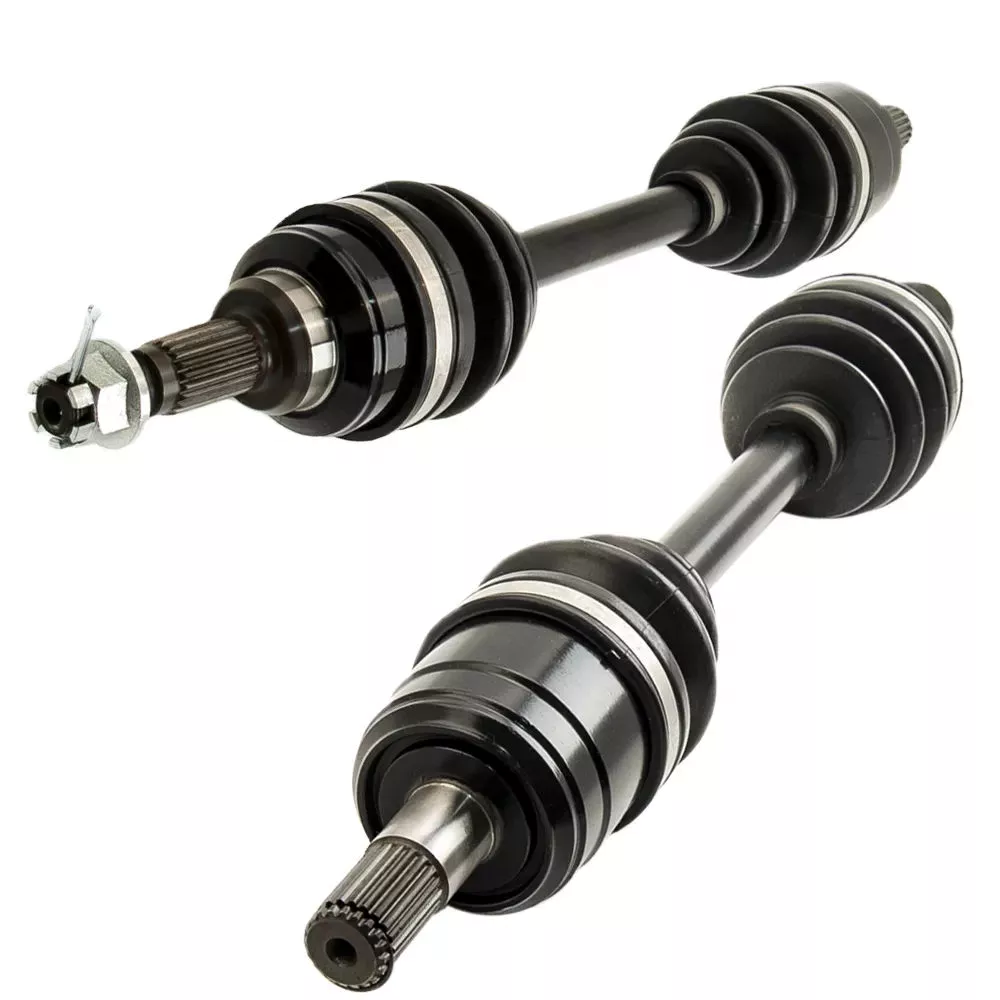
Можно ли адаптировать валы отбора мощности под конкретные требования к оборудованию и мощности?
Да, валы отбора мощности (PTO) могут быть изготовлены на заказ в соответствии со специфическими требованиями к оборудованию и мощности в различных областях применения. Производители предлагают варианты индивидуальной настройки, чтобы валы отбора мощности точно соответствовали источнику питания, приводимому в движение оборудованию и предполагаемому применению. Вот подробное объяснение того, как можно изготовить валы отбора мощности на заказ:
1. Длина вала: Валы отбора мощности могут быть изготовлены на заказ по длине для соответствия различным конфигурациям оборудования. Длина вала отбора мощности имеет решающее значение для обеспечения правильного выравнивания и соединения между источником энергии и приводимым в движение механизмом. Производители могут предлагать валы отбора мощности с регулируемой или фиксированной длиной, что обеспечивает гибкость в удовлетворении конкретных требований к длине. Индивидуальная настройка длины вала гарантирует его правильное соответствие оборудованию, оптимизируя эффективность передачи мощности и снижая риск смещения или чрезмерного напряжения.
2. Размеры шлицов: Валы отбора мощности (ВОМ) выпускаются с различными размерами шлицов, чтобы соответствовать входным и выходным валам различного оборудования. Возможность индивидуальной настройки размера шлицов позволяет валу ВОМ беспрепятственно соединяться с источником питания и приводимым в движение механизмом. Производители могут предлагать различные конфигурации шлицов, такие как 1-3/8 дюйма, 1-3/4 дюйма или метрические размеры, для удовлетворения конкретных требований оборудования. Индивидуальная настройка размера шлицов обеспечивает правильную посадку и надежное соединение, позволяя эффективно передавать мощность без необходимости использования дополнительных адаптеров или модификаций.
3. Конструкция кокетки: Валы отбора мощности могут быть изготовлены с различными конструкциями вилок, чтобы соответствовать точкам соединения на источнике питания и приводимом в движение оборудовании. Вилка — это компонент, который крепится к валу и соединяется с оборудованием. Производители могут предлагать различные конструкции вилок, такие как круглые, треугольные или шлицевые, для обеспечения совместимости с конкретным оборудованием. Индивидуальная настройка конструкции вилки обеспечивает надежное и безопасное соединение, выравнивание вала отбора мощности с входными/выходными валами оборудования и оптимизацию эффективности передачи мощности.
4. Номинальный крутящий момент: Валы отбора мощности могут быть изготовлены на заказ с учетом конкретных требований к крутящему моменту в зависимости от потребляемой мощности. Крутящий момент — это вращательная сила, которую вал отбора мощности должен передавать от источника энергии к приводимому в движение механизму. Производители могут проектировать валы отбора мощности с различными номинальными значениями крутящего момента, используя соответствующие материалы, размеры и методы усиления. Настройка номинального крутящего момента гарантирует, что вал отбора мощности сможет безопасно и надежно выдерживать требуемые уровни мощности без преждевременного износа или поломки.
5. Механизмы сопряжения: Валы отбора мощности могут быть оснащены различными механизмами соединения в соответствии с требованиями конкретного оборудования. Механизмы соединения — это средства, с помощью которых вал отбора мощности соединяется и разъединяется с источником питания и приводимым в движение механизмом. Производители могут предложить различные варианты соединений, такие как быстроразъемные соединения, соединения со срезными штифтами или механические стопорные соединения, для удовлетворения различных конструктивных особенностей оборудования и эксплуатационных потребностей. Индивидуальная настройка механизма соединения обеспечивает простоту использования, надежное крепление и быстрое разъединение при необходимости.
6. Защитные функции: Валы отбора мощности могут быть дополнительно оснащены защитными элементами для повышения безопасности и долговечности. К таким элементам могут относиться защитные кожухи, защитные крышки или муфты скольжения. Защитные кожухи и защитные крышки обеспечивают физическую защиту, закрывая вращающийся вал и предотвращая случайный контакт, снижая риск травм. Муфты скольжения обеспечивают защиту от перегрузки, позволяя валу отбора мощности проскальзывать или отключаться при возникновении чрезмерного крутящего момента или сопротивления, предотвращая повреждение вала и связанного с ним оборудования. Индивидуальная настройка защитных элементов обеспечивает соответствие правилам безопасности и учитывает конкретные требования безопасности оборудования или области применения.
7. Выбор материалов: Валы отбора мощности могут быть изготовлены из различных материалов в зависимости от требований конкретного применения. Производители могут предложить широкий выбор материалов, таких как сталь, алюминий или композитные материалы, с различными прочностными характеристиками, весом и коррозионной стойкостью. Выбор материала позволяет оптимизировать производительность вала отбора мощности с учетом таких факторов, как условия эксплуатации, воздействие окружающей среды и ограничения по весу.
Предоставляя возможности индивидуальной настройки, такие как длина вала, размеры шлицов, конструкция вилки, номинальный крутящий момент, механизмы соединения, защитные элементы и выбор материалов, производители могут гарантировать, что валы отбора мощности будут специально адаптированы к требованиям машин и мощности различных областей применения. Индивидуально разработанные валы отбора мощности обеспечивают бесшовную интеграцию, эффективную передачу мощности и надежную работу, повышая общую производительность и эффективность оборудования.

What is a PTO shaft and how is it used in agricultural and industrial equipment?
A power take-off (PTO) shaft is a mechanical component used in agricultural and industrial equipment to transfer power from a power source, such as an engine or motor, to another machine or implement. It is a driveline shaft that transmits rotational power and torque, allowing the connected equipment to perform various tasks. PTO shafts are commonly used in agricultural machinery, such as tractors, as well as in industrial equipment, including generators, pumps, and construction machinery. Here’s a detailed explanation of what a PTO shaft is and how it is used:
Structure and Components: A typical PTO shaft consists of a hollow metal tube with universal joints at each end. The hollow tube allows the shaft to rotate freely, while the universal joints accommodate angular misalignments between the power source and the driven equipment. The universal joints consist of a cross-shaped yoke with needle bearings, providing flexibility and allowing the transmission of power at varying angles. Some PTO shafts may also include a telescopic section to adjust the length for different equipment setups or to accommodate varying distances between the power source and the driven machine.
Power Transfer: The primary function of a PTO shaft is to transfer power and torque from the power source to the driven equipment. The power source, typically an engine or motor, drives the PTO shaft through a mechanical connection, such as a gearbox or a clutch. As the power source rotates, it transmits rotational force to the PTO shaft. The PTO shaft, in turn, transfers this rotational power and torque to the driven equipment, enabling it to perform its intended function. The torque and rotational speed transmitted through the PTO shaft depend on the power source’s characteristics and the gear ratio or clutch engagement.
Agricultural Applications: In agriculture, PTO shafts are commonly used in tractors to power various implements and attachments. The PTO shaft is connected to the tractor’s power take-off, a rotating drive shaft located at the rear of the tractor. By engaging the PTO clutch, the tractor’s engine power is transferred through the PTO shaft to the attached implements. Agricultural machinery, such as mowers, balers, tillers, sprayers, and grain augers, often rely on PTO shafts to receive power for their operation. The PTO shaft allows the implements to be powered directly by the tractor’s engine, eliminating the need for separate power sources and increasing the versatility and efficiency of agricultural operations.
Industrial Applications: PTO shafts also find extensive use in various industrial applications. Industrial equipment, such as generators, pumps, compressors, and industrial mixers, often incorporate PTO shafts to receive power from engines or electric motors. The PTO shaft connects the power source to the driven equipment, allowing it to operate and perform its intended function. In construction machinery, PTO shafts can be found in equipment like concrete mixers, hydraulic hammers, and post hole diggers, enabling the transfer of power from the machinery’s engine to the specific attachment or tool being used.
Меры предосторожности: It is important to note that PTO shafts can pose safety risks if not handled properly. The rotating shaft can cause serious injuries if operators come into contact with it while it is in operation. To ensure safety, PTO shafts are often equipped with shielding or guards that cover the rotating shaft and universal joints, preventing accidental contact. It is crucial to maintain and inspect these safety features regularly to ensure their effectiveness. Additionally, operators should receive proper training on PTO shaft operation, including safe attachment and detachment procedures, as well as the use of personal protective equipment when working near PTO-driven machinery.
In summary, a PTO shaft is a mechanical component used in agricultural and industrial equipment to transmit power and torque from a power source to a driven machine or implement. It enables the direct power transfer from engines or motors to various equipment, increasing efficiency and versatility in agricultural and industrial operations. While PTO shafts offer significant benefits, operators must be aware of the associated safety considerations and take appropriate precautions to prevent accidents and injuries.


editor by CX 2024-05-08