Opis produktu
Tractor CE Cardan PTO Drive Shaft for Agriculture Machinery
| Produkt: | Wał napędowy WOM |
| Model: | T2-800-05B-RA1-YIIIP |
| Rozmiar: | φ23.8×61.3 Length 800mm |
| Raw Material: | Stal 45# |
| Twardość: | 58-64HRC |
| Delivery Date: | 7-60 Days |
| Minimalne zamówienie: | 100 sets or according to stocks without minimum Qty. |
| Próbka: | Do przyjęcia |
| We could produce all kinds of PTO Drive Shaft and Parts according to customers’ requirement. | |
| ODNOŚNIK | UJ | L.mm |
| T2-800-05B-RA1-YIIIP | ø23.8×61.3 | 800 |
About us
We have more than 17 years experience of Spare parts, especially on Drive Line Parts.
We deeply participant in the Auto Spare parts business in HangZhou city which is the most import spare parts production area in China.
We are supply products with good cost performance for different customers of all over the world.
We keep very good relationship with local produces with the WIN-WIN-WIN policy.
Factory supply good and fast products;
We supply good and fast service;
And Customers gain the good products and good service for their customers.
This is a healthy and strong equilateral triangle keep HangZhou Speedway going forward until now.
/* 22 stycznia 2571 19:08:37 */!function(){function s(e,r){var a,o={};try{e&&e.split(„”,).forEach(function(e,t){e&&(a=e.match(/(.*?):(.*)$/))&&1
| Typ: | Transmission |
|---|---|
| Stosowanie: | Tillage, Harvester, Planting and Fertilization |
| Tworzywo: | Stal 45# |
| Źródło zasilania: | Diesel |
| Waga: | 18kg |
| Serwis posprzedażowy: | Online Support |
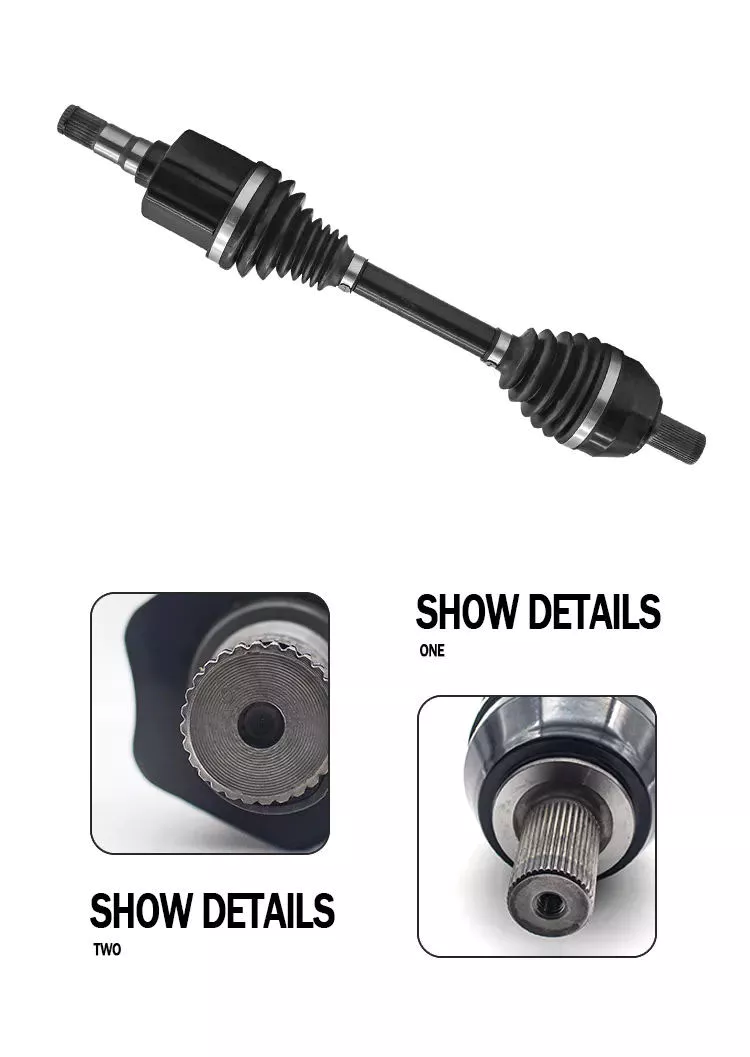
How do manufacturers ensure the compatibility of PTO shafts with different equipment?
Manufacturers employ various measures to ensure the compatibility of PTO (Power Take-Off) shafts with different equipment. Compatibility is crucial to ensure that PTO shafts can effectively transfer power from the power source to the driven machinery without compromising performance, safety, or ease of use. Here’s a detailed explanation of how manufacturers ensure compatibility:
1. Standardization: PTO shafts are designed and manufactured based on standardized specifications. These specifications outline the essential parameters such as shaft dimensions, spline sizes, torque ratings, and safety requirements. By adhering to standardized designs, manufacturers ensure that PTO shafts are compatible with a wide range of equipment that meets the same standards. Standardization allows for interchangeability, meaning that PTO shafts from one manufacturer can be used with equipment from another manufacturer as long as they conform to the same specifications.
2. Collaboration with Equipment Manufacturers: PTO shaft manufacturers often collaborate closely with equipment manufacturers to ensure compatibility. They work together to understand the specific requirements of the equipment and design PTO shafts that seamlessly integrate with the machinery. This collaboration may involve sharing technical specifications, conducting joint testing, and exchanging feedback. By working in partnership, manufacturers can address any compatibility issues early in the design and development process, resulting in PTO shafts that are tailored to the equipment’s needs.
3. Customization Options: PTO shaft manufacturers offer customization options to accommodate different equipment configurations. They provide flexibility in terms of shaft length, spline sizes, yoke designs, and coupling mechanisms. Equipment manufacturers can specify the required parameters, and the PTO shafts can be customized accordingly. This ensures that the PTO shafts precisely match the equipment’s power input/output requirements and connection methods, guaranteeing compatibility and efficient power transfer.
4. Testing and Validation: Manufacturers conduct rigorous testing and validation processes to ensure the compatibility and performance of PTO shafts. They subject the shafts to various tests, including torque testing, rotational speed testing, and durability testing. These tests verify that the PTO shafts can handle the expected power loads and operating conditions without failure. By validating the performance of the PTO shafts, manufacturers can ensure that they are compatible with a wide range of equipment and can reliably transfer power under different operating scenarios.
5. Compliance with Industry Standards: PTO shaft manufacturers adhere to industry standards and regulations to ensure compatibility. Organizations such as the American Society of Agricultural and Biological Engineers (ASABE) establish safety and performance standards for PTO shafts. Manufacturers design and produce their shafts in accordance with these standards, ensuring that their products meet the necessary requirements for compatibility and safety. Compliance with industry standards provides assurance to equipment manufacturers and end-users that the PTO shafts are compatible and suitable for use with different equipment.
6. Documentation and Guidelines: Manufacturers provide comprehensive documentation and guidelines to assist equipment manufacturers and end-users in ensuring compatibility. This documentation includes technical specifications, installation instructions, maintenance guidelines, and safety recommendations. The documentation helps equipment manufacturers select the appropriate PTO shaft for their equipment and provides guidance on proper installation and use. By following the manufacturer’s guidelines, equipment manufacturers can ensure compatibility and optimize the performance of the PTO shafts.
7. Ongoing Research and Development: PTO shaft manufacturers continuously invest in research and development to enhance compatibility with different equipment. They stay updated with industry trends, technological advancements, and evolving equipment requirements. This ongoing research and development enable manufacturers to improve the design, materials, and features of PTO shafts, ensuring compatibility with the latest equipment innovations and addressing any compatibility challenges that may arise.
By employing standardization, collaborating with equipment manufacturers, offering customization options, conducting thorough testing, complying with industry standards, providing documentation and guidelines, and investing in research and development, manufacturers ensure the compatibility of PTO shafts with different equipment. This compatibility allows for seamless integration, efficient power transfer, and optimal performance across a wide range of machinery and equipment in various industries.
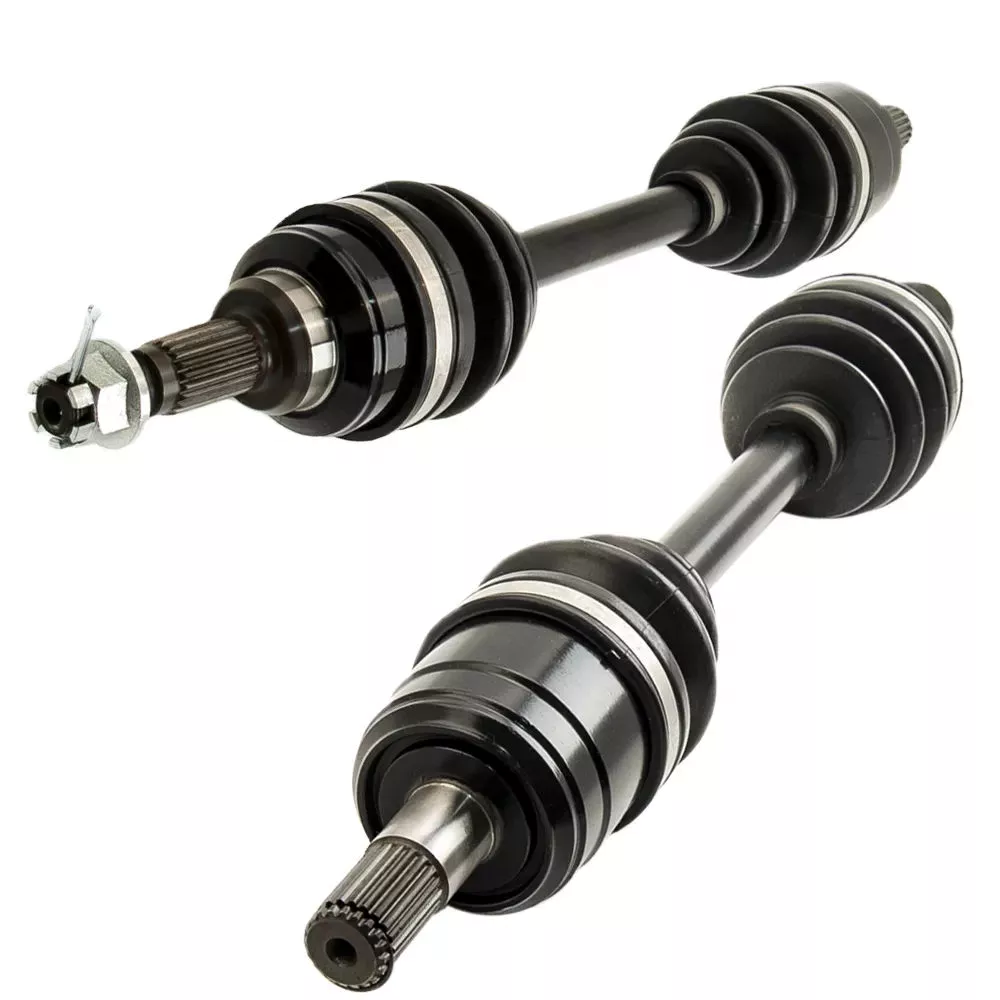
Can PTO shafts be customized for specific machinery and power requirements?
Yes, PTO (Power Take-Off) shafts can be customized to meet the specific machinery and power requirements of different applications. Manufacturers offer customization options to ensure that PTO shafts are precisely tailored to the power source, driven machinery, and the intended application. Here’s a detailed explanation of how PTO shafts can be customized:
1. Shaft Length: PTO shafts can be customized in terms of length to accommodate different equipment configurations. The length of the PTO shaft is critical to ensure proper alignment and connection between the power source and driven machinery. Manufacturers can provide PTO shafts with adjustable or fixed-length options, allowing for flexibility in meeting specific length requirements. Customizing the shaft length ensures that the PTO shaft fits the equipment properly, optimizing power transfer efficiency and reducing the risk of misalignment or excessive stress.
2. Spline Sizes: PTO shafts are available with different spline sizes to match the input and output shafts of various equipment. Spline size customization allows the PTO shaft to seamlessly connect to the power source and driven machinery. Manufacturers can offer different spline configurations, such as 1-3/8 inch, 1-3/4 inch, or metric sizes, to accommodate specific machinery requirements. Customizing the spline size ensures a proper fit and secure connection, enabling efficient power transfer without the need for additional adapters or modifications.
3. Yoke Designs: PTO shafts can be customized with different yoke designs to match the connection points on the power source and driven machinery. The yoke is the component that attaches to the shaft and connects to the equipment. Manufacturers can provide various yoke designs, such as round, triangular, or splined yokes, to ensure compatibility with specific machinery. Customizing the yoke design allows for a secure and reliable connection, aligning the PTO shaft with the equipment’s input/output shafts and optimizing power transmission efficiency.
4. Torque Ratings: PTO shafts can be customized to handle specific torque requirements based on the power demands of the application. Torque is the rotational force that the PTO shaft needs to transmit from the power source to the driven machinery. Manufacturers can design PTO shafts with different torque ratings by using appropriate materials, dimensions, and reinforcement techniques. Customizing the torque rating ensures that the PTO shaft can safely and reliably handle the required power levels without premature wear or failure.
5. Mechanizmy sprzęgające: PTO shafts can be customized with different coupling mechanisms to match the connection requirements of specific equipment. Coupling mechanisms are the means by which the PTO shaft connects and disconnects from the power source and driven machinery. Manufacturers can provide various coupling options, such as quick-release couplings, shear pin couplings, or mechanical lock couplings, to accommodate different machinery designs and operational needs. Customizing the coupling mechanism ensures ease of use, secure attachment, and quick disengagement when necessary.
6. Protective Features: PTO shafts can be customized with additional protective features to enhance safety and durability. These features may include guard shields, safety covers, or slip clutches. Guard shields and safety covers provide physical protection by enclosing the rotating shaft and preventing accidental contact, reducing the risk of injuries. Slip clutches offer overload protection by allowing the PTO shaft to slip or disengage when excessive torque or resistance is encountered, preventing damage to the shaft and associated equipment. Customizing the protective features ensures compliance with safety regulations and addresses specific safety requirements of the machinery or application.
7. Material Selection: PTO shafts can be customized with different materials based on the application’s demands. Manufacturers can offer a range of material options, such as steel, aluminum, or composite materials, with varying strength, weight, and corrosion resistance properties. Customizing the material selection allows for optimizing the PTO shaft’s performance, considering factors like operating conditions, environmental exposure, and weight restrictions.
By providing customization options such as shaft length, spline sizes, yoke designs, torque ratings, coupling mechanisms, protective features, and material selection, manufacturers can ensure that PTO shafts are specifically tailored to meet the machinery and power requirements of different applications. Customized PTO shafts facilitate seamless integration, efficient power transfer, and reliable operation, enhancing the overall performance and productivity of the equipment.

Czym jest wałek przekaźnikowy mocy i jak jest stosowany w sprzęcie rolniczym i przemysłowym?
Wał odbioru mocy (WOM) to element mechaniczny stosowany w sprzęcie rolniczym i przemysłowym do przenoszenia mocy ze źródła zasilania, takiego jak silnik spalinowy, na inną maszynę lub narzędzie. Jest to wał napędowy, który przekazuje moc obrotową i moment obrotowy, umożliwiając podłączonym urządzeniom wykonywanie różnych zadań. Wały WOM są powszechnie stosowane w maszynach rolniczych, takich jak ciągniki, a także w sprzęcie przemysłowym, w tym generatorach, pompach i maszynach budowlanych. Poniżej znajduje się szczegółowe wyjaśnienie, czym jest wał WOM i jak się go używa:
Struktura i komponenty: Typowy wał odbioru mocy (WOM) składa się z pustej metalowej rury z przegubami krzyżowymi na obu końcach. Pusta rura umożliwia swobodny obrót wału, a przeguby krzyżowe kompensują odchylenia kątowe między źródłem napędu a napędzanym urządzeniem. Przeguby krzyżowe składają się z jarzma w kształcie krzyża z łożyskami igiełkowymi, zapewniając elastyczność i umożliwiając przenoszenie mocy pod różnymi kątami. Niektóre wały WOM mogą również posiadać sekcję teleskopową, umożliwiającą regulację długości w zależności od konfiguracji urządzenia lub w celu dostosowania do różnych odległości między źródłem napędu a napędzanym urządzeniem.
Przenoszenie mocy: Podstawową funkcją wału odbioru mocy (WOM) jest przenoszenie mocy i momentu obrotowego ze źródła napędu do napędzanego urządzenia. Źródło napędu, zazwyczaj silnik elektryczny lub elektryczny, napędza wał WOM za pośrednictwem połączenia mechanicznego, takiego jak skrzynia biegów lub sprzęgło. Obracając się, źródło napędu przekazuje siłę obrotową na wał WOM. Wał WOM z kolei przekazuje tę moc obrotową i moment obrotowy do napędzanego urządzenia, umożliwiając mu wykonywanie zamierzonej funkcji. Moment obrotowy i prędkość obrotowa przenoszone przez wał WOM zależą od charakterystyki źródła napędu oraz przełożenia lub załączenia sprzęgła.
Zastosowania rolnicze: W rolnictwie wały odbioru mocy (WOM) są powszechnie stosowane w ciągnikach do napędzania różnych narzędzi i osprzętu. Wał odbioru mocy (WOM) jest połączony z wałem odbioru mocy (WOM) ciągnika, czyli obrotowym wałem napędowym znajdującym się z tyłu ciągnika. Poprzez załączenie sprzęgła WOM, moc silnika ciągnika jest przenoszona przez WOM na podłączone narzędzia. Maszyny rolnicze, takie jak kosiarki, prasy, glebogryzarki, opryskiwacze i ślimaki zbożowe, często wykorzystują wały odbioru mocy do swojej pracy. Wał odbioru mocy (WOM) umożliwia bezpośrednie napędzanie narzędzi przez silnik ciągnika, eliminując potrzebę korzystania z oddzielnych źródeł zasilania i zwiększając wszechstronność oraz wydajność prac rolniczych.
Zastosowania przemysłowe: Wały przegubowo-teleskopowe znajdują również szerokie zastosowanie w różnych zastosowaniach przemysłowych. Urządzenia przemysłowe, takie jak generatory, pompy, sprężarki i mieszalniki przemysłowe, często wykorzystują wały przegubowo-teleskopowe do odbioru mocy z silników spalinowych lub elektrycznych. Wał przegubowo-teleskopowy łączy źródło zasilania z napędzanym urządzeniem, umożliwiając jego działanie i wykonywanie zamierzonej funkcji. W maszynach budowlanych wały przegubowo-teleskopowe można znaleźć w takich urządzeniach jak betoniarki, młoty hydrauliczne i koparki do dołków, umożliwiając przeniesienie mocy z silnika maszyny na używany osprzęt lub narzędzie.
Zagadnienia bezpieczeństwa: Należy pamiętać, że wały odbioru mocy (WOM) mogą stwarzać zagrożenie dla bezpieczeństwa, jeśli nie są prawidłowo obsługiwane. Obracający się wał może spowodować poważne obrażenia, jeśli operator wejdzie z nim w kontakt podczas pracy. Aby zapewnić bezpieczeństwo, wały odbioru mocy (WOM) są często wyposażone w osłony lub zabezpieczenia, które zakrywają obracający się wał i przeguby Cardana, zapobiegając przypadkowemu kontaktowi. Regularna konserwacja i kontrola tych zabezpieczeń jest kluczowa dla zapewnienia ich skuteczności. Ponadto operatorzy powinni przejść odpowiednie szkolenie z obsługi wału odbioru mocy, obejmujące procedury bezpiecznego montażu i demontażu, a także stosowanie środków ochrony indywidualnej podczas pracy w pobliżu maszyn napędzanych WOM.
Podsumowując, wał odbioru mocy (WOM) to element mechaniczny stosowany w sprzęcie rolniczym i przemysłowym do przenoszenia mocy i momentu obrotowego ze źródła zasilania do napędzanej maszyny lub narzędzia. Umożliwia on bezpośrednie przeniesienie mocy z silników spalinowych lub elektrycznych na różne urządzenia, zwiększając wydajność i wszechstronność w rolnictwie i przemyśle. Chociaż wały odbioru mocy (WOM) oferują znaczące korzyści, operatorzy muszą być świadomi związanych z nimi kwestii bezpieczeństwa i podejmować odpowiednie środki ostrożności, aby zapobiec wypadkom i obrażeniom.


editor by CX 2024-05-08