Descripción del Producto
PTO DRIVE SHAFT COMBINE WITH HYDRAULIC GEAR PUMP KP55 FOR HEAVY DUTY DUMP TRUCK SPARE PARTS
/* 22 de enero de 2571 19:08:37 */!function(){function s(e,r){var a,o={};try{e&&e.split(“”,).forEach(function(e,t){e&&(a=e.match(/(.*?):(.*)$/))&&1
| Condition: | Nuevo |
|---|---|
| Color: | Silver |
| Tipo: | Universal Joint |
| Material: | Steel |
| Paquete de transporte: | Carton |
| Especificación: | s |
| Muestras: |
US$ 30/Piece
1 unidad (pedido mínimo) | |
|---|
| Personalización: |
Disponible
| Solicitud personalizada |
|---|
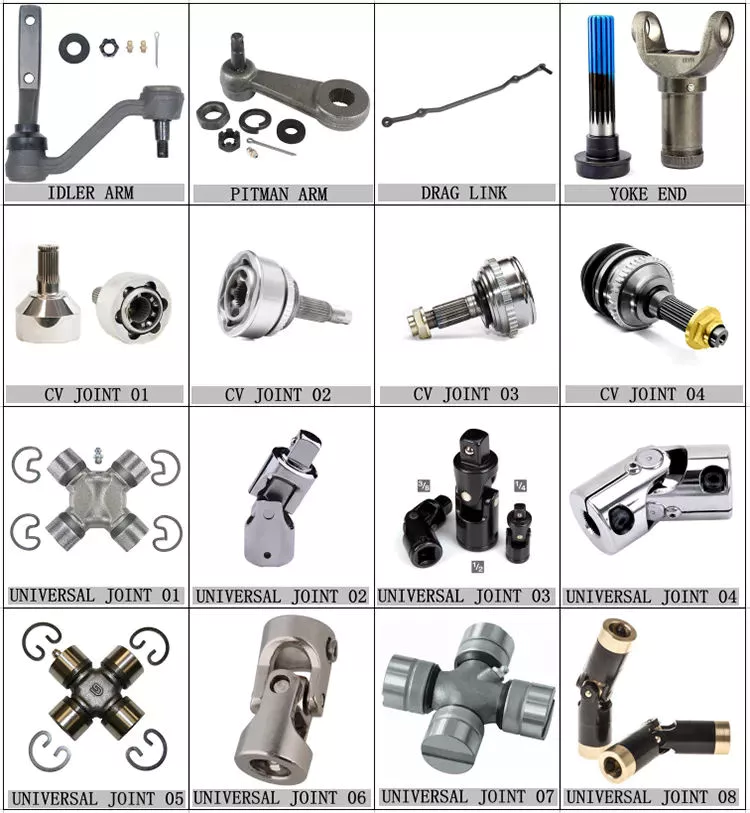
¿Se pueden adaptar los ejes de toma de fuerza para su uso tanto en entornos agrícolas como industriales?
Sí, los ejes de toma de fuerza (TDF) pueden adaptarse para su uso tanto en entornos agrícolas como industriales. Si bien los ejes de TDF se asocian comúnmente con la maquinaria agrícola, son componentes versátiles que pueden utilizarse en diversas aplicaciones más allá del sector agrícola. Con las modificaciones y consideraciones adecuadas, los ejes de TDF también pueden transmitir potencia de manera efectiva en entornos industriales. A continuación, se presenta una explicación detallada de cómo se pueden adaptar los ejes de TDF para uso agrícola e industrial:
1. Diseño estándar del eje de la toma de fuerza: Los ejes de toma de fuerza (TDF) tienen un diseño estandarizado que permite su compatibilidad e intercambiabilidad entre diferentes equipos y maquinaria. Esta estandarización posibilita su uso en diversas aplicaciones, tanto agrícolas como industriales. Los componentes básicos de un eje de TDF, como las juntas universales, los ejes estriados y las protecciones, se mantienen constantes independientemente de la aplicación específica. Esta consistencia facilita su adaptación e integración en diferentes máquinas y equipos.
2. Longitud y tamaño del eje: Los ejes de toma de fuerza (TDF) se pueden personalizar en cuanto a longitud y dimensiones para adaptarse a las necesidades específicas tanto en entornos agrícolas como industriales. La longitud del eje se puede ajustar para compensar las diferentes distancias entre la fuente de energía y la maquinaria accionada. Esta flexibilidad permite una transmisión de potencia óptima y garantiza la compatibilidad con diversas configuraciones de equipos. Asimismo, las dimensiones del eje de TDF, incluyendo el diámetro y las especificaciones del eje estriado, se pueden adaptar para cumplir con los requisitos de par y potencia de diferentes aplicaciones, ya sean agrícolas o industriales.
3. Requisitos de alimentación: Los ejes de toma de fuerza (TDF) están diseñados para transferir potencia desde una fuente de energía a la maquinaria accionada. En el ámbito agrícola, la fuente de energía suele ser un tractor u otro vehículo agrícola, mientras que en el ámbito industrial, puede ser un motor o una unidad de potencia específica del sector. Los ejes de TDF se pueden adaptar para satisfacer diferentes requisitos de potencia, considerando factores como la capacidad de par, la velocidad de rotación y las exigencias específicas de la maquinaria o el equipo accionado. Al seleccionar el eje de TDF adecuado según los requisitos de potencia, este puede transferir potencia de manera eficaz tanto en aplicaciones agrícolas como industriales.
4. Consideraciones de seguridad: La seguridad es un aspecto fundamental del diseño y uso de los ejes de toma de fuerza (TDF), independientemente de la aplicación. Estos ejes incorporan elementos de seguridad como protectores y cubiertas para evitar el contacto accidental con los componentes giratorios. Estas medidas son esenciales en entornos agrícolas e industriales para minimizar el riesgo de atrapamiento, lesiones o daños. La adaptación de los ejes de TDF para uso industrial puede requerir consideraciones de seguridad adicionales en función de los riesgos específicos de dichos entornos. Sin embargo, los principios y características de seguridad básicos de los ejes de TDF pueden aplicarse y adaptarse para garantizar un funcionamiento seguro en ambos entornos.
5. Accesorios especializados: Los ejes de toma de fuerza (TDF) pueden equiparse con adaptadores o accesorios especializados para adaptarse a diferentes máquinas o equipos accionados. En el sector agrícola, los ejes de TDF se conectan comúnmente a implementos como segadoras, empacadoras o pulverizadoras. En el sector industrial, pueden adaptarse para conectarse a diversas máquinas, como bombas, generadores, compresores o cintas transportadoras. Estos adaptadores especializados garantizan la compatibilidad y una transmisión de potencia eficiente entre el eje de TDF y el equipo accionado, lo que permite una integración perfecta tanto en aplicaciones agrícolas como industriales.
6. Consideraciones medioambientales: Los ejes de toma de fuerza (TDF) pueden adaptarse a condiciones ambientales específicas tanto en entornos agrícolas como industriales. Por ejemplo, en aplicaciones agrícolas, los ejes de TDF pueden necesitar soportar la exposición a suciedad, polvo, humedad y diversas condiciones climáticas. Los entornos industriales pueden presentar desafíos ambientales únicos, como la exposición a productos químicos, altas temperaturas o materiales abrasivos. Al seleccionar materiales, recubrimientos protectores y sellos adecuados para el entorno específico, los ejes pueden adaptarse para garantizar un rendimiento fiable y duradero en diversas condiciones.
7. Cumplimiento de las normas: Los ejes de toma de fuerza (TDF), tanto para uso agrícola como industrial, deben cumplir con las normas y regulaciones de seguridad pertinentes. Los fabricantes se adhieren a las directrices y requisitos establecidos por organizaciones como la Sociedad Americana de Ingenieros Agrícolas y Biológicos (ASABE) u otras autoridades regionales de seguridad. El cumplimiento garantiza que los ejes de TDF cumplan con los criterios de seguridad y los estándares de rendimiento aplicables tanto a entornos agrícolas como industriales. Los usuarios pueden confiar en ejes de TDF estandarizados que han sido sometidos a pruebas y certificación, lo que ofrece garantías sobre su fiabilidad y seguridad.
Considerando los factores mencionados, los ejes de toma de fuerza (TDF) pueden adaptarse para transferir potencia de manera efectiva tanto en entornos agrícolas como industriales. Su versatilidad, junto con las opciones de personalización, las medidas de seguridad, los accesorios especializados y el cumplimiento de las normas, permite su integración exitosa en una amplia gama de maquinaria y equipos en diversos sectores.
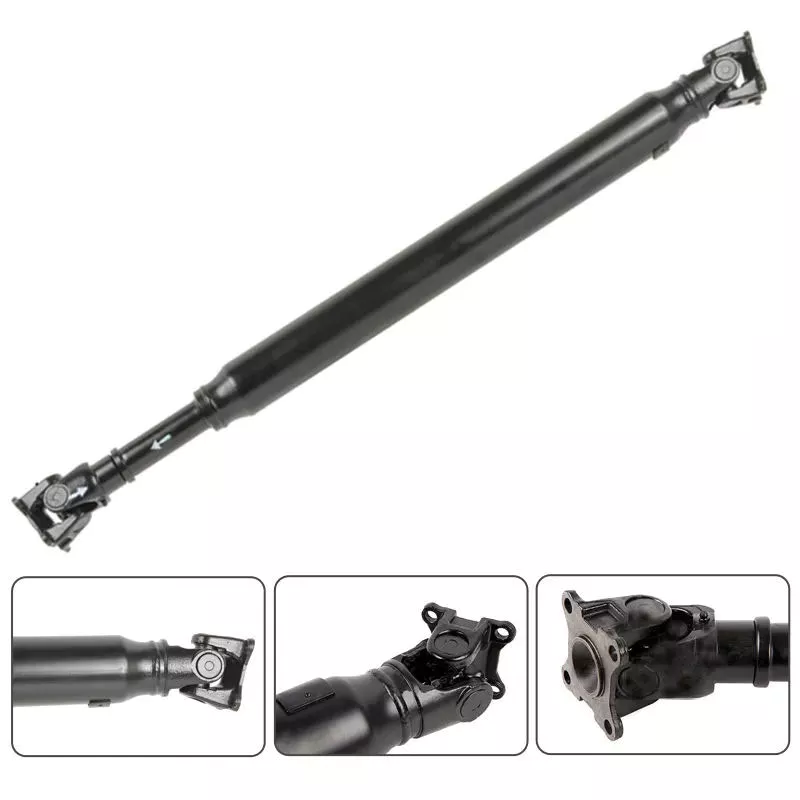
Are there any limitations or disadvantages associated with PTO shafts?
While PTO (Power Take-Off) shafts offer numerous advantages in terms of power transfer and versatility, they also have certain limitations and disadvantages. It’s important to consider these factors when using PTO shafts to ensure safe and efficient operation. Here’s a detailed explanation of some limitations and disadvantages associated with PTO shafts:
1. Safety Hazards: One of the primary concerns with PTO shafts is the potential for safety hazards. PTO shafts rotate at high speeds and can pose a significant risk if not properly guarded or handled. Accidental contact with an exposed or inadequately shielded PTO shaft can result in severe injuries, including entanglement, amputation, or even fatalities. It is crucial to follow safety guidelines, implement proper guarding, and ensure that operators are well-trained on safe handling practices to mitigate these risks.
2. Maintenance and Lubrication: PTO shafts require regular maintenance and lubrication to ensure optimal performance and longevity. The moving parts, such as universal joints and splines, need to be inspected, cleaned, and lubricated at recommended intervals. Neglecting maintenance can lead to premature wear, decreased efficiency, and potential failures. Proper maintenance practices, including regular inspections and timely lubrication, are essential to mitigate these issues.
3. Alignment and Angles: PTO shafts rely on proper alignment and angles to ensure efficient power transfer. Misalignment or excessive angles between the power source and driven machinery can cause increased wear and strain on the components, leading to premature failure. Ensuring proper alignment and angle adjustment, using adjustable sliding yokes or other means, is important to prevent excessive stress on the PTO shaft and associated equipment.
4. Length Limitations: PTO shafts have limitations on their maximum and minimum length due to engineering constraints. The telescoping design allows for some adjustment, but there is a practical limit to how much the shaft can extend or retract. If the distance between the power source and driven machinery exceeds the maximum or falls below the minimum length of the PTO shaft, alternative solutions or modifications may be required. In some cases, additional components such as drive shaft extensions or gearboxes may be necessary to bridge the distance.
5. Compatibility: While manufacturers strive to ensure compatibility, there can still be challenges in finding the right PTO shaft for specific equipment configurations. Equipment may have unique requirements in terms of spline sizes, torque ratings, or connection methods that may not be readily available or compatible with off-the-shelf PTO shafts. Customization may be required to address these compatibility issues, which can result in increased costs or lead times.
6. Noise and Vibrations: PTO shafts in operation can generate significant noise and vibrations, especially at higher speeds. This can be a nuisance for operators and may require additional measures to reduce noise levels or dampen vibrations. Excessive vibrations can also affect the overall performance and lifespan of the PTO shaft and connected equipment. Implementing vibration dampeners or using flexible couplings can help mitigate these issues.
7. Power Limits: PTO shafts have specific power limits based on their design, materials, and components. Exceeding these power limits can lead to premature wear, component failures, or even shaft breakage. It is crucial to understand and adhere to the recommended power ratings for PTO shafts to ensure safe and reliable operation. In some cases, upgrading to a higher-capacity PTO shaft or implementing additional power transmission components may be necessary to accommodate higher power requirements.
8. Complex Installation and Removal: Installing and removing PTO shafts can be a complex process, especially in confined spaces or when dealing with heavy equipment. It may require aligning splines, engaging couplings, and securing locking mechanisms. Improper installation or removal techniques can lead to damage to the shaft or associated equipment. Proper training, handling equipment, and following manufacturer guidelines are essential to simplify and ensure the safe installation and removal of PTO shafts.
Despite these limitations and disadvantages, PTO shafts remain widely used and valuable components for power transfer in various industries. By addressing these considerations and implementing proper safety measures, maintenance practices, and alignment procedures, the potential drawbacks of PTO shafts can be effectively mitigated, allowing for safe and efficient operation.
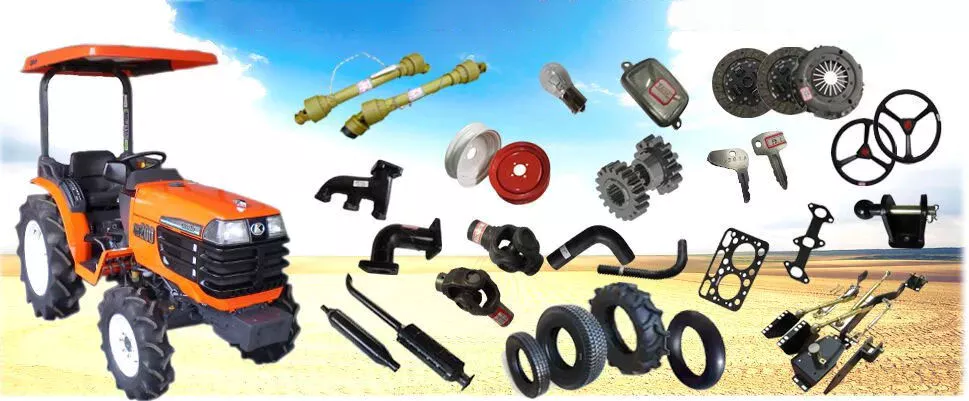
How do PTO shafts handle variations in speed and torque requirements?
PTO shafts (Power Take-Off shafts) are designed to handle variations in speed and torque requirements between the power source (such as a tractor or engine) and the driven machinery or equipment. They incorporate various mechanisms and components to ensure efficient power transmission while accommodating the different speed and torque demands. Here’s a detailed explanation of how PTO shafts handle variations in speed and torque requirements:
1. Gearbox Systems: PTO shafts often incorporate gearbox systems to match the speed and torque requirements between the power source and the driven machinery. Gearboxes allow for speed reduction or increase and can also change the rotational direction if necessary. By using different gear ratios, PTO shafts can adapt the rotational speed and torque output to suit the specific requirements of the driven equipment. Gearbox systems enable PTO shafts to provide the necessary power and speed compatibility between the power source and the machinery they drive.
2. Shear Bolt Mechanisms: Some PTO shafts, particularly in applications where sudden overloads or shock loads are expected, use shear bolt mechanisms. These mechanisms are designed to protect the driveline components from damage by disconnecting the PTO shaft in case of excessive torque or sudden resistance. Shear bolts are designed to break at a specific torque threshold, ensuring that the PTO shaft separates before the driveline components suffer damage. By incorporating shear bolt mechanisms, PTO shafts can handle variations in torque requirements and provide a safety feature to protect the equipment.
3. Friction Clutches: PTO shafts may incorporate friction clutch systems to enable smooth engagement and disengagement of power transfer. Friction clutches use a disc and pressure plate mechanism to control the transmission of power. Operators can gradually engage or disengage the power transfer by adjusting the pressure on the friction disc. This feature allows for precise control over torque transmission, accommodating variations in torque requirements while minimizing shock loads on the driveline components. Friction clutches are commonly used in applications where smooth power engagement is essential, such as in hydraulic pumps, generators, and industrial mixers.
4. Constant Velocity (CV) Joints: In cases where the driven machinery requires a significant range of movement or articulation, PTO shafts may incorporate Constant Velocity (CV) joints. CV joints allow the PTO shaft to accommodate misalignment and angular variations without affecting power transmission. These joints provide a smooth and constant power transfer even when the driven machinery is at an angle relative to the power source. CV joints are commonly used in applications such as articulated loaders, telescopic handlers, and self-propelled sprayers, where the machinery requires flexibility and a wide range of movement.
5. Telescopic Designs: Some PTO shafts feature telescopic designs that allow for length adjustment. These shafts consist of two or more concentric shafts that slide within each other, providing the ability to extend or retract the PTO shaft as needed. Telescopic designs accommodate variations in the distance between the power source and the driven machinery. By adjusting the length of the PTO shaft, operators can ensure proper power transmission without the risk of the shaft dragging on the ground or being too short to reach the equipment. Telescopic PTO shafts are commonly used in applications where the distance between the power source and the implement varies, such as in front-mounted implements, snow blowers, and self-loading wagons.
By incorporating these mechanisms and designs, PTO shafts can handle variations in speed and torque requirements effectively. They provide the necessary flexibility, safety, and control to ensure efficient power transmission between the power source and the driven machinery. PTO shafts play a critical role in adapting power to meet the specific needs of various equipment and applications.


editor by CX 2024-04-19