उत्पाद वर्णन
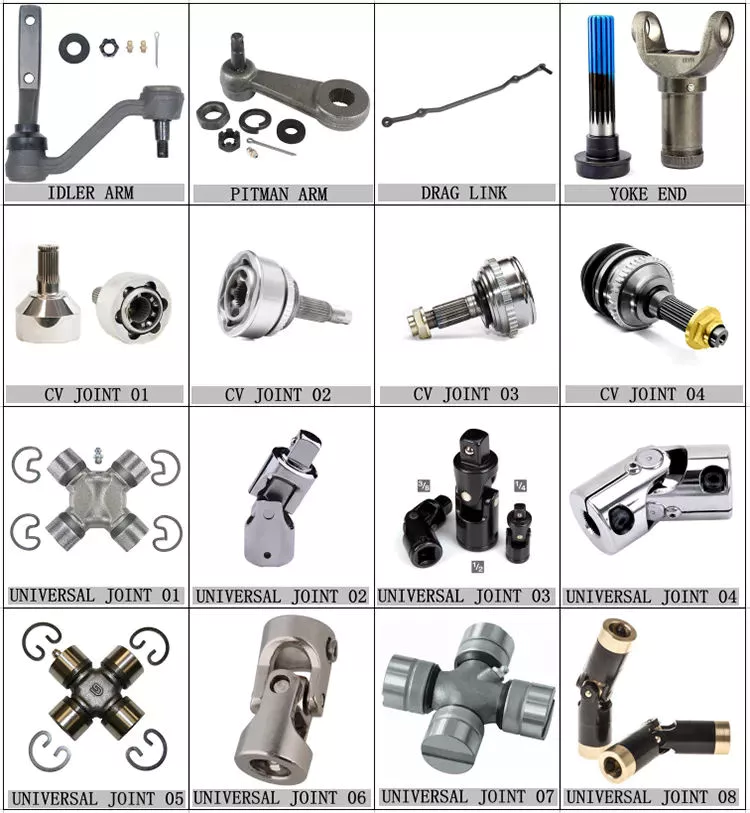
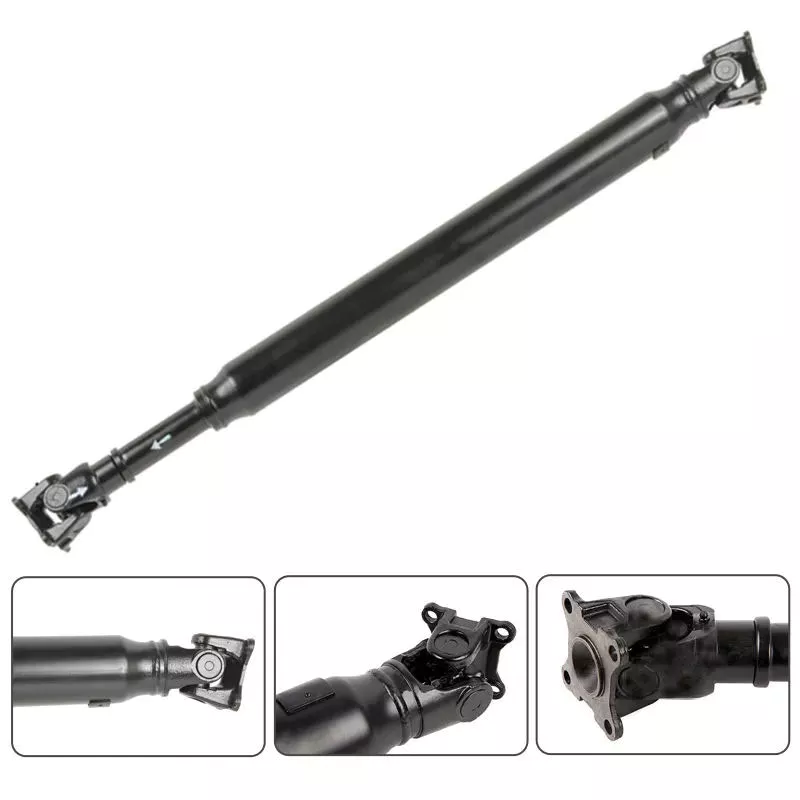
PTO DRIVE SHAFT COMBINE WITH HYDRAULIC GEAR PUMP KP55 FOR HEAVY DUTY DUMP TRUCK SPARE PARTS
/* 22 जनवरी, 2571 19:08:37 */!function(){function s(e,r){var a,o={};try{e&&e.split(“,”).forEach(function(e,t){e&&(a=e.match(/(.*?):(.*)$/))&&1
| Condition: | New |
|---|---|
| Color: | Silver |
| प्रकार: | Universal Joint |
| सामग्री: | Steel |
| Transport Package: | Carton |
| Specification: | s |
| उदाहरण: |
US$ 30/Piece
1 पीस (न्यूनतम ऑर्डर) | |
|---|
| अनुकूलन: |
उपलब्ध
| अनुकूलित अनुरोध |
|---|
Can PTO shafts be adapted for use in both agricultural and industrial settings?
Yes, PTO (Power Take-Off) shafts can be adapted for use in both agricultural and industrial settings. While PTO shafts are commonly associated with agricultural machinery, they are versatile components that can be utilized in various applications beyond the agricultural sector. With appropriate modifications and considerations, PTO shafts can effectively transfer power in industrial settings as well. Here’s a detailed explanation of how PTO shafts can be adapted for both agricultural and industrial use:
1. Standard PTO Shaft Design: PTO shafts have a standardized design that allows for compatibility and interchangeability across different equipment and machinery. This standardization enables PTO shafts to be used in various applications, including both agricultural and industrial settings. The basic components of a PTO shaft, such as the universal joints, splined shafts, and protective guards, remain consistent, regardless of the specific application. This consistency allows for easy adaptation and integration into different machinery and equipment.
2. Shaft Length and Sizing: PTO shafts can be customized in terms of length and sizing to suit specific requirements in both agricultural and industrial settings. The length of the shaft can be adjusted to accommodate different distances between the power source and the driven machinery. This flexibility allows for optimal power transmission and ensures compatibility with various equipment setups. Similarly, the sizing of the PTO shaft, including the diameter and splined shaft specifications, can be tailored to meet the torque and power requirements of different applications, whether in agriculture or industry.
3. Power Requirements: PTO shafts are designed to transfer power from a power source to driven machinery. In agricultural settings, the power source is typically a tractor or other agricultural vehicles, while in industrial settings, it can be an engine, motor, or power unit specific to the industry. PTO shafts can be adapted to handle different power requirements by considering factors such as torque capacity, rotational speed, and the specific demands of the machinery or equipment being driven. By selecting the appropriate PTO shaft based on the power requirements, the shaft can effectively transfer power in both agricultural and industrial applications.
4. सुरक्षा संबंधी विचार: Safety is a critical aspect of PTO shaft design and usage, regardless of the application. PTO shafts incorporate safety features such as protective guards and shields to prevent accidental contact with rotating components. These safety measures are essential in agricultural and industrial settings to minimize the risk of entanglement, injury, or damage. Adapting PTO shafts for industrial use may require additional safety considerations based on the specific hazards present in industrial environments. However, the core safety principles and features of PTO shafts can be applied and adapted to ensure safe operation in both settings.
5. Specialized Attachments: PTO shafts can be equipped with specialized attachments or adapters to accommodate different driven machinery or equipment. In agricultural settings, PTO shafts commonly connect to implements such as mowers, balers, or sprayers. In industrial settings, PTO shafts may be adapted to connect to various industrial machinery, including pumps, generators, compressors, or conveyors. These specialized attachments ensure compatibility and efficient power transfer between the PTO shaft and the driven equipment, allowing for seamless integration in both agricultural and industrial applications.
6. Environmental Considerations: PTO shafts can be adapted to address specific environmental conditions in both agricultural and industrial settings. For example, in agricultural applications, PTO shafts may need to withstand exposure to dirt, dust, moisture, and varying weather conditions. Industrial settings may have their unique environmental challenges, such as exposure to chemicals, high temperatures, or abrasive materials. By selecting PTO shaft materials, protective coatings, and seals suitable for the specific environment, the shafts can be adapted to ensure reliable and durable performance in various settings.
7. Compliance with Standards: PTO shafts, whether used in agricultural or industrial settings, need to comply with relevant safety standards and regulations. Manufacturers adhere to guidelines and requirements set by organizations such as the American Society of Agricultural and Biological Engineers (ASABE) or other regional safety authorities. Compliance ensures that PTO shafts meet safety criteria and performance standards applicable to both agricultural and industrial environments. Users can rely on standardized PTO shafts that have undergone testing and certification, offering assurance regarding their reliability and safety.
By considering the factors mentioned above, PTO shafts can be adapted to effectively transfer power in both agricultural and industrial settings. The versatile nature of PTO shafts, coupled with customization options, safety considerations, specialized attachments, and compliance with standards, allows for their successful integration into a wide range of machinery and equipment across various industries.
क्या पीटीओ शाफ्ट से जुड़ी कोई सीमाएं या कमियां हैं?
पावर ट्रांसफर और बहुमुखी प्रतिभा के मामले में पीटीओ (पावर टेक-ऑफ) शाफ्ट कई फायदे प्रदान करते हैं, लेकिन इनकी कुछ सीमाएं और कमियां भी हैं। सुरक्षित और कुशल संचालन सुनिश्चित करने के लिए पीटीओ शाफ्ट का उपयोग करते समय इन कारकों पर विचार करना महत्वपूर्ण है। पीटीओ शाफ्ट से जुड़ी कुछ सीमाओं और कमियों का विस्तृत विवरण यहां दिया गया है:
1. सुरक्षा संबंधी खतरे: पीटीओ शाफ्ट से जुड़ी प्रमुख चिंताओं में से एक सुरक्षा संबंधी खतरों की संभावना है। पीटीओ शाफ्ट तेज गति से घूमते हैं और यदि इन्हें ठीक से सुरक्षित या संभाला न जाए तो इनसे गंभीर जोखिम उत्पन्न हो सकता है। खुले या अपर्याप्त रूप से ढके पीटीओ शाफ्ट के आकस्मिक संपर्क से गंभीर चोटें लग सकती हैं, जिनमें उलझना, अंग का कटना या यहां तक कि मृत्यु भी शामिल है। इन जोखिमों को कम करने के लिए सुरक्षा दिशानिर्देशों का पालन करना, उचित सुरक्षा उपाय लागू करना और यह सुनिश्चित करना अत्यंत महत्वपूर्ण है कि ऑपरेटरों को सुरक्षित संचालन प्रक्रियाओं का अच्छा प्रशिक्षण दिया गया हो।
2. रखरखाव और स्नेहन: पीटीओ शाफ्ट की इष्टतम कार्यक्षमता और दीर्घायु सुनिश्चित करने के लिए नियमित रखरखाव और स्नेहन आवश्यक है। यूनिवर्सल जॉइंट और स्प्लाइन जैसे गतिशील भागों का नियमित अंतराल पर निरीक्षण, सफाई और स्नेहन किया जाना चाहिए। रखरखाव की अनदेखी से समय से पहले घिसाव, कार्यक्षमता में कमी और संभावित विफलताएं हो सकती हैं। इन समस्याओं से बचने के लिए नियमित निरीक्षण और समय पर स्नेहन सहित उचित रखरखाव प्रक्रियाएं आवश्यक हैं।
3. संरेखण और कोण: पीटीओ शाफ्ट की कुशल शक्ति हस्तांतरण सुनिश्चित करने के लिए उचित संरेखण और कोण आवश्यक हैं। विद्युत स्रोत और संचालित मशीनरी के बीच गलत संरेखण या अत्यधिक कोण होने से घटकों पर घिसाव और तनाव बढ़ सकता है, जिससे वे समय से पहले खराब हो सकते हैं। पीटीओ शाफ्ट और संबंधित उपकरणों पर अत्यधिक तनाव को रोकने के लिए समायोज्य स्लाइडिंग योक या अन्य साधनों का उपयोग करके उचित संरेखण और कोण समायोजन सुनिश्चित करना महत्वपूर्ण है।
4. लंबाई संबंधी सीमाएँ: इंजीनियरिंग संबंधी सीमाओं के कारण पीटीओ शाफ्ट की अधिकतम और न्यूनतम लंबाई सीमित होती है। टेलीस्कोपिंग डिज़ाइन के कारण इसमें कुछ समायोजन संभव है, लेकिन शाफ्ट के विस्तार या संकुचन की एक व्यावहारिक सीमा होती है। यदि विद्युत स्रोत और संचालित मशीनरी के बीच की दूरी पीटीओ शाफ्ट की अधिकतम लंबाई से अधिक हो जाती है या न्यूनतम लंबाई से कम हो जाती है, तो वैकल्पिक समाधान या संशोधन की आवश्यकता हो सकती है। कुछ मामलों में, दूरी को पाटने के लिए ड्राइव शाफ्ट एक्सटेंशन या गियरबॉक्स जैसे अतिरिक्त घटकों की आवश्यकता हो सकती है।
5. अनुकूलता: निर्माता अनुकूलता सुनिश्चित करने का भरसक प्रयास करते हैं, फिर भी विशिष्ट उपकरण विन्यासों के लिए सही पीटीओ शाफ्ट ढूंढने में चुनौतियां आ सकती हैं। उपकरण की स्प्लाइन साइज, टॉर्क रेटिंग या कनेक्शन विधियों के संदर्भ में कुछ विशिष्ट आवश्यकताएं हो सकती हैं जो आसानी से उपलब्ध पीटीओ शाफ्ट के साथ संगत न हों। इन अनुकूलता संबंधी समस्याओं को दूर करने के लिए अनुकूलन की आवश्यकता हो सकती है, जिसके परिणामस्वरूप लागत या डिलीवरी समय में वृद्धि हो सकती है।
6. शोर और कंपन: परिचालन के दौरान पीटीओ शाफ्ट से काफी शोर और कंपन उत्पन्न हो सकता है, खासकर उच्च गति पर। यह ऑपरेटरों के लिए परेशानी का कारण बन सकता है और शोर के स्तर को कम करने या कंपन को नियंत्रित करने के लिए अतिरिक्त उपायों की आवश्यकता हो सकती है। अत्यधिक कंपन पीटीओ शाफ्ट और उससे जुड़े उपकरणों के समग्र प्रदर्शन और जीवनकाल को भी प्रभावित कर सकता है। कंपन कम करने वाले उपकरणों का उपयोग या लचीली कपलिंग का प्रयोग इन समस्याओं को कम करने में सहायक हो सकता है।
7. विद्युत सीमाएँ: पीटीओ शाफ्ट की डिज़ाइन, सामग्री और घटकों के आधार पर उनकी विशिष्ट शक्ति सीमाएँ निर्धारित होती हैं। इन शक्ति सीमाओं से अधिक शक्ति का उपयोग करने पर शाफ्ट समय से पहले घिस सकता है, घटक खराब हो सकते हैं या शाफ्ट टूट भी सकता है। सुरक्षित और विश्वसनीय संचालन सुनिश्चित करने के लिए पीटीओ शाफ्ट की अनुशंसित शक्ति रेटिंग को समझना और उसका पालन करना अत्यंत महत्वपूर्ण है। कुछ मामलों में, अधिक शक्ति आवश्यकताओं को पूरा करने के लिए उच्च क्षमता वाले पीटीओ शाफ्ट में अपग्रेड करना या अतिरिक्त शक्ति संचरण घटकों को लगाना आवश्यक हो सकता है।
8. जटिल स्थापना और निष्कासन: पीटीओ शाफ्ट को लगाना और हटाना एक जटिल प्रक्रिया हो सकती है, खासकर सीमित स्थानों में या भारी उपकरणों के साथ काम करते समय। इसमें स्प्लाइन को संरेखित करना, कपलिंग को जोड़ना और लॉकिंग तंत्र को सुरक्षित करना शामिल हो सकता है। गलत तरीके से लगाने या हटाने से शाफ्ट या संबंधित उपकरणों को नुकसान हो सकता है। पीटीओ शाफ्ट को आसानी से लगाने और सुरक्षित रूप से हटाने के लिए उचित प्रशिक्षण, उपकरणों को संभालने का तरीका और निर्माता के दिशानिर्देशों का पालन करना आवश्यक है।
इन सीमाओं और कमियों के बावजूद, पीटीओ शाफ्ट विभिन्न उद्योगों में विद्युत हस्तांतरण के लिए व्यापक रूप से उपयोग किए जाने वाले और मूल्यवान घटक बने हुए हैं। इन बातों का ध्यान रखते हुए और उचित सुरक्षा उपायों, रखरखाव प्रक्रियाओं और संरेखण प्रक्रियाओं को लागू करके, पीटीओ शाफ्ट की संभावित कमियों को प्रभावी ढंग से कम किया जा सकता है, जिससे सुरक्षित और कुशल संचालन संभव हो पाता है।
पीटीओ शाफ्ट गति और टॉर्क की आवश्यकताओं में होने वाले बदलावों को कैसे संभालते हैं?
पीटीओ शाफ्ट (पावर टेक-ऑफ शाफ्ट) को पावर स्रोत (जैसे ट्रैक्टर या इंजन) और संचालित मशीनरी या उपकरण के बीच गति और टॉर्क की आवश्यकताओं में होने वाले बदलावों को संभालने के लिए डिज़ाइन किया गया है। इनमें विभिन्न तंत्र और घटक शामिल होते हैं जो गति और टॉर्क की विभिन्न मांगों को पूरा करते हुए कुशल पावर ट्रांसमिशन सुनिश्चित करते हैं। यहां पीटीओ शाफ्ट द्वारा गति और टॉर्क की आवश्यकताओं में होने वाले बदलावों को संभालने के तरीके का विस्तृत विवरण दिया गया है:
1. गियरबॉक्स सिस्टम: पीटीओ शाफ्ट में अक्सर गियरबॉक्स सिस्टम लगे होते हैं ताकि पावर सोर्स और संचालित मशीनरी के बीच गति और टॉर्क की आवश्यकताओं को पूरा किया जा सके। गियरबॉक्स गति को कम या ज्यादा करने की सुविधा देते हैं और आवश्यकता पड़ने पर घूर्णन की दिशा भी बदल सकते हैं। विभिन्न गियर अनुपातों का उपयोग करके, पीटीओ शाफ्ट संचालित उपकरण की विशिष्ट आवश्यकताओं के अनुरूप घूर्णन गति और टॉर्क आउटपुट को अनुकूलित कर सकते हैं। गियरबॉक्स सिस्टम पीटीओ शाफ्ट को पावर सोर्स और उनके द्वारा संचालित मशीनरी के बीच आवश्यक पावर और गति अनुकूलता प्रदान करने में सक्षम बनाते हैं।
2. शियर बोल्ट तंत्र: कुछ पीटीओ शाफ्ट, विशेष रूप से उन अनुप्रयोगों में जहां अचानक ओवरलोड या झटके लगने की आशंका होती है, शियर बोल्ट तंत्र का उपयोग करते हैं। ये तंत्र ड्राइवलाइन घटकों को क्षति से बचाने के लिए डिज़ाइन किए गए हैं, जो अत्यधिक टॉर्क या अचानक प्रतिरोध की स्थिति में पीटीओ शाफ्ट को डिस्कनेक्ट कर देते हैं। शियर बोल्ट एक विशिष्ट टॉर्क सीमा पर टूटने के लिए डिज़ाइन किए गए हैं, जिससे यह सुनिश्चित होता है कि ड्राइवलाइन घटकों को क्षति पहुंचने से पहले पीटीओ शाफ्ट अलग हो जाए। शियर बोल्ट तंत्र को शामिल करके, पीटीओ शाफ्ट टॉर्क आवश्यकताओं में भिन्नता को संभाल सकते हैं और उपकरण की सुरक्षा के लिए एक सुरक्षा सुविधा प्रदान करते हैं।
3. घर्षण क्लच: पीटीओ शाफ्ट में पावर ट्रांसफर को सुचारू रूप से चालू और बंद करने के लिए फ्रिक्शन क्लच सिस्टम शामिल हो सकते हैं। फ्रिक्शन क्लच पावर ट्रांसमिशन को नियंत्रित करने के लिए डिस्क और प्रेशर प्लेट मैकेनिज्म का उपयोग करते हैं। ऑपरेटर फ्रिक्शन डिस्क पर दबाव को समायोजित करके पावर ट्रांसफर को धीरे-धीरे चालू या बंद कर सकते हैं। यह सुविधा टॉर्क ट्रांसमिशन पर सटीक नियंत्रण प्रदान करती है, जिससे टॉर्क आवश्यकताओं में भिन्नता को समायोजित किया जा सकता है और ड्राइवलाइन घटकों पर झटके के भार को कम किया जा सकता है। फ्रिक्शन क्लच का उपयोग आमतौर पर उन अनुप्रयोगों में किया जाता है जहां सुचारू पावर एंगेजमेंट आवश्यक होता है, जैसे हाइड्रोलिक पंप, जनरेटर और औद्योगिक मिक्सर।
4. स्थिर वेग (सीवी) जोड़: जिन मामलों में संचालित मशीनरी को गति या जोड़ की एक महत्वपूर्ण सीमा की आवश्यकता होती है, वहां पीटीओ शाफ्ट में कॉन्स्टेंट वेलोसिटी (सीवी) जोड़ लगाए जा सकते हैं। सीवी जोड़ पीटीओ शाफ्ट को पावर ट्रांसमिशन को प्रभावित किए बिना मिसअलाइनमेंट और कोणीय भिन्नताओं को समायोजित करने की अनुमति देते हैं। ये जोड़ संचालित मशीनरी के पावर स्रोत के सापेक्ष किसी कोण पर होने पर भी सुचारू और स्थिर पावर ट्रांसफर प्रदान करते हैं। सीवी जोड़ आमतौर पर आर्टिकुलेटेड लोडर, टेलीस्कोपिक हैंडलर और सेल्फ-प्रोपेल्ड स्प्रेयर जैसे अनुप्रयोगों में उपयोग किए जाते हैं, जहां मशीनरी को लचीलेपन और गति की एक विस्तृत सीमा की आवश्यकता होती है।
5. दूरबीननुमा डिजाइन: कुछ पीटीओ शाफ्ट में टेलीस्कोपिक डिज़ाइन होते हैं जो लंबाई को समायोजित करने की सुविधा देते हैं। इन शाफ्ट में दो या दो से अधिक संकेंद्रित शाफ्ट होते हैं जो एक दूसरे के भीतर स्लाइड करते हैं, जिससे आवश्यकतानुसार पीटीओ शाफ्ट को बढ़ाया या घटाया जा सकता है। टेलीस्कोपिक डिज़ाइन बिजली स्रोत और संचालित मशीनरी के बीच की दूरी में भिन्नता को समायोजित कर लेते हैं। पीटीओ शाफ्ट की लंबाई को समायोजित करके, ऑपरेटर शाफ्ट के जमीन पर घिसटने या उपकरण तक पहुंचने के लिए बहुत छोटा होने के जोखिम के बिना उचित बिजली संचरण सुनिश्चित कर सकते हैं। टेलीस्कोपिक पीटीओ शाफ्ट का उपयोग आमतौर पर उन अनुप्रयोगों में किया जाता है जहां बिजली स्रोत और उपकरण के बीच की दूरी भिन्न होती है, जैसे कि आगे लगे उपकरण, स्नो ब्लोअर और सेल्फ-लोडिंग वैगन।
इन तंत्रों और डिज़ाइनों को शामिल करके, पीटीओ शाफ्ट गति और टॉर्क की विभिन्न आवश्यकताओं को प्रभावी ढंग से संभाल सकते हैं। ये विद्युत स्रोत और संचालित मशीनरी के बीच कुशल विद्युत संचरण सुनिश्चित करने के लिए आवश्यक लचीलापन, सुरक्षा और नियंत्रण प्रदान करते हैं। विभिन्न उपकरणों और अनुप्रयोगों की विशिष्ट आवश्यकताओं को पूरा करने के लिए विद्युत को अनुकूलित करने में पीटीओ शाफ्ट महत्वपूर्ण भूमिका निभाते हैं।


editor by CX 2024-04-19