Опис продукту
PTO DRIVE SHAFT COMBINE WITH HYDRAULIC GEAR PUMP KP55 FOR HEAVY DUTY DUMP TRUCK SPARE PARTS
/* 22 січня 2571 19:08:37 */!function(){function s(e,r){var a,o={};try{e&&e.split(“,”).forEach(function(e,t){e&&(a=e.match(/(.*?):(.*)$/))&&1
| Condition: | New |
|---|---|
| Color: | Silver |
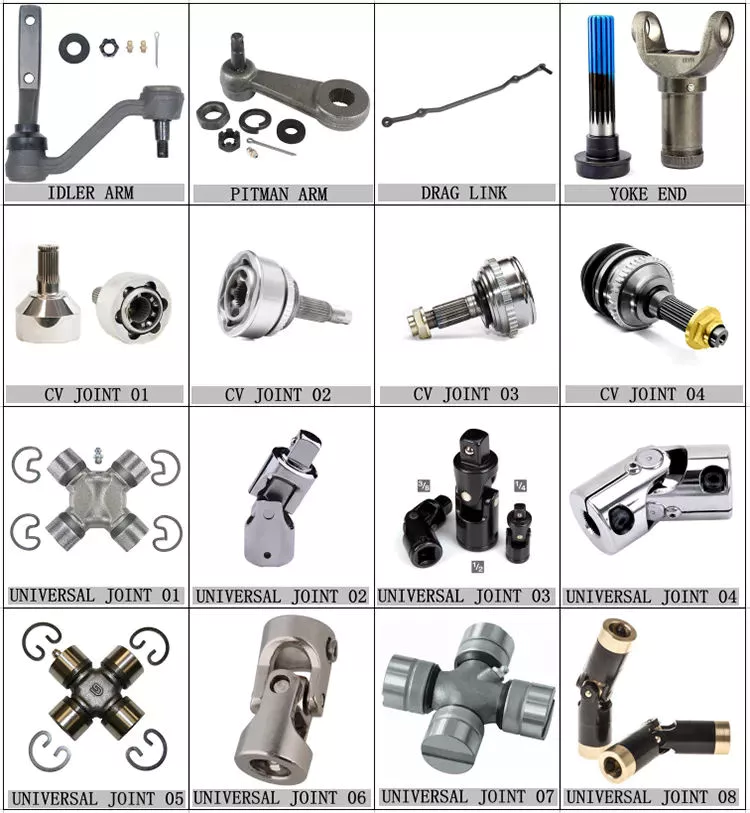
| Тип: | Universal Joint |
| Матеріал: | Steel |
| Транспортний пакет: | Carton |
| Specification: | s |
| Зразки: |
US$ 30/Piece
1 штука (мінімальне замовлення) | |
|---|
| Налаштування: |
Доступно
| Індивідуальний запит |
|---|
Чи можна адаптувати вали відбору потужності для використання як у сільськогосподарських, так і в промислових умовах?
Так, вали відбору потужності (ВОМ) можна адаптувати для використання як у сільськогосподарському, так і в промисловому секторі. Хоча вали відбору потужності зазвичай асоціюються із сільськогосподарською технікою, вони є універсальними компонентами, які можна використовувати в різних сферах застосування поза межами сільськогосподарського сектору. За допомогою відповідних модифікацій та врахування вали відбору потужності можуть ефективно передавати потужність і в промислових умовах. Ось детальне пояснення того, як вали відбору потужності можна адаптувати як для сільськогосподарського, так і для промислового використання:
1. Стандартна конструкція валу відбору потужності: Вали відбору потужності мають стандартизовану конструкцію, що забезпечує сумісність та взаємозамінність між різним обладнанням та машинами. Ця стандартизація дозволяє використовувати вали відбору потужності в різних сферах застосування, включаючи сільськогосподарські та промислові умови. Основні компоненти вала відбору потужності, такі як універсальні шарніри, шліцьові вали та захисні кожухи, залишаються незмінними, незалежно від конкретного застосування. Ця узгодженість дозволяє легко адаптувати та інтегрувати їх у різні машини та обладнання.
2. Довжина та розмір вала: Вали відбору потужності можна налаштувати за довжиною та розміром відповідно до конкретних вимог як у сільськогосподарському, так і в промисловому середовищі. Довжину вала можна регулювати для забезпечення різних відстаней між джерелом живлення та приводним механізмом. Ця гнучкість забезпечує оптимальну передачу потужності та сумісність з різними конфігураціями обладнання. Аналогічно, розмір валу відбору потужності, включаючи діаметр та характеристики шліцьового валу, можна налаштувати відповідно до вимог до крутного моменту та потужності різних застосувань, як у сільському господарстві, так і в промисловості.
3. Вимоги до живлення: Вали відбору потужності призначені для передачі потужності від джерела живлення до веденої техніки. У сільськогосподарських умовах джерелом живлення зазвичай є трактор або інші сільськогосподарські машини, тоді як у промислових умовах це може бути двигун, мотор або силовий агрегат, специфічний для галузі. Вали відбору потужності можна адаптувати для різних потреб у потужності, враховуючи такі фактори, як крутний момент, швидкість обертання та конкретні вимоги до машини або обладнання, що приводиться в рух. Вибравши відповідний вал відбору потужності на основі потреб у потужності, вал може ефективно передавати потужність як у сільськогосподарському, так і в промисловому застосуванні.
4. Міркування безпеки: Безпека є критично важливим аспектом конструкції та використання валів відбору потужності, незалежно від застосування. Вали відбору потужності оснащені такими засобами безпеки, як захисні кожухи та екрани, для запобігання випадковому контакту з обертовими компонентами. Ці заходи безпеки є важливими в сільськогосподарських та промислових умовах, щоб мінімізувати ризик заплутування, травмування або пошкодження. Адаптація валів відбору потужності для промислового використання може вимагати додаткових заходів безпеки залежно від конкретних небезпек, що існують у промисловому середовищі. Однак основні принципи безпеки та особливості валів відбору потужності можна застосовувати та адаптувати для забезпечення безпечної роботи в обох умовах.
5. Спеціалізоване навісне обладнання: Вали відбору потужності можуть бути оснащені спеціалізованими насадками або адаптерами для встановлення різних керованих машин або обладнання. У сільськогосподарському секторі вали відбору потужності зазвичай підключаються до такого обладнання, як косарки, прес-підбирачі або обприскувачі. У промисловому секторі вали відбору потужності можуть бути адаптовані для підключення до різного промислового обладнання, включаючи насоси, генератори, компресори або конвеєри. Ці спеціалізовані насадки забезпечують сумісність та ефективну передачу потужності між валом відбору потужності та керованим обладнанням, що дозволяє безперешкодно інтегруватися як у сільськогосподарські, так і в промислові застосування.
6. Екологічні міркування: Вали відбору потужності можна адаптувати до конкретних умов навколишнього середовища як у сільськогосподарському, так і в промисловому середовищі. Наприклад, у сільськогосподарському застосуванні вали відбору потужності можуть вимагати стійкості до впливу бруду, пилу, вологи та різних погодних умов. Промислові умови можуть мати свої унікальні екологічні проблеми, такі як вплив хімічних речовин, високих температур або абразивних матеріалів. Вибираючи матеріали валів відбору потужності, захисні покриття та ущільнення, що підходять для конкретного середовища, вали можна адаптувати для забезпечення надійної та довговічної роботи в різних умовах.
7. Відповідність стандартам: Карданні вали, незалежно від того, чи використовуються вони в сільськогосподарських чи промислових умовах, повинні відповідати відповідним стандартам і нормам безпеки. Виробники дотримуються рекомендацій і вимог, встановлених такими організаціями, як Американське товариство сільськогосподарських та біологічних інженерів (ASABE) або іншими регіональними органами безпеки. Відповідність вимогам гарантує, що карданні вали відповідають критеріям безпеки та стандартам експлуатаційних характеристик, що застосовуються як до сільськогосподарського, так і до промислового середовища. Користувачі можуть покладатися на стандартизовані карданні вали, які пройшли випробування та сертифікацію, що гарантує їхню надійність і безпеку.
Враховуючи вищезазначені фактори, вали відбору потужності можна адаптувати для ефективної передачі потужності як у сільськогосподарських, так і в промислових умовах. Універсальний характер валів відбору потужності, у поєднанні з можливостями налаштування, міркуваннями безпеки, спеціалізованим навісним обладнанням та відповідністю стандартам, дозволяє їх успішно інтегрувати в широкий спектр машин та обладнання в різних галузях промисловості.

Чи є якісь обмеження або недоліки, пов'язані з валами відбору потужності?
Хоча вали відбору потужності (ВОМ) пропонують численні переваги з точки зору передачі потужності та універсальності, вони також мають певні обмеження та недоліки. Важливо враховувати ці фактори під час використання валів відбору потужності, щоб забезпечити безпечну та ефективну роботу. Ось детальне пояснення деяких обмежень та недоліків, пов'язаних з валами відбору потужності:
1. Загрози безпеці: Однією з основних проблем, пов'язаних з валами відбору потужності, є потенційна загроза безпеці. Вали відбору потужності обертаються з високою швидкістю та можуть становити значний ризик, якщо їх не захистити належним чином або не поводитися з ними належним чином. Випадковий контакт з відкритим або недостатньо захищеним валом відбору потужності може призвести до серйозних травм, включаючи заплутування, ампутацію або навіть летальний результат. Вкрай важливо дотримуватися правил безпеки, застосовувати належні захисні засоби та забезпечити належне навчання операторів методам безпечного поводження, щоб зменшити ці ризики.
2. Технічне обслуговування та змащення: Карданні вали потребують регулярного технічного обслуговування та змащування для забезпечення оптимальної продуктивності та довговічності. Рухомі частини, такі як універсальні шарніри та шліци, необхідно перевіряти, очищати та змащувати через рекомендовані проміжки часу. Нехтування технічним обслуговуванням може призвести до передчасного зносу, зниження ефективності та потенційних поломок. Належні методи технічного обслуговування, включаючи регулярні огляди та своєчасне змащування, є важливими для зменшення цих проблем.
3. Вирівнювання та кути: Вали відбору потужності залежать від правильного вирівнювання та кутів для забезпечення ефективної передачі потужності. Нерівномірне вирівнювання або надмірні кути між джерелом живлення та приводним механізмом можуть призвести до підвищеного зносу та навантаження на компоненти, що призводить до передчасного виходу з ладу. Забезпечення правильного вирівнювання та регулювання кута за допомогою регульованих ковзних вилок або інших засобів важливе для запобігання надмірному навантаженню на вал відбору потужності та пов'язане з ним обладнання.
4. Обмеження довжини: Вали відбору потужності мають обмеження щодо максимальної та мінімальної довжини через інженерні особливості. Телескопічна конструкція дозволяє деяке регулювання, але існує практичне обмеження щодо того, наскільки вал може висуватися або втягуватися. Якщо відстань між джерелом живлення та приводним механізмом перевищує максимум або стає меншою за мінімальну довжину вала відбору потужності, можуть знадобитися альтернативні рішення або модифікації. У деяких випадках для подолання цієї відстані можуть знадобитися додаткові компоненти, такі як подовжувачі карданного валу або коробки передач.
5. Сумісність: Хоча виробники прагнуть забезпечити сумісність, все ще можуть виникати труднощі з пошуком правильного валу відбору потужності для конкретних конфігурацій обладнання. Обладнання може мати унікальні вимоги щодо розмірів шліців, номінальних крутних моментів або методів з'єднання, які можуть бути недоступними або несумісними зі стандартними валами відбору потужності. Для вирішення цих проблем сумісності може знадобитися налаштування, що може призвести до збільшення витрат або термінів виконання.
6. Шум та вібрації: Вали відбору потужності під час роботи можуть створювати значний шум і вібрацію, особливо на високих швидкостях. Це може бути незручністю для операторів і може вимагати додаткових заходів для зниження рівня шуму або гальмування вібрацій. Надмірні вібрації також можуть вплинути на загальну продуктивність і термін служби валу відбору потужності та підключеного обладнання. Використання гасників вібрацій або гнучких муфт може допомогти зменшити ці проблеми.
7. Обмеження потужності: Вали відбору потужності мають певні обмеження потужності залежно від їхньої конструкції, матеріалів та компонентів. Перевищення цих обмежень потужності може призвести до передчасного зносу, виходу з ладу компонентів або навіть поломки вала. Для забезпечення безпечної та надійної роботи вкрай важливо розуміти та дотримуватися рекомендованих номінальних потужностей для валів відбору потужності. У деяких випадках для задоволення вищих вимог до потужності може знадобитися модернізація валу відбору потужності або впровадження додаткових компонентів передачі потужності.
8. Складне встановлення та видалення: Встановлення та зняття валів відбору потужності може бути складним процесом, особливо в обмеженому просторі або під час роботи з важким обладнанням. Це може вимагати вирівнювання шліців, зачеплення муфт та закріплення блокувальних механізмів. Неправильні методи встановлення або зняття можуть призвести до пошкодження вала або пов'язаного з ним обладнання. Належне навчання, належне поводження з обладнанням та дотримання інструкцій виробника є важливими для спрощення та забезпечення безпечного встановлення та зняття валів відбору потужності.
Незважаючи на ці обмеження та недоліки, вали відбору потужності залишаються широко використовуваними та цінними компонентами для передачі потужності в різних галузях промисловості. Враховуючи ці міркування та впроваджуючи належні заходи безпеки, методи технічного обслуговування та процедури вирівнювання, можна ефективно зменшити потенційні недоліки валів відбору потужності, що забезпечить безпечну та ефективну експлуатацію.
Як вали відбору потужності справляються з коливаннями швидкості та крутного моменту?
Вали відбору потужності (ВВП) призначені для роботи з різною швидкістю та крутним моментом між джерелом живлення (наприклад, трактором або двигуном) та керованою машиною або обладнанням. Вони містять різні механізми та компоненти для забезпечення ефективної передачі потужності, одночасно враховуючи різні вимоги до швидкості та крутного моменту. Ось детальне пояснення того, як ВВП справляються з різною швидкістю та крутним моментом:
1. Системи коробок передач: Вали відбору потужності часто містять системи коробок передач для узгодження вимог до швидкості та крутного моменту між джерелом живлення та приводним обладнанням. Коробки передач дозволяють зменшувати або збільшувати швидкість, а також можуть змінювати напрямок обертання, якщо необхідно. Використовуючи різні передавальні числа, вали відбору потужності можуть адаптувати швидкість обертання та вихідний крутний момент відповідно до конкретних вимог приводного обладнання. Системи коробок передач дозволяють валам відбору потужності забезпечувати необхідну сумісність потужності та швидкості між джерелом живлення та обладнанням, яке вони приводять у рух.
2. Механізми зсувних болтів: Деякі вали відбору потужності, особливо в тих випадках, коли очікуються раптові перевантаження або ударні навантаження, використовують механізми зрізних болтів. Ці механізми призначені для захисту компонентів трансмісії від пошкоджень шляхом відключення валу відбору потужності у разі надмірного крутного моменту або раптового опору. Зрізні болти розроблені таким чином, щоб розриватися при певному порозі крутного моменту, що гарантує відключення валу відбору потужності до того, як компоненти трансмісії зазнають пошкодження. Завдяки використанню механізмів зрізних болтів, вали відбору потужності можуть справлятися з коливаннями вимог до крутного моменту та забезпечувати функцію безпеки для захисту обладнання.
3. Фрикційні муфти: Вали відбору потужності можуть мати системи фрикційних зчеплень для забезпечення плавного вмикання та вимикання передачі потужності. Фрикційні зчеплення використовують механізм з диска та натискної пластини для керування передачею потужності. Оператори можуть поступово вмикати або вимикати передачу потужності, регулюючи тиск на фрикційний диск. Ця функція дозволяє точно контролювати передачу крутного моменту, враховуючи коливання вимог до крутного моменту, мінімізуючи ударні навантаження на компоненти трансмісії. Фрикційні зчеплення зазвичай використовуються в тих випадках, коли плавне вмикання потужності є важливим, наприклад, у гідравлічних насосах, генераторах та промислових змішувачах.
4. Шарніри рівних швидкостей (ШРУС): У випадках, коли ведена машина потребує значного діапазону руху або шарнірного зчленування, вали відбору потужності можуть мати шарніри постійної швидкості (ШРУС). ШРУСи дозволяють валу відбору потужності компенсувати перекіс та кутові коливання, не впливаючи на передачу потужності. Ці шарніри забезпечують плавну та постійну передачу потужності, навіть коли ведена машина знаходиться під кутом відносно джерела живлення. ШРУСи зазвичай використовуються в таких пристроях, як шарнірні навантажувачі, телескопічні навантажувачі та самохідні обприскувачі, де техніка потребує гнучкості та широкого діапазону руху.
5. Телескопічні конструкції: Деякі вали відбору потужності мають телескопічні конструкції, що дозволяють регулювати довжину. Ці вали складаються з двох або більше концентричних валів, які ковзають один в одному, забезпечуючи можливість висування або втягування вала відбору потужності за потреби. Телескопічні конструкції враховують зміни відстані між джерелом живлення та приводним механізмом. Регулюючи довжину вала відбору потужності, оператори можуть забезпечити належну передачу потужності без ризику того, що вал буде волочитися по землі або буде занадто коротким, щоб дістатися до обладнання. Телескопічні вали відбору потужності зазвичай використовуються в тих випадках, коли відстань між джерелом живлення та знаряддям змінюється, наприклад, у фронтально навісному знарядді, снігоприбирачах та самозавантажувальних причепах.
Завдяки поєднанню цих механізмів та конструкцій, вали відбору потужності можуть ефективно справлятися з коливаннями швидкості та крутного моменту. Вони забезпечують необхідну гнучкість, безпеку та контроль для забезпечення ефективної передачі потужності між джерелом живлення та приводним механізмом. Вали відбору потужності відіграють вирішальну роль в адаптації потужності для задоволення конкретних потреб різного обладнання та застосувань.


editor by CX 2024-04-19