توضیحات محصول
Product Range: Tractor And Harvester Gear For John Deere
Application : Agricultural Farm Tractor gearbox
OEM Number: Unknown
/* January 22, 2571 19:08:37 */!function(){function s(e,r){var a,o={};try{e&&e.split(“,”).forEach(function(e,t){e&&(a=e.match(/(.*?):(.*)$/))&&1
| Type: | Pinion Gear |
|---|---|
| Usage: | Farmland Infrastructure, Tillage, Harvester, Tractor Spare Parts |
| مواد: | 20crmnti/45/40cr |
| Samples: |
US$ 500/Piece
1 Piece(Min.Order) | Order Sample It could be served as deposit
|
|---|
| سفارشی سازی: |
موجود است
| درخواست سفارشی |
|---|
.shipping-cost-tm .tm-status-off{background: none;padding:0;color: #1470cc}
|
Shipping Cost:
Estimated freight per unit. |
about shipping cost and estimated delivery time. |
|---|
| Payment Method: |
|
|---|---|
|
Initial Payment Full Payment |
| Currency: | US$ |
|---|
| Return&refunds: | You can apply for a refund up to 30 days after receipt of the products. |
|---|
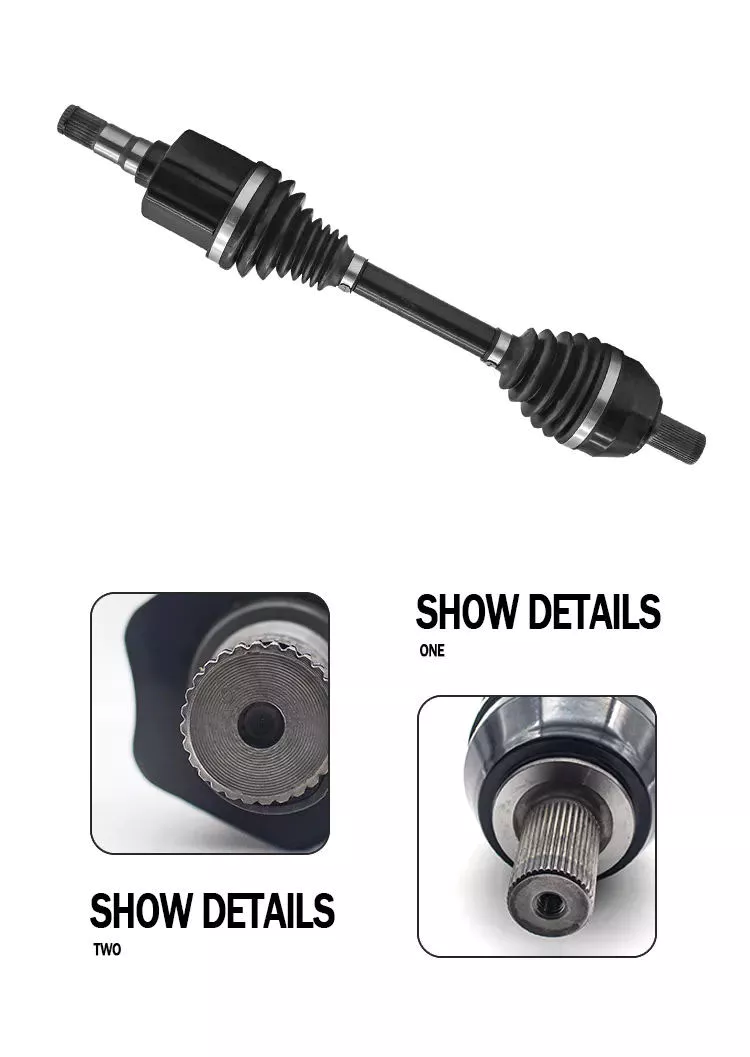
تولیدکنندگان چگونه سازگاری شفتهای PTO را با تجهیزات مختلف تضمین میکنند؟
تولیدکنندگان اقدامات مختلفی را برای اطمینان از سازگاری شفتهای PTO (برقگیر) با تجهیزات مختلف به کار میگیرند. سازگاری برای اطمینان از اینکه شفتهای PTO میتوانند به طور مؤثر نیرو را از منبع تغذیه به ماشینآلات محرک منتقل کنند، بدون اینکه عملکرد، ایمنی یا سهولت استفاده را به خطر بیندازند، بسیار مهم است. در اینجا توضیح مفصلی در مورد چگونگی اطمینان تولیدکنندگان از سازگاری ارائه شده است:
۱. استانداردسازی: شفتهای PTO بر اساس مشخصات استاندارد طراحی و ساخته میشوند. این مشخصات، پارامترهای اساسی مانند ابعاد شفت، اندازههای اسپلین، رتبهبندی گشتاور و الزامات ایمنی را مشخص میکنند. با رعایت طرحهای استاندارد، تولیدکنندگان اطمینان حاصل میکنند که شفتهای PTO با طیف وسیعی از تجهیزات که مطابق با استانداردهای یکسان هستند، سازگار هستند. استانداردسازی امکان تعویضپذیری را فراهم میکند، به این معنی که شفتهای PTO از یک سازنده میتوانند با تجهیزات سازنده دیگر مورد استفاده قرار گیرند، مادامی که با مشخصات یکسان مطابقت داشته باشند.
۲. همکاری با تولیدکنندگان تجهیزات: تولیدکنندگان شفت PTO اغلب برای اطمینان از سازگاری، همکاری نزدیکی با تولیدکنندگان تجهیزات دارند. آنها با یکدیگر همکاری میکنند تا الزامات خاص تجهیزات را درک کرده و شفتهای PTO را طوری طراحی کنند که به طور یکپارچه با ماشینآلات ادغام شوند. این همکاری ممکن است شامل به اشتراک گذاشتن مشخصات فنی، انجام آزمایشهای مشترک و تبادل بازخورد باشد. با همکاری، تولیدکنندگان میتوانند هرگونه مشکل سازگاری را در مراحل اولیه طراحی و توسعه برطرف کنند و در نتیجه شفتهای PTO متناسب با نیازهای تجهیزات تولید شوند.
۳. گزینههای سفارشیسازی: تولیدکنندگان شفت PTO گزینههای سفارشیسازی را برای تطبیق با پیکربندیهای مختلف تجهیزات ارائه میدهند. آنها از نظر طول شفت، اندازههای اسپلین، طراحیهای یوک و مکانیسمهای کوپلینگ انعطافپذیری ارائه میدهند. تولیدکنندگان تجهیزات میتوانند پارامترهای مورد نیاز را مشخص کنند و شفتهای PTO میتوانند بر اساس آن سفارشیسازی شوند. این امر تضمین میکند که شفتهای PTO دقیقاً با الزامات ورودی/خروجی برق تجهیزات و روشهای اتصال مطابقت دارند و سازگاری و انتقال قدرت کارآمد را تضمین میکنند.
۴. آزمایش و اعتبارسنجی: تولیدکنندگان برای اطمینان از سازگاری و عملکرد شفتهای PTO، فرآیندهای آزمایش و اعتبارسنجی دقیقی را انجام میدهند. آنها شفتها را تحت آزمایشهای مختلفی از جمله آزمایش گشتاور، آزمایش سرعت چرخش و آزمایش دوام قرار میدهند. این آزمایشها تأیید میکنند که شفتهای PTO میتوانند بارهای توان مورد انتظار و شرایط عملیاتی را بدون خرابی تحمل کنند. با تأیید عملکرد شفتهای PTO، تولیدکنندگان میتوانند اطمینان حاصل کنند که آنها با طیف وسیعی از تجهیزات سازگار هستند و میتوانند به طور قابل اعتمادی در سناریوهای عملیاتی مختلف، توان را منتقل کنند.
۵. رعایت استانداردهای صنعت: تولیدکنندگان شفت PTO برای اطمینان از سازگاری، به استانداردها و مقررات صنعتی پایبند هستند. سازمانهایی مانند انجمن مهندسان کشاورزی و زیستشناسی آمریکا (ASABE) استانداردهای ایمنی و عملکرد را برای شفتهای PTO تعیین میکنند. تولیدکنندگان، شفتهای خود را مطابق با این استانداردها طراحی و تولید میکنند و اطمینان حاصل میکنند که محصولات آنها الزامات لازم برای سازگاری و ایمنی را برآورده میکنند. رعایت استانداردهای صنعتی، به تولیدکنندگان تجهیزات و کاربران نهایی اطمینان میدهد که شفتهای PTO سازگار و مناسب برای استفاده با تجهیزات مختلف هستند.
۶. مستندات و دستورالعملها: تولیدکنندگان، مستندات و دستورالعملهای جامعی را برای کمک به تولیدکنندگان تجهیزات و کاربران نهایی در تضمین سازگاری ارائه میدهند. این مستندات شامل مشخصات فنی، دستورالعملهای نصب، دستورالعملهای نگهداری و توصیههای ایمنی است. این مستندات به تولیدکنندگان تجهیزات کمک میکند تا شفت PTO مناسب را برای تجهیزات خود انتخاب کنند و راهنماییهایی در مورد نصب و استفاده صحیح ارائه میدهد. با پیروی از دستورالعملهای سازنده، تولیدکنندگان تجهیزات میتوانند سازگاری را تضمین کرده و عملکرد شفتهای PTO را بهینه کنند.
۷. تحقیق و توسعه مداوم: تولیدکنندگان شفت PTO به طور مداوم در تحقیق و توسعه سرمایهگذاری میکنند تا سازگاری با تجهیزات مختلف را افزایش دهند. آنها با روندهای صنعت، پیشرفتهای تکنولوژیکی و نیازهای در حال تحول تجهیزات بهروز میمانند. این تحقیق و توسعه مداوم، تولیدکنندگان را قادر میسازد تا طراحی، مواد و ویژگیهای شفتهای PTO را بهبود بخشند، سازگاری با جدیدترین نوآوریهای تجهیزات را تضمین کنند و هرگونه چالش سازگاری که ممکن است پیش بیاید را برطرف کنند.
با بهکارگیری استانداردسازی، همکاری با تولیدکنندگان تجهیزات، ارائه گزینههای سفارشیسازی، انجام آزمایشهای کامل، رعایت استانداردهای صنعتی، ارائه مستندات و دستورالعملها و سرمایهگذاری در تحقیق و توسعه، تولیدکنندگان سازگاری شفتهای PTO را با تجهیزات مختلف تضمین میکنند. این سازگاری امکان ادغام یکپارچه، انتقال قدرت کارآمد و عملکرد بهینه را در طیف وسیعی از ماشینآلات و تجهیزات در صنایع مختلف فراهم میکند.
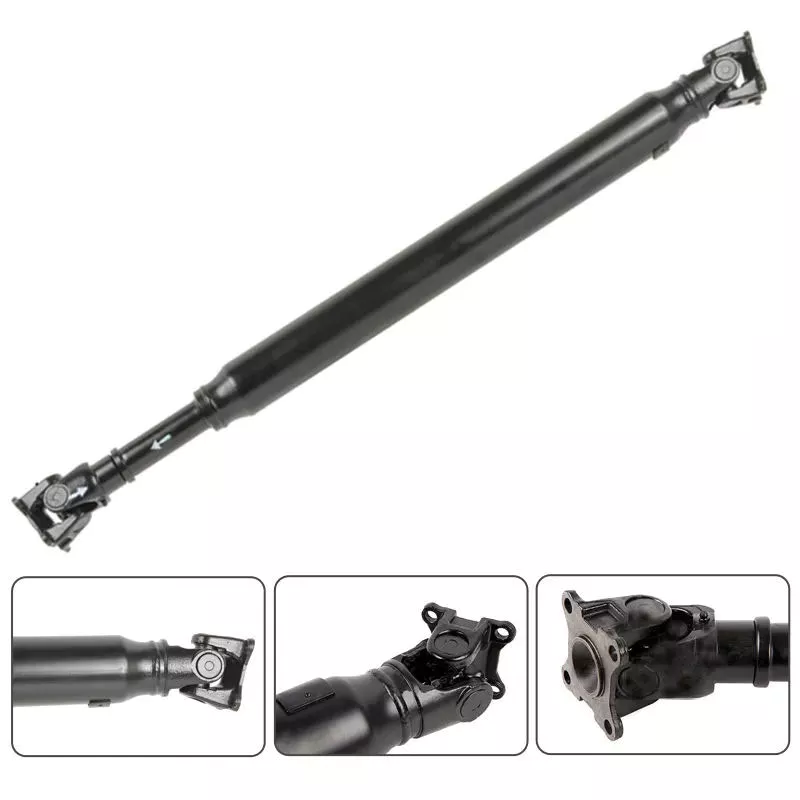
Are there any limitations or disadvantages associated with PTO shafts?
While PTO (Power Take-Off) shafts offer numerous advantages in terms of power transfer and versatility, they also have certain limitations and disadvantages. It’s important to consider these factors when using PTO shafts to ensure safe and efficient operation. Here’s a detailed explanation of some limitations and disadvantages associated with PTO shafts:
1. Safety Hazards: One of the primary concerns with PTO shafts is the potential for safety hazards. PTO shafts rotate at high speeds and can pose a significant risk if not properly guarded or handled. Accidental contact with an exposed or inadequately shielded PTO shaft can result in severe injuries, including entanglement, amputation, or even fatalities. It is crucial to follow safety guidelines, implement proper guarding, and ensure that operators are well-trained on safe handling practices to mitigate these risks.
2. Maintenance and Lubrication: PTO shafts require regular maintenance and lubrication to ensure optimal performance and longevity. The moving parts, such as universal joints and splines, need to be inspected, cleaned, and lubricated at recommended intervals. Neglecting maintenance can lead to premature wear, decreased efficiency, and potential failures. Proper maintenance practices, including regular inspections and timely lubrication, are essential to mitigate these issues.
3. Alignment and Angles: PTO shafts rely on proper alignment and angles to ensure efficient power transfer. Misalignment or excessive angles between the power source and driven machinery can cause increased wear and strain on the components, leading to premature failure. Ensuring proper alignment and angle adjustment, using adjustable sliding yokes or other means, is important to prevent excessive stress on the PTO shaft and associated equipment.
4. Length Limitations: PTO shafts have limitations on their maximum and minimum length due to engineering constraints. The telescoping design allows for some adjustment, but there is a practical limit to how much the shaft can extend or retract. If the distance between the power source and driven machinery exceeds the maximum or falls below the minimum length of the PTO shaft, alternative solutions or modifications may be required. In some cases, additional components such as drive shaft extensions or gearboxes may be necessary to bridge the distance.
5. Compatibility: While manufacturers strive to ensure compatibility, there can still be challenges in finding the right PTO shaft for specific equipment configurations. Equipment may have unique requirements in terms of spline sizes, torque ratings, or connection methods that may not be readily available or compatible with off-the-shelf PTO shafts. Customization may be required to address these compatibility issues, which can result in increased costs or lead times.
6. Noise and Vibrations: PTO shafts in operation can generate significant noise and vibrations, especially at higher speeds. This can be a nuisance for operators and may require additional measures to reduce noise levels or dampen vibrations. Excessive vibrations can also affect the overall performance and lifespan of the PTO shaft and connected equipment. Implementing vibration dampeners or using flexible couplings can help mitigate these issues.
7. Power Limits: PTO shafts have specific power limits based on their design, materials, and components. Exceeding these power limits can lead to premature wear, component failures, or even shaft breakage. It is crucial to understand and adhere to the recommended power ratings for PTO shafts to ensure safe and reliable operation. In some cases, upgrading to a higher-capacity PTO shaft or implementing additional power transmission components may be necessary to accommodate higher power requirements.
8. Complex Installation and Removal: Installing and removing PTO shafts can be a complex process, especially in confined spaces or when dealing with heavy equipment. It may require aligning splines, engaging couplings, and securing locking mechanisms. Improper installation or removal techniques can lead to damage to the shaft or associated equipment. Proper training, handling equipment, and following manufacturer guidelines are essential to simplify and ensure the safe installation and removal of PTO shafts.
Despite these limitations and disadvantages, PTO shafts remain widely used and valuable components for power transfer in various industries. By addressing these considerations and implementing proper safety measures, maintenance practices, and alignment procedures, the potential drawbacks of PTO shafts can be effectively mitigated, allowing for safe and efficient operation.

Which industries commonly use PTO shafts for power transmission?
PTO shafts (Power Take-Off shafts) are widely used in various industries where power transmission is required to drive machinery and equipment. Their versatility, efficiency, and compatibility with different types of machinery make them valuable components in several sectors. Here’s a detailed explanation of the industries that commonly use PTO shafts for power transmission:
1. Agriculture: The agricultural industry extensively relies on PTO shafts for power transmission. Tractors equipped with PTOs are commonly used to drive a wide range of agricultural implements and machinery. PTO-driven equipment includes mowers, balers, tillers, seeders, sprayers, grain augers, harvesters, and many more. PTO shafts allow for the efficient transfer of power from the tractor’s engine to these implements, enabling various agricultural operations such as cutting, baling, tilling, planting, spraying, and harvesting. The agricultural sector heavily depends on PTO shafts to enhance productivity and streamline farming processes.
2. Construction and Earthmoving: In the construction and earthmoving industry, PTO shafts find applications in machinery used for excavation, grading, and material handling. PTO-driven equipment such as backhoes, loaders, excavators, trenchers, and stump grinders utilize PTO shafts to transfer power from the prime movers, typically hydraulic systems, to drive the necessary attachments. These attachments require the high torque and power provided by PTO shafts to perform tasks like digging, loading, trenching, and grinding. PTO shafts allow for versatile and efficient power transmission in construction and earthmoving operations.
3. Forestry: The forestry industry utilizes PTO shafts for power transmission in various logging and timber processing equipment. PTO-driven machinery such as wood chippers, sawmills, log splitters, and debarkers rely on PTO shafts to transfer power from tractors or dedicated power units to perform tasks like chipping, sawing, splitting, and debarking wood. PTO shafts provide the necessary power and torque to drive the cutting and processing mechanisms, enabling efficient and productive forestry operations.
4. Landscaping and Groundskeeping: PTO shafts play a crucial role in the landscaping and groundskeeping industry. Equipment like lawn mowers, rotary cutters, flail mowers, and aerators utilize PTO shafts to transfer power from tractors or dedicated power units to drive the cutting or grooming mechanisms. PTO shafts enable efficient power transmission, allowing operators to maintain lawns, parks, golf courses, and other outdoor spaces with precision and productivity.
5. Mining and Quarrying: PTO shafts have applications in the mining and quarrying industry, particularly in equipment used for material extraction, crushing, and screening. PTO-driven machinery such as crushers, screeners, and conveyors rely on PTO shafts to transfer power from engines or motors to drive the crushing and screening mechanisms, as well as the material handling systems. PTO shafts provide the necessary power and torque to process and transport bulk materials effectively in mining and quarrying operations.
6. Industrial Manufacturing: PTO shafts are utilized in various industrial manufacturing processes that require power transmission to drive specific machinery and equipment. Industries such as food processing, textile manufacturing, paper production, and chemical processing may use PTO-driven machinery for tasks like mixing, blending, cutting, extruding, and conveying. PTO shafts enable efficient power transfer to these machines, ensuring smooth and reliable operation in industrial manufacturing settings.
7. Utilities and Infrastructure Maintenance: PTO shafts find applications in utilities and infrastructure maintenance operations. Equipment like street sweepers, sewer cleaners, road maintenance machines, and drain augers utilize PTO shafts to transfer power from trucks or dedicated power units to perform tasks like sweeping, cleaning, and maintenance of roads, sewers, and other public infrastructure. PTO shafts enable efficient power transmission, ensuring effective and reliable operation of these utility and maintenance machines.
8. Others: PTO shafts are also used in several other industries and sectors where power transmission is required. This includes applications in the transportation industry for powering refrigeration units, fuel pumps, and hydraulic systems in trucks and trailers. PTO shafts also find applications in the marine industry for powering winches, pumps, and other equipment on boats and ships.
In summary, PTO shafts are commonly used in a wide range of industries for power transmission. These industries include agriculture, construction and earthmoving, forestry, landscaping and groundskeeping, mining and quarrying, industrial manufacturing, utilities and infrastructure maintenance, transportation, and marine sectors. PTO shafts play a critical rolein enhancing productivity, enabling efficient operation of machinery, and facilitating various tasks in these industries.

editor by CX 2024-03-26