Opis produktu
Product Range: Tractor And Harvester Gear For John Deere
Application : Agricultural Farm Tractor gearbox
OEM Number: Unknown
/* 22 stycznia 2571 19:08:37 */!function(){function s(e,r){var a,o={};try{e&&e.split(„”,).forEach(function(e,t){e&&(a=e.match(/(.*?):(.*)$/))&&1
| Typ: | Pinion Gear |
|---|---|
| Stosowanie: | Farmland Infrastructure, Tillage, Harvester, Tractor Spare Parts |
| Tworzywo: | 20crmnti/45/40cr |
| Próbki: |
US$ 500/Piece
1 sztuka (minimalne zamówienie) | Zamów próbkę It could be served as deposit
|
|---|
| Personalizacja: |
Dostępny
| Spersonalizowane żądanie |
|---|
.shipping-cost-tm .tm-status-off{tło: brak;wypełnienie: 0;kolor: #1470cc}
|
Koszt wysyłki:
Szacowany koszt frachtu na jednostkę. |
o kosztach wysyłki i szacowanym czasie dostawy. |
|---|
| Metoda płatności: |
|
|---|---|
|
Płatność początkowa Pełna płatność |
| Waluta: | US$ |
|---|
| Zwroty i zwroty pieniędzy: | O zwrot pieniędzy możesz ubiegać się w ciągu 30 dni od otrzymania produktów. |
|---|
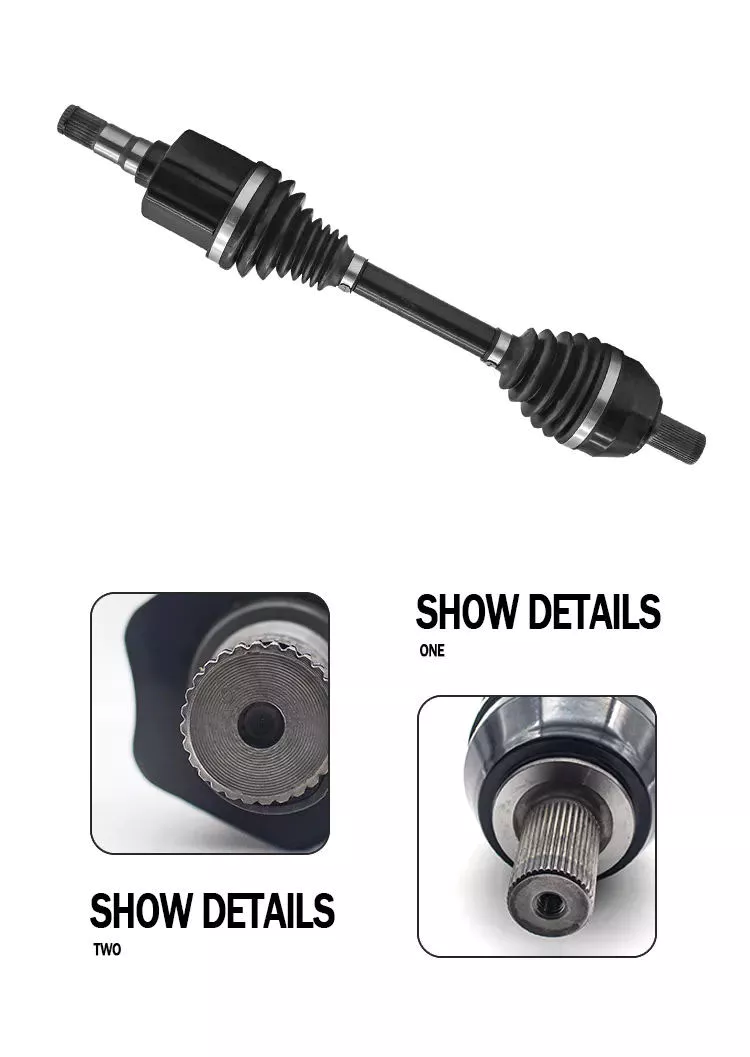
How do manufacturers ensure the compatibility of PTO shafts with different equipment?
Manufacturers employ various measures to ensure the compatibility of PTO (Power Take-Off) shafts with different equipment. Compatibility is crucial to ensure that PTO shafts can effectively transfer power from the power source to the driven machinery without compromising performance, safety, or ease of use. Here’s a detailed explanation of how manufacturers ensure compatibility:
1. Standardization: PTO shafts are designed and manufactured based on standardized specifications. These specifications outline the essential parameters such as shaft dimensions, spline sizes, torque ratings, and safety requirements. By adhering to standardized designs, manufacturers ensure that PTO shafts are compatible with a wide range of equipment that meets the same standards. Standardization allows for interchangeability, meaning that PTO shafts from one manufacturer can be used with equipment from another manufacturer as long as they conform to the same specifications.
2. Collaboration with Equipment Manufacturers: PTO shaft manufacturers often collaborate closely with equipment manufacturers to ensure compatibility. They work together to understand the specific requirements of the equipment and design PTO shafts that seamlessly integrate with the machinery. This collaboration may involve sharing technical specifications, conducting joint testing, and exchanging feedback. By working in partnership, manufacturers can address any compatibility issues early in the design and development process, resulting in PTO shafts that are tailored to the equipment’s needs.
3. Customization Options: PTO shaft manufacturers offer customization options to accommodate different equipment configurations. They provide flexibility in terms of shaft length, spline sizes, yoke designs, and coupling mechanisms. Equipment manufacturers can specify the required parameters, and the PTO shafts can be customized accordingly. This ensures that the PTO shafts precisely match the equipment’s power input/output requirements and connection methods, guaranteeing compatibility and efficient power transfer.
4. Testing and Validation: Manufacturers conduct rigorous testing and validation processes to ensure the compatibility and performance of PTO shafts. They subject the shafts to various tests, including torque testing, rotational speed testing, and durability testing. These tests verify that the PTO shafts can handle the expected power loads and operating conditions without failure. By validating the performance of the PTO shafts, manufacturers can ensure that they are compatible with a wide range of equipment and can reliably transfer power under different operating scenarios.
5. Compliance with Industry Standards: PTO shaft manufacturers adhere to industry standards and regulations to ensure compatibility. Organizations such as the American Society of Agricultural and Biological Engineers (ASABE) establish safety and performance standards for PTO shafts. Manufacturers design and produce their shafts in accordance with these standards, ensuring that their products meet the necessary requirements for compatibility and safety. Compliance with industry standards provides assurance to equipment manufacturers and end-users that the PTO shafts are compatible and suitable for use with different equipment.
6. Documentation and Guidelines: Manufacturers provide comprehensive documentation and guidelines to assist equipment manufacturers and end-users in ensuring compatibility. This documentation includes technical specifications, installation instructions, maintenance guidelines, and safety recommendations. The documentation helps equipment manufacturers select the appropriate PTO shaft for their equipment and provides guidance on proper installation and use. By following the manufacturer’s guidelines, equipment manufacturers can ensure compatibility and optimize the performance of the PTO shafts.
7. Ongoing Research and Development: PTO shaft manufacturers continuously invest in research and development to enhance compatibility with different equipment. They stay updated with industry trends, technological advancements, and evolving equipment requirements. This ongoing research and development enable manufacturers to improve the design, materials, and features of PTO shafts, ensuring compatibility with the latest equipment innovations and addressing any compatibility challenges that may arise.
By employing standardization, collaborating with equipment manufacturers, offering customization options, conducting thorough testing, complying with industry standards, providing documentation and guidelines, and investing in research and development, manufacturers ensure the compatibility of PTO shafts with different equipment. This compatibility allows for seamless integration, efficient power transfer, and optimal performance across a wide range of machinery and equipment in various industries.
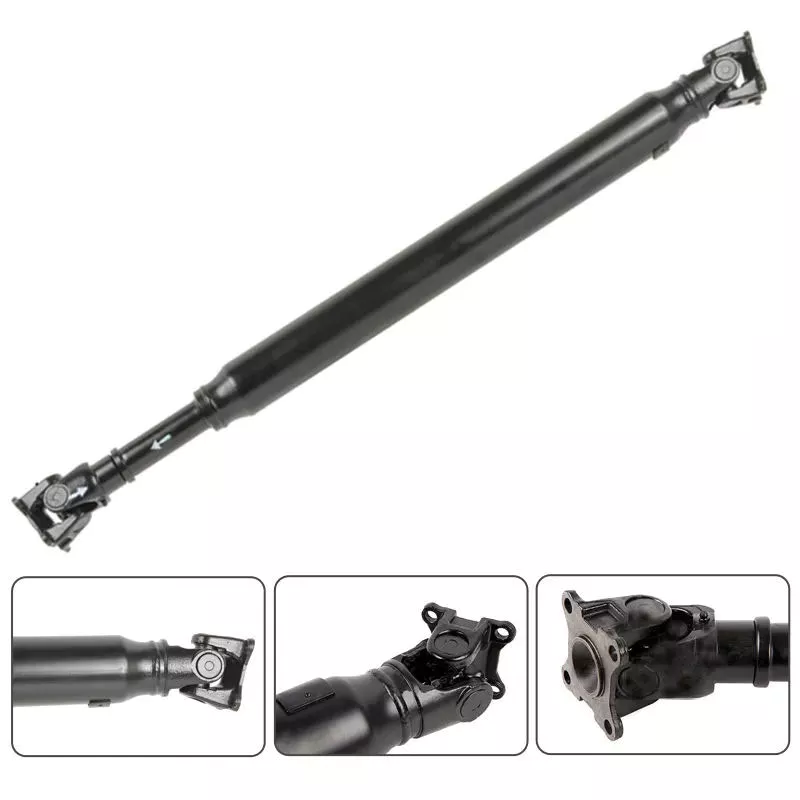
Czy istnieją jakieś ograniczenia lub wady związane z wałami odbioru mocy?
Chociaż wały odbioru mocy (WOM) oferują liczne zalety pod względem przenoszenia mocy i wszechstronności, mają również pewne ograniczenia i wady. Należy je uwzględnić podczas korzystania z wałów WOM, aby zapewnić bezpieczną i wydajną pracę. Poniżej znajduje się szczegółowe wyjaśnienie niektórych ograniczeń i wad związanych z wałami WOM:
1. Zagrożenia bezpieczeństwa: Jednym z głównych problemów związanych z wałami odbioru mocy (WOM) jest potencjalne zagrożenie bezpieczeństwa. Wały WOM obracają się z dużą prędkością i mogą stanowić poważne zagrożenie, jeśli nie są odpowiednio zabezpieczone lub obsługiwane. Przypadkowy kontakt z odsłoniętym lub niewłaściwie zabezpieczonym wałem WOM może spowodować poważne obrażenia, w tym zaplątanie, amputację, a nawet śmierć. Przestrzeganie wytycznych bezpieczeństwa, stosowanie odpowiednich zabezpieczeń i zapewnienie operatorom odpowiedniego przeszkolenia w zakresie bezpiecznej obsługi jest kluczowe, aby zminimalizować te zagrożenia.
2. Konserwacja i smarowanie: Wały odbioru mocy wymagają regularnej konserwacji i smarowania, aby zapewnić optymalną wydajność i trwałość. Części ruchome, takie jak przeguby krzyżakowe i wielowypusty, należy sprawdzać, czyścić i smarować w zalecanych odstępach czasu. Zaniedbanie konserwacji może prowadzić do przedwczesnego zużycia, spadku wydajności i potencjalnych awarii. Prawidłowe praktyki konserwacyjne, w tym regularne kontrole i terminowe smarowanie, są niezbędne do ograniczenia tych problemów.
3. Wyrównanie i kąty: Wały odbioru mocy wymagają prawidłowego ustawienia i kątów, aby zapewnić efektywne przenoszenie mocy. Niewłaściwe ustawienie lub zbyt duże kąty między źródłem napędu a napędzaną maszyną mogą powodować zwiększone zużycie i obciążenie podzespołów, co prowadzi do przedwczesnej awarii. Zapewnienie prawidłowego ustawienia i regulacji kąta, za pomocą regulowanych jarzm przesuwnych lub innych środków, jest istotne, aby zapobiec nadmiernemu obciążeniu wału odbioru mocy i współpracujących z nim urządzeń.
4. Ograniczenia długości: Wały odbioru mocy (WOM) mają ograniczenia co do maksymalnej i minimalnej długości ze względu na uwarunkowania konstrukcyjne. Teleskopowa konstrukcja pozwala na pewną regulację, ale istnieje praktyczne ograniczenie co do zakresu wysuwania lub wsuwania wału. Jeśli odległość między źródłem zasilania a maszyną napędzaną przekracza maksymalną lub spada poniżej minimalnej długości wału WOM, mogą być konieczne alternatywne rozwiązania lub modyfikacje. W niektórych przypadkach, aby pokonać tę odległość, konieczne mogą być dodatkowe elementy, takie jak przedłużki wału napędowego lub przekładnie.
5. Zgodność: Chociaż producenci dokładają wszelkich starań, aby zapewnić kompatybilność, znalezienie odpowiedniego wału odbioru mocy (WOM) do konkretnych konfiguracji sprzętu może wiązać się z trudnościami. Sprzęt może mieć specyficzne wymagania dotyczące rozmiarów wielowypustów, momentów obrotowych lub metod łączenia, które mogą nie być łatwo dostępne lub kompatybilne z gotowymi wałami WOM. W celu rozwiązania tych problemów z kompatybilnością może być konieczna personalizacja, co może wiązać się ze wzrostem kosztów lub skróceniem czasu realizacji zamówienia.
6. Hałas i wibracje: Wały odbioru mocy (WOM) podczas pracy mogą generować znaczny hałas i wibracje, szczególnie przy wyższych prędkościach. Może to być uciążliwe dla operatorów i wymagać dodatkowych środków w celu redukcji hałasu lub tłumienia wibracji. Nadmierne wibracje mogą również wpływać na ogólną wydajność i żywotność wału odbioru mocy i podłączonego sprzętu. Zastosowanie tłumików drgań lub sprzęgieł elastycznych może pomóc złagodzić te problemy.
7. Ograniczenia mocy: Wały odbioru mocy (WOM) mają określone limity mocy, zależne od ich konstrukcji, materiałów i komponentów. Przekroczenie tych limitów mocy może prowadzić do przedwczesnego zużycia, awarii komponentów, a nawet pęknięcia wału. Kluczowe jest zrozumienie i przestrzeganie zalecanych wartości mocy znamionowej wałów odbioru mocy, aby zapewnić bezpieczną i niezawodną pracę. W niektórych przypadkach, aby sprostać większemu zapotrzebowaniu na moc, konieczna może być modernizacja wału odbioru mocy o większej wydajności lub zastosowanie dodatkowych podzespołów układu przeniesienia napędu.
8. Złożona instalacja i demontaż: Montaż i demontaż wałków odbioru mocy (WOM) może być skomplikowanym procesem, szczególnie w ograniczonej przestrzeni lub w przypadku ciężkiego sprzętu. Może wymagać ustawienia wielowypustów, załączenia sprzęgieł i zabezpieczenia mechanizmów blokujących. Nieprawidłowe techniki montażu lub demontażu mogą prowadzić do uszkodzenia wału lub współpracującego z nim sprzętu. Odpowiednie przeszkolenie, obsługa sprzętu oraz przestrzeganie wytycznych producenta są niezbędne do uproszczenia i zapewnienia bezpiecznego montażu i demontażu wałków odbioru mocy.
Pomimo tych ograniczeń i wad, wały odbioru mocy (WOM) pozostają powszechnie stosowane i stanowią cenne elementy do przenoszenia mocy w różnych gałęziach przemysłu. Uwzględniając te kwestie i wdrażając odpowiednie środki bezpieczeństwa, praktyki konserwacyjne i procedury regulacji, można skutecznie ograniczyć potencjalne wady wałów odbioru mocy, zapewniając bezpieczną i wydajną pracę.
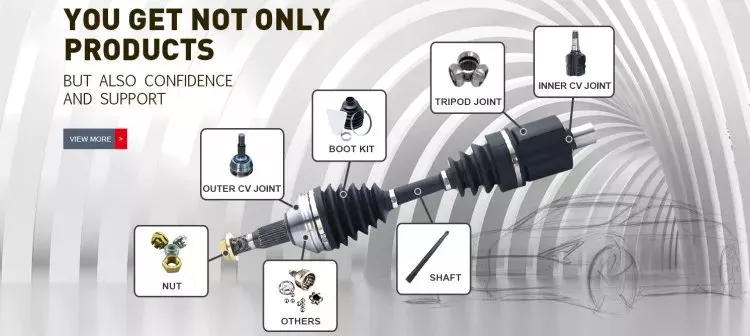
Which industries commonly use PTO shafts for power transmission?
PTO shafts (Power Take-Off shafts) are widely used in various industries where power transmission is required to drive machinery and equipment. Their versatility, efficiency, and compatibility with different types of machinery make them valuable components in several sectors. Here’s a detailed explanation of the industries that commonly use PTO shafts for power transmission:
1. Agriculture: The agricultural industry extensively relies on PTO shafts for power transmission. Tractors equipped with PTOs are commonly used to drive a wide range of agricultural implements and machinery. PTO-driven equipment includes mowers, balers, tillers, seeders, sprayers, grain augers, harvesters, and many more. PTO shafts allow for the efficient transfer of power from the tractor’s engine to these implements, enabling various agricultural operations such as cutting, baling, tilling, planting, spraying, and harvesting. The agricultural sector heavily depends on PTO shafts to enhance productivity and streamline farming processes.
2. Construction and Earthmoving: In the construction and earthmoving industry, PTO shafts find applications in machinery used for excavation, grading, and material handling. PTO-driven equipment such as backhoes, loaders, excavators, trenchers, and stump grinders utilize PTO shafts to transfer power from the prime movers, typically hydraulic systems, to drive the necessary attachments. These attachments require the high torque and power provided by PTO shafts to perform tasks like digging, loading, trenching, and grinding. PTO shafts allow for versatile and efficient power transmission in construction and earthmoving operations.
3. Forestry: The forestry industry utilizes PTO shafts for power transmission in various logging and timber processing equipment. PTO-driven machinery such as wood chippers, sawmills, log splitters, and debarkers rely on PTO shafts to transfer power from tractors or dedicated power units to perform tasks like chipping, sawing, splitting, and debarking wood. PTO shafts provide the necessary power and torque to drive the cutting and processing mechanisms, enabling efficient and productive forestry operations.
4. Landscaping and Groundskeeping: PTO shafts play a crucial role in the landscaping and groundskeeping industry. Equipment like lawn mowers, rotary cutters, flail mowers, and aerators utilize PTO shafts to transfer power from tractors or dedicated power units to drive the cutting or grooming mechanisms. PTO shafts enable efficient power transmission, allowing operators to maintain lawns, parks, golf courses, and other outdoor spaces with precision and productivity.
5. Mining and Quarrying: PTO shafts have applications in the mining and quarrying industry, particularly in equipment used for material extraction, crushing, and screening. PTO-driven machinery such as crushers, screeners, and conveyors rely on PTO shafts to transfer power from engines or motors to drive the crushing and screening mechanisms, as well as the material handling systems. PTO shafts provide the necessary power and torque to process and transport bulk materials effectively in mining and quarrying operations.
6. Industrial Manufacturing: PTO shafts are utilized in various industrial manufacturing processes that require power transmission to drive specific machinery and equipment. Industries such as food processing, textile manufacturing, paper production, and chemical processing may use PTO-driven machinery for tasks like mixing, blending, cutting, extruding, and conveying. PTO shafts enable efficient power transfer to these machines, ensuring smooth and reliable operation in industrial manufacturing settings.
7. Utilities and Infrastructure Maintenance: PTO shafts find applications in utilities and infrastructure maintenance operations. Equipment like street sweepers, sewer cleaners, road maintenance machines, and drain augers utilize PTO shafts to transfer power from trucks or dedicated power units to perform tasks like sweeping, cleaning, and maintenance of roads, sewers, and other public infrastructure. PTO shafts enable efficient power transmission, ensuring effective and reliable operation of these utility and maintenance machines.
8. Others: PTO shafts are also used in several other industries and sectors where power transmission is required. This includes applications in the transportation industry for powering refrigeration units, fuel pumps, and hydraulic systems in trucks and trailers. PTO shafts also find applications in the marine industry for powering winches, pumps, and other equipment on boats and ships.
In summary, PTO shafts are commonly used in a wide range of industries for power transmission. These industries include agriculture, construction and earthmoving, forestry, landscaping and groundskeeping, mining and quarrying, industrial manufacturing, utilities and infrastructure maintenance, transportation, and marine sectors. PTO shafts play a critical rolein enhancing productivity, enabling efficient operation of machinery, and facilitating various tasks in these industries.

editor by CX 2024-03-26