製品説明
Product Range: Tractor And Harvester Gear For John Deere
Application : Agricultural Farm Tractor gearbox
OEM Number: Unknown
/* January 22, 2571 19:08:37 */!function(){function s(e,r){var a,o={};try{e&&e.split(“,”).forEach(function(e,t){e&&(a=e.match(/(.*?):(.*)$/))&&1
| タイプ: | Pinion Gear |
|---|---|
| 使用法: | Farmland Infrastructure, Tillage, Harvester, Tractor Spare Parts |
| 材料: | 20crmnti/45/40cr |
| サンプル: |
US$ 500/Piece
1個(最小注文数) | サンプルを注文する It could be served as deposit
|
|---|
| カスタマイズ: |
利用可能
| カスタマイズされたリクエスト |
|---|
.shipping-cost-tm .tm-status-off{background: none;padding:0;color: #1470cc}
|
送料:
単位当たりの推定運賃。 |
送料と配達予定日について。 |
|---|
| 支払方法: |
|
|---|---|
|
初回支払い 全額支払い |
| 通貨: | US$ |
|---|
| 返品・返金: | 商品到着後30日以内であれば、返金を申請できます。 |
|---|
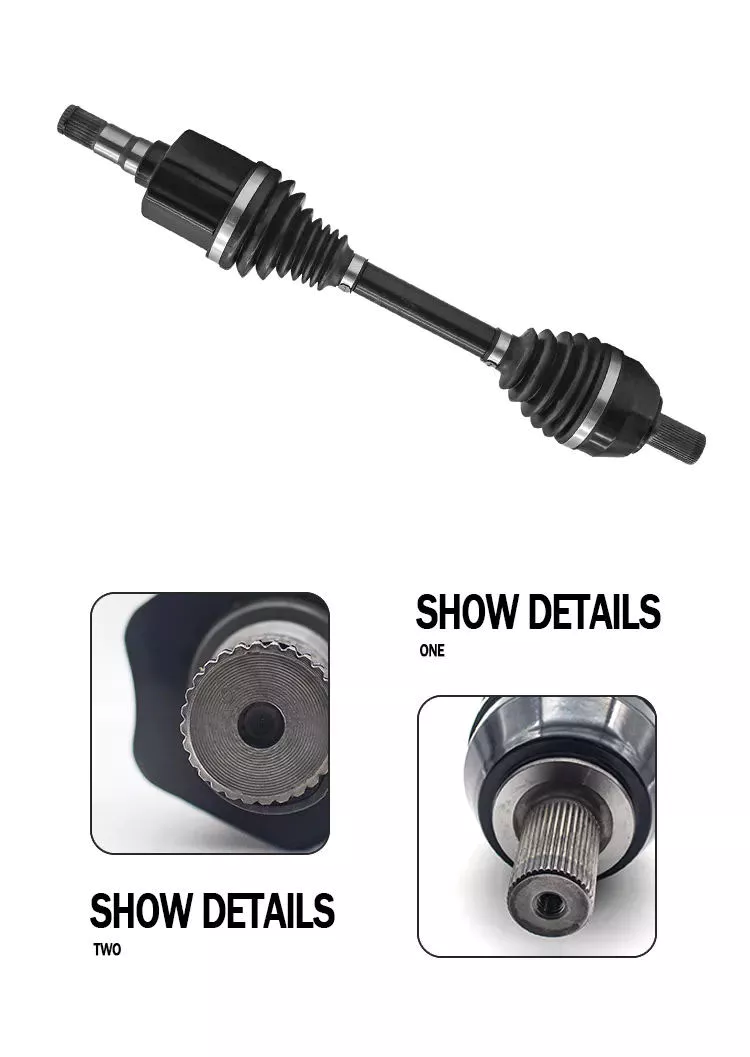
メーカーはどのようにして、PTOシャフトと様々な機器との互換性を確保しているのでしょうか?
メーカーは、PTO(動力取り出し)シャフトと様々な機器との互換性を確保するために、様々な対策を講じています。互換性は、PTOシャフトが性能、安全性、使いやすさを損なうことなく、動力源から駆動機械へ効率的に動力を伝達するために不可欠です。メーカーが互換性を確保する方法について、以下に詳しく説明します。
1. 標準化: PTOシャフトは、標準化された仕様に基づいて設計・製造されています。これらの仕様には、シャフト寸法、スプラインサイズ、トルク定格、安全要件などの重要なパラメータが規定されています。メーカーは標準化された設計を採用することで、同じ規格を満たす幅広い機器との互換性を確保しています。標準化により互換性が確保され、同じ仕様に準拠していれば、あるメーカーのPTOシャフトを別のメーカーの機器にも使用できます。
2. 機器メーカーとの連携: PTOシャフトメーカーは、互換性を確保するために機器メーカーと緊密に連携することがよくあります。両社は協力して機器の具体的な要件を理解し、機械にシームレスに統合できるPTOシャフトを設計します。この連携には、技術仕様の共有、共同テストの実施、フィードバックの交換などが含まれます。パートナーシップを築くことで、メーカーは設計・開発プロセスの初期段階で互換性の問題に対処でき、機器のニーズに合わせたPTOシャフトを実現できます。
3. カスタマイズオプション: PTOシャフトメーカーは、さまざまな機器構成に対応できるよう、カスタマイズオプションを提供しています。シャフトの長さ、スプラインサイズ、ヨーク設計、カップリング機構など、柔軟な選択肢を用意しています。機器メーカーは必要なパラメータを指定でき、それに応じてPTOシャフトをカスタマイズできます。これにより、PTOシャフトが機器の電力入出力要件と接続方法に正確に適合し、互換性と効率的な動力伝達が保証されます。
4. テストと検証: メーカーは、PTOシャフトの互換性と性能を確保するために、厳格な試験および検証プロセスを実施しています。トルク試験、回転速度試験、耐久性試験など、さまざまな試験を実施し、PTOシャフトが想定される動力負荷と運転条件に故障なく対応できることを検証します。PTOシャフトの性能を検証することで、メーカーは幅広い機器との互換性を確保し、さまざまな運転状況下でも確実に動力を伝達できることを保証できます。
5. 業界標準への準拠: PTOシャフトの製造業者は、互換性を確保するために業界標準および規制を遵守しています。米国農業生物工学会(ASABE)などの団体は、PTOシャフトの安全性および性能基準を定めています。製造業者はこれらの基準に従ってシャフトを設計・製造し、製品が互換性と安全性に関する必要な要件を満たしていることを保証しています。業界標準への準拠は、機器メーカーおよびエンドユーザーに対し、PTOシャフトがさまざまな機器と互換性があり、使用に適しているという安心感を提供します。
6. 文書とガイドライン: メーカーは、機器メーカーとエンドユーザーが互換性を確保できるよう、包括的なドキュメントとガイドラインを提供しています。このドキュメントには、技術仕様、設置手順、メンテナンスガイドライン、安全に関する推奨事項などが含まれます。ドキュメントは、機器メーカーが自社の機器に適したPTOシャフトを選択するのに役立ち、適切な設置と使用方法に関するガイダンスを提供します。メーカーのガイドラインに従うことで、機器メーカーは互換性を確保し、PTOシャフトの性能を最適化できます。
7.継続的な研究開発: PTOシャフトメーカーは、さまざまな機器との互換性を向上させるため、研究開発に継続的に投資しています。業界の動向、技術革新、そして進化する機器要件を常に把握し、最新の研究開発を通じてPTOシャフトの設計、材料、機能を改善し、最新の機器との互換性を確保するとともに、発生する可能性のあるあらゆる互換性の問題に対処しています。
標準化の採用、機器メーカーとの連携、カスタマイズオプションの提供、徹底的なテストの実施、業界標準への準拠、文書化とガイドラインの提供、そして研究開発への投資を通じて、メーカーはPTOシャフトと様々な機器との互換性を確保しています。この互換性により、様々な産業分野の幅広い機械設備において、シームレスな統合、効率的な動力伝達、そして最適な性能が実現します。
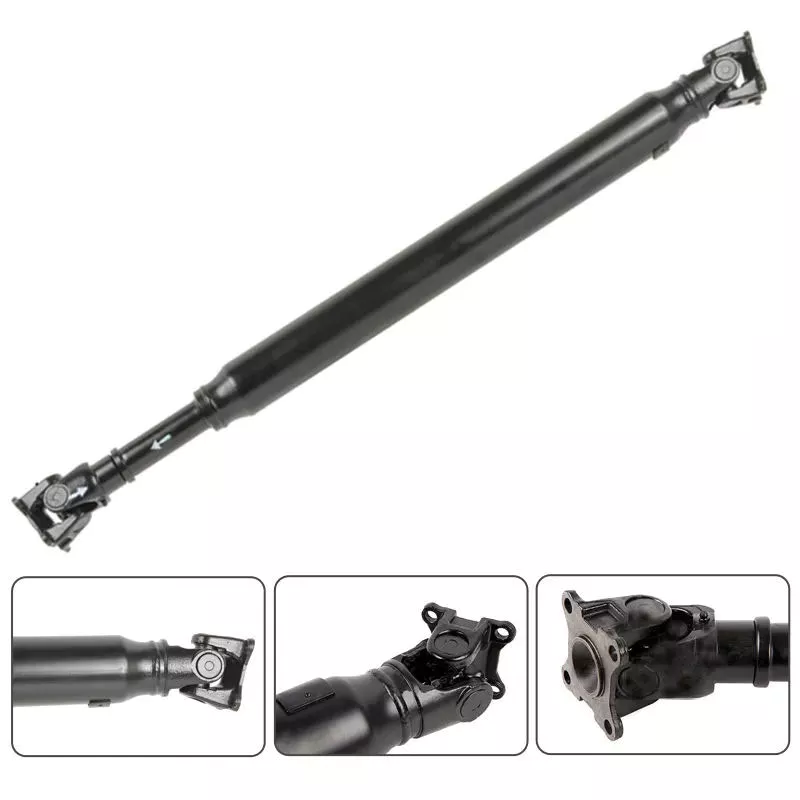
Are there any limitations or disadvantages associated with PTO shafts?
While PTO (Power Take-Off) shafts offer numerous advantages in terms of power transfer and versatility, they also have certain limitations and disadvantages. It’s important to consider these factors when using PTO shafts to ensure safe and efficient operation. Here’s a detailed explanation of some limitations and disadvantages associated with PTO shafts:
1. Safety Hazards: One of the primary concerns with PTO shafts is the potential for safety hazards. PTO shafts rotate at high speeds and can pose a significant risk if not properly guarded or handled. Accidental contact with an exposed or inadequately shielded PTO shaft can result in severe injuries, including entanglement, amputation, or even fatalities. It is crucial to follow safety guidelines, implement proper guarding, and ensure that operators are well-trained on safe handling practices to mitigate these risks.
2. Maintenance and Lubrication: PTO shafts require regular maintenance and lubrication to ensure optimal performance and longevity. The moving parts, such as universal joints and splines, need to be inspected, cleaned, and lubricated at recommended intervals. Neglecting maintenance can lead to premature wear, decreased efficiency, and potential failures. Proper maintenance practices, including regular inspections and timely lubrication, are essential to mitigate these issues.
3. Alignment and Angles: PTO shafts rely on proper alignment and angles to ensure efficient power transfer. Misalignment or excessive angles between the power source and driven machinery can cause increased wear and strain on the components, leading to premature failure. Ensuring proper alignment and angle adjustment, using adjustable sliding yokes or other means, is important to prevent excessive stress on the PTO shaft and associated equipment.
4. Length Limitations: PTO shafts have limitations on their maximum and minimum length due to engineering constraints. The telescoping design allows for some adjustment, but there is a practical limit to how much the shaft can extend or retract. If the distance between the power source and driven machinery exceeds the maximum or falls below the minimum length of the PTO shaft, alternative solutions or modifications may be required. In some cases, additional components such as drive shaft extensions or gearboxes may be necessary to bridge the distance.
5. Compatibility: While manufacturers strive to ensure compatibility, there can still be challenges in finding the right PTO shaft for specific equipment configurations. Equipment may have unique requirements in terms of spline sizes, torque ratings, or connection methods that may not be readily available or compatible with off-the-shelf PTO shafts. Customization may be required to address these compatibility issues, which can result in increased costs or lead times.
6. Noise and Vibrations: PTO shafts in operation can generate significant noise and vibrations, especially at higher speeds. This can be a nuisance for operators and may require additional measures to reduce noise levels or dampen vibrations. Excessive vibrations can also affect the overall performance and lifespan of the PTO shaft and connected equipment. Implementing vibration dampeners or using flexible couplings can help mitigate these issues.
7. Power Limits: PTO shafts have specific power limits based on their design, materials, and components. Exceeding these power limits can lead to premature wear, component failures, or even shaft breakage. It is crucial to understand and adhere to the recommended power ratings for PTO shafts to ensure safe and reliable operation. In some cases, upgrading to a higher-capacity PTO shaft or implementing additional power transmission components may be necessary to accommodate higher power requirements.
8. Complex Installation and Removal: Installing and removing PTO shafts can be a complex process, especially in confined spaces or when dealing with heavy equipment. It may require aligning splines, engaging couplings, and securing locking mechanisms. Improper installation or removal techniques can lead to damage to the shaft or associated equipment. Proper training, handling equipment, and following manufacturer guidelines are essential to simplify and ensure the safe installation and removal of PTO shafts.
Despite these limitations and disadvantages, PTO shafts remain widely used and valuable components for power transfer in various industries. By addressing these considerations and implementing proper safety measures, maintenance practices, and alignment procedures, the potential drawbacks of PTO shafts can be effectively mitigated, allowing for safe and efficient operation.

Which industries commonly use PTO shafts for power transmission?
PTO shafts (Power Take-Off shafts) are widely used in various industries where power transmission is required to drive machinery and equipment. Their versatility, efficiency, and compatibility with different types of machinery make them valuable components in several sectors. Here’s a detailed explanation of the industries that commonly use PTO shafts for power transmission:
1. Agriculture: The agricultural industry extensively relies on PTO shafts for power transmission. Tractors equipped with PTOs are commonly used to drive a wide range of agricultural implements and machinery. PTO-driven equipment includes mowers, balers, tillers, seeders, sprayers, grain augers, harvesters, and many more. PTO shafts allow for the efficient transfer of power from the tractor’s engine to these implements, enabling various agricultural operations such as cutting, baling, tilling, planting, spraying, and harvesting. The agricultural sector heavily depends on PTO shafts to enhance productivity and streamline farming processes.
2. Construction and Earthmoving: In the construction and earthmoving industry, PTO shafts find applications in machinery used for excavation, grading, and material handling. PTO-driven equipment such as backhoes, loaders, excavators, trenchers, and stump grinders utilize PTO shafts to transfer power from the prime movers, typically hydraulic systems, to drive the necessary attachments. These attachments require the high torque and power provided by PTO shafts to perform tasks like digging, loading, trenching, and grinding. PTO shafts allow for versatile and efficient power transmission in construction and earthmoving operations.
3. Forestry: The forestry industry utilizes PTO shafts for power transmission in various logging and timber processing equipment. PTO-driven machinery such as wood chippers, sawmills, log splitters, and debarkers rely on PTO shafts to transfer power from tractors or dedicated power units to perform tasks like chipping, sawing, splitting, and debarking wood. PTO shafts provide the necessary power and torque to drive the cutting and processing mechanisms, enabling efficient and productive forestry operations.
4. Landscaping and Groundskeeping: PTO shafts play a crucial role in the landscaping and groundskeeping industry. Equipment like lawn mowers, rotary cutters, flail mowers, and aerators utilize PTO shafts to transfer power from tractors or dedicated power units to drive the cutting or grooming mechanisms. PTO shafts enable efficient power transmission, allowing operators to maintain lawns, parks, golf courses, and other outdoor spaces with precision and productivity.
5. Mining and Quarrying: PTO shafts have applications in the mining and quarrying industry, particularly in equipment used for material extraction, crushing, and screening. PTO-driven machinery such as crushers, screeners, and conveyors rely on PTO shafts to transfer power from engines or motors to drive the crushing and screening mechanisms, as well as the material handling systems. PTO shafts provide the necessary power and torque to process and transport bulk materials effectively in mining and quarrying operations.
6. Industrial Manufacturing: PTO shafts are utilized in various industrial manufacturing processes that require power transmission to drive specific machinery and equipment. Industries such as food processing, textile manufacturing, paper production, and chemical processing may use PTO-driven machinery for tasks like mixing, blending, cutting, extruding, and conveying. PTO shafts enable efficient power transfer to these machines, ensuring smooth and reliable operation in industrial manufacturing settings.
7. Utilities and Infrastructure Maintenance: PTO shafts find applications in utilities and infrastructure maintenance operations. Equipment like street sweepers, sewer cleaners, road maintenance machines, and drain augers utilize PTO shafts to transfer power from trucks or dedicated power units to perform tasks like sweeping, cleaning, and maintenance of roads, sewers, and other public infrastructure. PTO shafts enable efficient power transmission, ensuring effective and reliable operation of these utility and maintenance machines.
8. Others: PTO shafts are also used in several other industries and sectors where power transmission is required. This includes applications in the transportation industry for powering refrigeration units, fuel pumps, and hydraulic systems in trucks and trailers. PTO shafts also find applications in the marine industry for powering winches, pumps, and other equipment on boats and ships.
In summary, PTO shafts are commonly used in a wide range of industries for power transmission. These industries include agriculture, construction and earthmoving, forestry, landscaping and groundskeeping, mining and quarrying, industrial manufacturing, utilities and infrastructure maintenance, transportation, and marine sectors. PTO shafts play a critical rolein enhancing productivity, enabling efficient operation of machinery, and facilitating various tasks in these industries.

editor by CX 2024-03-26