توضیحات محصول
Product Range: Tractor And Harvester Gear For John Deere
Application : Agricultural Farm Tractor gearbox
OEM Number: Unknown
/* 22 ژانویه 2571 19:08:37 */!function(){function s(e,r){var a,o={};try{e&&e.split(“,”).forEach(function(e,t){e&&(a=e.match(/(.*&4?)):(.*)
| نوع: | Pinion Gear |
|---|---|
| کاربرد: | Farmland Infrastructure, Tillage, Harvester, Tractor Spare Parts |
| مواد: | 20crmnti/45/40cr |
| نمونهها: |
US$ 500/Piece
۱ قطعه (حداقل سفارش) | نمونه سفارش It could be served as deposit
|
|---|
| سفارشی سازی: |
موجود است
| درخواست سفارشی |
|---|
.shipping-cost-tm .tm-status-off{background: none;padding:0;color: #1470cc}
|
هزینه ارسال:
هزینه حمل و نقل تخمینی برای هر واحد |
در مورد هزینه ارسال و زمان تقریبی تحویل. |
|---|
| روش پرداخت: |
|
|---|---|
|
پرداخت اولیه پرداخت کامل |
| ارز: | US$ |
|---|
| بازگشت و بازپرداخت: | شما میتوانید تا 30 روز پس از دریافت محصولات، درخواست بازگشت وجه خود را ثبت کنید. |
|---|
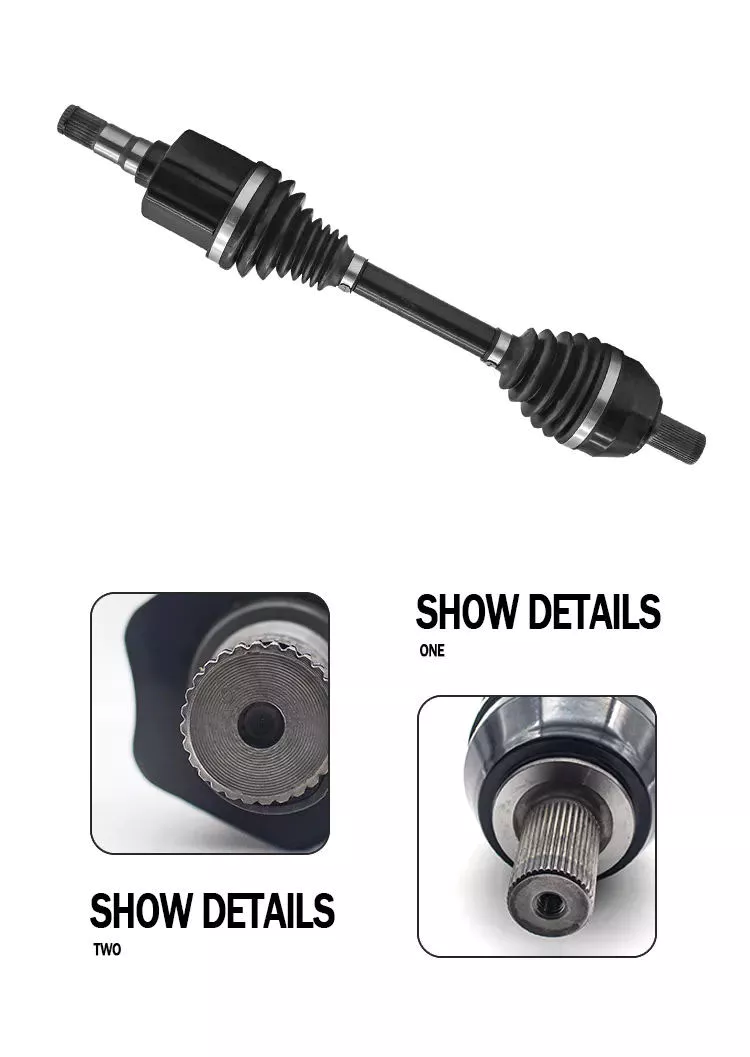
تولیدکنندگان چگونه سازگاری شفتهای PTO را با تجهیزات مختلف تضمین میکنند؟
تولیدکنندگان اقدامات مختلفی را برای اطمینان از سازگاری شفتهای PTO (برقگیر) با تجهیزات مختلف به کار میگیرند. سازگاری برای اطمینان از اینکه شفتهای PTO میتوانند به طور مؤثر نیرو را از منبع تغذیه به ماشینآلات محرک منتقل کنند، بدون اینکه عملکرد، ایمنی یا سهولت استفاده را به خطر بیندازند، بسیار مهم است. در اینجا توضیح مفصلی در مورد چگونگی اطمینان تولیدکنندگان از سازگاری ارائه شده است:
۱. استانداردسازی: شفتهای PTO بر اساس مشخصات استاندارد طراحی و ساخته میشوند. این مشخصات، پارامترهای اساسی مانند ابعاد شفت، اندازههای اسپلین، رتبهبندی گشتاور و الزامات ایمنی را مشخص میکنند. با رعایت طرحهای استاندارد، تولیدکنندگان اطمینان حاصل میکنند که شفتهای PTO با طیف وسیعی از تجهیزات که مطابق با استانداردهای یکسان هستند، سازگار هستند. استانداردسازی امکان تعویضپذیری را فراهم میکند، به این معنی که شفتهای PTO از یک سازنده میتوانند با تجهیزات سازنده دیگر مورد استفاده قرار گیرند، مادامی که با مشخصات یکسان مطابقت داشته باشند.
۲. همکاری با تولیدکنندگان تجهیزات: تولیدکنندگان شفت PTO اغلب برای اطمینان از سازگاری، همکاری نزدیکی با تولیدکنندگان تجهیزات دارند. آنها با یکدیگر همکاری میکنند تا الزامات خاص تجهیزات را درک کرده و شفتهای PTO را طوری طراحی کنند که به طور یکپارچه با ماشینآلات ادغام شوند. این همکاری ممکن است شامل به اشتراک گذاشتن مشخصات فنی، انجام آزمایشهای مشترک و تبادل بازخورد باشد. با همکاری، تولیدکنندگان میتوانند هرگونه مشکل سازگاری را در مراحل اولیه طراحی و توسعه برطرف کنند و در نتیجه شفتهای PTO متناسب با نیازهای تجهیزات تولید شوند.
۳. گزینههای سفارشیسازی: تولیدکنندگان شفت PTO گزینههای سفارشیسازی را برای تطبیق با پیکربندیهای مختلف تجهیزات ارائه میدهند. آنها از نظر طول شفت، اندازههای اسپلین، طراحیهای یوک و مکانیسمهای کوپلینگ انعطافپذیری ارائه میدهند. تولیدکنندگان تجهیزات میتوانند پارامترهای مورد نیاز را مشخص کنند و شفتهای PTO میتوانند بر اساس آن سفارشیسازی شوند. این امر تضمین میکند که شفتهای PTO دقیقاً با الزامات ورودی/خروجی برق تجهیزات و روشهای اتصال مطابقت دارند و سازگاری و انتقال قدرت کارآمد را تضمین میکنند.
۴. آزمایش و اعتبارسنجی: تولیدکنندگان برای اطمینان از سازگاری و عملکرد شفتهای PTO، فرآیندهای آزمایش و اعتبارسنجی دقیقی را انجام میدهند. آنها شفتها را تحت آزمایشهای مختلفی از جمله آزمایش گشتاور، آزمایش سرعت چرخش و آزمایش دوام قرار میدهند. این آزمایشها تأیید میکنند که شفتهای PTO میتوانند بارهای توان مورد انتظار و شرایط عملیاتی را بدون خرابی تحمل کنند. با تأیید عملکرد شفتهای PTO، تولیدکنندگان میتوانند اطمینان حاصل کنند که آنها با طیف وسیعی از تجهیزات سازگار هستند و میتوانند به طور قابل اعتمادی در سناریوهای عملیاتی مختلف، توان را منتقل کنند.
۵. رعایت استانداردهای صنعت: تولیدکنندگان شفت PTO برای اطمینان از سازگاری، به استانداردها و مقررات صنعتی پایبند هستند. سازمانهایی مانند انجمن مهندسان کشاورزی و زیستشناسی آمریکا (ASABE) استانداردهای ایمنی و عملکرد را برای شفتهای PTO تعیین میکنند. تولیدکنندگان، شفتهای خود را مطابق با این استانداردها طراحی و تولید میکنند و اطمینان حاصل میکنند که محصولات آنها الزامات لازم برای سازگاری و ایمنی را برآورده میکنند. رعایت استانداردهای صنعتی، به تولیدکنندگان تجهیزات و کاربران نهایی اطمینان میدهد که شفتهای PTO سازگار و مناسب برای استفاده با تجهیزات مختلف هستند.
۶. مستندات و دستورالعملها: تولیدکنندگان، مستندات و دستورالعملهای جامعی را برای کمک به تولیدکنندگان تجهیزات و کاربران نهایی در تضمین سازگاری ارائه میدهند. این مستندات شامل مشخصات فنی، دستورالعملهای نصب، دستورالعملهای نگهداری و توصیههای ایمنی است. این مستندات به تولیدکنندگان تجهیزات کمک میکند تا شفت PTO مناسب را برای تجهیزات خود انتخاب کنند و راهنماییهایی در مورد نصب و استفاده صحیح ارائه میدهد. با پیروی از دستورالعملهای سازنده، تولیدکنندگان تجهیزات میتوانند سازگاری را تضمین کرده و عملکرد شفتهای PTO را بهینه کنند.
۷. تحقیق و توسعه مداوم: تولیدکنندگان شفت PTO به طور مداوم در تحقیق و توسعه سرمایهگذاری میکنند تا سازگاری با تجهیزات مختلف را افزایش دهند. آنها با روندهای صنعت، پیشرفتهای تکنولوژیکی و نیازهای در حال تحول تجهیزات بهروز میمانند. این تحقیق و توسعه مداوم، تولیدکنندگان را قادر میسازد تا طراحی، مواد و ویژگیهای شفتهای PTO را بهبود بخشند، سازگاری با جدیدترین نوآوریهای تجهیزات را تضمین کنند و هرگونه چالش سازگاری که ممکن است پیش بیاید را برطرف کنند.
با بهکارگیری استانداردسازی، همکاری با تولیدکنندگان تجهیزات، ارائه گزینههای سفارشیسازی، انجام آزمایشهای کامل، رعایت استانداردهای صنعتی، ارائه مستندات و دستورالعملها و سرمایهگذاری در تحقیق و توسعه، تولیدکنندگان سازگاری شفتهای PTO را با تجهیزات مختلف تضمین میکنند. این سازگاری امکان ادغام یکپارچه، انتقال قدرت کارآمد و عملکرد بهینه را در طیف وسیعی از ماشینآلات و تجهیزات در صنایع مختلف فراهم میکند.

آیا محدودیت یا معایبی در رابطه با شفتهای PTO وجود دارد؟
اگرچه شفتهای PTO (محور انتقال قدرت) از نظر انتقال قدرت و تطبیقپذیری مزایای بیشماری ارائه میدهند، اما محدودیتها و معایب خاصی نیز دارند. در نظر گرفتن این عوامل هنگام استفاده از شفتهای PTO برای اطمینان از عملکرد ایمن و کارآمد، مهم است. در اینجا توضیح مفصلی از برخی محدودیتها و معایب مرتبط با شفتهای PTO ارائه شده است:
۱. خطرات ایمنی: یکی از نگرانیهای اصلی در مورد شفتهای PTO، احتمال خطرات ایمنی است. شفتهای PTO با سرعت بالا میچرخند و در صورت عدم محافظت یا جابجایی مناسب، میتوانند خطر قابل توجهی ایجاد کنند. تماس تصادفی با شفت PTO بدون محافظ یا با حفاظ ناکافی میتواند منجر به جراحات شدید، از جمله گیر افتادن، قطع عضو یا حتی مرگ و میر شود. رعایت دستورالعملهای ایمنی، اجرای حفاظهای مناسب و اطمینان از آموزش کافی اپراتورها در مورد شیوههای جابجایی ایمن برای کاهش این خطرات بسیار مهم است.
۲. نگهداری و روانکاری: شفتهای PTO برای اطمینان از عملکرد بهینه و طول عمر بالا، نیاز به نگهداری و روانکاری منظم دارند. قطعات متحرک، مانند اتصالات یونیورسال و اسپلینها، باید در فواصل زمانی توصیه شده بازرسی، تمیز و روانکاری شوند. غفلت از نگهداری میتواند منجر به سایش زودرس، کاهش راندمان و خرابیهای احتمالی شود. شیوههای صحیح نگهداری، از جمله بازرسیهای منظم و روانکاری به موقع، برای کاهش این مشکلات ضروری است.
۳. تراز و زاویهها: شفتهای PTO برای اطمینان از انتقال کارآمد نیرو، به ترازبندی و زوایای مناسب متکی هستند. عدم ترازبندی یا زوایای بیش از حد بین منبع تغذیه و ماشینآلات محرک میتواند باعث افزایش سایش و فشار روی اجزا شود و منجر به خرابی زودرس شود. اطمینان از ترازبندی و تنظیم زاویه مناسب، با استفاده از یوکهای کشویی قابل تنظیم یا وسایل دیگر، برای جلوگیری از فشار بیش از حد روی شفت PTO و تجهیزات مرتبط مهم است.
۴. محدودیتهای طول: شفتهای PTO به دلیل محدودیتهای مهندسی، محدودیتهایی در حداکثر و حداقل طول خود دارند. طراحی تلسکوپی امکان تنظیم را فراهم میکند، اما محدودیت عملی برای میزان باز یا بسته شدن شفت وجود دارد. اگر فاصله بین منبع تغذیه و ماشینآلات محرک از حداکثر طول شفت PTO بیشتر یا کمتر شود، ممکن است به راهحلها یا اصلاحات جایگزین نیاز باشد. در برخی موارد، ممکن است اجزای اضافی مانند افزونههای شفت محرک یا گیربکس برای پر کردن این فاصله لازم باشد.
۵. سازگاری: در حالی که تولیدکنندگان برای اطمینان از سازگاری تلاش میکنند، هنوز هم ممکن است چالشهایی در یافتن شفت PTO مناسب برای پیکربندیهای خاص تجهیزات وجود داشته باشد. تجهیزات ممکن است از نظر اندازههای اسپلین، رتبهبندی گشتاور یا روشهای اتصال، الزامات منحصر به فردی داشته باشند که ممکن است به راحتی در دسترس نباشند یا با شفتهای PTO موجود در بازار سازگار نباشند. ممکن است برای رفع این مشکلات سازگاری، سفارشیسازی لازم باشد که میتواند منجر به افزایش هزینهها یا زمان تحویل شود.
۶. صدا و ارتعاشات: شفتهای PTO در حین کار میتوانند سر و صدا و ارتعاشات قابل توجهی ایجاد کنند، به خصوص در سرعتهای بالاتر. این میتواند برای اپراتورها آزاردهنده باشد و ممکن است نیاز به اقدامات اضافی برای کاهش سطح سر و صدا یا کاهش ارتعاشات داشته باشد. ارتعاشات بیش از حد همچنین میتواند بر عملکرد کلی و طول عمر شفت PTO و تجهیزات متصل به آن تأثیر بگذارد. نصب میراگرهای ارتعاش یا استفاده از کوپلینگهای انعطافپذیر میتواند به کاهش این مشکلات کمک کند.
۷. محدودیتهای توان: شفتهای PTO بر اساس طراحی، مواد و اجزای خود، محدودیتهای قدرت خاصی دارند. تجاوز از این محدودیتهای قدرت میتواند منجر به سایش زودرس، خرابی اجزا یا حتی شکستگی شفت شود. درک و رعایت رتبهبندیهای قدرت توصیهشده برای شفتهای PTO برای اطمینان از عملکرد ایمن و قابل اعتماد بسیار مهم است. در برخی موارد، ارتقاء به یک شفت PTO با ظرفیت بالاتر یا پیادهسازی اجزای انتقال قدرت اضافی ممکن است برای تأمین نیازهای قدرت بالاتر ضروری باشد.
۸. نصب و جداسازی پیچیده: نصب و برداشتن شفتهای PTO میتواند یک فرآیند پیچیده باشد، به خصوص در فضاهای محدود یا هنگام کار با تجهیزات سنگین. این کار ممکن است نیاز به تراز کردن اسپلینها، درگیر کردن کوپلینگها و ایمنسازی مکانیسمهای قفل داشته باشد. تکنیکهای نادرست نصب یا برداشتن میتواند منجر به آسیب به شفت یا تجهیزات مرتبط شود. آموزش مناسب، جابجایی تجهیزات و پیروی از دستورالعملهای سازنده برای سادهسازی و اطمینان از نصب و برداشتن ایمن شفتهای PTO ضروری است.
علیرغم این محدودیتها و معایب، شفتهای PTO همچنان به طور گسترده مورد استفاده قرار میگیرند و اجزای ارزشمندی برای انتقال نیرو در صنایع مختلف هستند. با در نظر گرفتن این ملاحظات و اجرای اقدامات ایمنی مناسب، شیوههای نگهداری و رویههای همترازی، میتوان معایب بالقوه شفتهای PTO را به طور مؤثر کاهش داد و امکان عملکرد ایمن و کارآمد را فراهم کرد.

Which industries commonly use PTO shafts for power transmission?
PTO shafts (Power Take-Off shafts) are widely used in various industries where power transmission is required to drive machinery and equipment. Their versatility, efficiency, and compatibility with different types of machinery make them valuable components in several sectors. Here’s a detailed explanation of the industries that commonly use PTO shafts for power transmission:
1. Agriculture: The agricultural industry extensively relies on PTO shafts for power transmission. Tractors equipped with PTOs are commonly used to drive a wide range of agricultural implements and machinery. PTO-driven equipment includes mowers, balers, tillers, seeders, sprayers, grain augers, harvesters, and many more. PTO shafts allow for the efficient transfer of power from the tractor’s engine to these implements, enabling various agricultural operations such as cutting, baling, tilling, planting, spraying, and harvesting. The agricultural sector heavily depends on PTO shafts to enhance productivity and streamline farming processes.
2. Construction and Earthmoving: In the construction and earthmoving industry, PTO shafts find applications in machinery used for excavation, grading, and material handling. PTO-driven equipment such as backhoes, loaders, excavators, trenchers, and stump grinders utilize PTO shafts to transfer power from the prime movers, typically hydraulic systems, to drive the necessary attachments. These attachments require the high torque and power provided by PTO shafts to perform tasks like digging, loading, trenching, and grinding. PTO shafts allow for versatile and efficient power transmission in construction and earthmoving operations.
3. Forestry: The forestry industry utilizes PTO shafts for power transmission in various logging and timber processing equipment. PTO-driven machinery such as wood chippers, sawmills, log splitters, and debarkers rely on PTO shafts to transfer power from tractors or dedicated power units to perform tasks like chipping, sawing, splitting, and debarking wood. PTO shafts provide the necessary power and torque to drive the cutting and processing mechanisms, enabling efficient and productive forestry operations.
4. Landscaping and Groundskeeping: PTO shafts play a crucial role in the landscaping and groundskeeping industry. Equipment like lawn mowers, rotary cutters, flail mowers, and aerators utilize PTO shafts to transfer power from tractors or dedicated power units to drive the cutting or grooming mechanisms. PTO shafts enable efficient power transmission, allowing operators to maintain lawns, parks, golf courses, and other outdoor spaces with precision and productivity.
5. Mining and Quarrying: PTO shafts have applications in the mining and quarrying industry, particularly in equipment used for material extraction, crushing, and screening. PTO-driven machinery such as crushers, screeners, and conveyors rely on PTO shafts to transfer power from engines or motors to drive the crushing and screening mechanisms, as well as the material handling systems. PTO shafts provide the necessary power and torque to process and transport bulk materials effectively in mining and quarrying operations.
6. Industrial Manufacturing: PTO shafts are utilized in various industrial manufacturing processes that require power transmission to drive specific machinery and equipment. Industries such as food processing, textile manufacturing, paper production, and chemical processing may use PTO-driven machinery for tasks like mixing, blending, cutting, extruding, and conveying. PTO shafts enable efficient power transfer to these machines, ensuring smooth and reliable operation in industrial manufacturing settings.
7. Utilities and Infrastructure Maintenance: PTO shafts find applications in utilities and infrastructure maintenance operations. Equipment like street sweepers, sewer cleaners, road maintenance machines, and drain augers utilize PTO shafts to transfer power from trucks or dedicated power units to perform tasks like sweeping, cleaning, and maintenance of roads, sewers, and other public infrastructure. PTO shafts enable efficient power transmission, ensuring effective and reliable operation of these utility and maintenance machines.
8. Others: PTO shafts are also used in several other industries and sectors where power transmission is required. This includes applications in the transportation industry for powering refrigeration units, fuel pumps, and hydraulic systems in trucks and trailers. PTO shafts also find applications in the marine industry for powering winches, pumps, and other equipment on boats and ships.
In summary, PTO shafts are commonly used in a wide range of industries for power transmission. These industries include agriculture, construction and earthmoving, forestry, landscaping and groundskeeping, mining and quarrying, industrial manufacturing, utilities and infrastructure maintenance, transportation, and marine sectors. PTO shafts play a critical rolein enhancing productivity, enabling efficient operation of machinery, and facilitating various tasks in these industries.

editor by CX 2024-03-26