توضیحات محصول
مشخصات از شفت محرک PTO —پیست سرعت:
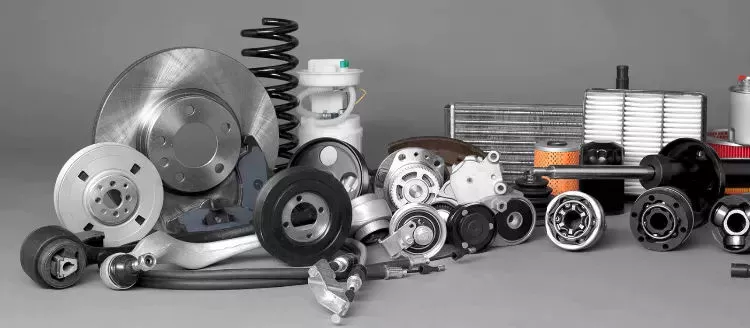
ما قطعات یدکی تراکتورهای ژاپنی زیادی را توسعه داده و تولید کردیم.
نام محصول: قطعات دیسک کلاچ انتقال تراکتور ژاپنی برای B1400 B7000
مدل تراکتوری که میتوانیم عرضه کنیم: B1500/1400، B5000، B6000، B7000، TU1400، TX1400، TX1500، YM F1401، YM1400 و غیره.
قطعات به عنوان مثال: لاستیک، رینگ Jante، کیت کوپلینگ KB-TX اتصال سه نقطهای. لوله اگزوز، فرمان. کیت کوپلینگ YM F14/F15، شفت دنده، شفت PTO، کاردان PTO، کلید، رگولاتور و غیره.
بیشتر قطعات یدکی موجود است. در صورت تمایل، لطفاً با من تماس بگیرید.
سایر قطعات مرتبط با خودروها یا ماشینآلات که در کارگاه خود ساختهایم به شرح زیر است:
قطعات و مجموعههای محور محرک،
قطعات و مجموعههای اتصال یونیورسال،
شفتهای محرک PTO،
شفتهای خاردار،
یوغهای لغزنده،
یوغهای جوشی،
یوغهای فلنجی،
ستونهای فرمان،
میلههای اتصال،
و غیره
توضیحات محصول
شفت درایو PTO مورد:
| مورد | اندازه ژورنال متقاطع | ۵۴۰dak-rpm | ۱۰۰۰dak-rpm | |||
| سری ۱ | ۲۲ میلیمتر | ۵۴ میلیمتر | ۱۲ کیلووات | 16 اسب بخار | ۱۸ کیلووات | 25 اسب بخار |
| سری ۲ | ۲۳.۸ میلیمتر | ۶۱.۳ میلیمتر | ۱۵ کیلووات | ۲۱ اسب بخار | ۲۳ کیلووات | ۳۱ اسب بخار |
| سری ۳ | ۲۷ میلیمتر | ۷۰ میلیمتر | ۲۶ کیلووات | ۳۵ اسب بخار | ۴۰ کیلووات | ۵۵ اسب بخار |
| سری ۴ | ۲۷ میلیمتر | ۷۴.۶ میلیمتر | ۲۶ کیلووات | ۳۵ اسب بخار | ۴۰ کیلووات | ۵۵ اسب بخار |
| سری ۵ | ۳۰.۲ میلیمتر | ۸۰ میلیمتر | ۳۵ کیلووات | ۴۷ اسب بخار | ۵۴ کیلووات | ۷۴ اسب بخار |
| سری ۶ | ۳۰.۲ میلیمتر | ۹۲ میلیمتر | ۴۷ کیلووات | ۶۴ اسب بخار | ۷۴ کیلووات | ۱۰۰ اسب بخار |
| سری ۷ | ۳۰.۲ میلیمتر | ۱۰۶.۵ میلیمتر | ۵۵ کیلووات | ۷۵ اسب بخار | ۸۷ کیلووات | ۱۸ اسب بخار |
| سری ۸ | ۳۵ میلیمتر | ۱۰۶.۵ میلیمتر
|
۷۰ کیلووات | ۹۵ اسب بخار | ۱۱۰ کیلووات | ۱۵۰ اسب بخار |
| سری ۳۸ | ۳۸ میلیمتر | ۱۰۲ میلیمتر | ۷۰ کیلووات | ۹۵ اسب بخار | ۱۱۰ کیلووات | ۱۵۰ اسب بخار |
مشخصات شرکت
گواهینامهها
سوالات متداول
/* 22 ژانویه 2571 19:08:37 */!function(){function s(e,r){var a,o={};try{e&&e.split(“,”).forEach(function(e,t){e&&(a=e.match(/(.*&4?)):(.*)
| نوع: | شفت |
|---|---|
| کاربرد: | فرآوری محصولات کشاورزی، زیرساختهای زمینهای کشاورزی، برداشت، کاشت و کوددهی، خرمنکوبی، تمیز کردن و خشک کردن غلات |
| مواد: | فولاد ضد زنگ |
| منبع تغذیه: | شفت Pto Dirven |
| وزن: | استاندارد |
| خدمات پس از فروش: | ۱ سال |
| نمونهها: |
US$ 300/قطعه
۱ قطعه (حداقل سفارش) | |
|---|
چه روشهای نگهداری برای افزایش طول عمر شفتهای PTO ضروری است؟
مراقبت مناسب و انجام تعمیرات و نگهداری منظم از شفتهای PTO برای افزایش طول عمر و تضمین عملکرد بهینه آنها بسیار مهم است. با رعایت نکات ضروری تعمیر و نگهداری، میتوانید از فرسودگی زودرس جلوگیری کنید، مشکلات احتمالی را در مراحل اولیه شناسایی کنید و طول عمر شفتهای PTO خود را به حداکثر برسانید. در اینجا چند نکته کلیدی در مورد تعمیر و نگهداری آورده شده است:
۱. بازرسی منظم: بازرسیهای بصری روتین از شفت PTO انجام دهید تا هرگونه علائم آسیب، سایش یا عدم همترازی را بررسی کنید. به دنبال ترک، فرورفتگی، قسمتهای خم شده یا اجزای شل باشید. اتصالات یونیورسال، مکانیسمهای کوپلینگ، محافظها و سایر قطعات مرتبط را بررسی کنید. به هرگونه صدا، لرزش یا تغییر غیرمعمول در عملکرد توجه کنید، زیرا این موارد میتوانند نشاندهنده مشکلات اساسی باشند که نیاز به توجه دارند.
۲. روغن کاری: روانکاری مناسب برای عملکرد روان و طول عمر شفتهای PTO ضروری است. توصیههای سازنده در مورد فواصل روانکاری را دنبال کنید و از نوع روانکار توصیه شده استفاده کنید. اتصالات یونیورسال، اتصالات CV (در صورت وجود) و سایر قطعات متحرک را طبق دستورالعمل روغنکاری کنید. مرتباً سطح کافی روانکار را بررسی کرده و در صورت لزوم دوباره پر کنید. اطمینان حاصل کنید که روانکار مورد استفاده با جنس شفت سازگار است و خاک یا زبالههایی را که میتوانند باعث سایش یا آسیب شوند، جذب نمیکند.
۳. تمیز کردن: شفت PTO را تمیز و عاری از هرگونه آلودگی، آشغال و سایر آلایندهها نگه دارید. مرتباً هرگونه آلودگی، گریس یا باقیمانده انباشته شده را با استفاده از برس یا هوای فشرده پاک کنید. در تمیز کردن اتصالات یونیورسال و نواحی اتصال شفت به سایر اجزا، دقت ویژهای داشته باشید. تمیز کردن از تجمع ذرات ساینده که میتوانند سایش را تسریع کرده و عملکرد شفت را به خطر بیندازند، جلوگیری میکند.
۴. بازرسی و نگهداری نگهبان: محافظها و سپرهای محافظ را مرتباً بررسی کنید تا مطمئن شوید که محکم در جای خود قرار گرفتهاند و آسیبی ندیدهاند. محافظها نقش مهمی در جلوگیری از تماس تصادفی با شفت چرخان و به حداقل رساندن خطر آسیبدیدگی دارند. هرگونه محافظ آسیبدیده یا مفقود را فوراً تعمیر یا تعویض کنید. مطمئن شوید که محافظها به درستی تراز شدهاند و پوشش کافی برای تمام قسمتهای متحرک شفت PTO فراهم میکنند.
۵. بررسی گشتاور و بستها: به صورت دورهای گشتاور بستها، مانند پیچ و مهرهها، که شفت PTO و اجزای مرتبط را محکم میکنند، بررسی و کنترل کنید. با گذشت زمان، لرزش و عملکرد عادی میتواند این بستها را شل کند و یکپارچگی شفت را به خطر بیندازد. برای اطمینان از سفت شدن مناسب، از مشخصات گشتاور مناسب ارائه شده توسط سازنده استفاده کنید. به طور منظم سفتی بستها را بررسی کرده و در صورت لزوم دوباره سفت کنید.
۶. نگهداری پیچ برشی یا کلاچ لغزشی: اگر محور PTO شما دارای مکانیزمهای پیچ برشی یا کلاچ لغزشی است، از عملکرد صحیح آنها اطمینان حاصل کنید. پیچهای برشی را از نظر علائم سایش یا آسیب بررسی کنید و در صورت لزوم آنها را تعویض کنید. کلاچ لغزشی را از نظر تنظیم مناسب و عملکرد روان بررسی کنید. برای اطمینان از اثربخشی آنها در محافظت از اجزای سیستم انتقال قدرت، توصیههای سازنده را در مورد نگهداری و تنظیم این مکانیزمهای ایمنی دنبال کنید.
۷. نگهداری مناسب: وقتی از شفت PTO استفاده نمیشود، آن را در محیطی تمیز و خشک نگهداری کنید. شفت را از قرار گرفتن در معرض رطوبت، دمای شدید و مواد خورنده محافظت کنید. در صورت امکان، شفت را در حالت عمودی نگهداری کنید تا از خم شدن یا تغییر شکل آن جلوگیری شود. استفاده از پوششها یا قابهای محافظ را برای محافظت از شفت در برابر گرد و غبار، آلودگی و سایر منابع احتمالی آسیب در نظر بگیرید.
۸. آموزش اپراتور: آموزشهای لازم را در مورد نحوه صحیح کار، نگهداری و ایمنی مربوط به شفتهای PTO به اپراتورها ارائه دهید. آنها را در مورد اهمیت بازرسیهای منظم، روغنکاری و رعایت شیوههای توصیه شده نگهداری آموزش دهید. اپراتورها را تشویق کنید تا هرگونه ناهنجاری یا نگرانی را فوراً گزارش دهند تا از آسیب بیشتر جلوگیری شود و تعمیرات یا تنظیمات به موقع انجام شود.
۹. راهنمایی سازنده و متخصص: در مورد شیوههای نگهداری خاص مدل شفت PTO خود، به دستورالعملها و توصیههای سازنده مراجعه کنید. علاوه بر این، از متخصصان یا تکنسینهای خدمات مجاز که در مورد نگهداری شفت PTO آگاهی دارند، مشاوره بگیرید. آنها میتوانند بینشها و کمکهای ارزشمندی در اجرای بهترین شیوههای نگهداری برای شفتهای PTO خاص شما ارائه دهند.
با پیروی از این شیوههای نگهداری، میتوانید طول عمر شفتهای PTO خود را افزایش دهید، عملکرد آنها را بهینه کنید و احتمال خرابیهای غیرمنتظره یا تعمیرات پرهزینه را کاهش دهید. بازرسیهای منظم، روغنکاری، تمیز کردن، نگهداری محافظ، بررسی گشتاور و انبارداری مناسب، همگی برای تضمین طول عمر و قابلیت اطمینان شفتهای PTO شما ضروری هستند.

How do PTO shafts handle variations in load and torque during operation?
PTO (Power Take-Off) shafts are designed to handle variations in load and torque during operation by employing specific mechanisms and features that ensure efficient power transfer and protection against overload conditions. Here’s a detailed explanation of how PTO shafts handle variations in load and torque:
1. Mechanical Design: PTO shafts are engineered with robust mechanical design principles that enable them to handle variations in load and torque. They are typically constructed using high-strength materials such as steel, which provides durability and resistance to bending or twisting forces. The shaft’s diameter, wall thickness, and overall dimensions are carefully calculated to withstand the expected torque levels and load variations. The mechanical design of the PTO shaft ensures that it can transmit power reliably and accommodate the dynamic forces encountered during operation.
2. Universal Joints: Universal joints are a key component of PTO shafts that allow for flexibility and compensation of misalignment between the power source and driven machinery. These joints can accommodate variations in angular alignment, which may occur due to changes in load or movement of the machinery. Universal joints consist of a cross-shaped yoke with needle bearings that allow for smooth rotation and transfer of torque, even when the shafts are not perfectly aligned. The design of universal joints enables PTO shafts to handle variations in load and torque while maintaining consistent power transmission.
3. Slip Clutches: Slip clutches are often incorporated into PTO shafts to provide overload protection. These clutches allow the PTO shaft to slip or disengage momentarily when excessive torque or resistance is encountered. Slip clutches typically consist of friction plates that can be adjusted to a specific torque setting. When the torque surpasses the predetermined limit, the clutch slips, preventing damage to the PTO shaft and connected equipment. Slip clutches are particularly useful when sudden changes in load or torque occur, providing a safety mechanism to protect the PTO shaft and associated machinery.
4. Torque Limiters: Torque limiters are another protective feature found in some PTO shafts. These devices are designed to automatically disengage the power transmission when a predetermined torque threshold is exceeded. Torque limiters can be mechanical, such as shear pin couplings or friction clutches, or electronic, utilizing sensors and control systems. When the torque exceeds the set limit, the torque limiter disengages, preventing further power transfer and protecting the PTO shaft from overload conditions. Torque limiters are effective in handling sudden spikes in torque and safeguarding the PTO shaft and associated equipment.
5. Maintenance and Inspection: Regular maintenance and inspection of PTO shafts are essential to ensure their proper functioning and ability to handle variations in load and torque. Routine maintenance includes lubrication of universal joints, inspection of shaft integrity, and tightening of fasteners. Regular inspections allow for early detection of wear, misalignment, or other issues that may affect the PTO shaft’s performance. By addressing maintenance and inspection requirements, operators can identify and address any concerns that may arise due to variations in load and torque, ensuring the continued safe and efficient operation of the PTO shaft.
6. Operator Awareness and Control: Operators play a crucial role in managing variations in load and torque during PTO shaft operation. They should be aware of the machinery’s operational limits, including the recommended torque ratings and load capacities of the PTO shaft. Proper training and understanding of the equipment’s capabilities enable operators to make informed decisions and adjust the operation when encountering significant load or torque changes. Operators should also be vigilant in monitoring the equipment’s performance, watching for any signs of excessive vibration, noise, or other indications of potential issues related to load and torque variations.
By incorporating robust mechanical design, utilizing universal joints, slip clutches, torque limiters, and implementing proper maintenance practices, PTO shafts are equipped to handle variations in load and torque during operation. These features ensure reliable power transmission, protect against overload conditions, and contribute to the safe and efficient functioning of the PTO shaft and the machinery it drives.

شفتهای PTO چگونه تغییرات سرعت و گشتاور مورد نیاز را مدیریت میکنند؟
شفتهای PTO (شفتهای انتقال قدرت) برای مدیریت تغییرات در سرعت و گشتاور مورد نیاز بین منبع قدرت (مانند تراکتور یا موتور) و ماشینآلات یا تجهیزات محرک طراحی شدهاند. آنها مکانیسمها و اجزای مختلفی را در خود جای دادهاند تا انتقال قدرت کارآمد را تضمین کنند و در عین حال نیازهای مختلف سرعت و گشتاور را برآورده سازند. در اینجا توضیح مفصلی در مورد چگونگی مدیریت تغییرات در سرعت و گشتاور مورد نیاز توسط شفتهای PTO ارائه شده است:
۱. سیستمهای گیربکس: شفتهای PTO اغلب شامل سیستمهای گیربکس هستند تا نیازهای سرعت و گشتاور بین منبع تغذیه و ماشینآلات محرک را برآورده کنند. گیربکسها امکان کاهش یا افزایش سرعت را فراهم میکنند و همچنین میتوانند در صورت لزوم جهت چرخش را تغییر دهند. با استفاده از نسبتهای دنده مختلف، شفتهای PTO میتوانند سرعت چرخش و خروجی گشتاور را متناسب با نیازهای خاص تجهیزات محرک تنظیم کنند. سیستمهای گیربکس، شفتهای PTO را قادر میسازند تا قدرت و سرعت لازم را بین منبع تغذیه و ماشینآلات محرک خود فراهم کنند.
۲. مکانیزمهای پیچ برشی: برخی از شفتهای PTO، به ویژه در کاربردهایی که انتظار اضافه بارهای ناگهانی یا بارهای ضربهای میرود، از مکانیزمهای پیچ برشی استفاده میکنند. این مکانیزمها برای محافظت از اجزای سیستم انتقال قدرت در برابر آسیب با جدا کردن شفت PTO در صورت گشتاور بیش از حد یا مقاومت ناگهانی طراحی شدهاند. پیچهای برشی طوری طراحی شدهاند که در یک آستانه گشتاور خاص بشکنند و اطمینان حاصل شود که شفت PTO قبل از آسیب دیدن اجزای سیستم انتقال قدرت جدا میشود. با استفاده از مکانیزمهای پیچ برشی، شفتهای PTO میتوانند تغییرات در الزامات گشتاور را تحمل کنند و یک ویژگی ایمنی برای محافظت از تجهیزات فراهم کنند.
۳. کلاچهای اصطکاکی: شفتهای PTO ممکن است سیستمهای کلاچ اصطکاکی را برای فعال کردن و قطع و وصل روان انتقال قدرت در خود جای دهند. کلاچهای اصطکاکی از یک مکانیزم دیسک و صفحه فشار برای کنترل انتقال قدرت استفاده میکنند. اپراتورها میتوانند با تنظیم فشار روی دیسک اصطکاکی، انتقال قدرت را به تدریج فعال یا غیرفعال کنند. این ویژگی امکان کنترل دقیق بر انتقال گشتاور را فراهم میکند و تغییرات گشتاور مورد نیاز را در عین به حداقل رساندن بارهای ضربهای روی اجزای سیستم انتقال قدرت، تطبیق میدهد. کلاچهای اصطکاکی معمولاً در کاربردهایی استفاده میشوند که در آنها اتصال روان قدرت ضروری است، مانند پمپهای هیدرولیک، ژنراتورها و میکسرهای صنعتی.
۴. اتصالات سرعت ثابت (CV): در مواردی که ماشینآلات محرک به دامنه حرکتی یا مفصلی قابل توجهی نیاز دارند، شفتهای PTO ممکن است دارای اتصالات سرعت ثابت (CV) باشند. اتصالات CV به شفت PTO اجازه میدهند تا عدم تراز و تغییرات زاویهای را بدون تأثیر بر انتقال نیرو، تطبیق دهد. این اتصالات حتی زمانی که ماشینآلات محرک نسبت به منبع نیرو زاویه دارند، انتقال نیرو را روان و ثابت فراهم میکنند. اتصالات CV معمولاً در کاربردهایی مانند لودرهای مفصلی، هندلرهای تلسکوپی و سمپاشهای خودکششی استفاده میشوند، جایی که ماشینآلات به انعطافپذیری و دامنه حرکتی وسیعی نیاز دارند.
۵. طرحهای تلسکوپی: برخی از شفتهای PTO دارای طرحهای تلسکوپی هستند که امکان تنظیم طول را فراهم میکنند. این شفتها از دو یا چند شفت هممرکز تشکیل شدهاند که درون یکدیگر میلغزند و امکان باز یا بسته شدن شفت PTO را در صورت نیاز فراهم میکنند. طرحهای تلسکوپی، تغییرات فاصله بین منبع تغذیه و ماشینآلات محرک را در نظر میگیرند. با تنظیم طول شفت PTO، اپراتورها میتوانند انتقال قدرت مناسب را بدون خطر کشیده شدن شفت روی زمین یا کوتاه بودن بیش از حد برای رسیدن به تجهیزات، تضمین کنند. شفتهای PTO تلسکوپی معمولاً در کاربردهایی استفاده میشوند که فاصله بین منبع تغذیه و وسیله نقلیه متغیر است، مانند ادوات نصب شده در جلو، برفروبها و واگنهای خودبارگیر.
با ترکیب این مکانیزمها و طرحها، شفتهای PTO میتوانند تغییرات در سرعت و گشتاور مورد نیاز را به طور مؤثر مدیریت کنند. آنها انعطافپذیری، ایمنی و کنترل لازم را برای اطمینان از انتقال کارآمد توان بین منبع تغذیه و ماشینآلات محرک فراهم میکنند. شفتهای PTO نقش مهمی در تطبیق توان برای برآوردن نیازهای خاص تجهیزات و کاربردهای مختلف دارند.


editor by CX 2024-03-01