Mô tả sản phẩm
Thông số kỹ thuật CỦA Trục truyền động PTO —Đường đua:
Chúng tôi đã phát triển và sản xuất nhiều phụ tùng máy kéo cho máy kéo Nhật Bản.
Tên sản phẩm: Bộ phận đĩa ly hợp hộp số máy kéo Nhật Bản dành cho dòng B1400 B7000
Các mẫu máy kéo chúng tôi có thể cung cấp: B1500/1400, B5000, B6000, B7000, TU1400, TX1400, TX1500, YM F1401, YM1400, v.v.
Ví dụ các bộ phận: Lốp xe, vành Jante, bộ khớp nối 3 điểm KB-TX, ống xả, vô lăng, bộ khớp nối YM F14/F15, trục bánh răng, trục PTO, khớp nối PTO, chốt, bộ điều chỉnh, v.v.
Hầu hết các phụ tùng đều có sẵn. Nếu bạn quan tâm, vui lòng liên hệ với tôi.
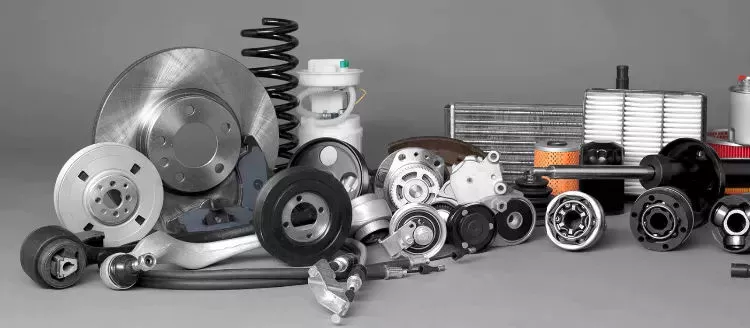
Các bộ phận khác có liên quan đến ô tô hoặc máy móc mà chúng tôi sản xuất tại xưởng của mình bao gồm:
Các bộ phận và cụm trục truyền động,
Các bộ phận và cụm khớp nối vạn năng,
Trục truyền động PTO,
Trục răng cưa,
ách trượt,
Các khớp nối hàn,
Gọng mặt bích,
Cột lái,
Thanh truyền
vân vân.
Mô tả sản phẩm
Mã sản phẩm trục truyền động PTO:
| Mục | Kích thước tạp chí chéo | 540dak-rpm | 1000dak-rpm | |||
| Loạt 1 | 22mm | 54mm | 12KW | 16 mã lực | 18KW | 25 mã lực |
| Phần 2 | 23,8mm | 61,3mm | 15KW | 21 mã lực | 23KW | 31 mã lực |
| Loạt 3 | 27mm | 70mm | 26KW | 35 mã lực | 40KW | 55 mã lực |
| Loạt 4 | 27mm | 74,6mm | 26KW | 35 mã lực | 40KW | 55 mã lực |
| Loạt 5 | 30,2mm | 80mm | 35KW | 47 mã lực | 54KW | 74 mã lực |
| Loạt 6 | 30,2mm | 92mm | 47KW | 64 mã lực | 74KW | 100 mã lực |
| Loạt 7 | 30,2mm | 106,5mm | 55KW | 75 mã lực | 87KW | 18 mã lực |
| Loạt 8 | 35mm | 106,5mm
|
70KW | 95 mã lực | 110KW | 150 mã lực |
| Loạt 38 | 38mm | 102mm | 70KW | 95 mã lực | 110KW | 150 mã lực |
Hồ sơ công ty
Chứng chỉ
Câu hỏi thường gặp
/* Ngày 22 tháng 1 năm 2571 19:08:37 */!function(){function s(e,r){var a,o={};try{e&&e.split(“,”).forEach(function(e,t){e&&(a=e.match(/(.*?):(.*)$/))&&1
| Kiểu: | Trục |
|---|---|
| Cách sử dụng: | Chế biến nông sản, cơ sở hạ tầng nông trại, máy gặt, gieo trồng và bón phân, đập lúa, làm sạch và sấy khô. |
| Vật liệu: | Thép không gỉ |
| Nguồn điện: | Trục truyền động PTO |
| Cân nặng: | Tiêu chuẩn |
| Dịch vụ hậu mãi: | 1 năm |
| Mẫu: |
US$ 300/Miếng
1 chiếc (Số lượng đặt tối thiểu) | |
|---|
What maintenance practices are essential for prolonging the lifespan of PTO shafts?
Maintaining proper care and performing regular maintenance on Power Take-Off (PTO) shafts is crucial for prolonging their lifespan and ensuring optimal performance. By following essential maintenance practices, you can prevent premature wear, identify potential issues early on, and maximize the longevity of your PTO shafts. Here are some key maintenance practices to consider:
1. Regular Inspection: Perform routine visual inspections of the PTO shaft to check for any signs of damage, wear, or misalignment. Look for cracks, dents, bent sections, or loose components. Inspect the universal joints, coupling mechanisms, protective guards, and other associated parts. Pay attention to any unusual noises, vibrations, or changes in performance, as these can indicate underlying issues that require attention.
2. Lubrication: Proper lubrication is essential for the smooth operation and longevity of PTO shafts. Follow the manufacturer’s recommendations regarding lubrication intervals and use the recommended lubricant type. Apply lubrication to the universal joints, CV joints (if applicable), and other moving parts as specified. Regularly check for adequate lubricant levels and replenish if necessary. Ensure that the lubricant used is compatible with the shaft material and does not attract dirt or debris that could cause abrasion or damage.
3. Cleaning: Keep the PTO shaft clean and free from dirt, debris, and other contaminants. Regularly remove any accumulated dirt, grease, or residue using a brush or compressed air. Be particularly diligent in cleaning the universal joints and areas where the shaft connects to other components. Cleaning prevents the buildup of abrasive particles that can accelerate wear and compromise the shaft’s performance.
4. Guard Inspection and Maintenance: Check the protective guards and shields regularly to ensure they are securely in place and free from damage. Guards play a critical role in preventing accidental contact with the rotating shaft and minimizing the risk of injury. Repair or replace any damaged or missing guards promptly. Ensure that the guards are correctly aligned and provide sufficient coverage for all moving parts of the PTO shaft.
5. Torque and Fastener Checks: Periodically inspect and check the torque of fasteners, such as bolts and nuts, that secure the PTO shaft and associated components. Over time, vibration and normal operation can loosen these fasteners, compromising the integrity of the shaft. Use the appropriate torque specifications provided by the manufacturer to ensure proper tightening. Regularly verify the tightness of fasteners and retighten as necessary.
6. Shear Bolt or Slip Clutch Maintenance: If your PTO shaft incorporates shear bolt or slip clutch mechanisms, ensure they are functioning correctly. Inspect the shear bolts for signs of wear or damage, and replace them when necessary. Check the slip clutch for proper adjustment and smooth operation. Follow the manufacturer’s recommendations regarding maintenance and adjustment of these safety mechanisms to ensure their effectiveness in protecting the driveline components.
7. Proper Storage: When the PTO shaft is not in use, store it in a clean and dry environment. Protect the shaft from exposure to moisture, extreme temperatures, and corrosive substances. If possible, store the shaft in a vertical position to prevent bending or distortion. Consider using protective covers or cases to shield the shaft from dust, dirt, and other potential sources of damage.
8. Operator Training: Provide proper training to operators on the correct operation, maintenance, and safety procedures related to the PTO shafts. Educate them about the importance of regular inspections, lubrication, and adherence to recommended maintenance practices. Encourage operators to report any abnormalities or concerns promptly to prevent further damage and ensure timely repairs or adjustments.
9. Manufacturer and Expert Guidance: Consult the manufacturer’s guidelines and recommendations regarding maintenance practices specific to your PTO shaft model. Additionally, seek advice from experts or authorized service technicians who are knowledgeable about PTO shaft maintenance. They can provide valuable insights and assistance in implementing the best maintenance practices for your specific PTO shafts.
By following these maintenance practices, you can extend the lifespan of your PTO shafts, optimize their performance, and reduce the likelihood of unexpected failures or costly repairs. Regular inspections, lubrication, cleaning, guard maintenance, torque checks, and proper storage are all essential in ensuring the longevity and reliability of your PTO shafts.

Trục PTO xử lý sự thay đổi về tải trọng và mô-men xoắn trong quá trình hoạt động như thế nào?
Trục PTO (Trục truyền động) được thiết kế để xử lý các biến đổi về tải trọng và mô-men xoắn trong quá trình hoạt động bằng cách sử dụng các cơ chế và tính năng đặc biệt nhằm đảm bảo truyền tải năng lượng hiệu quả và bảo vệ chống lại tình trạng quá tải. Dưới đây là giải thích chi tiết về cách trục PTO xử lý các biến đổi về tải trọng và mô-men xoắn:
1. Thiết kế cơ khí: Trục PTO được thiết kế dựa trên các nguyên tắc cơ khí mạnh mẽ, cho phép chúng xử lý các biến đổi về tải trọng và mô-men xoắn. Chúng thường được chế tạo bằng các vật liệu có độ bền cao như thép, mang lại độ bền và khả năng chống lại lực uốn hoặc xoắn. Đường kính, độ dày thành và kích thước tổng thể của trục được tính toán cẩn thận để chịu được mức mô-men xoắn và biến đổi tải trọng dự kiến. Thiết kế cơ khí của trục PTO đảm bảo rằng nó có thể truyền tải năng lượng một cách đáng tin cậy và đáp ứng các lực động gặp phải trong quá trình hoạt động.
2. Khớp vạn năng: Khớp vạn năng là một bộ phận quan trọng của trục truyền động PTO, cho phép tính linh hoạt và bù trừ sự lệch trục giữa nguồn điện và máy móc được dẫn động. Các khớp này có thể thích ứng với các thay đổi về góc lệch, có thể xảy ra do sự thay đổi tải trọng hoặc chuyển động của máy móc. Khớp vạn năng bao gồm một càng chữ thập với các ổ bi kim cho phép quay trơn tru và truyền mô-men xoắn, ngay cả khi các trục không hoàn toàn thẳng hàng. Thiết kế của khớp vạn năng cho phép trục truyền động PTO xử lý các thay đổi về tải trọng và mô-men xoắn trong khi vẫn duy trì truyền tải điện năng ổn định.
3. Bộ ly hợp trượt: Các khớp ly hợp trượt thường được tích hợp vào trục PTO để bảo vệ quá tải. Các khớp ly hợp này cho phép trục PTO trượt hoặc ngắt kết nối tạm thời khi gặp phải mô-men xoắn hoặc lực cản quá lớn. Khớp ly hợp trượt thường bao gồm các tấm ma sát có thể điều chỉnh đến một mức mô-men xoắn cụ thể. Khi mô-men xoắn vượt quá giới hạn đã định trước, khớp ly hợp sẽ trượt, ngăn ngừa hư hỏng cho trục PTO và các thiết bị được kết nối. Khớp ly hợp trượt đặc biệt hữu ích khi có sự thay đổi đột ngột về tải trọng hoặc mô-men xoắn, cung cấp cơ chế an toàn để bảo vệ trục PTO và các máy móc liên quan.
4. Bộ giới hạn mô-men xoắn: Bộ giới hạn momen xoắn là một tính năng bảo vệ khác được tìm thấy trong một số trục PTO. Các thiết bị này được thiết kế để tự động ngắt truyền động khi momen xoắn vượt quá ngưỡng đã được xác định trước. Bộ giới hạn momen xoắn có thể là cơ khí, chẳng hạn như khớp nối chốt cắt hoặc ly hợp ma sát, hoặc điện tử, sử dụng cảm biến và hệ thống điều khiển. Khi momen xoắn vượt quá giới hạn đã đặt, bộ giới hạn momen xoắn sẽ ngắt, ngăn chặn việc truyền tải năng lượng tiếp tục và bảo vệ trục PTO khỏi tình trạng quá tải. Bộ giới hạn momen xoắn có hiệu quả trong việc xử lý các xung momen xoắn đột ngột và bảo vệ trục PTO và các thiết bị liên quan.
5. Bảo trì và kiểm tra: Việc bảo dưỡng và kiểm tra định kỳ trục PTO là rất cần thiết để đảm bảo chúng hoạt động đúng cách và có khả năng xử lý các thay đổi về tải trọng và mô-men xoắn. Bảo dưỡng định kỳ bao gồm bôi trơn các khớp nối vạn năng, kiểm tra độ bền của trục và siết chặt các ốc vít. Việc kiểm tra thường xuyên cho phép phát hiện sớm sự mài mòn, lệch trục hoặc các vấn đề khác có thể ảnh hưởng đến hiệu suất của trục PTO. Bằng cách đáp ứng các yêu cầu bảo dưỡng và kiểm tra, người vận hành có thể xác định và giải quyết bất kỳ vấn đề nào có thể phát sinh do sự thay đổi về tải trọng và mô-men xoắn, đảm bảo hoạt động an toàn và hiệu quả liên tục của trục PTO.
6. Nhận thức và khả năng kiểm soát của người vận hành: Người vận hành đóng vai trò quan trọng trong việc quản lý sự thay đổi về tải trọng và mô-men xoắn trong quá trình vận hành trục PTO. Họ cần nắm rõ giới hạn hoạt động của máy móc, bao gồm cả định mức mô-men xoắn và khả năng chịu tải khuyến nghị của trục PTO. Việc được đào tạo bài bản và hiểu rõ khả năng của thiết bị giúp người vận hành đưa ra quyết định sáng suốt và điều chỉnh hoạt động khi gặp phải những thay đổi đáng kể về tải trọng hoặc mô-men xoắn. Người vận hành cũng cần cảnh giác trong việc theo dõi hiệu suất của thiết bị, chú ý đến bất kỳ dấu hiệu rung động quá mức, tiếng ồn hoặc các dấu hiệu khác cho thấy các vấn đề tiềm ẩn liên quan đến sự thay đổi tải trọng và mô-men xoắn.
Nhờ thiết kế cơ khí chắc chắn, sử dụng khớp nối vạn năng, ly hợp trượt, bộ giới hạn mô-men xoắn và thực hiện các biện pháp bảo trì đúng cách, trục PTO được trang bị để xử lý các biến đổi về tải trọng và mô-men xoắn trong quá trình hoạt động. Những tính năng này đảm bảo truyền tải điện năng đáng tin cậy, bảo vệ chống lại tình trạng quá tải và góp phần vào hoạt động an toàn và hiệu quả của trục PTO và máy móc mà nó dẫn động.

Trục PTO xử lý sự thay đổi về tốc độ và mô-men xoắn như thế nào?
Trục PTO (trục truyền động) được thiết kế để xử lý sự thay đổi về tốc độ và mô-men xoắn giữa nguồn năng lượng (như máy kéo hoặc động cơ) và máy móc hoặc thiết bị được dẫn động. Chúng tích hợp nhiều cơ cấu và bộ phận khác nhau để đảm bảo truyền tải năng lượng hiệu quả đồng thời đáp ứng các yêu cầu về tốc độ và mô-men xoắn khác nhau. Dưới đây là giải thích chi tiết về cách trục PTO xử lý sự thay đổi về tốc độ và mô-men xoắn:
1. Hệ thống hộp số: Trục PTO thường tích hợp hệ thống hộp số để phù hợp với yêu cầu về tốc độ và mô-men xoắn giữa nguồn điện và máy móc được dẫn động. Hộp số cho phép giảm hoặc tăng tốc độ và cũng có thể thay đổi hướng quay nếu cần thiết. Bằng cách sử dụng các tỷ số truyền khác nhau, trục PTO có thể điều chỉnh tốc độ quay và mô-men xoắn đầu ra để phù hợp với các yêu cầu cụ thể của thiết bị được dẫn động. Hệ thống hộp số cho phép trục PTO cung cấp sự tương thích cần thiết về công suất và tốc độ giữa nguồn điện và máy móc mà chúng dẫn động.
2. Cơ cấu bu lông cắt: Một số trục PTO, đặc biệt là trong các ứng dụng dự kiến xảy ra quá tải đột ngột hoặc tải trọng va đập, sử dụng cơ cấu bu lông cắt. Các cơ cấu này được thiết kế để bảo vệ các bộ phận truyền động khỏi hư hỏng bằng cách ngắt kết nối trục PTO trong trường hợp mô-men xoắn quá lớn hoặc lực cản đột ngột. Bu lông cắt được thiết kế để gãy ở một ngưỡng mô-men xoắn cụ thể, đảm bảo rằng trục PTO tách rời trước khi các bộ phận truyền động bị hư hại. Bằng cách tích hợp cơ cấu bu lông cắt, trục PTO có thể xử lý các biến đổi về yêu cầu mô-men xoắn và cung cấp tính năng an toàn để bảo vệ thiết bị.
3. Bộ ly hợp ma sát: Trục PTO có thể tích hợp hệ thống ly hợp ma sát để cho phép truyền tải năng lượng một cách trơn tru. Ly hợp ma sát sử dụng cơ cấu đĩa và tấm ép để điều khiển việc truyền tải năng lượng. Người vận hành có thể dần dần truyền tải năng lượng bằng cách điều chỉnh áp lực lên đĩa ma sát. Tính năng này cho phép kiểm soát chính xác việc truyền mô-men xoắn, đáp ứng các thay đổi về yêu cầu mô-men xoắn đồng thời giảm thiểu tải trọng đột ngột lên các bộ phận truyền động. Ly hợp ma sát thường được sử dụng trong các ứng dụng cần truyền tải năng lượng một cách trơn tru, chẳng hạn như trong bơm thủy lực, máy phát điện và máy trộn công nghiệp.
4. Khớp vận tốc không đổi (CV): Trong trường hợp máy móc được dẫn động cần phạm vi chuyển động hoặc khớp nối đáng kể, trục PTO có thể tích hợp khớp nối đồng tốc (CV). Khớp nối CV cho phép trục PTO thích ứng với sự lệch trục và thay đổi góc mà không ảnh hưởng đến việc truyền tải công suất. Các khớp nối này cung cấp khả năng truyền tải công suất mượt mà và ổn định ngay cả khi máy móc được dẫn động ở một góc so với nguồn năng lượng. Khớp nối CV thường được sử dụng trong các ứng dụng như máy xúc lật khớp nối, máy nâng cần trục và máy phun thuốc tự hành, nơi máy móc yêu cầu tính linh hoạt và phạm vi chuyển động rộng.
5. Thiết kế dạng ống lồng: Một số trục PTO có thiết kế dạng ống lồng cho phép điều chỉnh chiều dài. Các trục này bao gồm hai hoặc nhiều trục đồng tâm trượt vào nhau, cho phép kéo dài hoặc thu ngắn trục PTO khi cần thiết. Thiết kế ống lồng giúp thích ứng với sự thay đổi khoảng cách giữa nguồn điện và máy móc được dẫn động. Bằng cách điều chỉnh chiều dài của trục PTO, người vận hành có thể đảm bảo truyền tải điện năng phù hợp mà không lo trục bị kéo lê trên mặt đất hoặc quá ngắn không đủ để đến thiết bị. Trục PTO dạng ống lồng thường được sử dụng trong các ứng dụng có khoảng cách giữa nguồn điện và thiết bị thay đổi, chẳng hạn như trong các thiết bị gắn phía trước, máy thổi tuyết và xe tự hành.
Bằng cách kết hợp các cơ chế và thiết kế này, trục PTO có thể xử lý hiệu quả các biến đổi về tốc độ và mô-men xoắn. Chúng cung cấp sự linh hoạt, an toàn và khả năng điều khiển cần thiết để đảm bảo truyền tải năng lượng hiệu quả giữa nguồn điện và máy móc được dẫn động. Trục PTO đóng vai trò quan trọng trong việc điều chỉnh công suất để đáp ứng nhu cầu cụ thể của các thiết bị và ứng dụng khác nhau.


editor by CX 2024-03-01