Описание продукта
Спецификация Вал отбора мощности —Автодром:
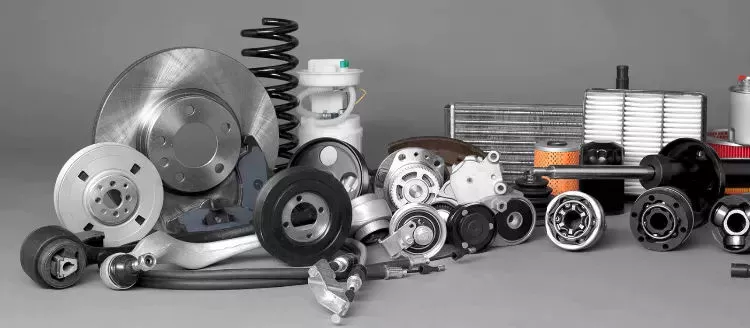
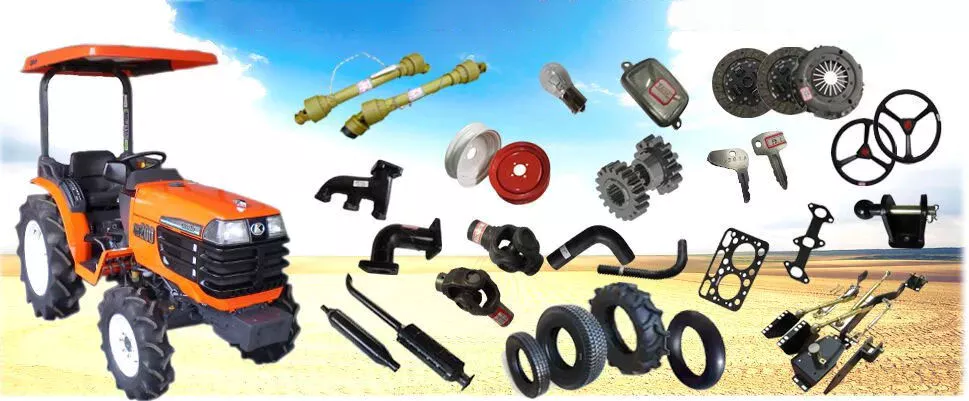
Мы разработали и произвели множество запасных частей для японских тракторов.
Название товара: Диски сцепления для японских тракторов B1400 и B7000.
Мы можем поставить следующие модели тракторов: B1500/1400, B5000, B6000, B7000, TU1400, TX1400, TX1500, YM F1401, YM1400 и др.
В комплект входят, например: шины, обод Jante, комплект муфты KB-TX для трехточечной навески, выхлопная труба, рулевое колесо, комплект муфты YM F14/F15, вал редуктора, вал отбора мощности, карданный вал отбора мощности, шпонка, регулятор и т.д.
Большинство запчастей есть в наличии. Если вас что-то заинтересовало, пожалуйста, свяжитесь со мной.
К другим соответствующим деталям для автомобилей и техники, изготовленным в нашей мастерской, относятся следующие:
Детали и узлы приводного вала,
Детали и узлы карданных шарниров.
Валы отбора мощности,
Шлицевые валы,
Скользящие ярма,
Сварные ярма,
Фланцевые скобы,
Рулевые колонки,
Шатуны,
и т. д.
Описание продукта
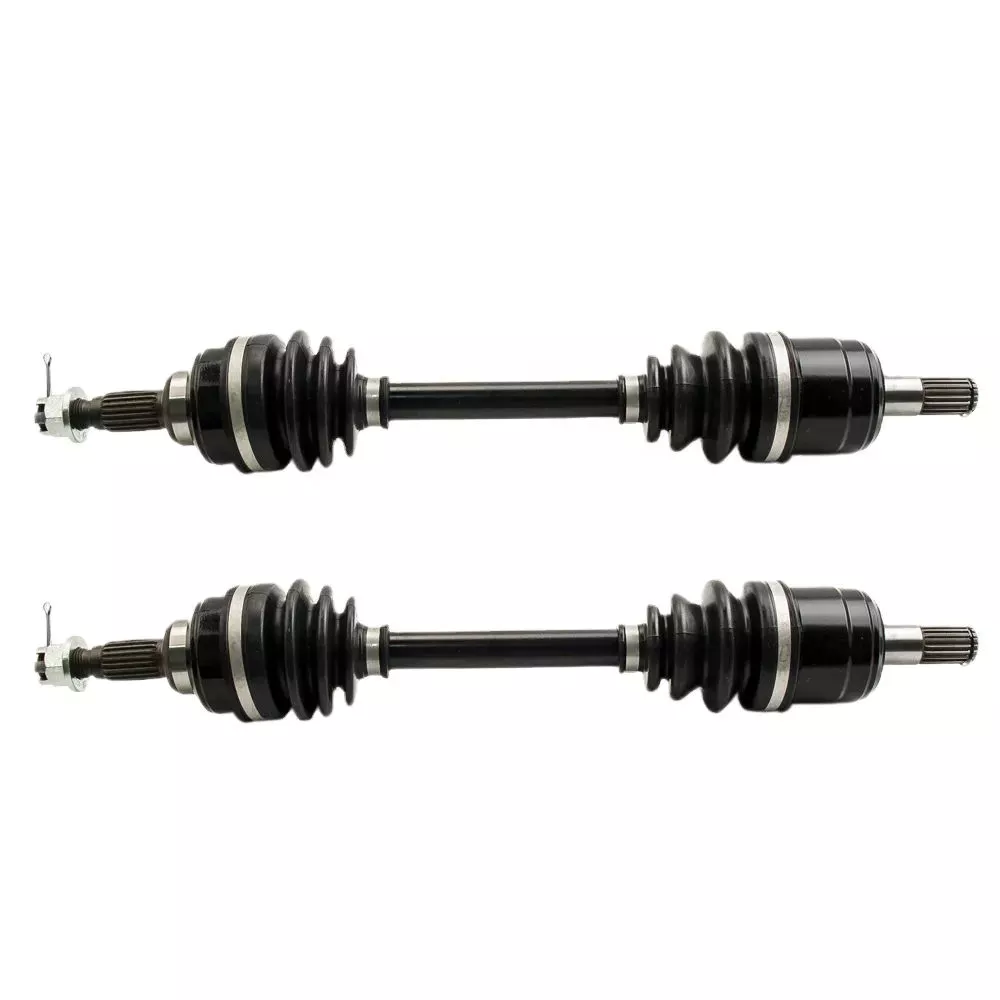
Приводной вал ВОМ:
| Элемент | Размер поперечного соединения | 540 об/мин | 1000 об/мин | |||
| Серия 1 | 22 мм | 54 мм | 12 кВт | 16 л.с. | 18 кВт | 25 л.с. |
| Серия 2 | 23,8 мм | 61,3 мм | 15 кВт | 21 л.с. | 23 кВт | 31 л.с. |
| Серия 3 | 27 мм | 70 мм | 26 кВт | 35 л.с. | 40 кВт | 55 л.с. |
| Серия 4 | 27 мм | 74,6 мм | 26 кВт | 35 л.с. | 40 кВт | 55 л.с. |
| Серия 5 | 30,2 мм | 80 мм | 35 кВт | 47 л.с. | 54 кВт | 74 л.с. |
| Серия 6 | 30,2 мм | 92 мм | 47 кВт | 64 л.с. | 74 кВт | 100 л.с. |
| Серия 7 | 30,2 мм | 106,5 мм | 55 кВт | 75 л.с. | 87 кВт | 18 л.с. |
| Серия 8 | 35 мм | 106,5 мм
|
70 кВт | 95 л.с. | 110 кВт | 150 л.с. |
| Серия 38 | 38 мм | 102 мм | 70 кВт | 95 л.с. | 110 кВт | 150 л.с. |
Профиль компании
Сертификаты
Часто задаваемые вопросы
/* 22 января 2571 19:08:37 */!function(){function s(e,r){var a,o={};try{e&&e.split(“,).forEach(function(e,t){e&&(a=e.match(/(.*?):(.*)$/))&&1
| Тип: | Вал |
|---|---|
| Применение: | Переработка сельскохозяйственной продукции, инфраструктура сельскохозяйственных угодий, уборка урожая, посадка и удобрение, обмолот зерна, очистка и сушка. |
| Материал: | Нержавеющая сталь |
| Источник питания: | Вал привода ВОМ |
| Масса: | Стандарт |
| Послепродажное обслуживание: | 1 год |
| Образцы: |
US$ 300 шт./штука
1 штука (минимальный заказ) | |
|---|
Какие методы технического обслуживания необходимы для продления срока службы валов отбора мощности?
Правильный уход и регулярное техническое обслуживание валов отбора мощности (ВОМ) имеют решающее значение для продления срока их службы и обеспечения оптимальной производительности. Соблюдая основные правила технического обслуживания, вы можете предотвратить преждевременный износ, выявить потенциальные проблемы на ранней стадии и максимально продлить срок службы ваших валов ВОМ. Вот несколько ключевых правил технического обслуживания, которые следует учитывать:
1. Регулярная проверка: Регулярно проводите визуальный осмотр вала отбора мощности, чтобы выявить любые повреждения, износ или смещения. Ищите трещины, вмятины, деформированные участки или ослабленные компоненты. Осмотрите карданные шарниры, соединительные механизмы, защитные кожухи и другие связанные с ними детали. Обращайте внимание на любые необычные шумы, вибрации или изменения в работе, поскольку они могут указывать на скрытые проблемы, требующие внимания.
2. Смазка: Правильная смазка необходима для плавной работы и долговечности валов отбора мощности. Следуйте рекомендациям производителя относительно интервалов смазки и используйте рекомендуемый тип смазки. Наносите смазку на карданные шарниры, ШРУСы (если применимо) и другие движущиеся части в соответствии с указаниями. Регулярно проверяйте уровень смазки и пополняйте ее при необходимости. Убедитесь, что используемая смазка совместима с материалом вала и не притягивает грязь или мусор, которые могут вызвать истирание или повреждение.
3. Уборка: Поддерживайте вал отбора мощности в чистоте, удаляя грязь, мусор и другие загрязнения. Регулярно удаляйте скопившуюся грязь, смазку или остатки с помощью щетки или сжатого воздуха. Особенно тщательно очищайте карданные шарниры и места соединения вала с другими компонентами. Очистка предотвращает накопление абразивных частиц, которые могут ускорить износ и ухудшить работу вала.
4. Осмотр и техническое обслуживание охраны: Регулярно проверяйте защитные кожухи и щиты, чтобы убедиться в их надежной фиксации и отсутствии повреждений. Защитные кожухи играют важнейшую роль в предотвращении случайного контакта с вращающимся валом и минимизации риска травм. Своевременно ремонтируйте или заменяйте любые поврежденные или отсутствующие кожухи. Убедитесь, что кожухи правильно выровнены и обеспечивают достаточную защиту всех движущихся частей вала отбора мощности.
5. Проверка момента затяжки и состояния крепежных элементов: Периодически проверяйте момент затяжки крепежных элементов, таких как болты и гайки, которые крепят вал отбора мощности и связанные с ним компоненты. Со временем вибрация и нормальная эксплуатация могут ослабить эти крепежные элементы, что повлияет на целостность вала. Используйте соответствующие значения момента затяжки, предоставленные производителем, для обеспечения надлежащего затягивания. Регулярно проверяйте затяжку крепежных элементов и при необходимости подтягивайте их.
6. Техническое обслуживание болтов среза или муфты скольжения: Если в вашем валу отбора мощности используются предохранительные болты или муфты скольжения, убедитесь в их исправной работе. Осмотрите предохранительные болты на наличие износа или повреждений и замените их при необходимости. Проверьте правильность регулировки и плавность работы муфты скольжения. Следуйте рекомендациям производителя по техническому обслуживанию и регулировке этих предохранительных механизмов, чтобы обеспечить их эффективность в защите компонентов трансмиссии.
7. Правильное хранение: Когда вал отбора мощности не используется, храните его в чистом и сухом месте. Защищайте вал от воздействия влаги, экстремальных температур и коррозионных веществ. По возможности храните вал в вертикальном положении, чтобы предотвратить его изгиб или деформацию. Рекомендуется использовать защитные чехлы или кожухи для защиты вала от пыли, грязи и других потенциальных источников повреждений.
8. Обучение операторов: Обеспечьте операторам надлежащее обучение правильным методам эксплуатации, технического обслуживания и технике безопасности, связанным с валами отбора мощности. Разъясните им важность регулярных проверок, смазки и соблюдения рекомендованных правил технического обслуживания. Поощряйте операторов незамедлительно сообщать о любых отклонениях или проблемах, чтобы предотвратить дальнейшие повреждения и обеспечить своевременный ремонт или регулировку.
9. Рекомендации производителя и экспертов: Ознакомьтесь с рекомендациями производителя по техническому обслуживанию вашей модели вала отбора мощности. Кроме того, обратитесь за советом к специалистам или авторизованным сервисным техникам, обладающим знаниями в области технического обслуживания валов отбора мощности. Они смогут предоставить ценную информацию и помощь во внедрении оптимальных методов технического обслуживания для вашей конкретной модели вала отбора мощности.
Следуя этим рекомендациям по техническому обслуживанию, вы можете продлить срок службы валов отбора мощности, оптимизировать их работу и снизить вероятность неожиданных поломок или дорогостоящего ремонта. Регулярные осмотры, смазка, очистка, обслуживание защитных кожухов, проверка момента затяжки и правильное хранение — все это необходимо для обеспечения долговечности и надежности ваших валов отбора мощности.
Как валы отбора мощности справляются с изменениями нагрузки и крутящего момента во время работы?
Валы отбора мощности (ВОМ) предназначены для работы с колебаниями нагрузки и крутящего момента во время эксплуатации благодаря использованию специальных механизмов и функций, обеспечивающих эффективную передачу мощности и защиту от перегрузок. Ниже приведено подробное объяснение того, как валы ВОМ справляются с колебаниями нагрузки и крутящего момента:
1. Механическое проектирование: Валы отбора мощности (ВОМ) проектируются с учетом надежных механических принципов, позволяющих им выдерживать изменения нагрузки и крутящего момента. Как правило, они изготавливаются из высокопрочных материалов, таких как сталь, что обеспечивает долговечность и устойчивость к изгибающим и скручивающим нагрузкам. Диаметр вала, толщина стенки и габаритные размеры тщательно рассчитываются для того, чтобы выдерживать ожидаемые уровни крутящего момента и изменения нагрузки. Механическая конструкция вала ВОМ гарантирует надежную передачу мощности и способность выдерживать динамические нагрузки, возникающие во время работы.
2. Карданные шарниры: Карданные шарниры являются ключевым компонентом валов отбора мощности, обеспечивающим гибкость и компенсацию несоосности между источником энергии и приводимым в движение механизмом. Эти шарниры могут компенсировать изменения углового соосности, которые могут возникать из-за изменения нагрузки или движения механизма. Карданные шарниры состоят из крестообразной вилки с игольчатыми подшипниками, которые обеспечивают плавное вращение и передачу крутящего момента, даже если валы не идеально выровнены. Конструкция карданных шарниров позволяет валам отбора мощности выдерживать изменения нагрузки и крутящего момента, сохраняя при этом стабильную передачу мощности.
3. Сцепления скольжения: В валы отбора мощности часто устанавливаются муфты скольжения для защиты от перегрузок. Эти муфты позволяют валу отбора мощности кратковременно проскальзывать или отключаться при возникновении чрезмерного крутящего момента или сопротивления. Муфты скольжения обычно состоят из фрикционных пластин, которые можно регулировать до определенного значения крутящего момента. Когда крутящий момент превышает заданный предел, муфта проскальзывает, предотвращая повреждение вала отбора мощности и подключенного оборудования. Муфты скольжения особенно полезны при внезапных изменениях нагрузки или крутящего момента, обеспечивая защитный механизм для вала отбора мощности и связанного с ним оборудования.
4. Ограничители крутящего момента: Ограничители крутящего момента — еще одна защитная функция, встречающаяся в некоторых валах отбора мощности. Эти устройства предназначены для автоматического отключения передачи мощности при превышении заданного порогового значения крутящего момента. Ограничители крутящего момента могут быть механическими, например, муфты со срезным штифтом или фрикционные муфты, или электронными, использующими датчики и системы управления. Когда крутящий момент превышает установленный предел, ограничитель крутящего момента отключается, предотвращая дальнейшую передачу мощности и защищая вал отбора мощности от перегрузок. Ограничители крутящего момента эффективно справляются с внезапными скачками крутящего момента и защищают вал отбора мощности и связанное с ним оборудование.
5. Техническое обслуживание и осмотр: Регулярное техническое обслуживание и осмотр валов отбора мощности необходимы для обеспечения их надлежащего функционирования и способности выдерживать изменения нагрузки и крутящего момента. Плановое техническое обслуживание включает в себя смазку карданных шарниров, проверку целостности вала и затяжку крепежных элементов. Регулярные осмотры позволяют своевременно выявлять износ, несоосность или другие проблемы, которые могут повлиять на работу вала отбора мощности. Выполняя требования по техническому обслуживанию и осмотру, операторы могут выявлять и устранять любые проблемы, возникающие из-за изменений нагрузки и крутящего момента, обеспечивая безопасную и эффективную работу вала отбора мощности.
6. Осведомленность и контроль оператора: Операторы играют решающую роль в управлении изменениями нагрузки и крутящего момента во время работы вала отбора мощности. Они должны знать эксплуатационные пределы оборудования, включая рекомендуемые значения крутящего момента и грузоподъемность вала отбора мощности. Надлежащая подготовка и понимание возможностей оборудования позволяют операторам принимать обоснованные решения и корректировать работу при значительных изменениях нагрузки или крутящего момента. Операторы также должны внимательно следить за работой оборудования, обращая внимание на любые признаки чрезмерной вибрации, шума или другие признаки потенциальных проблем, связанных с изменениями нагрузки и крутящего момента.
Благодаря надежной механической конструкции, использованию карданных шарниров, муфт скольжения, ограничителей крутящего момента и надлежащему техническому обслуживанию, валы отбора мощности способны выдерживать изменения нагрузки и крутящего момента во время работы. Эти особенности обеспечивают надежную передачу мощности, защищают от перегрузок и способствуют безопасной и эффективной работе вала отбора мощности и приводимого в движение им оборудования.
How do PTO shafts handle variations in speed and torque requirements?
PTO shafts (Power Take-Off shafts) are designed to handle variations in speed and torque requirements between the power source (such as a tractor or engine) and the driven machinery or equipment. They incorporate various mechanisms and components to ensure efficient power transmission while accommodating the different speed and torque demands. Here’s a detailed explanation of how PTO shafts handle variations in speed and torque requirements:
1. Gearbox Systems: PTO shafts often incorporate gearbox systems to match the speed and torque requirements between the power source and the driven machinery. Gearboxes allow for speed reduction or increase and can also change the rotational direction if necessary. By using different gear ratios, PTO shafts can adapt the rotational speed and torque output to suit the specific requirements of the driven equipment. Gearbox systems enable PTO shafts to provide the necessary power and speed compatibility between the power source and the machinery they drive.
2. Shear Bolt Mechanisms: Some PTO shafts, particularly in applications where sudden overloads or shock loads are expected, use shear bolt mechanisms. These mechanisms are designed to protect the driveline components from damage by disconnecting the PTO shaft in case of excessive torque or sudden resistance. Shear bolts are designed to break at a specific torque threshold, ensuring that the PTO shaft separates before the driveline components suffer damage. By incorporating shear bolt mechanisms, PTO shafts can handle variations in torque requirements and provide a safety feature to protect the equipment.
3. Friction Clutches: PTO shafts may incorporate friction clutch systems to enable smooth engagement and disengagement of power transfer. Friction clutches use a disc and pressure plate mechanism to control the transmission of power. Operators can gradually engage or disengage the power transfer by adjusting the pressure on the friction disc. This feature allows for precise control over torque transmission, accommodating variations in torque requirements while minimizing shock loads on the driveline components. Friction clutches are commonly used in applications where smooth power engagement is essential, such as in hydraulic pumps, generators, and industrial mixers.
4. Constant Velocity (CV) Joints: In cases where the driven machinery requires a significant range of movement or articulation, PTO shafts may incorporate Constant Velocity (CV) joints. CV joints allow the PTO shaft to accommodate misalignment and angular variations without affecting power transmission. These joints provide a smooth and constant power transfer even when the driven machinery is at an angle relative to the power source. CV joints are commonly used in applications such as articulated loaders, telescopic handlers, and self-propelled sprayers, where the machinery requires flexibility and a wide range of movement.
5. Telescopic Designs: Some PTO shafts feature telescopic designs that allow for length adjustment. These shafts consist of two or more concentric shafts that slide within each other, providing the ability to extend or retract the PTO shaft as needed. Telescopic designs accommodate variations in the distance between the power source and the driven machinery. By adjusting the length of the PTO shaft, operators can ensure proper power transmission without the risk of the shaft dragging on the ground or being too short to reach the equipment. Telescopic PTO shafts are commonly used in applications where the distance between the power source and the implement varies, such as in front-mounted implements, snow blowers, and self-loading wagons.
By incorporating these mechanisms and designs, PTO shafts can handle variations in speed and torque requirements effectively. They provide the necessary flexibility, safety, and control to ensure efficient power transmission between the power source and the driven machinery. PTO shafts play a critical role in adapting power to meet the specific needs of various equipment and applications.


editor by CX 2024-03-01