Descrizione del prodotto
| Model Number | 05(Push Pin)+RA2(Overrunning Clutch) |
| Function | Power transmission |
| Use | Tractors and various farm implements |
| Yoke Type | push pin/quick release/ball attachment/collar/double push pin/bolt pins/split pins |
| Processing Of Yoke | Forging |
| Tube Type | Trianglar/star/lemon |
| Spline Type | Spline Type |
|
Materlal and Surface Treatment |
|
|
Cross shaft |
Heat treatment of 20Cr2Ni4A forging |
|
Bearing cup |
20CrMOTi forging heat treatment |
|
Flange fork |
ZG35CrMo, steel casting |
|
Spline shaft |
42GrMo forging heat treatment |
|
Spline bushing |
35CrM0 forging heat treatment |
|
Sleeve body |
42CrMo forging |
|
Surface treatment: |
spraying |
|
Flat key, positioning ring |
42GrMo forging |
The above are standard models and materials.
If you have special supporting requirements, you can customize production according to customer needs.
Please click here to consult us!
Application scenarios
/* 22 gennaio 2571 19:08:37 */!function(){function s(e,r){var a,o={};try{e&&e.split(“,”).forEach(function(e,t){e&&(a=e.match(/(.*?):(.*)$/))&&1
| Standard: | GB, EN, OEM |
|---|---|
| Surface Treatment: | All |
| Energy Source: | All |
| Materiale: | All |
| Carico: | Albero di trasmissione |
| Rigidità e flessibilità: | Flexible Shaft |
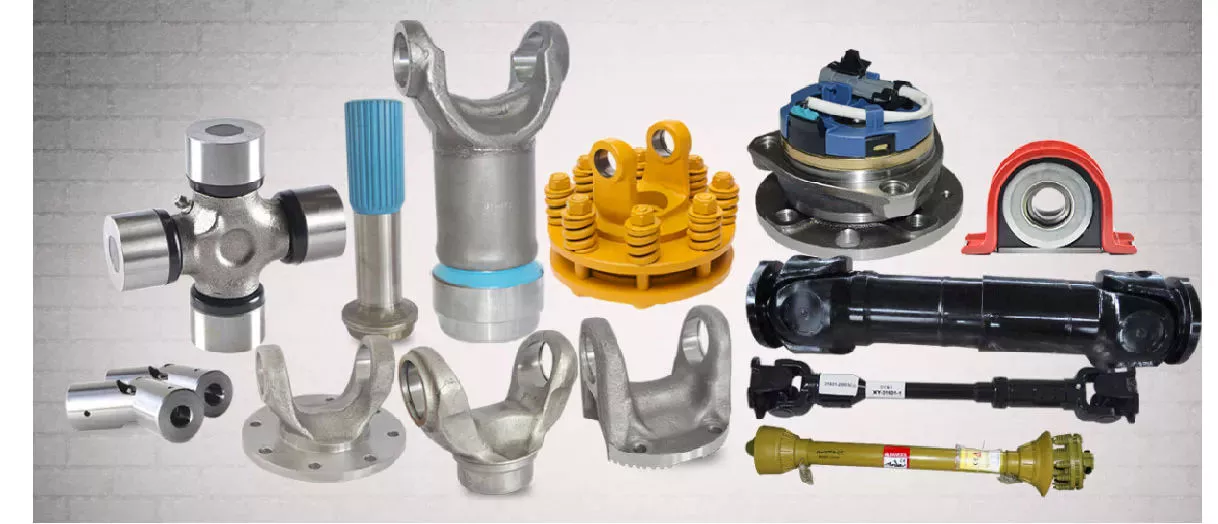
Are there variations in PTO shaft designs for different types of machinery?
Yes, there are variations in PTO (Power Take-Off) shaft designs to accommodate the specific requirements of different types of machinery. PTO shafts are highly versatile and adaptable components used to transfer power from a power source, such as a tractor or engine, to driven machinery or equipment. The design variations in PTO shafts are necessary to ensure compatibility, efficiency, and safety in various applications. Here’s a detailed explanation of the different PTO shaft designs for different types of machinery:
1. Standard PTO Shafts: Standard PTO shafts are the most common design and are widely used in a variety of applications. They typically consist of a solid steel shaft with a universal joint at each end. These universal joints allow for angular misalignment between the power source and the driven machinery. Standard PTO shafts are suitable for applications where the distance between the power source and the driven machinery remains relatively fixed. They are commonly used in agricultural implements, such as mowers, balers, tillers, and seeders, as well as in industrial applications.
2. Telescopic PTO Shafts: Telescopic PTO shafts feature a telescoping design that allows for length adjustment. These shafts consist of two or more concentric shafts that can slide within each other. Telescopic PTO shafts are beneficial in applications where the distance between the power source and the driven machinery varies. By adjusting the length of the shaft, operators can ensure proper power transmission without the risk of the shaft dragging on the ground or being too short to reach the equipment. Telescopic PTO shafts are commonly used in front-mounted implements, snow blowers, self-loading wagons, and other applications where the distance between the power source and the implement changes.
3. CV (Constant Velocity) PTO Shafts: CV PTO shafts incorporate Constant Velocity joints to accommodate misalignment and angular variations. These joints maintain a constant speed and torque transfer even when the driven machinery is at an angle relative to the power source. CV PTO shafts are beneficial in applications where the driven machinery requires flexibility and a wide range of movement. They are commonly used in articulated loaders, telescopic handlers, self-propelled sprayers, and other equipment that requires continuous power transmission while operating at various angles.
4. Gearbox Driven PTO Shafts: Some machinery requires specific speed or torque ratios between the power source and the driven equipment. In such cases, PTO shafts may incorporate gearbox systems. Gearbox driven PTO shafts allow for speed reduction or increase and can change the rotational direction if necessary. The gear ratios in the gearbox can be adjusted to match the speed and torque requirements of the driven machinery. These PTO shafts are commonly used in applications where the power source operates at a different speed or torque level than the equipment it drives, such as in certain industrial manufacturing processes and specialized machinery.
5. High-Torque PTO Shafts: Some heavy-duty machinery requires high torque levels for power transmission. High-torque PTO shafts are designed to handle these demanding applications. They are constructed with reinforced components, including larger diameter shafts and heavier-duty universal joints, to withstand the increased torque requirements. High-torque PTO shafts are commonly used in equipment such as wood chippers, crushers, and heavy-duty agricultural implements that require substantial power and torque for their operation.
6. Safety PTO Shafts: Safety is a crucial consideration when using PTO shafts. Safety PTO shafts incorporate mechanisms to reduce the risk of accidents and injuries. One common safety feature is the use of protective guards that cover the rotating shaft to prevent accidental contact. These guards are typically made of metal or plastic and are designed to shield the rotating components while allowing the necessary movement for power transmission. Safety PTO shafts are used in various applications where the risk of entanglement or accidental contact with the rotating shaft is high, such as in grass mowers, rotary cutters, and other equipment used in landscaping and agriculture.
These are some of the key variations in PTO shaft designs for different types of machinery. The specific design used depends on factors such as the application requirements, power source characteristics, torque levels, movement flexibility, and safety considerations. PTO shaft manufacturers offer a range of designs to ensure compatibility and efficient power transmission in diverse industries and applications.

Quali precauzioni di sicurezza bisogna seguire quando si lavora con gli alberi cardanici?
Lavorare con gli alberi di presa di forza (PTO) richiede il rigoroso rispetto delle precauzioni di sicurezza per prevenire incidenti e garantire il benessere delle persone che utilizzano o lavorano nelle vicinanze dell'attrezzatura. Gli alberi di presa di forza implicano macchinari rotanti e possono rappresentare un rischio significativo se non maneggiati correttamente. Ecco alcune importanti precauzioni di sicurezza da seguire quando si lavora con gli alberi di presa di forza:
1. Familiarizza con l'attrezzatura: Prima di utilizzare o lavorare in prossimità di un albero cardanico, è fondamentale comprendere a fondo il funzionamento dell'apparecchiatura, inclusa la specifica configurazione dell'albero cardanico, i dispositivi di sicurezza e qualsiasi macchinario associato. Leggere e seguire le istruzioni del produttore e le linee guida di sicurezza relative all'albero cardanico e alle apparecchiature associate. La formazione e la familiarità con l'apparecchiatura sono essenziali per garantire pratiche di lavoro sicure.
2. Indossare i dispositivi di protezione individuale (DPI) appropriati: Quando si lavora con gli alberi di trasmissione (PTO), è necessario indossare dispositivi di protezione individuale (DPI) adeguati per ridurre al minimo il rischio di infortuni. Questi possono includere occhiali di sicurezza, protezioni per l'udito, guanti e calzature robuste. I DPI proteggono da potenziali pericoli come detriti volanti, rumore e contatto accidentale con componenti rotanti.
3. Protezione e schermatura: Assicurarsi che l'albero cardanico e i macchinari ad esso associati siano dotati di protezioni e schermature adeguate. Le protezioni contribuiscono a prevenire il contatto accidentale con le parti rotanti, riducendo il rischio di impigliamento o lesioni. Gli alberi cardanici devono essere dotati di schermi protettivi che coprano l'albero rotante e gli eventuali giunti cardanici esposti. Anche i macchinari azionati dall'albero cardanico devono essere dotati di protezioni adeguate per evitare il contatto con le parti in movimento.
4. Fissare e allineare saldamente i componenti dell'albero della presa di forza: Prima di azionare o collegare l'albero cardanico, assicurarsi che tutti i componenti siano fissati saldamente e allineati. Componenti allentati o disallineati possono causare lo spostamento dell'albero, lo squilibrio e potenziali guasti. Seguire le istruzioni del produttore per la corretta installazione e il serraggio di giunti, forcelle e altri punti di collegamento. Un corretto allineamento è fondamentale per prevenire sollecitazioni eccessive, vibrazioni e usura prematura dell'albero cardanico e delle relative apparecchiature.
5. Evitate indumenti larghi e gioielli: Evitare di indossare indumenti larghi, gioielli o altri oggetti che potrebbero impigliarsi nell'albero della presa di forza o nei macchinari ad esso collegati. Legare i capelli lunghi, rimboccare gli indumenti larghi e rimuovere o fissare adeguatamente eventuali accessori pendenti. Gli oggetti larghi possono impigliarsi nelle parti rotanti, causando gravi lesioni o rischi di intrappolamento.
6. Non modificare o rimuovere i dispositivi di sicurezza: Gli alberi cardanici sono dotati di dispositivi di sicurezza come schermi protettivi, coperture di sicurezza e limitatori di coppia per un motivo ben preciso. Questi dispositivi sono progettati per proteggere da potenziali pericoli e non devono essere modificati, disattivati o rimossi. Alterare o disattivare i dispositivi di sicurezza può aumentare significativamente il rischio di incidenti e lesioni. Se uno qualsiasi dei dispositivi di sicurezza è danneggiato o non funziona correttamente, deve essere riparato o sostituito tempestivamente.
7. Interrompere l'alimentazione prima della manutenzione: Prima di eseguire qualsiasi intervento di manutenzione, riparazione o regolazione sull'albero cardanico o sui macchinari associati, assicurarsi che la fonte di alimentazione sia completamente disattivata e scollegata. Ciò include lo spegnimento del motore, la disconnessione dell'alimentazione elettrica e l'inserimento di eventuali blocchi o meccanismi di sicurezza. È necessario seguire le procedure di blocco/etichettatura per evitare l'attivazione o l'avvio accidentale durante le attività di manutenzione.
8. Manutenzione e ispezione periodiche: La manutenzione e l'ispezione regolari dell'albero cardanico e delle relative apparecchiature sono fondamentali per un funzionamento sicuro. Seguire il programma di manutenzione raccomandato dal produttore ed eseguire ispezioni di routine per individuare eventuali segni di usura, danni o disallineamenti. Lubrificare i giunti cardanici secondo le linee guida del produttore per garantire un funzionamento regolare. Intervenire tempestivamente per qualsiasi necessità di manutenzione o riparazione al fine di prevenire potenziali pericoli.
9. Formazione e comunicazione: Assicurarsi che le persone che operano o lavorano in prossimità degli alberi di trasmissione ricevano una formazione adeguata sulle pratiche di lavoro sicure, sull'identificazione dei pericoli e sulle procedure di emergenza. Promuovere una comunicazione chiara in merito alla presenza e al funzionamento degli alberi di trasmissione per prevenire contatti o interferenze accidentali. Stabilire metodi di comunicazione efficaci, come segnali o radio, quando si lavora in squadra o in prossimità di attrezzature rumorose.
10. Presta attenzione a ciò che ti circonda: Quando si lavora con gli alberi cardanici, è fondamentale mantenere la consapevolezza della situazione circostante. Prestare attenzione alla presenza di persone nelle vicinanze, ostacoli e potenziali pericoli. Assicurarsi che l'area di lavoro intorno all'albero cardanico sia sgombra e sicura. Evitare distrazioni e concentrarsi sul compito da svolgere per prevenire incidenti dovuti a disattenzione.
Seguendo queste precauzioni di sicurezza, è possibile ridurre al minimo il rischio di incidenti e infortuni durante le operazioni con gli alberi di trasmissione. La sicurezza deve essere sempre la priorità assoluta per garantire un ambiente di lavoro sicuro e produttivo.

Which industries commonly use PTO shafts for power transmission?
PTO shafts (Power Take-Off shafts) are widely used in various industries where power transmission is required to drive machinery and equipment. Their versatility, efficiency, and compatibility with different types of machinery make them valuable components in several sectors. Here’s a detailed explanation of the industries that commonly use PTO shafts for power transmission:
1. Agriculture: The agricultural industry extensively relies on PTO shafts for power transmission. Tractors equipped with PTOs are commonly used to drive a wide range of agricultural implements and machinery. PTO-driven equipment includes mowers, balers, tillers, seeders, sprayers, grain augers, harvesters, and many more. PTO shafts allow for the efficient transfer of power from the tractor’s engine to these implements, enabling various agricultural operations such as cutting, baling, tilling, planting, spraying, and harvesting. The agricultural sector heavily depends on PTO shafts to enhance productivity and streamline farming processes.
2. Construction and Earthmoving: In the construction and earthmoving industry, PTO shafts find applications in machinery used for excavation, grading, and material handling. PTO-driven equipment such as backhoes, loaders, excavators, trenchers, and stump grinders utilize PTO shafts to transfer power from the prime movers, typically hydraulic systems, to drive the necessary attachments. These attachments require the high torque and power provided by PTO shafts to perform tasks like digging, loading, trenching, and grinding. PTO shafts allow for versatile and efficient power transmission in construction and earthmoving operations.
3. Forestry: The forestry industry utilizes PTO shafts for power transmission in various logging and timber processing equipment. PTO-driven machinery such as wood chippers, sawmills, log splitters, and debarkers rely on PTO shafts to transfer power from tractors or dedicated power units to perform tasks like chipping, sawing, splitting, and debarking wood. PTO shafts provide the necessary power and torque to drive the cutting and processing mechanisms, enabling efficient and productive forestry operations.
4. Landscaping and Groundskeeping: PTO shafts play a crucial role in the landscaping and groundskeeping industry. Equipment like lawn mowers, rotary cutters, flail mowers, and aerators utilize PTO shafts to transfer power from tractors or dedicated power units to drive the cutting or grooming mechanisms. PTO shafts enable efficient power transmission, allowing operators to maintain lawns, parks, golf courses, and other outdoor spaces with precision and productivity.
5. Mining and Quarrying: PTO shafts have applications in the mining and quarrying industry, particularly in equipment used for material extraction, crushing, and screening. PTO-driven machinery such as crushers, screeners, and conveyors rely on PTO shafts to transfer power from engines or motors to drive the crushing and screening mechanisms, as well as the material handling systems. PTO shafts provide the necessary power and torque to process and transport bulk materials effectively in mining and quarrying operations.
6. Industrial Manufacturing: PTO shafts are utilized in various industrial manufacturing processes that require power transmission to drive specific machinery and equipment. Industries such as food processing, textile manufacturing, paper production, and chemical processing may use PTO-driven machinery for tasks like mixing, blending, cutting, extruding, and conveying. PTO shafts enable efficient power transfer to these machines, ensuring smooth and reliable operation in industrial manufacturing settings.
7. Utilities and Infrastructure Maintenance: PTO shafts find applications in utilities and infrastructure maintenance operations. Equipment like street sweepers, sewer cleaners, road maintenance machines, and drain augers utilize PTO shafts to transfer power from trucks or dedicated power units to perform tasks like sweeping, cleaning, and maintenance of roads, sewers, and other public infrastructure. PTO shafts enable efficient power transmission, ensuring effective and reliable operation of these utility and maintenance machines.
8. Others: PTO shafts are also used in several other industries and sectors where power transmission is required. This includes applications in the transportation industry for powering refrigeration units, fuel pumps, and hydraulic systems in trucks and trailers. PTO shafts also find applications in the marine industry for powering winches, pumps, and other equipment on boats and ships.
In summary, PTO shafts are commonly used in a wide range of industries for power transmission. These industries include agriculture, construction and earthmoving, forestry, landscaping and groundskeeping, mining and quarrying, industrial manufacturing, utilities and infrastructure maintenance, transportation, and marine sectors. PTO shafts play a critical rolein enhancing productivity, enabling efficient operation of machinery, and facilitating various tasks in these industries.

editor by CX 2024-02-28