Descrizione del prodotto
CE Certification Agricultural Wide Angle Tractor Factory Supply 6 Spline 540 Pto Drive Shaft for Bush Hog with Yoke Adapter Parts
Descrizione del prodotto
PTO drive shaft
Brand New Replacement PTO shaft for Finish Mowers, Tillers, Spreaders, Hay Tedders and many more applications.
PTO is a series 4, rated for 40HP it has 1-3/8″ 6 spline push pin on both ends for easy installment. Complete with safety shield, The PTO measures 43″ from end to end and has an 58″ maximum extended length.
These PTO shafts fit the following Finish Mowers:
Bush Hog: ATH 600 and ATH 720, ATH 900, FTH 480, FTH 600, FTH 720, MTH 600, MTH 720 Series Mowers;
Landpride: FDR1548, FDR1560, FDR1572, FDR1648, FDR1660, FDR1672, FDR2548, FDR2560, FDR2572, AT2660, AT2672 Series Mowers;
Kubota: BL348A, B342A; Caroni TC480, TC590, TC710, TC910 with spline Input Shaft;
Ever-power most late models with splined input shafts, early models had some with smooth input shaft;
1. PTO Drive Shafts
PTO SHAFT WITH QUICK RELEASE YOKES AND OVER-RUNNING CLUTCH(RA), YOU CAN CHOOSE THE LENGTH
Chinabase is a professional manufacturer of PTO SHAFTS for farm machines and agricultural tractors from China. We provide more than 8 sizes of PTO shafts. There is also a full range of safety devices for agricultural applications. Our products are sold to America, Europe and all over the world. We will supply best quality products in most reasonable price.
Following are the tips how to order your PTO shafts:
2. Closed overall length (or cross to cross) of a PTO shaft.
3. Tubes or Pipes
Disponiamo già di tubi con profilo triangolare e tubi con profilo a limone per tutte le serie che offriamo.
And we have some star tube, splined tube and other profile tubes but only for a certain sizes.
4. End yokes
We’ve got 13 types of splined yokes and 8 types of plain bore yokes. I will suggest the usual type for your reference.
Se non trovate l'articolo che cercate nel nostro catalogo, potete anche inviarci disegni o foto.
5. Safety devices or clutches
I will attach the details of safety devices for your reference. We’ve already have Free wheel (RA), Ratchet torque limiter(SA),
Shear bolt torque limiter(SB), 3types of friction torque limiter (FF,FFS,FCS) and overrunning couplers(adapters) (FAS).
6. For any other more special requirements with plastic guard, connection method, color of painting, package, etc., please feel free to let me know.
Tube types
| Spline tube | Lemon tube |
| Star tube | Trigonal tube |
|
Function of PTO Shaft |
Drive Shaft Parts & Power Transmission |
|
Usage of PTO Shaft |
Kinds of Tractors & Farm Implements |
|
Yoke Types for PTO Shaft |
Double push pin, Bolt pins, Split pins, Pushpin, Quick release, Ball attachment, Collar….. |
|
Processing Of Yoke |
Forging |
|
PTO Shaft Plastic Cover |
YW; BW; YS; BS; Etc |
|
Colors of PTO Shaft |
Green; Orange; Yellow; Black Ect. |
|
PTO Shaft Series |
T1-T10; L1-L6;S6-S10;10HP-150HP with SA,RA,SB,SFF,WA,CV Etc |
|
Tube Types for PTO Shaft |
Lemon, Triangular, Star, Square, Hexangular, Spline, Special Ect |
|
Processing Of Tube |
Cold drawn |
|
Spline Types for PTO Shaft |
1 1/8″ Z6;1 3/8″ Z6; 1 3/8″ Z21 ;1 3/4″ Z20; 1 3/4″ Z6; 8-38*32*6 8-42*36*7; 8-48*42*8; |
Application
Profilo Aziendale
La nostra fabbrica è un produttore leader di giunti cardanici e giunti universali per alberi di presa di forza.
Produciamo giunti cardanici di alta qualità per vari veicoli, macchine edili e attrezzature. Tutti i prodotti sono costruiti con un sistema di azionamento rotante più leggero.
Attualmente esportiamo i nostri prodotti in tutto il mondo, in particolare in Nord America, Sud America, Europa e Russia. Se siete interessati a qualsiasi articolo, non esitate a contattarci. Speriamo di poter diventare presto vostri fornitori.
Packaging & Shipping
Certificazioni
Related products
You can click the picture to learn about relevant products
Installation Instructions
PTO SHAFT INSTALLATION INSTRUCTION
Install assembly
1 press-fit plastic pipe and plastic cap,
2 fill the groove on the CHINAMFG with oil
3. Slide the nylon bearing into the groove 4. Align nylon bearing and plastic protective cover
Disassembly
1. remove the nylon bearing clamp (three places) with a screwdriver, and then separate the steel pipe and plastic protective cover.
2. Take off the nylon bearing from the groove of the yokes.
3. repeat the above-mentioned steps for the other side.
SHORTENING THE PTO DRIVESHAFT
1. Remove the safety shield.
2. Shorten the inner and outer tubes according to the required length, and the inner and outer tubes shall be shortened by the same length at 1 time
3. Deburr edges of the drive tubes with a file and remove all filings from the tubes.
4. Shorten the inner and outer plastic pipes according to the required length, and the inner and outer plastic pipes shall be
shortened by the same length at 1 time.
5. Grease the internal drive tubes and reassemble them with a safety shield.
Check the minimum and maximum length of the driveshaft installed on the machine. In working condition, the drive tubes should overlap 2/3 length and the plastic tube should never be separated
/* 22 gennaio 2571 19:08:37 */!function(){function s(e,r){var a,o={};try{e&&e.split(“,”).forEach(function(e,t){e&&(a=e.match(/(.*?):(.*)$/))&&1
| Materiale: | acciaio al carbonio |
|---|---|
| Carico: | Albero di trasmissione |
| Rigidità e flessibilità: | Flexible Shaft |
| Precisione dimensionale del diametro del perno: | IT6-IT9 |
| Forma dell'asse: | Albero dritto |
| Forma dell'albero: | Asse reale |
| Esempi: |
US$ 9999/Piece
1 pezzo (ordine minimo) | |
|---|
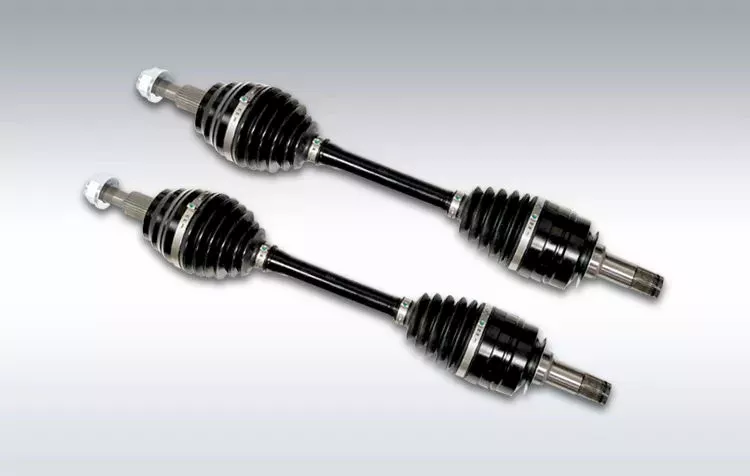
Come si comportano gli alberi cardanici in termini di lunghezza e metodi di collegamento?
Gli alberi di presa di forza (PTO) sono progettati per gestire variazioni di lunghezza e metodi di connessione, al fine di adattarsi a diverse configurazioni di apparecchiature e garantire un trasferimento di potenza efficiente. Gli alberi PTO devono essere regolabili in lunghezza per colmare la distanza tra la fonte di energia e il macchinario azionato. Inoltre, devono offrire metodi di connessione versatili per collegarsi a un'ampia gamma di apparecchiature. Ecco una spiegazione dettagliata di come gli alberi PTO gestiscono le variazioni di lunghezza e i metodi di connessione:
1. Design telescopico: Gli alberi cardanici (PTO) presentano spesso un design telescopico, che consente di regolarne la lunghezza per adattarli a diverse configurazioni di macchinari. La caratteristica telescopica permette all'albero di estendersi o ritrarsi, compensando le diverse distanze tra la fonte di energia (come un trattore o un motore) e il macchinario azionato. Regolando la lunghezza dell'albero cardanico, è possibile allinearlo e collegarlo correttamente per garantire un trasferimento di potenza ottimale. Gli alberi cardanici telescopici sono generalmente costituiti da più sezioni tubolari che scorrono l'una sull'altra, offrendo flessibilità nella regolazione della lunghezza.
2. Alberi scanalati: Gli alberi di presa di forza (PTO) utilizzano comunemente alberi scanalati come metodo di collegamento principale tra la fonte di energia e il macchinario azionato. Le scanalature sono una serie di creste o solchi lungo l'albero che si incastrano con le scanalature corrispondenti nel componente di accoppiamento. Il collegamento scanalato consente il trasferimento della coppia mantenendo l'allineamento tra la fonte di energia e il macchinario azionato. Gli alberi scanalati possono gestire variazioni di lunghezza estendendo o ritraendo le sezioni telescopiche, mantenendo comunque un solido collegamento tra la fonte di energia e l'attrezzatura azionata.
3. Forcelle scorrevoli regolabili: Gli alberi cardanici (PTO) sono generalmente dotati di forcelle scorrevoli regolabili su una o entrambe le estremità. Queste forcelle consentono la regolazione angolare, compensando le variazioni di allineamento tra la fonte di energia e il macchinario azionato. Le forcelle scorrevoli possono essere spostate lungo l'albero scanalato per ottenere l'angolo desiderato e mantenere il corretto allineamento. Questa flessibilità garantisce che l'albero cardanico possa gestire variazioni di lunghezza, assicurando al contempo un efficiente trasferimento di potenza senza sottoporre a sollecitazioni eccessive i giunti cardanici o altri componenti.
4. Giunti universali: I giunti cardanici sono componenti integrali degli alberi cardanici che consentono di compensare il disallineamento angolare tra la fonte di energia e il macchinario azionato. Sono costituiti da una forcella a croce con cuscinetti che trasmettono la coppia tra gli alberi collegati, adattandosi al contempo al disallineamento. I giunti cardanici offrono flessibilità nel collegamento degli alberi cardanici ad apparecchiature che potrebbero non essere perfettamente allineate. Al variare della lunghezza dell'albero cardanico, i giunti cardanici compensano le variazioni di angolo, consentendo una trasmissione di potenza fluida anche in presenza di variazioni di lunghezza o disallineamenti tra la fonte di energia e il macchinario azionato.
5. Meccanismi di accoppiamento: Gli alberi cardanici utilizzano diversi meccanismi di accoppiamento per collegarsi in modo sicuro alla fonte di energia e al macchinario azionato. Questi meccanismi spesso prevedono una combinazione di scanalature, bulloni, perni di bloccaggio o meccanismi a sgancio rapido. I metodi di accoppiamento possono variare a seconda delle specifiche apparecchiature e dei requisiti del settore. La versatilità degli alberi cardanici consente l'utilizzo di diversi metodi di accoppiamento, garantendo una connessione affidabile e sicura indipendentemente dalla lunghezza o dalla configurazione dell'apparecchiatura.
6. Opzioni di personalizzazione: Gli alberi cardanici (PTO) possono essere personalizzati per gestire specifiche variazioni di lunghezza e metodi di collegamento. I produttori offrono la possibilità di selezionare diverse lunghezze di sezioni telescopiche per adattarsi alla distanza specifica tra la fonte di energia e il macchinario azionato. Inoltre, gli alberi cardanici possono essere adattati a vari metodi di collegamento attraverso la selezione di dimensioni dell'albero scanalato, design del giunto e meccanismi di accoppiamento. Questa personalizzazione consente agli alberi cardanici di soddisfare i requisiti specifici di diverse configurazioni di apparecchiature, garantendo un trasferimento di potenza e una compatibilità ottimali.
7. Considerazioni sulla sicurezza: Quando si gestiscono variazioni di lunghezza e metodi di connessione, è fondamentale considerare la sicurezza. Gli alberi cardanici (PTO) sono dotati di protezioni e schermi per prevenire il contatto accidentale con i componenti rotanti. Queste misure di sicurezza devono essere regolate e installate correttamente per garantire una copertura e una protezione adeguate, indipendentemente dalla lunghezza dell'albero cardanico o dalla configurazione di connessione. È necessario attenersi alle linee guida e alle normative di sicurezza per garantire la corretta installazione, regolazione e utilizzo degli alberi cardanici al fine di prevenire incidenti o infortuni.
Grazie all'integrazione di design telescopici, alberi scanalati, forcelle scorrevoli regolabili, giunti universali e meccanismi di accoppiamento versatili, gli alberi cardanici (PTO) possono gestire variazioni di lunghezza e metodi di connessione. La flessibilità degli alberi cardanici consente loro di adattarsi a diverse configurazioni di apparecchiature, garantendo un trasferimento di potenza efficiente, mantenendo al contempo allineamento e sicurezza.
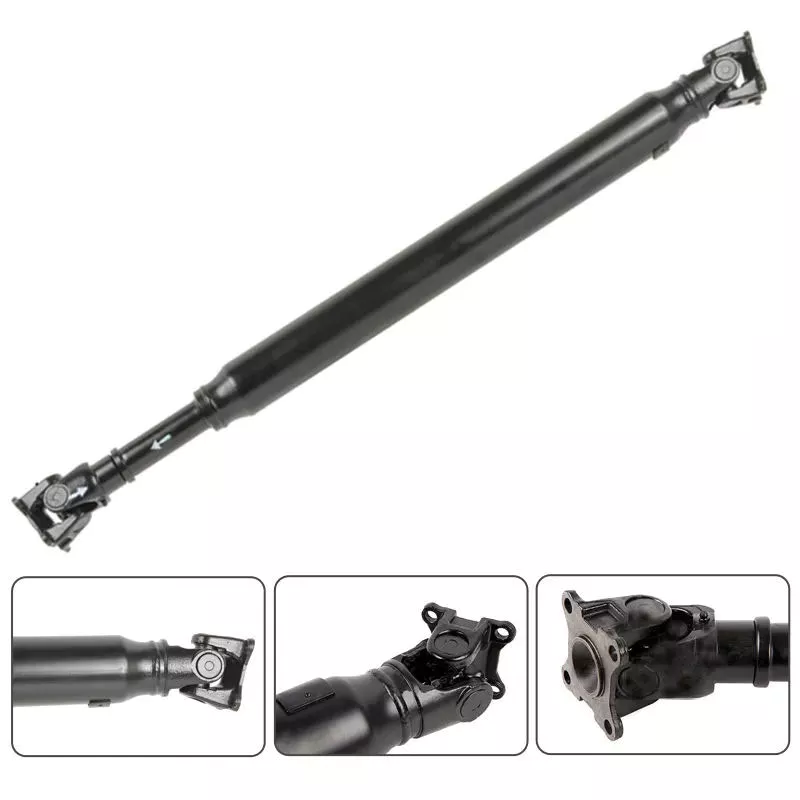
Esistono limitazioni o svantaggi associati agli alberi cardanici?
Sebbene gli alberi di presa di forza (PTO) offrano numerosi vantaggi in termini di trasferimento di potenza e versatilità, presentano anche alcune limitazioni e svantaggi. È importante considerare questi fattori quando si utilizzano gli alberi di presa di forza per garantire un funzionamento sicuro ed efficiente. Ecco una spiegazione dettagliata di alcune limitazioni e svantaggi associati agli alberi di presa di forza:
1. Rischi per la sicurezza: Una delle principali preoccupazioni relative agli alberi cardanici (PTO) riguarda i potenziali rischi per la sicurezza. Gli alberi cardanici ruotano ad alta velocità e possono rappresentare un rischio significativo se non adeguatamente protetti o maneggiati. Il contatto accidentale con un albero cardanico esposto o non adeguatamente protetto può provocare lesioni gravi, tra cui impigliamento, amputazione o persino decesso. È fondamentale seguire le linee guida di sicurezza, implementare protezioni adeguate e garantire che gli operatori siano ben addestrati sulle pratiche di manipolazione sicure per mitigare tali rischi.
2. Manutenzione e lubrificazione: Gli alberi cardanici richiedono manutenzione e lubrificazione regolari per garantire prestazioni ottimali e una lunga durata. Le parti mobili, come i giunti cardanici e le scanalature, devono essere ispezionate, pulite e lubrificate agli intervalli raccomandati. Trascurare la manutenzione può portare a usura precoce, riduzione dell'efficienza e potenziali guasti. Una corretta manutenzione, che includa ispezioni regolari e lubrificazione tempestiva, è essenziale per mitigare questi problemi.
3. Allineamento e angoli: Gli alberi cardanici (PTO) si basano su un corretto allineamento e angoli precisi per garantire un efficiente trasferimento di potenza. Un disallineamento o angoli eccessivi tra la fonte di energia e il macchinario azionato possono causare un'usura e una sollecitazione maggiori sui componenti, portando a guasti prematuri. Garantire un corretto allineamento e la regolazione dell'angolo, utilizzando forcelle scorrevoli regolabili o altri sistemi, è importante per evitare sollecitazioni eccessive sull'albero cardanico e sulle apparecchiature associate.
4. Limiti di lunghezza: Gli alberi cardanici (PTO) presentano limitazioni in termini di lunghezza massima e minima dovute a vincoli ingegneristici. Il design telescopico consente una certa regolazione, ma esiste un limite pratico all'estensione o alla retrazione dell'albero. Se la distanza tra la fonte di energia e il macchinario azionato supera la lunghezza massima o scende al di sotto della lunghezza minima dell'albero cardanico, potrebbero essere necessarie soluzioni alternative o modifiche. In alcuni casi, potrebbero essere necessari componenti aggiuntivi come prolunghe dell'albero motore o riduttori per colmare la distanza.
5. Compatibilità: Sebbene i produttori si impegnino per garantire la compatibilità, può comunque risultare difficile trovare l'albero cardanico giusto per specifiche configurazioni di apparecchiature. Le apparecchiature possono avere requisiti unici in termini di dimensioni delle scanalature, valori di coppia o metodi di connessione che potrebbero non essere facilmente reperibili o compatibili con gli alberi cardanici standard. Potrebbe essere necessaria una personalizzazione per risolvere questi problemi di compatibilità, il che può comportare un aumento dei costi o dei tempi di consegna.
6. Rumore e vibrazioni: Gli alberi cardanici in funzione possono generare rumore e vibrazioni significativi, soprattutto ad alte velocità. Ciò può rappresentare un fastidio per gli operatori e potrebbe richiedere l'adozione di misure aggiuntive per ridurre i livelli di rumore o smorzare le vibrazioni. Vibrazioni eccessive possono inoltre compromettere le prestazioni complessive e la durata dell'albero cardanico e delle apparecchiature collegate. L'implementazione di smorzatori di vibrazioni o l'utilizzo di giunti flessibili possono contribuire a mitigare questi problemi.
7. Limiti di potenza: Gli alberi cardanici (PTO) hanno limiti di potenza specifici in base alla loro progettazione, ai materiali e ai componenti. Il superamento di questi limiti può causare usura precoce, guasti ai componenti o persino la rottura dell'albero. È fondamentale comprendere e rispettare i valori di potenza raccomandati per gli alberi cardanici al fine di garantire un funzionamento sicuro e affidabile. In alcuni casi, potrebbe essere necessario passare a un albero cardanico di maggiore capacità o implementare componenti di trasmissione di potenza aggiuntivi per soddisfare i requisiti di potenza più elevati.
8. Installazione e rimozione complesse: L'installazione e la rimozione degli alberi cardanici (PTO) possono essere processi complessi, soprattutto in spazi ristretti o quando si ha a che fare con macchinari pesanti. Potrebbe essere necessario allineare le scanalature, innestare i giunti e fissare i meccanismi di bloccaggio. Tecniche di installazione o rimozione errate possono causare danni all'albero o alle apparecchiature associate. Una formazione adeguata, l'utilizzo di attrezzature idonee e il rispetto delle linee guida del produttore sono essenziali per semplificare e garantire l'installazione e la rimozione in sicurezza degli alberi cardanici.
Nonostante questi limiti e svantaggi, gli alberi cardanici rimangono componenti ampiamente utilizzati e preziosi per la trasmissione di potenza in diversi settori industriali. Affrontando queste problematiche e implementando adeguate misure di sicurezza, pratiche di manutenzione e procedure di allineamento, i potenziali inconvenienti degli alberi cardanici possono essere efficacemente mitigati, consentendo un funzionamento sicuro ed efficiente.

Quali vantaggi offrono gli alberi cardanici per diverse tipologie di macchinari?
Gli alberi di presa di forza (PTO) offrono numerosi vantaggi per diverse tipologie di macchinari in ambito agricolo e industriale. Forniscono un mezzo flessibile ed efficiente per la trasmissione di potenza, consentendo ai macchinari di svolgere compiti e funzioni specifici. Ecco una spiegazione dettagliata dei vantaggi offerti dagli alberi di presa di forza per diverse tipologie di macchinari:
Versatilità: Gli alberi cardanici contribuiscono alla versatilità dei macchinari, consentendo di alimentarli con un'unica fonte di energia, come un trattore o un motore. Ciò significa che una singola fonte di energia può essere utilizzata per azionare più attrezzi o macchinari semplicemente collegando e scollegando l'albero cardanico. Ad esempio, in agricoltura, un trattore dotato di albero cardanico può alimentare diversi attrezzi come falciatrici, presse, fresatrici, irroratrici e coclee per cereali. Analogamente, nelle applicazioni industriali, gli alberi cardanici consentono l'utilizzo di un singolo motore per alimentare diverse macchine o attrezzature, come generatori, pompe, compressori e miscelatori industriali.
Efficienza: Gli alberi cardanici (PTO) offrono un metodo efficiente per il trasferimento di potenza dalla fonte di energia al macchinario. Collegando direttamente la fonte di energia alla macchina azionata, gli alberi cardanici riducono al minimo le perdite di energia che possono verificarsi con altri metodi di trasmissione. Questo trasferimento diretto di potenza si traduce in una maggiore efficienza e prestazioni complessive del macchinario. Inoltre, gli alberi cardanici consentono di regolare la velocità di rotazione e la potenza erogata in base alle esigenze specifiche del macchinario, garantendo un funzionamento ottimale e riducendo il consumo energetico superfluo.
Risparmio sui costi: L'utilizzo di alberi cardanici (PTO) può portare a risparmi sui costi in diversi modi. In primo luogo, utilizzando un'unica fonte di energia per azionare più macchine o attrezzature, si elimina la necessità di motori separati per ogni singolo macchinario, riducendo i costi di investimento. In secondo luogo, gli alberi cardanici eliminano la necessità di ulteriori fonti di carburante o energia, poiché attingono alla fonte di alimentazione esistente, con conseguente riduzione delle spese per carburante o energia. Inoltre, la versatilità offerta dagli alberi cardanici consente un migliore utilizzo delle attrezzature, massimizzando il ritorno sull'investimento.
Flessibilità: Gli alberi cardanici (PTO) offrono flessibilità in termini di impostazione e configurazione delle apparecchiature. Possono essere regolati in lunghezza o dotati di sezioni telescopiche, consentendo un facile adattamento a diverse configurazioni e distanze variabili tra la fonte di energia e le macchine azionate. Questa flessibilità permette agli operatori di collegare e scollegare rapidamente gli alberi cardanici secondo necessità, facilitando cambi di attrezzatura efficienti e riducendo i tempi di inattività. Inoltre, la possibilità di regolare la velocità di rotazione e la potenza erogata dagli alberi cardanici aggiunge ulteriore flessibilità, adattandosi alle esigenze specifiche di diverse macchine e applicazioni.
Facilità d'uso: Gli alberi cardanici (PTO) sono relativamente facili da usare, il che li rende accessibili anche a operatori con una formazione minima. Il processo di collegamento e scollegamento degli alberi cardanici è semplice e spesso prevede l'utilizzo di un semplice giunto o meccanismo di bloccaggio. Questa facilità d'uso migliora l'operatività delle attrezzature, consentendo agli operatori di passare rapidamente da un attrezzo all'altro o da una macchina all'altra senza sforzi significativi o procedure che richiedono molto tempo. Inoltre, il trasferimento diretto di potenza attraverso gli alberi cardanici semplifica il funzionamento delle attrezzature, poiché i macchinari possono essere alimentati dalla fonte di energia esistente senza la necessità di controlli aggiuntivi o sistemi di gestione dell'energia.
Aumento della produttività: Gli alberi cardanici contribuiscono ad aumentare la produttività nelle operazioni agricole e industriali. Consentendo l'utilizzo di configurazioni di macchinari versatili, gli operatori possono svolgere un'ampia gamma di attività utilizzando un'unica fonte di energia. Ciò elimina la necessità di lavoro manuale o l'utilizzo di più macchine, semplificando il flusso di lavoro e riducendo il tempo necessario per completare le diverse operazioni. L'efficienza e l'affidabilità della trasmissione di potenza attraverso gli alberi cardanici contribuiscono inoltre a migliorare la produttività, garantendo un funzionamento costante ed efficace dei macchinari, con conseguente aumento della produzione e riduzione dei tempi di inattività.
Sicurezza: Sebbene non direttamente correlate alle prestazioni dei macchinari, le prese di forza (PTO) offrono anche vantaggi in termini di sicurezza. L'installazione di schermi o protezioni sulle prese di forza contribuisce a prevenire il contatto accidentale con l'albero rotante, riducendo il rischio di infortuni per gli operatori. Questi dispositivi di sicurezza sono progettati per coprire l'albero rotante e i giunti cardanici, garantendo che gli operatori non possano entrarvi in contatto durante il funzionamento. Una formazione adeguata sul funzionamento delle prese di forza e il rispetto delle norme di sicurezza migliorano ulteriormente la sicurezza degli operatori che lavorano con macchinari azionati da presa di forza.
In sintesi, gli alberi cardanici offrono una serie di vantaggi per diverse tipologie di macchinari. Tra questi, maggiore versatilità, migliore efficienza, risparmio sui costi, flessibilità nella configurazione delle attrezzature, facilità d'uso, aumento della produttività e maggiore sicurezza per l'operatore. Gli alberi cardanici svolgono un ruolo cruciale nelle applicazioni agricole e industriali, consentendo il trasferimento diretto di potenza da una fonte comune a diverse macchine o attrezzature, con conseguente ottimizzazione delle prestazioni e dell'efficacia operativa.


editor by CX 2024-03-06