Descrizione del prodotto
Key attributes of pto cardan shaft turbine generator shaft optical axis universal joint shaft
Industry-specific attributes of pto cardan shaft turbine generator shaft optical axis universal joint shaft
| CNC Machining or Not | Cnc Machining |
| Material Capabilities | Aluminum, Brass, Bronze, Copper, Hardened Metals, Precious Metals, Stainless steel, Steel Alloys |
Other attributes of pto cardan shaft turbine generator shaft optical axis universal joint shaft
| Place of Origin | ZheJiang , China |
| Type | Broaching, DRILLING, Etching / Chemical Machining, Laser Machining, Milling, Other Machining Services, Turning, Wire EDM |
| Model Number | OEM |
| Brand Name | OEM |
| Material | Metal |
| Process | Cnc Machining+deburrs |
| Surface treatment | Customer’s Request |
| Equipment | CNC Machining Centres / Core moving machine / precision lathe / Automatic loading and unloading equipment |
| Processing Type | Milling / Turning / Stamping |
| OEM/ODM | OEM & ODM CNC Milling Turning Machining Service |
| Drawing Format | 2D/(PDF/CAD)3D(IGES/STEP) |
| Our Service | OEM ODM Customers’drawing |
| Materials Avaliable | Stainless Steel / Aluminum / Metals / Copper / Plastic |
Best Seller of 304 Stainless Steel Polishing Finishing CNC Machining Bracket for Laser Cutting
About YiSheng
| Business Type | Factory / Manufacturer |
| Service | CNC Machining |
| Turning and Milling | |
| CNC Turning | |
| OEM Parts | |
| Material | 1). Aluminum: AL 6061-T6, 6063, 7075-T etc |
| 2). Stainless steel: 303,304,316L, 17-4(SUS630) etc | |
| 3). Steel: 4140, Q235, Q345B,20#,45# etc. | |
| 4). Titanium: TA1,TA2/GR2, TA4/GR5, TC4, TC18 etc | |
| 5). Brass: C36000 (HPb62), C37700 (HPb59), C26800 (H68), C22000(H90) etc | |
| 6). Copper, bronze, Magnesium alloy, Delrin, POM,Acrylic, PC, etc. | |
| Finish | Sandblasting, Anodize color, Blackenning, Zinc/Nickl Plating, Polish, |
| Power coating, Passivation PVD, Titanium Plating, Electrogalvanizing, | |
| electroplating chromium, electrophoresis, QPQ(Quench-Polish-Quench), | |
| Electro Polishing,Chrome Plating, Knurl, Laser etch Logo, etc. | |
| Main Equipment | CNC Machining center, CNC Lathe, precision lathe |
| Automatic loading and unloading equipment | |
| Core moving machine | |
| Drawing format | STEP,STP,GIS,CAD,PDF,DWG,DXF etc or samples. |
| Tolerance | +/-0.001mm ~ +/-0.05mm |
| Surface roughness | Ra 0.1~3.2 |
| Test Equipment | Complete test lab with Projector, High-low temperature test chamber, Tensile tester Gauge, Salt fog test |
| Inspection | Complete inspection lab with Micrometer, Optical Comparator, Caliper Vernier,CMM |
| Depth Caliper Vernier, Universal Protractor, Clock Gauge | |
| Capacity | CNC turning work range: φ0.5mm-φ150mm*300mm |
| CNC center work range: 510mm*850mm*500mm | |
| Core moving machine work range: φ32mm*85mm | |
| Gerenal Tolerance: (+/-mm) |
CNC Machining: 0.005 |
| Core moving: 0.005 | |
| Turning: 0.005 | |
| Grinding(Flatness/in2): 0.003 | |
| ID/OD Grinding: 0.002 | |
| Wire-Cutting: 0.002 |
RFQ of pto cardan shaft turbine generator shaft optical axis universal joint shaft
| Servizio post-vendita: | Y |
|---|---|
| Garanzia: | Negotiate |
| Condition: | New |
| Personalizzazione: |
Disponibile
| Richiesta personalizzata |
|---|
.shipping-cost-tm .tm-status-off{background: none;padding:0;color: #1470cc}
|
Shipping Cost:
Estimated freight per unit. |
about shipping cost and estimated delivery time. |
|---|
| Payment Method: |
|
|---|---|
|
Initial Payment Full Payment |
| Currency: | US$ |
|---|
| Return&refunds: | You can apply for a refund up to 30 days after receipt of the products. |
|---|
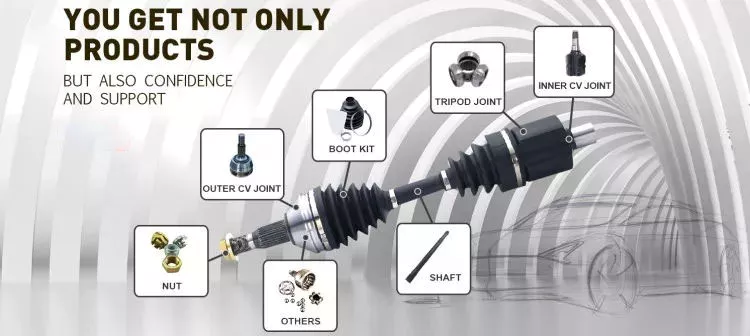
What factors should be considered when selecting the right PTO shaft for an application?
When selecting the right Power Take-Off (PTO) shaft for an application, several factors need to be considered to ensure optimal performance, safety, and compatibility. PTO shafts are crucial components that transmit power from a power source to driven machinery or equipment. Here are the key factors to consider when selecting the appropriate PTO shaft for an application:
1. Power Requirements: The power requirements of the driven machinery play a vital role in determining the appropriate PTO shaft. Consider the horsepower (HP) or kilowatt (kW) rating of the power source and ensure that the PTO shaft can handle the required power transmission. It is essential to match the power capacity of the PTO shaft with the power output of the power source to ensure efficient and reliable operation.
2. Speed and Torque Requirements: Consider the speed and torque requirements of the driven machinery. Determine the desired rotational speed and torque levels necessary for the equipment to operate effectively. Some applications require specific speed or torque ratios, while others may require variable speeds. Ensure that the selected PTO shaft can handle the required speed and torque range to provide the necessary power transfer.
3. Shaft Type and Design: Evaluate the type and design of the PTO shaft to ensure compatibility with the application. Consider factors such as the distance between the power source and the driven machinery, the need for angular misalignment, and the flexibility of movement required. Different shaft types, such as standard, telescopic, or Constant Velocity (CV) shafts, offer varying capabilities to accommodate different application requirements.
4. Considerazioni sulla sicurezza: Safety is a critical factor when selecting a PTO shaft. Assess the safety features provided by the PTO shaft, such as protective guards, shear bolt mechanisms, or other safety devices. Protective guards should be in place to prevent accidental contact with the rotating shaft. Shear bolt mechanisms can protect the driveline components from damage in case of excessive torque or sudden resistance. Prioritize safety features that align with the specific hazards and risks associated with the application.
5. Application Specifics: Consider the unique requirements of the application. Factors such as the type of machinery, industry sector, environmental conditions, and operating conditions should be taken into account. For example, agricultural applications may require PTO shafts that can handle debris and dirt accumulation, while industrial applications may require PTO shafts with high corrosion resistance or special sealing to protect against contaminants.
6. Compatibility and Interchangeability: Ensure that the selected PTO shaft is compatible with the power source and the driven machinery. Consider factors such as the shaft diameter, spline size, and connection type. Check if the PTO shaft adheres to industry standards and if it can be easily interchanged with other compatible components in case of replacement or upgrading needs. Compatibility and interchangeability can simplify maintenance and reduce downtime.
7. Manufacturer and Quality: Choose a reputable manufacturer or supplier to ensure the quality and reliability of the PTO shaft. Look for manufacturers with a track record of producing high-quality PTO shafts that meet industry standards and regulations. Consider factors such as warranty, after-sales support, and availability of spare parts when making a selection.
By considering these factors, you can select the right PTO shaft that meets the power, speed, torque, safety, and application requirements. It is advisable to consult with experts, such as equipment manufacturers or PTO shaft specialists, to ensure an optimal match between the PTO shaft and the application.
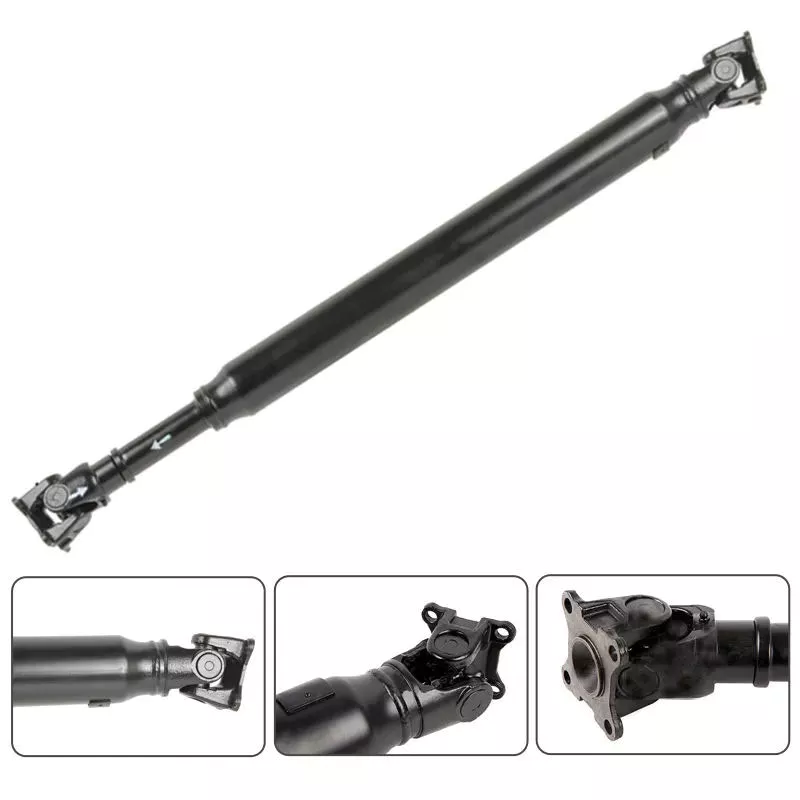
Esistono limitazioni o svantaggi associati agli alberi cardanici?
Sebbene gli alberi di presa di forza (PTO) offrano numerosi vantaggi in termini di trasferimento di potenza e versatilità, presentano anche alcune limitazioni e svantaggi. È importante considerare questi fattori quando si utilizzano gli alberi di presa di forza per garantire un funzionamento sicuro ed efficiente. Ecco una spiegazione dettagliata di alcune limitazioni e svantaggi associati agli alberi di presa di forza:
1. Rischi per la sicurezza: Una delle principali preoccupazioni relative agli alberi cardanici (PTO) riguarda i potenziali rischi per la sicurezza. Gli alberi cardanici ruotano ad alta velocità e possono rappresentare un rischio significativo se non adeguatamente protetti o maneggiati. Il contatto accidentale con un albero cardanico esposto o non adeguatamente protetto può provocare lesioni gravi, tra cui impigliamento, amputazione o persino decesso. È fondamentale seguire le linee guida di sicurezza, implementare protezioni adeguate e garantire che gli operatori siano ben addestrati sulle pratiche di manipolazione sicure per mitigare tali rischi.
2. Manutenzione e lubrificazione: Gli alberi cardanici richiedono manutenzione e lubrificazione regolari per garantire prestazioni ottimali e una lunga durata. Le parti mobili, come i giunti cardanici e le scanalature, devono essere ispezionate, pulite e lubrificate agli intervalli raccomandati. Trascurare la manutenzione può portare a usura precoce, riduzione dell'efficienza e potenziali guasti. Una corretta manutenzione, che includa ispezioni regolari e lubrificazione tempestiva, è essenziale per mitigare questi problemi.
3. Allineamento e angoli: Gli alberi cardanici (PTO) si basano su un corretto allineamento e angoli precisi per garantire un efficiente trasferimento di potenza. Un disallineamento o angoli eccessivi tra la fonte di energia e il macchinario azionato possono causare un'usura e una sollecitazione maggiori sui componenti, portando a guasti prematuri. Garantire un corretto allineamento e la regolazione dell'angolo, utilizzando forcelle scorrevoli regolabili o altri sistemi, è importante per evitare sollecitazioni eccessive sull'albero cardanico e sulle apparecchiature associate.
4. Limiti di lunghezza: Gli alberi cardanici (PTO) presentano limitazioni in termini di lunghezza massima e minima dovute a vincoli ingegneristici. Il design telescopico consente una certa regolazione, ma esiste un limite pratico all'estensione o alla retrazione dell'albero. Se la distanza tra la fonte di energia e il macchinario azionato supera la lunghezza massima o scende al di sotto della lunghezza minima dell'albero cardanico, potrebbero essere necessarie soluzioni alternative o modifiche. In alcuni casi, potrebbero essere necessari componenti aggiuntivi come prolunghe dell'albero motore o riduttori per colmare la distanza.
5. Compatibilità: Sebbene i produttori si impegnino per garantire la compatibilità, può comunque risultare difficile trovare l'albero cardanico giusto per specifiche configurazioni di apparecchiature. Le apparecchiature possono avere requisiti unici in termini di dimensioni delle scanalature, valori di coppia o metodi di connessione che potrebbero non essere facilmente reperibili o compatibili con gli alberi cardanici standard. Potrebbe essere necessaria una personalizzazione per risolvere questi problemi di compatibilità, il che può comportare un aumento dei costi o dei tempi di consegna.
6. Rumore e vibrazioni: Gli alberi cardanici in funzione possono generare rumore e vibrazioni significativi, soprattutto ad alte velocità. Ciò può rappresentare un fastidio per gli operatori e potrebbe richiedere l'adozione di misure aggiuntive per ridurre i livelli di rumore o smorzare le vibrazioni. Vibrazioni eccessive possono inoltre compromettere le prestazioni complessive e la durata dell'albero cardanico e delle apparecchiature collegate. L'implementazione di smorzatori di vibrazioni o l'utilizzo di giunti flessibili possono contribuire a mitigare questi problemi.
7. Limiti di potenza: Gli alberi cardanici (PTO) hanno limiti di potenza specifici in base alla loro progettazione, ai materiali e ai componenti. Il superamento di questi limiti può causare usura precoce, guasti ai componenti o persino la rottura dell'albero. È fondamentale comprendere e rispettare i valori di potenza raccomandati per gli alberi cardanici al fine di garantire un funzionamento sicuro e affidabile. In alcuni casi, potrebbe essere necessario passare a un albero cardanico di maggiore capacità o implementare componenti di trasmissione di potenza aggiuntivi per soddisfare i requisiti di potenza più elevati.
8. Installazione e rimozione complesse: L'installazione e la rimozione degli alberi cardanici (PTO) possono essere processi complessi, soprattutto in spazi ristretti o quando si ha a che fare con macchinari pesanti. Potrebbe essere necessario allineare le scanalature, innestare i giunti e fissare i meccanismi di bloccaggio. Tecniche di installazione o rimozione errate possono causare danni all'albero o alle apparecchiature associate. Una formazione adeguata, l'utilizzo di attrezzature idonee e il rispetto delle linee guida del produttore sono essenziali per semplificare e garantire l'installazione e la rimozione in sicurezza degli alberi cardanici.
Nonostante questi limiti e svantaggi, gli alberi cardanici rimangono componenti ampiamente utilizzati e preziosi per la trasmissione di potenza in diversi settori industriali. Affrontando queste problematiche e implementando adeguate misure di sicurezza, pratiche di manutenzione e procedure di allineamento, i potenziali inconvenienti degli alberi cardanici possono essere efficacemente mitigati, consentendo un funzionamento sicuro ed efficiente.
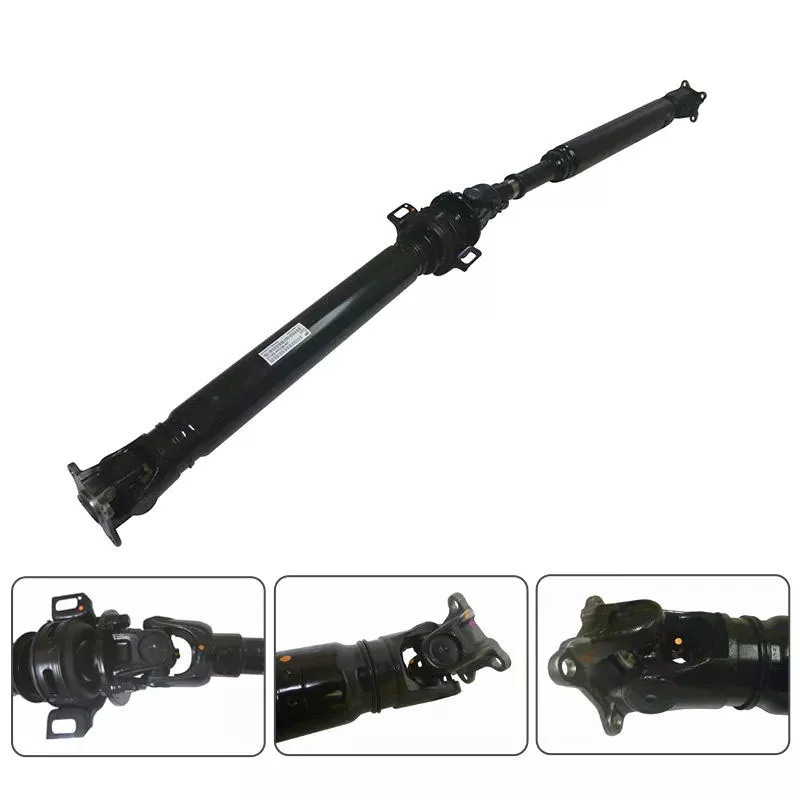
Quali vantaggi offrono gli alberi cardanici per diverse tipologie di macchinari?
Gli alberi di presa di forza (PTO) offrono numerosi vantaggi per diverse tipologie di macchinari in ambito agricolo e industriale. Forniscono un mezzo flessibile ed efficiente per la trasmissione di potenza, consentendo ai macchinari di svolgere compiti e funzioni specifici. Ecco una spiegazione dettagliata dei vantaggi offerti dagli alberi di presa di forza per diverse tipologie di macchinari:
Versatilità: Gli alberi cardanici contribuiscono alla versatilità dei macchinari, consentendo di alimentarli con un'unica fonte di energia, come un trattore o un motore. Ciò significa che una singola fonte di energia può essere utilizzata per azionare più attrezzi o macchinari semplicemente collegando e scollegando l'albero cardanico. Ad esempio, in agricoltura, un trattore dotato di albero cardanico può alimentare diversi attrezzi come falciatrici, presse, fresatrici, irroratrici e coclee per cereali. Analogamente, nelle applicazioni industriali, gli alberi cardanici consentono l'utilizzo di un singolo motore per alimentare diverse macchine o attrezzature, come generatori, pompe, compressori e miscelatori industriali.
Efficienza: Gli alberi cardanici (PTO) offrono un metodo efficiente per il trasferimento di potenza dalla fonte di energia al macchinario. Collegando direttamente la fonte di energia alla macchina azionata, gli alberi cardanici riducono al minimo le perdite di energia che possono verificarsi con altri metodi di trasmissione. Questo trasferimento diretto di potenza si traduce in una maggiore efficienza e prestazioni complessive del macchinario. Inoltre, gli alberi cardanici consentono di regolare la velocità di rotazione e la potenza erogata in base alle esigenze specifiche del macchinario, garantendo un funzionamento ottimale e riducendo il consumo energetico superfluo.
Risparmio sui costi: L'utilizzo di alberi cardanici (PTO) può portare a risparmi sui costi in diversi modi. In primo luogo, utilizzando un'unica fonte di energia per azionare più macchine o attrezzature, si elimina la necessità di motori separati per ogni singolo macchinario, riducendo i costi di investimento. In secondo luogo, gli alberi cardanici eliminano la necessità di ulteriori fonti di carburante o energia, poiché attingono alla fonte di alimentazione esistente, con conseguente riduzione delle spese per carburante o energia. Inoltre, la versatilità offerta dagli alberi cardanici consente un migliore utilizzo delle attrezzature, massimizzando il ritorno sull'investimento.
Flessibilità: Gli alberi cardanici (PTO) offrono flessibilità in termini di impostazione e configurazione delle apparecchiature. Possono essere regolati in lunghezza o dotati di sezioni telescopiche, consentendo un facile adattamento a diverse configurazioni e distanze variabili tra la fonte di energia e le macchine azionate. Questa flessibilità permette agli operatori di collegare e scollegare rapidamente gli alberi cardanici secondo necessità, facilitando cambi di attrezzatura efficienti e riducendo i tempi di inattività. Inoltre, la possibilità di regolare la velocità di rotazione e la potenza erogata dagli alberi cardanici aggiunge ulteriore flessibilità, adattandosi alle esigenze specifiche di diverse macchine e applicazioni.
Facilità d'uso: Gli alberi cardanici (PTO) sono relativamente facili da usare, il che li rende accessibili anche a operatori con una formazione minima. Il processo di collegamento e scollegamento degli alberi cardanici è semplice e spesso prevede l'utilizzo di un semplice giunto o meccanismo di bloccaggio. Questa facilità d'uso migliora l'operatività delle attrezzature, consentendo agli operatori di passare rapidamente da un attrezzo all'altro o da una macchina all'altra senza sforzi significativi o procedure che richiedono molto tempo. Inoltre, il trasferimento diretto di potenza attraverso gli alberi cardanici semplifica il funzionamento delle attrezzature, poiché i macchinari possono essere alimentati dalla fonte di energia esistente senza la necessità di controlli aggiuntivi o sistemi di gestione dell'energia.
Aumento della produttività: Gli alberi cardanici contribuiscono ad aumentare la produttività nelle operazioni agricole e industriali. Consentendo l'utilizzo di configurazioni di macchinari versatili, gli operatori possono svolgere un'ampia gamma di attività utilizzando un'unica fonte di energia. Ciò elimina la necessità di lavoro manuale o l'utilizzo di più macchine, semplificando il flusso di lavoro e riducendo il tempo necessario per completare le diverse operazioni. L'efficienza e l'affidabilità della trasmissione di potenza attraverso gli alberi cardanici contribuiscono inoltre a migliorare la produttività, garantendo un funzionamento costante ed efficace dei macchinari, con conseguente aumento della produzione e riduzione dei tempi di inattività.
Sicurezza: Sebbene non direttamente correlate alle prestazioni dei macchinari, le prese di forza (PTO) offrono anche vantaggi in termini di sicurezza. L'installazione di schermi o protezioni sulle prese di forza contribuisce a prevenire il contatto accidentale con l'albero rotante, riducendo il rischio di infortuni per gli operatori. Questi dispositivi di sicurezza sono progettati per coprire l'albero rotante e i giunti cardanici, garantendo che gli operatori non possano entrarvi in contatto durante il funzionamento. Una formazione adeguata sul funzionamento delle prese di forza e il rispetto delle norme di sicurezza migliorano ulteriormente la sicurezza degli operatori che lavorano con macchinari azionati da presa di forza.
In sintesi, gli alberi cardanici offrono una serie di vantaggi per diverse tipologie di macchinari. Tra questi, maggiore versatilità, migliore efficienza, risparmio sui costi, flessibilità nella configurazione delle attrezzature, facilità d'uso, aumento della produttività e maggiore sicurezza per l'operatore. Gli alberi cardanici svolgono un ruolo cruciale nelle applicazioni agricole e industriali, consentendo il trasferimento diretto di potenza da una fonte comune a diverse macchine o attrezzature, con conseguente ottimizzazione delle prestazioni e dell'efficacia operativa.


editor by CX 2023-12-14