Produktbeskrivning
Viktiga attribut för kraftuttag kardanaxel turbin generatoraxel optisk axel universalknutaxel
Branschspecifika attribut av kraftuttags-kardanaxel turbingeneratoraxel optisk axel universalknutaxel
| CNC-bearbetning eller inte | CNC-bearbetning |
| Materialkapacitet | Aluminium, mässing, brons, koppar, härdade metaller, ädelmetaller, rostfritt stål, stållegeringar |
Andra attribut av kraftuttag kardanaxel turbin generatoraxel optisk axel universalknutaxel
| Ursprungsort | ZheJiang, Kina |
| Typ | Brotschning, BORRNING, Etsning/Kemisk bearbetning, Laserbearbetning, Fräsning, Andra bearbetningstjänster, Svarvning, Trådgnistning |
| Modellnummer | OEM |
| Varumärke | OEM |
| Material | Metall |
| Behandla | CNC-bearbetning + avgradning |
| Ytbehandling | Kundens begäran |
| Utrustning | CNC-bearbetningscenter / Kärnflyttningsmaskin / Precisionssvarv / Automatisk lastnings- och lossningsutrustning |
| Bearbetningstyp | Fräsning / Svarvning / Stansning |
| OEM/ODM | OEM & ODM CNC-fräsning, svarvning och bearbetningstjänst |
| Ritningsformat | 2D/(PDF/CAD)3D(IGES/STEP) |
| Vår tjänst | OEM ODM-kunders ritning |
| Tillgängliga material | Rostfritt stål / Aluminium / Metaller / Koppar / Plast |
Bästsäljare av 304 rostfritt stål polering finish CNC-bearbetningsfäste för laserskärning
Om YiSheng
| Företagstyp | Fabrik / Tillverkare |
| Service | CNC-bearbetning |
| Svarvning och fräsning | |
| CNC-svarvning | |
| OEM-delar | |
| Material | 1). Aluminium: AL 6061-T6, 6063, 7075-T etc. |
| 2). Rostfritt stål: 303, 304, 316L, 17-4 (SUS630) etc. | |
| 3). Stål: 4140, Q235, Q345B, 20#, 45# etc. | |
| 4). Titan: TA1, TA2/GR2, TA4/GR5, TC4, TC18 etc. | |
| 5). Mässing: C36000 (HPb62), C37700 (HPb59), C26800 (H68), C22000 (H90) etc. | |
| 6). Koppar, brons, magnesiumlegering, Delrin, POM, akryl, PC, etc. | |
| Avsluta | Sandblästring, anodisering, svärtning, zink-/nickelplätering, polering, |
| Trycklackering, passivering med PVD, titanplätering, elektrogalvanisering, | |
| elektroplätering av krom, elektrofores, QPQ (Quench-Polish-Quench), | |
| Elektropolering, kromplätering, räffling, laseretsning av logotyp etc. | |
| Huvudutrustning | CNC-bearbetningscenter, CNC-svarv, precisionssvarv |
| Automatisk lastnings- och lossningsutrustning | |
| Kärnflyttningsmaskin | |
| Ritningsformat | STEP, STP, GIS, CAD, PDF, DWG, DXF etc. eller prover. |
| Tolerans | +/-0,001 mm ~ +/-0,05 mm |
| Ytjämnhet | Ra 0,1~3,2 |
| Testutrustning | Komplett testlabb med projektor, testkammare för höga och låga temperaturer, draghållfasthetstestare Mätare, saltdimmatest |
| Inspektion | Komplett inspektionslabb med mikrometer, optisk jämförare, skjutmått, koordinatmätare |
| Djupkaliper, Vernier, Universalgradskiva, Klockmätare | |
| Kapacitet | CNC-svarvningsområde: φ0,5 mm-φ150 mm * 300 mm |
| CNC-centers arbetsområde: 510 mm * 850 mm * 500 mm | |
| Kärnrörelsemaskinens arbetsområde: φ32mm * 85mm | |
| Allmän tolerans: (+/-mm) |
CNC-bearbetning: 0,005 |
| Kärnrörelse: 0,005 | |
| Vridning: 0,005 | |
| Slipning (planhet/tum²): 0,003 | |
| ID/OD slipning: 0,002 | |
| Trådskärning: 0,002 |
Anbudsförfrågan för kraftuttag, kardanaxel, turbingeneratoraxel, optisk axel, universalkopplingsaxel
| Eftermarknadsservice: | Y |
|---|---|
| Garanti: | Förhandla |
| Skick: | Ny |
| Anpassning: |
Tillgänglig
| Anpassad förfrågan |
|---|
.shipping-cost-tm .tm-status-off{bakgrund: ingen;fyllning: 0;färg: #1470cc}
|
Fraktkostnad:
Beräknad frakt per enhet. |
om fraktkostnad och beräknad leveranstid. |
|---|
| Betalningsmetod: |
|
|---|---|
|
Första betalningen Full betalning |
| Valuta: | US$ |
|---|
| Retur och återbetalning: | Du kan ansöka om återbetalning upp till 30 dagar efter att du mottagit produkterna. |
|---|
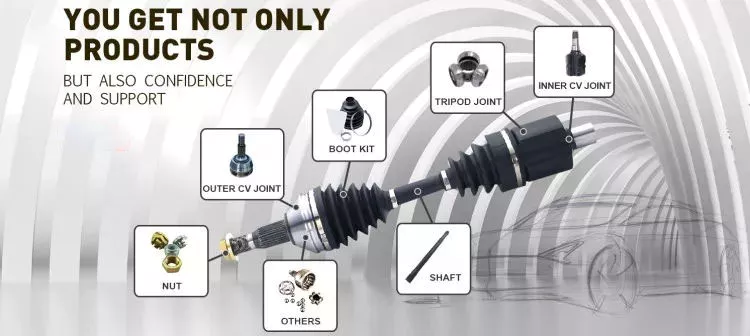
Vilka faktorer bör man beakta när man väljer rätt kraftuttagsaxel för en applikation?
När man väljer rätt kraftuttagsaxel (PTO) för en tillämpning måste flera faktorer beaktas för att säkerställa optimal prestanda, säkerhet och kompatibilitet. Kraftuttagsaxlar är viktiga komponenter som överför kraft från en kraftkälla till drivna maskiner eller utrustning. Här är de viktigaste faktorerna att beakta när man väljer lämplig kraftuttagsaxel för en tillämpning:
1. Strömförsörjning: Den drivna maskinens effektbehov spelar en viktig roll för att bestämma lämplig kraftuttagsaxel. Ta hänsyn till kraftkällans effekt (hk) eller kilowatt (kW) och se till att kraftuttagsaxeln kan hantera den erforderliga kraftöverföringen. Det är viktigt att matcha kraftuttagsaxelns effektkapacitet med kraftkällans uteffekt för att säkerställa effektiv och tillförlitlig drift.
2. Krav på hastighet och vridmoment: Beakta kraven på hastighet och vridmoment för den drivna maskinen. Bestäm önskad rotationshastighet och vridmomentnivåer som krävs för att utrustningen ska fungera effektivt. Vissa tillämpningar kräver specifika hastighets- eller vridmomentförhållanden, medan andra kan kräva varierande hastigheter. Säkerställ att den valda kraftuttagsaxeln kan hantera det erforderliga hastighets- och vridmomentområdet för att ge den nödvändiga kraftöverföringen.
3. Axeltyp och design: Utvärdera typ och design av kraftuttagsaxeln för att säkerställa kompatibilitet med tillämpningen. Tänk på faktorer som avståndet mellan kraftkällan och den drivna maskinen, behovet av vinkelfeljustering och den rörelseflexibilitet som krävs. Olika axeltyper, såsom standardaxlar, teleskopaxlar eller CV-axlar, erbjuder varierande kapacitet för att tillgodose olika tillämpningskrav.
4. Säkerhetsaspekter: Säkerhet är en avgörande faktor när man väljer en kraftuttagsaxel. Bedöm de säkerhetsfunktioner som kraftuttagsaxeln tillhandahåller, såsom skyddsanordningar, brytbultsmekanismer eller andra säkerhetsanordningar. Skyddsanordningar bör finnas på plats för att förhindra oavsiktlig kontakt med den roterande axeln. Brybultsmekanismer kan skydda drivlinekomponenterna från skador vid för stort vridmoment eller plötsligt motstånd. Prioritera säkerhetsfunktioner som överensstämmer med de specifika faror och risker som är förknippade med tillämpningen.
5. Applikationsspecifikationer: Tänk på tillämpningens unika krav. Faktorer som maskintyp, industrisektor, miljöförhållanden och driftsförhållanden bör beaktas. Till exempel kan jordbruksapplikationer kräva kraftuttagsaxlar som kan hantera ansamling av skräp och smuts, medan industriella tillämpningar kan kräva kraftuttagsaxlar med hög korrosionsbeständighet eller speciell tätning för att skydda mot föroreningar.
6. Kompatibilitet och utbytbarhet: Säkerställ att den valda kraftuttagsaxeln är kompatibel med kraftkällan och den drivna maskinen. Tänk på faktorer som axeldiameter, splinestorlek och anslutningstyp. Kontrollera om kraftuttagsaxeln uppfyller branschstandarder och om den enkelt kan bytas ut mot andra kompatibla komponenter vid behov av utbyte eller uppgradering. Kompatibilitet och utbytbarhet kan förenkla underhåll och minska driftstopp.
7. Tillverkare och kvalitet: Välj en välrenommerad tillverkare eller leverantör för att säkerställa kraftuttagsaxelns kvalitet och tillförlitlighet. Leta efter tillverkare med dokumenterad erfarenhet av att producera kraftuttagsaxlar av hög kvalitet som uppfyller branschstandarder och föreskrifter. Tänk på faktorer som garanti, kundsupport och tillgång till reservdelar när du gör ett val.
Genom att beakta dessa faktorer kan du välja rätt kraftuttagsaxel som uppfyller kraven för effekt, hastighet, vridmoment, säkerhet och tillämpning. Det är lämpligt att rådgöra med experter, såsom utrustningstillverkare eller kraftuttagsaxlar, för att säkerställa optimal anpassning mellan kraftuttagsaxeln och tillämpningen.
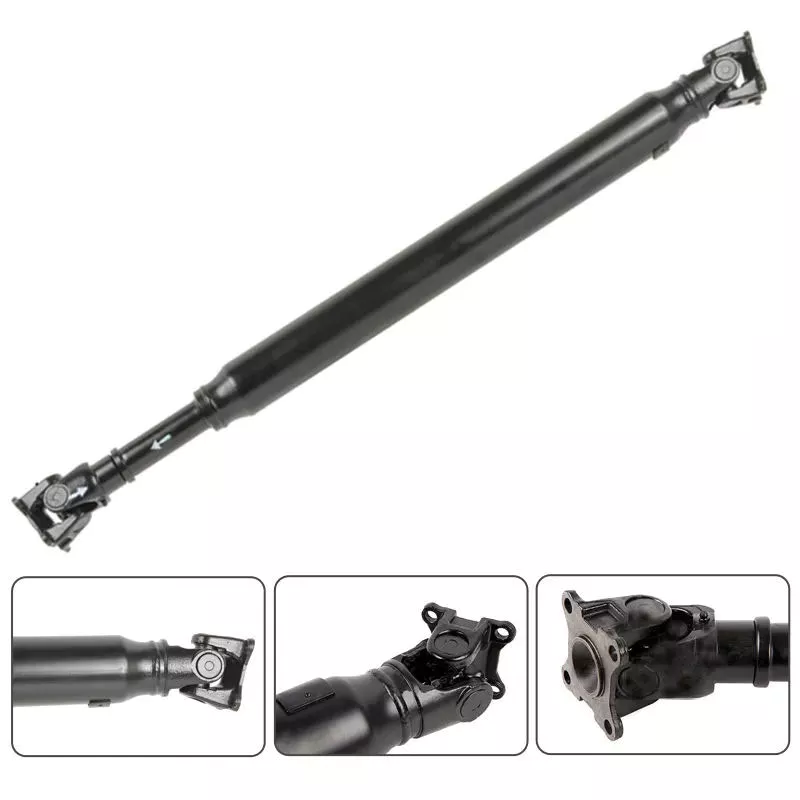
Finns det några begränsningar eller nackdelar med kraftuttagsaxlar?
Även om kraftuttagsaxlar (PTO) erbjuder många fördelar när det gäller kraftöverföring och mångsidighet, har de också vissa begränsningar och nackdelar. Det är viktigt att beakta dessa faktorer när man använder kraftuttagsaxlar för att säkerställa säker och effektiv drift. Här är en detaljerad förklaring av några begränsningar och nackdelar som är förknippade med kraftuttagsaxlar:
1. Säkerhetsrisker: En av de främsta farhågorna med kraftuttagsaxlar är risken för säkerhetsrisker. Kraftuttagsaxlar roterar med höga hastigheter och kan utgöra en betydande risk om de inte skyddas eller hanteras korrekt. Oavsiktlig kontakt med en exponerad eller otillräckligt skyddad kraftuttagsaxel kan leda till allvarliga skador, inklusive intrassling, amputation eller till och med dödsfall. Det är avgörande att följa säkerhetsriktlinjer, implementera korrekt skydd och säkerställa att operatörerna är välutbildade i säker hantering för att minska dessa risker.
2. Underhåll och smörjning: Kraftöverföringsaxlar kräver regelbundet underhåll och smörjning för att säkerställa optimal prestanda och livslängd. Rörliga delar, såsom universalkopplingar och splines, måste inspekteras, rengöras och smörjas med rekommenderade intervall. Försummelse av underhåll kan leda till för tidigt slitage, minskad effektivitet och potentiella fel. Korrekt underhåll, inklusive regelbundna inspektioner och snabb smörjning, är avgörande för att mildra dessa problem.
3. Uppriktning och vinklar: Kraftöverföringsaxlar är beroende av korrekt uppriktning och vinklar för att säkerställa effektiv kraftöverföring. Felaktig uppriktning eller alltför stora vinklar mellan kraftkällan och drivna maskiner kan orsaka ökat slitage och belastning på komponenterna, vilket leder till förtida haverier. Att säkerställa korrekt uppriktning och vinkeljustering, med hjälp av justerbara glidok eller andra metoder, är viktigt för att förhindra överdriven belastning på kraftöverföringsaxeln och tillhörande utrustning.
4. Längdbegränsningar: Kraftuttagsaxlar har begränsningar vad gäller maximal och minimal längd på grund av tekniska begränsningar. Teleskopkonstruktionen möjliggör viss justering, men det finns en praktisk gräns för hur mycket axeln kan förlängas eller dras in. Om avståndet mellan kraftkällan och den drivna maskinen överstiger den maximala eller understiger kraftuttagsaxelns minimilängd kan alternativa lösningar eller modifieringar krävas. I vissa fall kan ytterligare komponenter, såsom drivaxelförlängningar eller växellådor, vara nödvändiga för att överbrygga avståndet.
5. Kompatibilitet: While manufacturers strive to ensure compatibility, there can still be challenges in finding the right PTO shaft for specific equipment configurations. Equipment may have unique requirements in terms of spline sizes, torque ratings, or connection methods that may not be readily available or compatible with off-the-shelf PTO shafts. Customization may be required to address these compatibility issues, which can result in increased costs or lead times.
6. Noise and Vibrations: PTO shafts in operation can generate significant noise and vibrations, especially at higher speeds. This can be a nuisance for operators and may require additional measures to reduce noise levels or dampen vibrations. Excessive vibrations can also affect the overall performance and lifespan of the PTO shaft and connected equipment. Implementing vibration dampeners or using flexible couplings can help mitigate these issues.
7. Power Limits: PTO shafts have specific power limits based on their design, materials, and components. Exceeding these power limits can lead to premature wear, component failures, or even shaft breakage. It is crucial to understand and adhere to the recommended power ratings for PTO shafts to ensure safe and reliable operation. In some cases, upgrading to a higher-capacity PTO shaft or implementing additional power transmission components may be necessary to accommodate higher power requirements.
8. Complex Installation and Removal: Installing and removing PTO shafts can be a complex process, especially in confined spaces or when dealing with heavy equipment. It may require aligning splines, engaging couplings, and securing locking mechanisms. Improper installation or removal techniques can lead to damage to the shaft or associated equipment. Proper training, handling equipment, and following manufacturer guidelines are essential to simplify and ensure the safe installation and removal of PTO shafts.
Despite these limitations and disadvantages, PTO shafts remain widely used and valuable components for power transfer in various industries. By addressing these considerations and implementing proper safety measures, maintenance practices, and alignment procedures, the potential drawbacks of PTO shafts can be effectively mitigated, allowing for safe and efficient operation.

Vilka fördelar erbjuder kraftuttagsaxlar för olika typer av maskiner?
Kraftuttagsaxlar (Power Take-Off axles) erbjuder flera fördelar för olika typer av maskiner inom jordbruks- och industritillämpningar. De ger ett flexibelt och effektivt sätt att överföra kraft, vilket gör det möjligt för maskiner att utföra specifika uppgifter och funktioner. Här är en detaljerad förklaring av fördelarna som kraftuttagsaxlar erbjuder för olika typer av maskiner:
Mångsidighet: Kraftuttagsaxlar bidrar till maskiners mångsidighet genom att de kan drivas av en gemensam kraftkälla, såsom en traktor eller en motor. Det innebär att en enda kraftkälla kan användas för att driva flera redskap eller maskiner genom att helt enkelt ansluta och koppla ur kraftuttagsaxeln. Till exempel, inom jordbruket, kan en traktor utrustad med en kraftuttagsaxel driva olika redskap såsom slåttermaskiner, balpressar, jordfräsar, sprutor och spannmålsskruvar. På liknande sätt, i industriella tillämpningar, möjliggör kraftuttagsaxlar användning av en enda motor för att driva olika maskiner eller utrustning, såsom generatorer, pumpar, kompressorer och industriella blandare.
Effektivitet: Kraftöverföringsaxlar erbjuder en effektiv metod för kraftöverföring från kraftkällan till maskinen. Genom att direkt ansluta kraftkällan till den drivna maskinen minimerar kraftöverföringsaxlarna energiförluster som kan uppstå med andra kraftöverföringsmetoder. Denna direkta kraftöverföring resulterar i förbättrad total effektivitet och prestanda hos maskinen. Dessutom möjliggör kraftöverföringsaxlar justering av rotationshastighet och effekt för att matcha kraven hos den specifika maskinen, vilket säkerställer optimal drift och minskar onödig energiförbrukning.
Kostnadsbesparingar: Användningen av kraftuttagsaxlar kan leda till kostnadsbesparingar på flera sätt. För det första, genom att använda en enda kraftkälla för att driva flera maskiner eller redskap, elimineras behovet av separata motorer för varje utrustningsdel, vilket minskar kapitalkostnaderna. För det andra eliminerar kraftuttagsaxlar behovet av ytterligare bränsle- eller energikällor, eftersom de utnyttjar den befintliga kraftkällan, vilket resulterar i lägre bränsle- eller energikostnader. Dessutom möjliggör den mångsidighet som kraftuttagsaxlarna erbjuder förbättrad utrustningsutnyttjandeprocess, vilket maximerar avkastningen på investeringen.
Flexibilitet: Kraftuttagsaxlar ger flexibilitet när det gäller installation och konfiguration av utrustning. De kan justeras i längd eller utrustas med teleskopsektioner, vilket möjliggör enkel anpassning till olika utrustningsarrangemang och varierande avstånd mellan kraftkällan och den drivna maskinen. Denna flexibilitet gör det möjligt för operatörer att snabbt koppla in och bort kraftuttagsaxlarna efter behov, vilket underlättar effektiva utrustningsbyten och minskar stilleståndstiden. Dessutom ger möjligheten att justera rotationshastigheten och kraftuttaget på kraftuttagsaxlarna ytterligare flexibilitet och tillgodoser de specifika kraven för olika maskiner och tillämpningar.
Användarvänlighet: Kraftuttagsaxlar är relativt enkla att använda, vilket gör dem tillgängliga för operatörer med minimal utbildning. Processen att ansluta och koppla loss kraftuttagsaxlarna är okomplicerad och involverar ofta en enkel kopplings- eller låsmekanism. Denna enkla användning förbättrar utrustningens manövrerbarhet, vilket gör att operatörer snabbt kan växla mellan olika redskap eller maskiner utan betydande ansträngning eller tidskrävande procedurer. Dessutom förenklar den direkta kraftöverföringen genom kraftuttagsaxlarna utrustningens drift, eftersom maskineriet kan drivas av den befintliga kraftkällan utan behov av ytterligare kontroller eller effekthanteringssystem.
Ökad produktivitet: Kraftöverföringsaxlar bidrar till ökad produktivitet inom jordbruks- och industriverksamhet. Genom att möjliggöra användning av mångsidiga maskinkonfigurationer kan förare utföra en mängd olika uppgifter med en enda kraftkälla. Detta eliminerar behovet av manuellt arbete eller användning av flera maskiner, vilket effektiviserar arbetsflödet och minskar den tid som krävs för att slutföra olika operationer. Effektiviteten och tillförlitligheten i kraftöverföringen genom kraftöverföringsaxlar bidrar också till förbättrad produktivitet genom att säkerställa konsekvent och effektiv drift av maskiner, vilket resulterar i förbättrad produktion och minskad stilleståndstid.
Säkerhet: Även om det inte är direkt relaterat till maskinernas prestanda, erbjuder kraftuttagsaxlar också säkerhetsfördelar. Implementeringen av säkerhetssköldar eller skydd på kraftuttagsaxlar hjälper till att förhindra oavsiktlig kontakt med den roterande axeln, vilket minskar risken för skador på operatörerna. Dessa säkerhetsfunktioner är utformade för att täcka den roterande axeln och universalkopplingarna, vilket säkerställer att operatörerna inte kan komma i kontakt med dem under drift. Korrekt utbildning i kraftuttagsaxelns drift och efterlevnad av säkerhetsriktlinjer förbättrar ytterligare operatörens säkerhet vid arbete med kraftuttagsdrivna maskiner.
Sammanfattningsvis erbjuder kraftuttagsaxlar en rad fördelar för olika typer av maskiner. Dessa fördelar inkluderar ökad mångsidighet, förbättrad effektivitet, kostnadsbesparingar, flexibilitet i utrustningskonfigurationer, användarvänlighet, ökad produktivitet och förbättrad förarsäkerhet. Kraftuttagsaxlar spelar en avgörande roll i jordbruks- och industritillämpningar genom att möjliggöra direkt kraftöverföring från en gemensam kraftkälla till olika maskiner eller redskap, vilket resulterar i optimerad prestanda och driftseffektivitet.


editor by CX 2023-12-14