Penerangan Produk
ZheJiang WALLONG-HSIN MACHINERY ENGINEERING CORPORATION LTD. short name ‘JSW’, is a wholly state-owned company, also a subsidiary of SINOMACH GROUP (the biggest machinery group in China, ranked No.250 of TOP500 in 2571).
JSW is founded in 1992 and registered with capital of 4.5 million US dollars, located in HangZhou city, ZheJiang Province, with workshop area 50,000 square meters with first-class production lines, and office area 3000 square meters.
JSW passed ISO 9001,ISO 14001,ISO 45001 ,ISO 50001 and AEO custom certified.
The turnover last year is 20 million US dollar,exporting to European, North American, South American, and Asian markets.
We have successfully developed a wide range and variety of drive shaft products,mainly including PTO agricultural shaft, industrial cardan shaft, drive shaft for automotive, and universal couplings.
Our products are welcomed by all our customers based on our competitive price, guaranteed quality and on-time delivery.
*Agricultural PTO aci :
Standard series, customized also accpeted.
Tube type:Triangle, Lemon, Star, Spline stub (Z6,Z8,Z20,Z21).
Accessory: various yokes, splined stub shaft, clutch and torque limiter.
*Industrial cardan aci:
Light duty type: flange Dia. Φ58-180mm
Medium duty type: SWC180 – 550
*Automotive drive aci :
Aftermarket for ATV,Pickup truck,Light truck
***HOW TO CHOOSE THE SUITABLE PTO SHAFT FOR YOUR DEMANDS?
1. Model/size of the universal joint, which is according to your requirment of maximum torque(TN) and R.P.M.
2. Closed overall length of shaft assembly (or cross (u-joint) to cross length).
3. Shape of the steel tube/pipe (traiangle, lemon, star, splined stub).
4. Type of the 2 end yokes/forks which used to connect the input end (power source) and output end (implement).
Including the series of quick released splined yoke/fork, plain bore yoke/fork, wide-angle yoke/fork, double yoke/fork.
5. Overload protection device including the clutch and torque limitter.
(shear bolt SB, free wheel/overrunning RA/RAS, ratchet SA/SAS, friction FF/FFS)
6. Others requirements:such as with/no plastic guard, painting color, package type,etc.
| Triangle tube type | |||||||
| Siri | Cross kit | Operating torque | |||||
| 540rpm | 1000rpm | ||||||
| Kw | Pk | Nm | Kw | Pk | Nm | ||
| T1 | 1.01 22*54 | 12 | 16 | 210 | 18 | 25 | 172 |
| T2 | 2.01 23.8*61.3 | 15 | 21 | 270 | 23 | 31 | 220 |
| T3 | 3.01 27*70 | 22 | 30 | 390 | 35 | 47 | 330 |
| T4 | 4.01 27*74.6 | 26 | 35 | 460 | 40 | 55 | 380 |
| T5 | 5.01 30.2*80 | 35 | 47 | 620 | 54 | 74 | 520 |
| T6 | 6.01 30.2*92 | 47 | 64 | 830 | 74 | 100 | 710 |
| T7 | 7.01 30.2*106.5 | 55 | 75 | 970 | 87 | 118 | 830 |
| T7N | 7N.01 35*94 | 55 | 75 | 970 | 87 | 118 | 830 |
| T8 | 8.01 35*106.5 | 70 | 95 | 110 | 110 | 150 | 1050 |
| T38 | 38.01 38*105.6 | 78 | 105 | 123 | 123 | 166 | 1175 |
| T9 | 9.01 41*108 | 88 | 120 | 140 | 140 | 190 | 1340 |
| T10 | 10.01 41*118 | 106 | 145 | 179 | 170 | 230 | 1650 |
| Lemon tube type | |||||||
| Siri | Cross kit | Operating torque | |||||
| 540rpm | 1000rpm | ||||||
| Kw | Pk | Nm | Kw | Pk | Nm | ||
| L1 | 1.01 22*54 | 12 | 16 | 210 | 18 | 25 | 172 |
| L2 | 2.01 23.8*61.3 | 15 | 21 | 270 | 23 | 31 | 220 |
| L3 | 3.01 27*70 | 22 | 30 | 390 | 35 | 47 | 330 |
| L4 | 4.01 27*74.6 | 26 | 35 | 460 | 40 | 55 | 380 |
| L5 | 5.01 30.2*80 | 35 | 47 | 620 | 54 | 74 | 520 |
| L6 | 6.01 30.2*92 | 47 | 64 | 830 | 74 | 100 | 710 |
| L32 | 32.01 32*76 | 39 | 53 | 695 | 61 | 83 | 580 |
| Star tube type | |||||||
| Siri | Cross kit | Operating torque | |||||
| 540rpm | 1000rpm | ||||||
| Kw | Pk | Nm | Kw | Pk | Nm | ||
| S6 | 6.01 30.2*92 | 47 | 64 | 830 | 74 | 100 | 710 |
| S7 | 7.01 30.2*106.5 | 55 | 75 | 970 | 87 | 118 | 830 |
| S8 | 8.01 35*106.5 | 70 | 95 | 1240 | 110 | 150 | 1050 |
| S38 | 38.0 38*105.6 | 78 | 105 | 1380 | 123 | 166 | 1175 |
| S32 | 32.01 32*76 | 39 | 53 | 695 | 61 | 83 | 580 |
| S36 | 2500 36*89 | 66 | 90 | 1175 | 102 | 139 | 975 |
| S9 | 9.01 41*108 | 88 | 120 | 1560 | 140 | 190 | 1340 |
| S10 | 10.01 41*118 | 106 | 145 | 1905 | 170 | 230 | 1650 |
| S42 | 2600 42*104.5 | 79 | 107 | 1400 | 122 | 166 | 1175 |
| S48 | 48.01 48*127 | 133 | 180 | 2390 | 205 | 277 | 1958 |
| S50 | 50.01 50*118 | 119 | 162 | 2095 | 182 | 248 | 1740 |
| Spline stub type | |||||||
| Siri | Cross kit | Operating torque | |||||
| 540rpm | 1000rpm | ||||||
| Kw | Pk | Nm | Kw | Pk | Nm | ||
| ST2 | 2.01 23.8*61.3 | 15 | 21 | 270 | 23 | 31 | 220 |
| ST4 | 4.01 27*74.6 | 26 | 35 | 460 | 40 | 55 | 380 |
| ST5 | 5.01 30.2*80 | 35 | 47 | 620 | 54 | 74 | 520 |
| ST6 | 6.01 30.2*92 | 47 | 64 | 830 | 74 | 100 | 710 |
| ST7 | 7.01 30.2*106.5 | 55 | 75 | 970 | 87 | 118 | 830 |
| ST8 | 8.01 35*106.5 | 70 | 95 | 1240 | 110 | 150 | 1050 |
| ST38 | 38.10 38*105.6 | 78 | 105 | 1380 | 123 | 166 | 1175 |
| ST42 | 2600 42*104.5 | 79 | 107 | 1400 | 122 | 166 | 1175 |
| ST50 | 50.01 50*118 | 119 | 162 | 2095 | 182 | 248 | 1740 |
*** APPLICATION OF PTO DRIEVE SHAFT:
We have a variety of inspection equipments with high precision, and QA engineers who can strictly control the quality during production and before shipment.
We sincerely welcome guests from abroad for business negotiation and cooperation,in CHINAMFG new levels of expertise and professionalism, and developing a brilliant future.
/* 22 Januari 2571 19:08:37 */!function(){function s(e,r){var a,o={};try{e&&e.split(“,”).forEach(function(e,t){e&&(a=e.match(/(.*?):(.*)$/)&
| Warna: | Red, Yellow, Black, Orange |
|---|---|
| Pensijilan: | CE, ISO |
| Jenis: | Pto Shaft |
| Bahan: | Forged Carbon Steel C45/AISI1045, Alloy Steel |
| Machinery Application: | Baler, Mower, Harvester, Cotton Picker, Tiller |
| Tube/Pipe Shape: | Triangular/Lemon/Star Steel Tube, Spline Tub Shaft |
| Sampel: |
US$ 15/Piece
1 Keping (Pesanan Minimum) | |
|---|
| Penyesuaian: |
Tersedia
| Permintaan Tersuai |
|---|
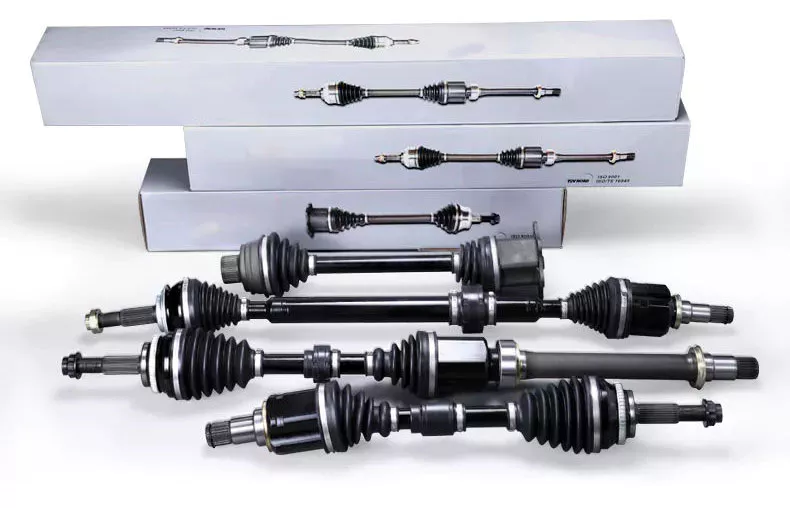
Bagaimanakah aci PTO memastikan pemindahan kuasa yang cekap sambil mengekalkan keselamatan?
Aci PTO (Power Take-Off) memainkan peranan penting dalam memastikan pemindahan kuasa yang cekap daripada sumber kuasa kepada jentera atau peralatan yang digerakkan, di samping mengekalkan keselamatan. Aci ini direka bentuk dengan pelbagai ciri dan mekanisme untuk mengoptimumkan kecekapan penghantaran kuasa dan mengurangkan potensi bahaya. Berikut ialah penjelasan terperinci tentang bagaimana aci PTO mencapai pemindahan kuasa yang cekap sambil mengutamakan keselamatan:
1. Penghantaran Kuasa Mekanikal: Aci PTO berfungsi sebagai penghubung mekanikal antara sumber kuasa, biasanya traktor atau enjin, dan jentera yang digerakkan. Ia menghantar kuasa putaran dari sumber kuasa ke peralatan, membolehkan pemindahan tenaga yang cekap. Reka bentuk mekanikal aci PTO, termasuk diameter, panjang dan komposisi bahannya, dioptimumkan untuk meminimumkan kehilangan kuasa semasa penghantaran, memastikan sebahagian besar kuasa yang dijana oleh sumber dihantar secara berkesan ke jentera.
2. Sambungan Universal dan Gandingan Fleksibel: Aci PTO dilengkapi dengan sambungan universal dan gandingan fleksibel yang membolehkan ketidaksejajaran sudut dan fleksibiliti dalam pergerakan. Sambungan universal menampung variasi dalam penjajaran antara sumber kuasa dan jentera yang dipacu, membolehkan pemindahan kuasa yang lancar walaupun kedua-dua komponen tidak sejajar dengan sempurna. Gandingan fleksibel membantu mengimbangi sedikit ketidaksejajaran, mengurangkan getaran dan mencegah tekanan berlebihan pada aci dan komponen yang disambungkan, sekali gus meningkatkan kecekapan dan mengurangkan risiko kegagalan atau kerosakan mekanikal.
3. Sambungan Halaju Malar (CV): Sambungan CV sering digunakan dalam aci PTO untuk mengekalkan kelajuan dan pemindahan tork yang malar, terutamanya dalam aplikasi di mana jentera yang dipacu memerlukan fleksibiliti atau beroperasi pada sudut yang berbeza. Sambungan CV membolehkan penghantaran kuasa yang lancar tanpa turun naik yang ketara, walaupun jentera yang dipacu berada pada sudut relatif kepada sumber kuasa. Dengan meminimumkan variasi kelajuan dan kehilangan kuasa akibat perubahan sudut, sambungan CV menyumbang kepada pemindahan kuasa yang cekap sambil memastikan prestasi yang konsisten dan mengurangkan kemungkinan tekanan mekanikal atau haus pramatang.
4. Pengawal dan Perisai Keselamatan: Keselamatan merupakan pertimbangan utama dalam reka bentuk aci PTO. Pelindung dan perisai dipasang untuk menutup aci berputar dan bahagian bergerak lain. Pelindung ini bertindak sebagai penghalang fizikal untuk mengelakkan sentuhan tidak sengaja dengan komponen berputar, sekali gus mengurangkan risiko kekusutan, kecederaan atau kerosakan dengan ketara. Pelindung keselamatan biasanya diperbuat daripada bahan tahan lama seperti logam atau plastik dan direka bentuk untuk membolehkan pergerakan yang diperlukan untuk penghantaran kuasa sambil memberikan perlindungan yang mencukupi. Pemeriksaan dan penyelenggaraan berkala pelindung ini adalah penting untuk memastikan keberkesanannya dalam mengekalkan keselamatan.
5. Mekanisme Bolt Ricih atau Klac Gelincir: Aci PTO selalunya menggabungkan mekanisme bolt ricih atau klac gelincir sebagai ciri keselamatan untuk melindungi komponen saluran pemacu dan mencegah kerosakan sekiranya berlaku tork berlebihan atau rintangan secara tiba-tiba. Bolt ricih direka bentuk untuk ricih atau putus apabila tork melebihi ambang yang telah ditentukan, memutuskan sambungan aci PTO daripada sumber kuasa. Ini membantu mencegah kerosakan pada aci, jentera yang dipacu dan sumber kuasa. Klac gelincir berfungsi dengan sama dengan membenarkan aci PTO tergelincir apabila rintangan berlebihan ditemui, melindungi komponen daripada beban lampau. Mekanisme ini bertindak sebagai langkah keselamatan untuk mengekalkan integriti aci PTO dan peralatan yang berkaitan sambil meminimumkan risiko kegagalan mekanikal atau kemalangan.
6. Pematuhan dengan Piawaian Keselamatan: Aci PTO direka bentuk dan dikeluarkan untuk mematuhi piawaian dan peraturan keselamatan yang berkaitan. Pengilang mematuhi garis panduan dan keperluan yang ditetapkan oleh organisasi seperti Persatuan Jurutera Pertanian dan Biologi Amerika (ASABE) atau pihak berkuasa keselamatan serantau yang lain. Pematuhan dengan piawaian ini memastikan bahawa aci PTO memenuhi kriteria keselamatan tertentu, termasuk kapasiti tork, reka bentuk pelindung dan pertimbangan keselamatan yang lain. Pengguna boleh bergantung pada aci PTO piawai yang telah menjalani ujian dan pensijilan, memberikan lapisan jaminan tambahan mengenai keselamatan dan prestasinya.
7. Pendidikan dan Latihan Pengendali: Bagi memastikan operasi yang selamat dan cekap, adalah penting bagi pengendali untuk menerima pendidikan dan latihan yang betul tentang aci PTO. Pengendali harus biasa dengan ciri keselamatan khusus, keperluan penyelenggaraan dan prosedur operasi yang selamat untuk aci PTO yang digunakan dalam aplikasi mereka. Ini termasuk memahami kepentingan penggunaan peralatan pelindung diri yang sesuai, memeriksa peralatan secara berkala untuk haus atau kerosakan dan mengikuti jadual penyelenggaraan yang disyorkan. Kesedaran pengendali dan pematuhan terhadap protokol keselamatan menyumbang dengan ketara kepada pengekalan persekitaran kerja yang selamat dan memaksimumkan kecekapan pemindahan kuasa.
Secara ringkasnya, aci PTO memastikan pemindahan kuasa yang cekap sambil mengekalkan keselamatan melalui reka bentuk mekanikalnya, penggabungan sambungan universal dan sambungan CV, pemasangan pelindung dan perisai keselamatan, pelaksanaan mekanisme bolt ricih atau klac gelincir, pematuhan piawaian keselamatan dan pendidikan pengendali. Dengan menggabungkan ciri dan amalan ini, aci PTO menyediakan penghantaran kuasa yang andal dan selamat, meminimumkan kehilangan kuasa dan potensi risiko yang berkaitan dengan operasinya.
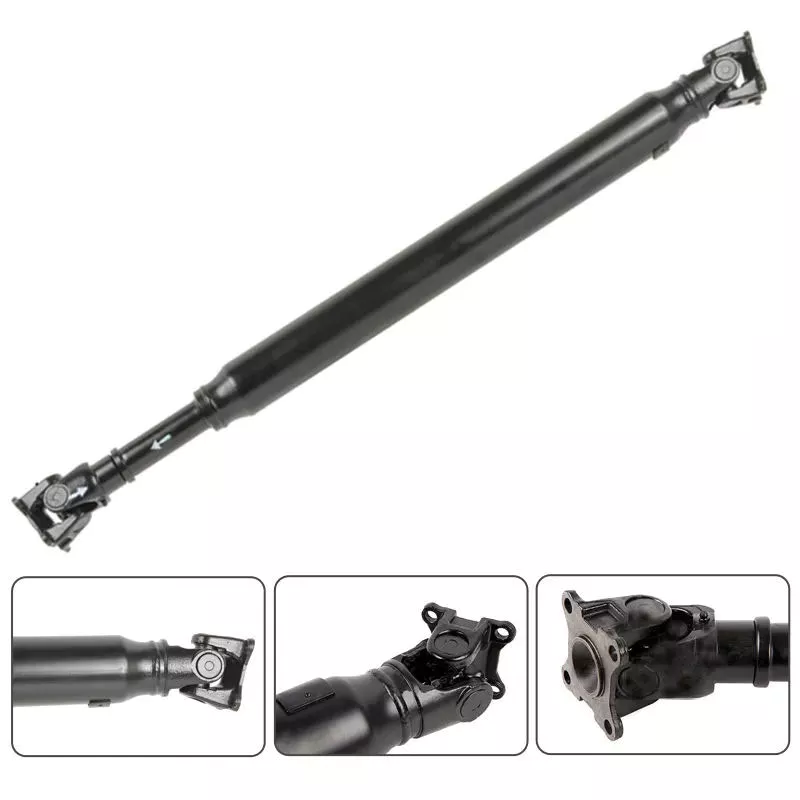
Are there any limitations or disadvantages associated with PTO shafts?
While PTO (Power Take-Off) shafts offer numerous advantages in terms of power transfer and versatility, they also have certain limitations and disadvantages. It’s important to consider these factors when using PTO shafts to ensure safe and efficient operation. Here’s a detailed explanation of some limitations and disadvantages associated with PTO shafts:
1. Safety Hazards: One of the primary concerns with PTO shafts is the potential for safety hazards. PTO shafts rotate at high speeds and can pose a significant risk if not properly guarded or handled. Accidental contact with an exposed or inadequately shielded PTO shaft can result in severe injuries, including entanglement, amputation, or even fatalities. It is crucial to follow safety guidelines, implement proper guarding, and ensure that operators are well-trained on safe handling practices to mitigate these risks.
2. Maintenance and Lubrication: PTO shafts require regular maintenance and lubrication to ensure optimal performance and longevity. The moving parts, such as universal joints and splines, need to be inspected, cleaned, and lubricated at recommended intervals. Neglecting maintenance can lead to premature wear, decreased efficiency, and potential failures. Proper maintenance practices, including regular inspections and timely lubrication, are essential to mitigate these issues.
3. Alignment and Angles: PTO shafts rely on proper alignment and angles to ensure efficient power transfer. Misalignment or excessive angles between the power source and driven machinery can cause increased wear and strain on the components, leading to premature failure. Ensuring proper alignment and angle adjustment, using adjustable sliding yokes or other means, is important to prevent excessive stress on the PTO shaft and associated equipment.
4. Length Limitations: PTO shafts have limitations on their maximum and minimum length due to engineering constraints. The telescoping design allows for some adjustment, but there is a practical limit to how much the shaft can extend or retract. If the distance between the power source and driven machinery exceeds the maximum or falls below the minimum length of the PTO shaft, alternative solutions or modifications may be required. In some cases, additional components such as drive shaft extensions or gearboxes may be necessary to bridge the distance.
5. Compatibility: While manufacturers strive to ensure compatibility, there can still be challenges in finding the right PTO shaft for specific equipment configurations. Equipment may have unique requirements in terms of spline sizes, torque ratings, or connection methods that may not be readily available or compatible with off-the-shelf PTO shafts. Customization may be required to address these compatibility issues, which can result in increased costs or lead times.
6. Noise and Vibrations: PTO shafts in operation can generate significant noise and vibrations, especially at higher speeds. This can be a nuisance for operators and may require additional measures to reduce noise levels or dampen vibrations. Excessive vibrations can also affect the overall performance and lifespan of the PTO shaft and connected equipment. Implementing vibration dampeners or using flexible couplings can help mitigate these issues.
7. Power Limits: PTO shafts have specific power limits based on their design, materials, and components. Exceeding these power limits can lead to premature wear, component failures, or even shaft breakage. It is crucial to understand and adhere to the recommended power ratings for PTO shafts to ensure safe and reliable operation. In some cases, upgrading to a higher-capacity PTO shaft or implementing additional power transmission components may be necessary to accommodate higher power requirements.
8. Complex Installation and Removal: Installing and removing PTO shafts can be a complex process, especially in confined spaces or when dealing with heavy equipment. It may require aligning splines, engaging couplings, and securing locking mechanisms. Improper installation or removal techniques can lead to damage to the shaft or associated equipment. Proper training, handling equipment, and following manufacturer guidelines are essential to simplify and ensure the safe installation and removal of PTO shafts.
Despite these limitations and disadvantages, PTO shafts remain widely used and valuable components for power transfer in various industries. By addressing these considerations and implementing proper safety measures, maintenance practices, and alignment procedures, the potential drawbacks of PTO shafts can be effectively mitigated, allowing for safe and efficient operation.

What is a PTO shaft and how is it used in agricultural and industrial equipment?
A power take-off (PTO) shaft is a mechanical component used in agricultural and industrial equipment to transfer power from a power source, such as an engine or motor, to another machine or implement. It is a driveline shaft that transmits rotational power and torque, allowing the connected equipment to perform various tasks. PTO shafts are commonly used in agricultural machinery, such as tractors, as well as in industrial equipment, including generators, pumps, and construction machinery. Here’s a detailed explanation of what a PTO shaft is and how it is used:
Structure and Components: A typical PTO shaft consists of a hollow metal tube with universal joints at each end. The hollow tube allows the shaft to rotate freely, while the universal joints accommodate angular misalignments between the power source and the driven equipment. The universal joints consist of a cross-shaped yoke with needle bearings, providing flexibility and allowing the transmission of power at varying angles. Some PTO shafts may also include a telescopic section to adjust the length for different equipment setups or to accommodate varying distances between the power source and the driven machine.
Power Transfer: The primary function of a PTO shaft is to transfer power and torque from the power source to the driven equipment. The power source, typically an engine or motor, drives the PTO shaft through a mechanical connection, such as a gearbox or a clutch. As the power source rotates, it transmits rotational force to the PTO shaft. The PTO shaft, in turn, transfers this rotational power and torque to the driven equipment, enabling it to perform its intended function. The torque and rotational speed transmitted through the PTO shaft depend on the power source’s characteristics and the gear ratio or clutch engagement.
Agricultural Applications: In agriculture, PTO shafts are commonly used in tractors to power various implements and attachments. The PTO shaft is connected to the tractor’s power take-off, a rotating drive shaft located at the rear of the tractor. By engaging the PTO clutch, the tractor’s engine power is transferred through the PTO shaft to the attached implements. Agricultural machinery, such as mowers, balers, tillers, sprayers, and grain augers, often rely on PTO shafts to receive power for their operation. The PTO shaft allows the implements to be powered directly by the tractor’s engine, eliminating the need for separate power sources and increasing the versatility and efficiency of agricultural operations.
Industrial Applications: PTO shafts also find extensive use in various industrial applications. Industrial equipment, such as generators, pumps, compressors, and industrial mixers, often incorporate PTO shafts to receive power from engines or electric motors. The PTO shaft connects the power source to the driven equipment, allowing it to operate and perform its intended function. In construction machinery, PTO shafts can be found in equipment like concrete mixers, hydraulic hammers, and post hole diggers, enabling the transfer of power from the machinery’s engine to the specific attachment or tool being used.
Safety Considerations: It is important to note that PTO shafts can pose safety risks if not handled properly. The rotating shaft can cause serious injuries if operators come into contact with it while it is in operation. To ensure safety, PTO shafts are often equipped with shielding or guards that cover the rotating shaft and universal joints, preventing accidental contact. It is crucial to maintain and inspect these safety features regularly to ensure their effectiveness. Additionally, operators should receive proper training on PTO shaft operation, including safe attachment and detachment procedures, as well as the use of personal protective equipment when working near PTO-driven machinery.
In summary, a PTO shaft is a mechanical component used in agricultural and industrial equipment to transmit power and torque from a power source to a driven machine or implement. It enables the direct power transfer from engines or motors to various equipment, increasing efficiency and versatility in agricultural and industrial operations. While PTO shafts offer significant benefits, operators must be aware of the associated safety considerations and take appropriate precautions to prevent accidents and injuries.


editor by CX 2024-04-30