Productbeschrijving
Parameter specifications
| Certificering | Verzending | Kwaliteit | material | Bedrijfssysteemcertificering |
| IATF16949 | in time | high | steel | ISO9001 |
Company Profile
HangZhou Xihu (West Lake) Dis. East Port Gear Manufacturing factory is located in Zhoujia Industrial Zone, CHINAMFG Town, HangZhou, 3km away from Xihu (West Lake) Dis.qian Lake. It focuses on precision gear research, development, production and sales. The factory has obtained ISO9001: 2015 certificate, IATF16949:2016. The main export markets were North America, South America and Europe. Products can be customized and mainly includes: New Energy Motor Shaft, Oil Pump Gear, Agricultural Machinery Gear, Transmission Gear, Electric Vehicle gear, etc. We are sincerely willing to cooperate with enterprises from all over the world.
Apparatuur en belangrijkste producten
Certificeringen
Veelgestelde vragen
Q1:How is the quality of your product?
A:Our product has reliable quality, high wear life
Q2:Customization process/work flow?
Advisory – Material selection – 2D/3D Drawing – Quotation – Payment – Production – Quality Control – Package – Delivery
Q3: What is your terms of packing?
A:Generally, we pack our goods in wooden cases, If you have special request about packing, pls negotiate with us in advance, we can pack the goods as your request.
Q4:Price?
A:We will offer competitive price after receiving your drawing
Q5:What is your terms of payment?
A:30% T/T advanced, 70% T/T before shipping
Q6:What is your terms of delivery?
A: FOB
Q7:What drawing software does your company use?
A:CAXA
Q8:Do you test all your goods before delivery?
A: Yes, we have 100% test before delivery
Q9:How about your delivery time?
A:Product can often be delivered within 40-90 days
Q10:Sample?
A:We offer paid sample.If you have sample requirements, please feel free to contact us at any time
Q11:What logistics packaging does your company use?
A:Express for urgent orders. UPS, FedEx, DHL, TNT, EMS.
Q12:Application range?
A:Automotive, medical, automation, agricultural, marine, etc.
Q13: How do you make our business long-term and good relationship?
A:1. We keep good quality and competitive price to ensure our customers benefit ;
2. We respect every customer as our friend and we sincerely do business and make friends with them,
no matter where they come from.
| Materiaal: | Alloy Steel |
|---|---|
| Laden: | Aandrijfas |
| Stijfheid en flexibiliteit: | Stiffness / Rigid Axle |
| Voorbeelden: |
US$ 50/Piece
1 stuk (minimale bestelling) | Order Sample customized version
|
|---|
| Aanpassing: |
Beschikbaar
| Aanvraag op maat |
|---|
.shipping-cost-tm .tm-status-off{background: none;padding:0;color: #1470cc}
|
Shipping Cost:
Estimated freight per unit. |
about shipping cost and estimated delivery time. |
|---|
| Payment Method: |
|
|---|---|
|
Initial Payment Full Payment |
| Currency: | US$ |
|---|
| Return&refunds: | You can apply for a refund up to 30 days after receipt of the products. |
|---|
Are there variations in PTO shaft designs for different types of machinery?
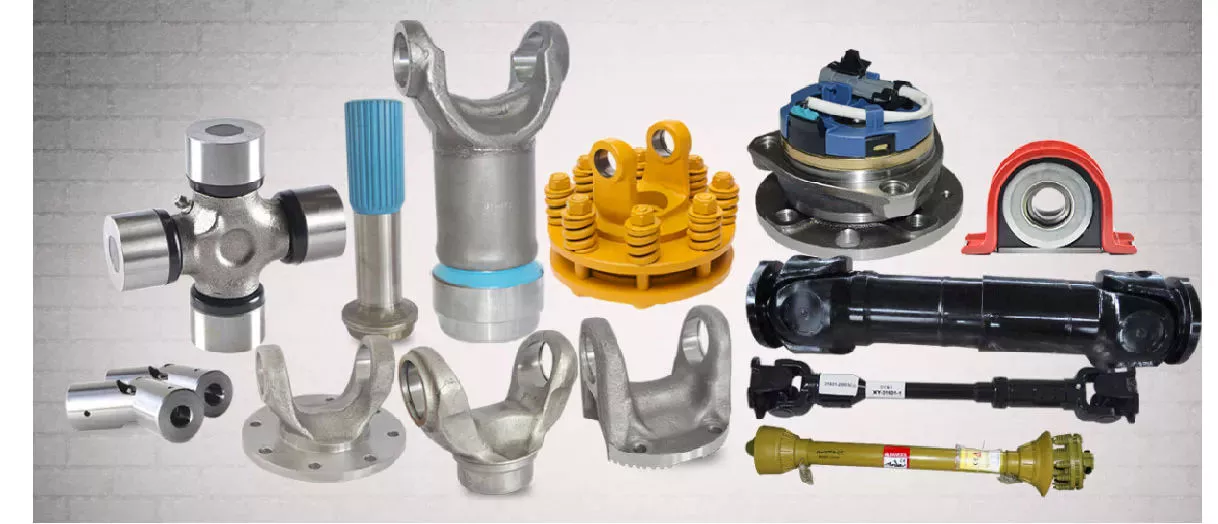
Yes, there are variations in PTO (Power Take-Off) shaft designs to accommodate the specific requirements of different types of machinery. PTO shafts are highly versatile and adaptable components used to transfer power from a power source, such as a tractor or engine, to driven machinery or equipment. The design variations in PTO shafts are necessary to ensure compatibility, efficiency, and safety in various applications. Here’s a detailed explanation of the different PTO shaft designs for different types of machinery:
1. Standard PTO Shafts: Standard PTO shafts are the most common design and are widely used in a variety of applications. They typically consist of a solid steel shaft with a universal joint at each end. These universal joints allow for angular misalignment between the power source and the driven machinery. Standard PTO shafts are suitable for applications where the distance between the power source and the driven machinery remains relatively fixed. They are commonly used in agricultural implements, such as mowers, balers, tillers, and seeders, as well as in industrial applications.
2. Telescopic PTO Shafts: Telescopic PTO shafts feature a telescoping design that allows for length adjustment. These shafts consist of two or more concentric shafts that can slide within each other. Telescopic PTO shafts are beneficial in applications where the distance between the power source and the driven machinery varies. By adjusting the length of the shaft, operators can ensure proper power transmission without the risk of the shaft dragging on the ground or being too short to reach the equipment. Telescopic PTO shafts are commonly used in front-mounted implements, snow blowers, self-loading wagons, and other applications where the distance between the power source and the implement changes.
3. CV (Constant Velocity) PTO Shafts: CV PTO shafts incorporate Constant Velocity joints to accommodate misalignment and angular variations. These joints maintain a constant speed and torque transfer even when the driven machinery is at an angle relative to the power source. CV PTO shafts are beneficial in applications where the driven machinery requires flexibility and a wide range of movement. They are commonly used in articulated loaders, telescopic handlers, self-propelled sprayers, and other equipment that requires continuous power transmission while operating at various angles.
4. Gearbox Driven PTO Shafts: Some machinery requires specific speed or torque ratios between the power source and the driven equipment. In such cases, PTO shafts may incorporate gearbox systems. Gearbox driven PTO shafts allow for speed reduction or increase and can change the rotational direction if necessary. The gear ratios in the gearbox can be adjusted to match the speed and torque requirements of the driven machinery. These PTO shafts are commonly used in applications where the power source operates at a different speed or torque level than the equipment it drives, such as in certain industrial manufacturing processes and specialized machinery.
5. High-Torque PTO Shafts: Some heavy-duty machinery requires high torque levels for power transmission. High-torque PTO shafts are designed to handle these demanding applications. They are constructed with reinforced components, including larger diameter shafts and heavier-duty universal joints, to withstand the increased torque requirements. High-torque PTO shafts are commonly used in equipment such as wood chippers, crushers, and heavy-duty agricultural implements that require substantial power and torque for their operation.
6. Safety PTO Shafts: Safety is a crucial consideration when using PTO shafts. Safety PTO shafts incorporate mechanisms to reduce the risk of accidents and injuries. One common safety feature is the use of protective guards that cover the rotating shaft to prevent accidental contact. These guards are typically made of metal or plastic and are designed to shield the rotating components while allowing the necessary movement for power transmission. Safety PTO shafts are used in various applications where the risk of entanglement or accidental contact with the rotating shaft is high, such as in grass mowers, rotary cutters, and other equipment used in landscaping and agriculture.
These are some of the key variations in PTO shaft designs for different types of machinery. The specific design used depends on factors such as the application requirements, power source characteristics, torque levels, movement flexibility, and safety considerations. PTO shaft manufacturers offer a range of designs to ensure compatibility and efficient power transmission in diverse industries and applications.

How do PTO shafts handle variations in load and torque during operation?
PTO (Power Take-Off) shafts are designed to handle variations in load and torque during operation by employing specific mechanisms and features that ensure efficient power transfer and protection against overload conditions. Here’s a detailed explanation of how PTO shafts handle variations in load and torque:
1. Mechanical Design: PTO shafts are engineered with robust mechanical design principles that enable them to handle variations in load and torque. They are typically constructed using high-strength materials such as steel, which provides durability and resistance to bending or twisting forces. The shaft’s diameter, wall thickness, and overall dimensions are carefully calculated to withstand the expected torque levels and load variations. The mechanical design of the PTO shaft ensures that it can transmit power reliably and accommodate the dynamic forces encountered during operation.
2. Universal Joints: Universal joints are a key component of PTO shafts that allow for flexibility and compensation of misalignment between the power source and driven machinery. These joints can accommodate variations in angular alignment, which may occur due to changes in load or movement of the machinery. Universal joints consist of a cross-shaped yoke with needle bearings that allow for smooth rotation and transfer of torque, even when the shafts are not perfectly aligned. The design of universal joints enables PTO shafts to handle variations in load and torque while maintaining consistent power transmission.
3. Slip Clutches: Slip clutches are often incorporated into PTO shafts to provide overload protection. These clutches allow the PTO shaft to slip or disengage momentarily when excessive torque or resistance is encountered. Slip clutches typically consist of friction plates that can be adjusted to a specific torque setting. When the torque surpasses the predetermined limit, the clutch slips, preventing damage to the PTO shaft and connected equipment. Slip clutches are particularly useful when sudden changes in load or torque occur, providing a safety mechanism to protect the PTO shaft and associated machinery.
4. Torque Limiters: Torque limiters are another protective feature found in some PTO shafts. These devices are designed to automatically disengage the power transmission when a predetermined torque threshold is exceeded. Torque limiters can be mechanical, such as shear pin couplings or friction clutches, or electronic, utilizing sensors and control systems. When the torque exceeds the set limit, the torque limiter disengages, preventing further power transfer and protecting the PTO shaft from overload conditions. Torque limiters are effective in handling sudden spikes in torque and safeguarding the PTO shaft and associated equipment.
5. Maintenance and Inspection: Regular maintenance and inspection of PTO shafts are essential to ensure their proper functioning and ability to handle variations in load and torque. Routine maintenance includes lubrication of universal joints, inspection of shaft integrity, and tightening of fasteners. Regular inspections allow for early detection of wear, misalignment, or other issues that may affect the PTO shaft’s performance. By addressing maintenance and inspection requirements, operators can identify and address any concerns that may arise due to variations in load and torque, ensuring the continued safe and efficient operation of the PTO shaft.
6. Operator Awareness and Control: Operators play a crucial role in managing variations in load and torque during PTO shaft operation. They should be aware of the machinery’s operational limits, including the recommended torque ratings and load capacities of the PTO shaft. Proper training and understanding of the equipment’s capabilities enable operators to make informed decisions and adjust the operation when encountering significant load or torque changes. Operators should also be vigilant in monitoring the equipment’s performance, watching for any signs of excessive vibration, noise, or other indications of potential issues related to load and torque variations.
By incorporating robust mechanical design, utilizing universal joints, slip clutches, torque limiters, and implementing proper maintenance practices, PTO shafts are equipped to handle variations in load and torque during operation. These features ensure reliable power transmission, protect against overload conditions, and contribute to the safe and efficient functioning of the PTO shaft and the machinery it drives.
Op welke manier dragen aftakasassen bij aan de krachtoverbrenging van tractoren naar werktuigen?
Aftakasassen (PTO-assen) spelen een cruciale rol bij de krachtoverbrenging van tractoren naar werktuigen in de landbouw en industrie. Ze bieden een betrouwbare en efficiënte manier van krachtoverbrenging, waardoor tractoren diverse werktuigen kunnen aandrijven en een breed scala aan taken kunnen uitvoeren. Hieronder volgt een gedetailleerde uitleg over hoe aftakasassen bijdragen aan de krachtoverbrenging van tractoren naar werktuigen:
Stroombron: Tractoren zijn uitgerust met krachtige motoren die ontworpen zijn om aanzienlijke hoeveelheden mechanisch vermogen te genereren. Dit vermogen wordt gebruikt om de wielen van de tractor aan te drijven en hydraulische systemen te bedienen, evenals om via de aftakas (PTO) de aanbouwdelen van de tractor van stroom te voorzien. De aftakas is meestal aan de achterkant of zijkant van de tractor bevestigd, waar het aftakasmechanisme zich bevindt. Het aftakasmechanisme haalt het vermogen rechtstreeks uit de motor of transmissie van de tractor, waardoor een efficiënte krachtoverdracht naar de aftakas mogelijk is.
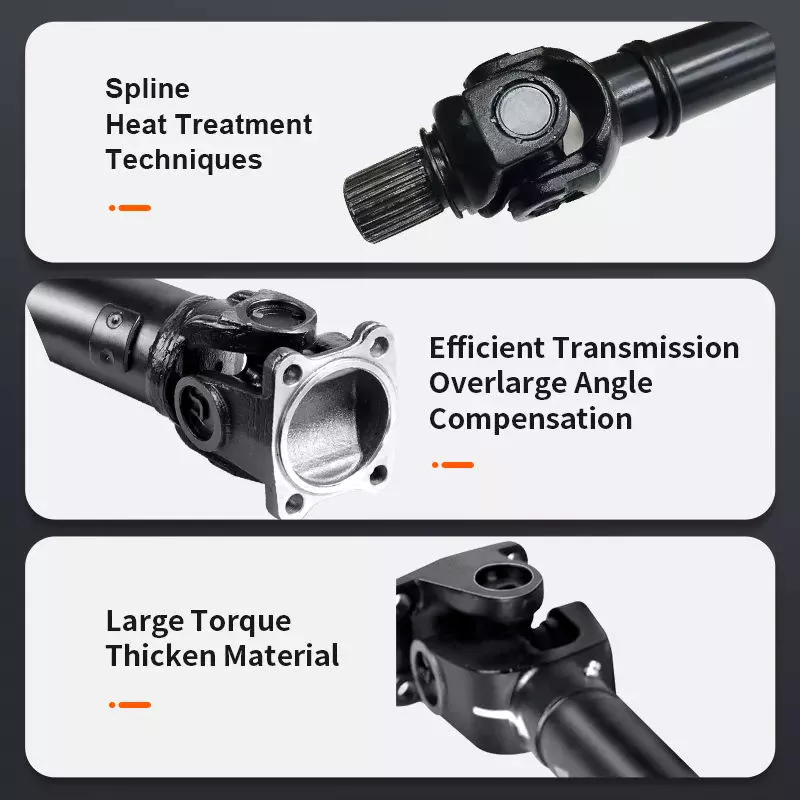
Ontwerp van de aftakas: De aftakas is ontworpen als onderdeel van de aandrijflijn en brengt rotatiekracht en koppel over van de aftakas van de tractor naar het werktuig. De aftakas bestaat uit een holle metalen buis met cardankoppelingen aan beide uiteinden. Deze koppelingen vangen hoekafwijkingen op, waardoor de aftakas kracht kan overbrengen, zelfs wanneer de tractor en het werktuig niet perfect op elkaar zijn afgestemd. De aftakas is tevens voorzien van een veiligheidsafscherming om onbedoeld contact met de draaiende as te voorkomen en zo de veiligheid van de bestuurder tijdens het gebruik te waarborgen.
Betrokkenheid van ouderverenigingen: Om de kracht van de tractor op het werktuig over te brengen, moet de aftakas ingeschakeld zijn. Tractoren zijn uitgerust met een aftakaskoppeling waarmee de bestuurder de aftakas naar behoefte kan in- of uitschakelen. Wanneer de aftakaskoppeling is ingeschakeld, stroomt de kracht van de tractormotor via het aftakasmechanisme naar de aftakas. Deze rotatiekracht wordt vervolgens via de aftakas overgebracht naar het werktuig, waardoor de werkende onderdelen ervan worden aangedreven.
Rotatiekrachtoverbrenging: De door de motor van de tractor opgewekte rotatiekracht wordt via de aftakas overgebracht naar de aftakas. De aftakas, die direct met de aftakas is verbonden, draait met dezelfde snelheid als de motor. Deze rotatiekracht wordt vervolgens van de aftakas overgebracht naar de aandrijflijn of versnellingsbak van het werktuig. De aandrijflijn van het werktuig verdeelt de kracht vervolgens over de werkende onderdelen van het werktuig, zoals messen, vijzels of pompen, waardoor deze hun respectievelijke functies kunnen uitvoeren.
Snelheid en vermogen op elkaar afstemmen: Aftakasassen zijn ontworpen om te voldoen aan de rotatiesnelheid en het vermogen dat nodig is voor diverse werktuigen. Tractoren hebben vaak meerdere snelheidsinstellingen voor de aftakas, waardoor bestuurders de juiste snelheid kunnen kiezen voor het specifieke werktuig dat ze gebruiken. Verschillende werktuigen vereisen mogelijk verschillende rotatiesnelheden voor optimale werking, en de aftakas maakt een eenvoudige aanpassing mogelijk om aan die eisen te voldoen. Bovendien wordt het vermogen dat door de motor van de tractor wordt gegenereerd, via de aftakas overgebracht, waardoor het benodigde koppel wordt geleverd om de werkende onderdelen van het werktuig effectief aan te drijven.
Veelzijdigheid en efficiëntie: Aftakasassen bieden aanzienlijke veelzijdigheid en efficiëntie in agrarische en industriële toepassingen. Ze stellen tractoren in staat een breed scala aan werktuigen aan te drijven, waaronder maaiers, balenpersen, grondfrezen, sproeiers en graanvijzels. Door werktuigen rechtstreeks op de krachtbron van de tractor aan te sluiten, kunnen bestuurders snel wisselen tussen taken zonder dat aparte stroomgeneratoren of motoren nodig zijn. Deze veelzijdigheid en efficiëntie stroomlijnen de workflow, verlagen de kosten en verhogen de algehele productiviteit in agrarische en industriële omgevingen.
Veiligheidsaspecten: Hoewel aftakasassen essentieel zijn voor de krachtoverbrenging, kunnen ze veiligheidsrisico's met zich meebrengen bij onjuist gebruik. De roterende as en de kruiskoppelingen kunnen ernstig letsel veroorzaken als machinisten er tijdens het gebruik mee in contact komen. Daarom zijn aftakasassen voorzien van veiligheidskappen of -afschermingen om onbedoeld contact te voorkomen. Machinisten moeten er altijd voor zorgen dat de veiligheidskappen goed vastzitten voordat ze de aftakas inschakelen. Goede training, naleving van de veiligheidsrichtlijnen en regelmatig onderhoud van aftakasassen en de bijbehorende veiligheidsvoorzieningen zijn cruciaal voor een veilige werking.
Samenvattend zijn aftakasassen essentiële onderdelen die de krachtoverbrenging van tractoren naar werktuigen in agrarische en industriële toepassingen mogelijk maken. Ze bieden een betrouwbare en efficiënte manier van krachtoverbrenging, waardoor tractoren diverse werktuigen kunnen aandrijven en een breed scala aan taken kunnen uitvoeren. Door de aftakaskoppeling in te schakelen en de rotatiekracht via de aftakas over te brengen, drijven tractoren de werkende onderdelen van werktuigen aan, wat zorgt voor veelzijdigheid, efficiëntie en productiviteit in agrarische en industriële werkzaamheden.


editor by CX 2023-10-31