Productbeschrijving
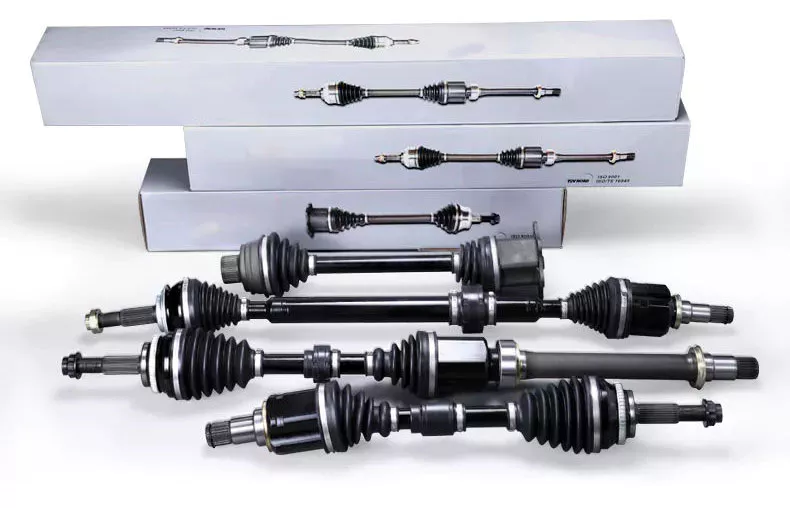
Agricultural Machinery Parts Tractor Truck Rotary Drive PTO Shaft Agriculture Machine Part
Productbeschrijving
Our rotary PTO SHAFT is a powerful assistant in agricultural production, known for its high efficiency and durability. environment for CHINAMFG cultivation.
Product Features:
High strength materials: The PTO SHAFT is made of high-strength materials, which have excellent durability and fatigue resistance and can be used for a long time.
Efficient farming: PTO SHAFT Labor-saving and easy to operate: using a rotary tiller for land plowing is easy and labor-saving, easy to operate, and suitable for various terrains.
Easy maintenance: The PTO SHAFT has a simple structure, low maintenance cost, and long service life.
Strong adaptability: Suitable for various types of soil, whether in paddy fields, dry fields, or mountainous areas, it can demonstrate excellent performance.
Usage :
Choose the appropriate model of PTO SHAFT according to the land conditions.
Install the PTO SHAFT on agricultural machinery.
Start agricultural machinery and start plowing the land.
Precautions :
Please read the product manual carefully before use.
Please use this product under safe conditions.
This product is only used for agricultural tillage and cannot be used for other purposes.
Detailed Photos
Product Parameters
GOOD QUALITY AGRICULTURE MACHINE ACCESSORY PROPRLLER SHAFT TRACTOR PARTS TRANSMISSION SHAFT DRIVE AXLE POWER DRIVE SHAFT PTO SHAFT
Packaging & Shipping
Our Advantages
1. High quality steel raw materials, suitable hardness, not easy to break or deform.
2. Automatic temperature control system used on both heating treatment and tempering, to guaratee the products heated evenly, the outside and interior have uniform structure, so as to get longer work life.
3.Precise and high strength moulds get precise shaping during thermo-forming.
4. Special gas used in tempering, to make up the chemical elements which lost during heating treatment, to double the work life than normal technology, proprietary heat treatment technology designed and developed by JIELIKE.
5. The whole product body and shape has been adjusted precisely by mechanics to pass the balance test both in static and moving states.
6. Products use electrostatic painting or brand water-based paint, environment-protective, to get excellent surface and long time rust-protective. And drying process is added for liquid painting to improve the quality of the paint adhesion to blade surface.
7. Automatic shot peening surface treatment, excellent appearance.
8. Provide OEM & ODM Service.
9. Provide customized products.
After Sales Service
We provide comprehensive after-sales service, including product consultation, user guidance, repair and maintenance, etc. If you encounter any problems during use, please feel free to contact us at any time.
/* 22 januari 2571 19:08:37 */!function(){function s(e,r){var a,o={};try{e&&e.split(“,”).forEach(function(e,t){e&&(a=e.match(/(.*?):(.*)$/))&&1
| Type: | Shaft |
|---|---|
| Usage: | Tillage |
| Materiaal: | Carbon Steel |
| Customization: |
Available
| Customized Request |
|---|
.shipping-cost-tm .tm-status-off{background: none;padding:0;color: #1470cc}
| Shipping Cost:
Estimated freight per unit. |
about shipping cost and estimated delivery time. |
|---|
| Payment Method: |
|
|---|---|
|
Initial Payment Full Payment |
| Currency: | US$ |
|---|
| Return&refunds: | You can apply for a refund up to 30 days after receipt of the products. |
|---|
How do PTO shafts ensure efficient power transfer while maintaining safety?
PTO (Power Take-Off) shafts play a crucial role in ensuring efficient power transfer from a power source to driven machinery or equipment, while also maintaining safety. These shafts are designed with various features and mechanisms to optimize power transmission efficiency and mitigate potential hazards. Here’s a detailed explanation of how PTO shafts achieve efficient power transfer while prioritizing safety:
1. Mechanical Power Transmission: PTO shafts serve as mechanical linkages between the power source, typically a tractor or engine, and the driven machinery. They transmit rotational power from the power source to the equipment, enabling efficient transfer of energy. The mechanical design of PTO shafts, including their diameter, length, and material composition, is optimized to minimize power losses during transmission, ensuring that a significant portion of the power generated by the source is effectively delivered to the machinery.
2. Universal Joints and Flexible Couplings: PTO shafts are equipped with universal joints and flexible couplings that allow for angular misalignment and flexibility in movement. Universal joints accommodate variations in the alignment between the power source and the driven machinery, enabling smooth power transfer even when the two components are not perfectly aligned. Flexible couplings help to compensate for slight misalignments, reduce vibration, and prevent excessive stress on the shaft and connected components, thereby enhancing efficiency and reducing the risk of mechanical failure or damage.
3. Constant Velocity (CV) Joints: CV joints are often used in PTO shafts to maintain constant speed and torque transfer, particularly in applications where the driven machinery requires flexibility or operates at different angles. CV joints allow for smooth power transmission without significant fluctuations, even when the driven machinery is at an angle relative to the power source. By minimizing speed variations and power loss due to changing angles, CV joints contribute to efficient power transfer while ensuring consistent performance and reducing the likelihood of mechanical stress or premature wear.
4. Safety Guards and Shields: Safety is a paramount consideration in the design of PTO shafts. Protective guards and shields are installed to cover the rotating shaft and other moving parts. These guards act as physical barriers to prevent accidental contact with the rotating components, significantly reducing the risk of entanglement, injury, or damage. Safety guards are typically made of durable materials such as metal or plastic and are designed to allow the necessary movement for power transmission while providing adequate protection. Regular inspection and maintenance of these guards are crucial to ensure their effectiveness in maintaining safety.
5. Shear Bolt or Slip Clutch Mechanisms: PTO shafts often incorporate shear bolt or slip clutch mechanisms as safety features to protect the driveline components and prevent damage in case of excessive torque or sudden resistance. Shear bolts are designed to shear or break when the torque exceeds a predetermined threshold, disconnecting the PTO shaft from the power source. This helps prevent damage to the shaft, driven machinery, and power source. Slip clutches work similarly by allowing the PTO shaft to slip when excessive resistance is encountered, protecting the components from overload. These mechanisms act as safety measures to maintain the integrity of the PTO shaft and associated equipment while minimizing the risk of mechanical failures or accidents.
6. Compliance with Safety Standards: PTO shafts are designed and manufactured to comply with relevant safety standards and regulations. Manufacturers follow guidelines and requirements set by organizations such as the American Society of Agricultural and Biological Engineers (ASABE) or other regional safety authorities. Compliance with these standards ensures that PTO shafts meet specific safety criteria, including torque capacity, guard design, and other safety considerations. Users can rely on standardized PTO shafts that have undergone testing and certification, providing an additional layer of assurance regarding their safety and performance.
7. Operator Education and Training: To ensure safe and efficient operation, it is essential for operators to receive proper education and training on PTO shafts. Operators should be familiar with the specific safety features, maintenance requirements, and safe operating procedures for the PTO shafts used in their applications. This includes understanding the importance of using appropriate personal protective equipment, regularly inspecting the equipment for wear or damage, and following recommended maintenance schedules. Operator awareness and adherence to safety protocols significantly contribute to maintaining a safe working environment and maximizing the efficiency of power transfer.
In summary, PTO shafts ensure efficient power transfer while maintaining safety through their mechanical design, incorporation of universal joints and CV joints, installation of safety guards and shields, implementation of shear bolt or slip clutch mechanisms, compliance with safety standards, and operator education. By combining these features and practices, PTO shafts provide reliable and secure power transmission, minimizing power losses and potential risks associated with their operation.

How do PTO shafts handle variations in load and torque during operation?
PTO (Power Take-Off) shafts are designed to handle variations in load and torque during operation by employing specific mechanisms and features that ensure efficient power transfer and protection against overload conditions. Here’s a detailed explanation of how PTO shafts handle variations in load and torque:
1. Mechanical Design: PTO shafts are engineered with robust mechanical design principles that enable them to handle variations in load and torque. They are typically constructed using high-strength materials such as steel, which provides durability and resistance to bending or twisting forces. The shaft’s diameter, wall thickness, and overall dimensions are carefully calculated to withstand the expected torque levels and load variations. The mechanical design of the PTO shaft ensures that it can transmit power reliably and accommodate the dynamic forces encountered during operation.
2. Universal Joints: Universal joints are a key component of PTO shafts that allow for flexibility and compensation of misalignment between the power source and driven machinery. These joints can accommodate variations in angular alignment, which may occur due to changes in load or movement of the machinery. Universal joints consist of a cross-shaped yoke with needle bearings that allow for smooth rotation and transfer of torque, even when the shafts are not perfectly aligned. The design of universal joints enables PTO shafts to handle variations in load and torque while maintaining consistent power transmission.
3. Slip Clutches: Slip clutches are often incorporated into PTO shafts to provide overload protection. These clutches allow the PTO shaft to slip or disengage momentarily when excessive torque or resistance is encountered. Slip clutches typically consist of friction plates that can be adjusted to a specific torque setting. When the torque surpasses the predetermined limit, the clutch slips, preventing damage to the PTO shaft and connected equipment. Slip clutches are particularly useful when sudden changes in load or torque occur, providing a safety mechanism to protect the PTO shaft and associated machinery.
4. Torque Limiters: Torque limiters are another protective feature found in some PTO shafts. These devices are designed to automatically disengage the power transmission when a predetermined torque threshold is exceeded. Torque limiters can be mechanical, such as shear pin couplings or friction clutches, or electronic, utilizing sensors and control systems. When the torque exceeds the set limit, the torque limiter disengages, preventing further power transfer and protecting the PTO shaft from overload conditions. Torque limiters are effective in handling sudden spikes in torque and safeguarding the PTO shaft and associated equipment.
5. Maintenance and Inspection: Regular maintenance and inspection of PTO shafts are essential to ensure their proper functioning and ability to handle variations in load and torque. Routine maintenance includes lubrication of universal joints, inspection of shaft integrity, and tightening of fasteners. Regular inspections allow for early detection of wear, misalignment, or other issues that may affect the PTO shaft’s performance. By addressing maintenance and inspection requirements, operators can identify and address any concerns that may arise due to variations in load and torque, ensuring the continued safe and efficient operation of the PTO shaft.
6. Operator Awareness and Control: Operators play a crucial role in managing variations in load and torque during PTO shaft operation. They should be aware of the machinery’s operational limits, including the recommended torque ratings and load capacities of the PTO shaft. Proper training and understanding of the equipment’s capabilities enable operators to make informed decisions and adjust the operation when encountering significant load or torque changes. Operators should also be vigilant in monitoring the equipment’s performance, watching for any signs of excessive vibration, noise, or other indications of potential issues related to load and torque variations.
By incorporating robust mechanical design, utilizing universal joints, slip clutches, torque limiters, and implementing proper maintenance practices, PTO shafts are equipped to handle variations in load and torque during operation. These features ensure reliable power transmission, protect against overload conditions, and contribute to the safe and efficient functioning of the PTO shaft and the machinery it drives.

Op welke manier dragen aftakasassen bij aan de krachtoverbrenging van tractoren naar werktuigen?
Aftakasassen (PTO-assen) spelen een cruciale rol bij de krachtoverbrenging van tractoren naar werktuigen in de landbouw en industrie. Ze bieden een betrouwbare en efficiënte manier van krachtoverbrenging, waardoor tractoren diverse werktuigen kunnen aandrijven en een breed scala aan taken kunnen uitvoeren. Hieronder volgt een gedetailleerde uitleg over hoe aftakasassen bijdragen aan de krachtoverbrenging van tractoren naar werktuigen:
Stroombron: Tractoren zijn uitgerust met krachtige motoren die ontworpen zijn om aanzienlijke hoeveelheden mechanisch vermogen te genereren. Dit vermogen wordt gebruikt om de wielen van de tractor aan te drijven en hydraulische systemen te bedienen, evenals om via de aftakas (PTO) de aanbouwdelen van de tractor van stroom te voorzien. De aftakas is meestal aan de achterkant of zijkant van de tractor bevestigd, waar het aftakasmechanisme zich bevindt. Het aftakasmechanisme haalt het vermogen rechtstreeks uit de motor of transmissie van de tractor, waardoor een efficiënte krachtoverdracht naar de aftakas mogelijk is.
Ontwerp van de aftakas: De aftakas is ontworpen als onderdeel van de aandrijflijn en brengt rotatiekracht en koppel over van de aftakas van de tractor naar het werktuig. De aftakas bestaat uit een holle metalen buis met cardankoppelingen aan beide uiteinden. Deze koppelingen vangen hoekafwijkingen op, waardoor de aftakas kracht kan overbrengen, zelfs wanneer de tractor en het werktuig niet perfect op elkaar zijn afgestemd. De aftakas is tevens voorzien van een veiligheidsafscherming om onbedoeld contact met de draaiende as te voorkomen en zo de veiligheid van de bestuurder tijdens het gebruik te waarborgen.
Betrokkenheid van ouderverenigingen: Om de kracht van de tractor op het werktuig over te brengen, moet de aftakas ingeschakeld zijn. Tractoren zijn uitgerust met een aftakaskoppeling waarmee de bestuurder de aftakas naar behoefte kan in- of uitschakelen. Wanneer de aftakaskoppeling is ingeschakeld, stroomt de kracht van de tractormotor via het aftakasmechanisme naar de aftakas. Deze rotatiekracht wordt vervolgens via de aftakas overgebracht naar het werktuig, waardoor de werkende onderdelen ervan worden aangedreven.
Rotatiekrachtoverbrenging: De door de motor van de tractor opgewekte rotatiekracht wordt via de aftakas overgebracht naar de aftakas. De aftakas, die direct met de aftakas is verbonden, draait met dezelfde snelheid als de motor. Deze rotatiekracht wordt vervolgens van de aftakas overgebracht naar de aandrijflijn of versnellingsbak van het werktuig. De aandrijflijn van het werktuig verdeelt de kracht vervolgens over de werkende onderdelen van het werktuig, zoals messen, vijzels of pompen, waardoor deze hun respectievelijke functies kunnen uitvoeren.
Snelheid en vermogen op elkaar afstemmen: Aftakasassen zijn ontworpen om te voldoen aan de rotatiesnelheid en het vermogen dat nodig is voor diverse werktuigen. Tractoren hebben vaak meerdere snelheidsinstellingen voor de aftakas, waardoor bestuurders de juiste snelheid kunnen kiezen voor het specifieke werktuig dat ze gebruiken. Verschillende werktuigen vereisen mogelijk verschillende rotatiesnelheden voor optimale werking, en de aftakas maakt een eenvoudige aanpassing mogelijk om aan die eisen te voldoen. Bovendien wordt het vermogen dat door de motor van de tractor wordt gegenereerd, via de aftakas overgebracht, waardoor het benodigde koppel wordt geleverd om de werkende onderdelen van het werktuig effectief aan te drijven.
Veelzijdigheid en efficiëntie: Aftakasassen bieden aanzienlijke veelzijdigheid en efficiëntie in agrarische en industriële toepassingen. Ze stellen tractoren in staat een breed scala aan werktuigen aan te drijven, waaronder maaiers, balenpersen, grondfrezen, sproeiers en graanvijzels. Door werktuigen rechtstreeks op de krachtbron van de tractor aan te sluiten, kunnen bestuurders snel wisselen tussen taken zonder dat aparte stroomgeneratoren of motoren nodig zijn. Deze veelzijdigheid en efficiëntie stroomlijnen de workflow, verlagen de kosten en verhogen de algehele productiviteit in agrarische en industriële omgevingen.
Veiligheidsaspecten: Hoewel aftakasassen essentieel zijn voor de krachtoverbrenging, kunnen ze veiligheidsrisico's met zich meebrengen bij onjuist gebruik. De roterende as en de kruiskoppelingen kunnen ernstig letsel veroorzaken als machinisten er tijdens het gebruik mee in contact komen. Daarom zijn aftakasassen voorzien van veiligheidskappen of -afschermingen om onbedoeld contact te voorkomen. Machinisten moeten er altijd voor zorgen dat de veiligheidskappen goed vastzitten voordat ze de aftakas inschakelen. Goede training, naleving van de veiligheidsrichtlijnen en regelmatig onderhoud van aftakasassen en de bijbehorende veiligheidsvoorzieningen zijn cruciaal voor een veilige werking.
Samenvattend zijn aftakasassen essentiële onderdelen die de krachtoverbrenging van tractoren naar werktuigen in agrarische en industriële toepassingen mogelijk maken. Ze bieden een betrouwbare en efficiënte manier van krachtoverbrenging, waardoor tractoren diverse werktuigen kunnen aandrijven en een breed scala aan taken kunnen uitvoeren. Door de aftakaskoppeling in te schakelen en de rotatiekracht via de aftakas over te brengen, drijven tractoren de werkende onderdelen van werktuigen aan, wat zorgt voor veelzijdigheid, efficiëntie en productiviteit in agrarische en industriële werkzaamheden.


editor by CX 2024-05-03