Productbeschrijving
Tractor Rotary Mowers Bevel Fertilizer Spreader Tillers Right Angle Pto Shaft Reducer Gearbox for Farm and Agricultural Machinery
Established in Nov.2002,HangZhou CHINAMFG is a professional manufacturer and supplier in supplying spare parts and accessories for agricultural machinery. In addition to the 3000 standards parts, we also offer our customers tailor-made articles or assemblies that are for special application.
HangZhou CHINAMFG focused on the development and production of gearboxes with a professional team and continue to learn advanced technology; the use of first-class equipment; high quality supply chain system, relying on these, the gearboxes get high reputation among customers at home and abroad.
These gearboxes are widely used in rotary tillers, lawn mowers, harvesters, hole diggers, pesticide sprayers, irrigation machines, fertilizer spreaders, blenders and so on. The main products are:
–Straight bevel gearbox
–Spiral bevel gearbox
–Planetary reducer
–Worm gearbox
HangZhou CHINAMFG International Trading Co.,Ltd is a modern enterprise specilizing in the development, production, sales and services of PTO shaft. We adhere to the principle of “Precise Driveline, Advocate Green”, using advanced technology and equipments to ensure all the technical standards of precise driveline. So that the transmission efficiency can be maxmized and every drop of resource of customers’ can be saved. Meanwhile, we have a customer-centric service system, providing a full range of pre-sale, sale and after-sale service. Customer satisfaction is our forever pursuit.
We follow the principle of people first, trying our best to set up a pleasant surroundings and platform of performance for each employee, so everyone can be self-consciously active to join in “Precise Driveline, Adocate Green” to embody the self-worth, enterprise value and social value.
Newnuro’s goal is: reducing customer’s purchase budget, support customers to earn more market.
Newnuro always finds solution for customers.Customer satisfaction is our ultimate goal and forever pursuit.
/* 10 maart 2571 17:59:20 */!function(){function s(e,r){var a,o={};try{e&&e.split(“,”).forEach(function(e,t){e&&(a=e.match(/(.*?):(.*)$/))&&1
| Sollicitatie: | Machinery, Agricultural Machinery |
|---|---|
| Function: | Distribution Power, Change Drive Torque, Change Drive Direction, Speed Changing, Speed Reduction, Speed Increase |
| Layout: | Assembled |
| Hardheid: | Hardened Tooth Surface |
| Installation: | Horizontal Type |
| Step: | Single-Step |
| Voorbeelden: |
US$ 50/Piece
1 stuk (minimale bestelling) | |
|---|
| Aanpassing: |
Beschikbaar
| Aanvraag op maat |
|---|
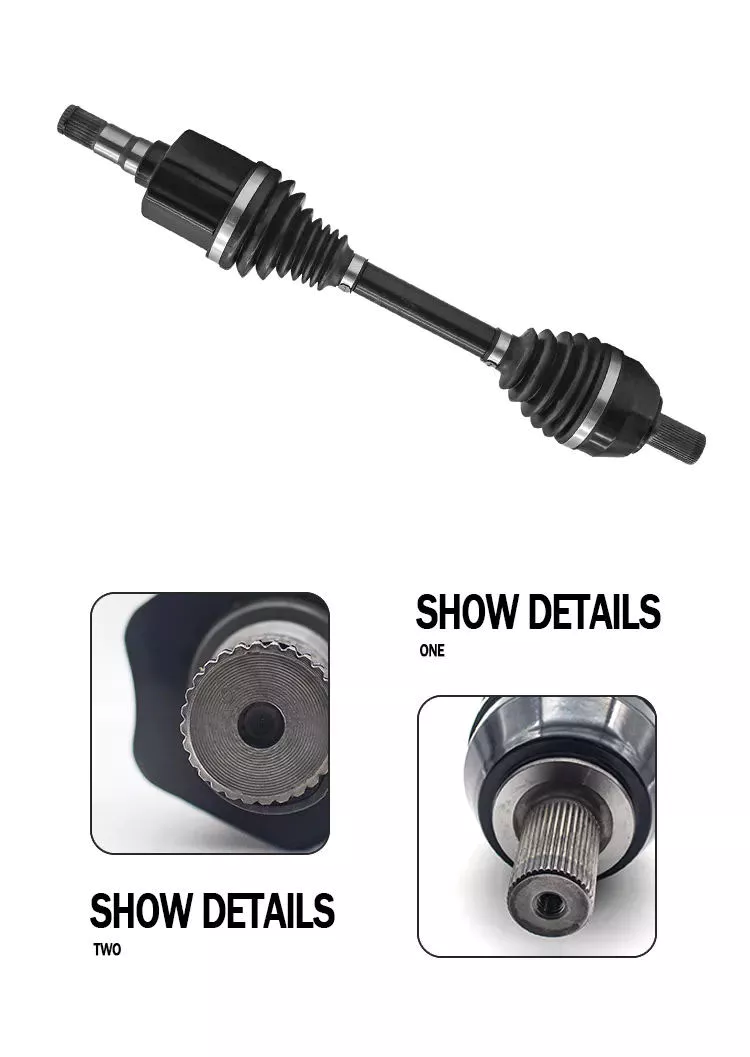
How do manufacturers ensure the compatibility of PTO shafts with different equipment?
Manufacturers employ various measures to ensure the compatibility of PTO (Power Take-Off) shafts with different equipment. Compatibility is crucial to ensure that PTO shafts can effectively transfer power from the power source to the driven machinery without compromising performance, safety, or ease of use. Here’s a detailed explanation of how manufacturers ensure compatibility:
1. Standardization: PTO shafts are designed and manufactured based on standardized specifications. These specifications outline the essential parameters such as shaft dimensions, spline sizes, torque ratings, and safety requirements. By adhering to standardized designs, manufacturers ensure that PTO shafts are compatible with a wide range of equipment that meets the same standards. Standardization allows for interchangeability, meaning that PTO shafts from one manufacturer can be used with equipment from another manufacturer as long as they conform to the same specifications.
2. Collaboration with Equipment Manufacturers: PTO shaft manufacturers often collaborate closely with equipment manufacturers to ensure compatibility. They work together to understand the specific requirements of the equipment and design PTO shafts that seamlessly integrate with the machinery. This collaboration may involve sharing technical specifications, conducting joint testing, and exchanging feedback. By working in partnership, manufacturers can address any compatibility issues early in the design and development process, resulting in PTO shafts that are tailored to the equipment’s needs.
3. Customization Options: PTO shaft manufacturers offer customization options to accommodate different equipment configurations. They provide flexibility in terms of shaft length, spline sizes, yoke designs, and coupling mechanisms. Equipment manufacturers can specify the required parameters, and the PTO shafts can be customized accordingly. This ensures that the PTO shafts precisely match the equipment’s power input/output requirements and connection methods, guaranteeing compatibility and efficient power transfer.
4. Testing and Validation: Manufacturers conduct rigorous testing and validation processes to ensure the compatibility and performance of PTO shafts. They subject the shafts to various tests, including torque testing, rotational speed testing, and durability testing. These tests verify that the PTO shafts can handle the expected power loads and operating conditions without failure. By validating the performance of the PTO shafts, manufacturers can ensure that they are compatible with a wide range of equipment and can reliably transfer power under different operating scenarios.
5. Compliance with Industry Standards: PTO shaft manufacturers adhere to industry standards and regulations to ensure compatibility. Organizations such as the American Society of Agricultural and Biological Engineers (ASABE) establish safety and performance standards for PTO shafts. Manufacturers design and produce their shafts in accordance with these standards, ensuring that their products meet the necessary requirements for compatibility and safety. Compliance with industry standards provides assurance to equipment manufacturers and end-users that the PTO shafts are compatible and suitable for use with different equipment.
6. Documentation and Guidelines: Manufacturers provide comprehensive documentation and guidelines to assist equipment manufacturers and end-users in ensuring compatibility. This documentation includes technical specifications, installation instructions, maintenance guidelines, and safety recommendations. The documentation helps equipment manufacturers select the appropriate PTO shaft for their equipment and provides guidance on proper installation and use. By following the manufacturer’s guidelines, equipment manufacturers can ensure compatibility and optimize the performance of the PTO shafts.
7. Ongoing Research and Development: PTO shaft manufacturers continuously invest in research and development to enhance compatibility with different equipment. They stay updated with industry trends, technological advancements, and evolving equipment requirements. This ongoing research and development enable manufacturers to improve the design, materials, and features of PTO shafts, ensuring compatibility with the latest equipment innovations and addressing any compatibility challenges that may arise.
By employing standardization, collaborating with equipment manufacturers, offering customization options, conducting thorough testing, complying with industry standards, providing documentation and guidelines, and investing in research and development, manufacturers ensure the compatibility of PTO shafts with different equipment. This compatibility allows for seamless integration, efficient power transfer, and optimal performance across a wide range of machinery and equipment in various industries.

How do PTO shafts handle variations in load and torque during operation?
PTO (Power Take-Off) shafts are designed to handle variations in load and torque during operation by employing specific mechanisms and features that ensure efficient power transfer and protection against overload conditions. Here’s a detailed explanation of how PTO shafts handle variations in load and torque:
1. Mechanical Design: PTO shafts are engineered with robust mechanical design principles that enable them to handle variations in load and torque. They are typically constructed using high-strength materials such as steel, which provides durability and resistance to bending or twisting forces. The shaft’s diameter, wall thickness, and overall dimensions are carefully calculated to withstand the expected torque levels and load variations. The mechanical design of the PTO shaft ensures that it can transmit power reliably and accommodate the dynamic forces encountered during operation.
2. Universal Joints: Universal joints are a key component of PTO shafts that allow for flexibility and compensation of misalignment between the power source and driven machinery. These joints can accommodate variations in angular alignment, which may occur due to changes in load or movement of the machinery. Universal joints consist of a cross-shaped yoke with needle bearings that allow for smooth rotation and transfer of torque, even when the shafts are not perfectly aligned. The design of universal joints enables PTO shafts to handle variations in load and torque while maintaining consistent power transmission.
3. Slip Clutches: Slip clutches are often incorporated into PTO shafts to provide overload protection. These clutches allow the PTO shaft to slip or disengage momentarily when excessive torque or resistance is encountered. Slip clutches typically consist of friction plates that can be adjusted to a specific torque setting. When the torque surpasses the predetermined limit, the clutch slips, preventing damage to the PTO shaft and connected equipment. Slip clutches are particularly useful when sudden changes in load or torque occur, providing a safety mechanism to protect the PTO shaft and associated machinery.
4. Torque Limiters: Torque limiters are another protective feature found in some PTO shafts. These devices are designed to automatically disengage the power transmission when a predetermined torque threshold is exceeded. Torque limiters can be mechanical, such as shear pin couplings or friction clutches, or electronic, utilizing sensors and control systems. When the torque exceeds the set limit, the torque limiter disengages, preventing further power transfer and protecting the PTO shaft from overload conditions. Torque limiters are effective in handling sudden spikes in torque and safeguarding the PTO shaft and associated equipment.
5. Maintenance and Inspection: Regular maintenance and inspection of PTO shafts are essential to ensure their proper functioning and ability to handle variations in load and torque. Routine maintenance includes lubrication of universal joints, inspection of shaft integrity, and tightening of fasteners. Regular inspections allow for early detection of wear, misalignment, or other issues that may affect the PTO shaft’s performance. By addressing maintenance and inspection requirements, operators can identify and address any concerns that may arise due to variations in load and torque, ensuring the continued safe and efficient operation of the PTO shaft.
6. Operator Awareness and Control: Operators play a crucial role in managing variations in load and torque during PTO shaft operation. They should be aware of the machinery’s operational limits, including the recommended torque ratings and load capacities of the PTO shaft. Proper training and understanding of the equipment’s capabilities enable operators to make informed decisions and adjust the operation when encountering significant load or torque changes. Operators should also be vigilant in monitoring the equipment’s performance, watching for any signs of excessive vibration, noise, or other indications of potential issues related to load and torque variations.
By incorporating robust mechanical design, utilizing universal joints, slip clutches, torque limiters, and implementing proper maintenance practices, PTO shafts are equipped to handle variations in load and torque during operation. These features ensure reliable power transmission, protect against overload conditions, and contribute to the safe and efficient functioning of the PTO shaft and the machinery it drives.
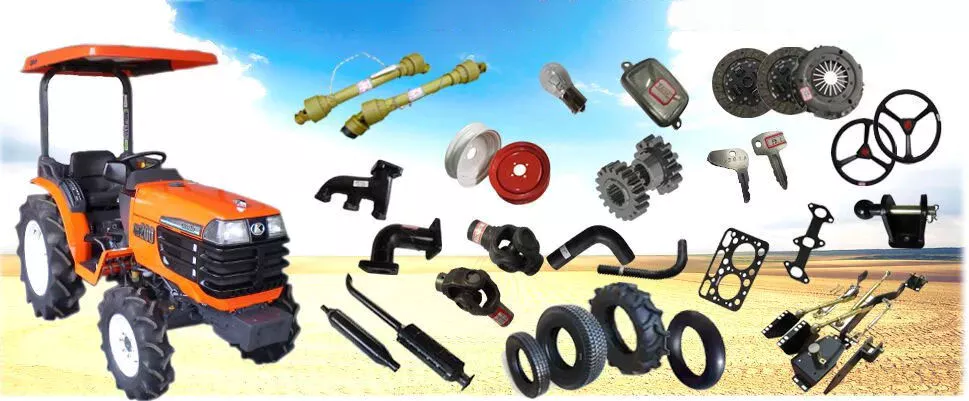
Hoe gaan aftakasassen om met variaties in snelheid en koppel?
PTO-assen (Power Take-Off-assen) zijn ontworpen om variaties in snelheid en koppel tussen de krachtbron (zoals een tractor of motor) en de aangedreven machine of apparatuur op te vangen. Ze bevatten diverse mechanismen en componenten om een efficiënte krachtoverbrenging te garanderen en tegelijkertijd aan de verschillende snelheids- en koppelvereisten te voldoen. Hieronder volgt een gedetailleerde uitleg over hoe PTO-assen variaties in snelheid en koppel verwerken:
1. Versnellingsbaksystemen: Aftakasassen zijn vaak voorzien van een versnellingsbak om de snelheid en het koppel van de aandrijfbron af te stemmen op de aangedreven machine. Versnellingsbakken maken snelheidsverlaging of -verhoging mogelijk en kunnen indien nodig ook de draairichting veranderen. Door verschillende overbrengingsverhoudingen te gebruiken, kunnen aftakasassen de rotatiesnelheid en het koppel aanpassen aan de specifieke eisen van de aangedreven machine. Versnellingsbaksystemen zorgen ervoor dat aftakasassen de benodigde kracht en snelheidscompatibiliteit bieden tussen de aandrijfbron en de machines die ze aandrijven.
2. Afschuifboutmechanismen: Sommige aftakasassen, met name in toepassingen waar plotselinge overbelasting of schokbelasting te verwachten is, maken gebruik van afschuifboutmechanismen. Deze mechanismen zijn ontworpen om de aandrijflijncomponenten te beschermen tegen schade door de aftakas los te koppelen in geval van overmatig koppel of plotselinge weerstand. Afschuifbouten zijn ontworpen om te breken bij een specifieke koppeldrempel, waardoor de aftakas loskoppelt voordat de aandrijflijncomponenten beschadigd raken. Door afschuifboutmechanismen toe te passen, kunnen aftakasassen variaties in koppelvereisten aan en bieden ze een veiligheidsvoorziening ter bescherming van de apparatuur.
3. Wrijvingskoppelingen: Aftakasassen kunnen frictiekoppelingen bevatten om een soepele in- en uitschakeling van de krachtoverbrenging mogelijk te maken. Frictiekoppelingen maken gebruik van een schijf- en drukplaatmechanisme om de krachtoverbrenging te regelen. Gebruikers kunnen de krachtoverbrenging geleidelijk in- of uitschakelen door de druk op de frictieschijf aan te passen. Deze functie maakt een nauwkeurige controle van de koppeloverdracht mogelijk, waardoor variaties in koppelbehoefte kunnen worden opgevangen en schokbelastingen op de aandrijflijncomponenten tot een minimum worden beperkt. Frictiekoppelingen worden veelvuldig gebruikt in toepassingen waar een soepele krachtoverbrenging essentieel is, zoals in hydraulische pompen, generatoren en industriële mixers.
4. Homokinetische koppelingen (CV-koppelingen): In gevallen waarin de aangedreven machine een aanzienlijk bewegingsbereik of grote scharnierhoek vereist, kunnen aftakasassen worden voorzien van homokinetische koppelingen (CV-koppelingen). CV-koppelingen zorgen ervoor dat de aftakas uitlijningsafwijkingen en hoekvariaties kan opvangen zonder de krachtoverbrenging te beïnvloeden. Deze koppelingen zorgen voor een soepele en constante krachtoverdracht, zelfs wanneer de aangedreven machine zich onder een hoek ten opzichte van de krachtbron bevindt. CV-koppelingen worden veelvuldig gebruikt in toepassingen zoals knikladers, verreikers en zelfrijdende sproeimachines, waar de machines flexibiliteit en een groot bewegingsbereik vereisen.
5. Telescopische ontwerpen: Sommige aftakasassen hebben een telescopisch ontwerp waarmee de lengte kan worden aangepast. Deze assen bestaan uit twee of meer concentrische assen die in elkaar schuiven, waardoor de aftakas naar behoefte kan worden verlengd of ingetrokken. Telescopische ontwerpen compenseren variaties in de afstand tussen de krachtbron en de aangedreven machine. Door de lengte van de aftakas aan te passen, kunnen gebruikers een juiste krachtoverbrenging garanderen zonder het risico dat de as over de grond sleept of te kort is om de machine te bereiken. Telescopische aftakasassen worden veel gebruikt in toepassingen waar de afstand tussen de krachtbron en het werktuig varieert, zoals bij frontaangedreven werktuigen, sneeuwblazers en zelfladende wagens.
Door deze mechanismen en ontwerpen toe te passen, kunnen aftakasassen variaties in snelheid en koppel effectief verwerken. Ze bieden de nodige flexibiliteit, veiligheid en controle om een efficiënte krachtoverbrenging tussen de krachtbron en de aangedreven machine te garanderen. Aftakasassen spelen een cruciale rol bij het aanpassen van het vermogen aan de specifieke behoeften van diverse apparatuur en toepassingen.


editor by CX 2024-02-06