Описание продукта
Tractor Rotary Mowers Bevel Fertilizer Spreader Tillers Right Angle Pto Shaft Reducer Gearbox for Farm and Agricultural Machinery
Established in Nov.2002,HangZhou CHINAMFG is a professional manufacturer and supplier in supplying spare parts and accessories for agricultural machinery. In addition to the 3000 standards parts, we also offer our customers tailor-made articles or assemblies that are for special application.
HangZhou CHINAMFG focused on the development and production of gearboxes with a professional team and continue to learn advanced technology; the use of first-class equipment; high quality supply chain system, relying on these, the gearboxes get high reputation among customers at home and abroad.
These gearboxes are widely used in rotary tillers, lawn mowers, harvesters, hole diggers, pesticide sprayers, irrigation machines, fertilizer spreaders, blenders and so on. The main products are:
–Straight bevel gearbox
–Spiral bevel gearbox
–Planetary reducer
–Worm gearbox
HangZhou CHINAMFG International Trading Co.,Ltd is a modern enterprise specilizing in the development, production, sales and services of PTO shaft. We adhere to the principle of “Precise Driveline, Advocate Green”, using advanced technology and equipments to ensure all the technical standards of precise driveline. So that the transmission efficiency can be maxmized and every drop of resource of customers’ can be saved. Meanwhile, we have a customer-centric service system, providing a full range of pre-sale, sale and after-sale service. Customer satisfaction is our forever pursuit.
We follow the principle of people first, trying our best to set up a pleasant surroundings and platform of performance for each employee, so everyone can be self-consciously active to join in “Precise Driveline, Adocate Green” to embody the self-worth, enterprise value and social value.
Newnuro’s goal is: reducing customer’s purchase budget, support customers to earn more market.
Newnuro always finds solution for customers.Customer satisfaction is our ultimate goal and forever pursuit.
/* 10 марта 2571 г., 17:59:20 */!function(){function s(e,r){var a,o={};try{e&&e.split(“,”).forEach(function(e,t){e&&(a=e.match(/(.*?):(.*)$/))&&1
| Приложение: | Machinery, Agricultural Machinery |
|---|---|
| Function: | Distribution Power, Change Drive Torque, Change Drive Direction, Speed Changing, Speed Reduction, Speed Increase |
| Layout: | Assembled |
| Hardness: | Hardened Tooth Surface |
| Installation: | Horizontal Type |
| Step: | Single-Step |
| Образцы: |
US$ 50/Piece
1 штука (минимальный заказ) | |
|---|
| Настройка: |
Доступный
| Индивидуальный запрос |
|---|
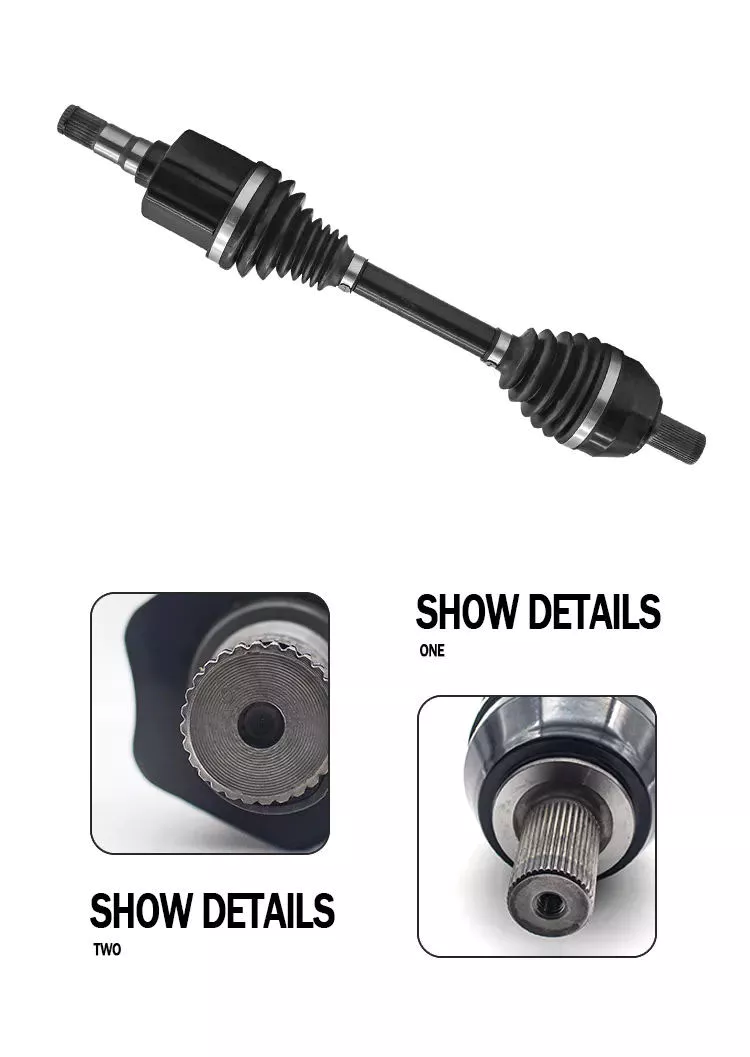
How do manufacturers ensure the compatibility of PTO shafts with different equipment?
Manufacturers employ various measures to ensure the compatibility of PTO (Power Take-Off) shafts with different equipment. Compatibility is crucial to ensure that PTO shafts can effectively transfer power from the power source to the driven machinery without compromising performance, safety, or ease of use. Here’s a detailed explanation of how manufacturers ensure compatibility:
1. Standardization: PTO shafts are designed and manufactured based on standardized specifications. These specifications outline the essential parameters such as shaft dimensions, spline sizes, torque ratings, and safety requirements. By adhering to standardized designs, manufacturers ensure that PTO shafts are compatible with a wide range of equipment that meets the same standards. Standardization allows for interchangeability, meaning that PTO shafts from one manufacturer can be used with equipment from another manufacturer as long as they conform to the same specifications.
2. Collaboration with Equipment Manufacturers: PTO shaft manufacturers often collaborate closely with equipment manufacturers to ensure compatibility. They work together to understand the specific requirements of the equipment and design PTO shafts that seamlessly integrate with the machinery. This collaboration may involve sharing technical specifications, conducting joint testing, and exchanging feedback. By working in partnership, manufacturers can address any compatibility issues early in the design and development process, resulting in PTO shafts that are tailored to the equipment’s needs.
3. Customization Options: PTO shaft manufacturers offer customization options to accommodate different equipment configurations. They provide flexibility in terms of shaft length, spline sizes, yoke designs, and coupling mechanisms. Equipment manufacturers can specify the required parameters, and the PTO shafts can be customized accordingly. This ensures that the PTO shafts precisely match the equipment’s power input/output requirements and connection methods, guaranteeing compatibility and efficient power transfer.
4. Testing and Validation: Manufacturers conduct rigorous testing and validation processes to ensure the compatibility and performance of PTO shafts. They subject the shafts to various tests, including torque testing, rotational speed testing, and durability testing. These tests verify that the PTO shafts can handle the expected power loads and operating conditions without failure. By validating the performance of the PTO shafts, manufacturers can ensure that they are compatible with a wide range of equipment and can reliably transfer power under different operating scenarios.
5. Compliance with Industry Standards: PTO shaft manufacturers adhere to industry standards and regulations to ensure compatibility. Organizations such as the American Society of Agricultural and Biological Engineers (ASABE) establish safety and performance standards for PTO shafts. Manufacturers design and produce their shafts in accordance with these standards, ensuring that their products meet the necessary requirements for compatibility and safety. Compliance with industry standards provides assurance to equipment manufacturers and end-users that the PTO shafts are compatible and suitable for use with different equipment.
6. Documentation and Guidelines: Manufacturers provide comprehensive documentation and guidelines to assist equipment manufacturers and end-users in ensuring compatibility. This documentation includes technical specifications, installation instructions, maintenance guidelines, and safety recommendations. The documentation helps equipment manufacturers select the appropriate PTO shaft for their equipment and provides guidance on proper installation and use. By following the manufacturer’s guidelines, equipment manufacturers can ensure compatibility and optimize the performance of the PTO shafts.
7. Ongoing Research and Development: PTO shaft manufacturers continuously invest in research and development to enhance compatibility with different equipment. They stay updated with industry trends, technological advancements, and evolving equipment requirements. This ongoing research and development enable manufacturers to improve the design, materials, and features of PTO shafts, ensuring compatibility with the latest equipment innovations and addressing any compatibility challenges that may arise.
By employing standardization, collaborating with equipment manufacturers, offering customization options, conducting thorough testing, complying with industry standards, providing documentation and guidelines, and investing in research and development, manufacturers ensure the compatibility of PTO shafts with different equipment. This compatibility allows for seamless integration, efficient power transfer, and optimal performance across a wide range of machinery and equipment in various industries.

Как валы отбора мощности справляются с изменениями нагрузки и крутящего момента во время работы?
Валы отбора мощности (ВОМ) предназначены для работы с колебаниями нагрузки и крутящего момента во время эксплуатации благодаря использованию специальных механизмов и функций, обеспечивающих эффективную передачу мощности и защиту от перегрузок. Ниже приведено подробное объяснение того, как валы ВОМ справляются с колебаниями нагрузки и крутящего момента:
1. Механическое проектирование: Валы отбора мощности (ВОМ) проектируются с учетом надежных механических принципов, позволяющих им выдерживать изменения нагрузки и крутящего момента. Как правило, они изготавливаются из высокопрочных материалов, таких как сталь, что обеспечивает долговечность и устойчивость к изгибающим и скручивающим нагрузкам. Диаметр вала, толщина стенки и габаритные размеры тщательно рассчитываются для того, чтобы выдерживать ожидаемые уровни крутящего момента и изменения нагрузки. Механическая конструкция вала ВОМ гарантирует надежную передачу мощности и способность выдерживать динамические нагрузки, возникающие во время работы.
2. Карданные шарниры: Карданные шарниры являются ключевым компонентом валов отбора мощности, обеспечивающим гибкость и компенсацию несоосности между источником энергии и приводимым в движение механизмом. Эти шарниры могут компенсировать изменения углового соосности, которые могут возникать из-за изменения нагрузки или движения механизма. Карданные шарниры состоят из крестообразной вилки с игольчатыми подшипниками, которые обеспечивают плавное вращение и передачу крутящего момента, даже если валы не идеально выровнены. Конструкция карданных шарниров позволяет валам отбора мощности выдерживать изменения нагрузки и крутящего момента, сохраняя при этом стабильную передачу мощности.
3. Сцепления скольжения: В валы отбора мощности часто устанавливаются муфты скольжения для защиты от перегрузок. Эти муфты позволяют валу отбора мощности кратковременно проскальзывать или отключаться при возникновении чрезмерного крутящего момента или сопротивления. Муфты скольжения обычно состоят из фрикционных пластин, которые можно регулировать до определенного значения крутящего момента. Когда крутящий момент превышает заданный предел, муфта проскальзывает, предотвращая повреждение вала отбора мощности и подключенного оборудования. Муфты скольжения особенно полезны при внезапных изменениях нагрузки или крутящего момента, обеспечивая защитный механизм для вала отбора мощности и связанного с ним оборудования.
4. Ограничители крутящего момента: Ограничители крутящего момента — еще одна защитная функция, встречающаяся в некоторых валах отбора мощности. Эти устройства предназначены для автоматического отключения передачи мощности при превышении заданного порогового значения крутящего момента. Ограничители крутящего момента могут быть механическими, например, муфты со срезным штифтом или фрикционные муфты, или электронными, использующими датчики и системы управления. Когда крутящий момент превышает установленный предел, ограничитель крутящего момента отключается, предотвращая дальнейшую передачу мощности и защищая вал отбора мощности от перегрузок. Ограничители крутящего момента эффективно справляются с внезапными скачками крутящего момента и защищают вал отбора мощности и связанное с ним оборудование.
5. Техническое обслуживание и осмотр: Регулярное техническое обслуживание и осмотр валов отбора мощности необходимы для обеспечения их надлежащего функционирования и способности выдерживать изменения нагрузки и крутящего момента. Плановое техническое обслуживание включает в себя смазку карданных шарниров, проверку целостности вала и затяжку крепежных элементов. Регулярные осмотры позволяют своевременно выявлять износ, несоосность или другие проблемы, которые могут повлиять на работу вала отбора мощности. Выполняя требования по техническому обслуживанию и осмотру, операторы могут выявлять и устранять любые проблемы, возникающие из-за изменений нагрузки и крутящего момента, обеспечивая безопасную и эффективную работу вала отбора мощности.
6. Осведомленность и контроль оператора: Операторы играют решающую роль в управлении изменениями нагрузки и крутящего момента во время работы вала отбора мощности. Они должны знать эксплуатационные пределы оборудования, включая рекомендуемые значения крутящего момента и грузоподъемность вала отбора мощности. Надлежащая подготовка и понимание возможностей оборудования позволяют операторам принимать обоснованные решения и корректировать работу при значительных изменениях нагрузки или крутящего момента. Операторы также должны внимательно следить за работой оборудования, обращая внимание на любые признаки чрезмерной вибрации, шума или другие признаки потенциальных проблем, связанных с изменениями нагрузки и крутящего момента.
Благодаря надежной механической конструкции, использованию карданных шарниров, муфт скольжения, ограничителей крутящего момента и надлежащему техническому обслуживанию, валы отбора мощности способны выдерживать изменения нагрузки и крутящего момента во время работы. Эти особенности обеспечивают надежную передачу мощности, защищают от перегрузок и способствуют безопасной и эффективной работе вала отбора мощности и приводимого в движение им оборудования.
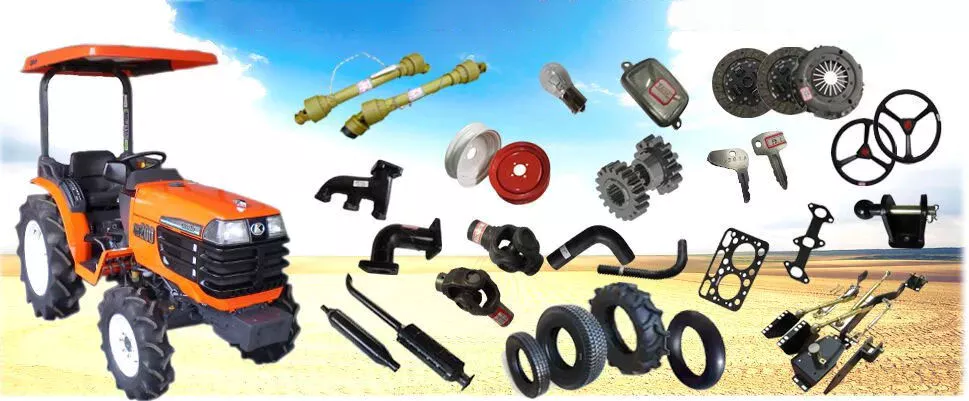
How do PTO shafts handle variations in speed and torque requirements?
PTO shafts (Power Take-Off shafts) are designed to handle variations in speed and torque requirements between the power source (such as a tractor or engine) and the driven machinery or equipment. They incorporate various mechanisms and components to ensure efficient power transmission while accommodating the different speed and torque demands. Here’s a detailed explanation of how PTO shafts handle variations in speed and torque requirements:
1. Gearbox Systems: PTO shafts often incorporate gearbox systems to match the speed and torque requirements between the power source and the driven machinery. Gearboxes allow for speed reduction or increase and can also change the rotational direction if necessary. By using different gear ratios, PTO shafts can adapt the rotational speed and torque output to suit the specific requirements of the driven equipment. Gearbox systems enable PTO shafts to provide the necessary power and speed compatibility between the power source and the machinery they drive.
2. Shear Bolt Mechanisms: Some PTO shafts, particularly in applications where sudden overloads or shock loads are expected, use shear bolt mechanisms. These mechanisms are designed to protect the driveline components from damage by disconnecting the PTO shaft in case of excessive torque or sudden resistance. Shear bolts are designed to break at a specific torque threshold, ensuring that the PTO shaft separates before the driveline components suffer damage. By incorporating shear bolt mechanisms, PTO shafts can handle variations in torque requirements and provide a safety feature to protect the equipment.
3. Friction Clutches: PTO shafts may incorporate friction clutch systems to enable smooth engagement and disengagement of power transfer. Friction clutches use a disc and pressure plate mechanism to control the transmission of power. Operators can gradually engage or disengage the power transfer by adjusting the pressure on the friction disc. This feature allows for precise control over torque transmission, accommodating variations in torque requirements while minimizing shock loads on the driveline components. Friction clutches are commonly used in applications where smooth power engagement is essential, such as in hydraulic pumps, generators, and industrial mixers.
4. Constant Velocity (CV) Joints: In cases where the driven machinery requires a significant range of movement or articulation, PTO shafts may incorporate Constant Velocity (CV) joints. CV joints allow the PTO shaft to accommodate misalignment and angular variations without affecting power transmission. These joints provide a smooth and constant power transfer even when the driven machinery is at an angle relative to the power source. CV joints are commonly used in applications such as articulated loaders, telescopic handlers, and self-propelled sprayers, where the machinery requires flexibility and a wide range of movement.
5. Telescopic Designs: Some PTO shafts feature telescopic designs that allow for length adjustment. These shafts consist of two or more concentric shafts that slide within each other, providing the ability to extend or retract the PTO shaft as needed. Telescopic designs accommodate variations in the distance between the power source and the driven machinery. By adjusting the length of the PTO shaft, operators can ensure proper power transmission without the risk of the shaft dragging on the ground or being too short to reach the equipment. Telescopic PTO shafts are commonly used in applications where the distance between the power source and the implement varies, such as in front-mounted implements, snow blowers, and self-loading wagons.
By incorporating these mechanisms and designs, PTO shafts can handle variations in speed and torque requirements effectively. They provide the necessary flexibility, safety, and control to ensure efficient power transmission between the power source and the driven machinery. PTO shafts play a critical role in adapting power to meet the specific needs of various equipment and applications.


editor by CX 2024-02-06