Deskripsi Produk
Tractor Rotary Mowers Bevel Fertilizer Spreader Tillers Right Angle Pto Shaft Reducer Gearbox for Farm and Agricultural Machinery
Established in Nov.2002,HangZhou CHINAMFG is a professional manufacturer and supplier in supplying spare parts and accessories for agricultural machinery. In addition to the 3000 standards parts, we also offer our customers tailor-made articles or assemblies that are for special application.
HangZhou CHINAMFG focused on the development and production of gearboxes with a professional team and continue to learn advanced technology; the use of first-class equipment; high quality supply chain system, relying on these, the gearboxes get high reputation among customers at home and abroad.
These gearboxes are widely used in rotary tillers, lawn mowers, harvesters, hole diggers, pesticide sprayers, irrigation machines, fertilizer spreaders, blenders and so on. The main products are:
–Straight bevel gearbox
–Spiral bevel gearbox
–Planetary reducer
–Worm gearbox
HangZhou CHINAMFG International Trading Co.,Ltd is a modern enterprise specilizing in the development, production, sales and services of PTO shaft. We adhere to the principle of “Precise Driveline, Advocate Green”, using advanced technology and equipments to ensure all the technical standards of precise driveline. So that the transmission efficiency can be maxmized and every drop of resource of customers’ can be saved. Meanwhile, we have a customer-centric service system, providing a full range of pre-sale, sale and after-sale service. Customer satisfaction is our forever pursuit.
We follow the principle of people first, trying our best to set up a pleasant surroundings and platform of performance for each employee, so everyone can be self-consciously active to join in “Precise Driveline, Adocate Green” to embody the self-worth, enterprise value and social value.
Newnuro’s goal is: reducing customer’s purchase budget, support customers to earn more market.
Newnuro always finds solution for customers.Customer satisfaction is our ultimate goal and forever pursuit.
/* March 10, 2571 17:59:20 */!function(){function s(e,r){var a,o={};try{e&&e.split(“,”).forEach(function(e,t){e&&(a=e.match(/(.*?):(.*)$/))&&1
| Aplikasi: | Machinery, Agricultural Machinery |
|---|---|
| Function: | Distribution Power, Change Drive Torque, Change Drive Direction, Speed Changing, Speed Reduction, Speed Increase |
| Layout: | Assembled |
| Kekerasan: | Hardened Tooth Surface |
| Installation: | Horizontal Type |
| Step: | Single-Step |
| Samples: |
US$ 50/Piece
1 Piece(Min.Order) | |
|---|
| Kustomisasi: |
Tersedia
| Permintaan Khusus |
|---|
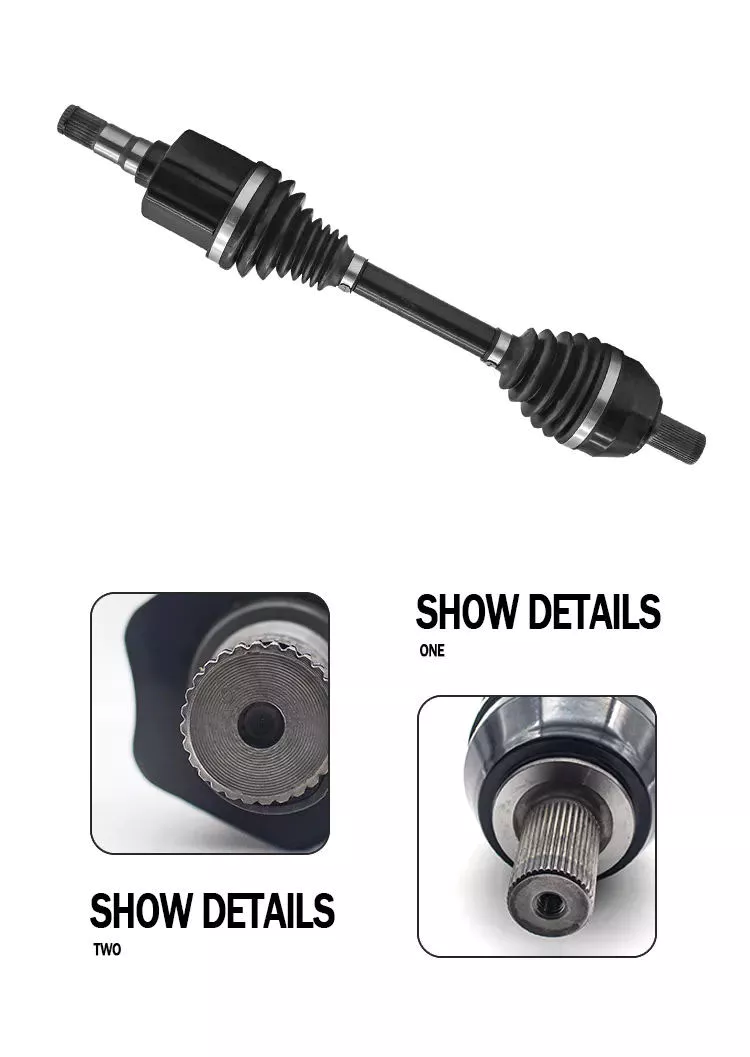
How do manufacturers ensure the compatibility of PTO shafts with different equipment?
Manufacturers employ various measures to ensure the compatibility of PTO (Power Take-Off) shafts with different equipment. Compatibility is crucial to ensure that PTO shafts can effectively transfer power from the power source to the driven machinery without compromising performance, safety, or ease of use. Here’s a detailed explanation of how manufacturers ensure compatibility:
1. Standardization: PTO shafts are designed and manufactured based on standardized specifications. These specifications outline the essential parameters such as shaft dimensions, spline sizes, torque ratings, and safety requirements. By adhering to standardized designs, manufacturers ensure that PTO shafts are compatible with a wide range of equipment that meets the same standards. Standardization allows for interchangeability, meaning that PTO shafts from one manufacturer can be used with equipment from another manufacturer as long as they conform to the same specifications.
2. Collaboration with Equipment Manufacturers: PTO shaft manufacturers often collaborate closely with equipment manufacturers to ensure compatibility. They work together to understand the specific requirements of the equipment and design PTO shafts that seamlessly integrate with the machinery. This collaboration may involve sharing technical specifications, conducting joint testing, and exchanging feedback. By working in partnership, manufacturers can address any compatibility issues early in the design and development process, resulting in PTO shafts that are tailored to the equipment’s needs.
3. Customization Options: PTO shaft manufacturers offer customization options to accommodate different equipment configurations. They provide flexibility in terms of shaft length, spline sizes, yoke designs, and coupling mechanisms. Equipment manufacturers can specify the required parameters, and the PTO shafts can be customized accordingly. This ensures that the PTO shafts precisely match the equipment’s power input/output requirements and connection methods, guaranteeing compatibility and efficient power transfer.
4. Testing and Validation: Manufacturers conduct rigorous testing and validation processes to ensure the compatibility and performance of PTO shafts. They subject the shafts to various tests, including torque testing, rotational speed testing, and durability testing. These tests verify that the PTO shafts can handle the expected power loads and operating conditions without failure. By validating the performance of the PTO shafts, manufacturers can ensure that they are compatible with a wide range of equipment and can reliably transfer power under different operating scenarios.
5. Compliance with Industry Standards: PTO shaft manufacturers adhere to industry standards and regulations to ensure compatibility. Organizations such as the American Society of Agricultural and Biological Engineers (ASABE) establish safety and performance standards for PTO shafts. Manufacturers design and produce their shafts in accordance with these standards, ensuring that their products meet the necessary requirements for compatibility and safety. Compliance with industry standards provides assurance to equipment manufacturers and end-users that the PTO shafts are compatible and suitable for use with different equipment.
6. Documentation and Guidelines: Manufacturers provide comprehensive documentation and guidelines to assist equipment manufacturers and end-users in ensuring compatibility. This documentation includes technical specifications, installation instructions, maintenance guidelines, and safety recommendations. The documentation helps equipment manufacturers select the appropriate PTO shaft for their equipment and provides guidance on proper installation and use. By following the manufacturer’s guidelines, equipment manufacturers can ensure compatibility and optimize the performance of the PTO shafts.
7. Ongoing Research and Development: PTO shaft manufacturers continuously invest in research and development to enhance compatibility with different equipment. They stay updated with industry trends, technological advancements, and evolving equipment requirements. This ongoing research and development enable manufacturers to improve the design, materials, and features of PTO shafts, ensuring compatibility with the latest equipment innovations and addressing any compatibility challenges that may arise.
By employing standardization, collaborating with equipment manufacturers, offering customization options, conducting thorough testing, complying with industry standards, providing documentation and guidelines, and investing in research and development, manufacturers ensure the compatibility of PTO shafts with different equipment. This compatibility allows for seamless integration, efficient power transfer, and optimal performance across a wide range of machinery and equipment in various industries.

Bagaimana poros PTO menangani variasi beban dan torsi selama pengoperasian?
Poros PTO (Power Take-Off) dirancang untuk menangani variasi beban dan torsi selama pengoperasian dengan menggunakan mekanisme dan fitur khusus yang memastikan transfer daya yang efisien dan perlindungan terhadap kondisi kelebihan beban. Berikut penjelasan rinci tentang bagaimana poros PTO menangani variasi beban dan torsi:
1. Desain Mekanik: Poros PTO dirancang dengan prinsip desain mekanis yang kokoh sehingga mampu menangani variasi beban dan torsi. Poros ini biasanya dibuat menggunakan material berkekuatan tinggi seperti baja, yang memberikan daya tahan dan ketahanan terhadap gaya tekuk atau puntir. Diameter poros, ketebalan dinding, dan dimensi keseluruhan dihitung dengan cermat untuk menahan tingkat torsi dan variasi beban yang diharapkan. Desain mekanis poros PTO memastikan bahwa poros tersebut dapat mentransmisikan daya dengan andal dan mengakomodasi gaya dinamis yang terjadi selama pengoperasian.
2. Sambungan Universal: Sambungan universal merupakan komponen kunci dari poros PTO yang memungkinkan fleksibilitas dan kompensasi ketidaksejajaran antara sumber daya dan mesin yang digerakkan. Sambungan ini dapat mengakomodasi variasi dalam keselarasan sudut, yang mungkin terjadi karena perubahan beban atau pergerakan mesin. Sambungan universal terdiri dari rangka berbentuk silang dengan bantalan jarum yang memungkinkan rotasi dan transfer torsi yang mulus, bahkan ketika poros tidak sejajar sempurna. Desain sambungan universal memungkinkan poros PTO untuk menangani variasi beban dan torsi sambil mempertahankan transmisi daya yang konsisten.
3. Kopling Selip: Kopling selip sering dipasang pada poros PTO untuk memberikan perlindungan terhadap beban berlebih. Kopling ini memungkinkan poros PTO untuk selip atau terlepas sesaat ketika torsi atau hambatan yang berlebihan ditemui. Kopling selip biasanya terdiri dari pelat gesekan yang dapat disesuaikan dengan pengaturan torsi tertentu. Ketika torsi melebihi batas yang telah ditentukan, kopling akan selip, mencegah kerusakan pada poros PTO dan peralatan yang terhubung. Kopling selip sangat berguna ketika terjadi perubahan beban atau torsi yang tiba-tiba, memberikan mekanisme keselamatan untuk melindungi poros PTO dan mesin terkait.
4. Pembatas Torsi: Pembatas torsi adalah fitur pelindung lain yang ditemukan pada beberapa poros PTO. Perangkat ini dirancang untuk secara otomatis memutus transmisi daya ketika ambang batas torsi yang telah ditentukan terlampaui. Pembatas torsi dapat berupa mekanis, seperti kopling pin geser atau kopling gesek, atau elektronik, yang menggunakan sensor dan sistem kontrol. Ketika torsi melebihi batas yang ditetapkan, pembatas torsi akan terputus, mencegah transfer daya lebih lanjut dan melindungi poros PTO dari kondisi kelebihan beban. Pembatas torsi efektif dalam menangani lonjakan torsi yang tiba-tiba dan melindungi poros PTO serta peralatan terkait.
5. Pemeliharaan dan Inspeksi: Perawatan dan inspeksi rutin poros PTO sangat penting untuk memastikan fungsinya yang baik dan kemampuannya dalam menangani variasi beban dan torsi. Perawatan rutin meliputi pelumasan sambungan universal, inspeksi integritas poros, dan pengencangan pengencang. Inspeksi rutin memungkinkan deteksi dini keausan, ketidaksejajaran, atau masalah lain yang dapat memengaruhi kinerja poros PTO. Dengan memenuhi persyaratan perawatan dan inspeksi, operator dapat mengidentifikasi dan mengatasi masalah apa pun yang mungkin timbul akibat variasi beban dan torsi, sehingga memastikan pengoperasian poros PTO yang aman dan efisien secara berkelanjutan.
6. Kesadaran dan Kontrol Operator: Operator memainkan peran penting dalam mengelola variasi beban dan torsi selama pengoperasian poros PTO. Mereka harus menyadari batasan operasional mesin, termasuk peringkat torsi dan kapasitas beban poros PTO yang direkomendasikan. Pelatihan yang tepat dan pemahaman tentang kemampuan peralatan memungkinkan operator untuk membuat keputusan yang tepat dan menyesuaikan pengoperasian ketika menghadapi perubahan beban atau torsi yang signifikan. Operator juga harus waspada dalam memantau kinerja peralatan, memperhatikan tanda-tanda getaran berlebihan, kebisingan, atau indikasi lain dari potensi masalah yang terkait dengan variasi beban dan torsi.
Dengan menggabungkan desain mekanis yang kokoh, menggunakan sambungan universal, kopling selip, pembatas torsi, dan menerapkan praktik perawatan yang tepat, poros PTO dilengkapi untuk menangani variasi beban dan torsi selama pengoperasian. Fitur-fitur ini memastikan transmisi daya yang andal, melindungi dari kondisi kelebihan beban, dan berkontribusi pada fungsi poros PTO dan mesin yang digerakkannya secara aman dan efisien.
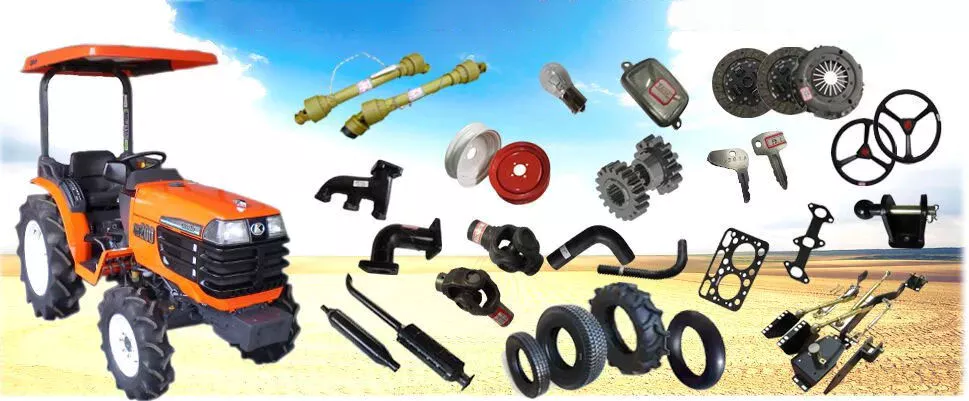
How do PTO shafts handle variations in speed and torque requirements?
PTO shafts (Power Take-Off shafts) are designed to handle variations in speed and torque requirements between the power source (such as a tractor or engine) and the driven machinery or equipment. They incorporate various mechanisms and components to ensure efficient power transmission while accommodating the different speed and torque demands. Here’s a detailed explanation of how PTO shafts handle variations in speed and torque requirements:
1. Gearbox Systems: PTO shafts often incorporate gearbox systems to match the speed and torque requirements between the power source and the driven machinery. Gearboxes allow for speed reduction or increase and can also change the rotational direction if necessary. By using different gear ratios, PTO shafts can adapt the rotational speed and torque output to suit the specific requirements of the driven equipment. Gearbox systems enable PTO shafts to provide the necessary power and speed compatibility between the power source and the machinery they drive.
2. Shear Bolt Mechanisms: Some PTO shafts, particularly in applications where sudden overloads or shock loads are expected, use shear bolt mechanisms. These mechanisms are designed to protect the driveline components from damage by disconnecting the PTO shaft in case of excessive torque or sudden resistance. Shear bolts are designed to break at a specific torque threshold, ensuring that the PTO shaft separates before the driveline components suffer damage. By incorporating shear bolt mechanisms, PTO shafts can handle variations in torque requirements and provide a safety feature to protect the equipment.
3. Friction Clutches: PTO shafts may incorporate friction clutch systems to enable smooth engagement and disengagement of power transfer. Friction clutches use a disc and pressure plate mechanism to control the transmission of power. Operators can gradually engage or disengage the power transfer by adjusting the pressure on the friction disc. This feature allows for precise control over torque transmission, accommodating variations in torque requirements while minimizing shock loads on the driveline components. Friction clutches are commonly used in applications where smooth power engagement is essential, such as in hydraulic pumps, generators, and industrial mixers.
4. Constant Velocity (CV) Joints: In cases where the driven machinery requires a significant range of movement or articulation, PTO shafts may incorporate Constant Velocity (CV) joints. CV joints allow the PTO shaft to accommodate misalignment and angular variations without affecting power transmission. These joints provide a smooth and constant power transfer even when the driven machinery is at an angle relative to the power source. CV joints are commonly used in applications such as articulated loaders, telescopic handlers, and self-propelled sprayers, where the machinery requires flexibility and a wide range of movement.
5. Telescopic Designs: Some PTO shafts feature telescopic designs that allow for length adjustment. These shafts consist of two or more concentric shafts that slide within each other, providing the ability to extend or retract the PTO shaft as needed. Telescopic designs accommodate variations in the distance between the power source and the driven machinery. By adjusting the length of the PTO shaft, operators can ensure proper power transmission without the risk of the shaft dragging on the ground or being too short to reach the equipment. Telescopic PTO shafts are commonly used in applications where the distance between the power source and the implement varies, such as in front-mounted implements, snow blowers, and self-loading wagons.
By incorporating these mechanisms and designs, PTO shafts can handle variations in speed and torque requirements effectively. They provide the necessary flexibility, safety, and control to ensure efficient power transmission between the power source and the driven machinery. PTO shafts play a critical role in adapting power to meet the specific needs of various equipment and applications.


editor by CX 2024-02-06