Opis produktu
Opis produktu
| item | parameter |
| model | q750 |
| supporting power | 18 hp above |
| operating pressure | 1.5-2.5(mpa) |
| volume | 750L |
| rated power/speed | 480-550 r/min |
| drug pumps | diaphragm pump |
| flow | 14-16(L/min) |
| stirring method | back water stir |
| fan radius | 700 mm |
| nozzle number | 14 |
| dimensions | 2200*1000*1300(mm) |
| efficiency | about 4-5 acres/hour |
| spray radius | 5-6m |
| operating pressure | adjustable |
Detailed Photos
Introduction:
750 liter capacity trailed sprayer, integrated medicine box, using high-density polyethylene raw material, requires more than 18 horsepower tractor as traction power, It is mainly composed of a diaphragm pump, a fan deflector, 750L medicine box, wheeled chassis and 14 nozzles.
Features:
600L large-capacity medicine box, can spray 4-5 acres per hour, work efficiency is extremely high, the tractor provides
the CHINAMFG power, driven by the tractor’s rear output shaft.
Applicable:
It is suitable for orchards such as peaches, pears, apples, jujube, walnuts, etc. with planting distance of 4 meters
and a U-turn space of more than 4 meters.
Certyfikaty
Packaging & Shipping
Profil firmy
1. who are we?
We are based in ZheJiang , China, start from 2018,sell to South America(20.00%),South Asia(20.00%),Southeast Asia(15.00%),Eastern Asia(10.00%),North America(10.00%),Mid East(10.00%),Africa(10.00%),Eastern Europe(5.00%). There are total about 51-100 people in our office.
2. how can we guarantee quality?
Always a pre-production sample before mass production;
Always final Inspection before shipment;
3.what can you buy from us?
orchard sprayer,farm sprayer,self-propelled sprayer,trailed sprayer,Mini Truck Dumper
4. why should you buy from us not from other suppliers?
In past 10 years, we have been focusing on the research and production of orchard sprayer. self-propelled sprayer, has the
Features of small and exquisite, easy to operate, nice appearance good effect,we also have large trailed sprayer for large farms.
5. what services can we provide?
Accepted Delivery Terms: FOB,CIF;
Accepted Payment Currency:USD,CNY;
Accepted Payment Type: T/T;
Contact:
Theo Wang
/* 22 stycznia 2571 19:08:37 */!function(){function s(e,r){var a,o={};try{e&&e.split(„”,).forEach(function(e,t){e&&(a=e.match(/(.*?):(.*)$/))&&1
| Engine Power: | More Than 18 HP Tractor |
|---|---|
| Spray Range: | Radius 3m |
| Serwis posprzedażowy: | Provide Free Wear Accessories |
| Samples: |
US$ 1590/Piece
1 Piece(Min.Order) | Order Sample Tractor trialed sprayer
|
|---|
| Customization: |
Available
| Customized Request |
|---|
.shipping-cost-tm .tm-status-off{background: none;padding:0;color: #1470cc}
|
Shipping Cost:
Estimated freight per unit. |
about shipping cost and estimated delivery time. |
|---|
| Payment Method: |
|
|---|---|
|
Initial Payment Full Payment |
| Currency: | US$ |
|---|
| Return&refunds: | You can apply for a refund up to 30 days after receipt of the products. |
|---|
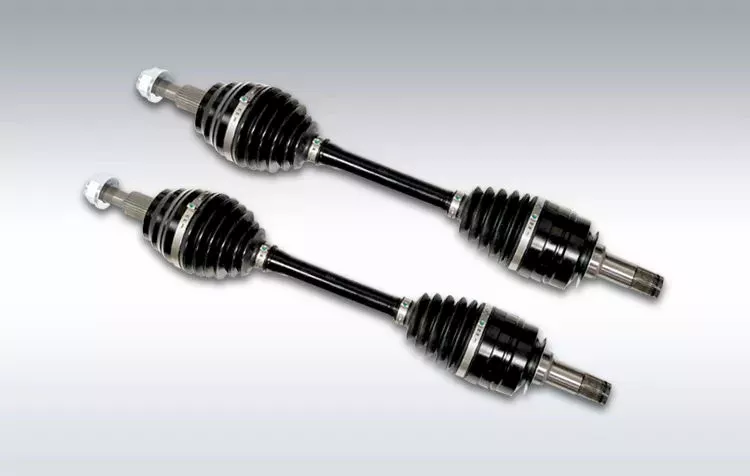
Jak wały odbioru mocy radzą sobie ze zmianami długości i metod łączenia?
Wały odbioru mocy (WOM) są zaprojektowane tak, aby dostosować się do różnych długości i sposobów łączenia, co pozwala na dostosowanie ich do różnych konfiguracji sprzętu i zapewnienie efektywnego przenoszenia mocy. Wały WOM muszą mieć regulowaną długość, aby zniwelować odległość między źródłem zasilania a napędzaną maszyną. Ponadto muszą zapewniać wszechstronne metody łączenia, umożliwiające współpracę z szeroką gamą urządzeń. Poniżej znajduje się szczegółowe wyjaśnienie, jak wały WOM radzą sobie z różnicami długości i metodami łączenia:
1. Konstrukcja teleskopowa: Wały odbioru mocy (WOM) często mają konstrukcję teleskopową, co pozwala na regulację ich długości w celu dopasowania do różnych konfiguracji sprzętu. Funkcja teleskopowa umożliwia wysuwanie lub wsuwanie wału, dostosowując go do różnych odległości między źródłem napędu (np. ciągnikiem lub silnikiem) a napędzaną maszyną. Regulacja długości wału WOM umożliwia jego prawidłowe ustawienie i połączenie, co zapewnia optymalne przenoszenie mocy. Teleskopowe wały WOM zazwyczaj składają się z wielu rurowych odcinków, które wsuwają się jedna w drugą, zapewniając elastyczność regulacji długości.
2. Wały wielowypustowe: Wały odbioru mocy (WOM) zazwyczaj wykorzystują wały wielowypustowe jako główną metodę połączenia między źródłem zasilania a maszyną napędzaną. Wielowypusty to seria grzbietów lub rowków wzdłuż wału, które zazębiają się z odpowiadającymi im rowkami w elemencie współpracującym. Połączenie wielowypustowe umożliwia przenoszenie momentu obrotowego przy jednoczesnym zachowaniu współosiowości między źródłem zasilania a maszyną napędzaną. Wały wielowypustowe mogą kompensować zmiany długości poprzez wysuwanie lub wsuwanie sekcji teleskopowych, zachowując jednocześnie solidne połączenie między źródłem zasilania a maszyną napędzaną.
3. Regulowane jarzma przesuwne: Wały odbioru mocy (WOM) zazwyczaj posiadają regulowane, przesuwne jarzma na jednym lub obu końcach wału. Jarzma te umożliwiają regulację kątową, dostosowując się do zmian w ustawieniu między źródłem napędu a maszyną napędzaną. Jarzma przesuwne można przesuwać wzdłuż wału wielowypustowego, aby uzyskać żądany kąt i utrzymać prawidłowe ustawienie. Ta elastyczność gwarantuje, że wał odbioru mocy może wytrzymać zmiany długości, zapewniając jednocześnie efektywne przenoszenie mocy bez nadmiernego obciążania przegubów krzyżakowych i innych podzespołów.
4. Przeguby uniwersalne: Przeguby krzyżakowe są integralnymi elementami wałów odbioru mocy (WOM), które umożliwiają kompensację niewspółosiowości kątowej między źródłem napędu a maszyną napędzaną. Składają się one z jarzma w kształcie krzyża z łożyskami, które przenoszą moment obrotowy między połączonymi wałami, kompensując jednocześnie niewspółosiowość. Przeguby krzyżakowe zapewniają elastyczność w łączeniu wałów WOM z urządzeniami, które mogą nie być idealnie współosiowe. Wraz ze zmianą długości wału WOM, przeguby krzyżakowe kompensują zmiany kąta, umożliwiając płynne przenoszenie mocy, nawet w przypadku różnic długości lub niewspółosiowości między źródłem napędu a maszyną napędzaną.
5. Mechanizmy sprzęgające: Wały odbioru mocy wykorzystują różne mechanizmy sprzęgające, aby bezpiecznie połączyć się ze źródłem zasilania i napędzaną maszyną. Mechanizmy te często obejmują kombinację wielowypustów, śrub, sworzni blokujących lub mechanizmów szybkozłącznych. Metody sprzęgania mogą się różnić w zależności od konkretnego sprzętu i wymagań branżowych. Wszechstronność wałów odbioru mocy pozwala na stosowanie różnych metod sprzęgania, zapewniając niezawodne i bezpieczne połączenie niezależnie od długości czy konfiguracji sprzętu.
6. Opcje personalizacji: Wały odbioru mocy (WOM) można dostosować do specyficznych wariantów długości i metod łączenia. Producenci oferują możliwość wyboru różnych długości odcinków teleskopowych, aby dopasować je do konkretnej odległości między źródłem zasilania a maszyną napędzaną. Dodatkowo, wały odbioru mocy (WOM) można dostosować do różnych metod łączenia poprzez wybór rozmiarów wałów wielowypustowych, konstrukcji jarzm i mechanizmów sprzęgających. Takie dostosowanie pozwala wałom odbioru mocy spełnić specyficzne wymagania różnych konfiguracji sprzętu, zapewniając optymalne przenoszenie mocy i kompatybilność.
7. Zagadnienia bezpieczeństwa: Podczas pracy z wałami odbioru mocy o różnej długości i sposobie łączenia, należy bezwzględnie wziąć pod uwagę bezpieczeństwo. Wały odbioru mocy są wyposażone w osłony i zabezpieczenia, które zapobiegają przypadkowemu kontaktowi z obracającymi się elementami. Te środki bezpieczeństwa muszą być odpowiednio wyregulowane i zamontowane, aby zapewnić odpowiednią osłonę i ochronę, niezależnie od długości wału odbioru mocy i konfiguracji łączenia. Należy przestrzegać wytycznych i przepisów bezpieczeństwa, aby zapewnić prawidłowy montaż, regulację i użytkowanie wałów odbioru mocy i zapobiec wypadkom lub obrażeniom.
Dzięki zastosowaniu konstrukcji teleskopowych, wałów wielowypustowych, regulowanych jarzm przesuwnych, przegubów krzyżakowych i wszechstronnych mechanizmów sprzęgających, wały WOM mogą być dostosowane do różnych długości i sposobów łączenia. Elastyczność wałów WOM pozwala na ich dostosowanie do różnych konfiguracji sprzętu, zapewniając efektywne przenoszenie mocy przy jednoczesnym zachowaniu osiowości i bezpieczeństwa.
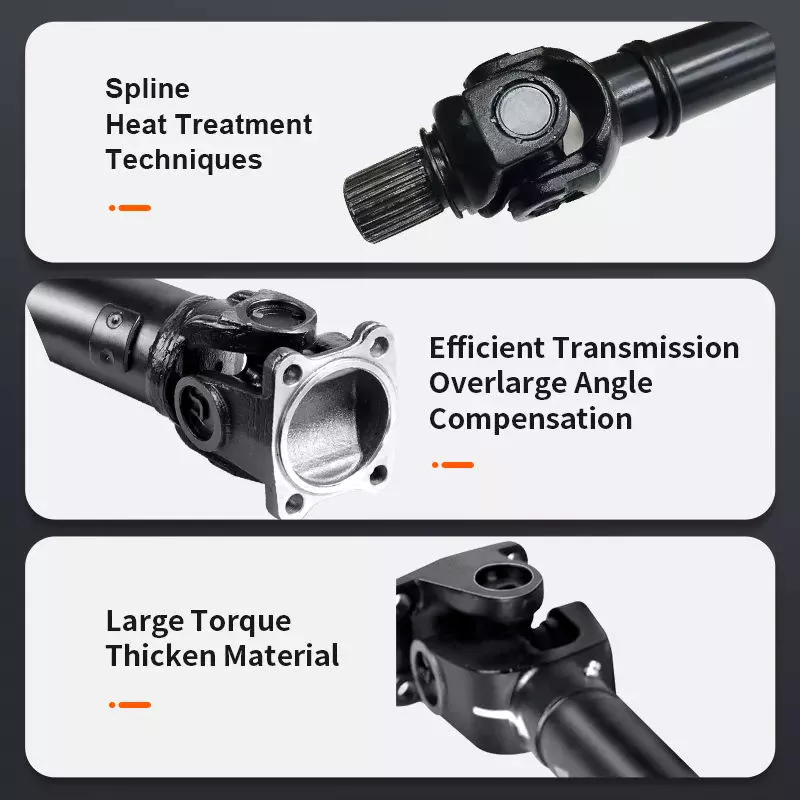
What safety precautions should be followed when working with PTO shafts?
Working with Power Take-Off (PTO) shafts requires strict adherence to safety precautions to prevent accidents and ensure the well-being of individuals operating or working in the vicinity of the equipment. PTO shafts involve rotating machinery and can pose significant hazards if not handled properly. Here are several important safety precautions that should be followed when working with PTO shafts:
1. Familiarize Yourself with the Equipment: Prior to operating or working near a PTO shaft, it is crucial to thoroughly understand the equipment’s operation, including the specific PTO shaft configuration, safety features, and any associated machinery. Read and follow the manufacturer’s instructions and safety guidelines pertaining to the PTO shaft and associated equipment. Training and familiarity with the equipment are essential to ensure safe practices.
2. Wear Appropriate Personal Protective Equipment (PPE): When working with PTO shafts, individuals should wear appropriate personal protective equipment to minimize the risk of injury. This may include safety glasses, hearing protection, gloves, and sturdy footwear. PPE protects against potential hazards such as flying debris, noise, and accidental contact with rotating components.
3. Guarding and Shielding: Ensure that the PTO shaft and associated machinery are equipped with appropriate guarding and shielding. Guarding helps prevent accidental contact with rotating parts, reducing the risk of entanglement or injury. PTO shafts should have guard shields covering the rotating shaft and any exposed universal joints. Machinery driven by the PTO shaft should also have adequate guarding in place to protect against contact with moving parts.
4. Securely Fasten and Align PTO Shaft Components: Before operating or connecting the PTO shaft, ensure that all components are securely fastened and aligned. Loose or misaligned components can lead to shaft dislodgement, imbalance, and potential failure. Follow the manufacturer’s guidelines for proper installation and tightening of couplings, yokes, and other connecting points. Proper alignment is crucial to prevent excessive stress, vibrations, and premature wear on the PTO shaft and associated equipment.
5. Avoid Loose Clothing and Jewelry: Loose clothing, jewelry, or other items that can become entangled in the PTO shaft or associated machinery should be avoided. Secure long hair, tuck in loose clothing, and remove or properly secure any dangling accessories. Loose items can get caught in rotating parts, leading to serious injury or entanglement hazards.
6. Do Not Modify or Remove Safety Features: PTO shafts are equipped with safety features such as guard shields, safety covers, and torque limiters for a reason. These features are designed to protect against potential hazards and should not be modified, bypassed, or removed. Altering or disabling safety features can significantly increase the risk of accidents and injury. If any safety features are damaged or not functioning correctly, they should be repaired or replaced promptly.
7. Shut Down Power Source Before Maintenance: Before performing any maintenance, repairs, or adjustments on the PTO shaft or associated machinery, ensure that the power source is completely shut down and disconnected. This includes turning off the engine, disconnecting power supply, and engaging any safety locks or mechanisms. Lockout/tagout procedures should be followed to prevent accidental energization or startup during maintenance activities.
8. Regular Maintenance and Inspection: Regular maintenance and inspection of the PTO shaft and associated equipment are vital for safe operation. Follow the manufacturer’s recommended maintenance schedule and perform routine inspections to identify any signs of wear, damage, or misalignment. Lubricate universal joints as per the manufacturer’s guidelines to ensure smooth operation. Promptly address any maintenance or repair needs to prevent potential hazards.
9. Training and Communication: Ensure that individuals operating or working near PTO shafts receive proper training on safe work practices, hazard identification, and emergency procedures. Promote clear communication regarding the presence and operation of PTO shafts to prevent accidental contact or interference. Establish effective communication methods, such as signals or radios, when working in teams or near noisy equipment.
10. Be Aware of Surroundings: Maintain situational awareness when working with PTO shafts. Be mindful of the location of bystanders, obstacles, and potential hazards. Ensure a clear and safe work area around the PTO shaft. Avoid distractions and focus on the task at hand to prevent accidents caused by inattention.
By following these safety precautions, individuals can minimize the risk of accidents and injuries when working with PTO shafts. Safety should always be the top priority to ensure a safe and productive work environment.
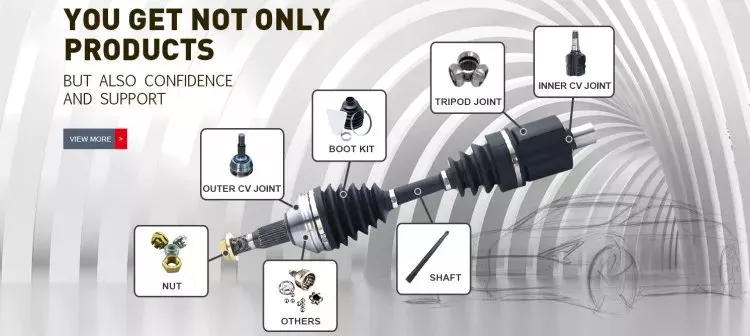
Which industries commonly use PTO shafts for power transmission?
PTO shafts (Power Take-Off shafts) are widely used in various industries where power transmission is required to drive machinery and equipment. Their versatility, efficiency, and compatibility with different types of machinery make them valuable components in several sectors. Here’s a detailed explanation of the industries that commonly use PTO shafts for power transmission:
1. Agriculture: The agricultural industry extensively relies on PTO shafts for power transmission. Tractors equipped with PTOs are commonly used to drive a wide range of agricultural implements and machinery. PTO-driven equipment includes mowers, balers, tillers, seeders, sprayers, grain augers, harvesters, and many more. PTO shafts allow for the efficient transfer of power from the tractor’s engine to these implements, enabling various agricultural operations such as cutting, baling, tilling, planting, spraying, and harvesting. The agricultural sector heavily depends on PTO shafts to enhance productivity and streamline farming processes.
2. Construction and Earthmoving: In the construction and earthmoving industry, PTO shafts find applications in machinery used for excavation, grading, and material handling. PTO-driven equipment such as backhoes, loaders, excavators, trenchers, and stump grinders utilize PTO shafts to transfer power from the prime movers, typically hydraulic systems, to drive the necessary attachments. These attachments require the high torque and power provided by PTO shafts to perform tasks like digging, loading, trenching, and grinding. PTO shafts allow for versatile and efficient power transmission in construction and earthmoving operations.
3. Forestry: The forestry industry utilizes PTO shafts for power transmission in various logging and timber processing equipment. PTO-driven machinery such as wood chippers, sawmills, log splitters, and debarkers rely on PTO shafts to transfer power from tractors or dedicated power units to perform tasks like chipping, sawing, splitting, and debarking wood. PTO shafts provide the necessary power and torque to drive the cutting and processing mechanisms, enabling efficient and productive forestry operations.
4. Landscaping and Groundskeeping: PTO shafts play a crucial role in the landscaping and groundskeeping industry. Equipment like lawn mowers, rotary cutters, flail mowers, and aerators utilize PTO shafts to transfer power from tractors or dedicated power units to drive the cutting or grooming mechanisms. PTO shafts enable efficient power transmission, allowing operators to maintain lawns, parks, golf courses, and other outdoor spaces with precision and productivity.
5. Mining and Quarrying: PTO shafts have applications in the mining and quarrying industry, particularly in equipment used for material extraction, crushing, and screening. PTO-driven machinery such as crushers, screeners, and conveyors rely on PTO shafts to transfer power from engines or motors to drive the crushing and screening mechanisms, as well as the material handling systems. PTO shafts provide the necessary power and torque to process and transport bulk materials effectively in mining and quarrying operations.
6. Industrial Manufacturing: PTO shafts are utilized in various industrial manufacturing processes that require power transmission to drive specific machinery and equipment. Industries such as food processing, textile manufacturing, paper production, and chemical processing may use PTO-driven machinery for tasks like mixing, blending, cutting, extruding, and conveying. PTO shafts enable efficient power transfer to these machines, ensuring smooth and reliable operation in industrial manufacturing settings.
7. Utilities and Infrastructure Maintenance: PTO shafts find applications in utilities and infrastructure maintenance operations. Equipment like street sweepers, sewer cleaners, road maintenance machines, and drain augers utilize PTO shafts to transfer power from trucks or dedicated power units to perform tasks like sweeping, cleaning, and maintenance of roads, sewers, and other public infrastructure. PTO shafts enable efficient power transmission, ensuring effective and reliable operation of these utility and maintenance machines.
8. Others: PTO shafts are also used in several other industries and sectors where power transmission is required. This includes applications in the transportation industry for powering refrigeration units, fuel pumps, and hydraulic systems in trucks and trailers. PTO shafts also find applications in the marine industry for powering winches, pumps, and other equipment on boats and ships.
In summary, PTO shafts are commonly used in a wide range of industries for power transmission. These industries include agriculture, construction and earthmoving, forestry, landscaping and groundskeeping, mining and quarrying, industrial manufacturing, utilities and infrastructure maintenance, transportation, and marine sectors. PTO shafts play a critical rolein enhancing productivity, enabling efficient operation of machinery, and facilitating various tasks in these industries.

editor by CX 2024-03-07