Opis produktu
Opis produktu
Opis produktu
SWC BH Cardan Shaft Basic Parameter And Main Dimension
Cardan shaft is widely used in rolling mill, punch, straightener, crusher, ship drive, paper making equipment, common machinery, water pump equipment, test bench, and other mechanical applications.
Advantage:
1. Low life-cycle costs and long service life;
2. Increase productivity;
3. Professional and innovative solutions;
4. Reduce carbon dioxide emissions, and environmental protection;
5. High torque capacity even at large deflection angles;
6. Easy to move and run smoothly;
Szczegółowe zdjęcia
Product Parameters
| Model | Tn kN • m |
T. |
p (.) |
LS mm |
Lmin | Size mm |
I kg. m2 | m kg |
|||||||||||
| Di js11 |
d2 H7 |
Da | Lm | n-d | k | t | b h9 |
g | Lmin | 100mm | Lmin | 100mm | |||||||
| SWC58BH | 58 | 0.15 | 0.075 | ≤22 | 35 | 325 | 47 | 30 | 38 | 35 | 4-5 | 3.5 | 1.5 | – | – | – | – | 2.2 | – |
| SWC65BH | 65 | 0.25 | 0.125 | ≤22 | 40 | 360 | 52 | 35 | 42 | 46 | 4-6 | 4.5 | 1.7 | – | – | – | – | 3.0 | – |
| SWC75BH | 75 | 0.50 | 0.25 | ≤22 | 40 | 395 | 62 | 42 | 50 | 58 | 6-6 | 5.5 | 2.0 | – | – | – | – | 5.0 | – |
| SWC90BH | 90 | 1.0 | 0.50 | ≤22 | 45 | 435 | 74.5 | 47 | 54 | 58 | 4-8 | 6.0 | 2.5 | – | – | – | – | 6.6 | – |
| SWC100BH | 100 | 1.5 | 0.75 | ≤25 | 55 | 390 | 84 | 57 | 60 | 58 | 6-9 | 7 | 2.5 | – | – | 0.0044 | 0.00019 | 6.1 | 0.35 |
| SWC120BH | 120 | 2.5 | 1.25 | ≤25 | 80 | 485 | 102 | 75 | 70 | 68 | 8-11 | 8 | 2.5 | – | – | 0.5719 | 0.00044 | 10.8 | 0.55 |
| SWC150BH | 150 | 5 | 2.5 | ≤25 | 80 | 590 | 13.0 | 90 | 89 | 80 | 8-13 | 10 | 3.0 | – | – | 0.0423 | 0.00157 | 24.5 | 0.85 |
| SWC160BH | 160 | 10 | 5 | ≤25 | 80 | 660 | 137 | 100 | 95 | 110 | 8-15 | 15 | 3.0 | 20 | 12 | 0.1450 | 0.0060 | 68 | 1.72 |
| SWC180BH | 180 | 20 | 10 | ≤25 | 100 | 810 | 155 | 105 | 114 | 130 | 8-17 | 17 | 5.0 | 24 | 14 | 0.1750 | 0.0070 | 70 | 2.8 |
| SWC200BH | 200 | 32 | 16 | ≤15 | 110 | 860 | 170 | 120 | 127 | 135 | 8-17 | 19 | 5.0 | 28 | 16 | 0.3100 | 0.0130 | 86 | 3.6 |
| SWC225BH | 225 | 40 | 20 | ≤15 | 140 | 920 | 196 | 135 | 152 | 120 | 8-17 | 20 | 5.0 | 32 | 9.0 | 0.5380 | 0.5714 | 122 | 4.9 |
| SWC250BH | 250 | 63 | 31.5 | ≤15 | 140 | 1035 | 218 | 150 | 168 | 140 | 8-19 | 25 | 6.0 | 40 | 12.5 | 0.9660 | 0.5717 | 172 | 5.3 |
| SWC285BH | 285 | 90 | 45 | ≤15 | 140 | 1190 | 245 | 170 | 194 | 160 | 8-21 | 27 | 7.0 | 40 | 15.0 | 2.0110 | 0.571 | 263 | 6.3 |
| SWC315BH | 315 | 125 | 63 | ≤15 | 140 | 1315 | 280 | 185 | 219 | 180 | 10-23 | 32 | 8.0 | 40 | 15.0 | 3.6050 | 0.571 | 382 | 8.0 |
| SWC350BH | 350 | 180 | 90 | ≤15 | 150 | 1410 | 310 | 210 | 267 | 194 | 10-23 | 35 | 8.0 | 50 | 16.0 | 7.571 | 0.2219 | 582 | 15.0 |
| SWC390BH | 390 | 250 | 125 | ≤15 | 170 | 1590 | 345 | 235 | 267 | 215 | 10-25 | 40 | 8.0 | 70 | 18.0 | 12.164 | 0.2219 | 738 | 15.0 |
| SWC440BH | 440 | 355 | 180 | ≤15 | 190 | 1875 | 390 | 255 | 325 | 260 | 16-28 | 42 | 10 | 80 | 20.0 | 21.420 | 0.4744 | 1190 | 21.7 |
| SWC490BH | 490 | 500 | 250 | ≤15 | 190 | 1985 | 435 | 275 | 325 | 270 | 16-31 | 47 | 12 | 90 | 22.5 | 32.860 | 0.4744 | 1452 | 21.7 |
| SWC550BH | 550 | 710 | 355 | ≤15 | 240 | 2300 | 492 | 320 | 426 | 305 | 16-31 | 50 | 12 | 100 | 22.5 | 68.920 | 1.3570 | 2380 | 34 |
Opakowanie i wysyłka
Profil firmy
HangZhou CHINAMFG Machinery Manufacturing Co., Ltd. is a high-tech enterprise specializing in the design and manufacture of various types of coupling. There are 86 employees in our company, including 2 senior engineers and no fewer than 20 mechanical design and manufacture, heat treatment, welding, and other professionals.
Advanced and reasonable process, complete detection means. Our company actively introduces foreign advanced technology and equipment, on the basis of the condition, we make full use of the advantage and do more research and innovation. Strict to high quality and operate strictly in accordance with the ISO9000 quality certification system standard mode.
Our company supplies different kinds of products. High quality and reasonable price. We stick to the principle of “quality first, service first, continuous improvement and innovation to meet the customers” for the management and “zero defect, zero complaints” as the quality objective.
Our Services
1. Design Services
Our design team has experience in Cardan shafts relating to product design and development. If you have any needs for your new product or wish to make further improvements, we are here to offer our support.
2. Product Services
raw materials → Cutting → Forging →Rough machining →Shot blasting →Heat treatment →Testing →Fashioning →Cleaning→ Assembly→Packing→Shipping
3. Samples Procedure
We could develop the sample according to your requirement and amend the sample constantly to meet your need.
4. Research & Development
We usually research the new needs of the market and develop new models when there are new cars in the market.
5. Quality Control
Every step should be a particular test by Professional Staff according to the standard of ISO9001 and TS16949.
Często zadawane pytania
Q 1: Are you a trading company or a manufacturer?
A: We are a professional manufacturer specializing in manufacturing
various series of couplings.
Q 2:Can you do OEM?
Yes, we can. We can do OEM & ODM for all customers with customized PDF or AI format artwork.
Q 3:How long is your delivery time?
Generally, it is 20-30 days if the goods are not in stock. It is according to quantity.
Q 4: Do you provide samples? Is it free or extra?
Yes, we could offer the sample but not for free. Actually, we have an excellent price principle, when you make the bulk order the cost of the sample will be deducted.
Q 5: How long is your warranty?
A: Our Warranty is 12 months under normal circumstances.
Q 6: What is the MOQ?
A: Usually our MOQ is 1pcs.
Q 7: Do you have inspection procedures for coupling?
A:100% self-inspection before packing.
Q 8: Can I have a visit to your factory before the order?
A: Sure, welcome to visit our factory.
Q 9: What’s your payment?
A:1) T/T.
♦Contact Us
Web: huadingcoupling
Add: No.11 HangZhou Road,Chengnan park,HangZhou City,ZheJiang Province,China
/* 22 stycznia 2571 19:08:37 */!function(){function s(e,r){var a,o={};try{e&&e.split(„”,).forEach(function(e,t){e&&(a=e.match(/(.*?):(.*)$/))&&1
| Condition: | Nowy |
|---|---|
| Color: | as Required |
| Certification: | ISO |
| Typ: | Przegub uniwersalny |
| Tworzywo: | Carbon Steel or as Required |
| Rozmiar: | Standard Size |
| Personalizacja: |
Dostępny
| Spersonalizowane żądanie |
|---|
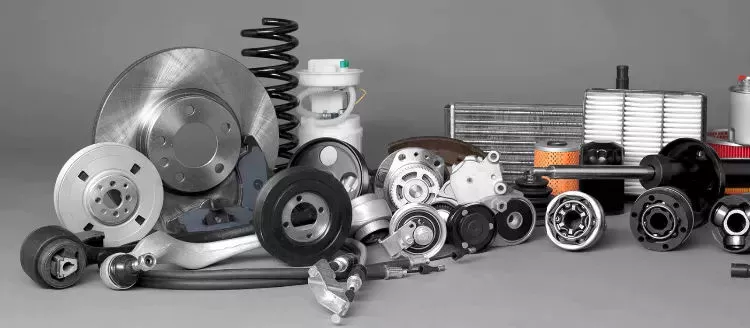
What maintenance practices are essential for prolonging the lifespan of PTO shafts?
Maintaining proper care and performing regular maintenance on Power Take-Off (PTO) shafts is crucial for prolonging their lifespan and ensuring optimal performance. By following essential maintenance practices, you can prevent premature wear, identify potential issues early on, and maximize the longevity of your PTO shafts. Here are some key maintenance practices to consider:
1. Regular Inspection: Perform routine visual inspections of the PTO shaft to check for any signs of damage, wear, or misalignment. Look for cracks, dents, bent sections, or loose components. Inspect the universal joints, coupling mechanisms, protective guards, and other associated parts. Pay attention to any unusual noises, vibrations, or changes in performance, as these can indicate underlying issues that require attention.
2. Lubrication: Proper lubrication is essential for the smooth operation and longevity of PTO shafts. Follow the manufacturer’s recommendations regarding lubrication intervals and use the recommended lubricant type. Apply lubrication to the universal joints, CV joints (if applicable), and other moving parts as specified. Regularly check for adequate lubricant levels and replenish if necessary. Ensure that the lubricant used is compatible with the shaft material and does not attract dirt or debris that could cause abrasion or damage.
3. Cleaning: Keep the PTO shaft clean and free from dirt, debris, and other contaminants. Regularly remove any accumulated dirt, grease, or residue using a brush or compressed air. Be particularly diligent in cleaning the universal joints and areas where the shaft connects to other components. Cleaning prevents the buildup of abrasive particles that can accelerate wear and compromise the shaft’s performance.
4. Guard Inspection and Maintenance: Check the protective guards and shields regularly to ensure they are securely in place and free from damage. Guards play a critical role in preventing accidental contact with the rotating shaft and minimizing the risk of injury. Repair or replace any damaged or missing guards promptly. Ensure that the guards are correctly aligned and provide sufficient coverage for all moving parts of the PTO shaft.
5. Torque and Fastener Checks: Periodically inspect and check the torque of fasteners, such as bolts and nuts, that secure the PTO shaft and associated components. Over time, vibration and normal operation can loosen these fasteners, compromising the integrity of the shaft. Use the appropriate torque specifications provided by the manufacturer to ensure proper tightening. Regularly verify the tightness of fasteners and retighten as necessary.
6. Shear Bolt or Slip Clutch Maintenance: If your PTO shaft incorporates shear bolt or slip clutch mechanisms, ensure they are functioning correctly. Inspect the shear bolts for signs of wear or damage, and replace them when necessary. Check the slip clutch for proper adjustment and smooth operation. Follow the manufacturer’s recommendations regarding maintenance and adjustment of these safety mechanisms to ensure their effectiveness in protecting the driveline components.
7. Proper Storage: When the PTO shaft is not in use, store it in a clean and dry environment. Protect the shaft from exposure to moisture, extreme temperatures, and corrosive substances. If possible, store the shaft in a vertical position to prevent bending or distortion. Consider using protective covers or cases to shield the shaft from dust, dirt, and other potential sources of damage.
8. Operator Training: Provide proper training to operators on the correct operation, maintenance, and safety procedures related to the PTO shafts. Educate them about the importance of regular inspections, lubrication, and adherence to recommended maintenance practices. Encourage operators to report any abnormalities or concerns promptly to prevent further damage and ensure timely repairs or adjustments.
9. Manufacturer and Expert Guidance: Consult the manufacturer’s guidelines and recommendations regarding maintenance practices specific to your PTO shaft model. Additionally, seek advice from experts or authorized service technicians who are knowledgeable about PTO shaft maintenance. They can provide valuable insights and assistance in implementing the best maintenance practices for your specific PTO shafts.
By following these maintenance practices, you can extend the lifespan of your PTO shafts, optimize their performance, and reduce the likelihood of unexpected failures or costly repairs. Regular inspections, lubrication, cleaning, guard maintenance, torque checks, and proper storage are all essential in ensuring the longevity and reliability of your PTO shafts.

What safety precautions should be followed when working with PTO shafts?
Working with Power Take-Off (PTO) shafts requires strict adherence to safety precautions to prevent accidents and ensure the well-being of individuals operating or working in the vicinity of the equipment. PTO shafts involve rotating machinery and can pose significant hazards if not handled properly. Here are several important safety precautions that should be followed when working with PTO shafts:
1. Familiarize Yourself with the Equipment: Prior to operating or working near a PTO shaft, it is crucial to thoroughly understand the equipment’s operation, including the specific PTO shaft configuration, safety features, and any associated machinery. Read and follow the manufacturer’s instructions and safety guidelines pertaining to the PTO shaft and associated equipment. Training and familiarity with the equipment are essential to ensure safe practices.
2. Wear Appropriate Personal Protective Equipment (PPE): When working with PTO shafts, individuals should wear appropriate personal protective equipment to minimize the risk of injury. This may include safety glasses, hearing protection, gloves, and sturdy footwear. PPE protects against potential hazards such as flying debris, noise, and accidental contact with rotating components.
3. Guarding and Shielding: Ensure that the PTO shaft and associated machinery are equipped with appropriate guarding and shielding. Guarding helps prevent accidental contact with rotating parts, reducing the risk of entanglement or injury. PTO shafts should have guard shields covering the rotating shaft and any exposed universal joints. Machinery driven by the PTO shaft should also have adequate guarding in place to protect against contact with moving parts.
4. Securely Fasten and Align PTO Shaft Components: Before operating or connecting the PTO shaft, ensure that all components are securely fastened and aligned. Loose or misaligned components can lead to shaft dislodgement, imbalance, and potential failure. Follow the manufacturer’s guidelines for proper installation and tightening of couplings, yokes, and other connecting points. Proper alignment is crucial to prevent excessive stress, vibrations, and premature wear on the PTO shaft and associated equipment.
5. Avoid Loose Clothing and Jewelry: Loose clothing, jewelry, or other items that can become entangled in the PTO shaft or associated machinery should be avoided. Secure long hair, tuck in loose clothing, and remove or properly secure any dangling accessories. Loose items can get caught in rotating parts, leading to serious injury or entanglement hazards.
6. Do Not Modify or Remove Safety Features: PTO shafts are equipped with safety features such as guard shields, safety covers, and torque limiters for a reason. These features are designed to protect against potential hazards and should not be modified, bypassed, or removed. Altering or disabling safety features can significantly increase the risk of accidents and injury. If any safety features are damaged or not functioning correctly, they should be repaired or replaced promptly.
7. Shut Down Power Source Before Maintenance: Before performing any maintenance, repairs, or adjustments on the PTO shaft or associated machinery, ensure that the power source is completely shut down and disconnected. This includes turning off the engine, disconnecting power supply, and engaging any safety locks or mechanisms. Lockout/tagout procedures should be followed to prevent accidental energization or startup during maintenance activities.
8. Regular Maintenance and Inspection: Regular maintenance and inspection of the PTO shaft and associated equipment are vital for safe operation. Follow the manufacturer’s recommended maintenance schedule and perform routine inspections to identify any signs of wear, damage, or misalignment. Lubricate universal joints as per the manufacturer’s guidelines to ensure smooth operation. Promptly address any maintenance or repair needs to prevent potential hazards.
9. Training and Communication: Ensure that individuals operating or working near PTO shafts receive proper training on safe work practices, hazard identification, and emergency procedures. Promote clear communication regarding the presence and operation of PTO shafts to prevent accidental contact or interference. Establish effective communication methods, such as signals or radios, when working in teams or near noisy equipment.
10. Be Aware of Surroundings: Maintain situational awareness when working with PTO shafts. Be mindful of the location of bystanders, obstacles, and potential hazards. Ensure a clear and safe work area around the PTO shaft. Avoid distractions and focus on the task at hand to prevent accidents caused by inattention.
By following these safety precautions, individuals can minimize the risk of accidents and injuries when working with PTO shafts. Safety should always be the top priority to ensure a safe and productive work environment.

Jakie korzyści oferują wały odbioru mocy w różnych typach maszyn?
Wały odbioru mocy (WOM) oferują szereg korzyści dla różnych typów maszyn rolniczych i przemysłowych. Zapewniają elastyczny i wydajny sposób przenoszenia mocy, umożliwiając maszynom wykonywanie określonych zadań i funkcji. Oto szczegółowe wyjaśnienie korzyści, jakie oferują wały odbioru mocy dla różnych typów maszyn:
Wszechstronność: Wały przegubowo-teleskopowe zwiększają wszechstronność maszyn, umożliwiając ich zasilanie ze wspólnego źródła zasilania, takiego jak ciągnik lub silnik. Oznacza to, że jedno źródło zasilania może być używane do napędzania wielu narzędzi lub maszyn poprzez proste podłączanie i odłączanie wału WOM. Na przykład, w rolnictwie ciągnik wyposażony w wał WOM może napędzać różne narzędzia, takie jak kosiarki, prasy, glebogryzarki, opryskiwacze i ślimaki zbożowe. Podobnie, w zastosowaniach przemysłowych, wały WOM umożliwiają wykorzystanie jednego silnika do zasilania różnych maszyn lub urządzeń, takich jak generatory, pompy, sprężarki i mieszalniki przemysłowe.
Efektywność: Wały przegubowo-teleskopowe (WOM) oferują efektywny sposób przenoszenia mocy ze źródła napędu do maszyny. Poprzez bezpośrednie połączenie źródła napędu z maszyną napędzaną, wały WOM minimalizują straty energii, które mogą występować w przypadku innych metod przenoszenia mocy. To bezpośrednie przenoszenie mocy przekłada się na poprawę ogólnej sprawności i wydajności maszyn. Ponadto wały WOM umożliwiają regulację prędkości obrotowej i mocy wyjściowej w celu dopasowania do wymagań konkretnej maszyny, zapewniając optymalną pracę i redukując zbędne zużycie energii.
Oszczędności kosztów: Zastosowanie wałów odbioru mocy (WOM) może prowadzić do oszczędności na wiele sposobów. Po pierwsze, dzięki wykorzystaniu jednego źródła zasilania do napędzania wielu maszyn lub narzędzi, eliminuje się potrzebę stosowania oddzielnych silników dla każdego urządzenia, co obniża koszty kapitałowe. Po drugie, wały odbioru mocy (WOM) eliminują potrzebę stosowania dodatkowych źródeł paliwa lub energii, ponieważ wykorzystują istniejące źródło zasilania, co przekłada się na niższe koszty paliwa lub energii. Ponadto, wszechstronność wałów odbioru mocy (WOM) pozwala na lepsze wykorzystanie sprzętu, maksymalizując zwrot z inwestycji.
Elastyczność: Wały odbioru mocy zapewniają elastyczność w zakresie konfiguracji i ustawienia sprzętu. Można je regulować pod względem długości lub wyposażyć w sekcje teleskopowe, co pozwala na łatwe dopasowanie do różnych konfiguracji sprzętu i różnych odległości między źródłem zasilania a napędzaną maszyną. Ta elastyczność umożliwia operatorom szybkie podłączanie i odłączanie wałów odbioru mocy w razie potrzeby, co ułatwia sprawną wymianę sprzętu i skraca przestoje. Ponadto, możliwość regulacji prędkości obrotowej i mocy wyjściowej wałów odbioru mocy dodatkowo zwiększa elastyczność, dostosowując je do specyficznych wymagań różnych maszyn i zastosowań.
Łatwość użytkowania: Wały odbioru mocy (WOM) są stosunkowo łatwe w obsłudze, dzięki czemu są dostępne dla operatorów z minimalnym przeszkoleniem. Proces podłączania i odłączania wałów WOM jest prosty i często wymaga użycia prostego mechanizmu sprzęgającego lub blokującego. Ta łatwość obsługi usprawnia obsługę sprzętu, umożliwiając operatorom szybkie przełączanie się między różnymi narzędziami lub maszynami bez znacznego wysiłku i czasochłonnych procedur. Co więcej, bezpośrednie przenoszenie mocy przez wały WOM upraszcza obsługę sprzętu, ponieważ maszyny mogą być zasilane z istniejącego źródła zasilania bez potrzeby stosowania dodatkowych elementów sterujących lub systemów zarządzania energią.
Zwiększona produktywność: Wały przegubowo-teleskopowe przyczyniają się do zwiększenia wydajności w rolnictwie i przemyśle. Umożliwiając stosowanie wszechstronnych konfiguracji maszyn, operatorzy mogą wykonywać szeroki zakres zadań z jednego źródła zasilania. Eliminuje to konieczność pracy ręcznej lub korzystania z wielu maszyn, usprawniając przepływ pracy i skracając czas potrzebny na wykonanie różnych czynności. Sprawność i niezawodność przenoszenia mocy przez wały przegubowo-teleskopowe również przyczyniają się do poprawy wydajności, zapewniając spójną i efektywną pracę maszyn, co przekłada się na zwiększoną wydajność i skrócenie przestojów.
Bezpieczeństwo: Choć nie są bezpośrednio związane z wydajnością maszyn, wały WOM oferują również korzyści w zakresie bezpieczeństwa. Zastosowanie osłon zabezpieczających na wałach WOM pomaga zapobiegać przypadkowemu kontaktowi z obracającym się wałem, zmniejszając ryzyko obrażeń operatorów. Te zabezpieczenia mają na celu ochronę obracającego się wału i przegubów Cardana, uniemożliwiając operatorom kontakt z nimi podczas pracy. Odpowiednie przeszkolenie w zakresie obsługi wału WOM i przestrzeganie wytycznych bezpieczeństwa dodatkowo zwiększają bezpieczeństwo operatora podczas pracy z maszynami napędzanymi za pomocą WOM.
Podsumowując, wały przegubowo-teleskopowe oferują szereg korzyści dla różnych typów maszyn. Należą do nich: większa wszechstronność, lepsza wydajność, oszczędność kosztów, elastyczność konfiguracji sprzętu, łatwość obsługi, zwiększona produktywność i zwiększone bezpieczeństwo operatora. Wały przegubowo-teleskopowe odgrywają kluczową rolę w zastosowaniach rolniczych i przemysłowych, umożliwiając bezpośrednie przenoszenie mocy ze wspólnego źródła zasilania na różne maszyny lub narzędzia, co przekłada się na optymalizację wydajności i efektywności operacyjnej.


editor by CX 2024-05-15