คำอธิบายผลิตภัณฑ์
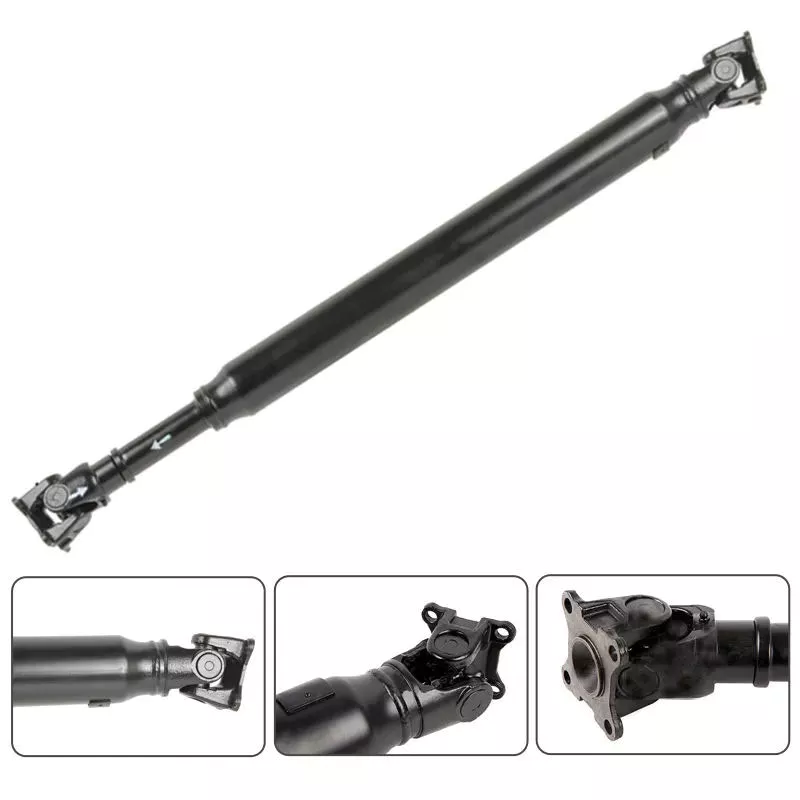
Specification OF PTO Drive Shaft —Speedway:
We developed and produced many tractor spare parts for Japanese Tractors .
Product Name: Japanese tractor transmission clutch disc parts for B1400 B7000
Tractor Model we can supply: B1500/1400,B5000,B6000, B7000, TU1400, TX1400, TX1500, YM F1401, YM1400 ETC.
The parts for example: Tyres, rim Jante, Kit coupling KB-TX 3 point linkage. Exhaust pipe Steering wheel. Kit coupling YM F14/F15, gear shaft, PTO shaft, PTO cardan, key, regulator ect.
Most of the spare parts are with stock. If you are interested in, please feel easy to contact me.
Other relevant parts for cars or machinery we have made in our workshop are as follows:
Drive shaft parts and assemblies,
Universal joint parts and assemblies,
PTO drive shafts,
Spline shafts,
Slip yokes,
Weld yokes,
Flange yokes,
Steering columns,
Connecting rods,
etc.
คำอธิบายผลิตภัณฑ์
Pto Drive Shaft Item:
| Item | Cross journal size | 540dak-rpm | 1000dak-rpm | |||
| Series 1 | 22mm | 54mm | 12KW | 16HP | 18KW | 25HP |
| Series 2 | 23.8mm | 61.3mm | 15KW | 21HP | 23KW | 31HP |
| Series 3 | 27mm | 70mm | 26KW | 35HP | 40KW | 55HP |
| Series 4 | 27mm | 74.6mm | 26KW | 35HP | 40KW | 55HP |
| Series 5 | 30.2mm | 80mm | 35KW | 47HP | 54KW | 74HP |
| Series 6 | 30.2mm | 92mm | 47KW | 64HP | 74KW | 100HP |
| Series 7 | 30.2mm | 106.5mm | 55KW | 75HP | 87KW | 18HP |
| Series 8 | 35mm | 106.5mm
|
70KW | 95HP | 110KW | 150HP |
| Series 38 | 38mm | 102mm | 70KW | 95HP | 110KW | 150HP |
ข้อมูลบริษัท
Certifications
คำถามที่พบบ่อย
/* March 10, 2571 17:59:20 */!function(){function s(e,r){var a,o={};try{e&&e.split(“,”).forEach(function(e,t){e&&(a=e.match(/(.*?):(.*)$/))&&1
| พิมพ์: | Shaft |
|---|---|
| วิธีใช้งาน: | Agricultural Products Processing, Farmland Infrastructure, Harvester, Planting and Fertilization, Grain Threshing, Cleaning and Drying |
| วัสดุ: | Stainless Steel |
| Power Source: | Pto Dirven Shaft |
| Weight: | Standard |
| After-sales Service: | 1 Year |
| ตัวอย่าง: |
US$ 300/Piece
1 ชิ้น (สั่งขั้นต่ำ) | |
|---|
What maintenance practices are essential for prolonging the lifespan of PTO shafts?
Maintaining proper care and performing regular maintenance on Power Take-Off (PTO) shafts is crucial for prolonging their lifespan and ensuring optimal performance. By following essential maintenance practices, you can prevent premature wear, identify potential issues early on, and maximize the longevity of your PTO shafts. Here are some key maintenance practices to consider:
1. Regular Inspection: Perform routine visual inspections of the PTO shaft to check for any signs of damage, wear, or misalignment. Look for cracks, dents, bent sections, or loose components. Inspect the universal joints, coupling mechanisms, protective guards, and other associated parts. Pay attention to any unusual noises, vibrations, or changes in performance, as these can indicate underlying issues that require attention.
2. Lubrication: Proper lubrication is essential for the smooth operation and longevity of PTO shafts. Follow the manufacturer’s recommendations regarding lubrication intervals and use the recommended lubricant type. Apply lubrication to the universal joints, CV joints (if applicable), and other moving parts as specified. Regularly check for adequate lubricant levels and replenish if necessary. Ensure that the lubricant used is compatible with the shaft material and does not attract dirt or debris that could cause abrasion or damage.
3. Cleaning: Keep the PTO shaft clean and free from dirt, debris, and other contaminants. Regularly remove any accumulated dirt, grease, or residue using a brush or compressed air. Be particularly diligent in cleaning the universal joints and areas where the shaft connects to other components. Cleaning prevents the buildup of abrasive particles that can accelerate wear and compromise the shaft’s performance.
4. Guard Inspection and Maintenance: Check the protective guards and shields regularly to ensure they are securely in place and free from damage. Guards play a critical role in preventing accidental contact with the rotating shaft and minimizing the risk of injury. Repair or replace any damaged or missing guards promptly. Ensure that the guards are correctly aligned and provide sufficient coverage for all moving parts of the PTO shaft.
5. Torque and Fastener Checks: Periodically inspect and check the torque of fasteners, such as bolts and nuts, that secure the PTO shaft and associated components. Over time, vibration and normal operation can loosen these fasteners, compromising the integrity of the shaft. Use the appropriate torque specifications provided by the manufacturer to ensure proper tightening. Regularly verify the tightness of fasteners and retighten as necessary.
6. Shear Bolt or Slip Clutch Maintenance: If your PTO shaft incorporates shear bolt or slip clutch mechanisms, ensure they are functioning correctly. Inspect the shear bolts for signs of wear or damage, and replace them when necessary. Check the slip clutch for proper adjustment and smooth operation. Follow the manufacturer’s recommendations regarding maintenance and adjustment of these safety mechanisms to ensure their effectiveness in protecting the driveline components.
7. Proper Storage: When the PTO shaft is not in use, store it in a clean and dry environment. Protect the shaft from exposure to moisture, extreme temperatures, and corrosive substances. If possible, store the shaft in a vertical position to prevent bending or distortion. Consider using protective covers or cases to shield the shaft from dust, dirt, and other potential sources of damage.
8. Operator Training: Provide proper training to operators on the correct operation, maintenance, and safety procedures related to the PTO shafts. Educate them about the importance of regular inspections, lubrication, and adherence to recommended maintenance practices. Encourage operators to report any abnormalities or concerns promptly to prevent further damage and ensure timely repairs or adjustments.
9. Manufacturer and Expert Guidance: Consult the manufacturer’s guidelines and recommendations regarding maintenance practices specific to your PTO shaft model. Additionally, seek advice from experts or authorized service technicians who are knowledgeable about PTO shaft maintenance. They can provide valuable insights and assistance in implementing the best maintenance practices for your specific PTO shafts.
By following these maintenance practices, you can extend the lifespan of your PTO shafts, optimize their performance, and reduce the likelihood of unexpected failures or costly repairs. Regular inspections, lubrication, cleaning, guard maintenance, torque checks, and proper storage are all essential in ensuring the longevity and reliability of your PTO shafts.
เพลา PTO มีข้อจำกัดหรือข้อเสียใดบ้างหรือไม่?
แม้ว่าเพลา PTO (Power Take-Off) จะมีข้อดีมากมายในแง่ของการส่งกำลังและความอเนกประสงค์ แต่ก็มีข้อจำกัดและข้อเสียบางประการเช่นกัน จึงเป็นสิ่งสำคัญที่จะต้องพิจารณาปัจจัยเหล่านี้เมื่อใช้เพลา PTO เพื่อให้มั่นใจถึงการทำงานที่ปลอดภัยและมีประสิทธิภาพ ต่อไปนี้คือคำอธิบายโดยละเอียดเกี่ยวกับข้อจำกัดและข้อเสียบางประการที่เกี่ยวข้องกับเพลา PTO:
1. อันตรายด้านความปลอดภัย: หนึ่งในข้อกังวลหลักเกี่ยวกับเพลา PTO คือความเสี่ยงด้านความปลอดภัย เพลา PTO หมุนด้วยความเร็วสูงและอาจก่อให้เกิดความเสี่ยงอย่างมากหากไม่มีการป้องกันหรือการจัดการที่เหมาะสม การสัมผัสโดยบังเอิญกับเพลา PTO ที่เปิดโล่งหรือมีการป้องกันไม่เพียงพออาจส่งผลให้เกิดการบาดเจ็บรุนแรง รวมถึงการพันกัน การตัดอวัยวะ หรือแม้กระทั่งเสียชีวิต ดังนั้นจึงเป็นสิ่งสำคัญอย่างยิ่งที่จะต้องปฏิบัติตามแนวทางด้านความปลอดภัย ติดตั้งอุปกรณ์ป้องกันที่เหมาะสม และตรวจสอบให้แน่ใจว่าผู้ปฏิบัติงานได้รับการฝึกอบรมอย่างดีเกี่ยวกับแนวทางการจัดการอย่างปลอดภัยเพื่อลดความเสี่ยงเหล่านี้
2. การบำรุงรักษาและการหล่อลื่น: เพลา PTO จำเป็นต้องได้รับการบำรุงรักษาและหล่อลื่นอย่างสม่ำเสมอเพื่อให้มั่นใจถึงประสิทธิภาพสูงสุดและอายุการใช้งานที่ยาวนาน ชิ้นส่วนที่เคลื่อนไหว เช่น ข้อต่อยูนิเวอร์แซลและร่องฟัน จำเป็นต้องได้รับการตรวจสอบ ทำความสะอาด และหล่อลื่นตามช่วงเวลาที่แนะนำ การละเลยการบำรุงรักษาอาจนำไปสู่การสึกหรอก่อนกำหนด ประสิทธิภาพลดลง และความเสียหายที่อาจเกิดขึ้นได้ การบำรุงรักษาที่เหมาะสม รวมถึงการตรวจสอบอย่างสม่ำเสมอและการหล่อลื่นอย่างทันท่วงที เป็นสิ่งสำคัญในการลดปัญหาเหล่านี้
3. การจัดแนวและมุม: เพลา PTO อาศัยการจัดแนวและมุมที่เหมาะสมเพื่อให้การส่งกำลังมีประสิทธิภาพ การจัดแนวที่ไม่ถูกต้องหรือมุมที่มากเกินไประหว่างแหล่งพลังงานและเครื่องจักรที่ขับเคลื่อนอาจทำให้เกิดการสึกหรอและแรงกดบนชิ้นส่วนเพิ่มขึ้น ซึ่งนำไปสู่ความเสียหายก่อนกำหนด การตรวจสอบให้แน่ใจว่ามีการจัดแนวและการปรับมุมที่เหมาะสม โดยใช้ข้อต่อเลื่อนที่ปรับได้หรือวิธีการอื่น ๆ เป็นสิ่งสำคัญเพื่อป้องกันความเครียดที่มากเกินไปบนเพลา PTO และอุปกรณ์ที่เกี่ยวข้อง
4. ข้อจำกัดด้านความยาว: เพลา PTO มีข้อจำกัดด้านความยาวสูงสุดและต่ำสุดเนื่องจากข้อจำกัดทางวิศวกรรม การออกแบบแบบยืดหดได้ช่วยให้สามารถปรับได้บ้าง แต่ก็มีข้อจำกัดในทางปฏิบัติว่าเพลาจะยืดหรือหดได้มากแค่ไหน หากระยะห่างระหว่างแหล่งพลังงานและเครื่องจักรที่ขับเคลื่อนเกินความยาวสูงสุดหรือต่ำกว่าความยาวต่ำสุดของเพลา PTO อาจจำเป็นต้องใช้วิธีแก้ปัญหาอื่นหรือการดัดแปลง ในบางกรณี อาจจำเป็นต้องใช้ส่วนประกอบเพิ่มเติม เช่น ส่วนต่อขยายเพลาขับหรือกล่องเกียร์เพื่อเชื่อมต่อระยะทาง
5. ความเข้ากันได้: แม้ว่าผู้ผลิตจะพยายามอย่างเต็มที่เพื่อให้มั่นใจถึงความเข้ากันได้ แต่ก็ยังอาจมีปัญหาในการค้นหาเพลา PTO ที่เหมาะสมสำหรับอุปกรณ์เฉพาะบางประเภท อุปกรณ์อาจมีข้อกำหนดเฉพาะในแง่ของขนาดร่องฟัน อัตราแรงบิด หรือวิธีการเชื่อมต่อ ซึ่งอาจหาได้ยากหรือไม่เข้ากันได้กับเพลา PTO ที่มีจำหน่ายทั่วไป อาจจำเป็นต้องมีการปรับแต่งเพื่อแก้ไขปัญหาความเข้ากันได้เหล่านี้ ซึ่งอาจส่งผลให้ต้นทุนหรือระยะเวลารอคอยเพิ่มขึ้น
6. เสียงและการสั่นสะเทือน: เพลา PTO ขณะใช้งานอาจก่อให้เกิดเสียงและแรงสั่นสะเทือนอย่างมาก โดยเฉพาะอย่างยิ่งที่ความเร็วสูง ซึ่งอาจสร้างความรำคาญให้กับผู้ใช้งานและอาจต้องใช้มาตรการเพิ่มเติมเพื่อลดระดับเสียงหรือลดแรงสั่นสะเทือน แรงสั่นสะเทือนที่มากเกินไปยังอาจส่งผลต่อประสิทธิภาพโดยรวมและอายุการใช้งานของเพลา PTO และอุปกรณ์ที่เชื่อมต่อ การติดตั้งอุปกรณ์ลดแรงสั่นสะเทือนหรือการใช้ข้อต่อแบบยืดหยุ่นสามารถช่วยลดปัญหาเหล่านี้ได้
7. ข้อจำกัดด้านกำลังไฟ: เพลา PTO มีขีดจำกัดกำลังเฉพาะตามการออกแบบ วัสดุ และส่วนประกอบ การใช้งานเกินขีดจำกัดกำลังเหล่านี้อาจนำไปสู่การสึกหรอเร็วเกินไป ความเสียหายของส่วนประกอบ หรือแม้กระทั่งการแตกหักของเพลา การทำความเข้าใจและปฏิบัติตามพิกัดกำลังที่แนะนำสำหรับเพลา PTO นั้นมีความสำคัญอย่างยิ่งเพื่อให้มั่นใจถึงการทำงานที่ปลอดภัยและเชื่อถือได้ ในบางกรณี อาจจำเป็นต้องอัพเกรดเป็นเพลา PTO ที่มีกำลังสูงกว่าหรือติดตั้งส่วนประกอบส่งกำลังเพิ่มเติมเพื่อรองรับความต้องการกำลังที่สูงขึ้น
8. การติดตั้งและการถอดที่ซับซ้อน: การติดตั้งและถอดเพลา PTO อาจเป็นกระบวนการที่ซับซ้อน โดยเฉพาะอย่างยิ่งในพื้นที่จำกัดหรือเมื่อต้องจัดการกับอุปกรณ์ขนาดใหญ่ อาจต้องมีการจัดแนวร่องฟัน การต่อข้อต่อ และการยึดกลไกการล็อค การติดตั้งหรือถอดที่ไม่ถูกต้องอาจทำให้เพลาหรืออุปกรณ์ที่เกี่ยวข้องเสียหายได้ การฝึกอบรมที่เหมาะสม การจัดการอุปกรณ์ และการปฏิบัติตามคำแนะนำของผู้ผลิตเป็นสิ่งสำคัญที่จะทำให้การติดตั้งและถอดเพลา PTO ง่ายขึ้นและปลอดภัยยิ่งขึ้น
แม้จะมีข้อจำกัดและข้อเสียเหล่านี้ เพลา PTO ก็ยังคงเป็นส่วนประกอบที่ใช้กันอย่างแพร่หลายและมีคุณค่าสำหรับการส่งกำลังในอุตสาหกรรมต่างๆ การแก้ไขปัญหาเหล่านี้และนำมาตรการด้านความปลอดภัย การบำรุงรักษา และขั้นตอนการจัดแนวที่เหมาะสมมาใช้ จะช่วยลดข้อเสียที่อาจเกิดขึ้นของเพลา PTO ได้อย่างมีประสิทธิภาพ ทำให้การทำงานปลอดภัยและมีประสิทธิภาพ

How do PTO shafts contribute to transferring power from tractors to implements?
PTO shafts (Power Take-Off shafts) play a critical role in transferring power from tractors to implements in agricultural and industrial settings. They provide a reliable and efficient means of power transmission, enabling tractors to drive various implements and perform a wide range of tasks. Here’s a detailed explanation of how PTO shafts contribute to transferring power from tractors to implements:
Power Source: Tractors are equipped with powerful engines designed to generate substantial amounts of mechanical power. This power is harnessed to drive the tractor’s wheels and operate hydraulic systems, as well as to provide power for the attachment of implements through the PTO shaft. The PTO shaft typically connects to the rear or side of the tractor, where the power take-off mechanism is located. The power take-off derives power directly from the tractor’s engine or transmission, allowing for efficient power transfer to the PTO shaft.
PTO Shaft Design: PTO shafts are designed as driveline components that transmit rotational power and torque from the tractor’s power take-off to the implement. They consist of a hollow metal tube with universal joints at each end. The universal joints accommodate angular misalignments and allow the PTO shaft to transmit power even when the tractor and implement are not perfectly aligned. The PTO shaft is also equipped with a safety shield or guard to prevent accidental contact with the rotating shaft, ensuring operator safety during operation.
PTO Engagement: To transfer power from the tractor to the implement, the PTO shaft needs to be engaged. Tractors are equipped with a PTO clutch mechanism that allows operators to engage or disengage the PTO shaft as needed. When the PTO clutch is engaged, power flows from the tractor’s engine through the power take-off mechanism and into the PTO shaft. This rotational power is then transmitted through the PTO shaft to the implement, driving its working components.
Rotational Power Transmission: The rotational power generated by the tractor’s engine is transferred to the PTO shaft through the power take-off mechanism. The PTO shaft, being directly connected to the power take-off, rotates at the same speed as the engine. This rotational power is then transmitted from the PTO shaft to the implement’s driveline or gearbox. The implement’s driveline, in turn, distributes the power to the implement’s working components, such as blades, augers, or pumps, enabling them to carry out their respective functions.
Matching Speed and Power: PTO shafts are designed to match the rotational speed and power requirements of various implements. Tractors often feature multiple speed settings for the PTO, allowing operators to select the appropriate speed for the specific implement being used. Different implements may require different rotational speeds to operate optimally, and the PTO shaft allows for easy adjustment to match those requirements. Additionally, the power generated by the tractor’s engine is transmitted through the PTO shaft, providing the necessary torque to drive the implement’s working components effectively.
Versatility and Efficiency: PTO shafts offer significant versatility and efficiency in agricultural and industrial operations. They allow tractors to power a wide range of implements, including mowers, balers, tillers, sprayers, and grain augers, among others. By connecting implements directly to the tractor’s power source, operators can quickly switch between tasks without the need for separate power generators or engines. This versatility and efficiency streamline workflow, reduce costs, and increase overall productivity in agricultural and industrial settings.
Safety Considerations: While PTO shafts are essential for power transmission, they can pose safety risks if mishandled. The rotating shaft and universal joints can cause severe injuries if operators come into contact with them while in operation. That’s why PTO shafts are equipped with safety shields or guards to prevent accidental contact. Operators should always ensure that the safety shields are in place and secure before engaging the PTO shaft. Proper training, adherence to safety guidelines, and regular maintenance of PTO shafts and associated safety features are crucial to ensuring safe operation.
In summary, PTO shafts are vital components that enable the transfer of power from tractors to implements in agricultural and industrial applications. They provide a reliable and efficient means of power transmission, allowing tractors to drive various implements and perform a wide range of tasks. By engaging the PTO clutch and transmitting rotational power through the PTO shaft, tractors power the working components of implements, providing versatility, efficiency, and productivity in agricultural and industrial operations.


editor by CX 2024-01-18