产品描述
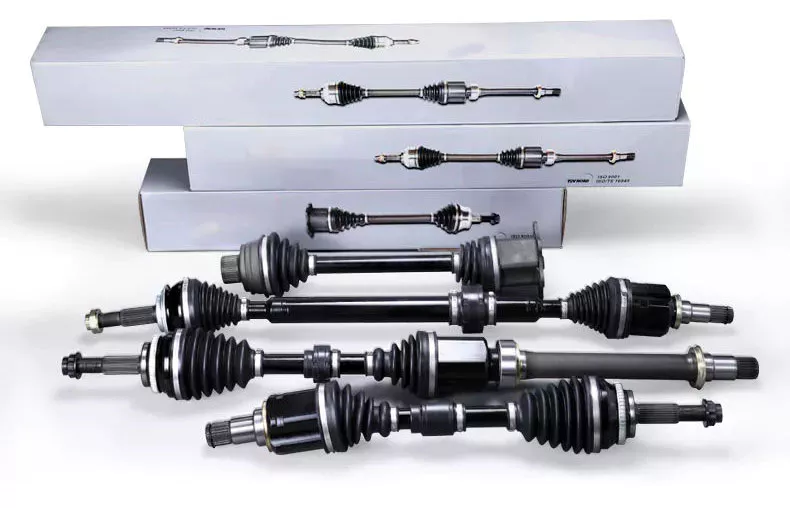
Agricultural Machinery Parts Tractor Truck Rotary Drive PTO Shaft Agriculture Machine Part
产品描述
Our rotary PTO SHAFT is a powerful assistant in agricultural production, known for its high efficiency and durability. environment for CHINAMFG cultivation.
Product Features:
High strength materials: The PTO SHAFT is made of high-strength materials, which have excellent durability and fatigue resistance and can be used for a long time.
Efficient farming: PTO SHAFT Labor-saving and easy to operate: using a rotary tiller for land plowing is easy and labor-saving, easy to operate, and suitable for various terrains.
Easy maintenance: The PTO SHAFT has a simple structure, low maintenance cost, and long service life.
Strong adaptability: Suitable for various types of soil, whether in paddy fields, dry fields, or mountainous areas, it can demonstrate excellent performance.
Usage :
Choose the appropriate model of PTO SHAFT according to the land conditions.
Install the PTO SHAFT on agricultural machinery.
Start agricultural machinery and start plowing the land.
Precautions :
Please read the product manual carefully before use.
Please use this product under safe conditions.
This product is only used for agricultural tillage and cannot be used for other purposes.
详细照片
产品参数
GOOD QUALITY AGRICULTURE MACHINE ACCESSORY PROPRLLER SHAFT TRACTOR PARTS TRANSMISSION SHAFT DRIVE AXLE POWER DRIVE SHAFT PTO SHAFT
包装和运输
Our Advantages
1. High quality steel raw materials, suitable hardness, not easy to break or deform.
2. Automatic temperature control system used on both heating treatment and tempering, to guaratee the products heated evenly, the outside and interior have uniform structure, so as to get longer work life.
3.Precise and high strength moulds get precise shaping during thermo-forming.
4. Special gas used in tempering, to make up the chemical elements which lost during heating treatment, to double the work life than normal technology, proprietary heat treatment technology designed and developed by JIELIKE.
5. The whole product body and shape has been adjusted precisely by mechanics to pass the balance test both in static and moving states.
6. Products use electrostatic painting or brand water-based paint, environment-protective, to get excellent surface and long time rust-protective. And drying process is added for liquid painting to improve the quality of the paint adhesion to blade surface.
7. Automatic shot peening surface treatment, excellent appearance.
8. Provide OEM & ODM Service.
9. Provide customized products.
After Sales Service
We provide comprehensive after-sales service, including product consultation, user guidance, repair and maintenance, etc. If you encounter any problems during use, please feel free to contact us at any time.
/* 2571 年 1 月 22 日 19:08:37 */!function(){function s(e,r){var a,o={};try{e&&e.split(“,”).forEach(function(e,t){e&&(a=e.match(/(.*?):(.*)$/))&&1
| 类型: | 轴 |
|---|---|
| 用法: | Tillage |
| 材料: | 碳钢 |
| 定制化: |
可用的
| 定制请求 |
|---|
.shipping-cost-tm .tm-status-off{background: none;padding:0;color: #1470cc}
| 运费:
每件商品预计运费。 |
关于运费和预计送达时间。 |
|---|
| 付款方式: |
|
|---|---|
|
首付款 全额付款 |
| 货币: | US$ |
|---|
| 退货和退款: | 您可以在收到产品后 30 天内申请退款。 |
|---|
动力输出轴如何确保高效动力传输并保持安全?
动力输出轴(PTO)在确保动力源高效地将动力传递至驱动机械或设备方面发挥着至关重要的作用,同时还能保障安全。这些轴的设计融合了多种特性和机制,旨在优化动力传输效率并降低潜在风险。以下详细解释了动力输出轴如何在确保安全的前提下实现高效动力传输:
1. 机械动力传输: 动力输出轴(PTO轴)作为动力源(通常是拖拉机或发动机)与被驱动机械之间的机械连接装置,将动力源产生的旋转动力传递至被驱动设备,实现高效的能量传输。动力输出轴的机械设计,包括其直径、长度和材料组成,都经过优化,以最大限度地减少传输过程中的动力损失,确保动力源产生的大部分动力能够有效地传递给被驱动机械。
2. 万向节和柔性联轴器: 动力输出轴配备万向节和柔性联轴器,以适应角度偏差并实现灵活的运动。万向节能够补偿动力源和被驱动机械之间的对准偏差,即使两个部件并非完全对准,也能确保动力平稳传输。柔性联轴器有助于补偿轻微的对准偏差,减少振动,并防止轴和连接部件承受过大的应力,从而提高效率并降低机械故障或损坏的风险。
3. 等速万向节(CV关节): 等速万向节常用于动力输出轴(PTO),以保持恒定的转速和扭矩传递,尤其适用于被驱动机械需要灵活性或以不同角度运行的应用场合。即使被驱动机械相对于动力源存在一定角度,等速万向节也能实现平稳的动力传输,避免明显的波动。通过最大限度地减少因角度变化引起的转速波动和功率损失,等速万向节有助于高效传递动力,同时确保性能稳定,并降低机械应力或过早磨损的风险。
4. 安全防护装置和护罩: 动力输出轴(PTO轴)的设计以安全为首要考虑因素。防护罩和护罩用于覆盖旋转轴和其他运动部件。这些防护罩起到物理屏障的作用,防止意外接触旋转部件,从而显著降低缠绕、受伤或损坏的风险。安全防护罩通常由金属或塑料等耐用材料制成,其设计既能保证动力传输所需的运动,又能提供充分的保护。定期检查和维护这些防护罩对于确保其有效保障安全至关重要。
5.剪切螺栓或滑动离合器机构: 动力输出轴通常采用剪切螺栓或滑动离合器机构作为安全装置,以保护传动系统部件,防止在扭矩过大或遇到突发阻力时造成损坏。剪切螺栓的设计目的是在扭矩超过预设阈值时发生剪切或断裂,从而断开动力输出轴与动力源的连接。这有助于防止轴、被驱动机械和动力源的损坏。滑动离合器的工作原理类似,当动力输出轴遇到过大阻力时,它会使轴打滑,从而保护部件免受过载损坏。这些机构作为安全措施,旨在维护动力输出轴及其相关设备的完整性,同时最大限度地降低机械故障或事故的风险。
6. 符合安全标准: 动力输出轴的设计和制造均符合相关的安全标准和法规。制造商遵循美国农业与生物工程师学会 (ASABE) 或其他地区安全机构制定的指南和要求。符合这些标准可确保动力输出轴满足特定的安全要求,包括扭矩容量、防护罩设计和其他安全因素。用户可以信赖经过测试和认证的标准化动力输出轴,从而获得额外的安全性和性能保障。
7. 操作人员教育和培训: 为确保安全高效运行,操作人员必须接受有关动力输出轴(PTO轴)的正确教育和培训。操作人员应熟悉其应用中使用的动力输出轴的具体安全特性、维护要求和安全操作规程。这包括了解使用适当个人防护装备的重要性、定期检查设备磨损或损坏情况以及遵循推荐的维护计划。操作人员的安全意识和对安全规程的遵守对于维护安全的工作环境和最大限度地提高动力传输效率至关重要。
总而言之,动力输出轴通过其机械设计、万向节和等速万向节的采用、安全防护罩和护罩的安装、剪切螺栓或滑动离合器机构的实施、对安全标准的遵守以及操作人员培训,确保了高效的动力传输和安全性。通过结合这些特性和实践,动力输出轴能够提供可靠安全的动力传输,最大限度地减少动力损耗和操作过程中可能出现的风险。

How do PTO shafts handle variations in load and torque during operation?
PTO (Power Take-Off) shafts are designed to handle variations in load and torque during operation by employing specific mechanisms and features that ensure efficient power transfer and protection against overload conditions. Here’s a detailed explanation of how PTO shafts handle variations in load and torque:
1. Mechanical Design: PTO shafts are engineered with robust mechanical design principles that enable them to handle variations in load and torque. They are typically constructed using high-strength materials such as steel, which provides durability and resistance to bending or twisting forces. The shaft’s diameter, wall thickness, and overall dimensions are carefully calculated to withstand the expected torque levels and load variations. The mechanical design of the PTO shaft ensures that it can transmit power reliably and accommodate the dynamic forces encountered during operation.
2. Universal Joints: Universal joints are a key component of PTO shafts that allow for flexibility and compensation of misalignment between the power source and driven machinery. These joints can accommodate variations in angular alignment, which may occur due to changes in load or movement of the machinery. Universal joints consist of a cross-shaped yoke with needle bearings that allow for smooth rotation and transfer of torque, even when the shafts are not perfectly aligned. The design of universal joints enables PTO shafts to handle variations in load and torque while maintaining consistent power transmission.
3. Slip Clutches: Slip clutches are often incorporated into PTO shafts to provide overload protection. These clutches allow the PTO shaft to slip or disengage momentarily when excessive torque or resistance is encountered. Slip clutches typically consist of friction plates that can be adjusted to a specific torque setting. When the torque surpasses the predetermined limit, the clutch slips, preventing damage to the PTO shaft and connected equipment. Slip clutches are particularly useful when sudden changes in load or torque occur, providing a safety mechanism to protect the PTO shaft and associated machinery.
4. Torque Limiters: Torque limiters are another protective feature found in some PTO shafts. These devices are designed to automatically disengage the power transmission when a predetermined torque threshold is exceeded. Torque limiters can be mechanical, such as shear pin couplings or friction clutches, or electronic, utilizing sensors and control systems. When the torque exceeds the set limit, the torque limiter disengages, preventing further power transfer and protecting the PTO shaft from overload conditions. Torque limiters are effective in handling sudden spikes in torque and safeguarding the PTO shaft and associated equipment.
5. Maintenance and Inspection: Regular maintenance and inspection of PTO shafts are essential to ensure their proper functioning and ability to handle variations in load and torque. Routine maintenance includes lubrication of universal joints, inspection of shaft integrity, and tightening of fasteners. Regular inspections allow for early detection of wear, misalignment, or other issues that may affect the PTO shaft’s performance. By addressing maintenance and inspection requirements, operators can identify and address any concerns that may arise due to variations in load and torque, ensuring the continued safe and efficient operation of the PTO shaft.
6. Operator Awareness and Control: Operators play a crucial role in managing variations in load and torque during PTO shaft operation. They should be aware of the machinery’s operational limits, including the recommended torque ratings and load capacities of the PTO shaft. Proper training and understanding of the equipment’s capabilities enable operators to make informed decisions and adjust the operation when encountering significant load or torque changes. Operators should also be vigilant in monitoring the equipment’s performance, watching for any signs of excessive vibration, noise, or other indications of potential issues related to load and torque variations.
By incorporating robust mechanical design, utilizing universal joints, slip clutches, torque limiters, and implementing proper maintenance practices, PTO shafts are equipped to handle variations in load and torque during operation. These features ensure reliable power transmission, protect against overload conditions, and contribute to the safe and efficient functioning of the PTO shaft and the machinery it drives.

How do PTO shafts contribute to transferring power from tractors to implements?
PTO shafts (Power Take-Off shafts) play a critical role in transferring power from tractors to implements in agricultural and industrial settings. They provide a reliable and efficient means of power transmission, enabling tractors to drive various implements and perform a wide range of tasks. Here’s a detailed explanation of how PTO shafts contribute to transferring power from tractors to implements:
电源: Tractors are equipped with powerful engines designed to generate substantial amounts of mechanical power. This power is harnessed to drive the tractor’s wheels and operate hydraulic systems, as well as to provide power for the attachment of implements through the PTO shaft. The PTO shaft typically connects to the rear or side of the tractor, where the power take-off mechanism is located. The power take-off derives power directly from the tractor’s engine or transmission, allowing for efficient power transfer to the PTO shaft.
PTO Shaft Design: PTO shafts are designed as driveline components that transmit rotational power and torque from the tractor’s power take-off to the implement. They consist of a hollow metal tube with universal joints at each end. The universal joints accommodate angular misalignments and allow the PTO shaft to transmit power even when the tractor and implement are not perfectly aligned. The PTO shaft is also equipped with a safety shield or guard to prevent accidental contact with the rotating shaft, ensuring operator safety during operation.
PTO Engagement: To transfer power from the tractor to the implement, the PTO shaft needs to be engaged. Tractors are equipped with a PTO clutch mechanism that allows operators to engage or disengage the PTO shaft as needed. When the PTO clutch is engaged, power flows from the tractor’s engine through the power take-off mechanism and into the PTO shaft. This rotational power is then transmitted through the PTO shaft to the implement, driving its working components.
Rotational Power Transmission: The rotational power generated by the tractor’s engine is transferred to the PTO shaft through the power take-off mechanism. The PTO shaft, being directly connected to the power take-off, rotates at the same speed as the engine. This rotational power is then transmitted from the PTO shaft to the implement’s driveline or gearbox. The implement’s driveline, in turn, distributes the power to the implement’s working components, such as blades, augers, or pumps, enabling them to carry out their respective functions.
Matching Speed and Power: PTO shafts are designed to match the rotational speed and power requirements of various implements. Tractors often feature multiple speed settings for the PTO, allowing operators to select the appropriate speed for the specific implement being used. Different implements may require different rotational speeds to operate optimally, and the PTO shaft allows for easy adjustment to match those requirements. Additionally, the power generated by the tractor’s engine is transmitted through the PTO shaft, providing the necessary torque to drive the implement’s working components effectively.
Versatility and Efficiency: PTO shafts offer significant versatility and efficiency in agricultural and industrial operations. They allow tractors to power a wide range of implements, including mowers, balers, tillers, sprayers, and grain augers, among others. By connecting implements directly to the tractor’s power source, operators can quickly switch between tasks without the need for separate power generators or engines. This versatility and efficiency streamline workflow, reduce costs, and increase overall productivity in agricultural and industrial settings.
Safety Considerations: While PTO shafts are essential for power transmission, they can pose safety risks if mishandled. The rotating shaft and universal joints can cause severe injuries if operators come into contact with them while in operation. That’s why PTO shafts are equipped with safety shields or guards to prevent accidental contact. Operators should always ensure that the safety shields are in place and secure before engaging the PTO shaft. Proper training, adherence to safety guidelines, and regular maintenance of PTO shafts and associated safety features are crucial to ensuring safe operation.
In summary, PTO shafts are vital components that enable the transfer of power from tractors to implements in agricultural and industrial applications. They provide a reliable and efficient means of power transmission, allowing tractors to drive various implements and perform a wide range of tasks. By engaging the PTO clutch and transmitting rotational power through the PTO shaft, tractors power the working components of implements, providing versatility, efficiency, and productivity in agricultural and industrial operations.


编辑:CX 2024-05-03