وصف المنتج
Tractor Pto Driveshaft Driveline Factory Hollow Spline Cardan Adapter Universal Joint Yoke Flexible Front Prop Rear CV Axle Propeller Automobile Drive Shaft
وصف المنتج
Agricultural truck universal joint steering
PTO Shaft
| Function of PTO Shaft | Drive Shaft Parts & Power Transmission |
| Usage of PTO Shaft | Kinds of Tractors & Farm Implements |
| Yoke Types for PTO Shaft | Double push pin, Bolt pins, Split pins, Pushpin, Quick release, Ball attachment, Collar….. |
| Processing Of Yoke | Forging |
| PTO Shaft Plastic Cover | YW; BW; YS; BS; Etc |
| Colors of PTO Shaft | Green; Orange; Yellow; Black Ect. |
| PTO Shaft Series | T1-T10; L1-L6;S6-S10;10HP-150HP with SA,RA,SB,SFF,WA,CV Etc |
| Tube Types for PTO Shaft | Lemon, Triangular, Star, Square, Hexangular, Spline, Special Ect |
| Processing Of Tube | Cold drawn |
| Spline Types for PTO Shaft | 1 1/8″ Z6;1 3/8″ Z6; 1 3/8″ Z21 ;1 3/4″ Z20; 1 3/4″ Z6; 8-38*32*6 8-42*36*7; 8-48*42*8; |
We also sell accessories for the pto shaft, including :
Yoke: CV socket yoke, CV weld yoke, flange yoke, end yoke, weld yoke, slip yoke
CV center housing, tube, spline, CV socket flange, u-joint, dust cap
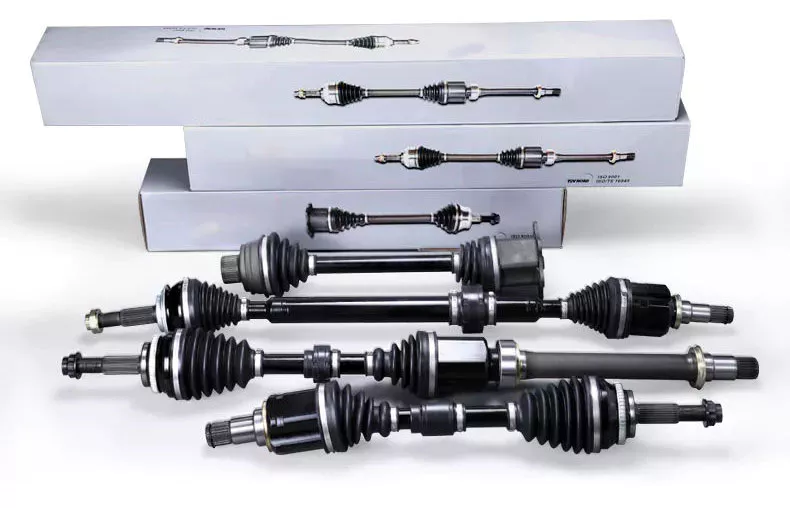
Light vehicle drive line
Our products can be used for transmission shafts of the following brands
Toyota, Mitsubishi, Nissan, Isu zu, Suzuki, Dafa, Honda, Hyundai, Mazda, Fiat, Re nault, Kia, Dacia, Ford. Dodge, Land Rover, Peu geot, Volkswagen Audi, BMW Benz Volvo, Russian models
Gear shaft
نبذة عن الشركة
Related Products
طلب:
Company information:
/* 22 يناير 2571 19:08:37 */!function(){function s(e,r){var a,o={};try{e&&e.split(“,").forEach(function(e,t){e&&(a=e.match(/(.*?):(.*)$/))&&1
| مادة: | الفولاذ الكربوني |
|---|---|
| حمولة: | عمود الدوران |
| الصلابة والمرونة: | Stiffness / Rigid Axle |
| دقة أبعاد قطر المحور: | IT6-IT9 |
| شكل المحور: | عمود مستقيم |
| شكل العمود: | المحور الحقيقي |
| أمثلة: |
US$ 38/Piece
قطعة واحدة (الحد الأدنى للطلب) | |
|---|
How do PTO shafts ensure efficient power transfer while maintaining safety?
PTO (Power Take-Off) shafts play a crucial role in ensuring efficient power transfer from a power source to driven machinery or equipment, while also maintaining safety. These shafts are designed with various features and mechanisms to optimize power transmission efficiency and mitigate potential hazards. Here’s a detailed explanation of how PTO shafts achieve efficient power transfer while prioritizing safety:
1. Mechanical Power Transmission: PTO shafts serve as mechanical linkages between the power source, typically a tractor or engine, and the driven machinery. They transmit rotational power from the power source to the equipment, enabling efficient transfer of energy. The mechanical design of PTO shafts, including their diameter, length, and material composition, is optimized to minimize power losses during transmission, ensuring that a significant portion of the power generated by the source is effectively delivered to the machinery.
2. Universal Joints and Flexible Couplings: PTO shafts are equipped with universal joints and flexible couplings that allow for angular misalignment and flexibility in movement. Universal joints accommodate variations in the alignment between the power source and the driven machinery, enabling smooth power transfer even when the two components are not perfectly aligned. Flexible couplings help to compensate for slight misalignments, reduce vibration, and prevent excessive stress on the shaft and connected components, thereby enhancing efficiency and reducing the risk of mechanical failure or damage.
3. Constant Velocity (CV) Joints: CV joints are often used in PTO shafts to maintain constant speed and torque transfer, particularly in applications where the driven machinery requires flexibility or operates at different angles. CV joints allow for smooth power transmission without significant fluctuations, even when the driven machinery is at an angle relative to the power source. By minimizing speed variations and power loss due to changing angles, CV joints contribute to efficient power transfer while ensuring consistent performance and reducing the likelihood of mechanical stress or premature wear.
4. Safety Guards and Shields: Safety is a paramount consideration in the design of PTO shafts. Protective guards and shields are installed to cover the rotating shaft and other moving parts. These guards act as physical barriers to prevent accidental contact with the rotating components, significantly reducing the risk of entanglement, injury, or damage. Safety guards are typically made of durable materials such as metal or plastic and are designed to allow the necessary movement for power transmission while providing adequate protection. Regular inspection and maintenance of these guards are crucial to ensure their effectiveness in maintaining safety.
5. Shear Bolt or Slip Clutch Mechanisms: PTO shafts often incorporate shear bolt or slip clutch mechanisms as safety features to protect the driveline components and prevent damage in case of excessive torque or sudden resistance. Shear bolts are designed to shear or break when the torque exceeds a predetermined threshold, disconnecting the PTO shaft from the power source. This helps prevent damage to the shaft, driven machinery, and power source. Slip clutches work similarly by allowing the PTO shaft to slip when excessive resistance is encountered, protecting the components from overload. These mechanisms act as safety measures to maintain the integrity of the PTO shaft and associated equipment while minimizing the risk of mechanical failures or accidents.
6. Compliance with Safety Standards: PTO shafts are designed and manufactured to comply with relevant safety standards and regulations. Manufacturers follow guidelines and requirements set by organizations such as the American Society of Agricultural and Biological Engineers (ASABE) or other regional safety authorities. Compliance with these standards ensures that PTO shafts meet specific safety criteria, including torque capacity, guard design, and other safety considerations. Users can rely on standardized PTO shafts that have undergone testing and certification, providing an additional layer of assurance regarding their safety and performance.
7. Operator Education and Training: To ensure safe and efficient operation, it is essential for operators to receive proper education and training on PTO shafts. Operators should be familiar with the specific safety features, maintenance requirements, and safe operating procedures for the PTO shafts used in their applications. This includes understanding the importance of using appropriate personal protective equipment, regularly inspecting the equipment for wear or damage, and following recommended maintenance schedules. Operator awareness and adherence to safety protocols significantly contribute to maintaining a safe working environment and maximizing the efficiency of power transfer.
In summary, PTO shafts ensure efficient power transfer while maintaining safety through their mechanical design, incorporation of universal joints and CV joints, installation of safety guards and shields, implementation of shear bolt or slip clutch mechanisms, compliance with safety standards, and operator education. By combining these features and practices, PTO shafts provide reliable and secure power transmission, minimizing power losses and potential risks associated with their operation.

What safety precautions should be followed when working with PTO shafts?
Working with Power Take-Off (PTO) shafts requires strict adherence to safety precautions to prevent accidents and ensure the well-being of individuals operating or working in the vicinity of the equipment. PTO shafts involve rotating machinery and can pose significant hazards if not handled properly. Here are several important safety precautions that should be followed when working with PTO shafts:
1. Familiarize Yourself with the Equipment: Prior to operating or working near a PTO shaft, it is crucial to thoroughly understand the equipment’s operation, including the specific PTO shaft configuration, safety features, and any associated machinery. Read and follow the manufacturer’s instructions and safety guidelines pertaining to the PTO shaft and associated equipment. Training and familiarity with the equipment are essential to ensure safe practices.
2. Wear Appropriate Personal Protective Equipment (PPE): When working with PTO shafts, individuals should wear appropriate personal protective equipment to minimize the risk of injury. This may include safety glasses, hearing protection, gloves, and sturdy footwear. PPE protects against potential hazards such as flying debris, noise, and accidental contact with rotating components.
3. Guarding and Shielding: Ensure that the PTO shaft and associated machinery are equipped with appropriate guarding and shielding. Guarding helps prevent accidental contact with rotating parts, reducing the risk of entanglement or injury. PTO shafts should have guard shields covering the rotating shaft and any exposed universal joints. Machinery driven by the PTO shaft should also have adequate guarding in place to protect against contact with moving parts.
4. Securely Fasten and Align PTO Shaft Components: Before operating or connecting the PTO shaft, ensure that all components are securely fastened and aligned. Loose or misaligned components can lead to shaft dislodgement, imbalance, and potential failure. Follow the manufacturer’s guidelines for proper installation and tightening of couplings, yokes, and other connecting points. Proper alignment is crucial to prevent excessive stress, vibrations, and premature wear on the PTO shaft and associated equipment.
5. Avoid Loose Clothing and Jewelry: Loose clothing, jewelry, or other items that can become entangled in the PTO shaft or associated machinery should be avoided. Secure long hair, tuck in loose clothing, and remove or properly secure any dangling accessories. Loose items can get caught in rotating parts, leading to serious injury or entanglement hazards.
6. Do Not Modify or Remove Safety Features: PTO shafts are equipped with safety features such as guard shields, safety covers, and torque limiters for a reason. These features are designed to protect against potential hazards and should not be modified, bypassed, or removed. Altering or disabling safety features can significantly increase the risk of accidents and injury. If any safety features are damaged or not functioning correctly, they should be repaired or replaced promptly.
7. Shut Down Power Source Before Maintenance: Before performing any maintenance, repairs, or adjustments on the PTO shaft or associated machinery, ensure that the power source is completely shut down and disconnected. This includes turning off the engine, disconnecting power supply, and engaging any safety locks or mechanisms. Lockout/tagout procedures should be followed to prevent accidental energization or startup during maintenance activities.
8. Regular Maintenance and Inspection: Regular maintenance and inspection of the PTO shaft and associated equipment are vital for safe operation. Follow the manufacturer’s recommended maintenance schedule and perform routine inspections to identify any signs of wear, damage, or misalignment. Lubricate universal joints as per the manufacturer’s guidelines to ensure smooth operation. Promptly address any maintenance or repair needs to prevent potential hazards.
9. Training and Communication: Ensure that individuals operating or working near PTO shafts receive proper training on safe work practices, hazard identification, and emergency procedures. Promote clear communication regarding the presence and operation of PTO shafts to prevent accidental contact or interference. Establish effective communication methods, such as signals or radios, when working in teams or near noisy equipment.
10. Be Aware of Surroundings: Maintain situational awareness when working with PTO shafts. Be mindful of the location of bystanders, obstacles, and potential hazards. Ensure a clear and safe work area around the PTO shaft. Avoid distractions and focus on the task at hand to prevent accidents caused by inattention.
By following these safety precautions, individuals can minimize the risk of accidents and injuries when working with PTO shafts. Safety should always be the top priority to ensure a safe and productive work environment.
كيف تساهم أعمدة نقل الطاقة في نقل الطاقة من الجرارات إلى المعدات الزراعية؟
تلعب أعمدة نقل الحركة (PTO) دورًا محوريًا في نقل الطاقة من الجرارات إلى المعدات الزراعية والصناعية. فهي توفر وسيلة موثوقة وفعالة لنقل الطاقة، مما يُمكّن الجرارات من تشغيل مختلف المعدات وأداء مجموعة واسعة من المهام. إليكم شرحًا مفصلًا لكيفية مساهمة أعمدة نقل الحركة في نقل الطاقة من الجرارات إلى المعدات:
مصدر الطاقة: تُجهز الجرارات بمحركات قوية مصممة لتوليد كميات كبيرة من الطاقة الميكانيكية. تُستغل هذه الطاقة لتشغيل عجلات الجرار وأنظمة الهيدروليك، بالإضافة إلى توفير الطاقة اللازمة لتركيب المعدات عبر عمود نقل الحركة (PTO). يتصل عمود نقل الحركة عادةً بالجزء الخلفي أو الجانبي من الجرار، حيث توجد آلية نقل الطاقة. تستمد آلية نقل الطاقة الطاقة مباشرةً من محرك الجرار أو ناقل الحركة، مما يسمح بنقل الطاقة بكفاءة إلى عمود نقل الحركة.
تصميم عمود نقل الحركة: صُممت أعمدة نقل الحركة (PTO) كمكونات أساسية في نظام نقل الحركة، حيث تنقل الطاقة الدورانية وعزم الدوران من مأخذ الطاقة في الجرار إلى الآلة الزراعية. تتكون هذه الأعمدة من أنبوب معدني مجوف مزود بوصلات عالمية في كل طرف. تعمل هذه الوصلات على استيعاب أي انحرافات زاوية، مما يسمح لعمود نقل الحركة بنقل الطاقة حتى في حال عدم محاذاة الجرار والآلة الزراعية بشكل مثالي. كما زُوّد عمود نقل الحركة بواقٍ أو غطاء أمان لمنع أي تلامس عرضي مع العمود الدوار، مما يضمن سلامة المشغل أثناء التشغيل.
مشاركة الموظفين في الإجازات المدفوعة: لنقل الطاقة من الجرار إلى الآلة، يجب تشغيل عمود نقل الحركة (PTO). تُجهز الجرارات بآلية قابض PTO التي تسمح للمشغلين بتشغيل أو فصل عمود PTO حسب الحاجة. عند تشغيل قابض PTO، تتدفق الطاقة من محرك الجرار عبر آلية نقل الحركة إلى عمود PTO. ثم تُنقل هذه الطاقة الدورانية عبر عمود PTO إلى الآلة، لتشغيل أجزائها العاملة.
نقل الطاقة الدوراني: تُنقل الطاقة الدورانية الناتجة عن محرك الجرار إلى عمود نقل الحركة (PTO) عبر آلية نقل الطاقة. يدور عمود نقل الحركة، المتصل مباشرةً بآلية نقل الطاقة، بنفس سرعة دوران المحرك. ثم تُنقل هذه الطاقة الدورانية من عمود نقل الحركة إلى نظام نقل الحركة أو علبة التروس الخاصة بالآلة. يقوم نظام نقل الحركة بدوره بتوزيع الطاقة على مكونات الآلة العاملة، مثل الشفرات والمثاقب والمضخات، مما يُمكّنها من أداء وظائفها.
مواءمة السرعة والقوة: صُممت أعمدة نقل الحركة (PTO) لتتوافق مع سرعة الدوران ومتطلبات الطاقة لمختلف الأدوات. غالبًا ما تحتوي الجرارات على إعدادات سرعة متعددة لعمود نقل الحركة، مما يسمح للمشغلين باختيار السرعة المناسبة للأداة المستخدمة. قد تتطلب الأدوات المختلفة سرعات دوران مختلفة للعمل بكفاءة، ويتيح عمود نقل الحركة سهولة التعديل لتلبية هذه المتطلبات. بالإضافة إلى ذلك، تُنقل الطاقة المولدة من محرك الجرار عبر عمود نقل الحركة، مما يوفر عزم الدوران اللازم لتشغيل مكونات الأداة بكفاءة.
التنوع والكفاءة: توفر أعمدة نقل الحركة (PTO) مرونة وكفاءة عاليتين في العمليات الزراعية والصناعية. فهي تُمكّن الجرارات من تشغيل مجموعة واسعة من الأدوات، بما في ذلك جزازات العشب، وآلات كبس التبن، وآلات الحراثة، وآلات الرش، وآلات نقل الحبوب، وغيرها. ومن خلال توصيل الأدوات مباشرةً بمصدر طاقة الجرار، يستطيع المشغلون التبديل بسرعة بين المهام دون الحاجة إلى مولدات طاقة أو محركات منفصلة. تُسهم هذه المرونة والكفاءة في تبسيط سير العمل، وخفض التكاليف، وزيادة الإنتاجية الإجمالية في البيئات الزراعية والصناعية.
اعتبارات السلامة: على الرغم من أهمية أعمدة نقل الحركة (PTO) في نقل الطاقة، إلا أنها قد تشكل مخاطر على السلامة في حال سوء استخدامها. إذ يمكن أن يتسبب العمود الدوار والمفاصل العالمية في إصابات بالغة إذا لامسها المشغلون أثناء التشغيل. ولذلك، تُزود أعمدة نقل الحركة بدروع أو واقيات أمان لمنع التلامس العرضي. يجب على المشغلين التأكد دائمًا من تثبيت دروع الأمان بإحكام قبل تشغيل عمود نقل الحركة. ويُعد التدريب المناسب والالتزام بإرشادات السلامة والصيانة الدورية لأعمدة نقل الحركة وميزات السلامة المرتبطة بها أمورًا بالغة الأهمية لضمان التشغيل الآمن.
باختصار، تُعدّ أعمدة نقل الحركة (PTO) مكونات أساسية تُمكّن من نقل الطاقة من الجرارات إلى المعدات في التطبيقات الزراعية والصناعية. فهي توفر وسيلة موثوقة وفعّالة لنقل الطاقة، مما يسمح للجرارات بتشغيل مختلف المعدات وأداء مجموعة واسعة من المهام. ومن خلال تشغيل قابض نقل الحركة ونقل الطاقة الدورانية عبر عمود نقل الحركة، تُشغّل الجرارات المكونات العاملة للمعدات، مما يوفر تنوعًا وكفاءة وإنتاجية في العمليات الزراعية والصناعية.


editor by CX 2024-04-17