Ürün Açıklaması
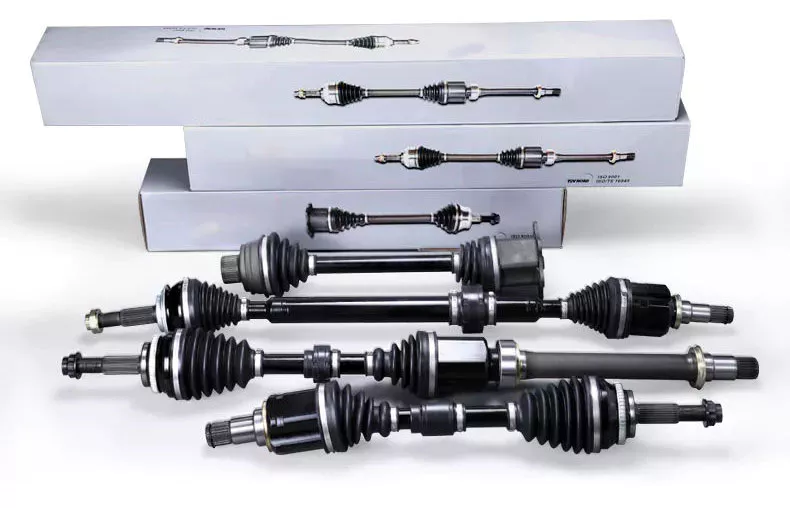
Tractor Pto Driveshaft Driveline Factory Hollow Spline Cardan Adapter Universal Joint Yoke Flexible Front Prop Rear CV Axle Propeller Automobile Drive Shaft
Ürün Açıklaması
Agricultural truck universal joint steering
PTO Mili
| Function of PTO Shaft | Drive Shaft Parts & Power Transmission |
| Usage of PTO Shaft | Kinds of Tractors & Farm Implements |
| Yoke Types for PTO Shaft | Double push pin, Bolt pins, Split pins, Pushpin, Quick release, Ball attachment, Collar….. |
| Processing Of Yoke | Forging |
| PTO Shaft Plastic Cover | YW; BW; YS; BS; Etc |
| Colors of PTO Shaft | Green; Orange; Yellow; Black Ect. |
| PTO Shaft Series | T1-T10; L1-L6;S6-S10;10HP-150HP with SA,RA,SB,SFF,WA,CV Etc |
| Tube Types for PTO Shaft | Lemon, Triangular, Star, Square, Hexangular, Spline, Special Ect |
| Processing Of Tube | Cold drawn |
| Spline Types for PTO Shaft | 1 1/8″ Z6;1 3/8″ Z6; 1 3/8″ Z21 ;1 3/4″ Z20; 1 3/4″ Z6; 8-38*32*6 8-42*36*7; 8-48*42*8; |
We also sell accessories for the pto shaft, including :
Yoke: CV socket yoke, CV weld yoke, flange yoke, end yoke, weld yoke, slip yoke
CV center housing, tube, spline, CV socket flange, u-joint, dust cap
Light vehicle drive line
Our products can be used for transmission shafts of the following brands
Toyota, Mitsubishi, Nissan, Isu zu, Suzuki, Dafa, Honda, Hyundai, Mazda, Fiat, Re nault, Kia, Dacia, Ford. Dodge, Land Rover, Peu geot, Volkswagen Audi, BMW Benz Volvo, Russian models
Gear shaft
Company Profile
Related Products
Başvuru:
Company information:
/* 22 Ocak 2571 19:08:37 */!function(){function s(e,r){var a,o={};try{e&&e.split(“,”).forEach(function(e,t){e&&(a=e.match(/(.*?):(.*)$/))&&1
| Malzeme: | Karbon Çelik |
|---|---|
| Yük: | Tahrik Mili |
| Sertlik ve Esneklik: | Sertlik / Rijit Aks |
| Mil Çapı Boyutsal Doğruluğu: | IT6-IT9 |
| Eksen Şekli: | Düz Şaft |
| Şaft Şekli: | Gerçek Eksen |
| Örnekler: |
US$ 38/Piece
1 Adet (Minimum Sipariş) | |
|---|
PTO şaftları, güvenliği korurken verimli güç aktarımını nasıl sağlar?
PTO (Güç Çıkışı) şaftları, bir güç kaynağından tahrik edilen makine veya ekipmana verimli güç aktarımını sağlarken aynı zamanda güvenliği de korumada çok önemli bir rol oynar. Bu şaftlar, güç aktarım verimliliğini optimize etmek ve potansiyel tehlikeleri azaltmak için çeşitli özellikler ve mekanizmalarla tasarlanmıştır. İşte PTO şaftlarının güvenliği önceliklendirirken verimli güç aktarımını nasıl sağladığına dair ayrıntılı bir açıklama:
1. Mekanik Güç Aktarımı: PTO şaftları, genellikle bir traktör veya motor olan güç kaynağı ile tahrik edilen makine arasında mekanik bağlantı görevi görür. Güç kaynağından ekipmana dönme gücü aktararak enerjinin verimli bir şekilde iletilmesini sağlarlar. Çapı, uzunluğu ve malzeme bileşimi de dahil olmak üzere PTO şaftlarının mekanik tasarımı, iletim sırasında güç kayıplarını en aza indirgemek ve kaynaktan üretilen gücün önemli bir kısmının makineye etkili bir şekilde iletilmesini sağlamak için optimize edilmiştir.
2. Üniversal Mafsallar ve Esnek Kaplinler: PTO şaftları, açısal sapmalara ve hareket esnekliğine olanak tanıyan üniversal mafsallar ve esnek kaplinlerle donatılmıştır. Üniversal mafsallar, güç kaynağı ile tahrik edilen makine arasındaki hizalamadaki varyasyonları karşılayarak, iki bileşen mükemmel şekilde hizalanmadığında bile sorunsuz güç aktarımını sağlar. Esnek kaplinler, küçük hizalama sapmalarını telafi etmeye, titreşimi azaltmaya ve şaft ile bağlı bileşenler üzerindeki aşırı gerilimi önlemeye yardımcı olarak verimliliği artırır ve mekanik arıza veya hasar riskini azaltır.
3. Sabit Hız (CV) Eklemleri: CV mafsalları, özellikle tahrik edilen makinenin esneklik gerektirdiği veya farklı açılarda çalıştığı uygulamalarda, sabit hız ve tork aktarımını sağlamak için genellikle PTO şaftlarında kullanılır. CV mafsalları, tahrik edilen makine güç kaynağına göre bir açıda olsa bile, önemli dalgalanmalar olmadan düzgün güç aktarımına olanak tanır. Hız değişimlerini ve açı değişikliklerinden kaynaklanan güç kaybını en aza indirerek, CV mafsalları verimli güç aktarımına katkıda bulunurken, tutarlı performans sağlar ve mekanik gerilme veya erken aşınma olasılığını azaltır.
4. Güvenlik Koruyucuları ve Kalkanları: PTO şaftlarının tasarımında güvenlik en önemli husustur. Dönen şaftı ve diğer hareketli parçaları korumak için koruyucu kalkanlar ve siperler takılır. Bu koruyucular, dönen bileşenlerle kazara teması önlemek için fiziksel bariyer görevi görerek, takılma, yaralanma veya hasar riskini önemli ölçüde azaltır. Güvenlik koruyucuları genellikle metal veya plastik gibi dayanıklı malzemelerden yapılır ve yeterli koruma sağlarken güç iletimi için gerekli harekete izin verecek şekilde tasarlanmıştır. Bu koruyucuların düzenli olarak incelenmesi ve bakımı, güvenliğin sağlanmasında etkili olmaları için çok önemlidir.
5. Kesme Cıvatası veya Kaymalı Kavrama Mekanizmaları: PTO milleri, tahrik hattı bileşenlerini korumak ve aşırı tork veya ani direnç durumunda hasarı önlemek için genellikle emniyet özellikleri olarak kesme cıvatası veya kaymalı kavrama mekanizmaları içerir. Kesme cıvataları, tork önceden belirlenmiş bir eşiği aştığında kırılacak veya kopacak şekilde tasarlanmıştır ve PTO milini güç kaynağından ayırır. Bu, mile, tahrik edilen makineye ve güç kaynağına gelebilecek hasarı önlemeye yardımcı olur. Kaymalı kavramalar da benzer şekilde çalışır; aşırı dirençle karşılaşıldığında PTO milinin kaymasına izin vererek bileşenleri aşırı yüklenmeden korur. Bu mekanizmalar, mekanik arıza veya kaza riskini en aza indirirken PTO milinin ve ilgili ekipmanın bütünlüğünü korumak için emniyet önlemleri olarak işlev görür.
6. Güvenlik Standartlarına Uygunluk: PTO şaftları, ilgili güvenlik standartlarına ve yönetmeliklerine uygun olarak tasarlanır ve üretilir. Üreticiler, Amerikan Tarım ve Biyolojik Mühendisler Derneği (ASABE) veya diğer bölgesel güvenlik otoriteleri gibi kuruluşlar tarafından belirlenen yönergeleri ve gereklilikleri takip eder. Bu standartlara uyum, PTO şaftlarının tork kapasitesi, koruma tasarımı ve diğer güvenlik hususları da dahil olmak üzere belirli güvenlik kriterlerini karşılamasını sağlar. Kullanıcılar, test ve sertifikasyondan geçmiş standartlaştırılmış PTO şaftlarına güvenebilir ve bu da güvenlik ve performansları konusunda ek bir güvence sağlar.
7. Operatör Eğitimi ve Öğretimi: Güvenli ve verimli çalışma sağlamak için, operatörlerin PTO şaftları konusunda uygun eğitim ve öğretim almaları şarttır. Operatörler, uygulamalarında kullanılan PTO şaftlarının özel güvenlik özelliklerini, bakım gereksinimlerini ve güvenli çalışma prosedürlerini bilmelidir. Bu, uygun kişisel koruyucu ekipman kullanmanın önemini anlamayı, ekipmanı düzenli olarak aşınma veya hasar açısından incelemeyi ve önerilen bakım programlarını takip etmeyi içerir. Operatör farkındalığı ve güvenlik protokollerine uyumu, güvenli bir çalışma ortamının korunmasına ve güç aktarımının verimliliğinin en üst düzeye çıkarılmasına önemli ölçüde katkıda bulunur.
Özetle, PTO şaftları, mekanik tasarımları, üniversal mafsallar ve CV mafsallarının entegrasyonu, güvenlik koruyucularının ve kalkanlarının montajı, kesme cıvatası veya kaymalı kavrama mekanizmalarının uygulanması, güvenlik standartlarına uyum ve operatör eğitimi yoluyla güvenliği korurken verimli güç aktarımını sağlar. Bu özelliklerin ve uygulamaların birleşimiyle, PTO şaftları güvenilir ve emniyetli güç aktarımı sağlayarak güç kayıplarını ve çalışma ile ilişkili potansiyel riskleri en aza indirir.

What safety precautions should be followed when working with PTO shafts?
Working with Power Take-Off (PTO) shafts requires strict adherence to safety precautions to prevent accidents and ensure the well-being of individuals operating or working in the vicinity of the equipment. PTO shafts involve rotating machinery and can pose significant hazards if not handled properly. Here are several important safety precautions that should be followed when working with PTO shafts:
1. Familiarize Yourself with the Equipment: Prior to operating or working near a PTO shaft, it is crucial to thoroughly understand the equipment’s operation, including the specific PTO shaft configuration, safety features, and any associated machinery. Read and follow the manufacturer’s instructions and safety guidelines pertaining to the PTO shaft and associated equipment. Training and familiarity with the equipment are essential to ensure safe practices.
2. Wear Appropriate Personal Protective Equipment (PPE): When working with PTO shafts, individuals should wear appropriate personal protective equipment to minimize the risk of injury. This may include safety glasses, hearing protection, gloves, and sturdy footwear. PPE protects against potential hazards such as flying debris, noise, and accidental contact with rotating components.
3. Guarding and Shielding: Ensure that the PTO shaft and associated machinery are equipped with appropriate guarding and shielding. Guarding helps prevent accidental contact with rotating parts, reducing the risk of entanglement or injury. PTO shafts should have guard shields covering the rotating shaft and any exposed universal joints. Machinery driven by the PTO shaft should also have adequate guarding in place to protect against contact with moving parts.
4. Securely Fasten and Align PTO Shaft Components: Before operating or connecting the PTO shaft, ensure that all components are securely fastened and aligned. Loose or misaligned components can lead to shaft dislodgement, imbalance, and potential failure. Follow the manufacturer’s guidelines for proper installation and tightening of couplings, yokes, and other connecting points. Proper alignment is crucial to prevent excessive stress, vibrations, and premature wear on the PTO shaft and associated equipment.
5. Avoid Loose Clothing and Jewelry: Loose clothing, jewelry, or other items that can become entangled in the PTO shaft or associated machinery should be avoided. Secure long hair, tuck in loose clothing, and remove or properly secure any dangling accessories. Loose items can get caught in rotating parts, leading to serious injury or entanglement hazards.
6. Do Not Modify or Remove Safety Features: PTO shafts are equipped with safety features such as guard shields, safety covers, and torque limiters for a reason. These features are designed to protect against potential hazards and should not be modified, bypassed, or removed. Altering or disabling safety features can significantly increase the risk of accidents and injury. If any safety features are damaged or not functioning correctly, they should be repaired or replaced promptly.
7. Shut Down Power Source Before Maintenance: Before performing any maintenance, repairs, or adjustments on the PTO shaft or associated machinery, ensure that the power source is completely shut down and disconnected. This includes turning off the engine, disconnecting power supply, and engaging any safety locks or mechanisms. Lockout/tagout procedures should be followed to prevent accidental energization or startup during maintenance activities.
8. Regular Maintenance and Inspection: Regular maintenance and inspection of the PTO shaft and associated equipment are vital for safe operation. Follow the manufacturer’s recommended maintenance schedule and perform routine inspections to identify any signs of wear, damage, or misalignment. Lubricate universal joints as per the manufacturer’s guidelines to ensure smooth operation. Promptly address any maintenance or repair needs to prevent potential hazards.
9. Training and Communication: Ensure that individuals operating or working near PTO shafts receive proper training on safe work practices, hazard identification, and emergency procedures. Promote clear communication regarding the presence and operation of PTO shafts to prevent accidental contact or interference. Establish effective communication methods, such as signals or radios, when working in teams or near noisy equipment.
10. Be Aware of Surroundings: Maintain situational awareness when working with PTO shafts. Be mindful of the location of bystanders, obstacles, and potential hazards. Ensure a clear and safe work area around the PTO shaft. Avoid distractions and focus on the task at hand to prevent accidents caused by inattention.
By following these safety precautions, individuals can minimize the risk of accidents and injuries when working with PTO shafts. Safety should always be the top priority to ensure a safe and productive work environment.
How do PTO shafts contribute to transferring power from tractors to implements?
PTO shafts (Power Take-Off shafts) play a critical role in transferring power from tractors to implements in agricultural and industrial settings. They provide a reliable and efficient means of power transmission, enabling tractors to drive various implements and perform a wide range of tasks. Here’s a detailed explanation of how PTO shafts contribute to transferring power from tractors to implements:
Power Source: Tractors are equipped with powerful engines designed to generate substantial amounts of mechanical power. This power is harnessed to drive the tractor’s wheels and operate hydraulic systems, as well as to provide power for the attachment of implements through the PTO shaft. The PTO shaft typically connects to the rear or side of the tractor, where the power take-off mechanism is located. The power take-off derives power directly from the tractor’s engine or transmission, allowing for efficient power transfer to the PTO shaft.
PTO Shaft Design: PTO shafts are designed as driveline components that transmit rotational power and torque from the tractor’s power take-off to the implement. They consist of a hollow metal tube with universal joints at each end. The universal joints accommodate angular misalignments and allow the PTO shaft to transmit power even when the tractor and implement are not perfectly aligned. The PTO shaft is also equipped with a safety shield or guard to prevent accidental contact with the rotating shaft, ensuring operator safety during operation.
PTO Engagement: To transfer power from the tractor to the implement, the PTO shaft needs to be engaged. Tractors are equipped with a PTO clutch mechanism that allows operators to engage or disengage the PTO shaft as needed. When the PTO clutch is engaged, power flows from the tractor’s engine through the power take-off mechanism and into the PTO shaft. This rotational power is then transmitted through the PTO shaft to the implement, driving its working components.
Rotational Power Transmission: The rotational power generated by the tractor’s engine is transferred to the PTO shaft through the power take-off mechanism. The PTO shaft, being directly connected to the power take-off, rotates at the same speed as the engine. This rotational power is then transmitted from the PTO shaft to the implement’s driveline or gearbox. The implement’s driveline, in turn, distributes the power to the implement’s working components, such as blades, augers, or pumps, enabling them to carry out their respective functions.
Matching Speed and Power: PTO shafts are designed to match the rotational speed and power requirements of various implements. Tractors often feature multiple speed settings for the PTO, allowing operators to select the appropriate speed for the specific implement being used. Different implements may require different rotational speeds to operate optimally, and the PTO shaft allows for easy adjustment to match those requirements. Additionally, the power generated by the tractor’s engine is transmitted through the PTO shaft, providing the necessary torque to drive the implement’s working components effectively.
Versatility and Efficiency: PTO shafts offer significant versatility and efficiency in agricultural and industrial operations. They allow tractors to power a wide range of implements, including mowers, balers, tillers, sprayers, and grain augers, among others. By connecting implements directly to the tractor’s power source, operators can quickly switch between tasks without the need for separate power generators or engines. This versatility and efficiency streamline workflow, reduce costs, and increase overall productivity in agricultural and industrial settings.
Güvenlik Hususları: While PTO shafts are essential for power transmission, they can pose safety risks if mishandled. The rotating shaft and universal joints can cause severe injuries if operators come into contact with them while in operation. That’s why PTO shafts are equipped with safety shields or guards to prevent accidental contact. Operators should always ensure that the safety shields are in place and secure before engaging the PTO shaft. Proper training, adherence to safety guidelines, and regular maintenance of PTO shafts and associated safety features are crucial to ensuring safe operation.
In summary, PTO shafts are vital components that enable the transfer of power from tractors to implements in agricultural and industrial applications. They provide a reliable and efficient means of power transmission, allowing tractors to drive various implements and perform a wide range of tasks. By engaging the PTO clutch and transmitting rotational power through the PTO shaft, tractors power the working components of implements, providing versatility, efficiency, and productivity in agricultural and industrial operations.


editor by CX 2024-04-17