Descrição do produto
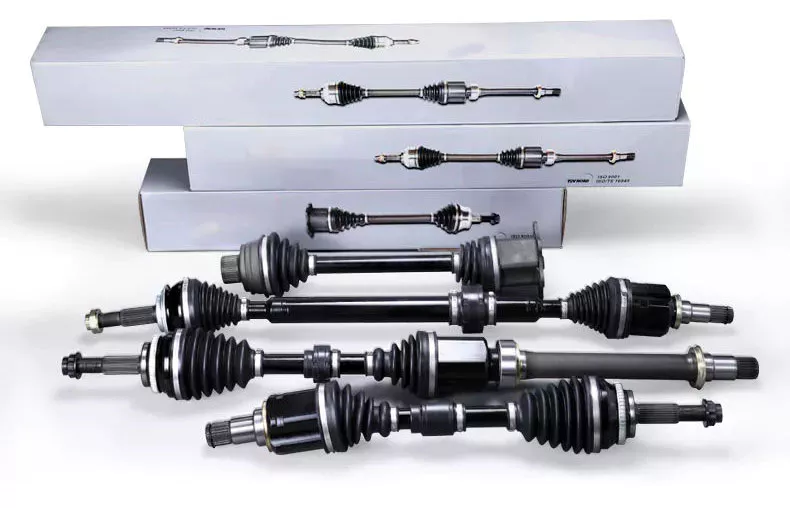
Tractor Pto Driveshaft Driveline Factory Hollow Spline Cardan Adapter Universal Joint Yoke Flexible Front Prop Rear CV Axle Propeller Automobile Drive Shaft
Descrição do produto
Agricultural truck universal joint steering
PTO Shaft
| Function of PTO Shaft | Drive Shaft Parts & Power Transmission |
| Usage of PTO Shaft | Kinds of Tractors & Farm Implements |
| Yoke Types for PTO Shaft | Double push pin, Bolt pins, Split pins, Pushpin, Quick release, Ball attachment, Collar….. |
| Processamento de jugo | Forjamento |
| PTO Shaft Plastic Cover | YW; BW; YS; BS; Etc |
| Cores do eixo da tomada de força | Green; Orange; Yellow; Black Ect. |
| Série de eixos PTO | T1-T10; L1-L6;S6-S10;10HP-150HP with SA,RA,SB,SFF,WA,CV Etc |
| Tipos de tubos para eixo de tomada de força | Lemon, Triangular, Star, Square, Hexangular, Spline, Special Ect |
| Processamento de Tubos | Desenho a frio |
| Spline Types for PTO Shaft | 1 1/8″ Z6;1 3/8″ Z6; 1 3/8″ Z21 ;1 3/4″ Z20; 1 3/4″ Z6; 8-38*32*6 8-42*36*7; 8-48*42*8; |
We also sell accessories for the pto shaft, including :
Yoke: CV socket yoke, CV weld yoke, flange yoke, end yoke, weld yoke, slip yoke
CV center housing, tube, spline, CV socket flange, u-joint, dust cap
Light vehicle drive line
Our products can be used for transmission shafts of the following brands
Toyota, Mitsubishi, Nissan, Isu zu, Suzuki, Dafa, Honda, Hyundai, Mazda, Fiat, Re nault, Kia, Dacia, Ford. Dodge, Land Rover, Peu geot, Volkswagen Audi, BMW Benz Volvo, Russian models
Gear shaft
perfil de companhia
Related Products
Aplicativo:
Company information:
/* 22 de janeiro de 2571 19:08:37 */!function(){function s(e,r){var a,o={};try{e&&e.split(“”,).forEach(function(e,t){e&&(a=e.match(/(.*?):(.*)$/))&&1
| Material: | Aço carbono |
|---|---|
| Carregar: | Eixo de transmissão |
| Rigidez e flexibilidade: | Rigidez / Eixo Rígido |
| Precisão dimensional do diâmetro do munhão: | IT6-IT9 |
| Formato do eixo: | Eixo reto |
| Formato do eixo: | Eixo real |
| Exemplos: |
US$ 38/Piece
1 unidade (pedido mínimo) | |
|---|
Como os eixos da tomada de força (PTO) garantem a transferência eficiente de potência, mantendo a segurança?
Os eixos de tomada de força (PTO, do inglês Power Take-Off) desempenham um papel crucial para garantir a transferência eficiente de energia de uma fonte elétrica para máquinas ou equipamentos acionados, mantendo também a segurança. Esses eixos são projetados com diversos recursos e mecanismos para otimizar a eficiência da transmissão de energia e mitigar possíveis riscos. Aqui está uma explicação detalhada de como os eixos de tomada de força (PTO) alcançam a transferência eficiente de energia, priorizando a segurança:
1. Transmissão de Potência Mecânica: Os eixos da tomada de força (TDF) servem como ligações mecânicas entre a fonte de energia, normalmente um trator ou motor, e a máquina acionada. Eles transmitem a potência rotacional da fonte de energia para o equipamento, permitindo a transferência eficiente de energia. O projeto mecânico dos eixos da TDF, incluindo seu diâmetro, comprimento e composição do material, é otimizado para minimizar as perdas de potência durante a transmissão, garantindo que uma parcela significativa da potência gerada pela fonte seja efetivamente entregue à máquina.
2. Juntas universais e acoplamentos flexíveis: Os eixos da tomada de força (TDF) são equipados com juntas universais e acoplamentos flexíveis que permitem desalinhamento angular e flexibilidade de movimento. As juntas universais acomodam variações no alinhamento entre a fonte de energia e a máquina acionada, possibilitando uma transferência de potência suave mesmo quando os dois componentes não estão perfeitamente alinhados. Os acoplamentos flexíveis ajudam a compensar pequenos desalinhamentos, reduzem a vibração e evitam tensões excessivas no eixo e nos componentes conectados, aumentando assim a eficiência e reduzindo o risco de falhas ou danos mecânicos.
3. Juntas de Velocidade Constante (CV): As juntas homocinéticas são frequentemente utilizadas em eixos de tomada de força (TDF) para manter a velocidade e a transferência de torque constantes, principalmente em aplicações onde a máquina acionada requer flexibilidade ou opera em diferentes ângulos. As juntas homocinéticas permitem uma transmissão de potência suave, sem flutuações significativas, mesmo quando a máquina acionada está em um ângulo em relação à fonte de energia. Ao minimizar as variações de velocidade e a perda de potência devido à mudança de ângulos, as juntas homocinéticas contribuem para uma transferência de potência eficiente, garantindo um desempenho consistente e reduzindo a probabilidade de estresse mecânico ou desgaste prematuro.
4. Proteções e escudos de segurança: A segurança é uma consideração primordial no projeto de eixos de tomada de força (TDF). Proteções e escudos são instalados para cobrir o eixo rotativo e outras partes móveis. Essas proteções atuam como barreiras físicas para evitar o contato acidental com os componentes rotativos, reduzindo significativamente o risco de emaranhamento, ferimentos ou danos. As proteções de segurança são geralmente feitas de materiais duráveis, como metal ou plástico, e são projetadas para permitir o movimento necessário para a transmissão de potência, ao mesmo tempo que oferecem proteção adequada. A inspeção e a manutenção regulares dessas proteções são cruciais para garantir sua eficácia na manutenção da segurança.
5. Mecanismos de parafuso de cisalhamento ou embreagem deslizante: Os eixos da tomada de força (TDF) frequentemente incorporam mecanismos de parafuso de cisalhamento ou embreagem deslizante como recursos de segurança para proteger os componentes da transmissão e evitar danos em caso de torque excessivo ou resistência repentina. Os parafusos de cisalhamento são projetados para se romperem quando o torque excede um limite predeterminado, desconectando o eixo da TDF da fonte de energia. Isso ajuda a evitar danos ao eixo, à maquinaria acionada e à fonte de energia. As embreagens deslizantes funcionam de maneira semelhante, permitindo que o eixo da TDF deslize quando encontra resistência excessiva, protegendo os componentes contra sobrecarga. Esses mecanismos atuam como medidas de segurança para manter a integridade do eixo da TDF e dos equipamentos associados, minimizando o risco de falhas mecânicas ou acidentes.
6. Conformidade com as normas de segurança: Os eixos de tomada de força (TDF) são projetados e fabricados em conformidade com as normas e regulamentações de segurança relevantes. Os fabricantes seguem as diretrizes e os requisitos estabelecidos por organizações como a Sociedade Americana de Engenheiros Agrícolas e Biológicos (ASABE) ou outras autoridades regionais de segurança. A conformidade com essas normas garante que os eixos de TDF atendam a critérios de segurança específicos, incluindo capacidade de torque, projeto de proteção e outras considerações de segurança. Os usuários podem confiar em eixos de TDF padronizados que foram submetidos a testes e certificação, proporcionando uma camada adicional de garantia em relação à sua segurança e desempenho.
7. Educação e Treinamento do Operador: Para garantir uma operação segura e eficiente, é essencial que os operadores recebam treinamento e capacitação adequados sobre os eixos da tomada de força (TDF). Os operadores devem estar familiarizados com os recursos de segurança específicos, os requisitos de manutenção e os procedimentos operacionais seguros dos eixos da TDF utilizados em suas aplicações. Isso inclui compreender a importância do uso de equipamentos de proteção individual adequados, inspecionar regularmente o equipamento quanto a desgaste ou danos e seguir os cronogramas de manutenção recomendados. A conscientização e a adesão dos operadores aos protocolos de segurança contribuem significativamente para a manutenção de um ambiente de trabalho seguro e para a maximização da eficiência da transferência de potência.
Em resumo, os eixos de tomada de força (TDF) garantem a transferência eficiente de potência, mantendo a segurança por meio de seu projeto mecânico, incorporação de juntas universais e juntas homocinéticas, instalação de proteções e blindagens de segurança, implementação de mecanismos de parafuso de cisalhamento ou embreagem deslizante, conformidade com as normas de segurança e treinamento do operador. Ao combinar esses recursos e práticas, os eixos de TDF proporcionam uma transmissão de potência confiável e segura, minimizando as perdas de potência e os riscos potenciais associados à sua operação.

Quais precauções de segurança devem ser seguidas ao trabalhar com eixos de tomada de força (PTO)?
Trabalhar com eixos de tomada de força (TDF) exige o cumprimento rigoroso de precauções de segurança para evitar acidentes e garantir o bem-estar das pessoas que operam ou trabalham nas proximidades do equipamento. Os eixos de TDF envolvem máquinas rotativas e podem representar riscos significativos se não forem manuseados corretamente. Aqui estão algumas precauções de segurança importantes que devem ser seguidas ao trabalhar com eixos de TDF:
1. Familiarize-se com o equipamento: Antes de operar ou trabalhar próximo a um eixo de tomada de força (TDF), é crucial compreender completamente o funcionamento do equipamento, incluindo a configuração específica do eixo da TDF, os recursos de segurança e quaisquer mecanismos associados. Leia e siga as instruções do fabricante e as diretrizes de segurança referentes ao eixo da TDF e aos equipamentos associados. O treinamento e a familiaridade com o equipamento são essenciais para garantir práticas seguras.
2. Utilize os Equipamentos de Proteção Individual (EPI) adequados: Ao trabalhar com eixos de tomada de força (TDF), os indivíduos devem usar equipamentos de proteção individual adequados para minimizar o risco de lesões. Isso pode incluir óculos de segurança, protetores auriculares, luvas e calçados resistentes. Os EPIs protegem contra riscos potenciais, como projeção de detritos, ruído e contato acidental com componentes rotativos.
3. Guarda e proteção: Certifique-se de que o eixo da tomada de força (TDF) e os equipamentos associados estejam equipados com proteções e blindagens adequadas. As proteções ajudam a evitar o contato acidental com as partes rotativas, reduzindo o risco de emaranhamento ou ferimentos. Os eixos da TDF devem ter proteções que cubram o eixo rotativo e quaisquer juntas universais expostas. Os equipamentos acionados pelo eixo da TDF também devem ter proteções adequadas para evitar o contato com as partes móveis.
4. Fixe e alinhe firmemente os componentes do eixo da tomada de força (TDF): Antes de operar ou conectar o eixo da tomada de força (TDF), certifique-se de que todos os componentes estejam firmemente fixados e alinhados. Componentes soltos ou desalinhados podem causar o deslocamento do eixo, desequilíbrio e possível falha. Siga as instruções do fabricante para a instalação e o aperto corretos de acoplamentos, garfos e outros pontos de conexão. O alinhamento correto é crucial para evitar tensão excessiva, vibrações e desgaste prematuro no eixo da TDF e nos equipamentos associados.
5. Evite roupas e joias largas: Roupas largas, joias ou outros itens que possam se enroscar no eixo da tomada de força (TDF) ou em equipamentos associados devem ser evitados. Prenda cabelos compridos, coloque roupas largas para dentro da calça e remova ou prenda adequadamente quaisquer acessórios pendentes. Objetos soltos podem ficar presos em peças giratórias, causando ferimentos graves ou risco de emaranhamento.
6. Não modifique nem remova os dispositivos de segurança: Os eixos da tomada de força (TDF) são equipados com recursos de segurança, como proteções, tampas de segurança e limitadores de torque, por um motivo. Esses recursos são projetados para proteger contra possíveis riscos e não devem ser modificados, desativados ou removidos. Alterar ou desativar os recursos de segurança pode aumentar significativamente o risco de acidentes e ferimentos. Se algum recurso de segurança estiver danificado ou não estiver funcionando corretamente, ele deve ser reparado ou substituído imediatamente.
7. Desligue a fonte de alimentação antes da manutenção: Antes de realizar qualquer manutenção, reparo ou ajuste no eixo da tomada de força (TDF) ou em equipamentos associados, certifique-se de que a fonte de energia esteja completamente desligada e desconectada. Isso inclui desligar o motor, desconectar a alimentação elétrica e acionar quaisquer travas ou mecanismos de segurança. Os procedimentos de bloqueio/etiquetagem devem ser seguidos para evitar energização ou partida acidental durante as atividades de manutenção.
8. Manutenção e Inspeção Regulares: A manutenção e inspeção regulares do eixo da tomada de força (TDF) e dos equipamentos associados são vitais para a operação segura. Siga o cronograma de manutenção recomendado pelo fabricante e realize inspeções de rotina para identificar quaisquer sinais de desgaste, danos ou desalinhamento. Lubrifique as juntas universais conforme as instruções do fabricante para garantir o bom funcionamento. Atenda prontamente a quaisquer necessidades de manutenção ou reparo para evitar possíveis riscos.
9. Treinamento e Comunicação: Assegure-se de que as pessoas que operam ou trabalham perto de eixos de tomada de força (TDF) recebam treinamento adequado sobre práticas de trabalho seguras, identificação de riscos e procedimentos de emergência. Promova uma comunicação clara sobre a presença e o funcionamento dos eixos de TDF para evitar contato ou interferência acidental. Estabeleça métodos de comunicação eficazes, como sinais ou rádios, ao trabalhar em equipe ou perto de equipamentos ruidosos.
10. Esteja atento ao que o rodeia: Mantenha-se atento ao ambiente ao trabalhar com eixos de tomada de força (TDF). Esteja ciente da localização de pessoas próximas, obstáculos e possíveis perigos. Garanta uma área de trabalho limpa e segura ao redor do eixo da TDF. Evite distrações e concentre-se na tarefa em questão para prevenir acidentes causados por desatenção.
Seguindo essas precauções de segurança, os indivíduos podem minimizar o risco de acidentes e lesões ao trabalhar com eixos de tomada de força (TDF). A segurança deve ser sempre a principal prioridade para garantir um ambiente de trabalho seguro e produtivo.
How do PTO shafts contribute to transferring power from tractors to implements?
PTO shafts (Power Take-Off shafts) play a critical role in transferring power from tractors to implements in agricultural and industrial settings. They provide a reliable and efficient means of power transmission, enabling tractors to drive various implements and perform a wide range of tasks. Here’s a detailed explanation of how PTO shafts contribute to transferring power from tractors to implements:
Fonte de alimentação: Tractors are equipped with powerful engines designed to generate substantial amounts of mechanical power. This power is harnessed to drive the tractor’s wheels and operate hydraulic systems, as well as to provide power for the attachment of implements through the PTO shaft. The PTO shaft typically connects to the rear or side of the tractor, where the power take-off mechanism is located. The power take-off derives power directly from the tractor’s engine or transmission, allowing for efficient power transfer to the PTO shaft.
PTO Shaft Design: PTO shafts are designed as driveline components that transmit rotational power and torque from the tractor’s power take-off to the implement. They consist of a hollow metal tube with universal joints at each end. The universal joints accommodate angular misalignments and allow the PTO shaft to transmit power even when the tractor and implement are not perfectly aligned. The PTO shaft is also equipped with a safety shield or guard to prevent accidental contact with the rotating shaft, ensuring operator safety during operation.
PTO Engagement: To transfer power from the tractor to the implement, the PTO shaft needs to be engaged. Tractors are equipped with a PTO clutch mechanism that allows operators to engage or disengage the PTO shaft as needed. When the PTO clutch is engaged, power flows from the tractor’s engine through the power take-off mechanism and into the PTO shaft. This rotational power is then transmitted through the PTO shaft to the implement, driving its working components.
Rotational Power Transmission: The rotational power generated by the tractor’s engine is transferred to the PTO shaft through the power take-off mechanism. The PTO shaft, being directly connected to the power take-off, rotates at the same speed as the engine. This rotational power is then transmitted from the PTO shaft to the implement’s driveline or gearbox. The implement’s driveline, in turn, distributes the power to the implement’s working components, such as blades, augers, or pumps, enabling them to carry out their respective functions.
Matching Speed and Power: PTO shafts are designed to match the rotational speed and power requirements of various implements. Tractors often feature multiple speed settings for the PTO, allowing operators to select the appropriate speed for the specific implement being used. Different implements may require different rotational speeds to operate optimally, and the PTO shaft allows for easy adjustment to match those requirements. Additionally, the power generated by the tractor’s engine is transmitted through the PTO shaft, providing the necessary torque to drive the implement’s working components effectively.
Versatility and Efficiency: PTO shafts offer significant versatility and efficiency in agricultural and industrial operations. They allow tractors to power a wide range of implements, including mowers, balers, tillers, sprayers, and grain augers, among others. By connecting implements directly to the tractor’s power source, operators can quickly switch between tasks without the need for separate power generators or engines. This versatility and efficiency streamline workflow, reduce costs, and increase overall productivity in agricultural and industrial settings.
Safety Considerations: While PTO shafts are essential for power transmission, they can pose safety risks if mishandled. The rotating shaft and universal joints can cause severe injuries if operators come into contact with them while in operation. That’s why PTO shafts are equipped with safety shields or guards to prevent accidental contact. Operators should always ensure that the safety shields are in place and secure before engaging the PTO shaft. Proper training, adherence to safety guidelines, and regular maintenance of PTO shafts and associated safety features are crucial to ensuring safe operation.
In summary, PTO shafts are vital components that enable the transfer of power from tractors to implements in agricultural and industrial applications. They provide a reliable and efficient means of power transmission, allowing tractors to drive various implements and perform a wide range of tasks. By engaging the PTO clutch and transmitting rotational power through the PTO shaft, tractors power the working components of implements, providing versatility, efficiency, and productivity in agricultural and industrial operations.


editor by CX 2024-04-17