Produktbeskrivning
Tractor Pto Driveshaft Driveline Factory Hollow Spline Cardan Adapter Universal Joint Yoke Flexible Front Prop Rear CV Axle Propeller Automobile Drive Shaft
Produktbeskrivning
Agricultural truck universal joint steering
PTO Shaft
| Function of PTO Shaft | Drive Shaft Parts & Power Transmission |
| Usage of PTO Shaft | Kinds of Tractors & Farm Implements |
| Yoke Types for PTO Shaft | Double push pin, Bolt pins, Split pins, Pushpin, Quick release, Ball attachment, Collar….. |
| Processing Of Yoke | Forging |
| PTO Shaft Plastic Cover | YW; BW; YS; BS; Etc |
| Colors of PTO Shaft | Green; Orange; Yellow; Black Ect. |
| PTO Shaft Series | T1-T10; L1-L6;S6-S10;10HP-150HP with SA,RA,SB,SFF,WA,CV Etc |
| Tube Types for PTO Shaft | Lemon, Triangular, Star, Square, Hexangular, Spline, Special Ect |
| Processing Of Tube | Cold drawn |
| Spline Types for PTO Shaft | 1 1/8″ Z6;1 3/8″ Z6; 1 3/8″ Z21 ;1 3/4″ Z20; 1 3/4″ Z6; 8-38*32*6 8-42*36*7; 8-48*42*8; |
We also sell accessories for the pto shaft, including :
Yoke: CV socket yoke, CV weld yoke, flange yoke, end yoke, weld yoke, slip yoke
CV center housing, tube, spline, CV socket flange, u-joint, dust cap
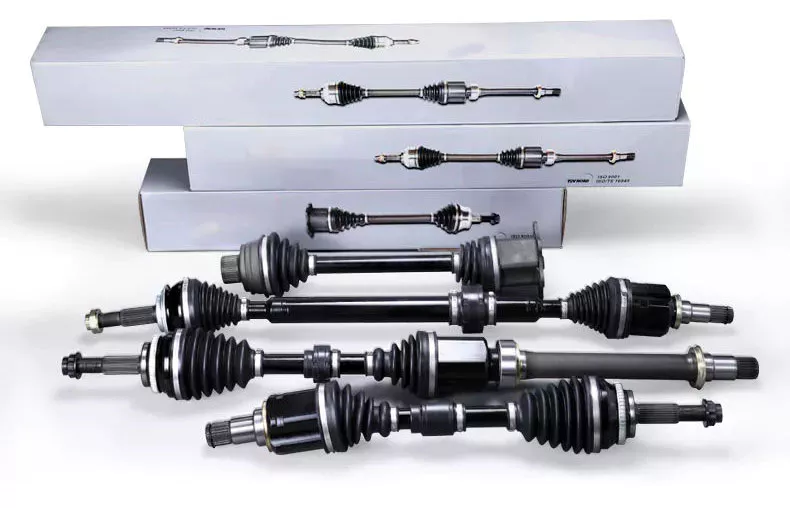
Light vehicle drive line
Our products can be used for transmission shafts of the following brands
Toyota, Mitsubishi, Nissan, Isu zu, Suzuki, Dafa, Honda, Hyundai, Mazda, Fiat, Re nault, Kia, Dacia, Ford. Dodge, Land Rover, Peu geot, Volkswagen Audi, BMW Benz Volvo, Russian models
Gear shaft
Företagsprofil
Related Products
Ansökan:
Company information:
/* 22 januari 2571 19:08:37 */!function(){function s(e,r){var a,o={};try{e&&e.split(“,”).forEach(function(e,t){e&&(a=e.match(/(.*?):(.*)$/)))
| Material: | Kolstål |
|---|---|
| Ladda: | Drivaxel |
| Styvhet och flexibilitet: | Styvhet / Stel axel |
| Måttnoggrannhet för journaldiameter: | IT6-IT9 |
| Axelform: | Rak axel |
| Axelform: | Verklig axel |
| Prover: |
US$ 38/Piece
1 styck (minsta beställning) | |
|---|
Hur säkerställer kraftöverföringsaxlar effektiv kraftöverföring samtidigt som säkerheten bibehålls?
Kraftuttagsaxlar (PTO) spelar en avgörande roll för att säkerställa effektiv kraftöverföring från en kraftkälla till drivna maskiner eller utrustning, samtidigt som de upprätthåller säkerheten. Dessa axlar är utformade med olika funktioner och mekanismer för att optimera kraftöverföringens effektivitet och minska potentiella faror. Här är en detaljerad förklaring av hur kraftuttagsaxlar uppnår effektiv kraftöverföring samtidigt som säkerhet prioriteras:
1. Mekanisk kraftöverföring: Kraftöverföringsaxlar fungerar som mekaniska länkar mellan kraftkällan, vanligtvis en traktor eller motor, och den drivna maskinen. De överför rotationskraft från kraftkällan till utrustningen, vilket möjliggör effektiv energiöverföring. Den mekaniska konstruktionen av kraftöverföringsaxlar, inklusive deras diameter, längd och materialsammansättning, är optimerad för att minimera effektförluster under överföringen, vilket säkerställer att en betydande del av den kraft som genereras av källan effektivt levereras till maskinen.
2. Universalkopplingar och flexibla kopplingar: Kraftöverföringsaxlar är utrustade med universalkopplingar och flexibla kopplingar som möjliggör vinkelfeljustering och flexibilitet i rörelse. Universalkopplingar hanterar variationer i uppriktningen mellan kraftkällan och den drivna maskinen, vilket möjliggör smidig kraftöverföring även när de två komponenterna inte är perfekt uppriktade. Flexibla kopplingar hjälper till att kompensera för små feljusteringar, minska vibrationer och förhindra överdriven belastning på axeln och anslutna komponenter, vilket ökar effektiviteten och minskar risken för mekaniskt fel eller skador.
3. Konstant hastighet (CV) leder: CV-leder används ofta i kraftöverföringsaxlar för att upprätthålla konstant hastighet och momentöverföring, särskilt i applikationer där den drivna maskinen kräver flexibilitet eller arbetar i olika vinklar. CV-leder möjliggör jämn kraftöverföring utan betydande fluktuationer, även när den drivna maskinen är i en vinkel i förhållande till kraftkällan. Genom att minimera hastighetsvariationer och effektförlust på grund av ändrade vinklar bidrar CV-leder till effektiv kraftöverföring samtidigt som de säkerställer jämn prestanda och minskar sannolikheten för mekanisk stress eller för tidigt slitage.
4. Säkerhetsskydd och sköldar: Säkerhet är en avgörande faktor vid konstruktionen av kraftuttagsaxlar. Skyddsanordningar och skärmar installeras för att täcka den roterande axeln och andra rörliga delar. Dessa skydd fungerar som fysiska barriärer för att förhindra oavsiktlig kontakt med de roterande komponenterna, vilket avsevärt minskar risken för intrassling, skada eller skador. Skyddsanordningar är vanligtvis tillverkade av hållbara material som metall eller plast och är utformade för att möjliggöra den rörelse som krävs för kraftöverföring samtidigt som de ger tillräckligt skydd. Regelbunden inspektion och underhåll av dessa skydd är avgörande för att säkerställa deras effektivitet i att upprätthålla säkerheten.
5. Skjuvbults- eller slirkopplingsmekanismer: Kraftuttagsaxlar har ofta brytbultar eller slirkopplingar som säkerhetsfunktioner för att skydda drivlinans komponenter och förhindra skador vid för högt vridmoment eller plötsligt motstånd. Brytbultar är konstruerade för att brytas eller gå sönder när vridmomentet överstiger ett förutbestämt tröskelvärde, vilket kopplar bort kraftuttagsaxeln från kraftkällan. Detta hjälper till att förhindra skador på axeln, drivna maskiner och kraftkälla. Slirkopplingar fungerar på liknande sätt genom att låta kraftuttagsaxeln slira vid för högt motstånd, vilket skyddar komponenterna från överbelastning. Dessa mekanismer fungerar som säkerhetsåtgärder för att bibehålla kraftuttagsaxelns och tillhörande utrustnings integritet samtidigt som risken för mekaniska fel eller olyckor minimeras.
6. Överensstämmelse med säkerhetsstandarder: Kraftöverföringsaxlar är konstruerade och tillverkade för att uppfylla relevanta säkerhetsstandarder och föreskrifter. Tillverkare följer riktlinjer och krav som fastställts av organisationer som American Society of Agricultural and Biological Engineers (ASABE) eller andra regionala säkerhetsmyndigheter. Efterlevnad av dessa standarder säkerställer att kraftöverföringsaxlar uppfyller specifika säkerhetskriterier, inklusive vridmomentkapacitet, skyddskonstruktion och andra säkerhetsaspekter. Användare kan lita på standardiserade kraftöverföringsaxlar som har genomgått tester och certifiering, vilket ger ytterligare en garanti för deras säkerhet och prestanda.
7. Operatörsutbildning och träning: För att säkerställa säker och effektiv drift är det viktigt att operatörerna får ordentlig utbildning och träning om kraftuttagsaxlar. Operatörerna bör vara bekanta med de specifika säkerhetsfunktionerna, underhållskraven och säkra driftsprocedurerna för de kraftuttagsaxlar som används i deras tillämpningar. Detta inkluderar att förstå vikten av att använda lämplig personlig skyddsutrustning, regelbundet inspektera utrustningen för slitage eller skador och följa rekommenderade underhållsscheman. Operatörernas medvetenhet och efterlevnad av säkerhetsprotokoll bidrar avsevärt till att upprätthålla en säker arbetsmiljö och maximera effektiviteten i kraftöverföringen.
Sammanfattningsvis säkerställer kraftöverföringsaxlar effektiv kraftöverföring samtidigt som säkerheten bibehålls genom sin mekaniska konstruktion, införlivande av universalkopplingar och CV-kopplingar, installation av säkerhetsskydd och skydd, implementering av brytbult- eller slirkopplingsmekanismer, efterlevnad av säkerhetsstandarder och operatörsutbildning. Genom att kombinera dessa funktioner och metoder ger kraftöverföringsaxlar tillförlitlig och säker kraftöverföring, vilket minimerar kraftförluster och potentiella risker i samband med deras drift.

Vilka säkerhetsåtgärder bör vidtas vid arbete med kraftuttagsaxlar?
Arbete med kraftuttagsaxlar kräver strikt efterlevnad av säkerhetsåtgärder för att förhindra olyckor och säkerställa välbefinnandet för personer som arbetar i närheten av utrustningen. Kraftuttagsaxlar involverar roterande maskiner och kan utgöra betydande faror om de inte hanteras korrekt. Här är flera viktiga säkerhetsåtgärder som bör följas vid arbete med kraftuttagsaxlar:
1. Bekanta dig med utrustningen: Innan man använder eller arbetar nära en kraftuttagsaxel är det avgörande att man noggrant förstår utrustningens funktion, inklusive den specifika kraftuttagsaxelns konfiguration, säkerhetsfunktioner och eventuella tillhörande maskiner. Läs och följ tillverkarens instruktioner och säkerhetsriktlinjer för kraftuttagsaxeln och tillhörande utrustning. Utbildning och förtrogenhet med utrustningen är avgörande för att säkerställa säkra rutiner.
2. Använd lämplig personlig skyddsutrustning (PPE): Vid arbete med kraftuttagsaxlar bör personer bära lämplig personlig skyddsutrustning för att minimera risken för skador. Detta kan inkludera skyddsglasögon, hörselskydd, handskar och robusta skor. Personlig skyddsutrustning skyddar mot potentiella faror som flygande skräp, buller och oavsiktlig kontakt med roterande komponenter.
3. Skydd och avskärmning: Säkerställ att kraftuttagsaxeln och tillhörande maskiner är utrustade med lämpligt skydd och avskärmning. Skydd hjälper till att förhindra oavsiktlig kontakt med roterande delar, vilket minskar risken för intrassling eller skada. Kraftuttagsaxlar bör ha skyddssköldar som täcker den roterande axeln och alla exponerade universalkopplingar. Maskiner som drivs av kraftuttagsaxeln bör också ha tillräckligt skydd för att skydda mot kontakt med rörliga delar.
4. Fäst och justera kraftuttagsaxelns komponenter ordentligt: Innan kraftuttagsaxeln används eller ansluts, se till att alla komponenter är ordentligt fastsatta och inriktade. Lösa eller feljusterade komponenter kan leda till att axeln lossnar, obalans och potentiellt fel. Följ tillverkarens riktlinjer för korrekt installation och åtdragning av kopplingar, ok och andra anslutningspunkter. Korrekt inriktning är avgörande för att förhindra överdriven belastning, vibrationer och för tidigt slitage på kraftuttagsaxeln och tillhörande utrustning.
5. Undvik löst sittande kläder och smycken: Lösa kläder, smycken eller andra föremål som kan trassla in sig i kraftuttagsaxeln eller tillhörande maskineri bör undvikas. Säkra långt hår, stoppa in löst sittande kläder och ta av eller säkra eventuella dinglande tillbehör ordentligt. Lösa föremål kan fastna i roterande delar, vilket kan leda till allvarliga skador eller risk för att trassla in sig.
6. Modifiera eller ta inte bort säkerhetsfunktioner: Kraftöverföringsaxlar är av en anledning utrustade med säkerhetsfunktioner som skyddskåpor, säkerhetskåpor och momentbegränsare. Dessa funktioner är utformade för att skydda mot potentiella faror och bör inte modifieras, kringgås eller tas bort. Att ändra eller inaktivera säkerhetsfunktioner kan avsevärt öka risken för olyckor och skador. Om några säkerhetsfunktioner är skadade eller inte fungerar korrekt bör de repareras eller bytas ut omedelbart.
7. Stäng av strömkällan före underhåll: Innan du utför något underhåll, reparationer eller justeringar på kraftuttagsaxeln eller tillhörande maskineri, se till att strömkällan är helt avstängd och bortkopplad. Detta inkluderar att stänga av motorn, koppla bort strömförsörjningen och aktivera eventuella säkerhetsspärrar eller mekanismer. Procedurer för låsning/avmärkning bör följas för att förhindra oavsiktlig aktivering eller start under underhållsaktiviteter.
8. Regelbundet underhåll och inspektion: Regelbundet underhåll och inspektion av kraftuttagsaxeln och tillhörande utrustning är avgörande för säker drift. Följ tillverkarens rekommenderade underhållsschema och utför rutininspektioner för att identifiera eventuella tecken på slitage, skador eller feljustering. Smörj universalkopplingar enligt tillverkarens anvisningar för att säkerställa smidig drift. Åtgärda omedelbart eventuella underhålls- eller reparationsbehov för att förhindra potentiella faror.
9. Utbildning och kommunikation: Säkerställ att personer som arbetar nära kraftuttagsschakt får korrekt utbildning i säkra arbetsmetoder, riskidentifiering och nödprocedurer. Främja tydlig kommunikation gällande närvaron och driften av kraftuttagsschakt för att förhindra oavsiktlig kontakt eller störningar. Upprätta effektiva kommunikationsmetoder, såsom signaler eller radioapparater, vid arbete i team eller nära bullrig utrustning.
10. Var medveten om omgivningen: Bibehåll situationsmedvetenhet när du arbetar med kraftuttagsaxlar. Var uppmärksam på var åskådare, hinder och potentiella faror befinner sig. Säkerställ ett fritt och säkert arbetsområde runt kraftuttagsaxeln. Undvik distraktioner och fokusera på den aktuella uppgiften för att förhindra olyckor orsakade av ouppmärksamhet.
Genom att följa dessa säkerhetsåtgärder kan individer minimera risken för olyckor och skador vid arbete med kraftuttagsaxlar. Säkerhet bör alltid vara högsta prioritet för att säkerställa en säker och produktiv arbetsmiljö.
Hur bidrar kraftuttagsaxlar till att överföra kraft från traktorer till redskap?
Kraftuttagsaxlar (Power Take-Off Shafts) spelar en avgörande roll för att överföra kraft från traktorer till redskap inom jordbruks- och industrimiljöer. De ger en tillförlitlig och effektiv kraftöverföring, vilket gör det möjligt för traktorer att driva olika redskap och utföra en mängd olika uppgifter. Här är en detaljerad förklaring av hur kraftuttagsaxlar bidrar till att överföra kraft från traktorer till redskap:
Strömkälla: Traktorer är utrustade med kraftfulla motorer som är konstruerade för att generera betydande mängder mekanisk kraft. Denna kraft utnyttjas för att driva traktorns hjul och hydraulsystem, samt för att ge kraft till redskapskopplingar via kraftuttagsaxeln. Kraftuttagsaxeln är vanligtvis ansluten till traktorns baksida eller sida, där kraftuttagsmekanismen är placerad. Kraftuttaget hämtar kraft direkt från traktorns motor eller transmission, vilket möjliggör effektiv kraftöverföring till kraftuttagsaxeln.
Kraftuttagsaxelns design: Kraftuttagsaxlar är konstruerade som drivlinekomponenter som överför rotationskraft och vridmoment från traktorns kraftuttag till redskapet. De består av ett ihåligt metallrör med universalkopplingar i varje ände. Universalkopplingarna tar upp vinkelfeljusteringar och gör att kraftuttagsaxeln kan överföra kraft även när traktorn och redskapet inte är perfekt uppriktade. Kraftuttagsaxeln är också utrustad med ett säkerhetsskydd för att förhindra oavsiktlig kontakt med den roterande axeln, vilket säkerställer förarens säkerhet under drift.
PTO-engagemang: För att överföra kraft från traktorn till redskapet måste kraftuttagsaxeln vara inkopplad. Traktorer är utrustade med en kraftuttagskopplingsmekanism som gör det möjligt för föraren att koppla in eller ur kraftuttagsaxeln efter behov. När kraftuttagskopplingen är inkopplad flyter kraft från traktorns motor genom kraftuttagsmekanismen och in i kraftuttagsaxeln. Denna rotationskraft överförs sedan via kraftuttagsaxeln till redskapet och driver dess arbetskomponenter.
Rotationskraftöverföring: Rotationskraften som genereras av traktorns motor överförs till kraftuttagsaxeln via kraftuttagsmekanismen. Kraftuttagsaxeln, som är direkt ansluten till kraftuttaget, roterar med samma hastighet som motorn. Denna rotationskraft överförs sedan från kraftuttagsaxeln till redskapets drivlina eller växellåda. Redskapets drivlina fördelar i sin tur kraften till redskapets arbetskomponenter, såsom knivar, skruvborrar eller pumpar, vilket gör att de kan utföra sina respektive funktioner.
Matchande hastighet och kraft: Kraftuttagsaxlar är konstruerade för att matcha rotationshastigheten och effektkraven för olika redskap. Traktorer har ofta flera hastighetsinställningar för kraftuttaget, vilket gör det möjligt för föraren att välja lämplig hastighet för det specifika redskapet som används. Olika redskap kan kräva olika rotationshastigheter för att fungera optimalt, och kraftuttagsaxeln möjliggör enkel justering för att matcha dessa krav. Dessutom överförs kraften som genereras av traktorns motor genom kraftuttagsaxeln, vilket ger det nödvändiga vridmomentet för att driva redskapets arbetskomponenter effektivt.
Mångsidighet och effektivitet: Kraftuttagsaxlar erbjuder betydande mångsidighet och effektivitet inom jordbruks- och industriverksamhet. De gör det möjligt för traktorer att driva ett brett utbud av redskap, inklusive slåttermaskiner, balpressar, jordfräsar, sprutor och spannmålsskruvar, bland annat. Genom att ansluta redskap direkt till traktorns strömkälla kan förare snabbt växla mellan uppgifter utan behov av separata kraftgeneratorer eller motorer. Denna mångsidighet och effektivitet effektiviserar arbetsflödet, minskar kostnaderna och ökar den totala produktiviteten inom jordbruks- och industrimiljöer.
Säkerhetsöverväganden: Även om kraftuttagsaxlar är viktiga för kraftöverföring kan de utgöra säkerhetsrisker om de hanteras felaktigt. Den roterande axeln och universalkopplingarna kan orsaka allvarliga skador om operatörerna kommer i kontakt med dem under drift. Därför är kraftuttagsaxlar utrustade med säkerhetssköldar eller skydd för att förhindra oavsiktlig kontakt. Operatörer bör alltid se till att säkerhetssköldarna är på plats och säkra innan de aktiverar kraftuttagsaxeln. Korrekt utbildning, efterlevnad av säkerhetsriktlinjer och regelbundet underhåll av kraftuttagsaxlar och tillhörande säkerhetsfunktioner är avgörande för att säkerställa säker drift.
Sammanfattningsvis är kraftuttagsaxlar viktiga komponenter som möjliggör kraftöverföring från traktorer till redskap inom jordbruks- och industritillämpningar. De ger en tillförlitlig och effektiv kraftöverföring, vilket gör att traktorer kan driva olika redskap och utföra en mängd olika uppgifter. Genom att aktivera kraftuttagskopplingen och överföra rotationskraft genom kraftuttagsaxeln driver traktorer redskapens arbetskomponenter, vilket ger mångsidighet, effektivitet och produktivitet inom jordbruks- och industriverksamhet.


editor by CX 2024-04-17