وصف المنتج
Specification OF PTO Drive Shaft —Speedway:
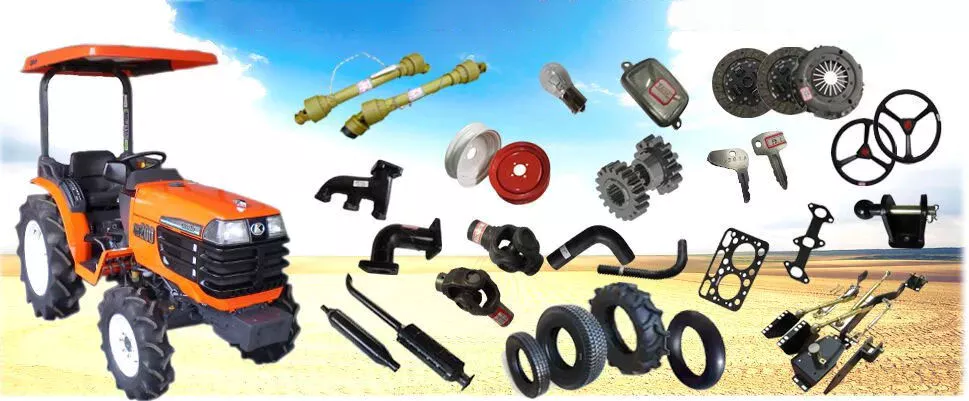
We developed and produced many tractor spare parts for Japanese Tractors .
Product Name: Japanese tractor transmission clutch disc parts for B1400 B7000
Tractor Model we can supply: B1500/1400,B5000,B6000, B7000, TU1400, TX1400, TX1500, YM F1401, YM1400 ETC.
The parts for example: Tyres, rim Jante, Kit coupling KB-TX 3 point linkage. Exhaust pipe Steering wheel. Kit coupling YM F14/F15, gear shaft, PTO shaft, PTO cardan, key, regulator ect.
Most of the spare parts are with stock. If you are interested in, please feel easy to contact me.
Other relevant parts for cars or machinery we have made in our workshop are as follows:
Drive shaft parts and assemblies,
Universal joint parts and assemblies,
PTO drive shafts,
Spline shafts,
Slip yokes,
Weld yokes,
Flange yokes,
Steering columns,
Connecting rods,
etc.
وصف المنتج
Pto Drive Shaft Item:
| Item | Cross journal size | 540dak-rpm | 1000dak-rpm | |||
| Series 1 | 22mm | 54mm | 12KW | 16HP | 18KW | 25HP |
| Series 2 | 23.8mm | 61.3mm | 15KW | 21HP | 23KW | 31HP |
| Series 3 | 27mm | 70mm | 26KW | 35HP | 40KW | 55HP |
| Series 4 | 27mm | 74.6mm | 26KW | 35HP | 40KW | 55HP |
| Series 5 | 30.2mm | 80mm | 35KW | 47HP | 54KW | 74HP |
| Series 6 | 30.2mm | 92mm | 47KW | 64HP | 74KW | 100HP |
| Series 7 | 30.2mm | 106.5mm | 55KW | 75HP | 87KW | 18HP |
| Series 8 | 35mm | 106.5mm
|
70KW | 95HP | 110KW | 150HP |
| Series 38 | 38mm | 102mm | 70KW | 95HP | 110KW | 150HP |
Company Profile
Certifications
FAQ
/* January 22, 2571 19:08:37 */!function(){function s(e,r){var a,o={};try{e&&e.split(“,”).forEach(function(e,t){e&&(a=e.match(/(.*?):(.*)$/))&&1
| يكتب: | Shaft |
|---|---|
| الاستخدام: | Agricultural Products Processing, Farmland Infrastructure, Harvester, Planting and Fertilization, Grain Threshing, Cleaning and Drying |
| مادة: | Stainless Steel |
| مصدر الطاقة: | Pto Dirven Shaft |
| Weight: | Standard |
| After-sales Service: | 1 Year |
| Samples: |
US$ 300/Piece
1 Piece(Min.Order) | |
|---|
What maintenance practices are essential for prolonging the lifespan of PTO shafts?
Maintaining proper care and performing regular maintenance on Power Take-Off (PTO) shafts is crucial for prolonging their lifespan and ensuring optimal performance. By following essential maintenance practices, you can prevent premature wear, identify potential issues early on, and maximize the longevity of your PTO shafts. Here are some key maintenance practices to consider:
1. Regular Inspection: Perform routine visual inspections of the PTO shaft to check for any signs of damage, wear, or misalignment. Look for cracks, dents, bent sections, or loose components. Inspect the universal joints, coupling mechanisms, protective guards, and other associated parts. Pay attention to any unusual noises, vibrations, or changes in performance, as these can indicate underlying issues that require attention.
2. Lubrication: Proper lubrication is essential for the smooth operation and longevity of PTO shafts. Follow the manufacturer’s recommendations regarding lubrication intervals and use the recommended lubricant type. Apply lubrication to the universal joints, CV joints (if applicable), and other moving parts as specified. Regularly check for adequate lubricant levels and replenish if necessary. Ensure that the lubricant used is compatible with the shaft material and does not attract dirt or debris that could cause abrasion or damage.
3. Cleaning: Keep the PTO shaft clean and free from dirt, debris, and other contaminants. Regularly remove any accumulated dirt, grease, or residue using a brush or compressed air. Be particularly diligent in cleaning the universal joints and areas where the shaft connects to other components. Cleaning prevents the buildup of abrasive particles that can accelerate wear and compromise the shaft’s performance.
4. Guard Inspection and Maintenance: Check the protective guards and shields regularly to ensure they are securely in place and free from damage. Guards play a critical role in preventing accidental contact with the rotating shaft and minimizing the risk of injury. Repair or replace any damaged or missing guards promptly. Ensure that the guards are correctly aligned and provide sufficient coverage for all moving parts of the PTO shaft.
5. Torque and Fastener Checks: Periodically inspect and check the torque of fasteners, such as bolts and nuts, that secure the PTO shaft and associated components. Over time, vibration and normal operation can loosen these fasteners, compromising the integrity of the shaft. Use the appropriate torque specifications provided by the manufacturer to ensure proper tightening. Regularly verify the tightness of fasteners and retighten as necessary.
6. Shear Bolt or Slip Clutch Maintenance: If your PTO shaft incorporates shear bolt or slip clutch mechanisms, ensure they are functioning correctly. Inspect the shear bolts for signs of wear or damage, and replace them when necessary. Check the slip clutch for proper adjustment and smooth operation. Follow the manufacturer’s recommendations regarding maintenance and adjustment of these safety mechanisms to ensure their effectiveness in protecting the driveline components.
7. Proper Storage: When the PTO shaft is not in use, store it in a clean and dry environment. Protect the shaft from exposure to moisture, extreme temperatures, and corrosive substances. If possible, store the shaft in a vertical position to prevent bending or distortion. Consider using protective covers or cases to shield the shaft from dust, dirt, and other potential sources of damage.
8. Operator Training: Provide proper training to operators on the correct operation, maintenance, and safety procedures related to the PTO shafts. Educate them about the importance of regular inspections, lubrication, and adherence to recommended maintenance practices. Encourage operators to report any abnormalities or concerns promptly to prevent further damage and ensure timely repairs or adjustments.
9. Manufacturer and Expert Guidance: Consult the manufacturer’s guidelines and recommendations regarding maintenance practices specific to your PTO shaft model. Additionally, seek advice from experts or authorized service technicians who are knowledgeable about PTO shaft maintenance. They can provide valuable insights and assistance in implementing the best maintenance practices for your specific PTO shafts.
By following these maintenance practices, you can extend the lifespan of your PTO shafts, optimize their performance, and reduce the likelihood of unexpected failures or costly repairs. Regular inspections, lubrication, cleaning, guard maintenance, torque checks, and proper storage are all essential in ensuring the longevity and reliability of your PTO shafts.

How do PTO shafts handle variations in load and torque during operation?
PTO (Power Take-Off) shafts are designed to handle variations in load and torque during operation by employing specific mechanisms and features that ensure efficient power transfer and protection against overload conditions. Here’s a detailed explanation of how PTO shafts handle variations in load and torque:
1. Mechanical Design: PTO shafts are engineered with robust mechanical design principles that enable them to handle variations in load and torque. They are typically constructed using high-strength materials such as steel, which provides durability and resistance to bending or twisting forces. The shaft’s diameter, wall thickness, and overall dimensions are carefully calculated to withstand the expected torque levels and load variations. The mechanical design of the PTO shaft ensures that it can transmit power reliably and accommodate the dynamic forces encountered during operation.
2. Universal Joints: Universal joints are a key component of PTO shafts that allow for flexibility and compensation of misalignment between the power source and driven machinery. These joints can accommodate variations in angular alignment, which may occur due to changes in load or movement of the machinery. Universal joints consist of a cross-shaped yoke with needle bearings that allow for smooth rotation and transfer of torque, even when the shafts are not perfectly aligned. The design of universal joints enables PTO shafts to handle variations in load and torque while maintaining consistent power transmission.
3. Slip Clutches: Slip clutches are often incorporated into PTO shafts to provide overload protection. These clutches allow the PTO shaft to slip or disengage momentarily when excessive torque or resistance is encountered. Slip clutches typically consist of friction plates that can be adjusted to a specific torque setting. When the torque surpasses the predetermined limit, the clutch slips, preventing damage to the PTO shaft and connected equipment. Slip clutches are particularly useful when sudden changes in load or torque occur, providing a safety mechanism to protect the PTO shaft and associated machinery.
4. Torque Limiters: Torque limiters are another protective feature found in some PTO shafts. These devices are designed to automatically disengage the power transmission when a predetermined torque threshold is exceeded. Torque limiters can be mechanical, such as shear pin couplings or friction clutches, or electronic, utilizing sensors and control systems. When the torque exceeds the set limit, the torque limiter disengages, preventing further power transfer and protecting the PTO shaft from overload conditions. Torque limiters are effective in handling sudden spikes in torque and safeguarding the PTO shaft and associated equipment.
5. Maintenance and Inspection: Regular maintenance and inspection of PTO shafts are essential to ensure their proper functioning and ability to handle variations in load and torque. Routine maintenance includes lubrication of universal joints, inspection of shaft integrity, and tightening of fasteners. Regular inspections allow for early detection of wear, misalignment, or other issues that may affect the PTO shaft’s performance. By addressing maintenance and inspection requirements, operators can identify and address any concerns that may arise due to variations in load and torque, ensuring the continued safe and efficient operation of the PTO shaft.
6. Operator Awareness and Control: Operators play a crucial role in managing variations in load and torque during PTO shaft operation. They should be aware of the machinery’s operational limits, including the recommended torque ratings and load capacities of the PTO shaft. Proper training and understanding of the equipment’s capabilities enable operators to make informed decisions and adjust the operation when encountering significant load or torque changes. Operators should also be vigilant in monitoring the equipment’s performance, watching for any signs of excessive vibration, noise, or other indications of potential issues related to load and torque variations.
By incorporating robust mechanical design, utilizing universal joints, slip clutches, torque limiters, and implementing proper maintenance practices, PTO shafts are equipped to handle variations in load and torque during operation. These features ensure reliable power transmission, protect against overload conditions, and contribute to the safe and efficient functioning of the PTO shaft and the machinery it drives.
كيف تتعامل أعمدة نقل الحركة مع التغيرات في متطلبات السرعة وعزم الدوران؟
صُممت أعمدة نقل الحركة (PTO) للتعامل مع التغيرات في متطلبات السرعة وعزم الدوران بين مصدر الطاقة (مثل الجرار أو المحرك) والآلات أو المعدات المُدارة. وهي تتضمن آليات ومكونات متنوعة لضمان نقل الطاقة بكفاءة مع مراعاة متطلبات السرعة وعزم الدوران المختلفة. إليك شرح مفصل لكيفية تعامل أعمدة نقل الحركة مع هذه التغيرات:
1. أنظمة علبة التروس: غالبًا ما تتضمن أعمدة نقل الحركة (PTO) أنظمة تروس لمطابقة متطلبات السرعة وعزم الدوران بين مصدر الطاقة والآلات المُدارة. تسمح علب التروس بتقليل السرعة أو زيادتها، كما يمكنها تغيير اتجاه الدوران عند الضرورة. وباستخدام نسب تروس مختلفة، تستطيع أعمدة نقل الحركة (PTO) تكييف سرعة الدوران وعزم الدوران الناتج ليناسب المتطلبات الخاصة بالمعدات المُدارة. تُمكّن أنظمة التروس أعمدة نقل الحركة (PTO) من توفير التوافق اللازم بين الطاقة والسرعة بين مصدر الطاقة والآلات التي تُشغلها.
2. آليات مسامير القص: تستخدم بعض أعمدة نقل الحركة، خاصةً في التطبيقات التي يُتوقع فيها أحمال زائدة مفاجئة أو أحمال صدمية، آليات مسامير القص. صُممت هذه الآليات لحماية مكونات نظام نقل الحركة من التلف عن طريق فصل عمود نقل الحركة في حالة عزم الدوران الزائد أو المقاومة المفاجئة. صُممت مسامير القص لتنكسر عند عتبة عزم دوران محددة، مما يضمن فصل عمود نقل الحركة قبل أن تتعرض مكونات نظام نقل الحركة للتلف. بفضل دمج آليات مسامير القص، تستطيع أعمدة نقل الحركة التعامل مع تغيرات متطلبات عزم الدوران وتوفير ميزة أمان لحماية المعدات.
3. قابضات الاحتكاك: قد تتضمن أعمدة نقل الحركة أنظمة قابض احتكاكي لتمكين نقل الطاقة بسلاسة. تستخدم القوابض الاحتكاكية قرصًا ولوحة ضغط للتحكم في نقل الطاقة. يمكن للمشغلين تشغيل أو إيقاف نقل الطاقة تدريجيًا عن طريق ضبط الضغط على قرص الاحتكاك. تتيح هذه الميزة تحكمًا دقيقًا في نقل عزم الدوران، مما يسمح بمراعاة التغيرات في متطلبات عزم الدوران مع تقليل أحمال الصدمات على مكونات نظام نقل الحركة. تُستخدم القوابض الاحتكاكية بشكل شائع في التطبيقات التي يكون فيها تشغيل الطاقة بسلاسة أمرًا ضروريًا، مثل المضخات الهيدروليكية والمولدات والخلاطات الصناعية.
4. مفاصل السرعة الثابتة (CV): في الحالات التي تتطلب فيها الآلات المُدارة نطاقًا واسعًا من الحركة أو التمفصل، قد تتضمن أعمدة نقل الحركة (PTO) وصلات ذات سرعة ثابتة (CV). تسمح هذه الوصلات لعمود نقل الحركة بالتكيف مع عدم المحاذاة والتغيرات الزاوية دون التأثير على نقل الطاقة. توفر هذه الوصلات نقلًا سلسًا وثابتًا للطاقة حتى عندما تكون الآلة المُدارة بزاوية بالنسبة لمصدر الطاقة. تُستخدم وصلات السرعة الثابتة بشكل شائع في تطبيقات مثل اللوادر المفصلية، والرافعات التلسكوبية، والرشاشات ذاتية الدفع، حيث تتطلب الآلات مرونة ونطاقًا واسعًا من الحركة.
5. التصاميم التلسكوبية: تتميز بعض أعمدة نقل الحركة (PTO) بتصميمات تلسكوبية تسمح بتعديل طولها. تتكون هذه الأعمدة من عمودين أو أكثر متحدة المركز تنزلق داخل بعضها، مما يتيح إمكانية تمديد أو تقصير عمود نقل الحركة حسب الحاجة. تُراعي التصميمات التلسكوبية الاختلافات في المسافة بين مصدر الطاقة والآلة المُدارة. من خلال تعديل طول عمود نقل الحركة، يضمن المشغلون نقل الطاقة بشكل سليم دون خطر احتكاك العمود بالأرض أو قصره عن الوصول إلى المعدات. تُستخدم أعمدة نقل الحركة التلسكوبية عادةً في التطبيقات التي تختلف فيها المسافة بين مصدر الطاقة والآلة، مثل الآلات الأمامية، وآلات نفخ الثلج، وعربات التحميل الذاتي.
بفضل دمج هذه الآليات والتصاميم، تستطيع أعمدة نقل الحركة (PTO) التعامل بكفاءة مع تغيرات متطلبات السرعة وعزم الدوران. فهي توفر المرونة والأمان والتحكم اللازمين لضمان نقل الطاقة بكفاءة بين مصدر الطاقة والآلات المُدارة. وتلعب أعمدة نقل الحركة دورًا حاسمًا في تكييف الطاقة لتلبية الاحتياجات الخاصة لمختلف المعدات والتطبيقات.


editor by CX 2024-03-01