وصف المنتج
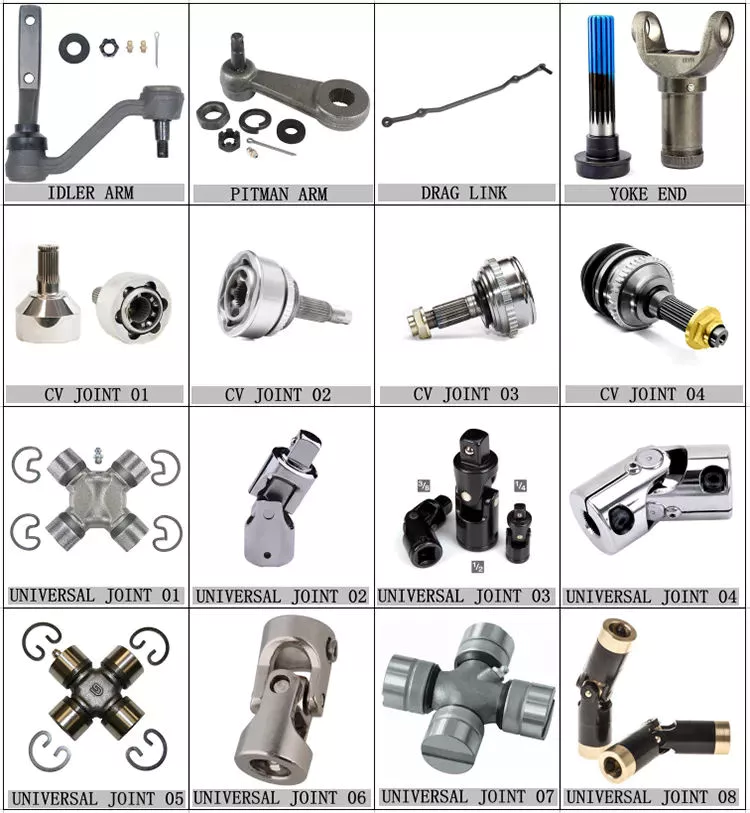
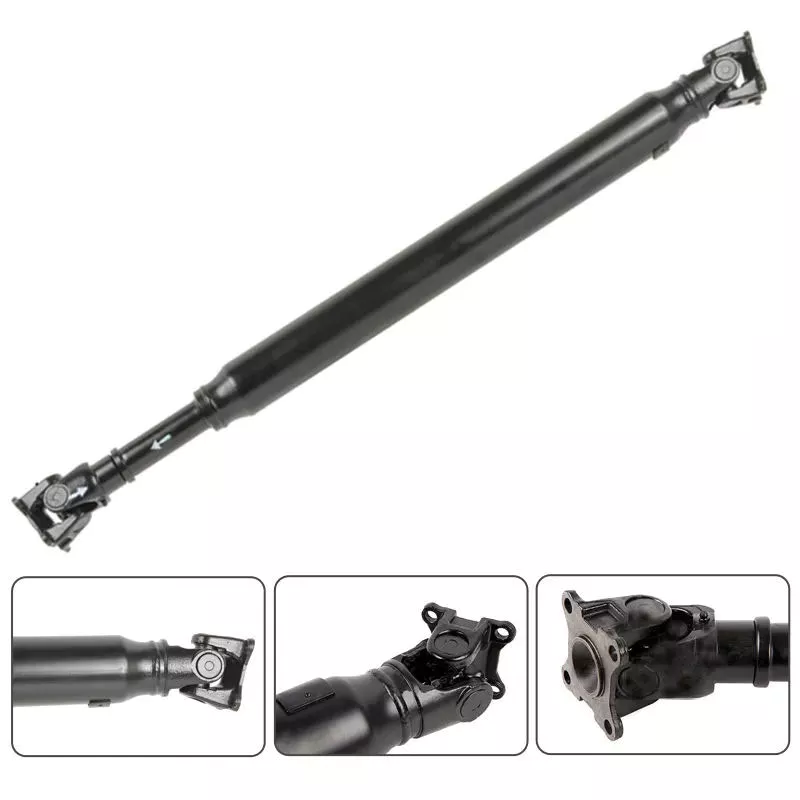
PTO DRIVE SHAFT COMBINE WITH HYDRAULIC GEAR PUMP KP55 FOR HEAVY DUTY DUMP TRUCK SPARE PARTS
/* January 22, 2571 19:08:37 */!function(){function s(e,r){var a,o={};try{e&&e.split(“,”).forEach(function(e,t){e&&(a=e.match(/(.*?):(.*)$/))&&1
| Condition: | New |
|---|---|
| Color: | Silver |
| يكتب: | Universal Joint |
| مادة: | Steel |
| حزمة النقل: | Carton |
| مواصفة: | s |
| Samples: |
US$ 30/Piece
1 Piece(Min.Order) | |
|---|
| التخصيص: |
متاح
| طلب مخصص |
|---|
Can PTO shafts be adapted for use in both agricultural and industrial settings?
Yes, PTO (Power Take-Off) shafts can be adapted for use in both agricultural and industrial settings. While PTO shafts are commonly associated with agricultural machinery, they are versatile components that can be utilized in various applications beyond the agricultural sector. With appropriate modifications and considerations, PTO shafts can effectively transfer power in industrial settings as well. Here’s a detailed explanation of how PTO shafts can be adapted for both agricultural and industrial use:
1. Standard PTO Shaft Design: PTO shafts have a standardized design that allows for compatibility and interchangeability across different equipment and machinery. This standardization enables PTO shafts to be used in various applications, including both agricultural and industrial settings. The basic components of a PTO shaft, such as the universal joints, splined shafts, and protective guards, remain consistent, regardless of the specific application. This consistency allows for easy adaptation and integration into different machinery and equipment.
2. Shaft Length and Sizing: PTO shafts can be customized in terms of length and sizing to suit specific requirements in both agricultural and industrial settings. The length of the shaft can be adjusted to accommodate different distances between the power source and the driven machinery. This flexibility allows for optimal power transmission and ensures compatibility with various equipment setups. Similarly, the sizing of the PTO shaft, including the diameter and splined shaft specifications, can be tailored to meet the torque and power requirements of different applications, whether in agriculture or industry.
3. Power Requirements: PTO shafts are designed to transfer power from a power source to driven machinery. In agricultural settings, the power source is typically a tractor or other agricultural vehicles, while in industrial settings, it can be an engine, motor, or power unit specific to the industry. PTO shafts can be adapted to handle different power requirements by considering factors such as torque capacity, rotational speed, and the specific demands of the machinery or equipment being driven. By selecting the appropriate PTO shaft based on the power requirements, the shaft can effectively transfer power in both agricultural and industrial applications.
4. Safety Considerations: Safety is a critical aspect of PTO shaft design and usage, regardless of the application. PTO shafts incorporate safety features such as protective guards and shields to prevent accidental contact with rotating components. These safety measures are essential in agricultural and industrial settings to minimize the risk of entanglement, injury, or damage. Adapting PTO shafts for industrial use may require additional safety considerations based on the specific hazards present in industrial environments. However, the core safety principles and features of PTO shafts can be applied and adapted to ensure safe operation in both settings.
5. Specialized Attachments: PTO shafts can be equipped with specialized attachments or adapters to accommodate different driven machinery or equipment. In agricultural settings, PTO shafts commonly connect to implements such as mowers, balers, or sprayers. In industrial settings, PTO shafts may be adapted to connect to various industrial machinery, including pumps, generators, compressors, or conveyors. These specialized attachments ensure compatibility and efficient power transfer between the PTO shaft and the driven equipment, allowing for seamless integration in both agricultural and industrial applications.
6. Environmental Considerations: PTO shafts can be adapted to address specific environmental conditions in both agricultural and industrial settings. For example, in agricultural applications, PTO shafts may need to withstand exposure to dirt, dust, moisture, and varying weather conditions. Industrial settings may have their unique environmental challenges, such as exposure to chemicals, high temperatures, or abrasive materials. By selecting PTO shaft materials, protective coatings, and seals suitable for the specific environment, the shafts can be adapted to ensure reliable and durable performance in various settings.
7. Compliance with Standards: PTO shafts, whether used in agricultural or industrial settings, need to comply with relevant safety standards and regulations. Manufacturers adhere to guidelines and requirements set by organizations such as the American Society of Agricultural and Biological Engineers (ASABE) or other regional safety authorities. Compliance ensures that PTO shafts meet safety criteria and performance standards applicable to both agricultural and industrial environments. Users can rely on standardized PTO shafts that have undergone testing and certification, offering assurance regarding their reliability and safety.
By considering the factors mentioned above, PTO shafts can be adapted to effectively transfer power in both agricultural and industrial settings. The versatile nature of PTO shafts, coupled with customization options, safety considerations, specialized attachments, and compliance with standards, allows for their successful integration into a wide range of machinery and equipment across various industries.
Are there any limitations or disadvantages associated with PTO shafts?
While PTO (Power Take-Off) shafts offer numerous advantages in terms of power transfer and versatility, they also have certain limitations and disadvantages. It’s important to consider these factors when using PTO shafts to ensure safe and efficient operation. Here’s a detailed explanation of some limitations and disadvantages associated with PTO shafts:
1. Safety Hazards: One of the primary concerns with PTO shafts is the potential for safety hazards. PTO shafts rotate at high speeds and can pose a significant risk if not properly guarded or handled. Accidental contact with an exposed or inadequately shielded PTO shaft can result in severe injuries, including entanglement, amputation, or even fatalities. It is crucial to follow safety guidelines, implement proper guarding, and ensure that operators are well-trained on safe handling practices to mitigate these risks.
2. Maintenance and Lubrication: PTO shafts require regular maintenance and lubrication to ensure optimal performance and longevity. The moving parts, such as universal joints and splines, need to be inspected, cleaned, and lubricated at recommended intervals. Neglecting maintenance can lead to premature wear, decreased efficiency, and potential failures. Proper maintenance practices, including regular inspections and timely lubrication, are essential to mitigate these issues.
3. Alignment and Angles: PTO shafts rely on proper alignment and angles to ensure efficient power transfer. Misalignment or excessive angles between the power source and driven machinery can cause increased wear and strain on the components, leading to premature failure. Ensuring proper alignment and angle adjustment, using adjustable sliding yokes or other means, is important to prevent excessive stress on the PTO shaft and associated equipment.
4. Length Limitations: PTO shafts have limitations on their maximum and minimum length due to engineering constraints. The telescoping design allows for some adjustment, but there is a practical limit to how much the shaft can extend or retract. If the distance between the power source and driven machinery exceeds the maximum or falls below the minimum length of the PTO shaft, alternative solutions or modifications may be required. In some cases, additional components such as drive shaft extensions or gearboxes may be necessary to bridge the distance.
5. Compatibility: While manufacturers strive to ensure compatibility, there can still be challenges in finding the right PTO shaft for specific equipment configurations. Equipment may have unique requirements in terms of spline sizes, torque ratings, or connection methods that may not be readily available or compatible with off-the-shelf PTO shafts. Customization may be required to address these compatibility issues, which can result in increased costs or lead times.
6. Noise and Vibrations: PTO shafts in operation can generate significant noise and vibrations, especially at higher speeds. This can be a nuisance for operators and may require additional measures to reduce noise levels or dampen vibrations. Excessive vibrations can also affect the overall performance and lifespan of the PTO shaft and connected equipment. Implementing vibration dampeners or using flexible couplings can help mitigate these issues.
7. Power Limits: PTO shafts have specific power limits based on their design, materials, and components. Exceeding these power limits can lead to premature wear, component failures, or even shaft breakage. It is crucial to understand and adhere to the recommended power ratings for PTO shafts to ensure safe and reliable operation. In some cases, upgrading to a higher-capacity PTO shaft or implementing additional power transmission components may be necessary to accommodate higher power requirements.
8. Complex Installation and Removal: Installing and removing PTO shafts can be a complex process, especially in confined spaces or when dealing with heavy equipment. It may require aligning splines, engaging couplings, and securing locking mechanisms. Improper installation or removal techniques can lead to damage to the shaft or associated equipment. Proper training, handling equipment, and following manufacturer guidelines are essential to simplify and ensure the safe installation and removal of PTO shafts.
Despite these limitations and disadvantages, PTO shafts remain widely used and valuable components for power transfer in various industries. By addressing these considerations and implementing proper safety measures, maintenance practices, and alignment procedures, the potential drawbacks of PTO shafts can be effectively mitigated, allowing for safe and efficient operation.
كيف تتعامل أعمدة نقل الحركة مع التغيرات في متطلبات السرعة وعزم الدوران؟
صُممت أعمدة نقل الحركة (PTO) للتعامل مع التغيرات في متطلبات السرعة وعزم الدوران بين مصدر الطاقة (مثل الجرار أو المحرك) والآلات أو المعدات المُدارة. وهي تتضمن آليات ومكونات متنوعة لضمان نقل الطاقة بكفاءة مع مراعاة متطلبات السرعة وعزم الدوران المختلفة. إليك شرح مفصل لكيفية تعامل أعمدة نقل الحركة مع هذه التغيرات:
1. أنظمة علبة التروس: غالبًا ما تتضمن أعمدة نقل الحركة (PTO) أنظمة تروس لمطابقة متطلبات السرعة وعزم الدوران بين مصدر الطاقة والآلات المُدارة. تسمح علب التروس بتقليل السرعة أو زيادتها، كما يمكنها تغيير اتجاه الدوران عند الضرورة. وباستخدام نسب تروس مختلفة، تستطيع أعمدة نقل الحركة (PTO) تكييف سرعة الدوران وعزم الدوران الناتج ليناسب المتطلبات الخاصة بالمعدات المُدارة. تُمكّن أنظمة التروس أعمدة نقل الحركة (PTO) من توفير التوافق اللازم بين الطاقة والسرعة بين مصدر الطاقة والآلات التي تُشغلها.
2. آليات مسامير القص: تستخدم بعض أعمدة نقل الحركة، خاصةً في التطبيقات التي يُتوقع فيها أحمال زائدة مفاجئة أو أحمال صدمية، آليات مسامير القص. صُممت هذه الآليات لحماية مكونات نظام نقل الحركة من التلف عن طريق فصل عمود نقل الحركة في حالة عزم الدوران الزائد أو المقاومة المفاجئة. صُممت مسامير القص لتنكسر عند عتبة عزم دوران محددة، مما يضمن فصل عمود نقل الحركة قبل أن تتعرض مكونات نظام نقل الحركة للتلف. بفضل دمج آليات مسامير القص، تستطيع أعمدة نقل الحركة التعامل مع تغيرات متطلبات عزم الدوران وتوفير ميزة أمان لحماية المعدات.
3. قابضات الاحتكاك: قد تتضمن أعمدة نقل الحركة أنظمة قابض احتكاكي لتمكين نقل الطاقة بسلاسة. تستخدم القوابض الاحتكاكية قرصًا ولوحة ضغط للتحكم في نقل الطاقة. يمكن للمشغلين تشغيل أو إيقاف نقل الطاقة تدريجيًا عن طريق ضبط الضغط على قرص الاحتكاك. تتيح هذه الميزة تحكمًا دقيقًا في نقل عزم الدوران، مما يسمح بمراعاة التغيرات في متطلبات عزم الدوران مع تقليل أحمال الصدمات على مكونات نظام نقل الحركة. تُستخدم القوابض الاحتكاكية بشكل شائع في التطبيقات التي يكون فيها تشغيل الطاقة بسلاسة أمرًا ضروريًا، مثل المضخات الهيدروليكية والمولدات والخلاطات الصناعية.
4. مفاصل السرعة الثابتة (CV): في الحالات التي تتطلب فيها الآلات المُدارة نطاقًا واسعًا من الحركة أو التمفصل، قد تتضمن أعمدة نقل الحركة (PTO) وصلات ذات سرعة ثابتة (CV). تسمح هذه الوصلات لعمود نقل الحركة بالتكيف مع عدم المحاذاة والتغيرات الزاوية دون التأثير على نقل الطاقة. توفر هذه الوصلات نقلًا سلسًا وثابتًا للطاقة حتى عندما تكون الآلة المُدارة بزاوية بالنسبة لمصدر الطاقة. تُستخدم وصلات السرعة الثابتة بشكل شائع في تطبيقات مثل اللوادر المفصلية، والرافعات التلسكوبية، والرشاشات ذاتية الدفع، حيث تتطلب الآلات مرونة ونطاقًا واسعًا من الحركة.
5. التصاميم التلسكوبية: تتميز بعض أعمدة نقل الحركة (PTO) بتصميمات تلسكوبية تسمح بتعديل طولها. تتكون هذه الأعمدة من عمودين أو أكثر متحدة المركز تنزلق داخل بعضها، مما يتيح إمكانية تمديد أو تقصير عمود نقل الحركة حسب الحاجة. تُراعي التصميمات التلسكوبية الاختلافات في المسافة بين مصدر الطاقة والآلة المُدارة. من خلال تعديل طول عمود نقل الحركة، يضمن المشغلون نقل الطاقة بشكل سليم دون خطر احتكاك العمود بالأرض أو قصره عن الوصول إلى المعدات. تُستخدم أعمدة نقل الحركة التلسكوبية عادةً في التطبيقات التي تختلف فيها المسافة بين مصدر الطاقة والآلة، مثل الآلات الأمامية، وآلات نفخ الثلج، وعربات التحميل الذاتي.
بفضل دمج هذه الآليات والتصاميم، تستطيع أعمدة نقل الحركة (PTO) التعامل بكفاءة مع تغيرات متطلبات السرعة وعزم الدوران. فهي توفر المرونة والأمان والتحكم اللازمين لضمان نقل الطاقة بكفاءة بين مصدر الطاقة والآلات المُدارة. وتلعب أعمدة نقل الحركة دورًا حاسمًا في تكييف الطاقة لتلبية الاحتياجات الخاصة لمختلف المعدات والتطبيقات.


editor by CX 2024-04-19