Produktbeschreibung
ZheJiang WALLONG-HSIN MACHINERY ENGINEERING CORPORATION LTD. short name ‘JSW’, is a wholly state-owned company, also a subsidiary of SINOMACH GROUP (the biggest machinery group in China, ranked No.250 of TOP500 in 2571).
JSW is founded in 1992 and registered with capital of 4.5 million US dollars, located in HangZhou city, ZheJiang Province, with workshop area 50,000 square meters with first-class production lines, and office area 3000 square meters.
JSW passed ISO 9001,ISO 14001,ISO 45001 ,ISO 50001 and AEO custom certified.
The turnover last year is 20 million US dollar,exporting to European, North American, South American, and Asian markets.
We have successfully developed a wide range and variety of drive shaft products,mainly including PTO agricultural shaft, industrial cardan shaft, drive shaft for automotive, and universal couplings.
Our products are welcomed by all our customers based on our competitive price, guaranteed quality and on-time delivery.
*Agricultural PTO Welle :
Standard series, customized also accpeted.
Tube type:Triangle, Lemon, Star, Spline stub (Z6,Z8,Z20,Z21).
Accessory: various yokes, splined stub shaft, clutch and torque limiter.
*Industrial cardan Welle:
Light duty type: flange Dia. Φ58-180mm
Medium duty type: SWC180 – 550
*Automotive drive Welle :
Aftermarket for ATV,Pickup truck,Light truck
***HOW TO CHOOSE THE SUITABLE PTO SHAFT FOR YOUR DEMANDS?
1. Model/size of the universal joint, which is according to your requirment of maximum torque(TN) and R.P.M.
2. Closed overall length of shaft assembly (or cross (u-joint) to cross length).
3. Shape of the steel tube/pipe (traiangle, lemon, star, splined stub).
4. Type of the 2 end yokes/forks which used to connect the input end (power source) and output end (implement).
Including the series of quick released splined yoke/fork, plain bore yoke/fork, wide-angle yoke/fork, double yoke/fork.
5. Overload protection device including the clutch and torque limitter.
(shear bolt SB, free wheel/overrunning RA/RAS, ratchet SA/SAS, friction FF/FFS)
6. Others requirements:such as with/no plastic guard, painting color, package type,etc.
| Triangle tube type | |||||||
| Series | Cross kit | Operating torque | |||||
| 540rpm | 1000rpm | ||||||
| Kw | Pk | Nm | Kw | Pk | Nm | ||
| T1 | 1.01 22*54 | 12 | 16 | 210 | 18 | 25 | 172 |
| T2 | 2.01 23.8*61.3 | 15 | 21 | 270 | 23 | 31 | 220 |
| T3 | 3.01 27*70 | 22 | 30 | 390 | 35 | 47 | 330 |
| T4 | 4.01 27*74.6 | 26 | 35 | 460 | 40 | 55 | 380 |
| T5 | 5.01 30.2*80 | 35 | 47 | 620 | 54 | 74 | 520 |
| T6 | 6.01 30.2*92 | 47 | 64 | 830 | 74 | 100 | 710 |
| T7 | 7.01 30.2*106.5 | 55 | 75 | 970 | 87 | 118 | 830 |
| T7N | 7N.01 35*94 | 55 | 75 | 970 | 87 | 118 | 830 |
| T8 | 8.01 35*106.5 | 70 | 95 | 110 | 110 | 150 | 1050 |
| T38 | 38.01 38*105.6 | 78 | 105 | 123 | 123 | 166 | 1175 |
| T9 | 9.01 41*108 | 88 | 120 | 140 | 140 | 190 | 1340 |
| T10 | 10.01 41*118 | 106 | 145 | 179 | 170 | 230 | 1650 |
| Lemon tube type | |||||||
| Series | Cross kit | Operating torque | |||||
| 540rpm | 1000rpm | ||||||
| Kw | Pk | Nm | Kw | Pk | Nm | ||
| L1 | 1.01 22*54 | 12 | 16 | 210 | 18 | 25 | 172 |
| L2 | 2.01 23.8*61.3 | 15 | 21 | 270 | 23 | 31 | 220 |
| L3 | 3.01 27*70 | 22 | 30 | 390 | 35 | 47 | 330 |
| L4 | 4.01 27*74.6 | 26 | 35 | 460 | 40 | 55 | 380 |
| L5 | 5.01 30.2*80 | 35 | 47 | 620 | 54 | 74 | 520 |
| L6 | 6.01 30.2*92 | 47 | 64 | 830 | 74 | 100 | 710 |
| L32 | 32.01 32*76 | 39 | 53 | 695 | 61 | 83 | 580 |
| Star tube type | |||||||
| Series | Cross kit | Operating torque | |||||
| 540rpm | 1000rpm | ||||||
| Kw | Pk | Nm | Kw | Pk | Nm | ||
| S6 | 6.01 30.2*92 | 47 | 64 | 830 | 74 | 100 | 710 |
| S7 | 7.01 30.2*106.5 | 55 | 75 | 970 | 87 | 118 | 830 |
| S8 | 8.01 35*106.5 | 70 | 95 | 1240 | 110 | 150 | 1050 |
| S38 | 38.0 38*105.6 | 78 | 105 | 1380 | 123 | 166 | 1175 |
| S32 | 32.01 32*76 | 39 | 53 | 695 | 61 | 83 | 580 |
| S36 | 2500 36*89 | 66 | 90 | 1175 | 102 | 139 | 975 |
| S9 | 9.01 41*108 | 88 | 120 | 1560 | 140 | 190 | 1340 |
| S10 | 10.01 41*118 | 106 | 145 | 1905 | 170 | 230 | 1650 |
| S42 | 2600 42*104.5 | 79 | 107 | 1400 | 122 | 166 | 1175 |
| S48 | 48.01 48*127 | 133 | 180 | 2390 | 205 | 277 | 1958 |
| S50 | 50.01 50*118 | 119 | 162 | 2095 | 182 | 248 | 1740 |
| Spline stub type | |||||||
| Series | Cross kit | Operating torque | |||||
| 540rpm | 1000rpm | ||||||
| Kw | Pk | Nm | Kw | Pk | Nm | ||
| ST2 | 2.01 23.8*61.3 | 15 | 21 | 270 | 23 | 31 | 220 |
| ST4 | 4.01 27*74.6 | 26 | 35 | 460 | 40 | 55 | 380 |
| ST5 | 5.01 30.2*80 | 35 | 47 | 620 | 54 | 74 | 520 |
| ST6 | 6.01 30.2*92 | 47 | 64 | 830 | 74 | 100 | 710 |
| ST7 | 7.01 30.2*106.5 | 55 | 75 | 970 | 87 | 118 | 830 |
| ST8 | 8.01 35*106.5 | 70 | 95 | 1240 | 110 | 150 | 1050 |
| ST38 | 38.10 38*105.6 | 78 | 105 | 1380 | 123 | 166 | 1175 |
| ST42 | 2600 42*104.5 | 79 | 107 | 1400 | 122 | 166 | 1175 |
| ST50 | 50.01 50*118 | 119 | 162 | 2095 | 182 | 248 | 1740 |
*** APPLICATION OF PTO DRIEVE SHAFT:
We have a variety of inspection equipments with high precision, and QA engineers who can strictly control the quality during production and before shipment.
We sincerely welcome guests from abroad for business negotiation and cooperation,in CHINAMFG new levels of expertise and professionalism, and developing a brilliant future.
/* 22. Januar 2571 19:08:37 */!function(){function s(e,r){var a,o={};try{e&&e.split(“,”).forEach(function(e,t){e&&(a=e.match(/(.*?):(.*)$/))&&1
| Farbe: | Red, Yellow, Black, Orange |
|---|---|
| Zertifizierung: | CE, ISO |
| Typ: | Pto Shaft |
| Material: | Forged Carbon Steel C45/AISI1045, Alloy Steel |
| Machinery Application: | Baler, Mower, Harvester, Cotton Picker, Tiller |
| Tube/Pipe Shape: | Triangular/Lemon/Star Steel Tube, Spline Tub Shaft |
| Proben: |
US$ 15/Piece
1 Stück (Mindestbestellmenge) | |
|---|
| Anpassung: |
Verfügbar
| Kundenspezifische Anfrage |
|---|
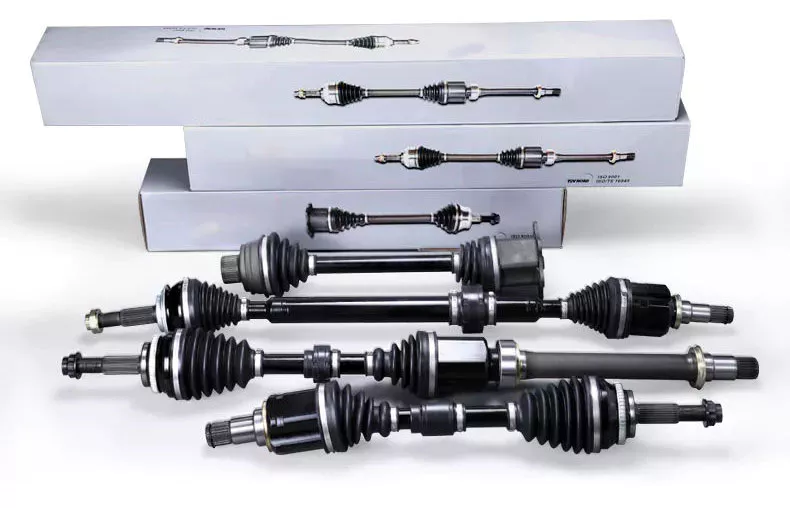
How do PTO shafts ensure efficient power transfer while maintaining safety?
PTO (Power Take-Off) shafts play a crucial role in ensuring efficient power transfer from a power source to driven machinery or equipment, while also maintaining safety. These shafts are designed with various features and mechanisms to optimize power transmission efficiency and mitigate potential hazards. Here’s a detailed explanation of how PTO shafts achieve efficient power transfer while prioritizing safety:
1. Mechanical Power Transmission: PTO shafts serve as mechanical linkages between the power source, typically a tractor or engine, and the driven machinery. They transmit rotational power from the power source to the equipment, enabling efficient transfer of energy. The mechanical design of PTO shafts, including their diameter, length, and material composition, is optimized to minimize power losses during transmission, ensuring that a significant portion of the power generated by the source is effectively delivered to the machinery.
2. Universal Joints and Flexible Couplings: PTO shafts are equipped with universal joints and flexible couplings that allow for angular misalignment and flexibility in movement. Universal joints accommodate variations in the alignment between the power source and the driven machinery, enabling smooth power transfer even when the two components are not perfectly aligned. Flexible couplings help to compensate for slight misalignments, reduce vibration, and prevent excessive stress on the shaft and connected components, thereby enhancing efficiency and reducing the risk of mechanical failure or damage.
3. Constant Velocity (CV) Joints: CV joints are often used in PTO shafts to maintain constant speed and torque transfer, particularly in applications where the driven machinery requires flexibility or operates at different angles. CV joints allow for smooth power transmission without significant fluctuations, even when the driven machinery is at an angle relative to the power source. By minimizing speed variations and power loss due to changing angles, CV joints contribute to efficient power transfer while ensuring consistent performance and reducing the likelihood of mechanical stress or premature wear.
4. Safety Guards and Shields: Safety is a paramount consideration in the design of PTO shafts. Protective guards and shields are installed to cover the rotating shaft and other moving parts. These guards act as physical barriers to prevent accidental contact with the rotating components, significantly reducing the risk of entanglement, injury, or damage. Safety guards are typically made of durable materials such as metal or plastic and are designed to allow the necessary movement for power transmission while providing adequate protection. Regular inspection and maintenance of these guards are crucial to ensure their effectiveness in maintaining safety.
5. Shear Bolt or Slip Clutch Mechanisms: PTO shafts often incorporate shear bolt or slip clutch mechanisms as safety features to protect the driveline components and prevent damage in case of excessive torque or sudden resistance. Shear bolts are designed to shear or break when the torque exceeds a predetermined threshold, disconnecting the PTO shaft from the power source. This helps prevent damage to the shaft, driven machinery, and power source. Slip clutches work similarly by allowing the PTO shaft to slip when excessive resistance is encountered, protecting the components from overload. These mechanisms act as safety measures to maintain the integrity of the PTO shaft and associated equipment while minimizing the risk of mechanical failures or accidents.
6. Compliance with Safety Standards: PTO shafts are designed and manufactured to comply with relevant safety standards and regulations. Manufacturers follow guidelines and requirements set by organizations such as the American Society of Agricultural and Biological Engineers (ASABE) or other regional safety authorities. Compliance with these standards ensures that PTO shafts meet specific safety criteria, including torque capacity, guard design, and other safety considerations. Users can rely on standardized PTO shafts that have undergone testing and certification, providing an additional layer of assurance regarding their safety and performance.
7. Operator Education and Training: To ensure safe and efficient operation, it is essential for operators to receive proper education and training on PTO shafts. Operators should be familiar with the specific safety features, maintenance requirements, and safe operating procedures for the PTO shafts used in their applications. This includes understanding the importance of using appropriate personal protective equipment, regularly inspecting the equipment for wear or damage, and following recommended maintenance schedules. Operator awareness and adherence to safety protocols significantly contribute to maintaining a safe working environment and maximizing the efficiency of power transfer.
In summary, PTO shafts ensure efficient power transfer while maintaining safety through their mechanical design, incorporation of universal joints and CV joints, installation of safety guards and shields, implementation of shear bolt or slip clutch mechanisms, compliance with safety standards, and operator education. By combining these features and practices, PTO shafts provide reliable and secure power transmission, minimizing power losses and potential risks associated with their operation.
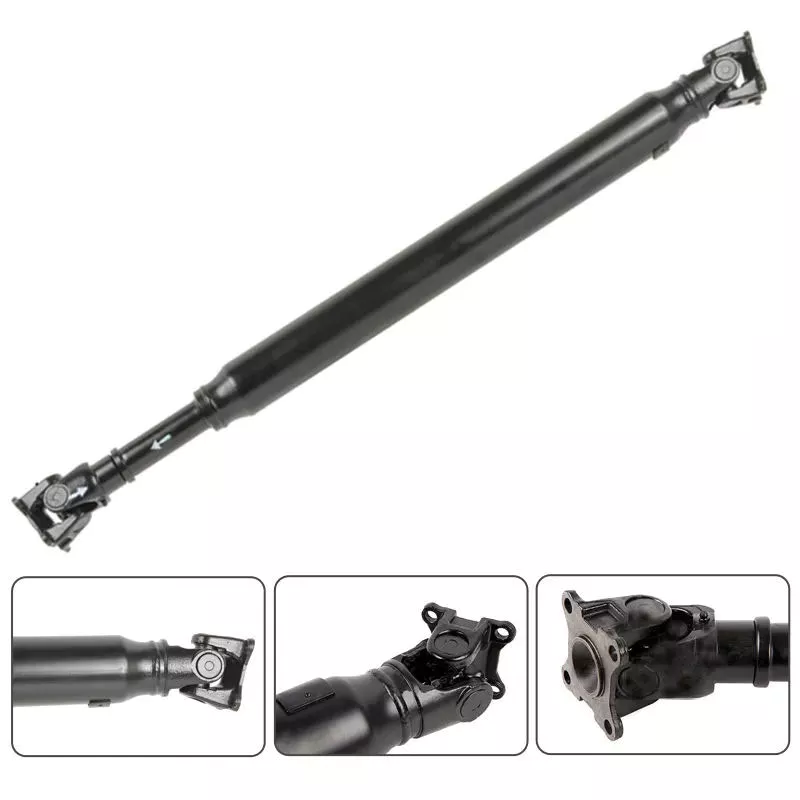
Gibt es irgendwelche Einschränkungen oder Nachteile im Zusammenhang mit Zapfwellen?
Zapfwellen bieten zwar zahlreiche Vorteile hinsichtlich Kraftübertragung und Vielseitigkeit, weisen aber auch gewisse Einschränkungen und Nachteile auf. Diese Faktoren müssen bei der Verwendung von Zapfwellen berücksichtigt werden, um einen sicheren und effizienten Betrieb zu gewährleisten. Im Folgenden finden Sie eine detaillierte Erläuterung einiger Einschränkungen und Nachteile von Zapfwellen:
1. Sicherheitsrisiken: Eine der größten Gefahren bei Zapfwellen ist das potenzielle Sicherheitsrisiko. Zapfwellen rotieren mit hoher Geschwindigkeit und können ein erhebliches Risiko darstellen, wenn sie nicht ordnungsgemäß geschützt oder gehandhabt werden. Ein versehentlicher Kontakt mit einer ungeschützten oder unzureichend geschützten Zapfwelle kann schwere Verletzungen wie Verheddern, Amputationen oder sogar Todesfälle zur Folge haben. Um diese Risiken zu minimieren, ist es unerlässlich, die Sicherheitsrichtlinien einzuhalten, geeignete Schutzvorrichtungen zu installieren und sicherzustellen, dass die Bediener in sicheren Handhabungspraktiken geschult sind.
2. Wartung und Schmierung: Zapfwellen benötigen regelmäßige Wartung und Schmierung, um optimale Leistung und Langlebigkeit zu gewährleisten. Die beweglichen Teile, wie z. B. Kreuzgelenke und Keilwellen, müssen in den empfohlenen Intervallen geprüft, gereinigt und geschmiert werden. Vernachlässigte Wartung kann zu vorzeitigem Verschleiß, verminderter Effizienz und potenziellen Ausfällen führen. Sorgfältige Wartungsmaßnahmen, einschließlich regelmäßiger Inspektionen und rechtzeitiger Schmierung, sind daher unerlässlich, um diese Probleme zu vermeiden.
3. Ausrichtung und Winkel: Zapfwellen benötigen eine präzise Ausrichtung und die richtigen Winkel, um eine effiziente Kraftübertragung zu gewährleisten. Fehlausrichtungen oder zu große Winkel zwischen Antriebsquelle und angetriebener Maschine können zu erhöhtem Verschleiß und Belastung der Bauteile und damit zu vorzeitigem Ausfall führen. Die korrekte Ausrichtung und Winkeleinstellung, beispielsweise mithilfe von verstellbaren Gleitstücken, ist daher wichtig, um übermäßige Belastungen der Zapfwelle und der zugehörigen Ausrüstung zu vermeiden.
4. Längenbeschränkungen: Zapfwellen unterliegen aufgrund technischer Gegebenheiten Längenbeschränkungen. Die Teleskopkonstruktion ermöglicht zwar eine gewisse Anpassung, jedoch ist die maximale Aus- und Einfahrlänge der Welle praktisch begrenzt. Überschreitet der Abstand zwischen Antriebsquelle und angetriebener Maschine die maximale oder unterschreitet er die minimale Länge der Zapfwelle, sind alternative Lösungen oder Modifikationen erforderlich. In manchen Fällen können zusätzliche Komponenten wie Antriebswellenverlängerungen oder Getriebe notwendig sein, um die Distanz zu überbrücken.
5. Kompatibilität: Obwohl Hersteller stets auf Kompatibilität achten, kann die Suche nach der passenden Zapfwelle für spezifische Gerätekonfigurationen dennoch eine Herausforderung darstellen. Geräte können hinsichtlich Verzahnungsgrößen, Drehmomentwerten oder Anschlussarten spezielle Anforderungen stellen, die mit handelsüblichen Zapfwellen möglicherweise nicht ohne Weiteres verfügbar oder kompatibel sind. Um diese Kompatibilitätsprobleme zu lösen, kann eine individuelle Anpassung erforderlich sein, was zu höheren Kosten oder längeren Lieferzeiten führen kann.
6. Lärm und Vibrationen: Zapfwellen können im Betrieb, insbesondere bei höheren Drehzahlen, erhebliche Geräusche und Vibrationen erzeugen. Dies kann für die Bediener störend sein und zusätzliche Maßnahmen zur Geräuschreduzierung oder Vibrationsdämpfung erforderlich machen. Übermäßige Vibrationen können zudem die Gesamtleistung und Lebensdauer der Zapfwelle und der angeschlossenen Geräte beeinträchtigen. Der Einsatz von Schwingungsdämpfern oder flexiblen Kupplungen kann diese Probleme mindern.
7. Leistungsgrenzen: Zapfwellen haben aufgrund ihrer Konstruktion, der verwendeten Materialien und Komponenten spezifische Leistungsgrenzen. Eine Überschreitung dieser Grenzen kann zu vorzeitigem Verschleiß, Bauteilausfällen oder sogar zum Bruch der Welle führen. Um einen sicheren und zuverlässigen Betrieb zu gewährleisten, ist es daher unerlässlich, die empfohlenen Nennleistungen für Zapfwellen zu kennen und einzuhalten. In manchen Fällen kann es erforderlich sein, auf eine Zapfwelle mit höherer Kapazität umzusteigen oder zusätzliche Kraftübertragungskomponenten einzusetzen, um höhere Leistungsanforderungen zu erfüllen.
8. Komplexe Montage und Demontage: Die Montage und Demontage von Zapfwellen kann ein komplexer Vorgang sein, insbesondere in beengten Räumen oder bei der Arbeit mit schweren Maschinen. Dabei müssen unter Umständen Verzahnungen ausgerichtet, Kupplungen eingerastet und Verriegelungsmechanismen gesichert werden. Unsachgemäße Montage- oder Demontageverfahren können die Welle oder die zugehörigen Bauteile beschädigen. Eine angemessene Schulung, der richtige Umgang mit den Geräten und die Einhaltung der Herstellerrichtlinien sind daher unerlässlich, um die sichere Montage und Demontage von Zapfwellen zu gewährleisten.
Trotz dieser Einschränkungen und Nachteile sind Nebenabtriebswellen nach wie vor weit verbreitete und wertvolle Komponenten zur Kraftübertragung in verschiedenen Branchen. Durch Berücksichtigung dieser Aspekte und die Implementierung geeigneter Sicherheitsmaßnahmen, Wartungspraktiken und Ausrichtungsverfahren lassen sich die potenziellen Nachteile von Nebenabtriebswellen wirksam minimieren und ein sicherer und effizienter Betrieb gewährleisten.

What is a PTO shaft and how is it used in agricultural and industrial equipment?
A power take-off (PTO) shaft is a mechanical component used in agricultural and industrial equipment to transfer power from a power source, such as an engine or motor, to another machine or implement. It is a driveline shaft that transmits rotational power and torque, allowing the connected equipment to perform various tasks. PTO shafts are commonly used in agricultural machinery, such as tractors, as well as in industrial equipment, including generators, pumps, and construction machinery. Here’s a detailed explanation of what a PTO shaft is and how it is used:
Structure and Components: A typical PTO shaft consists of a hollow metal tube with universal joints at each end. The hollow tube allows the shaft to rotate freely, while the universal joints accommodate angular misalignments between the power source and the driven equipment. The universal joints consist of a cross-shaped yoke with needle bearings, providing flexibility and allowing the transmission of power at varying angles. Some PTO shafts may also include a telescopic section to adjust the length for different equipment setups or to accommodate varying distances between the power source and the driven machine.
Power Transfer: The primary function of a PTO shaft is to transfer power and torque from the power source to the driven equipment. The power source, typically an engine or motor, drives the PTO shaft through a mechanical connection, such as a gearbox or a clutch. As the power source rotates, it transmits rotational force to the PTO shaft. The PTO shaft, in turn, transfers this rotational power and torque to the driven equipment, enabling it to perform its intended function. The torque and rotational speed transmitted through the PTO shaft depend on the power source’s characteristics and the gear ratio or clutch engagement.
Agricultural Applications: In agriculture, PTO shafts are commonly used in tractors to power various implements and attachments. The PTO shaft is connected to the tractor’s power take-off, a rotating drive shaft located at the rear of the tractor. By engaging the PTO clutch, the tractor’s engine power is transferred through the PTO shaft to the attached implements. Agricultural machinery, such as mowers, balers, tillers, sprayers, and grain augers, often rely on PTO shafts to receive power for their operation. The PTO shaft allows the implements to be powered directly by the tractor’s engine, eliminating the need for separate power sources and increasing the versatility and efficiency of agricultural operations.
Industrial Applications: PTO shafts also find extensive use in various industrial applications. Industrial equipment, such as generators, pumps, compressors, and industrial mixers, often incorporate PTO shafts to receive power from engines or electric motors. The PTO shaft connects the power source to the driven equipment, allowing it to operate and perform its intended function. In construction machinery, PTO shafts can be found in equipment like concrete mixers, hydraulic hammers, and post hole diggers, enabling the transfer of power from the machinery’s engine to the specific attachment or tool being used.
Safety Considerations: It is important to note that PTO shafts can pose safety risks if not handled properly. The rotating shaft can cause serious injuries if operators come into contact with it while it is in operation. To ensure safety, PTO shafts are often equipped with shielding or guards that cover the rotating shaft and universal joints, preventing accidental contact. It is crucial to maintain and inspect these safety features regularly to ensure their effectiveness. Additionally, operators should receive proper training on PTO shaft operation, including safe attachment and detachment procedures, as well as the use of personal protective equipment when working near PTO-driven machinery.
In summary, a PTO shaft is a mechanical component used in agricultural and industrial equipment to transmit power and torque from a power source to a driven machine or implement. It enables the direct power transfer from engines or motors to various equipment, increasing efficiency and versatility in agricultural and industrial operations. While PTO shafts offer significant benefits, operators must be aware of the associated safety considerations and take appropriate precautions to prevent accidents and injuries.


editor by CX 2024-04-30