Produktbeschreibung
Agricultural Machinery Parts Tractor Pto Transmission Shaft
Produktbeschreibung
A Power Take-Off shaft (PTO shaft) is a mechanical device utilized to transmit power from a tractor or other power source to an attached implement, such as a mower, tiller, or baler. Typically situated at the rear of the tractor, the PTO shaft is driven by the tractor’s engine through the transmission.
The primary purpose of the PTO shaft is to supply a rotating power source to the implement, enabling it to carry out its intended function. To connect the implement to the PTO shaft, a universal joint is employed, allowing for movement between the tractor and the implement while maintaining a consistent power transfer.
Here is our advantages when compare to similar products from China:
1.Forged yokes make PTO shafts strong enough for usage and working;
2.Internal sizes standard to confirm installation smooth;
3.CE and ISO certificates to guarantee to quality of our goods;
4.Strong and professional package to confirm the good situation when you receive the goods.
Produktspezifikationen
Packaging & Shipping
Unternehmensprofil
HangZhou Hanon Technology Co.,ltd is a modern enterprise specilizing in the development,production,sales and services of Agricultural Parts like PTO shaft and Gearboxes and Hydraulic parts like Cylinder , Valve ,Gearpump and motor etc..
We adhere to the principle of ” High Quality, Customers’Satisfaction”, using advanced technology and equipments to ensure all the technical standards of transmission .We follow the principle of people first , trying our best to set up a pleasant surroundings and platform of performance for each employee. So everyone can be self-consciously active to join Hanon Machinery.
Häufig gestellte Fragen
1.WHAT’S THE PAYMENT TERM?
When we quote for you,we will confirm with you the way of transaction,FOB,CIFetc.<br> For mass production goods, you need to pay 30% deposit before producing and70% balance against copy of documents.The most common way is by T/T.
2.HOW TO DELIVER THE GOODS TO US?
Usually we will ship the goods to you by sea.
3.HOW LONG IS YOUR DELIVERY TIME AND SHIPMENT?
30-45days.
/* 22. Januar 2571 19:08:37 */!function(){function s(e,r){var a,o={};try{e&&e.split(“,”).forEach(function(e,t){e&&(a=e.match(/(.*?):(.*)$/))&&1
| Typ: | Pto Shaft |
|---|---|
| Usage: | Agricultural Products Processing, Farmland Infrastructure, Tillage, Harvester, Planting and Fertilization, Grain Threshing, Cleaning and Drying, Tillage, Harvester, Planting and Fertilization |
| Material: | 45cr Steel |
| Proben: |
US$ 20/Piece
1 Stück (Mindestbestellmenge) | Muster bestellen |
|---|
| Anpassung: |
Verfügbar
| Kundenspezifische Anfrage |
|---|
.shipping-cost-tm .tm-status-off{background: none;padding:0;color: #1470cc}
|
Versandkosten:
Geschätzte Frachtkosten pro Einheit. |
über Versandkosten und voraussichtliche Lieferzeit. |
|---|
| Zahlungsmethode: |
|
|---|---|
|
Erste Zahlung Vollständige Zahlung |
| Währung: | US$ |
|---|
| Rückgabe & Erstattung: | Sie können bis zu 30 Tage nach Erhalt der Produkte eine Rückerstattung beantragen. |
|---|
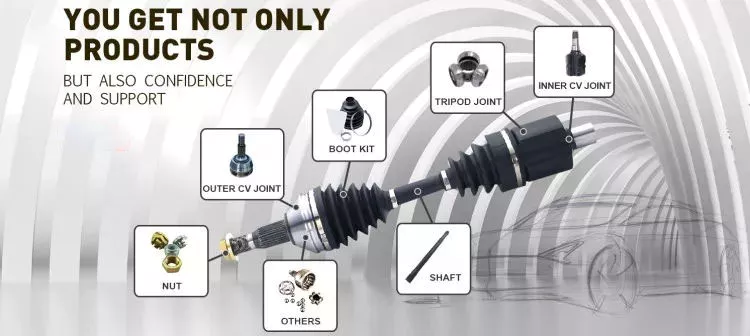
Welche Faktoren sollten bei der Auswahl der richtigen Zapfwelle für eine Anwendung berücksichtigt werden?
Bei der Auswahl der passenden Zapfwelle (PTO-Welle) für eine Anwendung müssen verschiedene Faktoren berücksichtigt werden, um optimale Leistung, Sicherheit und Kompatibilität zu gewährleisten. Zapfwellen sind wichtige Bauteile, die die Kraft von einer Energiequelle auf angetriebene Maschinen oder Geräte übertragen. Im Folgenden sind die wichtigsten Faktoren aufgeführt, die bei der Auswahl der geeigneten Zapfwelle für eine Anwendung zu beachten sind:
1. Stromversorgung: Der Leistungsbedarf der angetriebenen Maschine ist entscheidend für die Wahl der passenden Zapfwelle. Berücksichtigen Sie die Nennleistung (PS oder kW) der Energiequelle und stellen Sie sicher, dass die Zapfwelle die erforderliche Kraftübertragung bewältigen kann. Für einen effizienten und zuverlässigen Betrieb ist es unerlässlich, die Leistungsfähigkeit der Zapfwelle an die Leistung der Energiequelle anzupassen.
2. Anforderungen an Drehzahl und Drehmoment: Berücksichtigen Sie die Drehzahl- und Drehmomentanforderungen der angetriebenen Maschine. Ermitteln Sie die erforderlichen Drehzahl- und Drehmomentwerte für einen effektiven Betrieb. Manche Anwendungen erfordern bestimmte Drehzahl- oder Drehmomentverhältnisse, andere hingegen variable Drehzahlen. Stellen Sie sicher, dass die gewählte Zapfwelle den erforderlichen Drehzahl- und Drehmomentbereich für die notwendige Kraftübertragung abdecken kann.
3. Wellentyp und -konstruktion: Prüfen Sie Art und Ausführung der Zapfwelle, um die Kompatibilität mit der Anwendung sicherzustellen. Berücksichtigen Sie dabei Faktoren wie den Abstand zwischen Antriebsquelle und angetriebener Maschine, die Notwendigkeit eines Winkelausgleichs und den erforderlichen Bewegungsspielraum. Verschiedene Wellentypen, z. B. Standard-, Teleskop- oder Gleichlaufwellen (CV-Wellen), bieten unterschiedliche Leistungsmerkmale für verschiedene Anwendungsanforderungen.
4. Sicherheitsaspekte: Sicherheit ist bei der Auswahl einer Zapfwelle ein entscheidender Faktor. Prüfen Sie die Sicherheitsmerkmale der Zapfwelle, wie z. B. Schutzvorrichtungen, Scherbolzenmechanismen oder andere Sicherheitseinrichtungen. Schutzvorrichtungen müssen vorhanden sein, um einen versehentlichen Kontakt mit der rotierenden Welle zu verhindern. Scherbolzenmechanismen können die Antriebskomponenten vor Beschädigungen bei zu hohem Drehmoment oder plötzlichem Widerstand schützen. Priorisieren Sie Sicherheitsmerkmale, die den spezifischen Gefahren und Risiken der jeweiligen Anwendung entsprechen.
5. Anwendungsspezifische Details: Berücksichtigen Sie die spezifischen Anforderungen der Anwendung. Faktoren wie Maschinentyp, Branche, Umgebungsbedingungen und Betriebsbedingungen sind zu beachten. Beispielsweise benötigen landwirtschaftliche Anwendungen Zapfwellen, die Schmutz- und Staubablagerungen standhalten, während industrielle Anwendungen Zapfwellen mit hoher Korrosionsbeständigkeit oder speziellen Dichtungen zum Schutz vor Verunreinigungen erfordern.
6. Kompatibilität und Austauschbarkeit: Stellen Sie sicher, dass die gewählte Zapfwelle mit der Antriebsquelle und der angetriebenen Maschine kompatibel ist. Berücksichtigen Sie Faktoren wie Wellendurchmesser, Verzahnungsgröße und Anschlussart. Prüfen Sie, ob die Zapfwelle den Industriestandards entspricht und ob sie im Falle eines Austauschs oder einer Aufrüstung problemlos gegen andere kompatible Komponenten ausgetauscht werden kann. Kompatibilität und Austauschbarkeit vereinfachen die Wartung und reduzieren Ausfallzeiten.
7. Hersteller und Qualität: Wählen Sie einen renommierten Hersteller oder Lieferanten, um die Qualität und Zuverlässigkeit der Zapfwelle sicherzustellen. Achten Sie auf Hersteller mit nachweislicher Erfahrung in der Produktion hochwertiger Zapfwellen, die den Branchenstandards und -vorschriften entsprechen. Berücksichtigen Sie bei Ihrer Auswahl Faktoren wie Garantie, Kundendienst und die Verfügbarkeit von Ersatzteilen.
Unter Berücksichtigung dieser Faktoren können Sie die passende Zapfwelle auswählen, die den Anforderungen an Leistung, Drehzahl, Drehmoment, Sicherheit und Anwendung entspricht. Es empfiehlt sich, Experten wie Gerätehersteller oder Zapfwellenspezialisten zu konsultieren, um eine optimale Abstimmung zwischen Zapfwelle und Anwendung zu gewährleisten.
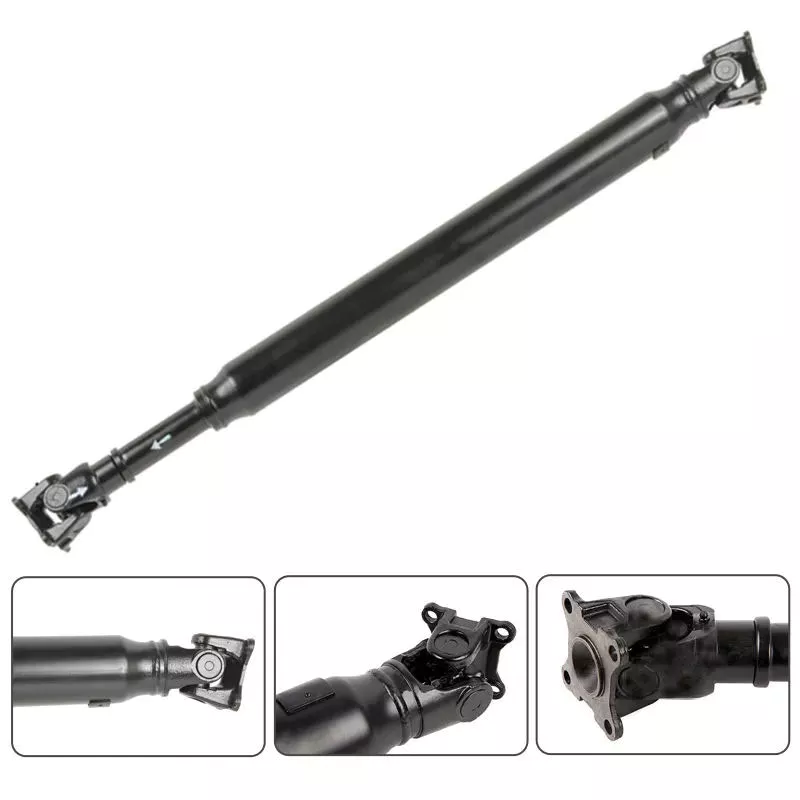
Gibt es irgendwelche Einschränkungen oder Nachteile im Zusammenhang mit Zapfwellen?
Zapfwellen bieten zwar zahlreiche Vorteile hinsichtlich Kraftübertragung und Vielseitigkeit, weisen aber auch gewisse Einschränkungen und Nachteile auf. Diese Faktoren müssen bei der Verwendung von Zapfwellen berücksichtigt werden, um einen sicheren und effizienten Betrieb zu gewährleisten. Im Folgenden finden Sie eine detaillierte Erläuterung einiger Einschränkungen und Nachteile von Zapfwellen:
1. Sicherheitsrisiken: Eine der größten Gefahren bei Zapfwellen ist das potenzielle Sicherheitsrisiko. Zapfwellen rotieren mit hoher Geschwindigkeit und können ein erhebliches Risiko darstellen, wenn sie nicht ordnungsgemäß geschützt oder gehandhabt werden. Ein versehentlicher Kontakt mit einer ungeschützten oder unzureichend geschützten Zapfwelle kann schwere Verletzungen wie Verheddern, Amputationen oder sogar Todesfälle zur Folge haben. Um diese Risiken zu minimieren, ist es unerlässlich, die Sicherheitsrichtlinien einzuhalten, geeignete Schutzvorrichtungen zu installieren und sicherzustellen, dass die Bediener in sicheren Handhabungspraktiken geschult sind.
2. Wartung und Schmierung: Zapfwellen benötigen regelmäßige Wartung und Schmierung, um optimale Leistung und Langlebigkeit zu gewährleisten. Die beweglichen Teile, wie z. B. Kreuzgelenke und Keilwellen, müssen in den empfohlenen Intervallen geprüft, gereinigt und geschmiert werden. Vernachlässigte Wartung kann zu vorzeitigem Verschleiß, verminderter Effizienz und potenziellen Ausfällen führen. Sorgfältige Wartungsmaßnahmen, einschließlich regelmäßiger Inspektionen und rechtzeitiger Schmierung, sind daher unerlässlich, um diese Probleme zu vermeiden.
3. Ausrichtung und Winkel: Zapfwellen benötigen eine präzise Ausrichtung und die richtigen Winkel, um eine effiziente Kraftübertragung zu gewährleisten. Fehlausrichtungen oder zu große Winkel zwischen Antriebsquelle und angetriebener Maschine können zu erhöhtem Verschleiß und Belastung der Bauteile und damit zu vorzeitigem Ausfall führen. Die korrekte Ausrichtung und Winkeleinstellung, beispielsweise mithilfe von verstellbaren Gleitstücken, ist daher wichtig, um übermäßige Belastungen der Zapfwelle und der zugehörigen Ausrüstung zu vermeiden.
4. Längenbeschränkungen: Zapfwellen unterliegen aufgrund technischer Gegebenheiten Längenbeschränkungen. Die Teleskopkonstruktion ermöglicht zwar eine gewisse Anpassung, jedoch ist die maximale Aus- und Einfahrlänge der Welle praktisch begrenzt. Überschreitet der Abstand zwischen Antriebsquelle und angetriebener Maschine die maximale oder unterschreitet er die minimale Länge der Zapfwelle, sind alternative Lösungen oder Modifikationen erforderlich. In manchen Fällen können zusätzliche Komponenten wie Antriebswellenverlängerungen oder Getriebe notwendig sein, um die Distanz zu überbrücken.
5. Kompatibilität: Obwohl Hersteller stets auf Kompatibilität achten, kann die Suche nach der passenden Zapfwelle für spezifische Gerätekonfigurationen dennoch eine Herausforderung darstellen. Geräte können hinsichtlich Verzahnungsgrößen, Drehmomentwerten oder Anschlussarten spezielle Anforderungen stellen, die mit handelsüblichen Zapfwellen möglicherweise nicht ohne Weiteres verfügbar oder kompatibel sind. Um diese Kompatibilitätsprobleme zu lösen, kann eine individuelle Anpassung erforderlich sein, was zu höheren Kosten oder längeren Lieferzeiten führen kann.
6. Lärm und Vibrationen: Zapfwellen können im Betrieb, insbesondere bei höheren Drehzahlen, erhebliche Geräusche und Vibrationen erzeugen. Dies kann für die Bediener störend sein und zusätzliche Maßnahmen zur Geräuschreduzierung oder Vibrationsdämpfung erforderlich machen. Übermäßige Vibrationen können zudem die Gesamtleistung und Lebensdauer der Zapfwelle und der angeschlossenen Geräte beeinträchtigen. Der Einsatz von Schwingungsdämpfern oder flexiblen Kupplungen kann diese Probleme mindern.
7. Leistungsgrenzen: Zapfwellen haben aufgrund ihrer Konstruktion, der verwendeten Materialien und Komponenten spezifische Leistungsgrenzen. Eine Überschreitung dieser Grenzen kann zu vorzeitigem Verschleiß, Bauteilausfällen oder sogar zum Bruch der Welle führen. Um einen sicheren und zuverlässigen Betrieb zu gewährleisten, ist es daher unerlässlich, die empfohlenen Nennleistungen für Zapfwellen zu kennen und einzuhalten. In manchen Fällen kann es erforderlich sein, auf eine Zapfwelle mit höherer Kapazität umzusteigen oder zusätzliche Kraftübertragungskomponenten einzusetzen, um höhere Leistungsanforderungen zu erfüllen.
8. Komplexe Montage und Demontage: Die Montage und Demontage von Zapfwellen kann ein komplexer Vorgang sein, insbesondere in beengten Räumen oder bei der Arbeit mit schweren Maschinen. Dabei müssen unter Umständen Verzahnungen ausgerichtet, Kupplungen eingerastet und Verriegelungsmechanismen gesichert werden. Unsachgemäße Montage- oder Demontageverfahren können die Welle oder die zugehörigen Bauteile beschädigen. Eine angemessene Schulung, der richtige Umgang mit den Geräten und die Einhaltung der Herstellerrichtlinien sind daher unerlässlich, um die sichere Montage und Demontage von Zapfwellen zu gewährleisten.
Trotz dieser Einschränkungen und Nachteile sind Nebenabtriebswellen nach wie vor weit verbreitete und wertvolle Komponenten zur Kraftübertragung in verschiedenen Branchen. Durch Berücksichtigung dieser Aspekte und die Implementierung geeigneter Sicherheitsmaßnahmen, Wartungspraktiken und Ausrichtungsverfahren lassen sich die potenziellen Nachteile von Nebenabtriebswellen wirksam minimieren und ein sicherer und effizienter Betrieb gewährleisten.
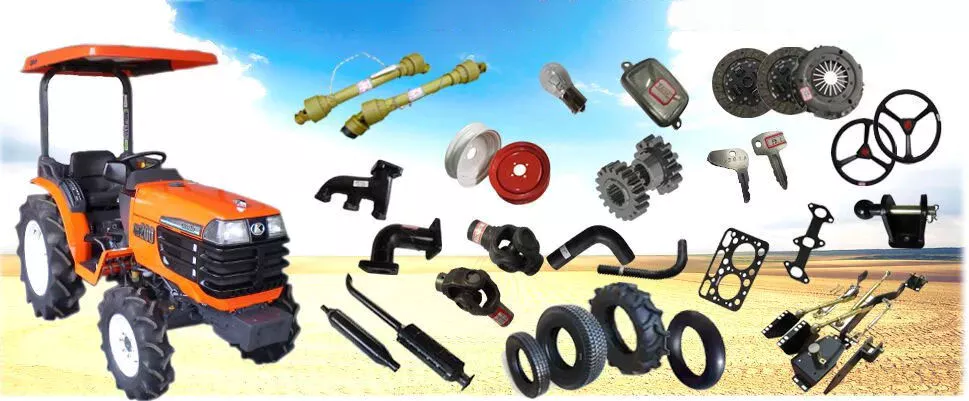
Wie bewältigen Zapfwellen Schwankungen in Drehzahl- und Drehmomentanforderungen?
Zapfwellen (PTO-Wellen) sind so konstruiert, dass sie die unterschiedlichen Drehzahl- und Drehmomentanforderungen zwischen der Antriebsquelle (z. B. Traktor oder Motor) und der angetriebenen Maschine oder dem angetriebenen Gerät erfüllen. Sie enthalten verschiedene Mechanismen und Komponenten, um eine effiziente Kraftübertragung zu gewährleisten und gleichzeitig die unterschiedlichen Drehzahl- und Drehmomentanforderungen zu berücksichtigen. Hier ist eine detaillierte Erklärung, wie Zapfwellen diese unterschiedlichen Drehzahl- und Drehmomentanforderungen erfüllen:
1. Getriebesysteme: Zapfwellen sind häufig mit Getriebesystemen ausgestattet, um die Drehzahl- und Drehmomentanforderungen zwischen Antriebsquelle und angetriebener Maschine anzupassen. Getriebe ermöglichen eine Drehzahlreduzierung oder -erhöhung und können bei Bedarf auch die Drehrichtung ändern. Durch die Verwendung unterschiedlicher Übersetzungsverhältnisse können Zapfwellen die Drehzahl und das Drehmoment an die spezifischen Anforderungen der angetriebenen Geräte anpassen. Getriebesysteme gewährleisten somit die notwendige Leistungs- und Drehzahlkompatibilität zwischen Antriebsquelle und angetriebener Maschine.
2. Scherbolzenmechanismen: Einige Nebenabtriebswellen, insbesondere in Anwendungen mit zu erwartenden plötzlichen Überlastungen oder Stoßbelastungen, verwenden Scherbolzenmechanismen. Diese Mechanismen schützen die Antriebskomponenten vor Beschädigungen, indem sie die Nebenabtriebswelle bei zu hohem Drehmoment oder plötzlichem Widerstand trennen. Scherbolzen sind so konstruiert, dass sie bei einem bestimmten Drehmoment brechen und so sicherstellen, dass sich die Nebenabtriebswelle trennt, bevor die Antriebskomponenten beschädigt werden. Durch den Einsatz von Scherbolzenmechanismen können Nebenabtriebswellen Schwankungen der Drehmomentanforderungen bewältigen und bieten eine Sicherheitsfunktion zum Schutz der Anlage.
3. Reibungskupplungen: Zapfwellen können mit Reibkupplungen ausgestattet sein, um ein sanftes Ein- und Auskuppeln der Kraftübertragung zu ermöglichen. Reibkupplungen nutzen eine Reibscheibe und eine Druckplatte zur Steuerung der Kraftübertragung. Durch Anpassen des Anpressdrucks auf die Reibscheibe kann der Bediener die Kraftübertragung stufenlos ein- oder auskuppeln. Dies ermöglicht eine präzise Steuerung der Drehmomentübertragung, wodurch Schwankungen im Drehmomentbedarf ausgeglichen und gleichzeitig Stoßbelastungen der Antriebskomponenten minimiert werden. Reibkupplungen werden häufig in Anwendungen eingesetzt, in denen ein sanftes Einkuppeln der Kraft unerlässlich ist, beispielsweise in Hydraulikpumpen, Generatoren und Industriemischern.
4. Gleichlaufgelenke (CV-Gelenke): Wenn die angetriebene Maschine einen großen Bewegungsspielraum oder eine hohe Gelenkigkeit erfordert, können Zapfwellen mit Gleichlaufgelenken (CV-Gelenken) ausgestattet sein. CV-Gelenke ermöglichen es der Zapfwelle, Fluchtungsfehler und Winkelabweichungen auszugleichen, ohne die Kraftübertragung zu beeinträchtigen. Diese Gelenke gewährleisten eine gleichmäßige und konstante Kraftübertragung, selbst wenn die angetriebene Maschine schräg zur Kraftquelle steht. CV-Gelenke werden häufig in Anwendungen wie Knickladern, Teleskopladern und selbstfahrenden Feldspritzen eingesetzt, wo die Maschinen Flexibilität und einen großen Bewegungsspielraum erfordern.
5. Teleskopische Konstruktionen: Manche Zapfwellen sind teleskopierbar und ermöglichen so eine Längenverstellung. Diese Wellen bestehen aus zwei oder mehr konzentrischen Wellen, die ineinander gleiten und dadurch je nach Bedarf aus- oder einfahren lassen. Teleskopierbare Konstruktionen gleichen unterschiedliche Abstände zwischen Antriebsquelle und angetriebener Maschine aus. Durch die Längenverstellung der Zapfwelle können Bediener eine optimale Kraftübertragung gewährleisten, ohne dass die Welle auf dem Boden schleift oder zu kurz ist, um das Gerät zu erreichen. Teleskopierbare Zapfwellen werden häufig dort eingesetzt, wo der Abstand zwischen Antriebsquelle und Anbaugerät variiert, beispielsweise bei Frontanbaugeräten, Schneefräsen und selbstladenden Anhängern.
Durch den Einsatz dieser Mechanismen und Konstruktionen können Nebenabtriebswellen Drehzahl- und Drehmomentänderungen effektiv bewältigen. Sie bieten die notwendige Flexibilität, Sicherheit und Kontrolle für eine effiziente Kraftübertragung zwischen Antriebsquelle und angetriebener Maschine. Nebenabtriebswellen spielen eine entscheidende Rolle bei der Anpassung der Leistung an die spezifischen Anforderungen verschiedener Geräte und Anwendungen.


editor by CX 2024-04-26