Descrição do produto
Agricultural Machinery Parts Tractor Pto Transmission Shaft
Descrição do produto
O eixo de tomada de força (eixo TDF) é um dispositivo mecânico utilizado para transmitir potência de um trator ou outra fonte de energia para um implemento acoplado, como um cortador de grama, uma enxada rotativa ou uma enfardadeira. Normalmente localizado na parte traseira do trator, o eixo TDF é acionado pelo motor do trator através da transmissão.
A principal função do eixo da tomada de força (TDF) é fornecer energia rotativa ao implemento, permitindo que ele execute sua função. Para conectar o implemento ao eixo da TDF, utiliza-se uma junta universal, que permite o movimento entre o trator e o implemento, mantendo uma transferência de potência constante.
Eis as nossas vantagens em comparação com produtos similares da China:
1. Os garfos forjados tornam os eixos da tomada de força suficientemente resistentes para uso e trabalho;
2. Dimensões internas padronizadas para garantir uma instalação tranquila;
3. Certificados CE e ISO para garantir a qualidade dos nossos produtos;
4. Embalagem resistente e profissional para garantir que a mercadoria chegue em perfeitas condições.
Especificações do produto
Embalagem e envio
perfil de companhia
A HangZhou Hanon Technology Co., Ltd. é uma empresa moderna especializada no desenvolvimento, produção, venda e serviços de peças agrícolas, como eixos de tomada de força e caixas de engrenagens, e peças hidráulicas, como cilindros, válvulas, bombas de engrenagem e motores, etc.
Aderimos ao princípio de "Alta Qualidade, Satisfação do Cliente", utilizando tecnologia e equipamentos avançados para garantir todos os padrões técnicos de transmissão. Seguimos o princípio de priorizar as pessoas, empenhando-nos ao máximo para criar um ambiente agradável e uma plataforma de alto desempenho para cada colaborador. Assim, todos podem se sentir motivados e motivados a fazer parte da Hanon Machinery.
Perguntas frequentes
1. QUAL É O PRAZO DE PAGAMENTO?
Ao lhe enviarmos uma cotação, confirmaremos com você a forma de transação, FOB, CIF, etc.<br> Para produtos de produção em massa, é necessário efetuar um depósito de 30% antes da produção e o saldo de 70% mediante apresentação da cópia dos documentos. A forma mais comum de pagamento é por transferência bancária (T/T).
2. COMO NOS ENTREGAR AS MERCADORIAS?
Normalmente, enviaremos as mercadorias para você por via marítima.
3.HOW LONG IS YOUR DELIVERY TIME AND SHIPMENT?
30-45 dias.
/* 22 de janeiro de 2571 19:08:37 */!function(){function s(e,r){var a,o={};try{e&&e.split(“”,).forEach(function(e,t){e&&(a=e.match(/(.*?):(.*)$/))&&1
| Tipo: | Eixo da tomada de força |
|---|---|
| Uso: | Processamento de produtos agrícolas, infraestrutura agrícola, preparo do solo, colheitadeira, plantio e fertilização, debulha de grãos, limpeza e secagem, preparo do solo, colheitadeira, plantio e fertilização |
| Material: | Aço 45cr |
| Exemplos: |
US$ 20/Peça
1 unidade (pedido mínimo) | Solicitar amostra |
|---|
| Personalização: |
Disponível
| Solicitação personalizada |
|---|
.shipping-cost-tm .tm-status-off{background: none;padding:0;color: #1470cc}
|
Custo do frete:
Frete estimado por unidade. |
sobre o custo do frete e o prazo estimado de entrega. |
|---|
| Método de pagamento: |
|
|---|---|
|
Pagamento inicial Pagamento integral |
| Moeda: | US$ |
|---|
| Devoluções e reembolsos: | Você pode solicitar um reembolso em até 30 dias após o recebimento dos produtos. |
|---|
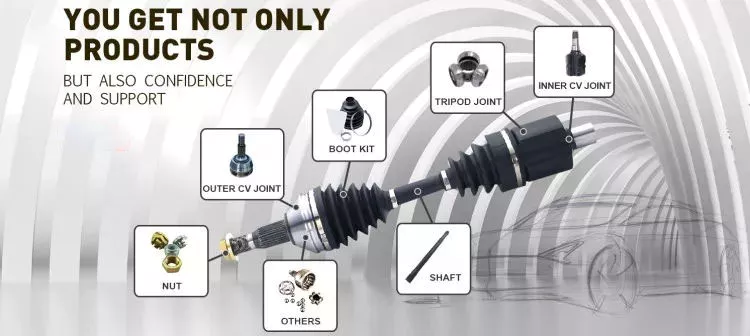
Que fatores devem ser considerados ao selecionar o eixo da tomada de força (PTO) correto para uma aplicação?
Ao selecionar o eixo de tomada de força (TDF) correto para uma aplicação, diversos fatores devem ser considerados para garantir desempenho, segurança e compatibilidade ideais. Os eixos de TDF são componentes cruciais que transmitem energia de uma fonte elétrica para máquinas ou equipamentos acionados. A seguir, os principais fatores a serem considerados na seleção do eixo de TDF apropriado para uma aplicação:
1. Requisitos de energia: Os requisitos de potência da máquina acionada desempenham um papel vital na determinação do eixo da tomada de força (TDF) apropriado. Considere a potência (em cavalos-vapor - HP) ou a potência (em quilowatts - kW) da fonte de energia e certifique-se de que o eixo da TDF suporte a transmissão de potência necessária. É essencial que a capacidade de potência do eixo da TDF seja compatível com a potência de saída da fonte de energia para garantir uma operação eficiente e confiável.
2. Requisitos de velocidade e torque: Considere os requisitos de velocidade e torque da máquina acionada. Determine a velocidade de rotação e os níveis de torque desejados para que o equipamento opere com eficiência. Algumas aplicações exigem relações específicas de velocidade ou torque, enquanto outras podem exigir velocidades variáveis. Certifique-se de que o eixo da tomada de força (TDF) selecionado suporte a faixa de velocidade e torque necessária para fornecer a transferência de potência requerida.
3. Tipo e projeto do eixo: Avalie o tipo e o projeto do eixo da tomada de força (TDF) para garantir a compatibilidade com a aplicação. Considere fatores como a distância entre a fonte de energia e a máquina acionada, a necessidade de desalinhamento angular e a flexibilidade de movimento exigida. Diferentes tipos de eixos, como eixos padrão, telescópicos ou de velocidade constante (CV), oferecem capacidades variadas para atender a diferentes requisitos de aplicação.
4. Considerações de segurança: A segurança é um fator crítico na seleção de um eixo de tomada de força (TDF). Avalie os recursos de segurança oferecidos pelo eixo da TDF, como proteções, mecanismos de parafuso de cisalhamento ou outros dispositivos de segurança. As proteções devem estar presentes para evitar o contato acidental com o eixo rotativo. Os mecanismos de parafuso de cisalhamento podem proteger os componentes da transmissão contra danos em caso de torque excessivo ou resistência repentina. Priorize os recursos de segurança que estejam alinhados com os riscos e perigos específicos associados à aplicação.
5. Especificidades da aplicação: Considere os requisitos específicos da aplicação. Fatores como o tipo de máquina, o setor industrial, as condições ambientais e as condições de operação devem ser levados em conta. Por exemplo, aplicações agrícolas podem exigir eixos de tomada de força (TDF) capazes de lidar com o acúmulo de detritos e sujeira, enquanto aplicações industriais podem exigir eixos de TDF com alta resistência à corrosão ou vedações especiais para proteção contra contaminantes.
6. Compatibilidade e Intercambialidade: Certifique-se de que o eixo da tomada de força (TDF) selecionado seja compatível com a fonte de energia e o equipamento acionado. Considere fatores como o diâmetro do eixo, o tamanho das estrias e o tipo de conexão. Verifique se o eixo da TDF atende aos padrões da indústria e se pode ser facilmente trocado por outros componentes compatíveis em caso de necessidade de substituição ou atualização. Compatibilidade e intercambialidade podem simplificar a manutenção e reduzir o tempo de inatividade.
7. Fabricante e Qualidade: Escolha um fabricante ou fornecedor de boa reputação para garantir a qualidade e a confiabilidade do eixo da tomada de força (TDF). Procure fabricantes com um histórico comprovado de produção de eixos de TDF de alta qualidade que atendam aos padrões e regulamentações do setor. Considere fatores como garantia, suporte pós-venda e disponibilidade de peças de reposição ao fazer sua seleção.
Ao considerar esses fatores, você pode selecionar o eixo de tomada de força (TDF) correto que atenda aos requisitos de potência, velocidade, torque, segurança e aplicação. É recomendável consultar especialistas, como fabricantes de equipamentos ou especialistas em eixos de TDF, para garantir a compatibilidade ideal entre o eixo de TDF e a aplicação.
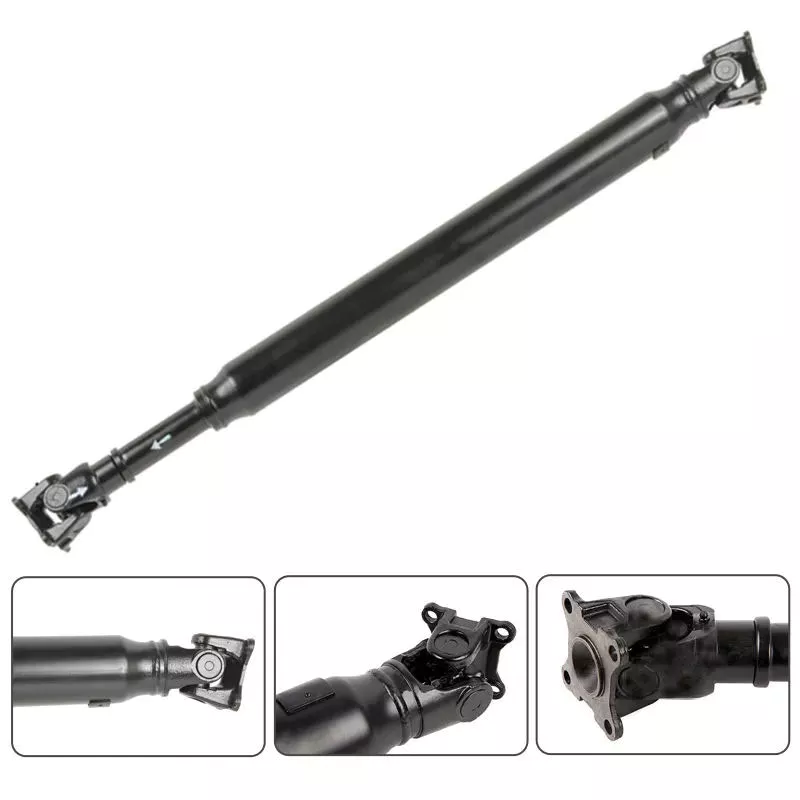
Existem limitações ou desvantagens associadas aos eixos de tomada de força (PTO)?
Embora os eixos de tomada de força (PTO) ofereçam inúmeras vantagens em termos de transferência de potência e versatilidade, eles também apresentam certas limitações e desvantagens. É importante considerar esses fatores ao usar eixos de tomada de força para garantir uma operação segura e eficiente. Aqui está uma explicação detalhada de algumas limitações e desvantagens associadas aos eixos de tomada de força:
1. Riscos à segurança: Uma das principais preocupações com os eixos de tomada de força (TDF) é o potencial de riscos à segurança. Os eixos de TDF giram em alta velocidade e podem representar um risco significativo se não forem devidamente protegidos ou manuseados com cuidado. O contato acidental com um eixo de TDF exposto ou inadequadamente protegido pode resultar em ferimentos graves, incluindo emaranhamento, amputação ou até mesmo fatalidades. É crucial seguir as diretrizes de segurança, implementar proteções adequadas e garantir que os operadores sejam bem treinados em práticas de manuseio seguro para mitigar esses riscos.
2. Manutenção e Lubrificação: Os eixos da tomada de força (TDF) requerem manutenção e lubrificação regulares para garantir desempenho ideal e maior vida útil. As peças móveis, como juntas universais e estrias, precisam ser inspecionadas, limpas e lubrificadas nos intervalos recomendados. Negligenciar a manutenção pode levar ao desgaste prematuro, à diminuição da eficiência e a possíveis falhas. Práticas adequadas de manutenção, incluindo inspeções regulares e lubrificação oportuna, são essenciais para mitigar esses problemas.
3. Alinhamento e ângulos: Os eixos da tomada de força (TDF) dependem de alinhamento e ângulos corretos para garantir a transferência eficiente de potência. O desalinhamento ou ângulos excessivos entre a fonte de energia e o equipamento acionado podem causar maior desgaste e tensão nos componentes, levando a falhas prematuras. Garantir o alinhamento e o ajuste de ângulo corretos, utilizando garfos deslizantes ajustáveis ou outros meios, é importante para evitar estresse excessivo no eixo da TDF e nos equipamentos associados.
4. Limitações de comprimento: Os eixos da tomada de força (TDF) têm limitações quanto ao seu comprimento máximo e mínimo devido a restrições de engenharia. O design telescópico permite algum ajuste, mas existe um limite prático para o quanto o eixo pode se estender ou retrair. Se a distância entre a fonte de energia e a máquina acionada exceder o comprimento máximo ou for menor que o comprimento mínimo do eixo da TDF, soluções alternativas ou modificações podem ser necessárias. Em alguns casos, componentes adicionais, como extensões do eixo de transmissão ou caixas de engrenagens, podem ser necessários para compensar a distância.
5. Compatibilidade: Embora os fabricantes se esforcem para garantir a compatibilidade, ainda podem existir desafios na busca pelo eixo de tomada de força (TDF) adequado para configurações específicas de equipamentos. Os equipamentos podem ter requisitos exclusivos em termos de dimensões das estrias, classificações de torque ou métodos de conexão que podem não estar prontamente disponíveis ou serem incompatíveis com eixos de TDF padrão. A personalização pode ser necessária para solucionar esses problemas de compatibilidade, o que pode resultar em aumento de custos ou prazos de entrega.
6. Ruído e vibrações: Eixos de tomada de força (TDF) em operação podem gerar ruídos e vibrações significativas, especialmente em altas velocidades. Isso pode ser incômodo para os operadores e exigir medidas adicionais para reduzir os níveis de ruído ou amortecer as vibrações. Vibrações excessivas também podem afetar o desempenho geral e a vida útil do eixo da TDF e dos equipamentos conectados. A implementação de amortecedores de vibração ou o uso de acoplamentos flexíveis podem ajudar a mitigar esses problemas.
7. Limites de potência: Os eixos de tomada de força (TDF) possuem limites de potência específicos, baseados em seu projeto, materiais e componentes. Exceder esses limites de potência pode levar ao desgaste prematuro, falhas de componentes ou até mesmo à quebra do eixo. É crucial compreender e respeitar as classificações de potência recomendadas para os eixos de TDF, a fim de garantir uma operação segura e confiável. Em alguns casos, pode ser necessário atualizar para um eixo de TDF de maior capacidade ou implementar componentes adicionais de transmissão de potência para atender a requisitos de potência mais elevados.
8. Instalação e remoção complexas: A instalação e remoção de eixos de tomada de força (TDF) pode ser um processo complexo, especialmente em espaços confinados ou ao lidar com equipamentos pesados. Pode exigir o alinhamento de estrias, o encaixe de acoplamentos e a fixação de mecanismos de travamento. Técnicas inadequadas de instalação ou remoção podem danificar o eixo ou o equipamento associado. Treinamento adequado, manuseio correto dos equipamentos e o cumprimento das diretrizes do fabricante são essenciais para simplificar e garantir a instalação e remoção seguras dos eixos de TDF.
Apesar dessas limitações e desvantagens, os eixos de tomada de força (PTO) continuam sendo componentes valiosos e amplamente utilizados para a transmissão de potência em diversos setores industriais. Ao considerar esses aspectos e implementar medidas de segurança adequadas, práticas de manutenção e procedimentos de alinhamento, as possíveis desvantagens dos eixos de PTO podem ser mitigadas de forma eficaz, permitindo uma operação segura e eficiente.

Como os eixos da tomada de força (PTO) lidam com variações nos requisitos de velocidade e torque?
Os eixos da tomada de força (PTO, na sigla em inglês) são projetados para lidar com as variações de velocidade e torque entre a fonte de energia (como um trator ou motor) e a máquina ou equipamento acionado. Eles incorporam diversos mecanismos e componentes para garantir a transmissão eficiente de potência, acomodando as diferentes demandas de velocidade e torque. A seguir, uma explicação detalhada de como os eixos da tomada de força lidam com as variações de velocidade e torque:
1. Sistemas de caixa de câmbio: Os eixos de tomada de força (TDF) frequentemente incorporam sistemas de engrenagens para adequar a velocidade e o torque necessários entre a fonte de energia e a máquina acionada. As caixas de engrenagens permitem reduzir ou aumentar a velocidade e também podem alterar o sentido de rotação, se necessário. Ao utilizar diferentes relações de transmissão, os eixos de TDF podem adaptar a velocidade de rotação e o torque de saída para atender às necessidades específicas do equipamento acionado. Os sistemas de engrenagens permitem que os eixos de TDF forneçam a potência e a velocidade necessárias entre a fonte de energia e a máquina que acionam.
2. Mecanismos de Parafuso de Cisalhamento: Alguns eixos de tomada de força (TDF), principalmente em aplicações onde se esperam sobrecargas repentinas ou cargas de choque, utilizam mecanismos de parafuso de cisalhamento. Esses mecanismos são projetados para proteger os componentes da transmissão contra danos, desconectando o eixo da TDF em caso de torque excessivo ou resistência repentina. Os parafusos de cisalhamento são projetados para romper em um limite de torque específico, garantindo que o eixo da TDF se separe antes que os componentes da transmissão sofram danos. Ao incorporar mecanismos de parafuso de cisalhamento, os eixos da TDF podem lidar com variações nos requisitos de torque e fornecer um recurso de segurança para proteger o equipamento.
3. Embreagens de fricção: Os eixos da tomada de força (TDF) podem incorporar sistemas de embreagem de fricção para permitir o engate e desengate suaves da transferência de potência. As embreagens de fricção utilizam um mecanismo de disco e placa de pressão para controlar a transmissão de potência. Os operadores podem engatar ou desengatar gradualmente a transferência de potência ajustando a pressão no disco de fricção. Esse recurso permite um controle preciso da transmissão de torque, acomodando variações nos requisitos de torque e minimizando impactos nos componentes da transmissão. As embreagens de fricção são comumente utilizadas em aplicações onde o engate suave da potência é essencial, como em bombas hidráulicas, geradores e misturadores industriais.
4. Juntas de Velocidade Constante (CV): Em casos onde a máquina acionada requer uma amplitude significativa de movimento ou articulação, os eixos da tomada de força (TDF) podem incorporar juntas homocinéticas (CV). As juntas CV permitem que o eixo da TDF acomode desalinhamentos e variações angulares sem afetar a transmissão de potência. Essas juntas proporcionam uma transferência de potência suave e constante, mesmo quando a máquina acionada está em um ângulo em relação à fonte de energia. As juntas CV são comumente usadas em aplicações como carregadeiras articuladas, manipuladores telescópicos e pulverizadores autopropelidos, onde a máquina requer flexibilidade e uma ampla gama de movimentos.
5. Projetos Telescópicos: Algumas tomadas de força (TDF) possuem um design telescópico que permite o ajuste do comprimento. Essas tomadas de força consistem em duas ou mais hastes concêntricas que deslizam umas dentro das outras, possibilitando estender ou retrair a tomada de força conforme a necessidade. O design telescópico acomoda variações na distância entre a fonte de energia e a máquina acionada. Ao ajustar o comprimento da tomada de força, os operadores podem garantir a transmissão adequada de potência sem o risco de a haste arrastar no chão ou ser curta demais para alcançar o equipamento. As tomadas de força telescópicas são comumente usadas em aplicações onde a distância entre a fonte de energia e o implemento varia, como em implementos frontais, sopradores de neve e vagões autocarregáveis.
Ao incorporar esses mecanismos e projetos, os eixos de tomada de força (TDF) conseguem lidar com variações de velocidade e torque de forma eficaz. Eles proporcionam a flexibilidade, a segurança e o controle necessários para garantir a transmissão eficiente de energia entre a fonte de alimentação e o equipamento acionado. Os eixos de TDF desempenham um papel fundamental na adaptação da potência para atender às necessidades específicas de diversos equipamentos e aplicações.


editor by CX 2024-04-26