产品描述
Agricultural Machinery Parts Tractor Pto Transmission Shaft
产品描述
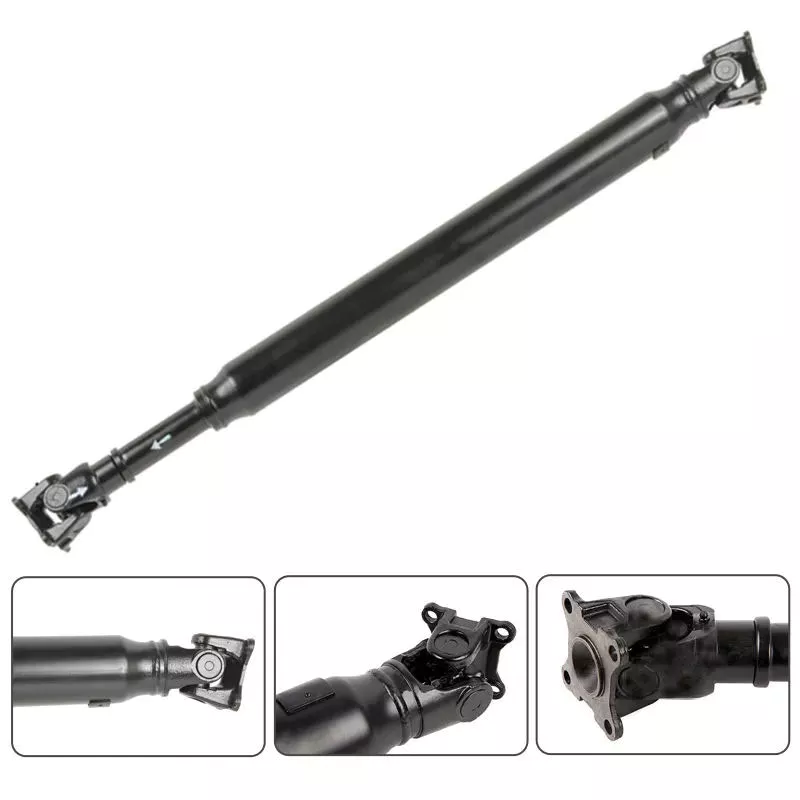
A Power Take-Off shaft (PTO shaft) is a mechanical device utilized to transmit power from a tractor or other power source to an attached implement, such as a mower, tiller, or baler. Typically situated at the rear of the tractor, the PTO shaft is driven by the tractor’s engine through the transmission.
The primary purpose of the PTO shaft is to supply a rotating power source to the implement, enabling it to carry out its intended function. To connect the implement to the PTO shaft, a universal joint is employed, allowing for movement between the tractor and the implement while maintaining a consistent power transfer.
与中国同类产品相比,我们的优势如下:
1.锻造轭使动力输出轴足够坚固,能够承受使用和工作;
2.内部尺寸符合标准,确保安装顺利;
3. 我们拥有CE和ISO认证,以保证我们产品的质量;
4.采用坚固专业的包装,确保您收到货物时完好无损。
产品规格
包装和运输
公司简介
杭州汉能科技有限公司是一家现代化企业,专业从事农业机械零部件(如动力输出轴、齿轮箱)和液压零部件(如油缸、阀门、齿轮泵、马达等)的研发、生产、销售和服务。
我们秉承“高质量,客户满意”的原则,采用先进的技术和设备,确保传动系统符合所有技术标准。我们坚持以人为本的原则,竭力为每位员工营造舒适的工作环境和良好的发展平台,使每个人都能积极主动地加入汉能机械。
常问问题
1.WHAT’S THE PAYMENT TERM?
当我们为您报价时,我们会与您确认交易方式,例如FOB、CIF等。<br> 对于批量生产的商品,您需要在生产前支付30%的定金,并在收到单据副本后支付70%的尾款。最常用的支付方式是电汇(T/T)。
2.HOW TO DELIVER THE GOODS TO US?
通常我们会通过海运将货物运送给您。
3.HOW LONG IS YOUR DELIVERY TIME AND SHIPMENT?
30-45days.
/* 2571 年 1 月 22 日 19:08:37 */!function(){function s(e,r){var a,o={};try{e&&e.split(“,”).forEach(function(e,t){e&&(a=e.match(/(.*?):(.*)$/))&&1
| 类型: | 动力输出轴 |
|---|---|
| 用法: | Agricultural Products Processing, Farmland Infrastructure, Tillage, Harvester, Planting and Fertilization, Grain Threshing, Cleaning and Drying, Tillage, Harvester, Planting and Fertilization |
| 材料: | 45cr Steel |
| 示例: |
US$ 20/件
1 件(最低订购量) | 订购样品 |
|---|
| 定制化: |
可用的
| 定制请求 |
|---|
.shipping-cost-tm .tm-status-off{background: none;padding:0;color: #1470cc}
|
运费:
每件商品预计运费。 |
关于运费和预计送达时间。 |
|---|
| 付款方式: |
|
|---|---|
|
首付款 全额付款 |
| 货币: | US$ |
|---|
| 退货和退款: | 您可以在收到产品后 30 天内申请退款。 |
|---|
在为特定应用选择合适的动力输出轴时,应考虑哪些因素?
在为特定应用选择合适的动力输出轴 (PTO) 时,需要考虑多个因素,以确保最佳性能、安全性和兼容性。动力输出轴是至关重要的部件,负责将动力从动力源传递到被驱动机械或设备。以下是为特定应用选择合适的动力输出轴时需要考虑的关键因素:
1. 电源要求: 被驱动机械的功率需求在确定合适的动力输出轴(PTO轴)时起着至关重要的作用。应考虑动力源的马力(HP)或千瓦(kW)额定值,并确保动力输出轴能够承受所需的动力传输。动力输出轴的功率容量必须与动力源的功率输出相匹配,才能确保高效可靠的运行。
2. 速度和扭矩要求: 考虑被驱动机械的转速和扭矩要求。确定设备有效运行所需的转速和扭矩水平。某些应用需要特定的转速或扭矩比,而其他应用可能需要变速。确保所选的动力输出轴能够承受所需的转速和扭矩范围,以提供必要的动力传输。
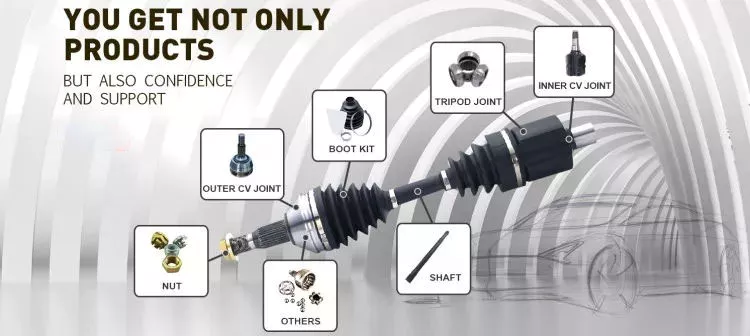
3. 轴类型和设计: 评估动力输出轴的类型和设计,以确保其与应用兼容。考虑的因素包括动力源与被驱动机械之间的距离、角度偏差要求以及所需的运动灵活性。不同类型的轴,例如标准轴、伸缩轴或等速万向节 (CV) 轴,具有不同的功能,可满足不同的应用需求。
4. 安全注意事项: 选择动力输出轴时,安全性至关重要。应评估动力输出轴的安全特性,例如防护罩、剪切螺栓机构或其他安全装置。防护罩应能防止意外接触旋转轴。剪切螺栓机构可在扭矩过大或突然受力时保护传动系统部件免受损坏。应优先考虑与应用相关的特定危险和风险相符的安全特性。
5. 应用细节: 考虑应用的具体需求。应将机械类型、行业、环境条件和运行条件等因素纳入考量。例如,农业应用可能需要能够应对碎屑和污垢堆积的动力输出轴,而工业应用可能需要具有高耐腐蚀性或特殊密封性能的动力输出轴,以防止污染物进入。
6. 兼容性和互换性: 确保所选动力输出轴与动力源和被驱动机械兼容。考虑的因素包括轴径、花键尺寸和连接类型。检查动力输出轴是否符合行业标准,以及在需要更换或升级时是否能与其他兼容部件轻松互换。兼容性和互换性可以简化维护并减少停机时间。
7. 制造商和质量: 选择信誉良好的制造商或供应商,以确保动力输出轴的质量和可靠性。寻找那些拥有良好口碑,能够生产符合行业标准和法规的高质量动力输出轴的制造商。在选择时,还要考虑保修、售后支持和备件供应等因素。
通过考虑这些因素,您可以选择合适的动力输出轴,以满足功率、转速、扭矩、安全性和应用要求。建议咨询专家,例如设备制造商或动力输出轴专家,以确保动力输出轴与应用达到最佳匹配。
动力输出轴(PTO轴)有哪些局限性或缺点?
动力输出轴(PTO)在动力传输和多功能性方面具有诸多优势,但也存在一些局限性和缺点。使用动力输出轴时,务必考虑这些因素,以确保安全高效的运行。以下详细解释了动力输出轴的一些局限性和缺点:
1. 安全隐患: 动力输出轴(PTO轴)的主要安全隐患之一是潜在的危险。动力输出轴高速旋转,如果防护不当或操作不当,可能造成重大风险。意外接触裸露或防护不足的动力输出轴可能导致严重伤害,包括缠绕、截肢甚至死亡。因此,必须严格遵守安全准则,采取适当的防护措施,并确保操作人员接受过安全操作培训,以降低这些风险。
2. 维护和润滑: 动力输出轴需要定期维护和润滑,以确保最佳性能和使用寿命。万向节和花键等运动部件需要按照建议的周期进行检查、清洁和润滑。忽视维护会导致过早磨损、效率下降,甚至可能出现故障。正确的维护措施,包括定期检查和及时润滑,对于避免这些问题至关重要。
3. 对齐方式和角度: 动力输出轴 (PTO) 的高效动力传输依赖于正确的对准和角度。动力源与被驱动机械之间的不对中或角度过大会导致部件磨损和应力增加,最终导致过早失效。使用可调式滑动轭或其他方式确保正确的对准和角度调整,对于防止动力输出轴及其相关设备承受过大的应力至关重要。
4. 长度限制: 由于工程限制,动力输出轴(PTO轴)的最大和最小长度均有限制。伸缩式设计允许进行一定程度的调节,但轴的伸缩量存在实际限制。如果动力源与被驱动机械之间的距离超过动力输出轴的最大长度或小于其最小长度,则可能需要采用其他解决方案或进行改装。在某些情况下,可能需要额外的部件,例如传动轴延长件或变速箱,来弥补距离上的不足。
5. 兼容性: 尽管制造商努力确保兼容性,但为特定设备配置找到合适的动力输出轴仍然可能面临挑战。设备在花键尺寸、扭矩额定值或连接方式方面可能存在特殊要求,而这些要求可能无法轻易获得,或者与现成的动力输出轴不兼容。为了解决这些兼容性问题,可能需要进行定制,这可能会导致成本增加或交货时间延长。
6. 噪音和振动: 动力输出轴在运转时会产生明显的噪音和振动,尤其是在高速运转时。这会给操作人员带来不便,可能需要采取额外措施来降低噪音或抑制振动。过度振动还会影响动力输出轴及其连接设备的整体性能和使用寿命。安装减振器或使用柔性联轴器有助于缓解这些问题。
7. 功率限制: 动力输出轴(PTO轴)的功率限制取决于其设计、材料和部件。超过这些功率限制会导致过早磨损、部件故障,甚至轴断裂。了解并遵守PTO轴的推荐功率等级至关重要,以确保安全可靠的运行。在某些情况下,可能需要升级到更高容量的PTO轴或增加动力传输部件,以满足更高的功率需求。
8. 复杂的安装和拆卸: 安装和拆卸动力输出轴可能是一个复杂的过程,尤其是在狭小空间或操作重型设备时。这可能需要对准花键、接合联轴器以及固定锁定机构。不正确的安装或拆卸方法会导致轴或相关设备损坏。正确的培训、操作设备以及遵循制造商的指导方针对于简化和确保动力输出轴的安全安装和拆卸至关重要。
尽管存在这些局限性和缺点,动力输出轴仍然是各行业广泛应用且极具价值的动力传输部件。通过解决这些问题并实施适当的安全措施、维护规范和对准程序,可以有效减轻动力输出轴的潜在缺点,从而实现安全高效的运行。
动力输出轴如何应对速度和扭矩需求的变化?
动力输出轴(PTO轴)的设计目的是为了应对动力源(例如拖拉机或发动机)与被驱动机械或设备之间速度和扭矩需求的变化。它们集成了各种机构和部件,以确保高效的动力传输,同时满足不同的速度和扭矩需求。以下详细解释了动力输出轴如何处理速度和扭矩需求的变化:
1. 变速箱系统: 动力输出轴(PTO轴)通常配备变速箱系统,以匹配动力源和被驱动机械之间的速度和扭矩需求。变速箱可以实现速度的降低或提升,必要时还可以改变旋转方向。通过使用不同的齿轮比,动力输出轴可以调整转速和扭矩输出,以满足被驱动设备的特定需求。变速箱系统使动力输出轴能够确保动力源与其驱动机械之间所需的功率和速度匹配。
2. 剪切螺栓机构: 某些动力输出轴(PTO轴),尤其是在预期会承受突发过载或冲击载荷的应用中,会采用剪切螺栓机构。这些机构旨在通过在扭矩过大或遇到突发阻力时断开动力输出轴来保护传动系统部件免受损坏。剪切螺栓的设计使其在达到特定的扭矩阈值时断裂,从而确保动力输出轴在传动系统部件受损之前分离。通过采用剪切螺栓机构,动力输出轴能够应对扭矩需求的变化,并提供一项安全功能来保护设备。
3.摩擦离合器: 动力输出轴 (PTO) 可采用摩擦离合器系统,以实现动力传输的平稳接合和分离。摩擦离合器利用摩擦片和压盘机构来控制动力传输。操作人员可以通过调节摩擦片上的压力来逐步接合或分离动力传输。这一特性能够精确控制扭矩传输,适应扭矩需求的变化,同时最大限度地减少传动系统部件的冲击载荷。摩擦离合器常用于对动力平稳接合要求较高的应用中,例如液压泵、发电机和工业搅拌机。
4. 等速万向节(CV关节): 当被驱动机械需要大幅度的运动或铰接时,动力输出轴 (PTO) 可采用等速万向节 (CV) 连接。等速万向节允许动力输出轴在不影响动力传输的情况下适应不对中和角度变化。即使被驱动机械相对于动力源存在一定角度,这些连接也能提供平稳恒定的动力传输。等速万向节常用于铰接式装载机、伸缩臂叉装机和自走式喷雾器等需要灵活性和大范围运动的机械设备。
5.伸缩式设计: 部分动力输出轴采用伸缩式设计,可调节长度。这种轴由两根或多根同心轴组成,这些同心轴相互滑动,可根据需要伸长或缩回动力输出轴。伸缩式设计能够适应动力源与被驱动机械之间距离的变化。通过调节动力输出轴的长度,操作人员可以确保动力传输顺畅,避免轴拖地或过短而无法驱动设备。伸缩式动力输出轴常用于动力源与农具距离变化较大的场合,例如前置式农具、吹雪机和自装式货车。
通过集成这些机制和设计,动力输出轴能够有效应对速度和扭矩需求的变化。它们提供必要的灵活性、安全性和控制性,确保动力源与被驱动机械之间高效的动力传输。动力输出轴在动力调节方面发挥着至关重要的作用,能够满足各种设备和应用的特定需求。


editor by CX 2024-04-26