Description du produit
Premium Agricultural Machinery Transmission, Driveline, Pto Shaft
| Product No | Arbre de prise de force |
| Use For | Agricultual Machinery |
| OEM | Acceptable |
| Tube Types for PTO Shaft | Triangle,Lemon.Star |
| Universal Joint | Series1-8 |
| Colors of PTO Shaft | Base on Customer’s requirement |
| PTO Shaft Series | Series1-8 |
| Yoke Type | Available Options |
| Equipment End Connection Way | CV,Clutch,Yoke |
| Warranty | 1 Year |
Spécifications du produit
Detailed Photos
Profil de l'entreprise
HangZhou Rongwang Industry and Trade Co., Ltd. was established in 2007. The company develops and produces gearboxes, transmission shafts, and related accessories for various types of lawn mowers, rotary tillers, excavators, and other agricultural machinery. The products are sold to various countries in Europe and America. The company currently has processing and testing equipment such as machining centers, CNC machine tools, and coordinate measuring instruments, and has a strong research and development team, as well as complete after-sales support services.
The company is committed to meeting and surpassing customer needs with a rigorous work style, providing high-performance and high-quality products. We warmly welcome domestic and foreign enterprises to come and discuss cooperation. The company is willing to take on a new look and constantly innovate. Sincere and enthusiastic service, as always, close communication and cooperation with colleagues at home and abroad, working hand in hand to create brilliance.
Applicatio
Corporate Purpose
The company always adheres to the business philosophy of “integrity, excellence, innovation, and progress” , striving for survival with quality and development with technology.The employees of Rongwang Industry and Trade have many years of experience in mechanical processing and manufacturing, while also absorbing advanced technology and processes from both domestic and foreign countries.And has passed ISO9001 quality system certification certification.
Rongwang Enterprise Purpose: To create excellent enterprises with excellent products, discounted prices, and excellent services.
Vision:Power the industry, Transmit the world.Rongwang Machinery aims to be the leader in the power transmission industry.Mission: To provide trustworthy and affordable products for our customers.”Trustworthy”means high quality and safe products.We are trying to offer lower cost products without sacrificing quality.
/* 22 janvier 2571 19:08:37 */!function(){function s(e,r){var a,o={};try{e&&e.split(“,”).forEach(function(e,t){e&&(a=e.match(/(.*?):(.*)$/))&&1
| Matériel: | Acier allié |
|---|---|
| Charger: | Arbre de transmission |
| Rigidité et flexibilité : | Flexible Shaft |
| Précision dimensionnelle du diamètre du tourillon : | IT6-IT9 |
| Forme de l'axe : | Arbre droit |
| Forme de la tige : | Axe réel |
| Exemples : |
US$ 20/Pièce
1 pièce (commande minimale) | |
|---|
| Personnalisation : |
Disponible
| Demande personnalisée |
|---|
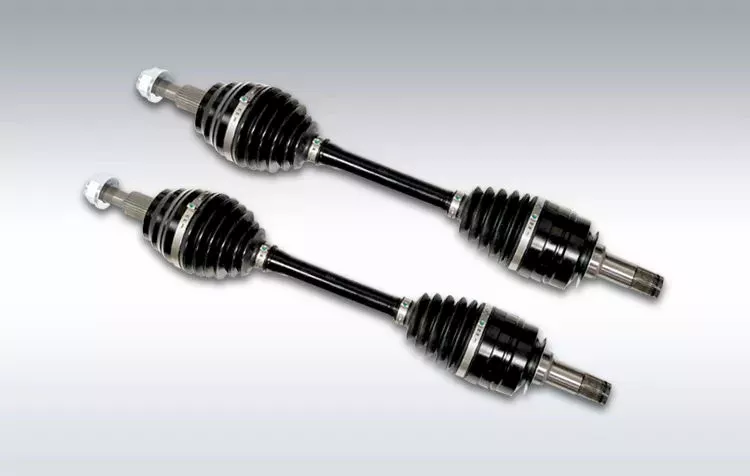
How do PTO shafts handle variations in length and connection methods?
PTO (Power Take-Off) shafts are designed to handle variations in length and connection methods to accommodate different equipment setups and ensure efficient power transfer. PTO shafts need to be adjustable in length to bridge the distance between the power source and the driven machinery. Additionally, they must provide versatile connection methods to connect to a wide range of equipment. Here’s a detailed explanation of how PTO shafts handle variations in length and connection methods:
1. Telescoping Design: PTO shafts often feature a telescoping design, allowing them to be adjusted in length to suit different equipment configurations. The telescoping feature enables the shaft to extend or retract, accommodating varying distances between the power source (such as a tractor or engine) and the driven machinery. By adjusting the length of the PTO shaft, it can be properly aligned and connected to ensure optimal power transfer. Telescoping PTO shafts typically consist of multiple tubular sections that slide into one another, providing flexibility in length adjustment.
2. Splined Shafts: PTO shafts commonly employ splined shafts as the primary connection method between the power source and driven machinery. Splines are a series of ridges or grooves along the shaft that interlock with corresponding grooves in the mating component. The splined connection allows for torque transfer while maintaining alignment between the power source and driven machinery. Splined shafts can handle variations in length by extending or retracting the telescoping sections while still maintaining a solid connection between the power source and the driven equipment.
3. Adjustable Sliding Yokes: PTO shafts typically feature adjustable sliding yokes on one or both ends of the shaft. These yokes allow for angular adjustment, accommodating variations in the alignment between the power source and driven machinery. The sliding yokes can be moved along the splined shaft to achieve the desired angle and maintain proper alignment. This flexibility ensures that the PTO shaft can handle length variations while ensuring efficient power transfer without placing excessive strain on the universal joints or other components.
4. Universal Joints: Universal joints are integral components of PTO shafts that allow for angular misalignment between the power source and driven machinery. They consist of a cross-shaped yoke with bearings that transmit torque between connected shafts while accommodating misalignment. Universal joints provide flexibility in connecting PTO shafts to equipment that may not be perfectly aligned. As the PTO shaft length varies, the universal joints compensate for the changes in angle, allowing for smooth power transmission even when there are variations in length or misalignment between the power source and driven machinery.
5. Coupling Mechanisms: PTO shafts utilize various coupling mechanisms to securely connect to the power source and driven machinery. These mechanisms often involve a combination of splines, bolts, locking pins, or quick-release mechanisms. The coupling methods can vary depending on the specific equipment and industry requirements. The versatility of PTO shafts allows for the use of different coupling methods, ensuring a reliable and secure connection regardless of the length variation or equipment configuration.
6. Customization Options: PTO shafts can be customized to handle specific length variations and connection methods. Manufacturers offer options to select different lengths of telescoping sections to match the specific distance between the power source and driven machinery. Additionally, PTO shafts can be tailored to accommodate various connection methods through the selection of splined shaft sizes, yoke designs, and coupling mechanisms. This customization enables PTO shafts to meet the specific requirements of different equipment setups, ensuring optimal power transfer and compatibility.
7. Safety Considerations: When handling variations in length and connection methods, it is essential to consider safety. PTO shafts incorporate protective guards and shields to prevent accidental contact with rotating components. These safety measures must be appropriately adjusted and installed to provide adequate coverage and protection, regardless of the PTO shaft’s length or connection configuration. Safety guidelines and regulations should be followed to ensure the proper installation, adjustment, and use of PTO shafts in order to prevent accidents or injuries.
By incorporating telescoping designs, splined shafts, adjustable sliding yokes, universal joints, and versatile coupling mechanisms, PTO shafts can handle variations in length and connection methods. The flexibility of PTO shafts allows them to adapt to different equipment setups, ensuring efficient power transfer while maintaining alignment and safety.
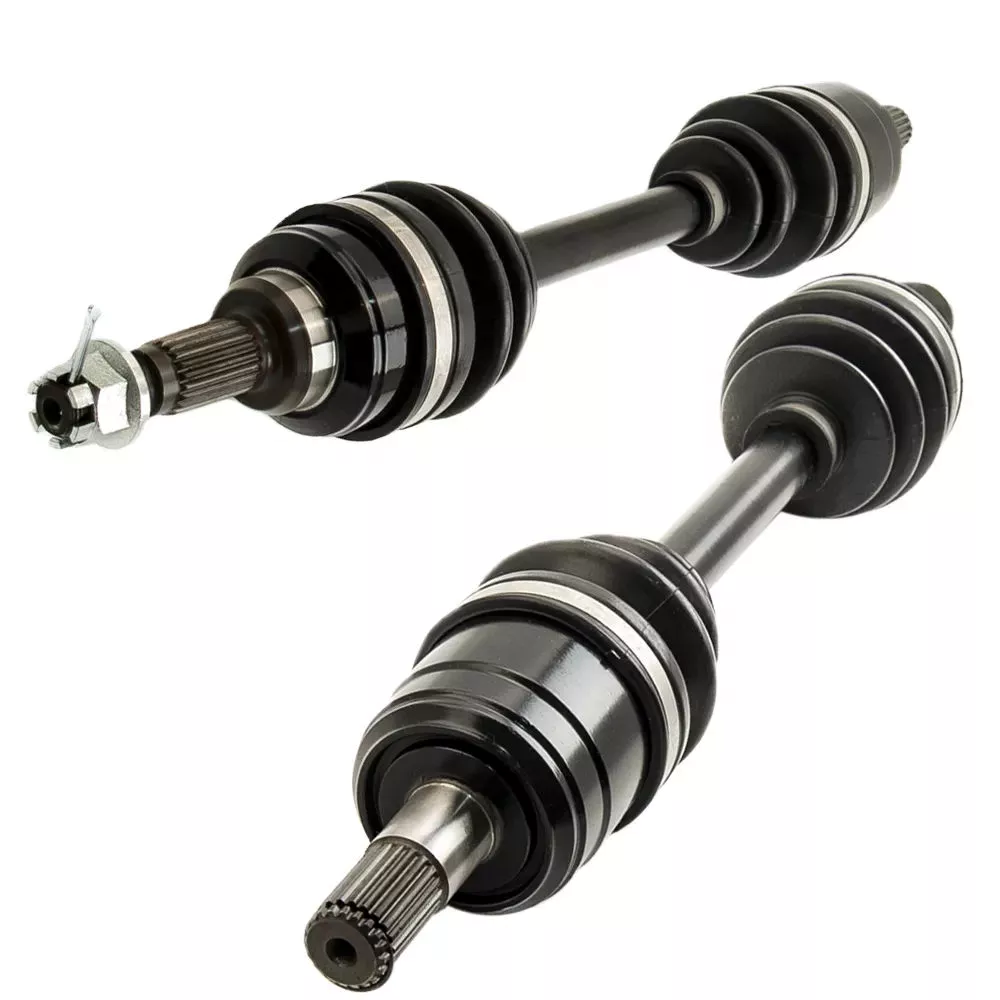
Can PTO shafts be customized for specific machinery and power requirements?
Yes, PTO (Power Take-Off) shafts can be customized to meet the specific machinery and power requirements of different applications. Manufacturers offer customization options to ensure that PTO shafts are precisely tailored to the power source, driven machinery, and the intended application. Here’s a detailed explanation of how PTO shafts can be customized:
1. Shaft Length: PTO shafts can be customized in terms of length to accommodate different equipment configurations. The length of the PTO shaft is critical to ensure proper alignment and connection between the power source and driven machinery. Manufacturers can provide PTO shafts with adjustable or fixed-length options, allowing for flexibility in meeting specific length requirements. Customizing the shaft length ensures that the PTO shaft fits the equipment properly, optimizing power transfer efficiency and reducing the risk of misalignment or excessive stress.
2. Spline Sizes: PTO shafts are available with different spline sizes to match the input and output shafts of various equipment. Spline size customization allows the PTO shaft to seamlessly connect to the power source and driven machinery. Manufacturers can offer different spline configurations, such as 1-3/8 inch, 1-3/4 inch, or metric sizes, to accommodate specific machinery requirements. Customizing the spline size ensures a proper fit and secure connection, enabling efficient power transfer without the need for additional adapters or modifications.
3. Yoke Designs: PTO shafts can be customized with different yoke designs to match the connection points on the power source and driven machinery. The yoke is the component that attaches to the shaft and connects to the equipment. Manufacturers can provide various yoke designs, such as round, triangular, or splined yokes, to ensure compatibility with specific machinery. Customizing the yoke design allows for a secure and reliable connection, aligning the PTO shaft with the equipment’s input/output shafts and optimizing power transmission efficiency.
4. Torque Ratings: PTO shafts can be customized to handle specific torque requirements based on the power demands of the application. Torque is the rotational force that the PTO shaft needs to transmit from the power source to the driven machinery. Manufacturers can design PTO shafts with different torque ratings by using appropriate materials, dimensions, and reinforcement techniques. Customizing the torque rating ensures that the PTO shaft can safely and reliably handle the required power levels without premature wear or failure.
5. Coupling Mechanisms: PTO shafts can be customized with different coupling mechanisms to match the connection requirements of specific equipment. Coupling mechanisms are the means by which the PTO shaft connects and disconnects from the power source and driven machinery. Manufacturers can provide various coupling options, such as quick-release couplings, shear pin couplings, or mechanical lock couplings, to accommodate different machinery designs and operational needs. Customizing the coupling mechanism ensures ease of use, secure attachment, and quick disengagement when necessary.
6. Protective Features: PTO shafts can be customized with additional protective features to enhance safety and durability. These features may include guard shields, safety covers, or slip clutches. Guard shields and safety covers provide physical protection by enclosing the rotating shaft and preventing accidental contact, reducing the risk of injuries. Slip clutches offer overload protection by allowing the PTO shaft to slip or disengage when excessive torque or resistance is encountered, preventing damage to the shaft and associated equipment. Customizing the protective features ensures compliance with safety regulations and addresses specific safety requirements of the machinery or application.
7. Material Selection: PTO shafts can be customized with different materials based on the application’s demands. Manufacturers can offer a range of material options, such as steel, aluminum, or composite materials, with varying strength, weight, and corrosion resistance properties. Customizing the material selection allows for optimizing the PTO shaft’s performance, considering factors like operating conditions, environmental exposure, and weight restrictions.
By providing customization options such as shaft length, spline sizes, yoke designs, torque ratings, coupling mechanisms, protective features, and material selection, manufacturers can ensure that PTO shafts are specifically tailored to meet the machinery and power requirements of different applications. Customized PTO shafts facilitate seamless integration, efficient power transfer, and reliable operation, enhancing the overall performance and productivity of the equipment.

Pouvez-vous expliquer les différents types d'arbres de prise de force et leurs applications ?
Les arbres de prise de force (PDF) se déclinent en différents modèles, chacun conçu pour des applications et des exigences spécifiques. Cette diversité d'arbres de PDF offre une grande polyvalence et une compatibilité avec une large gamme de machines et d'outils. Voici une explication des types d'arbres de PDF les plus courants et de leurs applications :
1. Arbre de prise de force standard : L'arbre de prise de force standard, également appelé arbre cannelé, est le type le plus courant utilisé dans les machines agricoles et industrielles. Il se compose d'un arbre en acier massif comportant des cannelures sur toute sa longueur. L'arbre de prise de force standard possède généralement six cannelures, bien qu'il existe des variantes à quatre ou huit cannelures. Ce type d'arbre est largement utilisé sur les tracteurs et divers outils, tels que les tondeuses, les presses à balles, les motoculteurs et les broyeurs rotatifs. Les cannelures assurent une liaison fiable entre la source d'énergie et la machine entraînée, garantissant ainsi une transmission de puissance efficace.
2. Arbre de prise de force à boulon de cisaillement : Les arbres de prise de force à boulon de cisaillement sont conçus avec un dispositif de sécurité permettant leur séparation en cas de surcharge ou de choc soudain, protégeant ainsi les composants de la transmission. Ces arbres de prise de force intègrent un mécanisme de boulon de cisaillement reliant la prise de force du tracteur à la machine entraînée. En cas de charge excessive ou de résistance soudaine, le boulon de cisaillement est conçu pour se rompre, déconnectant l'arbre de prise de force et évitant d'endommager la transmission. Les arbres de prise de force à boulon de cisaillement sont couramment utilisés sur les équipements susceptibles de rencontrer des obstacles soudains ou des contraintes importantes, tels que les broyeurs de branches, les dessoucheuses et les débroussailleuses rotatives robustes.
3. Arbre de prise de force à embrayage à friction : Les arbres de prise de force à embrayage à friction sont dotés d'un mécanisme d'embrayage permettant un engagement et un désengagement progressifs de la transmission de puissance. Ces arbres de prise de force intègrent généralement un disque de friction et un plateau de pression, similaires à un système d'embrayage automobile classique. L'embrayage à friction permet aux opérateurs d'engager ou de désengager la transmission de puissance en douceur, réduisant ainsi les à-coups et minimisant l'usure des composants de la transmission. Les arbres de prise de force à embrayage à friction sont couramment utilisés dans les applications exigeant un contrôle précis de l'engagement de la puissance, comme les pompes hydrauliques, les générateurs et les mélangeurs industriels.
4. Arbre de prise de force à vitesse constante (CV) : Les arbres de prise de force à vitesse constante (CV), également appelés arbres homocinétiques, sont conçus pour compenser d'importants angles de désalignement sans incidence sur la transmission de puissance. Ils utilisent un mécanisme de joint universel qui assure une transmission de puissance fluide, même lorsque la machine entraînée est inclinée par rapport à la source d'énergie. Les arbres de prise de force CV sont fréquemment utilisés dans les applications nécessitant une grande amplitude de mouvement ou d'articulation, comme les chargeuses articulées, les chariots télescopiques et les pulvérisateurs automoteurs.
5. Arbre de prise de force télescopique : Les arbres de prise de force télescopiques sont réglables en longueur, offrant une grande flexibilité dans la configuration des équipements et permettant de faire varier la distance entre la source d'énergie et la machine entraînée. Ils se composent de deux arbres concentriques ou plus qui coulissent l'un dans l'autre, permettant ainsi d'allonger ou de raccourcir l'arbre de prise de force selon les besoins. Les arbres de prise de force télescopiques sont couramment utilisés lorsque la distance entre la prise de force du tracteur et l'outil est variable, comme pour les outils frontaux, les souffleuses à neige et les remorques autochargeuses. Leur conception télescopique facilite l'adaptation aux différentes configurations d'équipement et minimise le risque de frottement de l'arbre de prise de force au sol.
6. Arbre de prise de force de la boîte de vitesses : Les arbres de prise de force à boîte de vitesses sont conçus pour adapter la transmission de puissance entre différentes vitesses ou directions de rotation. Ils intègrent un mécanisme de boîte de vitesses permettant de réduire ou d'augmenter la vitesse, ainsi que d'inverser le sens de rotation. Ces arbres sont couramment utilisés lorsque la machine entraînée nécessite une vitesse ou un sens de rotation différent de celui de la prise de force du tracteur. On peut citer comme exemples les vis sans fin à grains, les mélangeuses d'aliments pour animaux et les équipements industriels exigeant des rapports de vitesse spécifiques ou une fonction d'inversion de sens.
Il est important de noter que la disponibilité et les applications spécifiques des différents types d'arbres de prise de force peuvent varier selon les régions et les secteurs d'activité. De plus, certaines machines ou certains outils peuvent nécessiter des arbres de prise de force spécialisés ou sur mesure pour répondre à des exigences particulières.
En résumé, les différents types d'arbres de prise de force (PDF), tels que les arbres standard, à boulon de cisaillement, à embrayage à friction, à vitesse constante (CV), télescopiques et à boîte de vitesses, offrent polyvalence et compatibilité avec diverses machines et outils. Chaque type d'arbre de PDF est conçu pour répondre à des besoins spécifiques, comme l'efficacité de la transmission de puissance, la sécurité, la douceur d'engagement, la tolérance au désalignement, l'adaptabilité et le réglage de la vitesse et du sens de rotation. Comprendre les différents types d'arbres de PDF et leurs applications est essentiel pour choisir l'arbre approprié à la machine prévue et garantir des performances et une fiabilité optimales.

editor by CX 2024-05-07