Description du produit
SWC-I Series-Light-Duty Designs Cardan shaft
Designs
Data and Size of SWC-I Series Universal Joint Couplings
| Type | Desian Data Item |
SWC-I 58 |
SWC-I 65 |
SWC-I 75 |
SWC-I 90 |
SWC-I 100 |
SWC-I 120 |
SWC-I 150 |
SWC-I 180 |
SWC-I 200 |
SWC-I 225 |
| A | L | 255 | 285 | 335 | 385 | 445 | 500 | 590 | 640 | 775 | 860 |
| Lv | 35 | 40 | 40 | 45 | 55 | 80 | 80 | 80 | 100 | 120 | |
| m(kg) | 2.2 | 3.0 | 5.0 | 6.6 | 9.5 | 17 | 32 | 40 | 76 | 128 | |
| B | L | 150 | 175 | 200 | 240 | 260 | 295 | 370 | 430 | 530 | 600 |
| m(kg) | 1.7 | 2.4 | 3.8 | 5.7 | 7.7 | 13.1 | 23 | 28 | 55 | 98 | |
| C | L | 128 | 156 | 180 | 208 | 220 | 252 | 340 | 348 | 440 | 480 |
| m(kg) | 1.3 | 1.95 | 3.1 | 5.0 | 7.0 | 12.3 | 22 | 30 | 56 | 96 | |
| Tn(N·m) | 150 | 200 | 400 | 750 | 1250 | 2500 | 4500 | 8400 | 16000 | 22000 | |
| Tf(N·m) | 75 | 100 | 200 | 375 | 630 | 1250 | 2250 | 4200 | 8000 | 11000 | |
| β(°) | 35 | 35 | 35 | 35 | 35 | 35 | 35 | 25 | 25 | 25 | |
| D | 52 | 63 | 72 | 92 | 100 | 112 | 142 | 154 | 187 | 204 | |
| Df | 58 | 65 | 75 | 90 | 100 | 120 | 150 | 180 | 200 | 225 | |
| D1 | 47 | 52 | 62 | 74.5 | 84 | 101.5 | 130 | 155.5 | 170 | 196 | |
| D2(H9) | 30 | 35 | 42 | 47 | 57 | 75 | 90 | 110 | 125 | 140 | |
| D3 | 38 | 38 | 4 | 50 | 60 | 70 | 89 | 102 | 114 | 140 | |
| Lm | 32 | 39 | 45 | 52 | 55 | 63 | 85 | 87 | 110 | 120 | |
| k | 3.5 | 4.5 | 5.5 | 6.0 | 8.0 | 8.0 | 10.0 | 12.0 | 14.0 | 15.0 | |
| t | 1.5 | 1.7 | 2.0 | 2.5 | 2.5 | 2.5 | 3.0 | 4.0 | 4.0 | 5.0 | |
| n | 4 | 4 | 6 | 4 | 6 | 8 | 8 | 8 | 8 | 8 | |
| d | 5.1 | 6.5 | 6.5 | 8.5 | 8.5 | 10.5 | 13 | 15 | 17 | 17 | |
| MI(kg) | 0.14 | 0.16 | 0.38 | 0.38 | 0.53 | 0.53 | 0.87 | 0.87 | 1.65 | 2.14 | |
| Flange bolt | size | M5 | M6 | M6 | M8 | M8 | M10 | M12 | M14 | M16 | M16 |
| Tightening torque(N·m) | 7 | 13 | 13 | 32 | 32 | 64 | 110 | 180 | 270 | 270 |
1. Notations:
L=Standard length, or compressed length for designs with length compensation;
LV=Length compensation;
M=Weight;
Tn=Nominal torque(Yield torque 50% over Tn);
TF=Fatigue torque, I. E. Permissible torque as determined according to the fatigue strength
Under reversing loads;
β=Maximum deflection angle;
MI=weight per 100mm tube
2. Millimeters are used as measurement units except where noted;
3. Please consult us for customizations regarding length, length compensation and
Flange connections.
Brief Introduction
Processing flow
Applications
Quality Control
/* 10 mars 2571 17:59:20 */!function(){function s(e,r){var a,o={};try{e&&e.split(“,”).forEach(function(e,t){e&&(a=e.match(/(.*?):(.*)$/))&&1
| Condition: | New |
|---|---|
| Color: | Red |
| Certification: | ISO |
| Structure: | Double |
| Matériel: | Acier allié |
| Taper: | Retractable |
| Personnalisation : |
Disponible
| Demande personnalisée |
|---|
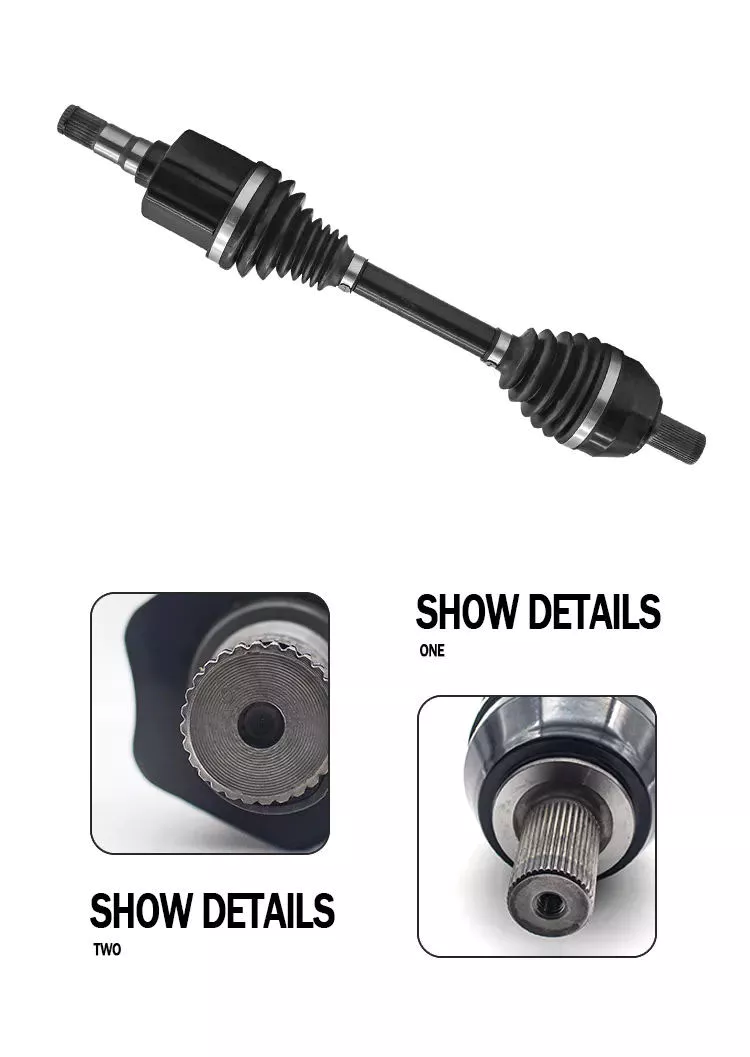
How do manufacturers ensure the compatibility of PTO shafts with different equipment?
Manufacturers employ various measures to ensure the compatibility of PTO (Power Take-Off) shafts with different equipment. Compatibility is crucial to ensure that PTO shafts can effectively transfer power from the power source to the driven machinery without compromising performance, safety, or ease of use. Here’s a detailed explanation of how manufacturers ensure compatibility:
1. Standardization: PTO shafts are designed and manufactured based on standardized specifications. These specifications outline the essential parameters such as shaft dimensions, spline sizes, torque ratings, and safety requirements. By adhering to standardized designs, manufacturers ensure that PTO shafts are compatible with a wide range of equipment that meets the same standards. Standardization allows for interchangeability, meaning that PTO shafts from one manufacturer can be used with equipment from another manufacturer as long as they conform to the same specifications.
2. Collaboration with Equipment Manufacturers: PTO shaft manufacturers often collaborate closely with equipment manufacturers to ensure compatibility. They work together to understand the specific requirements of the equipment and design PTO shafts that seamlessly integrate with the machinery. This collaboration may involve sharing technical specifications, conducting joint testing, and exchanging feedback. By working in partnership, manufacturers can address any compatibility issues early in the design and development process, resulting in PTO shafts that are tailored to the equipment’s needs.
3. Customization Options: PTO shaft manufacturers offer customization options to accommodate different equipment configurations. They provide flexibility in terms of shaft length, spline sizes, yoke designs, and coupling mechanisms. Equipment manufacturers can specify the required parameters, and the PTO shafts can be customized accordingly. This ensures that the PTO shafts precisely match the equipment’s power input/output requirements and connection methods, guaranteeing compatibility and efficient power transfer.
4. Testing and Validation: Manufacturers conduct rigorous testing and validation processes to ensure the compatibility and performance of PTO shafts. They subject the shafts to various tests, including torque testing, rotational speed testing, and durability testing. These tests verify that the PTO shafts can handle the expected power loads and operating conditions without failure. By validating the performance of the PTO shafts, manufacturers can ensure that they are compatible with a wide range of equipment and can reliably transfer power under different operating scenarios.
5. Compliance with Industry Standards: PTO shaft manufacturers adhere to industry standards and regulations to ensure compatibility. Organizations such as the American Society of Agricultural and Biological Engineers (ASABE) establish safety and performance standards for PTO shafts. Manufacturers design and produce their shafts in accordance with these standards, ensuring that their products meet the necessary requirements for compatibility and safety. Compliance with industry standards provides assurance to equipment manufacturers and end-users that the PTO shafts are compatible and suitable for use with different equipment.
6. Documentation and Guidelines: Manufacturers provide comprehensive documentation and guidelines to assist equipment manufacturers and end-users in ensuring compatibility. This documentation includes technical specifications, installation instructions, maintenance guidelines, and safety recommendations. The documentation helps equipment manufacturers select the appropriate PTO shaft for their equipment and provides guidance on proper installation and use. By following the manufacturer’s guidelines, equipment manufacturers can ensure compatibility and optimize the performance of the PTO shafts.
7. Ongoing Research and Development: PTO shaft manufacturers continuously invest in research and development to enhance compatibility with different equipment. They stay updated with industry trends, technological advancements, and evolving equipment requirements. This ongoing research and development enable manufacturers to improve the design, materials, and features of PTO shafts, ensuring compatibility with the latest equipment innovations and addressing any compatibility challenges that may arise.
By employing standardization, collaborating with equipment manufacturers, offering customization options, conducting thorough testing, complying with industry standards, providing documentation and guidelines, and investing in research and development, manufacturers ensure the compatibility of PTO shafts with different equipment. This compatibility allows for seamless integration, efficient power transfer, and optimal performance across a wide range of machinery and equipment in various industries.
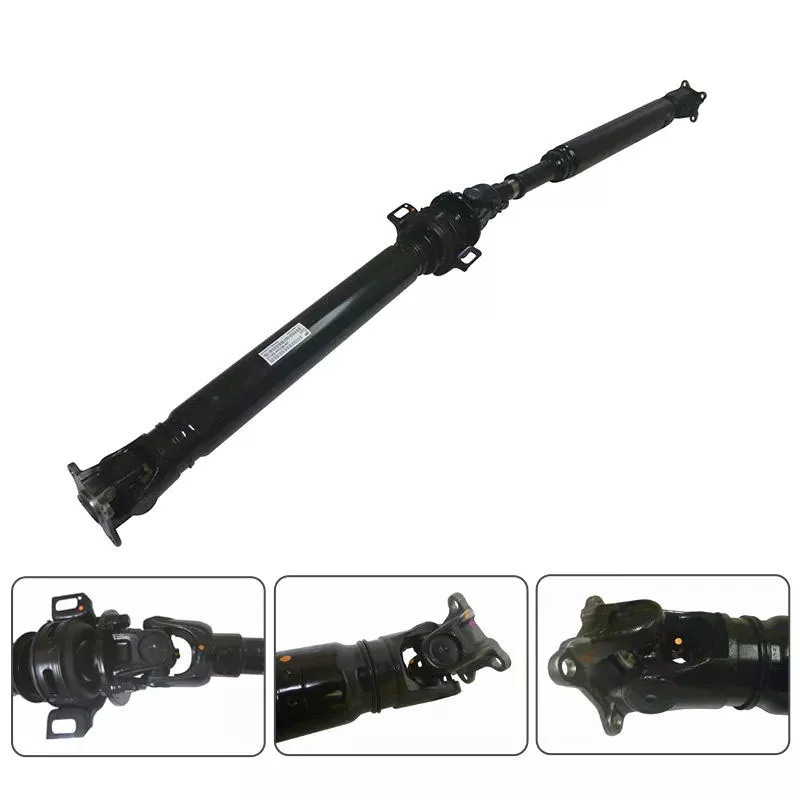
How do PTO shafts contribute to the efficiency of agricultural operations?
Power Take-Off (PTO) shafts play a crucial role in improving the efficiency of agricultural operations by providing a versatile and reliable power source for various farming equipment. PTO shafts allow agricultural machinery to access power from tractors or other prime movers, enabling the efficient transfer of energy to perform a wide range of tasks. Here’s a detailed explanation of how PTO shafts contribute to the efficiency of agricultural operations:
1. Versatility: PTO shafts offer versatility by allowing the connection of different types of implements and machinery to tractors or other power sources. This versatility enables farmers to use a single power unit, such as a tractor, to operate multiple agricultural implements, including mowers, balers, tillers, seeders, sprayers, and more. The ability to quickly switch between various implements using a PTO shaft minimizes downtime and maximizes efficiency in agricultural operations.
2. Power Transfer: PTO shafts efficiently transfer power from the tractor’s engine to the agricultural implements. The rotating power generated by the engine is transmitted through the PTO shaft to drive the machinery connected to it. This direct power transfer eliminates the need for separate engines or motors on each implement, reducing equipment costs and maintenance requirements. PTO shafts ensure a reliable power supply, allowing agricultural operations to be carried out efficiently and effectively.
3. Increased Productivity: By utilizing PTO shafts, agricultural operations can be performed more quickly and efficiently than manual or alternative power methods. PTO-driven machinery typically operates at higher speeds and with greater power compared to human-operated or manual tools. This increased productivity allows farmers to complete tasks such as tilling, seeding, harvesting, and material handling more efficiently, reducing labor requirements and increasing overall farm productivity.
4. Time Savings: PTO shafts contribute to time savings in agricultural operations. The ability to connect and disconnect implements quickly using standardized PTO shafts allows farmers to switch between tasks rapidly. This saves time during equipment setup, as well as when transitioning between different operations in the field. Time efficiency is particularly valuable during critical farming periods, such as planting or harvesting, where timely execution is essential for optimal crop yield and quality.
5. Reduced Manual Labor: PTO shafts minimize the need for manual labor in strenuous or repetitive tasks. By harnessing the power of tractors or other prime movers, farmers can mechanize various operations that would otherwise require significant physical effort. Agricultural implements driven by PTO shafts can perform tasks such as plowing, mowing, and baling with minimal human intervention, reducing labor costs and improving overall efficiency.
6. Precision and Consistency: PTO shafts contribute to precision and consistency in agricultural operations. The consistent power supply from the PTO ensures uniform operation and performance of the connected machinery. This helps in achieving consistent seed placement, even spreading of fertilizers or chemicals, and precise cutting or harvesting of crops. Precision and consistency lead to improved crop quality, enhanced yield, and reduced waste, ultimately contributing to the overall efficiency of agricultural operations.
7. Adaptability to Various Terrain: PTO-driven machinery is highly adaptable to various types of terrain encountered in agricultural operations. Tractors equipped with PTO shafts can traverse uneven or challenging terrain, allowing implements to operate effectively on slopes, rough fields, or hilly landscapes. This adaptability ensures that farmers can efficiently manage their land, regardless of topographical challenges, enhancing operational efficiency and productivity.
8. Integration with Automation and Technology: PTO shafts can be integrated with automation and technology advancements in modern agricultural practices. Automation systems, such as precision guidance and control, can be synchronized with PTO-driven machinery to optimize operations and minimize waste. Additionally, advancements in data collection and analysis allow farmers to monitor and optimize machine performance, fuel efficiency, and productivity, further enhancing the efficiency of agricultural operations.
By providing versatility, efficient power transfer, increased productivity, time savings, reduced manual labor, precision, adaptability to terrain, and integration with automation and technology, PTO shafts significantly contribute to enhancing the efficiency of agricultural operations. They enable farmers to perform a wide range of tasks with ease, ultimately improving productivity, reducing costs, and supporting sustainable farming practices.

Pouvez-vous expliquer les différents types d'arbres de prise de force et leurs applications ?
Les arbres de prise de force (PDF) se déclinent en différents modèles, chacun conçu pour des applications et des exigences spécifiques. Cette diversité d'arbres de PDF offre une grande polyvalence et une compatibilité avec une large gamme de machines et d'outils. Voici une explication des types d'arbres de PDF les plus courants et de leurs applications :
1. Arbre de prise de force standard : L'arbre de prise de force standard, également appelé arbre cannelé, est le type le plus courant utilisé dans les machines agricoles et industrielles. Il se compose d'un arbre en acier massif comportant des cannelures sur toute sa longueur. L'arbre de prise de force standard possède généralement six cannelures, bien qu'il existe des variantes à quatre ou huit cannelures. Ce type d'arbre est largement utilisé sur les tracteurs et divers outils, tels que les tondeuses, les presses à balles, les motoculteurs et les broyeurs rotatifs. Les cannelures assurent une liaison fiable entre la source d'énergie et la machine entraînée, garantissant ainsi une transmission de puissance efficace.
2. Arbre de prise de force à boulon de cisaillement : Les arbres de prise de force à boulon de cisaillement sont conçus avec un dispositif de sécurité permettant leur séparation en cas de surcharge ou de choc soudain, protégeant ainsi les composants de la transmission. Ces arbres de prise de force intègrent un mécanisme de boulon de cisaillement reliant la prise de force du tracteur à la machine entraînée. En cas de charge excessive ou de résistance soudaine, le boulon de cisaillement est conçu pour se rompre, déconnectant l'arbre de prise de force et évitant d'endommager la transmission. Les arbres de prise de force à boulon de cisaillement sont couramment utilisés sur les équipements susceptibles de rencontrer des obstacles soudains ou des contraintes importantes, tels que les broyeurs de branches, les dessoucheuses et les débroussailleuses rotatives robustes.
3. Arbre de prise de force à embrayage à friction : Les arbres de prise de force à embrayage à friction sont dotés d'un mécanisme d'embrayage permettant un engagement et un désengagement progressifs de la transmission de puissance. Ces arbres de prise de force intègrent généralement un disque de friction et un plateau de pression, similaires à un système d'embrayage automobile classique. L'embrayage à friction permet aux opérateurs d'engager ou de désengager la transmission de puissance en douceur, réduisant ainsi les à-coups et minimisant l'usure des composants de la transmission. Les arbres de prise de force à embrayage à friction sont couramment utilisés dans les applications exigeant un contrôle précis de l'engagement de la puissance, comme les pompes hydrauliques, les générateurs et les mélangeurs industriels.
4. Arbre de prise de force à vitesse constante (CV) : Les arbres de prise de force à vitesse constante (CV), également appelés arbres homocinétiques, sont conçus pour compenser d'importants angles de désalignement sans incidence sur la transmission de puissance. Ils utilisent un mécanisme de joint universel qui assure une transmission de puissance fluide, même lorsque la machine entraînée est inclinée par rapport à la source d'énergie. Les arbres de prise de force CV sont fréquemment utilisés dans les applications nécessitant une grande amplitude de mouvement ou d'articulation, comme les chargeuses articulées, les chariots télescopiques et les pulvérisateurs automoteurs.
5. Arbre de prise de force télescopique : Les arbres de prise de force télescopiques sont réglables en longueur, offrant une grande flexibilité dans la configuration des équipements et permettant de faire varier la distance entre la source d'énergie et la machine entraînée. Ils se composent de deux arbres concentriques ou plus qui coulissent l'un dans l'autre, permettant ainsi d'allonger ou de raccourcir l'arbre de prise de force selon les besoins. Les arbres de prise de force télescopiques sont couramment utilisés lorsque la distance entre la prise de force du tracteur et l'outil est variable, comme pour les outils frontaux, les souffleuses à neige et les remorques autochargeuses. Leur conception télescopique facilite l'adaptation aux différentes configurations d'équipement et minimise le risque de frottement de l'arbre de prise de force au sol.
6. Arbre de prise de force de la boîte de vitesses : Les arbres de prise de force à boîte de vitesses sont conçus pour adapter la transmission de puissance entre différentes vitesses ou directions de rotation. Ils intègrent un mécanisme de boîte de vitesses permettant de réduire ou d'augmenter la vitesse, ainsi que d'inverser le sens de rotation. Ces arbres sont couramment utilisés lorsque la machine entraînée nécessite une vitesse ou un sens de rotation différent de celui de la prise de force du tracteur. On peut citer comme exemples les vis sans fin à grains, les mélangeuses d'aliments pour animaux et les équipements industriels exigeant des rapports de vitesse spécifiques ou une fonction d'inversion de sens.
Il est important de noter que la disponibilité et les applications spécifiques des différents types d'arbres de prise de force peuvent varier selon les régions et les secteurs d'activité. De plus, certaines machines ou certains outils peuvent nécessiter des arbres de prise de force spécialisés ou sur mesure pour répondre à des exigences particulières.
En résumé, les différents types d'arbres de prise de force (PDF), tels que les arbres standard, à boulon de cisaillement, à embrayage à friction, à vitesse constante (CV), télescopiques et à boîte de vitesses, offrent polyvalence et compatibilité avec diverses machines et outils. Chaque type d'arbre de PDF est conçu pour répondre à des besoins spécifiques, comme l'efficacité de la transmission de puissance, la sécurité, la douceur d'engagement, la tolérance au désalignement, l'adaptabilité et le réglage de la vitesse et du sens de rotation. Comprendre les différents types d'arbres de PDF et leurs applications est essentiel pour choisir l'arbre approprié à la machine prévue et garantir des performances et une fiabilité optimales.

editor by CX 2024-02-11