Descrizione del prodotto
Descrizione del prodotto
Descrizione del prodotto
SWC BH Cardan Shaft Basic Parameter And Main Dimension
Cardan shaft is widely used in rolling mill, punch, straightener, crusher, ship drive, paper making equipment, common machinery, water pump equipment, test bench, and other mechanical applications.
Advantage:
1. Low life-cycle costs and long service life;
2. Increase productivity;
3. Professional and innovative solutions;
4. Reduce carbon dioxide emissions, and environmental protection;
5. High torque capacity even at large deflection angles;
6. Easy to move and run smoothly;
Foto dettagliate
Parametri del prodotto
| Model | Tn kN • m |
T. |
p (.) |
LS mm |
Lmin | Size mm |
I kg. m2 | m kg |
|||||||||||
| Di js11 |
d2 H7 |
Da | Lm | n-d | k | t | b h9 |
g | Lmin | 100mm | Lmin | 100mm | |||||||
| SWC58BH | 58 | 0.15 | 0.075 | ≤22 | 35 | 325 | 47 | 30 | 38 | 35 | 4-5 | 3.5 | 1.5 | – | – | – | – | 2.2 | – |
| SWC65BH | 65 | 0.25 | 0.125 | ≤22 | 40 | 360 | 52 | 35 | 42 | 46 | 4-6 | 4.5 | 1.7 | – | – | – | – | 3.0 | – |
| SWC75BH | 75 | 0.50 | 0.25 | ≤22 | 40 | 395 | 62 | 42 | 50 | 58 | 6-6 | 5.5 | 2.0 | – | – | – | – | 5.0 | – |
| SWC90BH | 90 | 1.0 | 0.50 | ≤22 | 45 | 435 | 74.5 | 47 | 54 | 58 | 4-8 | 6.0 | 2.5 | – | – | – | – | 6.6 | – |
| SWC100BH | 100 | 1.5 | 0.75 | ≤25 | 55 | 390 | 84 | 57 | 60 | 58 | 6-9 | 7 | 2.5 | – | – | 0.0044 | 0.00019 | 6.1 | 0.35 |
| SWC120BH | 120 | 2.5 | 1.25 | ≤25 | 80 | 485 | 102 | 75 | 70 | 68 | 8-11 | 8 | 2.5 | – | – | 0.5719 | 0.00044 | 10.8 | 0.55 |
| SWC150BH | 150 | 5 | 2.5 | ≤25 | 80 | 590 | 13.0 | 90 | 89 | 80 | 8-13 | 10 | 3.0 | – | – | 0.0423 | 0.00157 | 24.5 | 0.85 |
| SWC160BH | 160 | 10 | 5 | ≤25 | 80 | 660 | 137 | 100 | 95 | 110 | 8-15 | 15 | 3.0 | 20 | 12 | 0.1450 | 0.0060 | 68 | 1.72 |
| SWC180BH | 180 | 20 | 10 | ≤25 | 100 | 810 | 155 | 105 | 114 | 130 | 8-17 | 17 | 5.0 | 24 | 14 | 0.1750 | 0.0070 | 70 | 2.8 |
| SWC200BH | 200 | 32 | 16 | ≤15 | 110 | 860 | 170 | 120 | 127 | 135 | 8-17 | 19 | 5.0 | 28 | 16 | 0.3100 | 0.0130 | 86 | 3.6 |
| SWC225BH | 225 | 40 | 20 | ≤15 | 140 | 920 | 196 | 135 | 152 | 120 | 8-17 | 20 | 5.0 | 32 | 9.0 | 0.5380 | 0.5714 | 122 | 4.9 |
| SWC250BH | 250 | 63 | 31.5 | ≤15 | 140 | 1035 | 218 | 150 | 168 | 140 | 8-19 | 25 | 6.0 | 40 | 12.5 | 0.9660 | 0.5717 | 172 | 5.3 |
| SWC285BH | 285 | 90 | 45 | ≤15 | 140 | 1190 | 245 | 170 | 194 | 160 | 8-21 | 27 | 7.0 | 40 | 15.0 | 2.0110 | 0.571 | 263 | 6.3 |
| SWC315BH | 315 | 125 | 63 | ≤15 | 140 | 1315 | 280 | 185 | 219 | 180 | 10-23 | 32 | 8.0 | 40 | 15.0 | 3.6050 | 0.571 | 382 | 8.0 |
| SWC350BH | 350 | 180 | 90 | ≤15 | 150 | 1410 | 310 | 210 | 267 | 194 | 10-23 | 35 | 8.0 | 50 | 16.0 | 7.571 | 0.2219 | 582 | 15.0 |
| SWC390BH | 390 | 250 | 125 | ≤15 | 170 | 1590 | 345 | 235 | 267 | 215 | 10-25 | 40 | 8.0 | 70 | 18.0 | 12.164 | 0.2219 | 738 | 15.0 |
| SWC440BH | 440 | 355 | 180 | ≤15 | 190 | 1875 | 390 | 255 | 325 | 260 | 16-28 | 42 | 10 | 80 | 20.0 | 21.420 | 0.4744 | 1190 | 21.7 |
| SWC490BH | 490 | 500 | 250 | ≤15 | 190 | 1985 | 435 | 275 | 325 | 270 | 16-31 | 47 | 12 | 90 | 22.5 | 32.860 | 0.4744 | 1452 | 21.7 |
| SWC550BH | 550 | 710 | 355 | ≤15 | 240 | 2300 | 492 | 320 | 426 | 305 | 16-31 | 50 | 12 | 100 | 22.5 | 68.920 | 1.3570 | 2380 | 34 |
Packaging & Shipping
Profilo Aziendale
HangZhou CHINAMFG Machinery Manufacturing Co., Ltd. is a high-tech enterprise specializing in the design and manufacture of various types of coupling. There are 86 employees in our company, including 2 senior engineers and no fewer than 20 mechanical design and manufacture, heat treatment, welding, and other professionals.
Advanced and reasonable process, complete detection means. Our company actively introduces foreign advanced technology and equipment, on the basis of the condition, we make full use of the advantage and do more research and innovation. Strict to high quality and operate strictly in accordance with the ISO9000 quality certification system standard mode.
Our company supplies different kinds of products. High quality and reasonable price. We stick to the principle of “quality first, service first, continuous improvement and innovation to meet the customers” for the management and “zero defect, zero complaints” as the quality objective.
Our Services
1. Design Services
Our design team has experience in Cardan shafts relating to product design and development. If you have any needs for your new product or wish to make further improvements, we are here to offer our support.
2. Product Services
raw materials → Cutting → Forging →Rough machining →Shot blasting →Heat treatment →Testing →Fashioning →Cleaning→ Assembly→Packing→Shipping
3. Samples Procedure
We could develop the sample according to your requirement and amend the sample constantly to meet your need.
4. Research & Development
We usually research the new needs of the market and develop new models when there are new cars in the market.
5. Quality Control
Every step should be a particular test by Professional Staff according to the standard of ISO9001 and TS16949.
FAQ
Q 1: Are you a trading company or a manufacturer?
A: We are a professional manufacturer specializing in manufacturing
various series of couplings.
Q 2:Can you do OEM?
Yes, we can. We can do OEM & ODM for all customers with customized PDF or AI format artwork.
Q 3:How long is your delivery time?
Generally, it is 20-30 days if the goods are not in stock. It is according to quantity.
Q 4: Do you provide samples? Is it free or extra?
Yes, we could offer the sample but not for free. Actually, we have an excellent price principle, when you make the bulk order the cost of the sample will be deducted.
Q 5: How long is your warranty?
A: Our Warranty is 12 months under normal circumstances.
Q 6: What is the MOQ?
A: Usually our MOQ is 1pcs.
Q 7: Do you have inspection procedures for coupling?
A:100% self-inspection before packing.
Q 8: Can I have a visit to your factory before the order?
A: Sure, welcome to visit our factory.
Q 9: What’s your payment?
A:1) T/T.
♦Contact Us
Web: huadingcoupling
Add: No.11 HangZhou Road,Chengnan park,HangZhou City,ZheJiang Province,China
| Condition: | New |
|---|---|
| Color: | as Required |
| Certification: | ISO |
| Tipo: | Universal Joint |
| Materiale: | Carbon Steel or as Required |
| Size: | Standard Size |
| Personalizzazione: |
Disponibile
| Richiesta personalizzata |
|---|
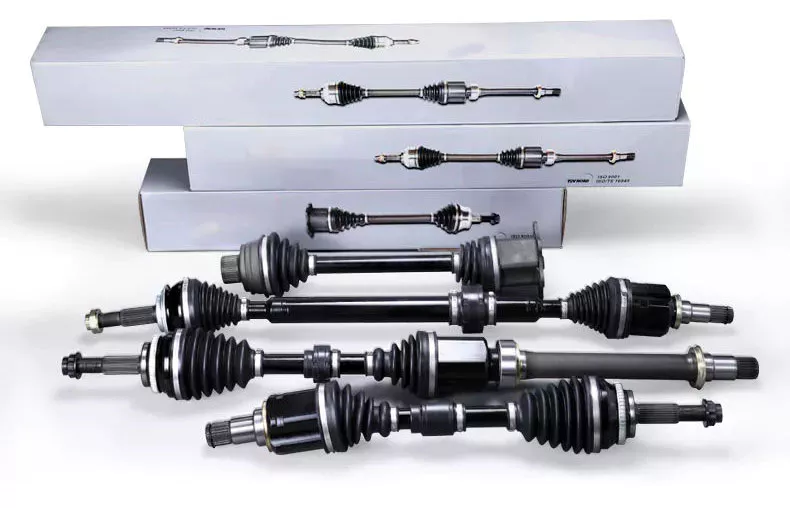
In che modo gli alberi cardanici garantiscono un trasferimento di potenza efficiente mantenendo al contempo la sicurezza?
Gli alberi di presa di forza (PTO) svolgono un ruolo cruciale nel garantire un trasferimento di potenza efficiente da una fonte di energia ai macchinari o alle attrezzature azionate, mantenendo al contempo la sicurezza. Questi alberi sono progettati con diverse caratteristiche e meccanismi per ottimizzare l'efficienza della trasmissione di potenza e ridurre al minimo i potenziali rischi. Ecco una spiegazione dettagliata di come gli alberi di presa di forza raggiungono un trasferimento di potenza efficiente dando priorità alla sicurezza:
1. Trasmissione di potenza meccanica: Gli alberi cardanici fungono da collegamento meccanico tra la fonte di energia, in genere un trattore o un motore, e i macchinari azionati. Trasmettono la potenza rotazionale dalla fonte di energia alle attrezzature, consentendo un trasferimento efficiente dell'energia. La progettazione meccanica degli alberi cardanici, compresi il diametro, la lunghezza e la composizione del materiale, è ottimizzata per ridurre al minimo le perdite di potenza durante la trasmissione, garantendo che una parte significativa della potenza generata dalla fonte venga effettivamente trasferita ai macchinari.
2. Giunti universali e raccordi flessibili: Gli alberi cardanici sono dotati di giunti universali e giunti flessibili che consentono di compensare disallineamenti angolari e offrono flessibilità di movimento. I giunti universali si adattano alle variazioni di allineamento tra la fonte di energia e il macchinario azionato, consentendo un trasferimento di potenza fluido anche quando i due componenti non sono perfettamente allineati. I giunti flessibili contribuiscono a compensare lievi disallineamenti, a ridurre le vibrazioni e a prevenire sollecitazioni eccessive sull'albero e sui componenti collegati, migliorando così l'efficienza e riducendo il rischio di guasti o danni meccanici.
3. Giunti a velocità costante (CV): I giunti omocinetici sono spesso utilizzati negli alberi cardanici per mantenere una velocità e una trasmissione di coppia costanti, in particolare in applicazioni in cui il macchinario azionato richiede flessibilità o opera con angolazioni diverse. I giunti omocinetici consentono una trasmissione di potenza fluida senza fluttuazioni significative, anche quando il macchinario azionato si trova inclinato rispetto alla fonte di energia. Riducendo al minimo le variazioni di velocità e le perdite di potenza dovute ai cambiamenti di angolazione, i giunti omocinetici contribuiscono a un trasferimento di potenza efficiente, garantendo prestazioni costanti e riducendo la probabilità di sollecitazioni meccaniche o usura precoce.
4. Protezioni e schermi di sicurezza: La sicurezza è un aspetto fondamentale nella progettazione degli alberi cardanici. Protezioni e schermi di sicurezza vengono installati per coprire l'albero rotante e le altre parti in movimento. Queste protezioni fungono da barriere fisiche per prevenire il contatto accidentale con i componenti rotanti, riducendo significativamente il rischio di impigliamento, lesioni o danni. Le protezioni di sicurezza sono generalmente realizzate con materiali resistenti come metallo o plastica e sono progettate per consentire il movimento necessario alla trasmissione di potenza, garantendo al contempo un'adeguata protezione. L'ispezione e la manutenzione periodiche di queste protezioni sono cruciali per garantirne l'efficacia in termini di sicurezza.
5. Meccanismi a bullone di sicurezza o a frizione a slittamento: Gli alberi cardanici (PTO) spesso incorporano bulloni di sicurezza o meccanismi di frizione a slittamento come dispositivi di protezione per salvaguardare i componenti della trasmissione e prevenire danni in caso di coppia eccessiva o resistenza improvvisa. I bulloni di sicurezza sono progettati per tranciarsi o rompersi quando la coppia supera una soglia predeterminata, disconnettendo l'albero cardanico dalla fonte di alimentazione. Ciò contribuisce a prevenire danni all'albero, ai macchinari azionati e alla fonte di alimentazione. Le frizioni a slittamento funzionano in modo simile, consentendo all'albero cardanico di slittare in caso di resistenza eccessiva, proteggendo i componenti dal sovraccarico. Questi meccanismi agiscono come misure di sicurezza per preservare l'integrità dell'albero cardanico e delle apparecchiature associate, riducendo al minimo il rischio di guasti meccanici o incidenti.
6. Conformità agli standard di sicurezza: Gli alberi cardanici (PTO) sono progettati e fabbricati in conformità con le norme e i regolamenti di sicurezza pertinenti. I produttori seguono le linee guida e i requisiti stabiliti da organizzazioni come l'American Society of Agricultural and Biological Engineers (ASABE) o altre autorità regionali in materia di sicurezza. La conformità a questi standard garantisce che gli alberi cardanici soddisfino specifici criteri di sicurezza, tra cui la capacità di coppia, la progettazione delle protezioni e altre considerazioni di sicurezza. Gli utilizzatori possono fare affidamento su alberi cardanici standardizzati che sono stati sottoposti a test e certificazione, fornendo un ulteriore livello di garanzia in termini di sicurezza e prestazioni.
7. Formazione e addestramento degli operatori: Per garantire un funzionamento sicuro ed efficiente, è fondamentale che gli operatori ricevano un'adeguata formazione e istruzione sugli alberi di trasmissione. Gli operatori devono conoscere le specifiche caratteristiche di sicurezza, i requisiti di manutenzione e le procedure operative sicure per gli alberi di trasmissione utilizzati nelle loro applicazioni. Ciò include la comprensione dell'importanza di utilizzare i dispositivi di protezione individuale appropriati, di ispezionare regolarmente le attrezzature per verificare l'usura o i danni e di seguire i programmi di manutenzione raccomandati. La consapevolezza e il rispetto dei protocolli di sicurezza da parte degli operatori contribuiscono in modo significativo a mantenere un ambiente di lavoro sicuro e a massimizzare l'efficienza del trasferimento di potenza.
In sintesi, gli alberi cardanici garantiscono un trasferimento di potenza efficiente e sicuro grazie alla loro progettazione meccanica, all'integrazione di giunti cardanici e giunti omocinetici, all'installazione di protezioni e schermi di sicurezza, all'impiego di meccanismi a bullone di sicurezza o frizione a slittamento, al rispetto delle norme di sicurezza e alla formazione degli operatori. Combinando queste caratteristiche e pratiche, gli alberi cardanici offrono una trasmissione di potenza affidabile e sicura, riducendo al minimo le perdite di potenza e i potenziali rischi associati al loro funzionamento.
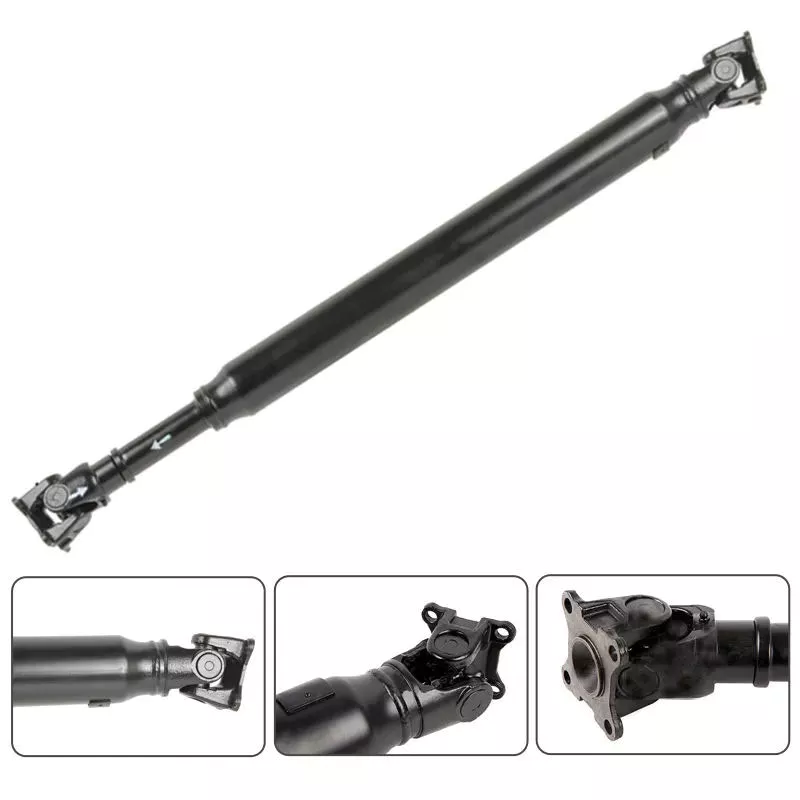
Esistono limitazioni o svantaggi associati agli alberi cardanici?
Sebbene gli alberi di presa di forza (PTO) offrano numerosi vantaggi in termini di trasferimento di potenza e versatilità, presentano anche alcune limitazioni e svantaggi. È importante considerare questi fattori quando si utilizzano gli alberi di presa di forza per garantire un funzionamento sicuro ed efficiente. Ecco una spiegazione dettagliata di alcune limitazioni e svantaggi associati agli alberi di presa di forza:
1. Rischi per la sicurezza: Una delle principali preoccupazioni relative agli alberi cardanici (PTO) riguarda i potenziali rischi per la sicurezza. Gli alberi cardanici ruotano ad alta velocità e possono rappresentare un rischio significativo se non adeguatamente protetti o maneggiati. Il contatto accidentale con un albero cardanico esposto o non adeguatamente protetto può provocare lesioni gravi, tra cui impigliamento, amputazione o persino decesso. È fondamentale seguire le linee guida di sicurezza, implementare protezioni adeguate e garantire che gli operatori siano ben addestrati sulle pratiche di manipolazione sicure per mitigare tali rischi.
2. Manutenzione e lubrificazione: Gli alberi cardanici richiedono manutenzione e lubrificazione regolari per garantire prestazioni ottimali e una lunga durata. Le parti mobili, come i giunti cardanici e le scanalature, devono essere ispezionate, pulite e lubrificate agli intervalli raccomandati. Trascurare la manutenzione può portare a usura precoce, riduzione dell'efficienza e potenziali guasti. Una corretta manutenzione, che includa ispezioni regolari e lubrificazione tempestiva, è essenziale per mitigare questi problemi.
3. Allineamento e angoli: Gli alberi cardanici (PTO) si basano su un corretto allineamento e angoli precisi per garantire un efficiente trasferimento di potenza. Un disallineamento o angoli eccessivi tra la fonte di energia e il macchinario azionato possono causare un'usura e una sollecitazione maggiori sui componenti, portando a guasti prematuri. Garantire un corretto allineamento e la regolazione dell'angolo, utilizzando forcelle scorrevoli regolabili o altri sistemi, è importante per evitare sollecitazioni eccessive sull'albero cardanico e sulle apparecchiature associate.
4. Limiti di lunghezza: Gli alberi cardanici (PTO) presentano limitazioni in termini di lunghezza massima e minima dovute a vincoli ingegneristici. Il design telescopico consente una certa regolazione, ma esiste un limite pratico all'estensione o alla retrazione dell'albero. Se la distanza tra la fonte di energia e il macchinario azionato supera la lunghezza massima o scende al di sotto della lunghezza minima dell'albero cardanico, potrebbero essere necessarie soluzioni alternative o modifiche. In alcuni casi, potrebbero essere necessari componenti aggiuntivi come prolunghe dell'albero motore o riduttori per colmare la distanza.
5. Compatibilità: Sebbene i produttori si impegnino per garantire la compatibilità, può comunque risultare difficile trovare l'albero cardanico giusto per specifiche configurazioni di apparecchiature. Le apparecchiature possono avere requisiti unici in termini di dimensioni delle scanalature, valori di coppia o metodi di connessione che potrebbero non essere facilmente reperibili o compatibili con gli alberi cardanici standard. Potrebbe essere necessaria una personalizzazione per risolvere questi problemi di compatibilità, il che può comportare un aumento dei costi o dei tempi di consegna.
6. Rumore e vibrazioni: Gli alberi cardanici in funzione possono generare rumore e vibrazioni significativi, soprattutto ad alte velocità. Ciò può rappresentare un fastidio per gli operatori e potrebbe richiedere l'adozione di misure aggiuntive per ridurre i livelli di rumore o smorzare le vibrazioni. Vibrazioni eccessive possono inoltre compromettere le prestazioni complessive e la durata dell'albero cardanico e delle apparecchiature collegate. L'implementazione di smorzatori di vibrazioni o l'utilizzo di giunti flessibili possono contribuire a mitigare questi problemi.
7. Limiti di potenza: Gli alberi cardanici (PTO) hanno limiti di potenza specifici in base alla loro progettazione, ai materiali e ai componenti. Il superamento di questi limiti può causare usura precoce, guasti ai componenti o persino la rottura dell'albero. È fondamentale comprendere e rispettare i valori di potenza raccomandati per gli alberi cardanici al fine di garantire un funzionamento sicuro e affidabile. In alcuni casi, potrebbe essere necessario passare a un albero cardanico di maggiore capacità o implementare componenti di trasmissione di potenza aggiuntivi per soddisfare i requisiti di potenza più elevati.
8. Installazione e rimozione complesse: L'installazione e la rimozione degli alberi cardanici (PTO) possono essere processi complessi, soprattutto in spazi ristretti o quando si ha a che fare con macchinari pesanti. Potrebbe essere necessario allineare le scanalature, innestare i giunti e fissare i meccanismi di bloccaggio. Tecniche di installazione o rimozione errate possono causare danni all'albero o alle apparecchiature associate. Una formazione adeguata, l'utilizzo di attrezzature idonee e il rispetto delle linee guida del produttore sono essenziali per semplificare e garantire l'installazione e la rimozione in sicurezza degli alberi cardanici.
Nonostante questi limiti e svantaggi, gli alberi cardanici rimangono componenti ampiamente utilizzati e preziosi per la trasmissione di potenza in diversi settori industriali. Affrontando queste problematiche e implementando adeguate misure di sicurezza, pratiche di manutenzione e procedure di allineamento, i potenziali inconvenienti degli alberi cardanici possono essere efficacemente mitigati, consentendo un funzionamento sicuro ed efficiente.

Che cos'è un albero cardanico (PTO) e come viene utilizzato nelle macchine agricole e industriali?
L'albero di presa di forza (PTO) è un componente meccanico utilizzato nelle macchine agricole e industriali per trasferire la potenza da una fonte di energia, come un motore, a un'altra macchina o attrezzo. Si tratta di un albero di trasmissione che trasmette potenza e coppia rotazionali, consentendo all'attrezzatura collegata di svolgere diverse attività. Gli alberi di presa di forza sono comunemente utilizzati nelle macchine agricole, come i trattori, così come nelle attrezzature industriali, tra cui generatori, pompe e macchine edili. Ecco una spiegazione dettagliata di cosa sia un albero di presa di forza e di come venga utilizzato:
Struttura e componenti: Un tipico albero cardanico è costituito da un tubo metallico cavo con giunti cardanici a entrambe le estremità. Il tubo cavo consente all'albero di ruotare liberamente, mentre i giunti cardanici compensano i disallineamenti angolari tra la fonte di energia e l'attrezzatura azionata. I giunti cardanici sono costituiti da una forcella a croce con cuscinetti a rullini, che garantiscono flessibilità e consentono la trasmissione della potenza con angolazioni variabili. Alcuni alberi cardanici possono anche includere una sezione telescopica per regolare la lunghezza in base alle diverse configurazioni delle attrezzature o per adattarsi alle diverse distanze tra la fonte di energia e la macchina azionata.
Trasferimento di potenza: La funzione principale di un albero cardanico (PTO) è quella di trasferire potenza e coppia dalla fonte di energia all'apparecchiatura azionata. La fonte di energia, in genere un motore elettrico, aziona l'albero cardanico tramite un collegamento meccanico, come un cambio o una frizione. Quando la fonte di energia ruota, trasmette una forza rotazionale all'albero cardanico. L'albero cardanico, a sua volta, trasferisce questa potenza e coppia rotazionale all'apparecchiatura azionata, consentendole di svolgere la sua funzione prevista. La coppia e la velocità di rotazione trasmesse attraverso l'albero cardanico dipendono dalle caratteristiche della fonte di energia e dal rapporto di trasmissione o dall'innesto della frizione.
Applicazioni in agricoltura: In agricoltura, gli alberi cardanici (PTO) sono comunemente utilizzati nei trattori per azionare vari attrezzi e accessori. L'albero cardanico è collegato alla presa di forza del trattore, un albero motore rotante situato nella parte posteriore del trattore. Innestando la frizione della presa di forza, la potenza del motore del trattore viene trasferita attraverso l'albero cardanico agli attrezzi collegati. Macchinari agricoli come falciatrici, presse, fresatrici, irroratrici e coclee per cereali spesso si affidano agli alberi cardanici per ricevere la potenza necessaria al loro funzionamento. L'albero cardanico consente di azionare gli attrezzi direttamente dal motore del trattore, eliminando la necessità di fonti di energia separate e aumentando la versatilità e l'efficienza delle operazioni agricole.
Applicazioni industriali: Gli alberi cardanici (PTO) trovano ampio impiego anche in diverse applicazioni industriali. Le apparecchiature industriali, come generatori, pompe, compressori e miscelatori industriali, spesso incorporano alberi cardanici per ricevere energia da motori a combustione interna o elettrici. L'albero cardanico collega la fonte di energia all'apparecchiatura azionata, consentendole di funzionare e svolgere la funzione prevista. Nelle macchine edili, gli alberi cardanici si trovano in attrezzature come betoniere, martelli idraulici e trivellatrici, permettendo il trasferimento di potenza dal motore della macchina all'accessorio o all'utensile specifico utilizzato.
Considerazioni sulla sicurezza: È importante notare che gli alberi cardanici (PTO) possono comportare rischi per la sicurezza se non maneggiati correttamente. L'albero rotante può causare gravi lesioni se gli operatori entrano in contatto con esso durante il funzionamento. Per garantire la sicurezza, gli alberi cardanici sono spesso dotati di protezioni che coprono l'albero rotante e i giunti cardanici, prevenendo il contatto accidentale. È fondamentale eseguire regolarmente la manutenzione e l'ispezione di questi dispositivi di sicurezza per garantirne l'efficacia. Inoltre, gli operatori devono ricevere una formazione adeguata sul funzionamento degli alberi cardanici, comprese le procedure di aggancio e sgancio in sicurezza, nonché l'uso dei dispositivi di protezione individuale (DPI) quando lavorano in prossimità di macchinari azionati da alberi cardanici.
In sintesi, un albero cardanico (PTO) è un componente meccanico utilizzato in macchinari agricoli e industriali per trasmettere potenza e coppia da una fonte di energia a una macchina o un attrezzo azionato. Consente il trasferimento diretto di potenza da motori a diverse apparecchiature, aumentando l'efficienza e la versatilità nelle operazioni agricole e industriali. Sebbene gli alberi cardanici offrano vantaggi significativi, gli operatori devono essere consapevoli delle relative considerazioni di sicurezza e adottare le precauzioni appropriate per prevenire incidenti e infortuni.


editor by CX 2023-12-13