Produktbeskrivning
Produktbeskrivning
Produktbeskrivning
SWC BH kardanaxel grundläggande parameter och huvuddimension
Kardanaxel används ofta i valsverk, stansar, riktmaskiner, krossar, fartygsdrifter, papperstillverkningsutrustning, vanliga maskiner, vattenpumpsutrustning, testbänkar och andra mekaniska applikationer.
Fördel:
1. Låga livscykelkostnader och lång livslängd;
2. Öka produktiviteten;
3. Professionella och innovativa lösningar;
4. Minska koldioxidutsläpp och miljöskydd;
5. Hög vridmomentkapacitet även vid stora avböjningsvinklar;
6. Lätt att flytta och löpa smidigt;
Detaljerade foton
Produktparametrar
| Modell | Tn kN • m |
T. |
p (.) |
LS mm |
Lmin | Storlek mm |
1 kg m² | m kg |
|||||||||||
| Di js11 |
d2 H7 |
Da | Lm | och | k | t | b h9 |
g | Lmin | 100 mm | Lmin | 100 mm | |||||||
| SWC58BH | 58 | 0.15 | 0.075 | ≤22 | 35 | 325 | 47 | 30 | 38 | 35 | 4-5 | 3.5 | 1.5 | – | – | – | – | 2.2 | – |
| SWC65BH | 65 | 0.25 | 0.125 | ≤22 | 40 | 360 | 52 | 35 | 42 | 46 | 4-6 | 4.5 | 1.7 | – | – | – | – | 3.0 | – |
| SWC75BH | 75 | 0.50 | 0.25 | ≤22 | 40 | 395 | 62 | 42 | 50 | 58 | 6-6 | 5.5 | 2.0 | – | – | – | – | 5.0 | – |
| SWC90BH | 90 | 1.0 | 0.50 | ≤22 | 45 | 435 | 74.5 | 47 | 54 | 58 | 4-8 | 6.0 | 2.5 | – | – | – | – | 6.6 | – |
| SWC100BH | 100 | 1.5 | 0.75 | ≤25 | 55 | 390 | 84 | 57 | 60 | 58 | 6-9 | 7 | 2.5 | – | – | 0.0044 | 0.00019 | 6.1 | 0.35 |
| SWC120BH | 120 | 2.5 | 1.25 | ≤25 | 80 | 485 | 102 | 75 | 70 | 68 | 8-11 | 8 | 2.5 | – | – | 0.5719 | 0.00044 | 10.8 | 0.55 |
| SWC150BH | 150 | 5 | 2.5 | ≤25 | 80 | 590 | 13.0 | 90 | 89 | 80 | 8-13 | 10 | 3.0 | – | – | 0.0423 | 0.00157 | 24.5 | 0.85 |
| SWC160BH | 160 | 10 | 5 | ≤25 | 80 | 660 | 137 | 100 | 95 | 110 | 8-15 | 15 | 3.0 | 20 | 12 | 0.1450 | 0.0060 | 68 | 1.72 |
| SWC180BH | 180 | 20 | 10 | ≤25 | 100 | 810 | 155 | 105 | 114 | 130 | 8-17 | 17 | 5.0 | 24 | 14 | 0.1750 | 0.0070 | 70 | 2.8 |
| SWC200BH | 200 | 32 | 16 | ≤15 | 110 | 860 | 170 | 120 | 127 | 135 | 8-17 | 19 | 5.0 | 28 | 16 | 0.3100 | 0.0130 | 86 | 3.6 |
| SWC225BH | 225 | 40 | 20 | ≤15 | 140 | 920 | 196 | 135 | 152 | 120 | 8-17 | 20 | 5.0 | 32 | 9.0 | 0.5380 | 0.5714 | 122 | 4.9 |
| SWC250BH | 250 | 63 | 31.5 | ≤15 | 140 | 1035 | 218 | 150 | 168 | 140 | 8-19 | 25 | 6.0 | 40 | 12.5 | 0.9660 | 0.5717 | 172 | 5.3 |
| SWC285BH | 285 | 90 | 45 | ≤15 | 140 | 1190 | 245 | 170 | 194 | 160 | 8-21 | 27 | 7.0 | 40 | 15.0 | 2.0110 | 0.571 | 263 | 6.3 |
| SWC315BH | 315 | 125 | 63 | ≤15 | 140 | 1315 | 280 | 185 | 219 | 180 | 10-23 | 32 | 8.0 | 40 | 15.0 | 3.6050 | 0.571 | 382 | 8.0 |
| SWC350BH | 350 | 180 | 90 | ≤15 | 150 | 1410 | 310 | 210 | 267 | 194 | 10-23 | 35 | 8.0 | 50 | 16.0 | 7.571 | 0.2219 | 582 | 15.0 |
| SWC390BH | 390 | 250 | 125 | ≤15 | 170 | 1590 | 345 | 235 | 267 | 215 | 10-25 | 40 | 8.0 | 70 | 18.0 | 12.164 | 0.2219 | 738 | 15.0 |
| SWC440BH | 440 | 355 | 180 | ≤15 | 190 | 1875 | 390 | 255 | 325 | 260 | 16-28 | 42 | 10 | 80 | 20.0 | 21.420 | 0.4744 | 1190 | 21.7 |
| SWC490BH | 490 | 500 | 250 | ≤15 | 190 | 1985 | 435 | 275 | 325 | 270 | 16-31 | 47 | 12 | 90 | 22.5 | 32.860 | 0.4744 | 1452 | 21.7 |
| SWC550BH | 550 | 710 | 355 | ≤15 | 240 | 2300 | 492 | 320 | 426 | 305 | 16-31 | 50 | 12 | 100 | 22.5 | 68.920 | 1.3570 | 2380 | 34 |
Förpackning och frakt
Företagsprofil
HangZhou CHINAMFG Machinery Manufacturing Co., Ltd. är ett högteknologiskt företag som specialiserar sig på design och tillverkning av olika typer av kopplingar. Vi har 86 anställda, inklusive 2 seniora ingenjörer och inte mindre än 20 yrkesverksamma inom mekanisk design och tillverkning, värmebehandling, svetsning och andra områden.
Avancerad och rimlig process, kompletta detekteringsmetoder. Vårt företag introducerar aktivt utländsk avancerad teknik och utrustning, och baserat på förutsättningarna utnyttjar vi fördelarna fullt ut och gör mer forskning och innovation. Vi arbetar strikt med hög kvalitet och i enlighet med ISO9000-standarden för kvalitetscertifieringssystem.
Vårt företag levererar olika typer av produkter. Hög kvalitet och rimliga priser. Vi håller fast vid principen "kvalitet först, service först, kontinuerlig förbättring och innovation för att möta kundernas behov" för ledningen och "noll fel, noll klagomål" som kvalitetsmål.
Våra tjänster
1. Designtjänster
Vårt designteam har erfarenhet av kardanaxlar i samband med produktdesign och utveckling. Om du har några behov för din nya produkt eller vill göra ytterligare förbättringar, finns vi här för att erbjuda vår support.
2. Produkttjänster
Råmaterial → Skärning → Smide → Grovbearbetning → Blästring → Värmebehandling → Testning → Formning → Rengöring → Montering → Packning → Frakt
3. Provtagningsförfarande
Vi kan utveckla provet enligt dina krav och ständigt ändra det för att möta dina behov.
4. Forskning och utveckling
Vi brukar undersöka marknadens nya behov och utveckla nya modeller när det kommer nya bilar på marknaden.
5. Kvalitetskontroll
Varje steg bör testas särskilt av professionell personal enligt standarderna ISO9001 och TS16949.
Vanliga frågor
F 1: Är du ett handelsföretag eller en tillverkare?
A: Vi är en professionell tillverkare som specialiserar sig på tillverkning
olika serier av kopplingar.
F2: Kan du göra OEM?
Ja, det kan vi. Vi kan göra OEM- och ODM-tjänster för alla kunder med anpassade PDF- eller AI-format.
Fråga 3: Hur lång är din leveranstid?
Generellt sett är det 20-30 dagar om varorna inte finns i lager. Det beror på kvantitet.
F 4: Erbjuder ni prover? Är det gratis eller kostar det extra?
Ja, vi kan erbjuda provet men inte gratis. Vi har faktiskt en utmärkt prissättningsprincip, när du gör en bulkbeställning kommer kostnaden för provet att dras av.
Fråga 5: Hur lång är er garanti?
A: Vår garanti är 12 månader under normala omständigheter.
Fråga 6: Vad är MOQ?
A: Vanligtvis är vår MOQ 1 st.
F 7: Har ni inspektionsrutiner för kopplingar?
A: 100% självinspektion före packning.
F8: Kan jag besöka er fabrik innan beställningen?
A: Visst, välkommen att besöka vår fabrik.
Fråga 9: Vad är din betalning?
A: 1) T/T.
♦Kontakta oss
Webb: huadingcoupling
Lägg till: Nr 11 HangZhou Road, Chengnan park, HangZhou City, ZheJiang-provinsen, Kina
| Skick: | Ny |
|---|---|
| Färg: | allt efter behov |
| Certifiering: | ISO |
| Typ: | Universalkoppling |
| Material: | Kolstål eller efter behov |
| Storlek: | Standardstorlek |
| Anpassning: |
Tillgänglig
| Anpassad förfrågan |
|---|
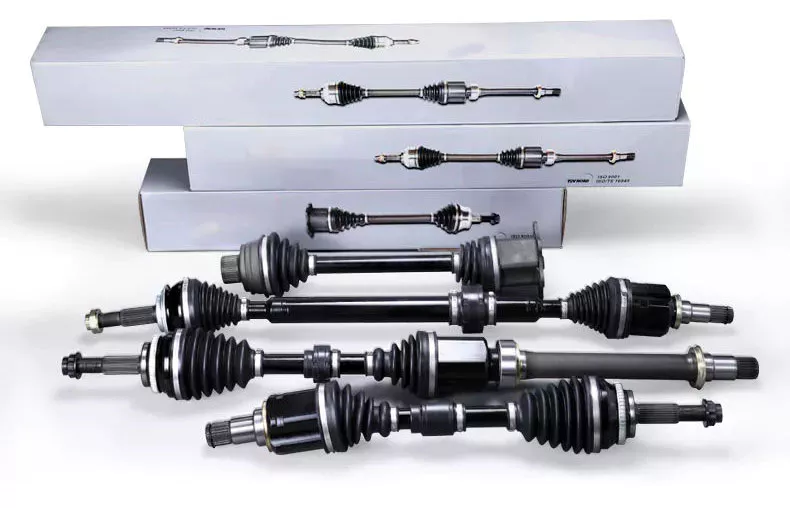
Hur säkerställer kraftöverföringsaxlar effektiv kraftöverföring samtidigt som säkerheten bibehålls?
Kraftuttagsaxlar (PTO) spelar en avgörande roll för att säkerställa effektiv kraftöverföring från en kraftkälla till drivna maskiner eller utrustning, samtidigt som de upprätthåller säkerheten. Dessa axlar är utformade med olika funktioner och mekanismer för att optimera kraftöverföringens effektivitet och minska potentiella faror. Här är en detaljerad förklaring av hur kraftuttagsaxlar uppnår effektiv kraftöverföring samtidigt som säkerhet prioriteras:
1. Mekanisk kraftöverföring: Kraftöverföringsaxlar fungerar som mekaniska länkar mellan kraftkällan, vanligtvis en traktor eller motor, och den drivna maskinen. De överför rotationskraft från kraftkällan till utrustningen, vilket möjliggör effektiv energiöverföring. Den mekaniska konstruktionen av kraftöverföringsaxlar, inklusive deras diameter, längd och materialsammansättning, är optimerad för att minimera effektförluster under överföringen, vilket säkerställer att en betydande del av den kraft som genereras av källan effektivt levereras till maskinen.
2. Universalkopplingar och flexibla kopplingar: Kraftöverföringsaxlar är utrustade med universalkopplingar och flexibla kopplingar som möjliggör vinkelfeljustering och flexibilitet i rörelse. Universalkopplingar hanterar variationer i uppriktningen mellan kraftkällan och den drivna maskinen, vilket möjliggör smidig kraftöverföring även när de två komponenterna inte är perfekt uppriktade. Flexibla kopplingar hjälper till att kompensera för små feljusteringar, minska vibrationer och förhindra överdriven belastning på axeln och anslutna komponenter, vilket ökar effektiviteten och minskar risken för mekaniskt fel eller skador.
3. Konstant hastighet (CV) leder: CV-leder används ofta i kraftöverföringsaxlar för att upprätthålla konstant hastighet och momentöverföring, särskilt i applikationer där den drivna maskinen kräver flexibilitet eller arbetar i olika vinklar. CV-leder möjliggör jämn kraftöverföring utan betydande fluktuationer, även när den drivna maskinen är i en vinkel i förhållande till kraftkällan. Genom att minimera hastighetsvariationer och effektförlust på grund av ändrade vinklar bidrar CV-leder till effektiv kraftöverföring samtidigt som de säkerställer jämn prestanda och minskar sannolikheten för mekanisk stress eller för tidigt slitage.
4. Säkerhetsskydd och sköldar: Säkerhet är en avgörande faktor vid konstruktionen av kraftuttagsaxlar. Skyddsanordningar och skärmar installeras för att täcka den roterande axeln och andra rörliga delar. Dessa skydd fungerar som fysiska barriärer för att förhindra oavsiktlig kontakt med de roterande komponenterna, vilket avsevärt minskar risken för intrassling, skada eller skador. Skyddsanordningar är vanligtvis tillverkade av hållbara material som metall eller plast och är utformade för att möjliggöra den rörelse som krävs för kraftöverföring samtidigt som de ger tillräckligt skydd. Regelbunden inspektion och underhåll av dessa skydd är avgörande för att säkerställa deras effektivitet i att upprätthålla säkerheten.
5. Skjuvbults- eller slirkopplingsmekanismer: Kraftuttagsaxlar har ofta brytbultar eller slirkopplingar som säkerhetsfunktioner för att skydda drivlinans komponenter och förhindra skador vid för högt vridmoment eller plötsligt motstånd. Brytbultar är konstruerade för att brytas eller gå sönder när vridmomentet överstiger ett förutbestämt tröskelvärde, vilket kopplar bort kraftuttagsaxeln från kraftkällan. Detta hjälper till att förhindra skador på axeln, drivna maskiner och kraftkälla. Slirkopplingar fungerar på liknande sätt genom att låta kraftuttagsaxeln slira vid för högt motstånd, vilket skyddar komponenterna från överbelastning. Dessa mekanismer fungerar som säkerhetsåtgärder för att bibehålla kraftuttagsaxelns och tillhörande utrustnings integritet samtidigt som risken för mekaniska fel eller olyckor minimeras.
6. Överensstämmelse med säkerhetsstandarder: Kraftöverföringsaxlar är konstruerade och tillverkade för att uppfylla relevanta säkerhetsstandarder och föreskrifter. Tillverkare följer riktlinjer och krav som fastställts av organisationer som American Society of Agricultural and Biological Engineers (ASABE) eller andra regionala säkerhetsmyndigheter. Efterlevnad av dessa standarder säkerställer att kraftöverföringsaxlar uppfyller specifika säkerhetskriterier, inklusive vridmomentkapacitet, skyddskonstruktion och andra säkerhetsaspekter. Användare kan lita på standardiserade kraftöverföringsaxlar som har genomgått tester och certifiering, vilket ger ytterligare en garanti för deras säkerhet och prestanda.
7. Operatörsutbildning och träning: För att säkerställa säker och effektiv drift är det viktigt att operatörerna får ordentlig utbildning och träning om kraftuttagsaxlar. Operatörerna bör vara bekanta med de specifika säkerhetsfunktionerna, underhållskraven och säkra driftsprocedurerna för de kraftuttagsaxlar som används i deras tillämpningar. Detta inkluderar att förstå vikten av att använda lämplig personlig skyddsutrustning, regelbundet inspektera utrustningen för slitage eller skador och följa rekommenderade underhållsscheman. Operatörernas medvetenhet och efterlevnad av säkerhetsprotokoll bidrar avsevärt till att upprätthålla en säker arbetsmiljö och maximera effektiviteten i kraftöverföringen.
Sammanfattningsvis säkerställer kraftöverföringsaxlar effektiv kraftöverföring samtidigt som säkerheten bibehålls genom sin mekaniska konstruktion, införlivande av universalkopplingar och CV-kopplingar, installation av säkerhetsskydd och skydd, implementering av brytbult- eller slirkopplingsmekanismer, efterlevnad av säkerhetsstandarder och operatörsutbildning. Genom att kombinera dessa funktioner och metoder ger kraftöverföringsaxlar tillförlitlig och säker kraftöverföring, vilket minimerar kraftförluster och potentiella risker i samband med deras drift.
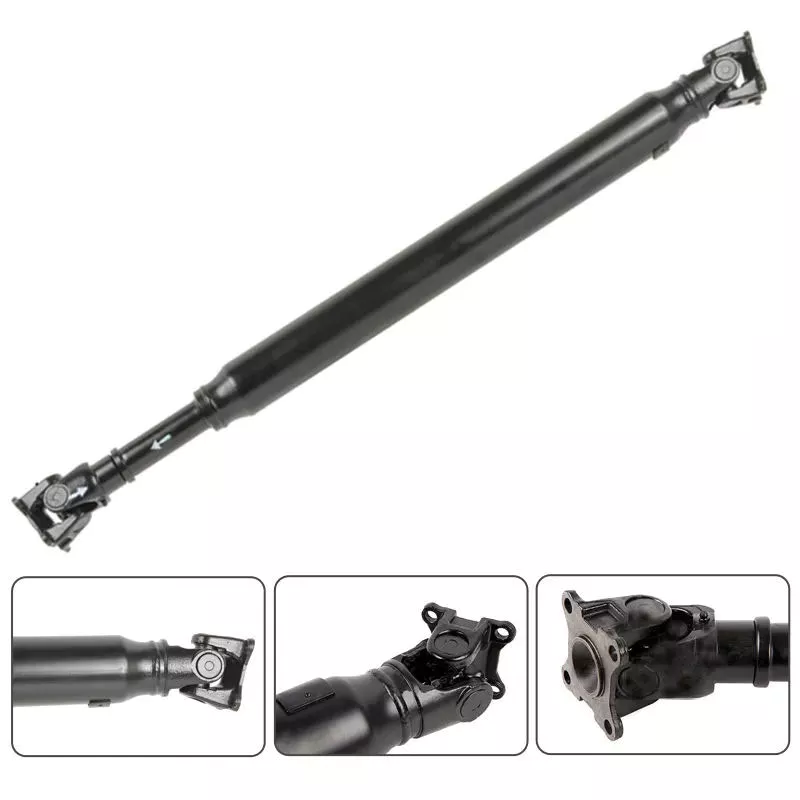
Finns det några begränsningar eller nackdelar med kraftuttagsaxlar?
Även om kraftuttagsaxlar (PTO) erbjuder många fördelar när det gäller kraftöverföring och mångsidighet, har de också vissa begränsningar och nackdelar. Det är viktigt att beakta dessa faktorer när man använder kraftuttagsaxlar för att säkerställa säker och effektiv drift. Här är en detaljerad förklaring av några begränsningar och nackdelar som är förknippade med kraftuttagsaxlar:
1. Säkerhetsrisker: En av de främsta farhågorna med kraftuttagsaxlar är risken för säkerhetsrisker. Kraftuttagsaxlar roterar med höga hastigheter och kan utgöra en betydande risk om de inte skyddas eller hanteras korrekt. Oavsiktlig kontakt med en exponerad eller otillräckligt skyddad kraftuttagsaxel kan leda till allvarliga skador, inklusive intrassling, amputation eller till och med dödsfall. Det är avgörande att följa säkerhetsriktlinjer, implementera korrekt skydd och säkerställa att operatörerna är välutbildade i säker hantering för att minska dessa risker.
2. Underhåll och smörjning: Kraftöverföringsaxlar kräver regelbundet underhåll och smörjning för att säkerställa optimal prestanda och livslängd. Rörliga delar, såsom universalkopplingar och splines, måste inspekteras, rengöras och smörjas med rekommenderade intervall. Försummelse av underhåll kan leda till för tidigt slitage, minskad effektivitet och potentiella fel. Korrekt underhåll, inklusive regelbundna inspektioner och snabb smörjning, är avgörande för att mildra dessa problem.
3. Uppriktning och vinklar: Kraftöverföringsaxlar är beroende av korrekt uppriktning och vinklar för att säkerställa effektiv kraftöverföring. Felaktig uppriktning eller alltför stora vinklar mellan kraftkällan och drivna maskiner kan orsaka ökat slitage och belastning på komponenterna, vilket leder till förtida haverier. Att säkerställa korrekt uppriktning och vinkeljustering, med hjälp av justerbara glidok eller andra metoder, är viktigt för att förhindra överdriven belastning på kraftöverföringsaxeln och tillhörande utrustning.
4. Längdbegränsningar: Kraftuttagsaxlar har begränsningar vad gäller maximal och minimal längd på grund av tekniska begränsningar. Teleskopkonstruktionen möjliggör viss justering, men det finns en praktisk gräns för hur mycket axeln kan förlängas eller dras in. Om avståndet mellan kraftkällan och den drivna maskinen överstiger den maximala eller understiger kraftuttagsaxelns minimilängd kan alternativa lösningar eller modifieringar krävas. I vissa fall kan ytterligare komponenter, såsom drivaxelförlängningar eller växellådor, vara nödvändiga för att överbrygga avståndet.
5. Kompatibilitet: While manufacturers strive to ensure compatibility, there can still be challenges in finding the right PTO shaft for specific equipment configurations. Equipment may have unique requirements in terms of spline sizes, torque ratings, or connection methods that may not be readily available or compatible with off-the-shelf PTO shafts. Customization may be required to address these compatibility issues, which can result in increased costs or lead times.
6. Noise and Vibrations: PTO shafts in operation can generate significant noise and vibrations, especially at higher speeds. This can be a nuisance for operators and may require additional measures to reduce noise levels or dampen vibrations. Excessive vibrations can also affect the overall performance and lifespan of the PTO shaft and connected equipment. Implementing vibration dampeners or using flexible couplings can help mitigate these issues.
7. Power Limits: PTO shafts have specific power limits based on their design, materials, and components. Exceeding these power limits can lead to premature wear, component failures, or even shaft breakage. It is crucial to understand and adhere to the recommended power ratings for PTO shafts to ensure safe and reliable operation. In some cases, upgrading to a higher-capacity PTO shaft or implementing additional power transmission components may be necessary to accommodate higher power requirements.
8. Complex Installation and Removal: Installing and removing PTO shafts can be a complex process, especially in confined spaces or when dealing with heavy equipment. It may require aligning splines, engaging couplings, and securing locking mechanisms. Improper installation or removal techniques can lead to damage to the shaft or associated equipment. Proper training, handling equipment, and following manufacturer guidelines are essential to simplify and ensure the safe installation and removal of PTO shafts.
Despite these limitations and disadvantages, PTO shafts remain widely used and valuable components for power transfer in various industries. By addressing these considerations and implementing proper safety measures, maintenance practices, and alignment procedures, the potential drawbacks of PTO shafts can be effectively mitigated, allowing for safe and efficient operation.

Vad är en kraftuttagsaxel och hur används den i jordbruks- och industriutrustning?
En kraftuttagsaxel (PTO) är en mekanisk komponent som används i jordbruks- och industriell utrustning för att överföra kraft från en kraftkälla, såsom en motor, till en annan maskin eller ett annat redskap. Det är en drivaxel som överför rotationskraft och vridmoment, vilket gör att den anslutna utrustningen kan utföra olika uppgifter. Kraftuttagsaxlar används ofta i jordbruksmaskiner, såsom traktorer, såväl som i industriell utrustning, inklusive generatorer, pumpar och entreprenadmaskiner. Här är en detaljerad förklaring av vad en kraftuttagsaxel är och hur den används:
Struktur och komponenter: En typisk kraftuttagsaxel består av ett ihåligt metallrör med universalkopplingar i varje ände. Det ihåliga röret gör att axeln kan rotera fritt, medan universalkopplingarna hanterar vinkelförskjutningar mellan kraftkällan och den drivna maskinen. Universalkopplingarna består av ett korsformat ok med nållager, vilket ger flexibilitet och möjliggör kraftöverföring i olika vinklar. Vissa kraftuttagsaxlar kan också ha en teleskopsektion för att justera längden för olika utrustningsuppsättningar eller för att hantera varierande avstånd mellan kraftkällan och den drivna maskinen.
Kraftöverföring: Den primära funktionen hos en kraftuttagsaxel är att överföra kraft och vridmoment från kraftkällan till den drivna utrustningen. Kraftkällan, vanligtvis en motor, driver kraftuttagsaxeln via en mekanisk anslutning, såsom en växellåda eller en koppling. När kraftkällan roterar överför den rotationskraft till kraftuttagsaxeln. Kraftuttagsaxeln överför i sin tur denna rotationskraft och vridmoment till den drivna utrustningen, vilket gör att den kan utföra sin avsedda funktion. Vridmomentet och rotationshastigheten som överförs genom kraftuttagsaxeln beror på kraftkällans egenskaper och utväxlingsförhållandet eller kopplingsingreppet.
Jordbrukstillämpningar: Inom jordbruket används kraftuttagsaxlar ofta i traktorer för att driva olika redskap och tillbehör. Kraftuttagsaxeln är ansluten till traktorns kraftuttag, en roterande drivaxel som är placerad baktill på traktorn. Genom att aktivera kraftuttagskopplingen överförs traktorns motorkraft via kraftuttagsaxeln till de anslutna redskapen. Jordbruksmaskiner, såsom slåttermaskiner, balpressar, jordfräsar, sprutor och spannmålsskruvar, är ofta beroende av kraftuttagsaxlar för att få kraft för sin drift. Kraftuttagsaxeln gör att redskapen kan drivas direkt av traktorns motor, vilket eliminerar behovet av separata kraftkällor och ökar mångsidigheten och effektiviteten i jordbruksarbetet.
Industriella tillämpningar: Kraftuttagsaxlar används också flitigt i olika industriella tillämpningar. Industriell utrustning, såsom generatorer, pumpar, kompressorer och industriella blandare, har ofta kraftuttagsaxlar för att ta emot kraft från motorer eller elmotorer. Kraftuttagsaxeln ansluter kraftkällan till den drivna utrustningen, vilket gör att den kan fungera och utföra sin avsedda funktion. I entreprenadmaskiner kan kraftuttagsaxlar hittas i utrustning som betongblandare, hydraulhammare och grävmaskiner för stolphål, vilket möjliggör överföring av kraft från maskinens motor till det specifika redskap eller verktyg som används.
Säkerhetsöverväganden: Det är viktigt att notera att kraftuttagsaxlar kan utgöra säkerhetsrisker om de inte hanteras korrekt. Den roterande axeln kan orsaka allvarliga skador om operatörer kommer i kontakt med den medan den är i drift. För att garantera säkerheten är kraftuttagsaxlar ofta utrustade med skärmar eller skydd som täcker den roterande axeln och universalkopplingarna och förhindrar oavsiktlig kontakt. Det är avgörande att underhålla och inspektera dessa säkerhetsfunktioner regelbundet för att säkerställa deras effektivitet. Dessutom bör operatörer få korrekt utbildning i kraftuttagsaxelns drift, inklusive säkra till- och frånkopplingsprocedurer, samt användning av personlig skyddsutrustning vid arbete nära kraftuttagsdrivna maskiner.
Sammanfattningsvis är en kraftuttagsaxel en mekanisk komponent som används i jordbruks- och industriell utrustning för att överföra kraft och vridmoment från en kraftkälla till en driven maskin eller ett redskap. Den möjliggör direkt kraftöverföring från motorer till olika utrustningar, vilket ökar effektiviteten och mångsidigheten inom jordbruks- och industriell verksamhet. Även om kraftuttagsaxlar erbjuder betydande fördelar måste operatörer vara medvetna om de därmed sammanhängande säkerhetsaspekterna och vidta lämpliga försiktighetsåtgärder för att förhindra olyckor och skador.


editor by CX 2023-12-13