製品説明
Agricultural Machinery Parts Tractor Truck Rotary Drive PTO Shaft Agriculture Machine Part
製品説明
Our rotary PTO SHAFT is a powerful assistant in agricultural production, known for its high efficiency and durability. environment for CHINAMFG cultivation.
Product Features:
High strength materials: The PTO SHAFT is made of high-strength materials, which have excellent durability and fatigue resistance and can be used for a long time.
Efficient farming: PTO SHAFT Labor-saving and easy to operate: using a rotary tiller for land plowing is easy and labor-saving, easy to operate, and suitable for various terrains.
Easy maintenance: The PTO SHAFT has a simple structure, low maintenance cost, and long service life.
Strong adaptability: Suitable for various types of soil, whether in paddy fields, dry fields, or mountainous areas, it can demonstrate excellent performance.
Usage :
土地の状況に応じて、適切なPTOシャフトのモデルを選択してください。
農業機械にPTOシャフトを取り付けます。
Start agricultural machinery and start plowing the land.
Precautions :
ご使用前に製品マニュアルをよくお読みください。
Please use this product under safe conditions.
This product is only used for agricultural tillage and cannot be used for other purposes.
詳細写真
製品パラメータ
GOOD QUALITY AGRICULTURE MACHINE ACCESSORY PROPRLLER SHAFT TRACTOR PARTS TRANSMISSION SHAFT DRIVE AXLE POWER DRIVE SHAFT PTO SHAFT
Packaging & Shipping
当社の強み
1. High quality steel raw materials, suitable hardness, not easy to break or deform.
2. Automatic temperature control system used on both heating treatment and tempering, to guaratee the products heated evenly, the outside and interior have uniform structure, so as to get longer work life.
3.Precise and high strength moulds get precise shaping during thermo-forming.
4. Special gas used in tempering, to make up the chemical elements which lost during heating treatment, to double the work life than normal technology, proprietary heat treatment technology designed and developed by JIELIKE.
5. The whole product body and shape has been adjusted precisely by mechanics to pass the balance test both in static and moving states.
6. Products use electrostatic painting or brand water-based paint, environment-protective, to get excellent surface and long time rust-protective. And drying process is added for liquid painting to improve the quality of the paint adhesion to blade surface.
7. Automatic shot peening surface treatment, excellent appearance.
8. Provide OEM & ODM Service.
9. Provide customized products.
アフターサービス
We provide comprehensive after-sales service, including product consultation, user guidance, repair and maintenance, etc. If you encounter any problems during use, please feel free to contact us at any time.
/* January 22, 2571 19:08:37 */!function(){function s(e,r){var a,o={};try{e&&e.split(“,”).forEach(function(e,t){e&&(a=e.match(/(.*?):(.*)$/))&&1
| Type: | Shaft |
|---|---|
| Usage: | Tillage |
| 材料: | Carbon Steel |
| カスタマイズ: |
利用可能
| カスタマイズされたリクエスト |
|---|
.shipping-cost-tm .tm-status-off{background: none;padding:0;color: #1470cc}
| Shipping Cost:
Estimated freight per unit. |
about shipping cost and estimated delivery time. |
|---|
| Payment Method: |
|
|---|---|
|
Initial Payment Full Payment |
| Currency: | US$ |
|---|
| Return&refunds: | You can apply for a refund up to 30 days after receipt of the products. |
|---|
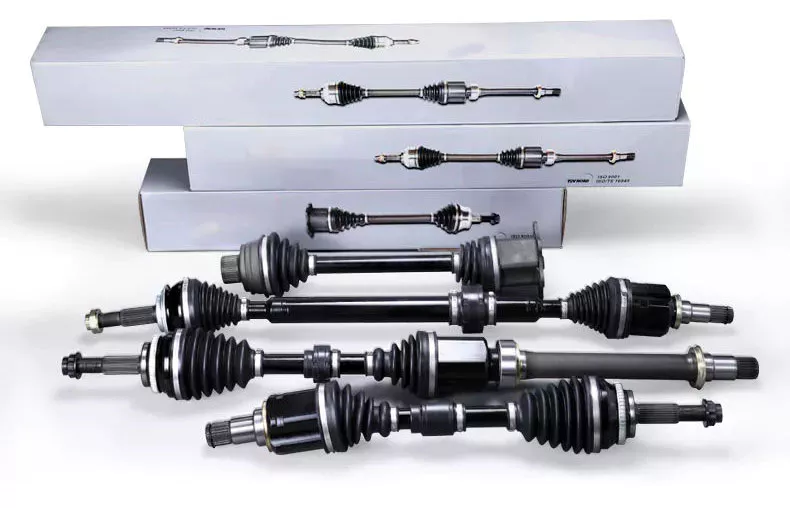
How do PTO shafts ensure efficient power transfer while maintaining safety?
PTO (Power Take-Off) shafts play a crucial role in ensuring efficient power transfer from a power source to driven machinery or equipment, while also maintaining safety. These shafts are designed with various features and mechanisms to optimize power transmission efficiency and mitigate potential hazards. Here’s a detailed explanation of how PTO shafts achieve efficient power transfer while prioritizing safety:
1. Mechanical Power Transmission: PTO shafts serve as mechanical linkages between the power source, typically a tractor or engine, and the driven machinery. They transmit rotational power from the power source to the equipment, enabling efficient transfer of energy. The mechanical design of PTO shafts, including their diameter, length, and material composition, is optimized to minimize power losses during transmission, ensuring that a significant portion of the power generated by the source is effectively delivered to the machinery.
2. Universal Joints and Flexible Couplings: PTO shafts are equipped with universal joints and flexible couplings that allow for angular misalignment and flexibility in movement. Universal joints accommodate variations in the alignment between the power source and the driven machinery, enabling smooth power transfer even when the two components are not perfectly aligned. Flexible couplings help to compensate for slight misalignments, reduce vibration, and prevent excessive stress on the shaft and connected components, thereby enhancing efficiency and reducing the risk of mechanical failure or damage.
3. Constant Velocity (CV) Joints: CV joints are often used in PTO shafts to maintain constant speed and torque transfer, particularly in applications where the driven machinery requires flexibility or operates at different angles. CV joints allow for smooth power transmission without significant fluctuations, even when the driven machinery is at an angle relative to the power source. By minimizing speed variations and power loss due to changing angles, CV joints contribute to efficient power transfer while ensuring consistent performance and reducing the likelihood of mechanical stress or premature wear.
4. Safety Guards and Shields: Safety is a paramount consideration in the design of PTO shafts. Protective guards and shields are installed to cover the rotating shaft and other moving parts. These guards act as physical barriers to prevent accidental contact with the rotating components, significantly reducing the risk of entanglement, injury, or damage. Safety guards are typically made of durable materials such as metal or plastic and are designed to allow the necessary movement for power transmission while providing adequate protection. Regular inspection and maintenance of these guards are crucial to ensure their effectiveness in maintaining safety.
5. Shear Bolt or Slip Clutch Mechanisms: PTO shafts often incorporate shear bolt or slip clutch mechanisms as safety features to protect the driveline components and prevent damage in case of excessive torque or sudden resistance. Shear bolts are designed to shear or break when the torque exceeds a predetermined threshold, disconnecting the PTO shaft from the power source. This helps prevent damage to the shaft, driven machinery, and power source. Slip clutches work similarly by allowing the PTO shaft to slip when excessive resistance is encountered, protecting the components from overload. These mechanisms act as safety measures to maintain the integrity of the PTO shaft and associated equipment while minimizing the risk of mechanical failures or accidents.
6. Compliance with Safety Standards: PTO shafts are designed and manufactured to comply with relevant safety standards and regulations. Manufacturers follow guidelines and requirements set by organizations such as the American Society of Agricultural and Biological Engineers (ASABE) or other regional safety authorities. Compliance with these standards ensures that PTO shafts meet specific safety criteria, including torque capacity, guard design, and other safety considerations. Users can rely on standardized PTO shafts that have undergone testing and certification, providing an additional layer of assurance regarding their safety and performance.
7. Operator Education and Training: To ensure safe and efficient operation, it is essential for operators to receive proper education and training on PTO shafts. Operators should be familiar with the specific safety features, maintenance requirements, and safe operating procedures for the PTO shafts used in their applications. This includes understanding the importance of using appropriate personal protective equipment, regularly inspecting the equipment for wear or damage, and following recommended maintenance schedules. Operator awareness and adherence to safety protocols significantly contribute to maintaining a safe working environment and maximizing the efficiency of power transfer.
In summary, PTO shafts ensure efficient power transfer while maintaining safety through their mechanical design, incorporation of universal joints and CV joints, installation of safety guards and shields, implementation of shear bolt or slip clutch mechanisms, compliance with safety standards, and operator education. By combining these features and practices, PTO shafts provide reliable and secure power transmission, minimizing power losses and potential risks associated with their operation.

How do PTO shafts handle variations in load and torque during operation?
PTO (Power Take-Off) shafts are designed to handle variations in load and torque during operation by employing specific mechanisms and features that ensure efficient power transfer and protection against overload conditions. Here’s a detailed explanation of how PTO shafts handle variations in load and torque:
1. Mechanical Design: PTO shafts are engineered with robust mechanical design principles that enable them to handle variations in load and torque. They are typically constructed using high-strength materials such as steel, which provides durability and resistance to bending or twisting forces. The shaft’s diameter, wall thickness, and overall dimensions are carefully calculated to withstand the expected torque levels and load variations. The mechanical design of the PTO shaft ensures that it can transmit power reliably and accommodate the dynamic forces encountered during operation.
2. Universal Joints: Universal joints are a key component of PTO shafts that allow for flexibility and compensation of misalignment between the power source and driven machinery. These joints can accommodate variations in angular alignment, which may occur due to changes in load or movement of the machinery. Universal joints consist of a cross-shaped yoke with needle bearings that allow for smooth rotation and transfer of torque, even when the shafts are not perfectly aligned. The design of universal joints enables PTO shafts to handle variations in load and torque while maintaining consistent power transmission.
3. Slip Clutches: Slip clutches are often incorporated into PTO shafts to provide overload protection. These clutches allow the PTO shaft to slip or disengage momentarily when excessive torque or resistance is encountered. Slip clutches typically consist of friction plates that can be adjusted to a specific torque setting. When the torque surpasses the predetermined limit, the clutch slips, preventing damage to the PTO shaft and connected equipment. Slip clutches are particularly useful when sudden changes in load or torque occur, providing a safety mechanism to protect the PTO shaft and associated machinery.
4. Torque Limiters: Torque limiters are another protective feature found in some PTO shafts. These devices are designed to automatically disengage the power transmission when a predetermined torque threshold is exceeded. Torque limiters can be mechanical, such as shear pin couplings or friction clutches, or electronic, utilizing sensors and control systems. When the torque exceeds the set limit, the torque limiter disengages, preventing further power transfer and protecting the PTO shaft from overload conditions. Torque limiters are effective in handling sudden spikes in torque and safeguarding the PTO shaft and associated equipment.
5. Maintenance and Inspection: Regular maintenance and inspection of PTO shafts are essential to ensure their proper functioning and ability to handle variations in load and torque. Routine maintenance includes lubrication of universal joints, inspection of shaft integrity, and tightening of fasteners. Regular inspections allow for early detection of wear, misalignment, or other issues that may affect the PTO shaft’s performance. By addressing maintenance and inspection requirements, operators can identify and address any concerns that may arise due to variations in load and torque, ensuring the continued safe and efficient operation of the PTO shaft.
6. Operator Awareness and Control: Operators play a crucial role in managing variations in load and torque during PTO shaft operation. They should be aware of the machinery’s operational limits, including the recommended torque ratings and load capacities of the PTO shaft. Proper training and understanding of the equipment’s capabilities enable operators to make informed decisions and adjust the operation when encountering significant load or torque changes. Operators should also be vigilant in monitoring the equipment’s performance, watching for any signs of excessive vibration, noise, or other indications of potential issues related to load and torque variations.
By incorporating robust mechanical design, utilizing universal joints, slip clutches, torque limiters, and implementing proper maintenance practices, PTO shafts are equipped to handle variations in load and torque during operation. These features ensure reliable power transmission, protect against overload conditions, and contribute to the safe and efficient functioning of the PTO shaft and the machinery it drives.
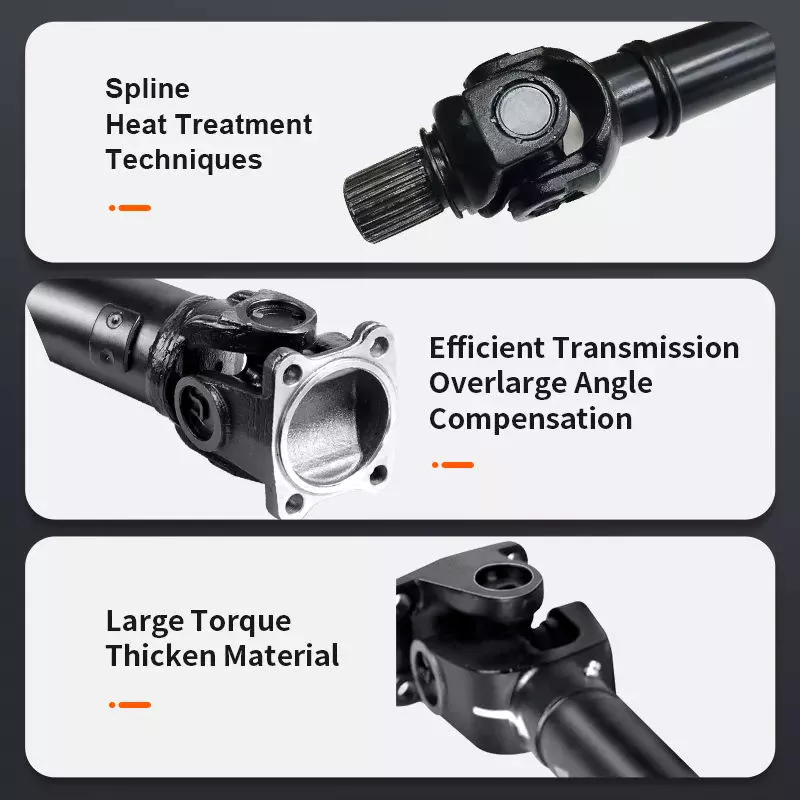
PTOシャフトは、トラクターから作業機への動力伝達にどのように貢献するのでしょうか?
PTOシャフト(動力取り出し軸)は、農業や産業現場において、トラクターから作業機へ動力を伝達する上で重要な役割を果たします。PTOシャフトは、信頼性が高く効率的な動力伝達手段を提供し、トラクターが様々な作業機を駆動し、幅広い作業を行うことを可能にします。以下に、PTOシャフトがトラクターから作業機への動力伝達にどのように貢献しているかを詳しく説明します。
電源: トラクターには、大量の機械動力を発生させるように設計された強力なエンジンが搭載されています。この動力は、トラクターの車輪を駆動し、油圧システムを作動させるだけでなく、PTOシャフトを介して作業機を取り付けるための動力としても利用されます。PTOシャフトは通常、トラクターの後部または側面に接続され、そこに動力取り出し機構が配置されています。動力取り出し機構は、トラクターのエンジンまたはトランスミッションから直接動力を受け取り、PTOシャフトへの効率的な動力伝達を可能にします。
PTOシャフトの設計: PTOシャフトは、トラクターの動力取り出し装置から作業機へ回転動力とトルクを伝達する駆動系部品として設計されています。中空の金属管の両端にユニバーサルジョイントが取り付けられています。ユニバーサルジョイントは角度のずれを吸収し、トラクターと作業機が完全に一直線になっていない場合でもPTOシャフトが動力を伝達できるようにします。また、PTOシャフトには回転軸への偶発的な接触を防ぐための安全シールドまたはガードが装備されており、作業中のオペレーターの安全を確保します。
PTOエンゲージメント: トラクターから作業機へ動力を伝達するには、PTOシャフトを接続する必要があります。トラクターにはPTOクラッチ機構が装備されており、オペレーターは必要に応じてPTOシャフトを接続または切断できます。PTOクラッチが接続されると、トラクターのエンジンから動力取り出し機構を介してPTOシャフトに動力が伝達されます。この回転動力はPTOシャフトを介して作業機に伝達され、作業機の作動部品を駆動します。
回転動力伝達: トラクターのエンジンによって発生した回転動力は、動力取り出し機構を介してPTOシャフトに伝達されます。PTOシャフトは動力取り出し機構に直接接続されているため、エンジンと同じ速度で回転します。この回転動力は、PTOシャフトから作業機の駆動系またはギアボックスに伝達されます。作業機の駆動系は、ブレード、オーガ、ポンプなどの作業機の作動部品に動力を分配し、それぞれの機能を実行できるようにします。
スピードとパワーのマッチング: PTOシャフトは、様々な作業機の回転速度と動力要件に合わせて設計されています。トラクターにはPTOの速度設定が複数備わっていることが多く、オペレーターは使用する作業機に応じて適切な速度を選択できます。作業機によって最適な動作に必要な回転速度は異なる場合があり、PTOシャフトはこれらの要件に合わせて容易に調整できます。さらに、トラクターのエンジンで発生した動力はPTOシャフトを介して伝達され、作業機の作動部品を効率的に駆動するために必要なトルクを提供します。
汎用性と効率性: PTOシャフトは、農業および産業作業において、非常に高い汎用性と効率性を提供します。トラクターは、草刈り機、ベーラー、耕うん機、噴霧器、穀物オーガーなど、幅広い作業機を駆動できます。作業機をトラクターの動力源に直接接続することで、オペレーターは別途発電機やエンジンを用意することなく、作業を迅速に切り替えることができます。この汎用性と効率性により、農業および産業現場におけるワークフローが効率化され、コストが削減され、全体的な生産性が向上します。
安全上の考慮事項: PTOシャフトは動力伝達に不可欠ですが、取り扱いを誤ると安全上のリスクが生じる可能性があります。回転するシャフトやユニバーサルジョイントは、作業中にオペレーターが接触すると重傷を負う恐れがあります。そのため、PTOシャフトには偶発的な接触を防ぐための安全シールドまたはガードが装備されています。オペレーターは、PTOシャフトを操作する前に、必ず安全シールドが所定の位置にしっかりと取り付けられていることを確認する必要があります。適切な訓練、安全ガイドラインの遵守、そしてPTOシャフトおよび関連する安全機能の定期的なメンテナンスは、安全な操作を確保するために不可欠です。
要約すると、PTOシャフトは、農業および産業用途においてトラクターから作業機へ動力を伝達する上で不可欠な部品です。PTOシャフトは、信頼性が高く効率的な動力伝達手段を提供し、トラクターが様々な作業機を駆動し、幅広い作業を行うことを可能にします。PTOクラッチを作動させ、PTOシャフトを通して回転動力を伝達することで、トラクターは作業機の作動部品に動力を供給し、農業および産業作業における汎用性、効率性、生産性を向上させます。


editor by CX 2024-05-03