Opis produktu
Specification OF PTO Drive Shaft —Speedway:
We developed and produced many tractor spare parts for Japanese Tractors .
Product Name: Japanese tractor transmission clutch disc parts for B1400 B7000
Tractor Model we can supply: B1500/1400,B5000,B6000, B7000, TU1400, TX1400, TX1500, YM F1401, YM1400 ETC.
The parts for example: Tyres, rim Jante, Kit coupling KB-TX 3 point linkage. Exhaust pipe Steering wheel. Kit coupling YM F14/F15, gear shaft, PTO shaft, PTO cardan, key, regulator ect.
Most of the spare parts are with stock. If you are interested in, please feel easy to contact me.
Other relevant parts for cars or machinery we have made in our workshop are as follows:
Drive shaft parts and assemblies,
Universal joint parts and assemblies,
PTO drive shafts,
Spline shafts,
Slip yokes,
Weld yokes,
Flange yokes,
Steering columns,
Connecting rods,
etc.
Opis produktu
Pto Drive Shaft Item:
| Przedmiot | Cross journal size | 540dak-rpm | 1000dak-rpm | |||
| Series 1 | 22mm | 54mm | 12KW | 16HP | 18KW | 25HP |
| Series 2 | 23.8mm | 61.3mm | 15KW | 21HP | 23KW | 31HP |
| Series 3 | 27mm | 70mm | 26KW | 35HP | 40KW | 55HP |
| Series 4 | 27mm | 74.6mm | 26KW | 35HP | 40KW | 55HP |
| Series 5 | 30.2mm | 80mm | 35KW | 47HP | 54KW | 74HP |
| Series 6 | 30.2mm | 92mm | 47KW | 64HP | 74KW | 100HP |
| Series 7 | 30.2mm | 106.5mm | 55KW | 75HP | 87KW | 18HP |
| Series 8 | 35mm | 106.5mm
|
70KW | 95HP | 110KW | 150HP |
| Series 38 | 38mm | 102mm | 70KW | 95HP | 110KW | 150HP |
Profil firmy
Certyfikaty
Często zadawane pytania
/* 10 marca 2571 17:59:20 */!function(){function s(e,r){var a,o={};try{e&&e.split(“,”).forEach(function(e,t){e&&(a=e.match(/(.*?):(.*)$/))&&1
| Typ: | Wał |
|---|---|
| Stosowanie: | Agricultural Products Processing, Farmland Infrastructure, Harvester, Planting and Fertilization, Grain Threshing, Cleaning and Drying |
| Tworzywo: | Stainless Steel |
| Źródło zasilania: | Pto Dirven Shaft |
| Waga: | Standard |
| Serwis posprzedażowy: | 1 rok |
| Próbki: |
US$ 300/Piece
1 sztuka (minimalne zamówienie) | |
|---|
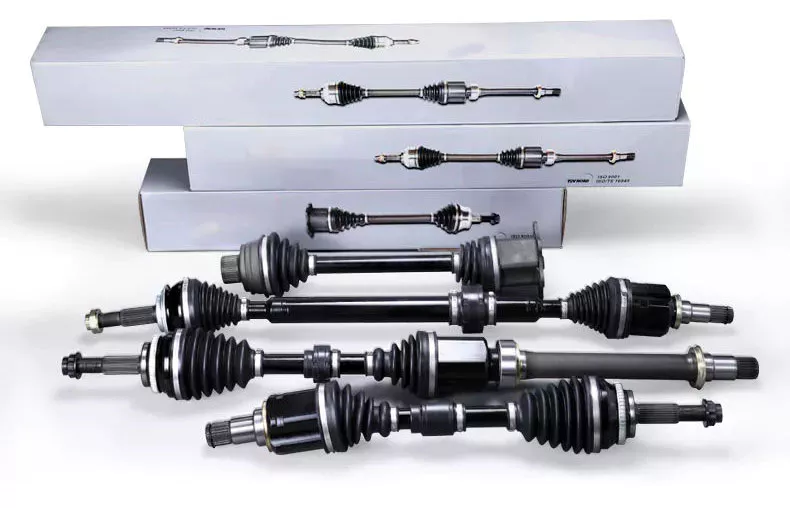
How do PTO shafts ensure efficient power transfer while maintaining safety?
PTO (Power Take-Off) shafts play a crucial role in ensuring efficient power transfer from a power source to driven machinery or equipment, while also maintaining safety. These shafts are designed with various features and mechanisms to optimize power transmission efficiency and mitigate potential hazards. Here’s a detailed explanation of how PTO shafts achieve efficient power transfer while prioritizing safety:
1. Mechanical Power Transmission: PTO shafts serve as mechanical linkages between the power source, typically a tractor or engine, and the driven machinery. They transmit rotational power from the power source to the equipment, enabling efficient transfer of energy. The mechanical design of PTO shafts, including their diameter, length, and material composition, is optimized to minimize power losses during transmission, ensuring that a significant portion of the power generated by the source is effectively delivered to the machinery.
2. Universal Joints and Flexible Couplings: PTO shafts are equipped with universal joints and flexible couplings that allow for angular misalignment and flexibility in movement. Universal joints accommodate variations in the alignment between the power source and the driven machinery, enabling smooth power transfer even when the two components are not perfectly aligned. Flexible couplings help to compensate for slight misalignments, reduce vibration, and prevent excessive stress on the shaft and connected components, thereby enhancing efficiency and reducing the risk of mechanical failure or damage.
3. Constant Velocity (CV) Joints: CV joints are often used in PTO shafts to maintain constant speed and torque transfer, particularly in applications where the driven machinery requires flexibility or operates at different angles. CV joints allow for smooth power transmission without significant fluctuations, even when the driven machinery is at an angle relative to the power source. By minimizing speed variations and power loss due to changing angles, CV joints contribute to efficient power transfer while ensuring consistent performance and reducing the likelihood of mechanical stress or premature wear.
4. Safety Guards and Shields: Safety is a paramount consideration in the design of PTO shafts. Protective guards and shields are installed to cover the rotating shaft and other moving parts. These guards act as physical barriers to prevent accidental contact with the rotating components, significantly reducing the risk of entanglement, injury, or damage. Safety guards are typically made of durable materials such as metal or plastic and are designed to allow the necessary movement for power transmission while providing adequate protection. Regular inspection and maintenance of these guards are crucial to ensure their effectiveness in maintaining safety.
5. Shear Bolt or Slip Clutch Mechanisms: PTO shafts often incorporate shear bolt or slip clutch mechanisms as safety features to protect the driveline components and prevent damage in case of excessive torque or sudden resistance. Shear bolts are designed to shear or break when the torque exceeds a predetermined threshold, disconnecting the PTO shaft from the power source. This helps prevent damage to the shaft, driven machinery, and power source. Slip clutches work similarly by allowing the PTO shaft to slip when excessive resistance is encountered, protecting the components from overload. These mechanisms act as safety measures to maintain the integrity of the PTO shaft and associated equipment while minimizing the risk of mechanical failures or accidents.
6. Compliance with Safety Standards: PTO shafts are designed and manufactured to comply with relevant safety standards and regulations. Manufacturers follow guidelines and requirements set by organizations such as the American Society of Agricultural and Biological Engineers (ASABE) or other regional safety authorities. Compliance with these standards ensures that PTO shafts meet specific safety criteria, including torque capacity, guard design, and other safety considerations. Users can rely on standardized PTO shafts that have undergone testing and certification, providing an additional layer of assurance regarding their safety and performance.
7. Operator Education and Training: To ensure safe and efficient operation, it is essential for operators to receive proper education and training on PTO shafts. Operators should be familiar with the specific safety features, maintenance requirements, and safe operating procedures for the PTO shafts used in their applications. This includes understanding the importance of using appropriate personal protective equipment, regularly inspecting the equipment for wear or damage, and following recommended maintenance schedules. Operator awareness and adherence to safety protocols significantly contribute to maintaining a safe working environment and maximizing the efficiency of power transfer.
In summary, PTO shafts ensure efficient power transfer while maintaining safety through their mechanical design, incorporation of universal joints and CV joints, installation of safety guards and shields, implementation of shear bolt or slip clutch mechanisms, compliance with safety standards, and operator education. By combining these features and practices, PTO shafts provide reliable and secure power transmission, minimizing power losses and potential risks associated with their operation.
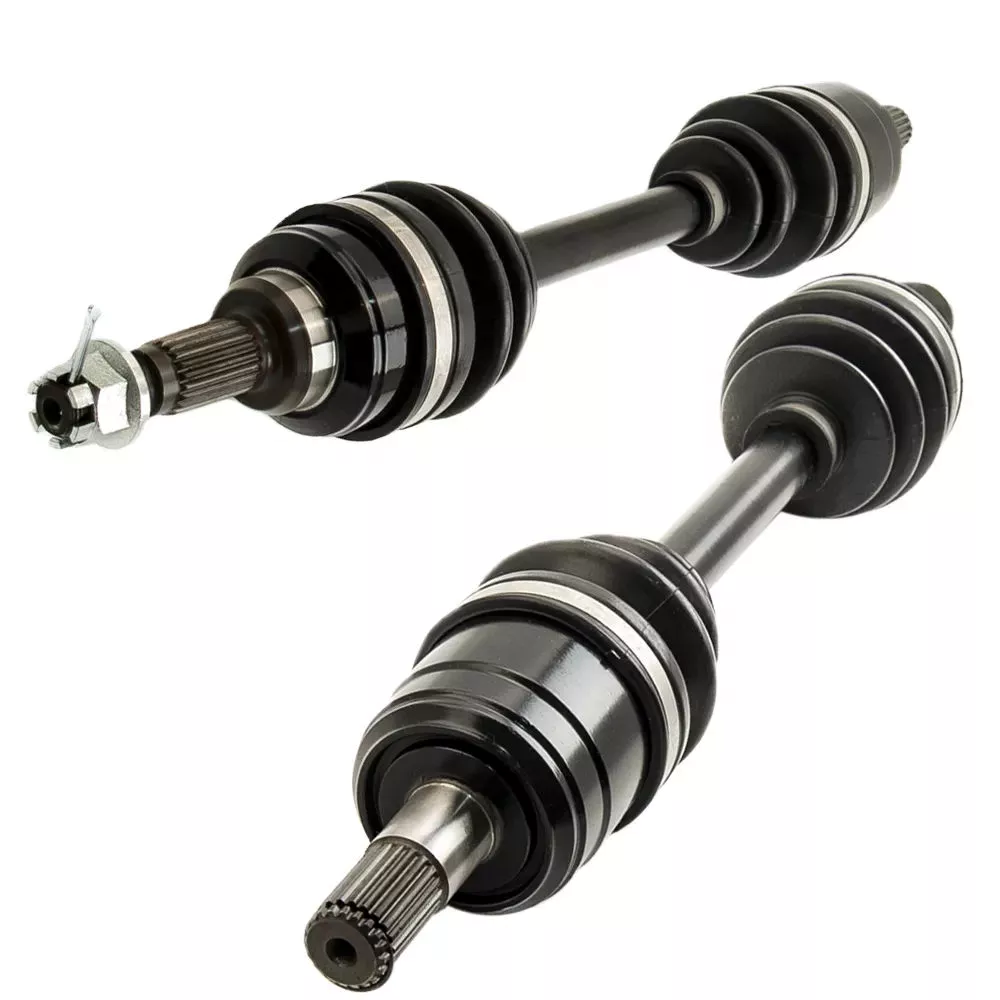
Can PTO shafts be customized for specific machinery and power requirements?
Yes, PTO (Power Take-Off) shafts can be customized to meet the specific machinery and power requirements of different applications. Manufacturers offer customization options to ensure that PTO shafts are precisely tailored to the power source, driven machinery, and the intended application. Here’s a detailed explanation of how PTO shafts can be customized:
1. Shaft Length: PTO shafts can be customized in terms of length to accommodate different equipment configurations. The length of the PTO shaft is critical to ensure proper alignment and connection between the power source and driven machinery. Manufacturers can provide PTO shafts with adjustable or fixed-length options, allowing for flexibility in meeting specific length requirements. Customizing the shaft length ensures that the PTO shaft fits the equipment properly, optimizing power transfer efficiency and reducing the risk of misalignment or excessive stress.
2. Spline Sizes: PTO shafts are available with different spline sizes to match the input and output shafts of various equipment. Spline size customization allows the PTO shaft to seamlessly connect to the power source and driven machinery. Manufacturers can offer different spline configurations, such as 1-3/8 inch, 1-3/4 inch, or metric sizes, to accommodate specific machinery requirements. Customizing the spline size ensures a proper fit and secure connection, enabling efficient power transfer without the need for additional adapters or modifications.
3. Yoke Designs: PTO shafts can be customized with different yoke designs to match the connection points on the power source and driven machinery. The yoke is the component that attaches to the shaft and connects to the equipment. Manufacturers can provide various yoke designs, such as round, triangular, or splined yokes, to ensure compatibility with specific machinery. Customizing the yoke design allows for a secure and reliable connection, aligning the PTO shaft with the equipment’s input/output shafts and optimizing power transmission efficiency.
4. Torque Ratings: PTO shafts can be customized to handle specific torque requirements based on the power demands of the application. Torque is the rotational force that the PTO shaft needs to transmit from the power source to the driven machinery. Manufacturers can design PTO shafts with different torque ratings by using appropriate materials, dimensions, and reinforcement techniques. Customizing the torque rating ensures that the PTO shaft can safely and reliably handle the required power levels without premature wear or failure.
5. Mechanizmy sprzęgające: PTO shafts can be customized with different coupling mechanisms to match the connection requirements of specific equipment. Coupling mechanisms are the means by which the PTO shaft connects and disconnects from the power source and driven machinery. Manufacturers can provide various coupling options, such as quick-release couplings, shear pin couplings, or mechanical lock couplings, to accommodate different machinery designs and operational needs. Customizing the coupling mechanism ensures ease of use, secure attachment, and quick disengagement when necessary.
6. Protective Features: PTO shafts can be customized with additional protective features to enhance safety and durability. These features may include guard shields, safety covers, or slip clutches. Guard shields and safety covers provide physical protection by enclosing the rotating shaft and preventing accidental contact, reducing the risk of injuries. Slip clutches offer overload protection by allowing the PTO shaft to slip or disengage when excessive torque or resistance is encountered, preventing damage to the shaft and associated equipment. Customizing the protective features ensures compliance with safety regulations and addresses specific safety requirements of the machinery or application.
7. Material Selection: PTO shafts can be customized with different materials based on the application’s demands. Manufacturers can offer a range of material options, such as steel, aluminum, or composite materials, with varying strength, weight, and corrosion resistance properties. Customizing the material selection allows for optimizing the PTO shaft’s performance, considering factors like operating conditions, environmental exposure, and weight restrictions.
By providing customization options such as shaft length, spline sizes, yoke designs, torque ratings, coupling mechanisms, protective features, and material selection, manufacturers can ensure that PTO shafts are specifically tailored to meet the machinery and power requirements of different applications. Customized PTO shafts facilitate seamless integration, efficient power transfer, and reliable operation, enhancing the overall performance and productivity of the equipment.

Jakie korzyści oferują wały odbioru mocy w różnych typach maszyn?
Wały odbioru mocy (WOM) oferują szereg korzyści dla różnych typów maszyn rolniczych i przemysłowych. Zapewniają elastyczny i wydajny sposób przenoszenia mocy, umożliwiając maszynom wykonywanie określonych zadań i funkcji. Oto szczegółowe wyjaśnienie korzyści, jakie oferują wały odbioru mocy dla różnych typów maszyn:
Wszechstronność: Wały przegubowo-teleskopowe zwiększają wszechstronność maszyn, umożliwiając ich zasilanie ze wspólnego źródła zasilania, takiego jak ciągnik lub silnik. Oznacza to, że jedno źródło zasilania może być używane do napędzania wielu narzędzi lub maszyn poprzez proste podłączanie i odłączanie wału WOM. Na przykład, w rolnictwie ciągnik wyposażony w wał WOM może napędzać różne narzędzia, takie jak kosiarki, prasy, glebogryzarki, opryskiwacze i ślimaki zbożowe. Podobnie, w zastosowaniach przemysłowych, wały WOM umożliwiają wykorzystanie jednego silnika do zasilania różnych maszyn lub urządzeń, takich jak generatory, pompy, sprężarki i mieszalniki przemysłowe.
Efektywność: Wały przegubowo-teleskopowe (WOM) oferują efektywny sposób przenoszenia mocy ze źródła napędu do maszyny. Poprzez bezpośrednie połączenie źródła napędu z maszyną napędzaną, wały WOM minimalizują straty energii, które mogą występować w przypadku innych metod przenoszenia mocy. To bezpośrednie przenoszenie mocy przekłada się na poprawę ogólnej sprawności i wydajności maszyn. Ponadto wały WOM umożliwiają regulację prędkości obrotowej i mocy wyjściowej w celu dopasowania do wymagań konkretnej maszyny, zapewniając optymalną pracę i redukując zbędne zużycie energii.
Oszczędności kosztów: Zastosowanie wałów odbioru mocy (WOM) może prowadzić do oszczędności na wiele sposobów. Po pierwsze, dzięki wykorzystaniu jednego źródła zasilania do napędzania wielu maszyn lub narzędzi, eliminuje się potrzebę stosowania oddzielnych silników dla każdego urządzenia, co obniża koszty kapitałowe. Po drugie, wały odbioru mocy (WOM) eliminują potrzebę stosowania dodatkowych źródeł paliwa lub energii, ponieważ wykorzystują istniejące źródło zasilania, co przekłada się na niższe koszty paliwa lub energii. Ponadto, wszechstronność wałów odbioru mocy (WOM) pozwala na lepsze wykorzystanie sprzętu, maksymalizując zwrot z inwestycji.
Elastyczność: Wały odbioru mocy zapewniają elastyczność w zakresie konfiguracji i ustawienia sprzętu. Można je regulować pod względem długości lub wyposażyć w sekcje teleskopowe, co pozwala na łatwe dopasowanie do różnych konfiguracji sprzętu i różnych odległości między źródłem zasilania a napędzaną maszyną. Ta elastyczność umożliwia operatorom szybkie podłączanie i odłączanie wałów odbioru mocy w razie potrzeby, co ułatwia sprawną wymianę sprzętu i skraca przestoje. Ponadto, możliwość regulacji prędkości obrotowej i mocy wyjściowej wałów odbioru mocy dodatkowo zwiększa elastyczność, dostosowując je do specyficznych wymagań różnych maszyn i zastosowań.
Łatwość użytkowania: Wały odbioru mocy (WOM) są stosunkowo łatwe w obsłudze, dzięki czemu są dostępne dla operatorów z minimalnym przeszkoleniem. Proces podłączania i odłączania wałów WOM jest prosty i często wymaga użycia prostego mechanizmu sprzęgającego lub blokującego. Ta łatwość obsługi usprawnia obsługę sprzętu, umożliwiając operatorom szybkie przełączanie się między różnymi narzędziami lub maszynami bez znacznego wysiłku i czasochłonnych procedur. Co więcej, bezpośrednie przenoszenie mocy przez wały WOM upraszcza obsługę sprzętu, ponieważ maszyny mogą być zasilane z istniejącego źródła zasilania bez potrzeby stosowania dodatkowych elementów sterujących lub systemów zarządzania energią.
Zwiększona produktywność: Wały przegubowo-teleskopowe przyczyniają się do zwiększenia wydajności w rolnictwie i przemyśle. Umożliwiając stosowanie wszechstronnych konfiguracji maszyn, operatorzy mogą wykonywać szeroki zakres zadań z jednego źródła zasilania. Eliminuje to konieczność pracy ręcznej lub korzystania z wielu maszyn, usprawniając przepływ pracy i skracając czas potrzebny na wykonanie różnych czynności. Sprawność i niezawodność przenoszenia mocy przez wały przegubowo-teleskopowe również przyczyniają się do poprawy wydajności, zapewniając spójną i efektywną pracę maszyn, co przekłada się na zwiększoną wydajność i skrócenie przestojów.
Bezpieczeństwo: Choć nie są bezpośrednio związane z wydajnością maszyn, wały WOM oferują również korzyści w zakresie bezpieczeństwa. Zastosowanie osłon zabezpieczających na wałach WOM pomaga zapobiegać przypadkowemu kontaktowi z obracającym się wałem, zmniejszając ryzyko obrażeń operatorów. Te zabezpieczenia mają na celu ochronę obracającego się wału i przegubów Cardana, uniemożliwiając operatorom kontakt z nimi podczas pracy. Odpowiednie przeszkolenie w zakresie obsługi wału WOM i przestrzeganie wytycznych bezpieczeństwa dodatkowo zwiększają bezpieczeństwo operatora podczas pracy z maszynami napędzanymi za pomocą WOM.
Podsumowując, wały przegubowo-teleskopowe oferują szereg korzyści dla różnych typów maszyn. Należą do nich: większa wszechstronność, lepsza wydajność, oszczędność kosztów, elastyczność konfiguracji sprzętu, łatwość obsługi, zwiększona produktywność i zwiększone bezpieczeństwo operatora. Wały przegubowo-teleskopowe odgrywają kluczową rolę w zastosowaniach rolniczych i przemysłowych, umożliwiając bezpośrednie przenoszenie mocy ze wspólnego źródła zasilania na różne maszyny lub narzędzia, co przekłada się na optymalizację wydajności i efektywności operacyjnej.


editor by CX 2024-02-04