Descrição do produto
Tractor Transmission Shaft PTO Shaft for Agricultural Machine
Durable Transmission Shaft Made of aluminum alloy with excellent quality and carefully selected materials,the hot head greatly extends its service life.
Application Scope for PTO Shafts
Various types of agricultural machinery transmission shafts, with a wide range of product uses, which are mainly suitable for agricultural tractors,micro tillers,rotary tillers,seeders,fertilizer spreaders,lawn mowers,baling machines,grass bales and so on.
| Série | D(mm) | W(mm) | 540 | 1000 | ||||
| CV | KW | NM | CV | KW | NM | |||
| 1S | 22.0 | 54.0 | 16 | 12 | 210 | 25 | 18 | 172 |
| 2S | 23.8 | 61.3 | 21 | 15 | 270 | 31 | 23 | 220 |
| 3S | 27.0 | 70.0 | 30 | 22 | 390 | 47 | 35 | 330 |
| 4S | 27.0 | 74.6 | 35 | 26 | 460 | 55 | 40 | 380 |
| 5S | 30.2 | 80.0 | 47 | 35 | 620 | 74 | 54 | 520 |
| 6S | 30.2 | 92.0 | 64 | 47 | 830 | 100 | 74 | 710 |
| 7S | 30.2 | 106.5 | 75 | 55 | 970 | 118 | 87 | 830 |
| 8S | 35.0 | 106.5 | 95 | 70 | 1240 | 150 | 110 | 1050 |
| 9S | 41.0 | 108.0 | 120 | 88 | 1560 | 190 | 140 | 1340 |
perfil de companhia
Shuoxin, Sure thing.
ZheJiang Shuoxin Machinery Manufacturing Co., Ltd has been in the agricultural machinery industry for more than 30 years, the product range covering spraying machines, fertilizer spreaders, manure spreaders, mowers, rakes, land levellers and so on. In the 30 years’ service for agriculture field, Shuoxin has grown into an enterprise that integrates multiple business modules such as Design, Manufacture, Service and Information Survey. Shuoxin agricultural machinery have done a important work to nutrition supply and plant diseases & insect pests control for crops such as wheat, cotton, corn, rice, orchards and vegetables. With the ISO System certificates and CE production certificates, Cooperating with Shuixin can guarantee the partners with advanced machine products, reduced labor cost, improved work efficiency and promoted product revenue.
Certifications
Product packaging
Iron Farme Packing
All the machines are fixed in the Iron Frame by steel wire, the Frame use the steel which is thicker than 3mm. Strong enough to carry and protect the machine.
Black plastic film will also protect the machine from rain and sun shine.
All the frames is welded according to the machine size, to make sure the minimum size and weight.
/* 22 de janeiro de 2571 19:08:37 */!function(){function s(e,r){var a,o={};try{e&&e.split(“”,).forEach(function(e,t){e&&(a=e.match(/(.*?):(.*)$/))&&1
| Tipo: | Haste |
|---|---|
| Uso: | Tillage, Harvester, Planting and Fertilization |
| Material: | Iron |
| Fonte de alimentação: | Trator |
| Peso: | 6kg |
| Serviço pós-venda: | Online Service |
| Personalização: |
Disponível
| Solicitação personalizada |
|---|
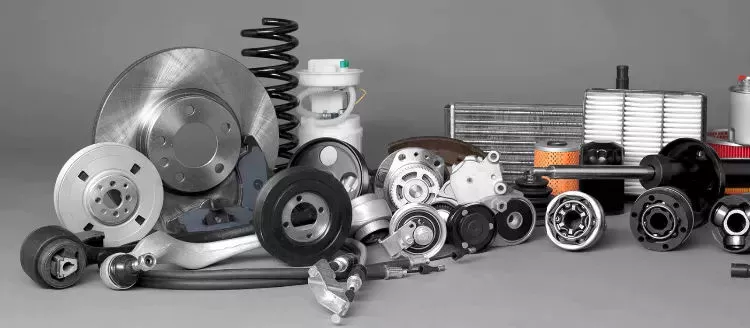
What maintenance practices are essential for prolonging the lifespan of PTO shafts?
Maintaining proper care and performing regular maintenance on Power Take-Off (PTO) shafts is crucial for prolonging their lifespan and ensuring optimal performance. By following essential maintenance practices, you can prevent premature wear, identify potential issues early on, and maximize the longevity of your PTO shafts. Here are some key maintenance practices to consider:
1. Regular Inspection: Perform routine visual inspections of the PTO shaft to check for any signs of damage, wear, or misalignment. Look for cracks, dents, bent sections, or loose components. Inspect the universal joints, coupling mechanisms, protective guards, and other associated parts. Pay attention to any unusual noises, vibrations, or changes in performance, as these can indicate underlying issues that require attention.
2. Lubrication: Proper lubrication is essential for the smooth operation and longevity of PTO shafts. Follow the manufacturer’s recommendations regarding lubrication intervals and use the recommended lubricant type. Apply lubrication to the universal joints, CV joints (if applicable), and other moving parts as specified. Regularly check for adequate lubricant levels and replenish if necessary. Ensure that the lubricant used is compatible with the shaft material and does not attract dirt or debris that could cause abrasion or damage.
3. Cleaning: Keep the PTO shaft clean and free from dirt, debris, and other contaminants. Regularly remove any accumulated dirt, grease, or residue using a brush or compressed air. Be particularly diligent in cleaning the universal joints and areas where the shaft connects to other components. Cleaning prevents the buildup of abrasive particles that can accelerate wear and compromise the shaft’s performance.
4. Guard Inspection and Maintenance: Check the protective guards and shields regularly to ensure they are securely in place and free from damage. Guards play a critical role in preventing accidental contact with the rotating shaft and minimizing the risk of injury. Repair or replace any damaged or missing guards promptly. Ensure that the guards are correctly aligned and provide sufficient coverage for all moving parts of the PTO shaft.
5. Torque and Fastener Checks: Periodically inspect and check the torque of fasteners, such as bolts and nuts, that secure the PTO shaft and associated components. Over time, vibration and normal operation can loosen these fasteners, compromising the integrity of the shaft. Use the appropriate torque specifications provided by the manufacturer to ensure proper tightening. Regularly verify the tightness of fasteners and retighten as necessary.
6. Shear Bolt or Slip Clutch Maintenance: If your PTO shaft incorporates shear bolt or slip clutch mechanisms, ensure they are functioning correctly. Inspect the shear bolts for signs of wear or damage, and replace them when necessary. Check the slip clutch for proper adjustment and smooth operation. Follow the manufacturer’s recommendations regarding maintenance and adjustment of these safety mechanisms to ensure their effectiveness in protecting the driveline components.
7. Proper Storage: When the PTO shaft is not in use, store it in a clean and dry environment. Protect the shaft from exposure to moisture, extreme temperatures, and corrosive substances. If possible, store the shaft in a vertical position to prevent bending or distortion. Consider using protective covers or cases to shield the shaft from dust, dirt, and other potential sources of damage.
8. Operator Training: Provide proper training to operators on the correct operation, maintenance, and safety procedures related to the PTO shafts. Educate them about the importance of regular inspections, lubrication, and adherence to recommended maintenance practices. Encourage operators to report any abnormalities or concerns promptly to prevent further damage and ensure timely repairs or adjustments.
9. Manufacturer and Expert Guidance: Consult the manufacturer’s guidelines and recommendations regarding maintenance practices specific to your PTO shaft model. Additionally, seek advice from experts or authorized service technicians who are knowledgeable about PTO shaft maintenance. They can provide valuable insights and assistance in implementing the best maintenance practices for your specific PTO shafts.
By following these maintenance practices, you can extend the lifespan of your PTO shafts, optimize their performance, and reduce the likelihood of unexpected failures or costly repairs. Regular inspections, lubrication, cleaning, guard maintenance, torque checks, and proper storage are all essential in ensuring the longevity and reliability of your PTO shafts.

Quais precauções de segurança devem ser seguidas ao trabalhar com eixos de tomada de força (PTO)?
Trabalhar com eixos de tomada de força (TDF) exige o cumprimento rigoroso de precauções de segurança para evitar acidentes e garantir o bem-estar das pessoas que operam ou trabalham nas proximidades do equipamento. Os eixos de TDF envolvem máquinas rotativas e podem representar riscos significativos se não forem manuseados corretamente. Aqui estão algumas precauções de segurança importantes que devem ser seguidas ao trabalhar com eixos de TDF:
1. Familiarize-se com o equipamento: Antes de operar ou trabalhar próximo a um eixo de tomada de força (TDF), é crucial compreender completamente o funcionamento do equipamento, incluindo a configuração específica do eixo da TDF, os recursos de segurança e quaisquer mecanismos associados. Leia e siga as instruções do fabricante e as diretrizes de segurança referentes ao eixo da TDF e aos equipamentos associados. O treinamento e a familiaridade com o equipamento são essenciais para garantir práticas seguras.
2. Utilize os Equipamentos de Proteção Individual (EPI) adequados: Ao trabalhar com eixos de tomada de força (TDF), os indivíduos devem usar equipamentos de proteção individual adequados para minimizar o risco de lesões. Isso pode incluir óculos de segurança, protetores auriculares, luvas e calçados resistentes. Os EPIs protegem contra riscos potenciais, como projeção de detritos, ruído e contato acidental com componentes rotativos.
3. Guarda e proteção: Certifique-se de que o eixo da tomada de força (TDF) e os equipamentos associados estejam equipados com proteções e blindagens adequadas. As proteções ajudam a evitar o contato acidental com as partes rotativas, reduzindo o risco de emaranhamento ou ferimentos. Os eixos da TDF devem ter proteções que cubram o eixo rotativo e quaisquer juntas universais expostas. Os equipamentos acionados pelo eixo da TDF também devem ter proteções adequadas para evitar o contato com as partes móveis.
4. Fixe e alinhe firmemente os componentes do eixo da tomada de força (TDF): Antes de operar ou conectar o eixo da tomada de força (TDF), certifique-se de que todos os componentes estejam firmemente fixados e alinhados. Componentes soltos ou desalinhados podem causar o deslocamento do eixo, desequilíbrio e possível falha. Siga as instruções do fabricante para a instalação e o aperto corretos de acoplamentos, garfos e outros pontos de conexão. O alinhamento correto é crucial para evitar tensão excessiva, vibrações e desgaste prematuro no eixo da TDF e nos equipamentos associados.
5. Evite roupas e joias largas: Roupas largas, joias ou outros itens que possam se enroscar no eixo da tomada de força (TDF) ou em equipamentos associados devem ser evitados. Prenda cabelos compridos, coloque roupas largas para dentro da calça e remova ou prenda adequadamente quaisquer acessórios pendentes. Objetos soltos podem ficar presos em peças giratórias, causando ferimentos graves ou risco de emaranhamento.
6. Não modifique nem remova os dispositivos de segurança: Os eixos da tomada de força (TDF) são equipados com recursos de segurança, como proteções, tampas de segurança e limitadores de torque, por um motivo. Esses recursos são projetados para proteger contra possíveis riscos e não devem ser modificados, desativados ou removidos. Alterar ou desativar os recursos de segurança pode aumentar significativamente o risco de acidentes e ferimentos. Se algum recurso de segurança estiver danificado ou não estiver funcionando corretamente, ele deve ser reparado ou substituído imediatamente.
7. Desligue a fonte de alimentação antes da manutenção: Antes de realizar qualquer manutenção, reparo ou ajuste no eixo da tomada de força (TDF) ou em equipamentos associados, certifique-se de que a fonte de energia esteja completamente desligada e desconectada. Isso inclui desligar o motor, desconectar a alimentação elétrica e acionar quaisquer travas ou mecanismos de segurança. Os procedimentos de bloqueio/etiquetagem devem ser seguidos para evitar energização ou partida acidental durante as atividades de manutenção.
8. Manutenção e Inspeção Regulares: A manutenção e inspeção regulares do eixo da tomada de força (TDF) e dos equipamentos associados são vitais para a operação segura. Siga o cronograma de manutenção recomendado pelo fabricante e realize inspeções de rotina para identificar quaisquer sinais de desgaste, danos ou desalinhamento. Lubrifique as juntas universais conforme as instruções do fabricante para garantir o bom funcionamento. Atenda prontamente a quaisquer necessidades de manutenção ou reparo para evitar possíveis riscos.
9. Treinamento e Comunicação: Assegure-se de que as pessoas que operam ou trabalham perto de eixos de tomada de força (TDF) recebam treinamento adequado sobre práticas de trabalho seguras, identificação de riscos e procedimentos de emergência. Promova uma comunicação clara sobre a presença e o funcionamento dos eixos de TDF para evitar contato ou interferência acidental. Estabeleça métodos de comunicação eficazes, como sinais ou rádios, ao trabalhar em equipe ou perto de equipamentos ruidosos.
10. Esteja atento ao que o rodeia: Mantenha-se atento ao ambiente ao trabalhar com eixos de tomada de força (TDF). Esteja ciente da localização de pessoas próximas, obstáculos e possíveis perigos. Garanta uma área de trabalho limpa e segura ao redor do eixo da TDF. Evite distrações e concentre-se na tarefa em questão para prevenir acidentes causados por desatenção.
Seguindo essas precauções de segurança, os indivíduos podem minimizar o risco de acidentes e lesões ao trabalhar com eixos de tomada de força (TDF). A segurança deve ser sempre a principal prioridade para garantir um ambiente de trabalho seguro e produtivo.

Can you explain the different types of PTO shafts and their applications?
PTO shafts (Power Take-Off shafts) come in various types, each designed for specific applications and requirements. The different types of PTO shafts offer versatility and compatibility with a wide range of machinery and implements. Here’s an explanation of the most common types of PTO shafts and their applications:
1. Standard PTO Shaft: The standard PTO shaft, also known as a splined shaft, is the most common type used in agricultural and industrial machinery. It consists of a solid steel shaft with splines or grooves along its length. The standard PTO shaft typically has six splines, although variations with four or eight splines can be found. This type of PTO shaft is widely used in tractors and various implements, including mowers, balers, tillers, and rotary cutters. The splines provide a secure connection between the power source and the driven machinery, ensuring efficient power transfer.
2. Shear Bolt PTO Shaft: Shear bolt PTO shafts are designed with a safety feature that allows the shaft to separate in case of overload or sudden shock to protect the driveline components. These PTO shafts incorporate a shear bolt mechanism that connects the tractor’s power take-off to the driven machinery. In the event of excessive load or sudden resistance, the shear bolt is designed to break, disconnecting the PTO shaft and preventing damage to the driveline. Shear bolt PTO shafts are commonly used in equipment that may encounter sudden obstructions or high-stress situations, such as wood chippers, stump grinders, and heavy-duty rotary cutters.
3. Friction Clutch PTO Shaft: Friction clutch PTO shafts feature a clutch mechanism that allows for smooth engagement and disengagement of the power transfer. These PTO shafts typically incorporate a friction disc and a pressure plate, similar to a traditional vehicle clutch system. The friction clutch allows operators to gradually engage or disengage the power transfer, reducing shock loads and minimizing wear on the driveline components. Friction clutch PTO shafts are commonly used in applications where precise control of power engagement is required, such as in hydraulic pumps, generators, and industrial mixers.
4. Constant Velocity (CV) PTO Shaft: Constant Velocity (CV) PTO shafts, also known as homokinetic shafts, are designed to accommodate high angles of misalignment without affecting power transmission. They use a universal joint mechanism that allows for smooth power transfer even when the driven machinery is at an angle relative to the power source. CV PTO shafts are frequently used in applications where the machinery requires a significant range of movement or articulation, such as in articulated loaders, telescopic handlers, and self-propelled sprayers.
5. Telescopic PTO Shaft: Telescopic PTO shafts are adjustable in length, allowing for flexibility in equipment configuration and varying distances between the power source and the driven machinery. They consist of two or more concentric shafts that slide within each other, providing the ability to extend or retract the PTO shaft as needed. Telescopic PTO shafts are commonly used in applications where the distance between the tractor’s power take-off and the implement varies, such as in front-mounted implements, snow blowers, and self-loading wagons. The telescopic design enables easy adaptation to different equipment setups and minimizes the risk of the PTO shaft dragging on the ground.
6. Gearbox PTO Shaft: Gearbox PTO shafts are designed to adapt power transmission between different rotational speeds or directions. They incorporate a gearbox mechanism that allows for speed reduction or increase, as well as the ability to change rotational direction. Gearbox PTO shafts are commonly used in applications where the driven machinery requires a different speed or rotational direction than the tractor’s power take-off. Examples include grain augers, feed mixers, and industrial equipment that requires specific speed ratios or reversing capabilities.
It’s important to note that the availability and specific applications of PTO shaft types may vary based on regional and industry-specific factors. Additionally, certain machinery or implements may require specialized or custom PTO shafts to meet specific requirements.
In summary, the different types of PTO shafts, such as standard, shear bolt, friction clutch, constant velocity (CV), telescopic, and gearbox shafts, offer versatility and compatibility with various machinery and implements. Each type of PTO shaft is designed to address specific needs, such as power transfer efficiency, safety, smooth engagement, misalignment tolerance, adaptability, and speed/direction adjustment. Understanding the different types of PTO shafts and their applications is crucial for selecting the appropriate shaft forthe intended machinery and ensuring optimal performance and reliability.

editor by CX 2024-05-09