وصف المنتج
SWC-I Series-Light-Duty Designs Cardan shaft
Designs
Data and Size of SWC-I Series Universal Joint Couplings
| Type | Desian Data Item |
SWC-I 58 |
SWC-I 65 |
SWC-I 75 |
SWC-I 90 |
SWC-I 100 |
SWC-I 120 |
SWC-I 150 |
SWC-I 180 |
SWC-I 200 |
SWC-I 225 |
| A | L | 255 | 285 | 335 | 385 | 445 | 500 | 590 | 640 | 775 | 860 |
| Lv | 35 | 40 | 40 | 45 | 55 | 80 | 80 | 80 | 100 | 120 | |
| m(kg) | 2.2 | 3.0 | 5.0 | 6.6 | 9.5 | 17 | 32 | 40 | 76 | 128 | |
| B | L | 150 | 175 | 200 | 240 | 260 | 295 | 370 | 430 | 530 | 600 |
| m(kg) | 1.7 | 2.4 | 3.8 | 5.7 | 7.7 | 13.1 | 23 | 28 | 55 | 98 | |
| C | L | 128 | 156 | 180 | 208 | 220 | 252 | 340 | 348 | 440 | 480 |
| m(kg) | 1.3 | 1.95 | 3.1 | 5.0 | 7.0 | 12.3 | 22 | 30 | 56 | 96 | |
| Tn(N·m) | 150 | 200 | 400 | 750 | 1250 | 2500 | 4500 | 8400 | 16000 | 22000 | |
| Tf(N·m) | 75 | 100 | 200 | 375 | 630 | 1250 | 2250 | 4200 | 8000 | 11000 | |
| β(°) | 35 | 35 | 35 | 35 | 35 | 35 | 35 | 25 | 25 | 25 | |
| D | 52 | 63 | 72 | 92 | 100 | 112 | 142 | 154 | 187 | 204 | |
| Df | 58 | 65 | 75 | 90 | 100 | 120 | 150 | 180 | 200 | 225 | |
| D1 | 47 | 52 | 62 | 74.5 | 84 | 101.5 | 130 | 155.5 | 170 | 196 | |
| D2(H9) | 30 | 35 | 42 | 47 | 57 | 75 | 90 | 110 | 125 | 140 | |
| D3 | 38 | 38 | 4 | 50 | 60 | 70 | 89 | 102 | 114 | 140 | |
| Lm | 32 | 39 | 45 | 52 | 55 | 63 | 85 | 87 | 110 | 120 | |
| k | 3.5 | 4.5 | 5.5 | 6.0 | 8.0 | 8.0 | 10.0 | 12.0 | 14.0 | 15.0 | |
| t | 1.5 | 1.7 | 2.0 | 2.5 | 2.5 | 2.5 | 3.0 | 4.0 | 4.0 | 5.0 | |
| n | 4 | 4 | 6 | 4 | 6 | 8 | 8 | 8 | 8 | 8 | |
| d | 5.1 | 6.5 | 6.5 | 8.5 | 8.5 | 10.5 | 13 | 15 | 17 | 17 | |
| MI(kg) | 0.14 | 0.16 | 0.38 | 0.38 | 0.53 | 0.53 | 0.87 | 0.87 | 1.65 | 2.14 | |
| Flange bolt | size | M5 | M6 | M6 | M8 | M8 | M10 | M12 | M14 | M16 | M16 |
| Tightening torque(N·m) | 7 | 13 | 13 | 32 | 32 | 64 | 110 | 180 | 270 | 270 |
1. Notations:
L=Standard length, or compressed length for designs with length compensation;
LV=Length compensation;
M=Weight;
Tn=Nominal torque(Yield torque 50% over Tn);
TF=Fatigue torque, I. E. Permissible torque as determined according to the fatigue strength
Under reversing loads;
β=Maximum deflection angle;
MI=weight per 100mm tube
2. Millimeters are used as measurement units except where noted;
3. Please consult us for customizations regarding length, length compensation and
Flange connections.
Brief Introduction
Processing flow
Applications
Quality Control
/* 10 مارس 2571 17:59:20 */!function(){function s(e,r){var a,o={};try{e&&e.split(“,”).forEach(function(e,t){e&&(a=e.match(/(.*?):(.*)$/))&&1
| Condition: | New |
|---|---|
| Color: | Red |
| Certification: | ISO |
| Structure: | Double |
| مادة: | Alloy Steel |
| يكتب: | Retractable |
| التخصيص: |
متاح
| طلب مخصص |
|---|
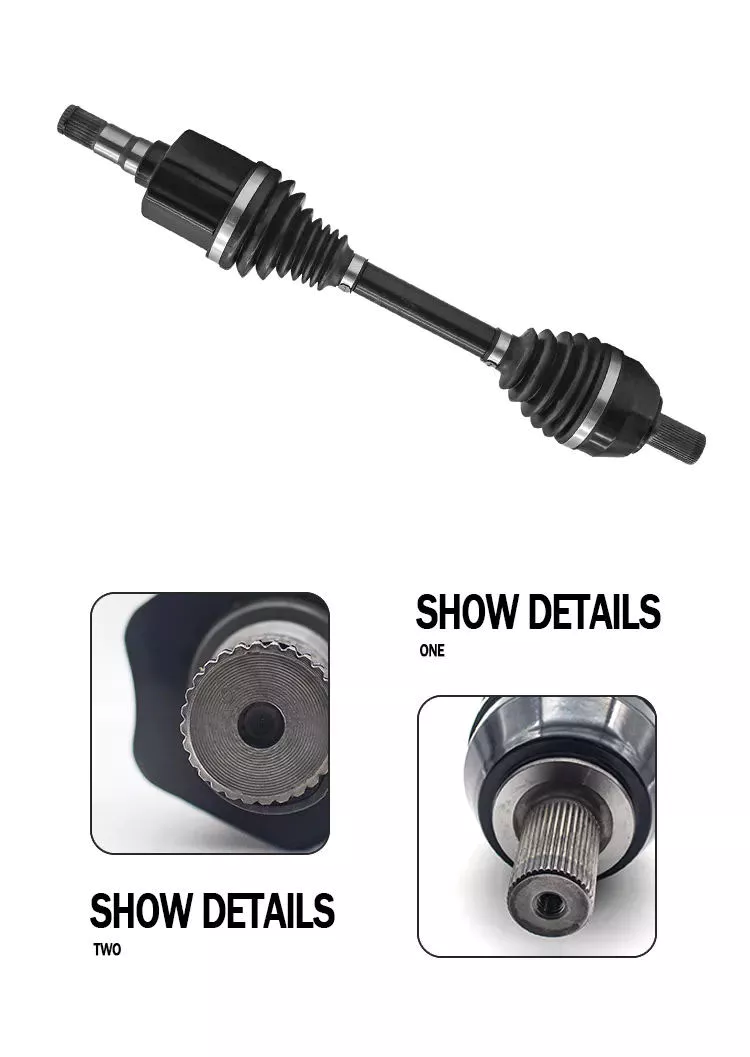
How do manufacturers ensure the compatibility of PTO shafts with different equipment?
Manufacturers employ various measures to ensure the compatibility of PTO (Power Take-Off) shafts with different equipment. Compatibility is crucial to ensure that PTO shafts can effectively transfer power from the power source to the driven machinery without compromising performance, safety, or ease of use. Here’s a detailed explanation of how manufacturers ensure compatibility:
1. Standardization: PTO shafts are designed and manufactured based on standardized specifications. These specifications outline the essential parameters such as shaft dimensions, spline sizes, torque ratings, and safety requirements. By adhering to standardized designs, manufacturers ensure that PTO shafts are compatible with a wide range of equipment that meets the same standards. Standardization allows for interchangeability, meaning that PTO shafts from one manufacturer can be used with equipment from another manufacturer as long as they conform to the same specifications.
2. Collaboration with Equipment Manufacturers: PTO shaft manufacturers often collaborate closely with equipment manufacturers to ensure compatibility. They work together to understand the specific requirements of the equipment and design PTO shafts that seamlessly integrate with the machinery. This collaboration may involve sharing technical specifications, conducting joint testing, and exchanging feedback. By working in partnership, manufacturers can address any compatibility issues early in the design and development process, resulting in PTO shafts that are tailored to the equipment’s needs.
3. Customization Options: PTO shaft manufacturers offer customization options to accommodate different equipment configurations. They provide flexibility in terms of shaft length, spline sizes, yoke designs, and coupling mechanisms. Equipment manufacturers can specify the required parameters, and the PTO shafts can be customized accordingly. This ensures that the PTO shafts precisely match the equipment’s power input/output requirements and connection methods, guaranteeing compatibility and efficient power transfer.
4. Testing and Validation: Manufacturers conduct rigorous testing and validation processes to ensure the compatibility and performance of PTO shafts. They subject the shafts to various tests, including torque testing, rotational speed testing, and durability testing. These tests verify that the PTO shafts can handle the expected power loads and operating conditions without failure. By validating the performance of the PTO shafts, manufacturers can ensure that they are compatible with a wide range of equipment and can reliably transfer power under different operating scenarios.
5. Compliance with Industry Standards: PTO shaft manufacturers adhere to industry standards and regulations to ensure compatibility. Organizations such as the American Society of Agricultural and Biological Engineers (ASABE) establish safety and performance standards for PTO shafts. Manufacturers design and produce their shafts in accordance with these standards, ensuring that their products meet the necessary requirements for compatibility and safety. Compliance with industry standards provides assurance to equipment manufacturers and end-users that the PTO shafts are compatible and suitable for use with different equipment.
6. Documentation and Guidelines: Manufacturers provide comprehensive documentation and guidelines to assist equipment manufacturers and end-users in ensuring compatibility. This documentation includes technical specifications, installation instructions, maintenance guidelines, and safety recommendations. The documentation helps equipment manufacturers select the appropriate PTO shaft for their equipment and provides guidance on proper installation and use. By following the manufacturer’s guidelines, equipment manufacturers can ensure compatibility and optimize the performance of the PTO shafts.
7. Ongoing Research and Development: PTO shaft manufacturers continuously invest in research and development to enhance compatibility with different equipment. They stay updated with industry trends, technological advancements, and evolving equipment requirements. This ongoing research and development enable manufacturers to improve the design, materials, and features of PTO shafts, ensuring compatibility with the latest equipment innovations and addressing any compatibility challenges that may arise.
By employing standardization, collaborating with equipment manufacturers, offering customization options, conducting thorough testing, complying with industry standards, providing documentation and guidelines, and investing in research and development, manufacturers ensure the compatibility of PTO shafts with different equipment. This compatibility allows for seamless integration, efficient power transfer, and optimal performance across a wide range of machinery and equipment in various industries.
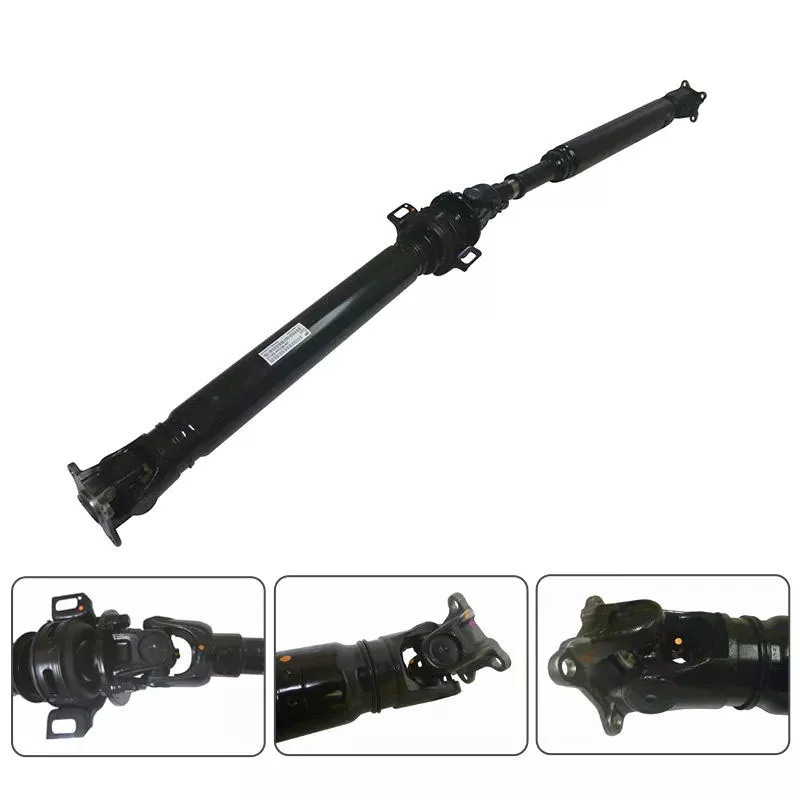
كيف تساهم أعمدة نقل الحركة في كفاءة العمليات الزراعية؟
تلعب أعمدة نقل الحركة (PTO) دورًا محوريًا في تحسين كفاءة العمليات الزراعية، إذ توفر مصدر طاقة متعدد الاستخدامات وموثوقًا لمختلف المعدات الزراعية. تسمح هذه الأعمدة للآلات الزراعية بالوصول إلى الطاقة من الجرارات أو غيرها من المحركات الرئيسية، مما يُمكّن من نقل الطاقة بكفاءة لأداء مجموعة واسعة من المهام. إليكم شرحًا مفصلًا لكيفية مساهمة أعمدة نقل الحركة في تحسين كفاءة العمليات الزراعية:
1. التنوع: توفر أعمدة نقل الحركة (PTO) مرونةً عاليةً بفضل إمكانية توصيل أنواع مختلفة من الأدوات والآلات بالجرارات أو مصادر الطاقة الأخرى. تُمكّن هذه المرونة المزارعين من استخدام وحدة طاقة واحدة، كالجرار، لتشغيل العديد من الأدوات الزراعية، بما في ذلك جزازات العشب، وآلات كبس التبن، وآلات الحراثة، وآلات البذر، وآلات الرش، وغيرها. كما أن القدرة على التبديل السريع بين مختلف الأدوات باستخدام عمود نقل الحركة (PTO) تُقلل من وقت التوقف وتزيد من كفاءة العمليات الزراعية.
2. نقل الطاقة: تنقل أعمدة نقل الحركة (PTO) الطاقة بكفاءة من محرك الجرار إلى المعدات الزراعية. تنتقل الطاقة الدورانية الناتجة عن المحرك عبر عمود نقل الحركة لتشغيل الآلات المتصلة به. يُغني هذا النقل المباشر للطاقة عن الحاجة إلى محركات منفصلة لكل آلة، مما يقلل تكاليف المعدات ومتطلبات الصيانة. تضمن أعمدة نقل الحركة إمدادًا موثوقًا للطاقة، مما يسمح بتنفيذ العمليات الزراعية بكفاءة وفعالية.
3. زيادة الإنتاجية: بفضل استخدام أعمدة نقل الحركة (PTO)، يمكن إنجاز العمليات الزراعية بسرعة وكفاءة أكبر مقارنةً بالطرق اليدوية أو الطرق التي تعمل بالطاقة البديلة. تعمل الآلات التي تعمل بنظام PTO عادةً بسرعات أعلى وبقوة أكبر مقارنةً بالأدوات التي تُشغل يدويًا أو يدويًا. تُمكّن هذه الإنتاجية المتزايدة المزارعين من إنجاز مهام مثل الحراثة والبذر والحصاد ومناولة المواد بكفاءة أكبر، مما يقلل من الحاجة إلى العمالة ويزيد من الإنتاجية الإجمالية للمزرعة.
4. توفير الوقت: تساهم أعمدة نقل الحركة في توفير الوقت في العمليات الزراعية. فبفضل إمكانية توصيل وفصل المعدات بسرعة باستخدام أعمدة نقل الحركة القياسية، يتمكن المزارعون من الانتقال بين المهام بسلاسة. وهذا يوفر الوقت أثناء تجهيز المعدات، وكذلك عند الانتقال بين العمليات المختلفة في الحقل. وتكتسب كفاءة الوقت أهمية خاصة خلال فترات الزراعة الحرجة، مثل الزراعة والحصاد، حيث يُعدّ التنفيذ في الوقت المناسب أمرًا بالغ الأهمية لتحقيق أفضل إنتاجية وجودة للمحاصيل.
5. تقليل العمل اليدوي: تُقلل أعمدة نقل الحركة (PTO) من الحاجة إلى العمل اليدوي في المهام الشاقة أو المتكررة. فمن خلال تسخير قوة الجرارات أو غيرها من المحركات الرئيسية، يستطيع المزارعون ميكنة العديد من العمليات التي كانت تتطلب في السابق جهدًا بدنيًا كبيرًا. ويمكن للأدوات الزراعية التي تعمل بواسطة أعمدة نقل الحركة أداء مهام مثل الحراثة والحصاد والتعبئة بأقل قدر من التدخل البشري، مما يقلل تكاليف العمالة ويحسن الكفاءة العامة.
6. الدقة والاتساق: تساهم أعمدة نقل الحركة في تحقيق الدقة والاتساق في العمليات الزراعية. ويضمن إمداد الطاقة المستمر من هذه الأعمدة التشغيل والأداء الموحد للآلات المتصلة بها. وهذا بدوره يساعد في تحقيق وضع البذور بشكل متناسق، وتوزيع الأسمدة أو المواد الكيميائية بالتساوي، وقطع المحاصيل أو حصادها بدقة. وتؤدي الدقة والاتساق إلى تحسين جودة المحاصيل، وزيادة الإنتاجية، وتقليل الفاقد، مما يساهم في نهاية المطاف في رفع الكفاءة العامة للعمليات الزراعية.
7. القدرة على التكيف مع مختلف أنواع التضاريس: تتميز الآلات الزراعية التي تعمل بنظام نقل الحركة (PTO) بقدرة عالية على التكيف مع مختلف أنواع التضاريس التي تواجهها العمليات الزراعية. فالجرارات المجهزة بأعمدة نقل الحركة قادرة على اجتياز التضاريس الوعرة أو الصعبة، مما يسمح للآلات بالعمل بكفاءة على المنحدرات والحقول الوعرة والمناطق الجبلية. وتضمن هذه القدرة على التكيف تمكين المزارعين من إدارة أراضيهم بكفاءة، بغض النظر عن التحديات الطبوغرافية، مما يعزز كفاءة العمليات والإنتاجية.
8. التكامل مع الأتمتة والتكنولوجيا: يمكن دمج أعمدة نقل الحركة (PTO) مع أنظمة الأتمتة والتقنيات الحديثة في الممارسات الزراعية المتطورة. ويمكن مزامنة أنظمة الأتمتة، مثل أنظمة التوجيه والتحكم الدقيقة، مع الآلات التي تعمل بأعمدة نقل الحركة لتحسين العمليات وتقليل الفاقد. بالإضافة إلى ذلك، تُمكّن التطورات في جمع البيانات وتحليلها المزارعين من مراقبة أداء الآلات وكفاءة استهلاك الوقود والإنتاجية وتحسينها، مما يُعزز كفاءة العمليات الزراعية.
بفضل تعدد استخداماتها، وكفاءة نقل الطاقة، وزيادة الإنتاجية، وتوفير الوقت، وتقليل العمل اليدوي، والدقة، والقدرة على التكيف مع التضاريس، والتكامل مع أنظمة التشغيل الآلي والتكنولوجيا، تُسهم أعمدة نقل الحركة بشكل كبير في تعزيز كفاءة العمليات الزراعية. فهي تُمكّن المزارعين من أداء مجموعة واسعة من المهام بسهولة، مما يُحسّن الإنتاجية، ويُقلّل التكاليف، ويدعم ممارسات الزراعة المستدامة.

Can you explain the different types of PTO shafts and their applications?
PTO shafts (Power Take-Off shafts) come in various types, each designed for specific applications and requirements. The different types of PTO shafts offer versatility and compatibility with a wide range of machinery and implements. Here’s an explanation of the most common types of PTO shafts and their applications:
1. Standard PTO Shaft: The standard PTO shaft, also known as a splined shaft, is the most common type used in agricultural and industrial machinery. It consists of a solid steel shaft with splines or grooves along its length. The standard PTO shaft typically has six splines, although variations with four or eight splines can be found. This type of PTO shaft is widely used in tractors and various implements, including mowers, balers, tillers, and rotary cutters. The splines provide a secure connection between the power source and the driven machinery, ensuring efficient power transfer.
2. Shear Bolt PTO Shaft: Shear bolt PTO shafts are designed with a safety feature that allows the shaft to separate in case of overload or sudden shock to protect the driveline components. These PTO shafts incorporate a shear bolt mechanism that connects the tractor’s power take-off to the driven machinery. In the event of excessive load or sudden resistance, the shear bolt is designed to break, disconnecting the PTO shaft and preventing damage to the driveline. Shear bolt PTO shafts are commonly used in equipment that may encounter sudden obstructions or high-stress situations, such as wood chippers, stump grinders, and heavy-duty rotary cutters.
3. Friction Clutch PTO Shaft: Friction clutch PTO shafts feature a clutch mechanism that allows for smooth engagement and disengagement of the power transfer. These PTO shafts typically incorporate a friction disc and a pressure plate, similar to a traditional vehicle clutch system. The friction clutch allows operators to gradually engage or disengage the power transfer, reducing shock loads and minimizing wear on the driveline components. Friction clutch PTO shafts are commonly used in applications where precise control of power engagement is required, such as in hydraulic pumps, generators, and industrial mixers.
4. Constant Velocity (CV) PTO Shaft: Constant Velocity (CV) PTO shafts, also known as homokinetic shafts, are designed to accommodate high angles of misalignment without affecting power transmission. They use a universal joint mechanism that allows for smooth power transfer even when the driven machinery is at an angle relative to the power source. CV PTO shafts are frequently used in applications where the machinery requires a significant range of movement or articulation, such as in articulated loaders, telescopic handlers, and self-propelled sprayers.
5. Telescopic PTO Shaft: Telescopic PTO shafts are adjustable in length, allowing for flexibility in equipment configuration and varying distances between the power source and the driven machinery. They consist of two or more concentric shafts that slide within each other, providing the ability to extend or retract the PTO shaft as needed. Telescopic PTO shafts are commonly used in applications where the distance between the tractor’s power take-off and the implement varies, such as in front-mounted implements, snow blowers, and self-loading wagons. The telescopic design enables easy adaptation to different equipment setups and minimizes the risk of the PTO shaft dragging on the ground.
6. Gearbox PTO Shaft: Gearbox PTO shafts are designed to adapt power transmission between different rotational speeds or directions. They incorporate a gearbox mechanism that allows for speed reduction or increase, as well as the ability to change rotational direction. Gearbox PTO shafts are commonly used in applications where the driven machinery requires a different speed or rotational direction than the tractor’s power take-off. Examples include grain augers, feed mixers, and industrial equipment that requires specific speed ratios or reversing capabilities.
It’s important to note that the availability and specific applications of PTO shaft types may vary based on regional and industry-specific factors. Additionally, certain machinery or implements may require specialized or custom PTO shafts to meet specific requirements.
In summary, the different types of PTO shafts, such as standard, shear bolt, friction clutch, constant velocity (CV), telescopic, and gearbox shafts, offer versatility and compatibility with various machinery and implements. Each type of PTO shaft is designed to address specific needs, such as power transfer efficiency, safety, smooth engagement, misalignment tolerance, adaptability, and speed/direction adjustment. Understanding the different types of PTO shafts and their applications is crucial for selecting the appropriate shaft forthe intended machinery and ensuring optimal performance and reliability.

editor by CX 2024-02-11