उत्पाद वर्णन
ZheJiang WALLONG-HSIN MACHINERY ENGINEERING CORPORATION LTD. short name ‘JSW’, is a wholly state-owned company, also a subsidiary of SINOMACH GROUP (the biggest machinery group in China, ranked No.250 of TOP500 in 2571).
JSW is founded in 1992 and registered with capital of 4.5 million US dollars, located in HangZhou city, ZheJiang Province, with workshop area 50,000 square meters with first-class production lines, and office area 3000 square meters.
JSW passed ISO 9001,ISO 14001,ISO 45001 ,ISO 50001 and AEO custom certified.
The turnover last year is 20 million US dollar,exporting to European, North American, South American, and Asian markets.
We have successfully developed a wide range and variety of drive shaft products,mainly including PTO agricultural shaft, industrial cardan shaft, drive shaft for automotive, and universal couplings.
Our products are welcomed by all our customers based on our competitive price, guaranteed quality and on-time delivery.
*Agricultural PTO शाफ़्ट :
Standard series, customized also accpeted.
Tube type:Triangle, Lemon, Star, Spline stub (Z6,Z8,Z20,Z21).
Accessory: various yokes, splined stub shaft, clutch and torque limiter.
*Industrial cardan शाफ़्ट:
Light duty type: flange Dia. Φ58-180mm
Medium duty type: SWC180 – 550
*Automotive drive शाफ़्ट :
Aftermarket for ATV,Pickup truck,Light truck
***HOW TO CHOOSE THE SUITABLE PTO SHAFT FOR YOUR DEMANDS?
1. Model/size of the universal joint, which is according to your requirment of maximum torque(TN) and R.P.M.
2. Closed overall length of shaft assembly (or cross (u-joint) to cross length).
3. Shape of the steel tube/pipe (traiangle, lemon, star, splined stub).
4. Type of the 2 end yokes/forks which used to connect the input end (power source) and output end (implement).
Including the series of quick released splined yoke/fork, plain bore yoke/fork, wide-angle yoke/fork, double yoke/fork.
5. Overload protection device including the clutch and torque limitter.
(shear bolt SB, free wheel/overrunning RA/RAS, ratchet SA/SAS, friction FF/FFS)
6. Others requirements:such as with/no plastic guard, painting color, package type,etc.
| Triangle tube type | |||||||
| शृंखला | Cross kit | Operating torque | |||||
| 540rpm | 1000rpm | ||||||
| Kw | Pk | Nm | Kw | Pk | Nm | ||
| T1 | 1.01 22*54 | 12 | 16 | 210 | 18 | 25 | 172 |
| T2 | 2.01 23.8*61.3 | 15 | 21 | 270 | 23 | 31 | 220 |
| T3 | 3.01 27*70 | 22 | 30 | 390 | 35 | 47 | 330 |
| T4 | 4.01 27*74.6 | 26 | 35 | 460 | 40 | 55 | 380 |
| T5 | 5.01 30.2*80 | 35 | 47 | 620 | 54 | 74 | 520 |
| T6 | 6.01 30.2*92 | 47 | 64 | 830 | 74 | 100 | 710 |
| T7 | 7.01 30.2*106.5 | 55 | 75 | 970 | 87 | 118 | 830 |
| T7N | 7N.01 35*94 | 55 | 75 | 970 | 87 | 118 | 830 |
| T8 | 8.01 35*106.5 | 70 | 95 | 110 | 110 | 150 | 1050 |
| T38 | 38.01 38*105.6 | 78 | 105 | 123 | 123 | 166 | 1175 |
| T9 | 9.01 41*108 | 88 | 120 | 140 | 140 | 190 | 1340 |
| T10 | 10.01 41*118 | 106 | 145 | 179 | 170 | 230 | 1650 |
| Lemon tube type | |||||||
| शृंखला | Cross kit | Operating torque | |||||
| 540rpm | 1000rpm | ||||||
| Kw | Pk | Nm | Kw | Pk | Nm | ||
| L1 | 1.01 22*54 | 12 | 16 | 210 | 18 | 25 | 172 |
| L2 | 2.01 23.8*61.3 | 15 | 21 | 270 | 23 | 31 | 220 |
| L3 | 3.01 27*70 | 22 | 30 | 390 | 35 | 47 | 330 |
| L4 | 4.01 27*74.6 | 26 | 35 | 460 | 40 | 55 | 380 |
| L5 | 5.01 30.2*80 | 35 | 47 | 620 | 54 | 74 | 520 |
| L6 | 6.01 30.2*92 | 47 | 64 | 830 | 74 | 100 | 710 |
| L32 | 32.01 32*76 | 39 | 53 | 695 | 61 | 83 | 580 |
| Star tube type | |||||||
| शृंखला | Cross kit | Operating torque | |||||
| 540rpm | 1000rpm | ||||||
| Kw | Pk | Nm | Kw | Pk | Nm | ||
| S6 | 6.01 30.2*92 | 47 | 64 | 830 | 74 | 100 | 710 |
| S7 | 7.01 30.2*106.5 | 55 | 75 | 970 | 87 | 118 | 830 |
| S8 | 8.01 35*106.5 | 70 | 95 | 1240 | 110 | 150 | 1050 |
| S38 | 38.0 38*105.6 | 78 | 105 | 1380 | 123 | 166 | 1175 |
| S32 | 32.01 32*76 | 39 | 53 | 695 | 61 | 83 | 580 |
| S36 | 2500 36*89 | 66 | 90 | 1175 | 102 | 139 | 975 |
| S9 | 9.01 41*108 | 88 | 120 | 1560 | 140 | 190 | 1340 |
| S10 | 10.01 41*118 | 106 | 145 | 1905 | 170 | 230 | 1650 |
| S42 | 2600 42*104.5 | 79 | 107 | 1400 | 122 | 166 | 1175 |
| S48 | 48.01 48*127 | 133 | 180 | 2390 | 205 | 277 | 1958 |
| S50 | 50.01 50*118 | 119 | 162 | 2095 | 182 | 248 | 1740 |
| Spline stub type | |||||||
| शृंखला | Cross kit | Operating torque | |||||
| 540rpm | 1000rpm | ||||||
| Kw | Pk | Nm | Kw | Pk | Nm | ||
| ST2 | 2.01 23.8*61.3 | 15 | 21 | 270 | 23 | 31 | 220 |
| ST4 | 4.01 27*74.6 | 26 | 35 | 460 | 40 | 55 | 380 |
| ST5 | 5.01 30.2*80 | 35 | 47 | 620 | 54 | 74 | 520 |
| ST6 | 6.01 30.2*92 | 47 | 64 | 830 | 74 | 100 | 710 |
| ST7 | 7.01 30.2*106.5 | 55 | 75 | 970 | 87 | 118 | 830 |
| ST8 | 8.01 35*106.5 | 70 | 95 | 1240 | 110 | 150 | 1050 |
| ST38 | 38.10 38*105.6 | 78 | 105 | 1380 | 123 | 166 | 1175 |
| ST42 | 2600 42*104.5 | 79 | 107 | 1400 | 122 | 166 | 1175 |
| ST50 | 50.01 50*118 | 119 | 162 | 2095 | 182 | 248 | 1740 |
*** APPLICATION OF PTO DRIEVE SHAFT:
We have a variety of inspection equipments with high precision, and QA engineers who can strictly control the quality during production and before shipment.
We sincerely welcome guests from abroad for business negotiation and cooperation,in CHINAMFG new levels of expertise and professionalism, and developing a brilliant future.
/* January 22, 2571 19:08:37 */!function(){function s(e,r){var a,o={};try{e&&e.split(“,”).forEach(function(e,t){e&&(a=e.match(/(.*?):(.*)$/))&&1
| Color: | Red, Yellow, Black, Orange |
|---|---|
| Certification: | CE, ISO |
| Type: | Pto Shaft |
| Material: | Forged Carbon Steel C45/AISI1045, Alloy Steel |
| Machinery Application: | Baler, Mower, Harvester, Cotton Picker, Tiller |
| Tube/Pipe Shape: | Triangular/Lemon/Star Steel Tube, Spline Tub Shaft |
| Samples: |
US$ 15/Piece
1 Piece(Min.Order) | |
|---|
| Customization: |
Available
| Customized Request |
|---|
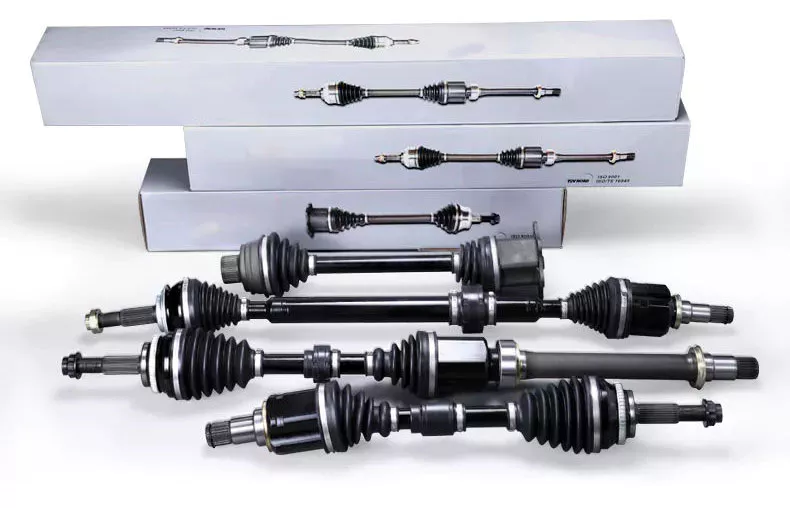
How do PTO shafts ensure efficient power transfer while maintaining safety?
PTO (Power Take-Off) shafts play a crucial role in ensuring efficient power transfer from a power source to driven machinery or equipment, while also maintaining safety. These shafts are designed with various features and mechanisms to optimize power transmission efficiency and mitigate potential hazards. Here’s a detailed explanation of how PTO shafts achieve efficient power transfer while prioritizing safety:
1. Mechanical Power Transmission: PTO shafts serve as mechanical linkages between the power source, typically a tractor or engine, and the driven machinery. They transmit rotational power from the power source to the equipment, enabling efficient transfer of energy. The mechanical design of PTO shafts, including their diameter, length, and material composition, is optimized to minimize power losses during transmission, ensuring that a significant portion of the power generated by the source is effectively delivered to the machinery.
2. Universal Joints and Flexible Couplings: PTO shafts are equipped with universal joints and flexible couplings that allow for angular misalignment and flexibility in movement. Universal joints accommodate variations in the alignment between the power source and the driven machinery, enabling smooth power transfer even when the two components are not perfectly aligned. Flexible couplings help to compensate for slight misalignments, reduce vibration, and prevent excessive stress on the shaft and connected components, thereby enhancing efficiency and reducing the risk of mechanical failure or damage.
3. Constant Velocity (CV) Joints: CV joints are often used in PTO shafts to maintain constant speed and torque transfer, particularly in applications where the driven machinery requires flexibility or operates at different angles. CV joints allow for smooth power transmission without significant fluctuations, even when the driven machinery is at an angle relative to the power source. By minimizing speed variations and power loss due to changing angles, CV joints contribute to efficient power transfer while ensuring consistent performance and reducing the likelihood of mechanical stress or premature wear.
4. Safety Guards and Shields: Safety is a paramount consideration in the design of PTO shafts. Protective guards and shields are installed to cover the rotating shaft and other moving parts. These guards act as physical barriers to prevent accidental contact with the rotating components, significantly reducing the risk of entanglement, injury, or damage. Safety guards are typically made of durable materials such as metal or plastic and are designed to allow the necessary movement for power transmission while providing adequate protection. Regular inspection and maintenance of these guards are crucial to ensure their effectiveness in maintaining safety.
5. Shear Bolt or Slip Clutch Mechanisms: PTO shafts often incorporate shear bolt or slip clutch mechanisms as safety features to protect the driveline components and prevent damage in case of excessive torque or sudden resistance. Shear bolts are designed to shear or break when the torque exceeds a predetermined threshold, disconnecting the PTO shaft from the power source. This helps prevent damage to the shaft, driven machinery, and power source. Slip clutches work similarly by allowing the PTO shaft to slip when excessive resistance is encountered, protecting the components from overload. These mechanisms act as safety measures to maintain the integrity of the PTO shaft and associated equipment while minimizing the risk of mechanical failures or accidents.
6. Compliance with Safety Standards: PTO shafts are designed and manufactured to comply with relevant safety standards and regulations. Manufacturers follow guidelines and requirements set by organizations such as the American Society of Agricultural and Biological Engineers (ASABE) or other regional safety authorities. Compliance with these standards ensures that PTO shafts meet specific safety criteria, including torque capacity, guard design, and other safety considerations. Users can rely on standardized PTO shafts that have undergone testing and certification, providing an additional layer of assurance regarding their safety and performance.
7. Operator Education and Training: To ensure safe and efficient operation, it is essential for operators to receive proper education and training on PTO shafts. Operators should be familiar with the specific safety features, maintenance requirements, and safe operating procedures for the PTO shafts used in their applications. This includes understanding the importance of using appropriate personal protective equipment, regularly inspecting the equipment for wear or damage, and following recommended maintenance schedules. Operator awareness and adherence to safety protocols significantly contribute to maintaining a safe working environment and maximizing the efficiency of power transfer.
In summary, PTO shafts ensure efficient power transfer while maintaining safety through their mechanical design, incorporation of universal joints and CV joints, installation of safety guards and shields, implementation of shear bolt or slip clutch mechanisms, compliance with safety standards, and operator education. By combining these features and practices, PTO shafts provide reliable and secure power transmission, minimizing power losses and potential risks associated with their operation.
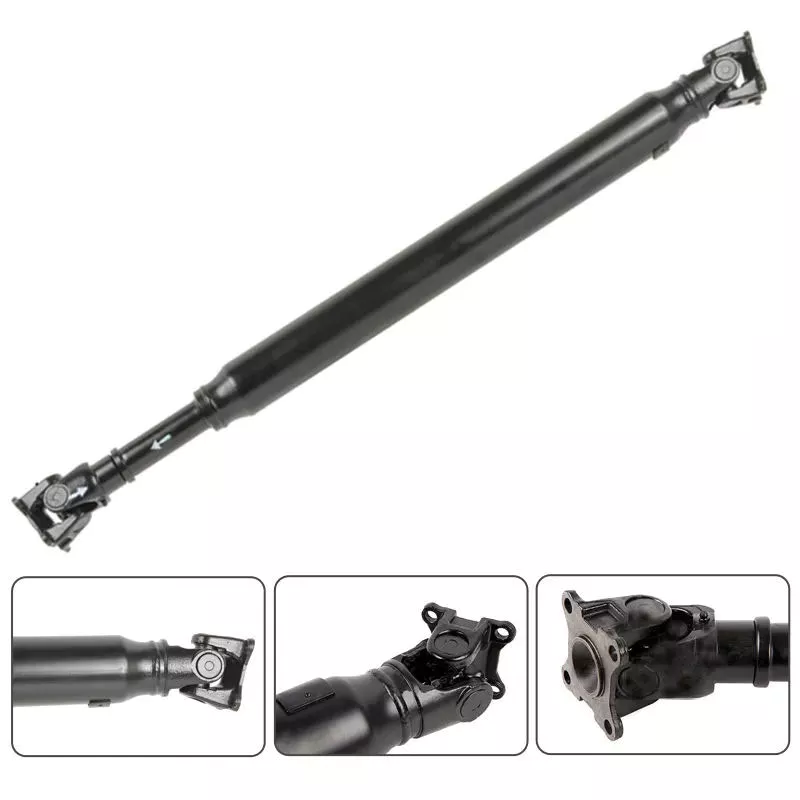
Are there any limitations or disadvantages associated with PTO shafts?
While PTO (Power Take-Off) shafts offer numerous advantages in terms of power transfer and versatility, they also have certain limitations and disadvantages. It’s important to consider these factors when using PTO shafts to ensure safe and efficient operation. Here’s a detailed explanation of some limitations and disadvantages associated with PTO shafts:
1. Safety Hazards: One of the primary concerns with PTO shafts is the potential for safety hazards. PTO shafts rotate at high speeds and can pose a significant risk if not properly guarded or handled. Accidental contact with an exposed or inadequately shielded PTO shaft can result in severe injuries, including entanglement, amputation, or even fatalities. It is crucial to follow safety guidelines, implement proper guarding, and ensure that operators are well-trained on safe handling practices to mitigate these risks.
2. Maintenance and Lubrication: PTO shafts require regular maintenance and lubrication to ensure optimal performance and longevity. The moving parts, such as universal joints and splines, need to be inspected, cleaned, and lubricated at recommended intervals. Neglecting maintenance can lead to premature wear, decreased efficiency, and potential failures. Proper maintenance practices, including regular inspections and timely lubrication, are essential to mitigate these issues.
3. Alignment and Angles: PTO shafts rely on proper alignment and angles to ensure efficient power transfer. Misalignment or excessive angles between the power source and driven machinery can cause increased wear and strain on the components, leading to premature failure. Ensuring proper alignment and angle adjustment, using adjustable sliding yokes or other means, is important to prevent excessive stress on the PTO shaft and associated equipment.
4. Length Limitations: PTO shafts have limitations on their maximum and minimum length due to engineering constraints. The telescoping design allows for some adjustment, but there is a practical limit to how much the shaft can extend or retract. If the distance between the power source and driven machinery exceeds the maximum or falls below the minimum length of the PTO shaft, alternative solutions or modifications may be required. In some cases, additional components such as drive shaft extensions or gearboxes may be necessary to bridge the distance.
5. Compatibility: While manufacturers strive to ensure compatibility, there can still be challenges in finding the right PTO shaft for specific equipment configurations. Equipment may have unique requirements in terms of spline sizes, torque ratings, or connection methods that may not be readily available or compatible with off-the-shelf PTO shafts. Customization may be required to address these compatibility issues, which can result in increased costs or lead times.
6. Noise and Vibrations: PTO shafts in operation can generate significant noise and vibrations, especially at higher speeds. This can be a nuisance for operators and may require additional measures to reduce noise levels or dampen vibrations. Excessive vibrations can also affect the overall performance and lifespan of the PTO shaft and connected equipment. Implementing vibration dampeners or using flexible couplings can help mitigate these issues.
7. Power Limits: PTO shafts have specific power limits based on their design, materials, and components. Exceeding these power limits can lead to premature wear, component failures, or even shaft breakage. It is crucial to understand and adhere to the recommended power ratings for PTO shafts to ensure safe and reliable operation. In some cases, upgrading to a higher-capacity PTO shaft or implementing additional power transmission components may be necessary to accommodate higher power requirements.
8. Complex Installation and Removal: Installing and removing PTO shafts can be a complex process, especially in confined spaces or when dealing with heavy equipment. It may require aligning splines, engaging couplings, and securing locking mechanisms. Improper installation or removal techniques can lead to damage to the shaft or associated equipment. Proper training, handling equipment, and following manufacturer guidelines are essential to simplify and ensure the safe installation and removal of PTO shafts.
Despite these limitations and disadvantages, PTO shafts remain widely used and valuable components for power transfer in various industries. By addressing these considerations and implementing proper safety measures, maintenance practices, and alignment procedures, the potential drawbacks of PTO shafts can be effectively mitigated, allowing for safe and efficient operation.

पीटीओ शाफ्ट क्या है और कृषि एवं औद्योगिक उपकरणों में इसका उपयोग कैसे किया जाता है?
पावर टेक-ऑफ (पीटीओ) शाफ्ट एक यांत्रिक घटक है जिसका उपयोग कृषि और औद्योगिक उपकरणों में इंजन या मोटर जैसे पावर स्रोत से किसी अन्य मशीन या उपकरण तक शक्ति स्थानांतरित करने के लिए किया जाता है। यह एक ड्राइवलाइन शाफ्ट है जो घूर्णी शक्ति और टॉर्क संचारित करता है, जिससे जुड़े उपकरण विभिन्न कार्य कर पाते हैं। पीटीओ शाफ्ट का उपयोग आमतौर पर कृषि मशीनरी, जैसे ट्रैक्टर, साथ ही औद्योगिक उपकरणों, जिनमें जनरेटर, पंप और निर्माण मशीनरी शामिल हैं, में किया जाता है। पीटीओ शाफ्ट क्या है और इसका उपयोग कैसे किया जाता है, इसका विस्तृत विवरण यहाँ दिया गया है:
संरचना एवं घटक: एक सामान्य पीटीओ शाफ्ट खोखली धातु की नली से बना होता है जिसके दोनों सिरों पर यूनिवर्सल जॉइंट लगे होते हैं। खोखली नली शाफ्ट को स्वतंत्र रूप से घूमने देती है, जबकि यूनिवर्सल जॉइंट विद्युत स्रोत और संचालित उपकरण के बीच कोणीय विसंगतियों को समायोजित करते हैं। यूनिवर्सल जॉइंट में सुई बियरिंग के साथ एक क्रॉस-आकार का योक होता है, जो लचीलापन प्रदान करता है और विभिन्न कोणों पर विद्युत संचरण की अनुमति देता है। कुछ पीटीओ शाफ्ट में एक टेलीस्कोपिक भाग भी हो सकता है, जिससे विभिन्न उपकरण सेटअप के लिए लंबाई को समायोजित किया जा सकता है या विद्युत स्रोत और संचालित मशीन के बीच की अलग-अलग दूरियों को समायोजित किया जा सकता है।
शक्ति स्थानांतरण: पीटीओ शाफ्ट का प्राथमिक कार्य विद्युत स्रोत से संचालित उपकरण तक शक्ति और टॉर्क का स्थानांतरण करना है। विद्युत स्रोत, जो आमतौर पर एक इंजन या मोटर होता है, गियरबॉक्स या क्लच जैसे यांत्रिक कनेक्शन के माध्यम से पीटीओ शाफ्ट को गति प्रदान करता है। जैसे ही विद्युत स्रोत घूमता है, यह पीटीओ शाफ्ट को घूर्णी बल संचारित करता है। पीटीओ शाफ्ट बदले में इस घूर्णी शक्ति और टॉर्क को संचालित उपकरण तक स्थानांतरित करता है, जिससे वह अपना इच्छित कार्य कर पाता है। पीटीओ शाफ्ट के माध्यम से संचारित टॉर्क और घूर्णी गति विद्युत स्रोत की विशेषताओं और गियर अनुपात या क्लच जुड़ाव पर निर्भर करती है।
कृषि अनुप्रयोग: कृषि में, ट्रैक्टरों में विभिन्न उपकरणों और सहायक उपकरणों को शक्ति प्रदान करने के लिए पीटीओ शाफ्ट का आमतौर पर उपयोग किया जाता है। पीटीओ शाफ्ट ट्रैक्टर के पावर टेक-ऑफ से जुड़ा होता है, जो ट्रैक्टर के पिछले हिस्से में स्थित एक घूमने वाला ड्राइव शाफ्ट होता है। पीटीओ क्लच को सक्रिय करने पर, ट्रैक्टर के इंजन की शक्ति पीटीओ शाफ्ट के माध्यम से जुड़े उपकरणों तक स्थानांतरित हो जाती है। घास काटने की मशीन, बेलर, जुताई मशीन, स्प्रेयर और अनाज ऑगर जैसी कृषि मशीनरी अक्सर अपने संचालन के लिए पीटीओ शाफ्ट पर निर्भर करती हैं। पीटीओ शाफ्ट उपकरणों को सीधे ट्रैक्टर के इंजन से शक्ति प्राप्त करने की सुविधा देता है, जिससे अलग-अलग बिजली स्रोतों की आवश्यकता समाप्त हो जाती है और कृषि कार्यों की बहुमुखी प्रतिभा और दक्षता में वृद्धि होती है।
औद्योगिक अनुप्रयोग: पीटीओ शाफ्ट का उपयोग विभिन्न औद्योगिक अनुप्रयोगों में भी व्यापक रूप से होता है। जनरेटर, पंप, कंप्रेसर और औद्योगिक मिक्सर जैसे औद्योगिक उपकरणों में अक्सर इंजन या इलेक्ट्रिक मोटर से शक्ति प्राप्त करने के लिए पीटीओ शाफ्ट लगे होते हैं। पीटीओ शाफ्ट शक्ति स्रोत को संचालित उपकरण से जोड़ता है, जिससे वह कार्य कर पाता है और अपना निर्धारित कार्य पूरा करता है। निर्माण मशीनरी में, पीटीओ शाफ्ट कंक्रीट मिक्सर, हाइड्रोलिक हैमर और पोस्ट होल डिगर जैसे उपकरणों में पाए जाते हैं, जो मशीनरी के इंजन से उपयोग किए जा रहे विशिष्ट उपकरण या औजार तक शक्ति का स्थानांतरण संभव बनाते हैं।
सुरक्षा संबंधी विचार: यह ध्यान रखना महत्वपूर्ण है कि पीटीओ शाफ्ट को ठीक से न संभालने पर सुरक्षा संबंधी जोखिम उत्पन्न हो सकते हैं। यदि ऑपरेटर चलते समय घूमते हुए शाफ्ट के संपर्क में आ जाएं तो गंभीर चोटें लग सकती हैं। सुरक्षा सुनिश्चित करने के लिए, पीटीओ शाफ्ट में अक्सर शील्ड या गार्ड लगे होते हैं जो घूमते हुए शाफ्ट और यूनिवर्सल जॉइंट को ढकते हैं, जिससे आकस्मिक संपर्क से बचाव होता है। इन सुरक्षा सुविधाओं की नियमित रूप से देखभाल और जांच करना महत्वपूर्ण है ताकि इनकी प्रभावशीलता बनी रहे। इसके अलावा, ऑपरेटरों को पीटीओ शाफ्ट के संचालन का उचित प्रशिक्षण प्राप्त होना चाहिए, जिसमें सुरक्षित रूप से जोड़ने और अलग करने की प्रक्रियाएं, साथ ही पीटीओ से चलने वाली मशीनों के पास काम करते समय व्यक्तिगत सुरक्षा उपकरण का उपयोग करना शामिल है।
संक्षेप में, पीटीओ शाफ्ट एक यांत्रिक घटक है जिसका उपयोग कृषि और औद्योगिक उपकरणों में विद्युत स्रोत से संचालित मशीन या उपकरण तक शक्ति और टॉर्क संचारित करने के लिए किया जाता है। यह इंजनों या मोटरों से विभिन्न उपकरणों तक सीधे शक्ति हस्तांतरण को सक्षम बनाता है, जिससे कृषि और औद्योगिक कार्यों में दक्षता और बहुमुखी प्रतिभा बढ़ती है। पीटीओ शाफ्ट के महत्वपूर्ण लाभ हैं, लेकिन संचालकों को इससे संबंधित सुरक्षा संबंधी बातों से अवगत होना चाहिए और दुर्घटनाओं और चोटों से बचने के लिए उचित सावधानी बरतनी चाहिए।


editor by CX 2024-04-30